11 Transformative Steps to Make an Uninspired Room Feel Like Home
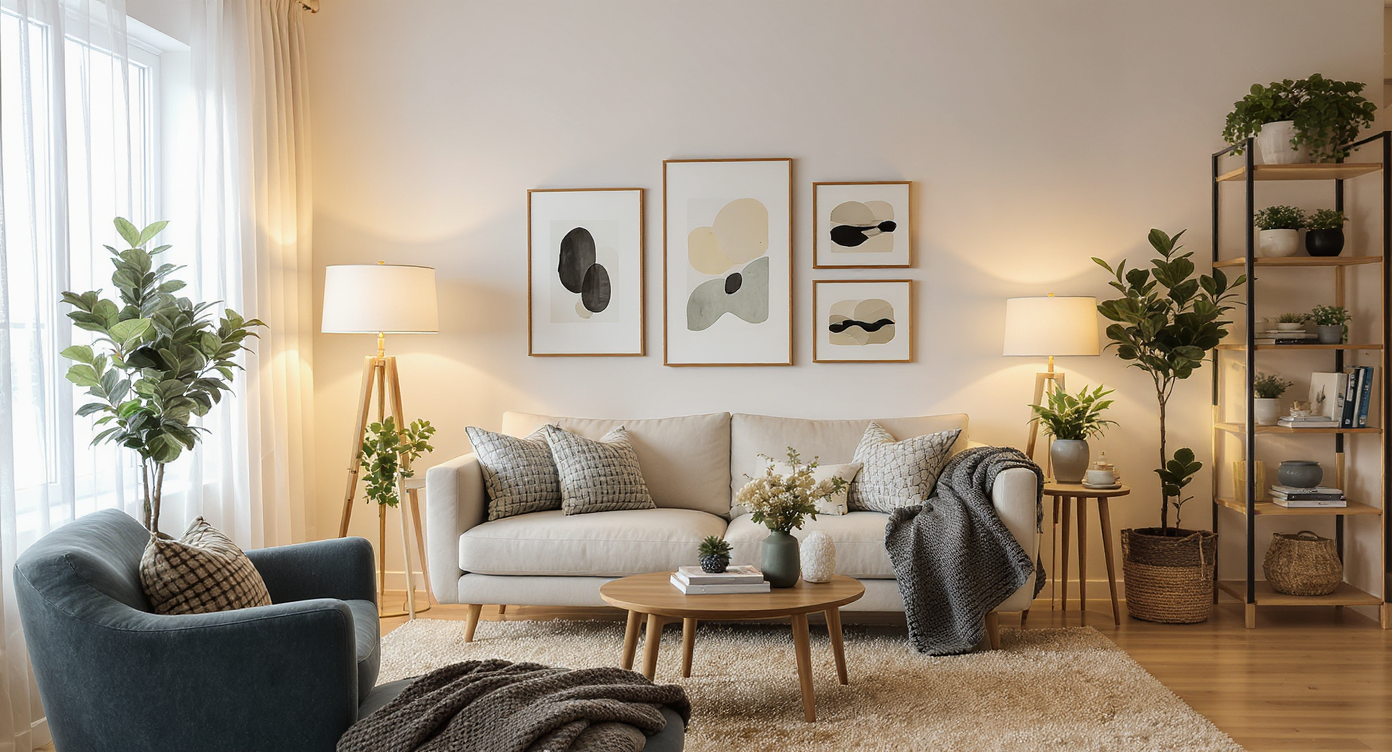
TL;DR
A neglected or uninspiring bedroom can become genuinely welcoming without major spending. By focusing on clutter control, affordable design solutions, better lighting, and considered color updates, even bare and mismatched rooms can feel warm, personal, and functional. This guide distills practical steps for turning a lifeless space into a place you actually want to be.
Why 'Depressing' Rooms Still Have Potential
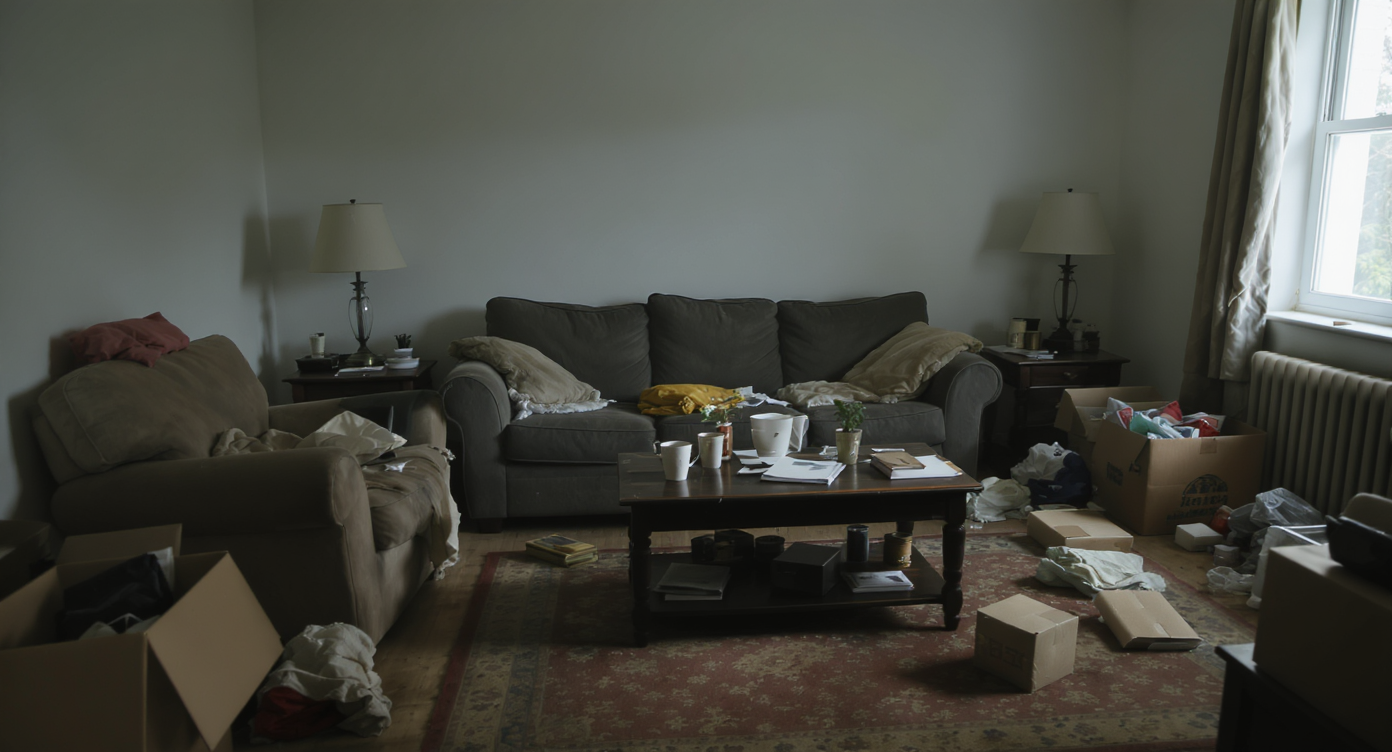
A lifeless, cluttered living room with mismatched pieces and moving boxes sets the stage for transformative home improvement steps.
A cold, cluttered, and impersonal room often mirrors periods of upheaval or transition in life. Many people face a space that feels more like a penalty box than a sanctuary. Fortunately, even the most uninspiring rooms can be changed affordably and with intention. Creating a welcoming environment is less about spending big and more about making decisive design choices. Whether you are working with mismatched furniture, tired finishes, or simply a room where nothing feels considered, these proven steps—the same strategies used by designers and real-world renters on modest budgets—can help reclaim your space and your mood.
-
1. Purge for Clarity and Mood
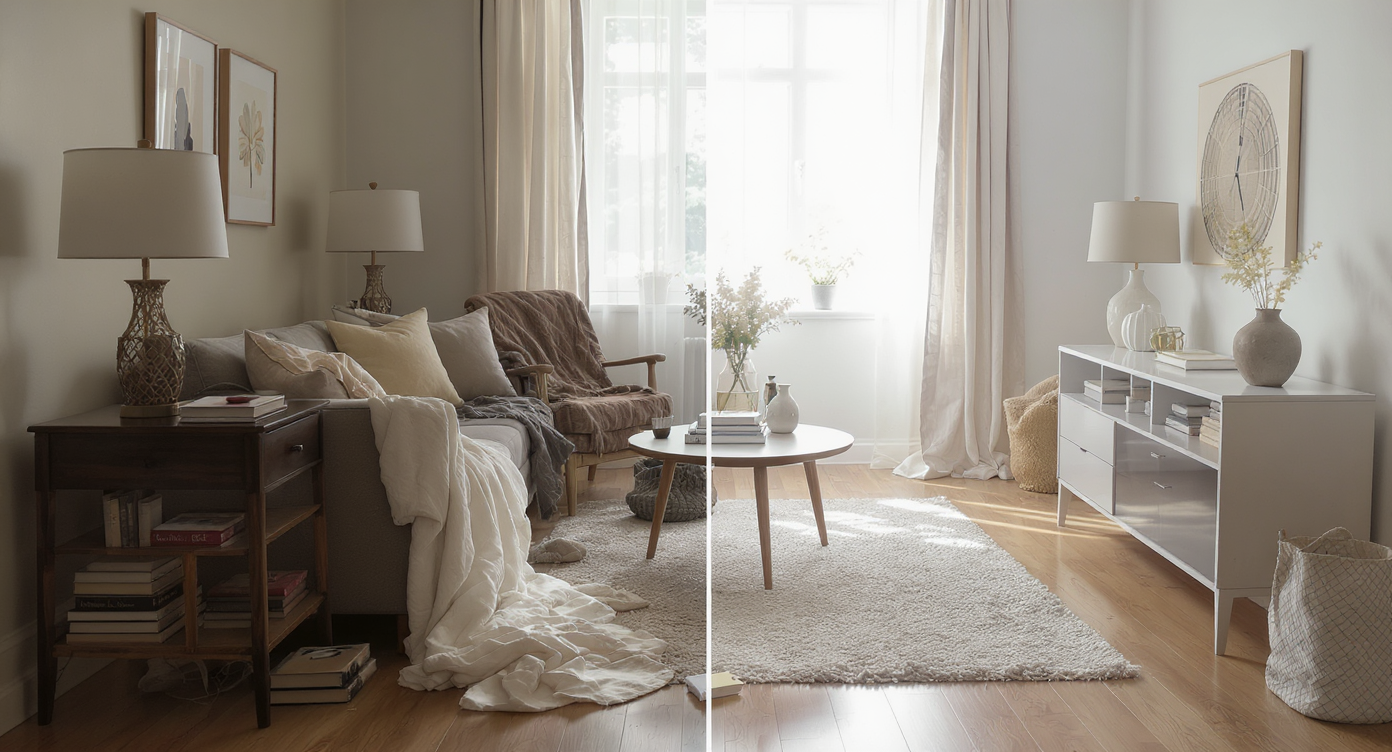
A living room visually split between cluttered and streamlined: clear surfaces, open floor space, and a single storage console create a calm, purposeful feel.
The first step is decisive clutter control. Rooms filled with random objects, unused furniture, or visible mess can undermine comfort and sap motivation. Experts consistently recommend clearing every surface and making tough decisions about what to donate, store, or discard. For example, condensing two small tables into a single storage console improves floor space and instantly feels lighter. Visual simplicity doesn't require minimalism but does require editing. As seen in our exploration of small-space makeover strategies, every object should have a purpose or bring some joy.small-space makeover strategies
-
2. Fresh Wall Color for a Clean Slate
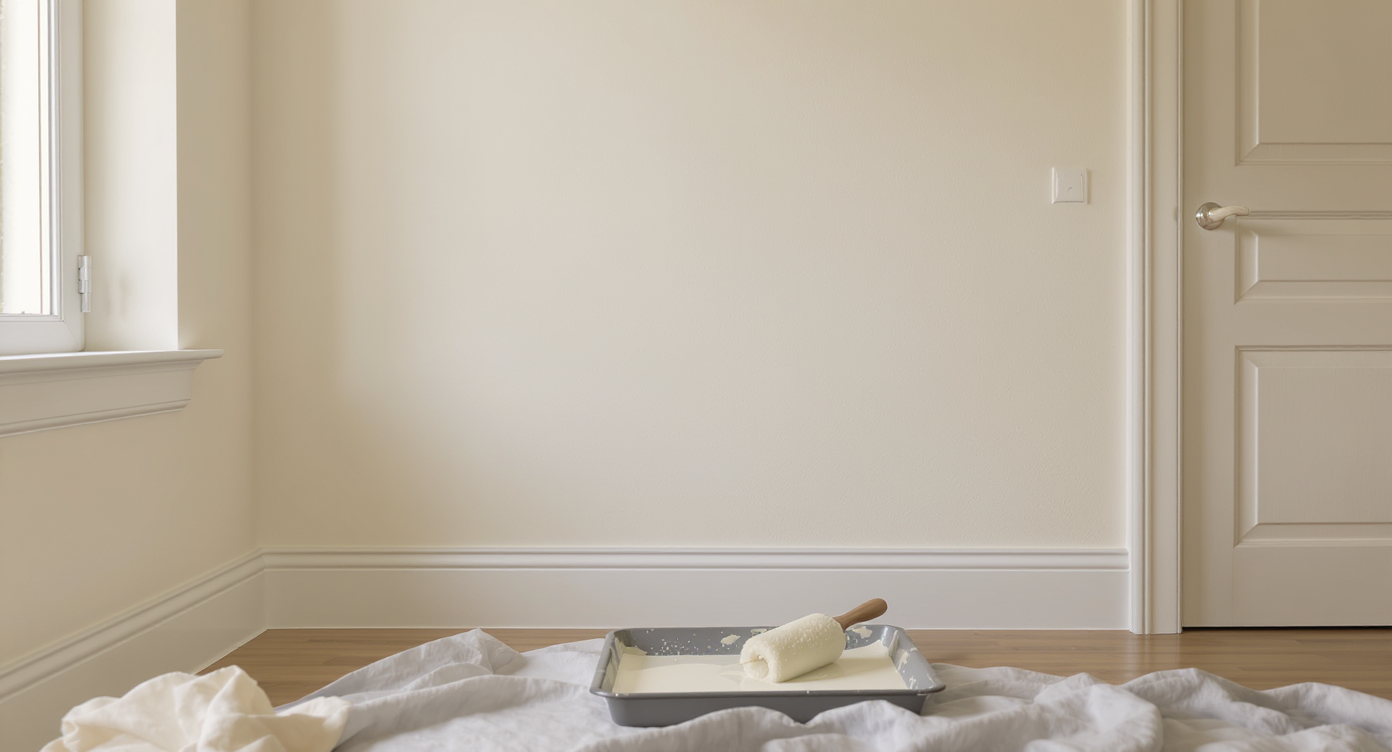
A room gains new life with matte off-white walls and expertly painted trim, highlighting the transformative effect of fresh paint.
Paints and textures work like a reset button. Bare, marked, or mismatched walls can make even tidy rooms feel neglected. Professionals suggest starting with a fresh coat—off-white, soft cream, or even a pale blue or green. Avoid glossy finishes unless you want a bathroom-like effect. Painting the door and trim to coordinate helps the space feel intentional. This simple investment often yields the biggest visual return, as outlined in our round-up of approachable DIY decor trends.approachable DIY decor trends
-
3. Thoughtful Furniture Edits
Many rooms suffer from mismatched pieces that dominate the footprint or send mixed signals. Swapping out bulky tables for thrifted finds—solid wood desks, simple bookshelves, or a unified TV stand—can be both an affordable design and an aesthetic upgrade. Try not to overcorrect: one or two well-scaled pieces in neutral tones are better than five unrelated ones. Storage benches or closed baskets can hide essentials without looking messy. Successful thrifted transformations frequently anchor a room in both function and style.thrifted transformations
-
4. Strategic Rug and Textile Swaps

A neutral rug and thoughtfully layered textiles in matching hues create a cohesive, inviting bedroom atmosphere with minimal effort.
Rugs and textiles are among the easiest ways to bring cohesion. Replace any old or patterned rugs that ‘fight’ with other patterns in the space, favoring instead a simple, neutral foundation. Layering bed linens with a fresh comforter, a textured throw, and two or three pillows (even in just varying shades of the same color) can dramatically shift the mood from utilitarian to inviting. Designers often note that selecting textiles to echo your curtains or existing large furniture ties the room together with minimal effort.
-
5. Fix Lighting Issues at Every Height
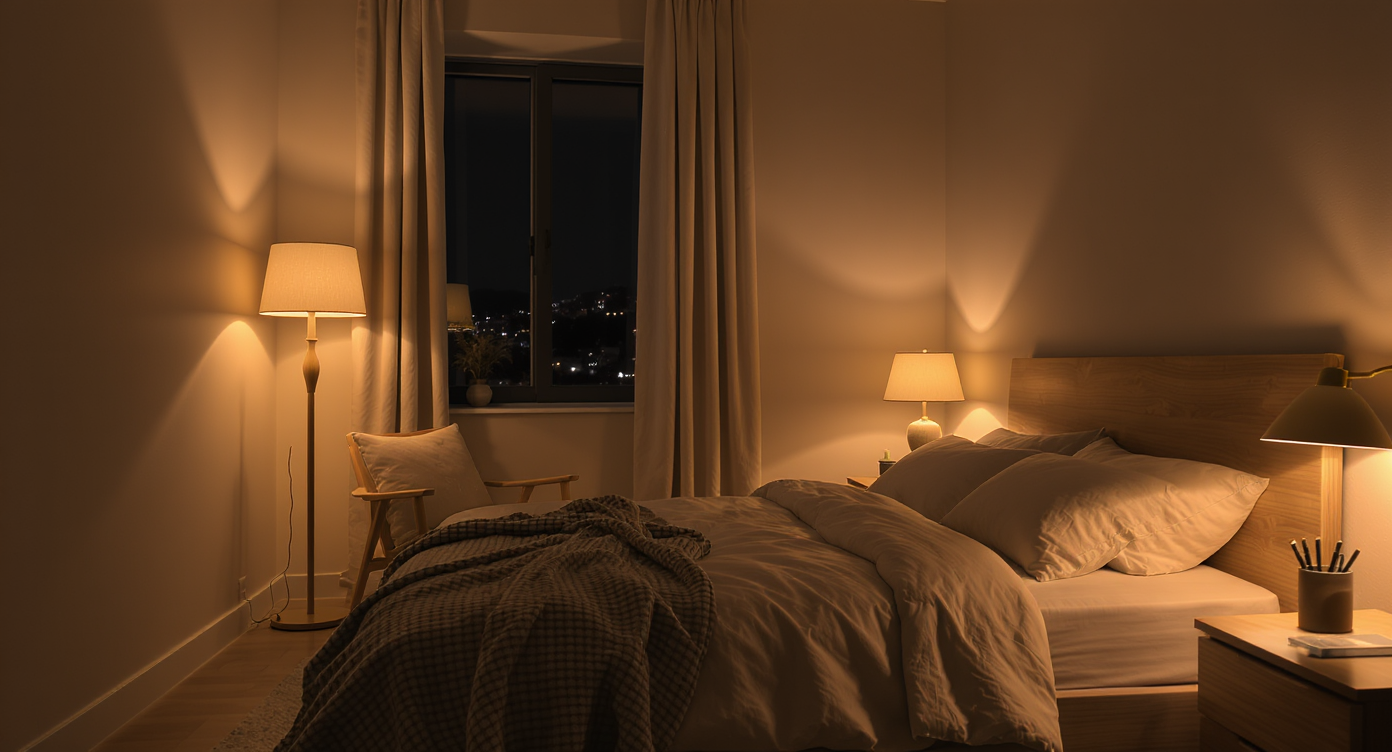
Layering warm light sources at different heights—floor, bedside, and desk—instantly softens and personalizes a bedroom’s atmosphere.
Harsh overhead lighting can make a room feel sterile, while poor task lighting leads to eye strain. Fixing lighting issues means layering sources: a floor lamp with a warm bulb (around 2700K), a small desk lamp, and a compact bedside option. In practice, switching from cool white to warm bulbs and adding lamps at different heights are two of the fastest ways to make a bedroom feel welcoming again. Our guide on what’s missing from bedroom decor explores exactly this transformative effect.what’s missing from bedroom decor
-
6. Window Treatments that Welcome Light
Heavy blackout curtains have their place, but unless privacy is the only goal, they often deaden the feeling of a room. Switching to light-filtering blinds or pale curtains (light gray, cream, or a gentle accent color) helps bounce light and make even small spaces feel larger. If you rely on privacy, simply layering sheer panels under thicker drapes gives flexibility. Adjust curtain rods to match other existing hardware for subtle but effective cohesion.
-
7. Budget-Friendly Decor with Character
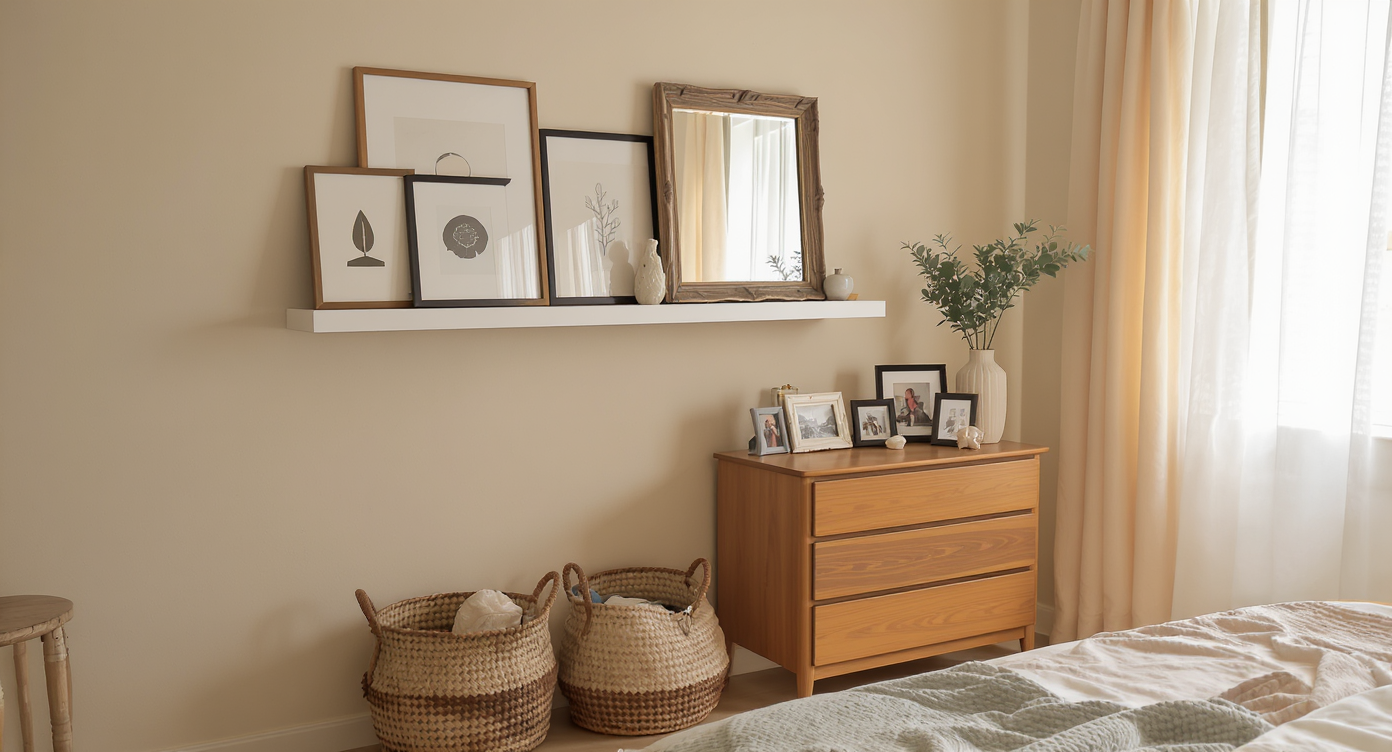
A thoughtfully decorated bedroom nook features intentional, affordable decor: thrifted mirrors, framed posters, keepsakes, floating shelf, and discreet storage.
Affordable design is about choosing decorative objects with intention. Framed posters, thrifted mirrors, or even sentimental items like a small statue—placed purposefully—give a sense of identity. Mounting floating shelves for collections and storing clutter in matching baskets lets favorite items shine without chaos. As seen in successful bedrooms built over time, a handful of photos or mementos does more for personality than filling every inch with random décor.
-
8. Smarter Storage for a Tidy Look
When everything has a home, visual clutter fades. Under-bed storage bins, dual-purpose benches, and small chests handle things you need but don’t want to see. Books or hobby collections can go on shelves with 30 to 40 percent of space closed off at the bottom to keep messes hidden. Match basket colors to your other large surfaces for a designer touch that does not break the bank. This principle is especially emphasized in guides on modest, eclectic bedrooms.
-
9. Greenery and Texture Add Life
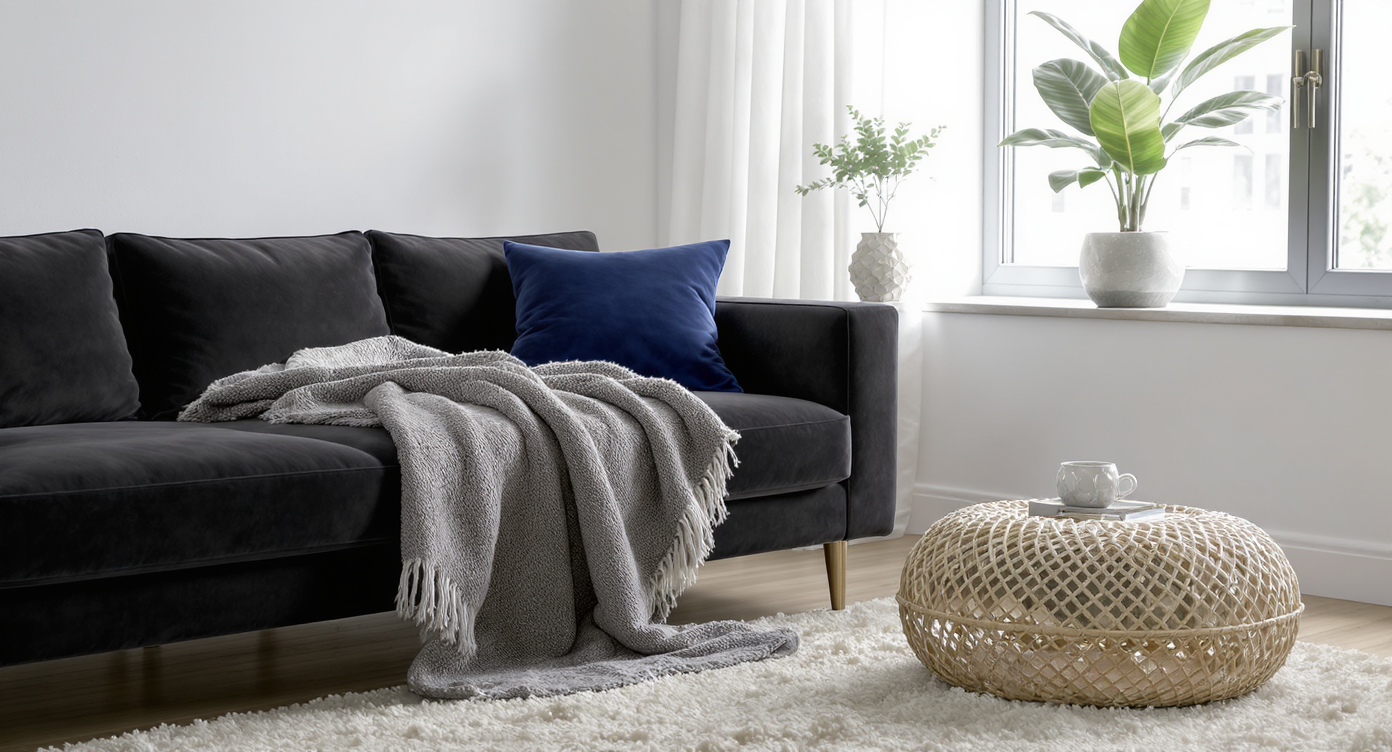
A faux plant, woven pouf, nubby throw, and velvet pillow add warmth, texture, and life to a once-sterile, sunlit living room corner.
Even a single faux plant makes a difference in a sterile-feeling room, especially where sunlight is scarce. Mixing in a low-maintenance potted plant (real or artificial) on a shelf, desk, or windowsill immediately adds dimension and a sense of care. Similarly, a nubby throw, woven pouf, or velvet pillow can deliver needed texture—key for counteracting cold, hard finishes and bringing a sense of comfort and completion.
-
10. Adjust Layout to Maximize Function
A bed should anchor a wall or corner, not float uncertainly in the middle. Rearranging furniture so key pieces have a sense of purpose—desk gets the window, seating faces the entry, storage is grouped—makes a room work better and feel more intentional. Moving luggage or bins under the bed and pulling larger pieces against the walls regains usable square footage. According to recent trends, layout tweaks can unlock surprising functional improvements even in small or awkward rooms.recent trends
-
11. Plan and Visualize Before Big Changes
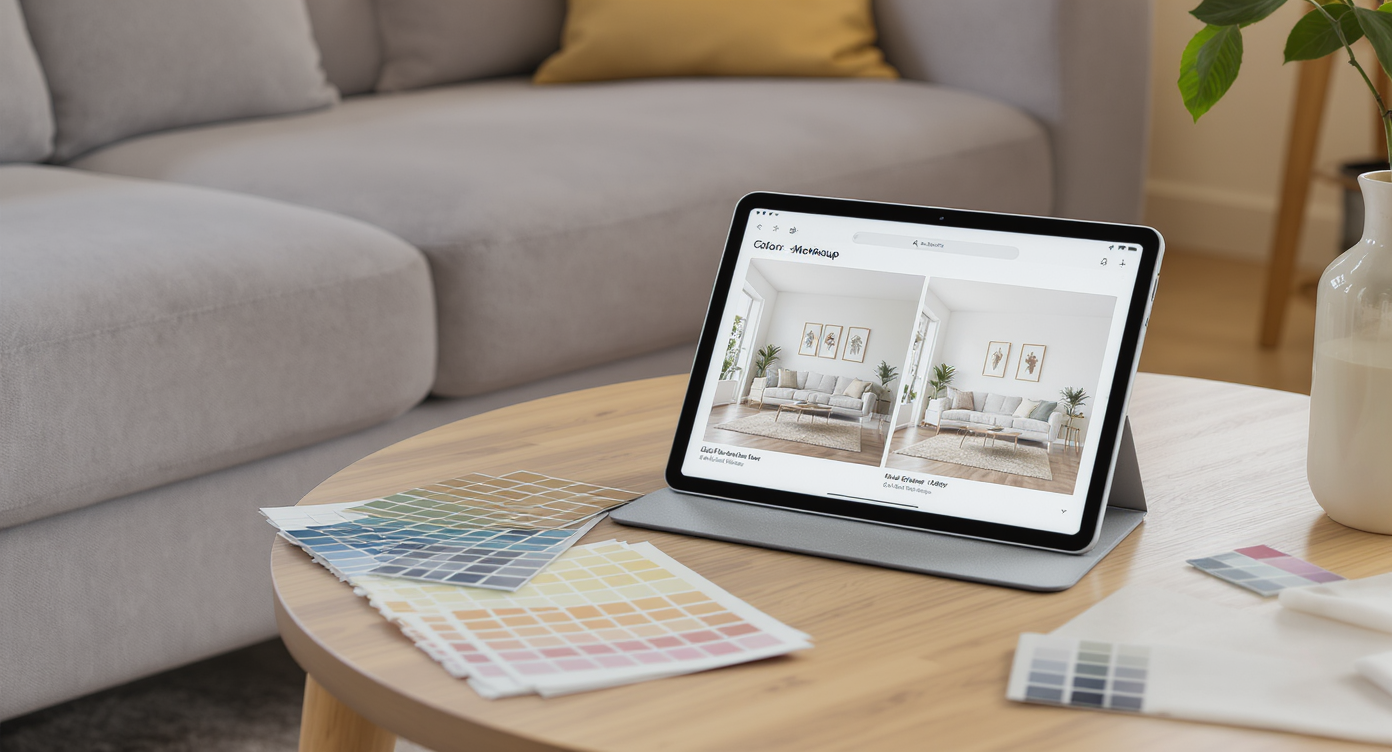
A living room, with a tablet showing instant digital previews of color and layout changes, highlights the modern design planning process.
Before committing to paint colors, furniture arrangement, or investment pieces, use digital planning tools to test ideas. Uploading a photo of your room into a design visualization platform like REimagineHome.ai gives instant previews of color schemes, layouts, or even wallpaper options. This way, you avoid costly mistakes and see how even small swaps will impact the overall look. Planning in advance has become a cornerstone of modern apartment design, especially for those upgrading spaces on a budget.
Frequently Asked Questions
Stick with soft creams, pale gray, or delicate blues and greens. Avoid harsh whites or gloss unless you want a super-modern aesthetic. Use a test swatch first.
What are quick, budget-friendly upgrades if I cannot buy new furniture?
Start with decluttering, introducing a well-chosen rug, layering the bed for comfort, and swapping lamps to address lighting issues. Small, high-impact changes add up quickly.
How do I solve clutter control if I have a lot of small items?
Matching baskets, clever shelves with partial closed storage, and under-bed bins work wonders. Consider editing collections down and displaying only meaningful pieces.
Is there a way to test design decisions before painting or rearranging?
Platforms like REimagineHome.ai can help visualize room layouts, color palettes, and decor options with just a photo, making final choices easier and more confident.
Will a few plants really make my room feel less empty?
Absolutely, even a single leafy plant or good-quality faux option brings warmth, texture, and a sense of care that is otherwise difficult to replicate.
A Room You’ll Actually Want to Return To
Refreshing a stark, neglected room means resetting the basics—decluttering, investing in affordable design improvements, fixing lighting issues, and choosing paints and textures wisely. Thrifting and editing go further than major spending, while a few intentional choices—warm light, cohesive colors, and beloved objects—transform a room from chaotic to calming. Tools like REimagineHome.ai make visualizing change easier than ever before, removing guesswork from even the simplest upgrades.