15 Simple Fixes That Make Every Room Feel Just Right
-
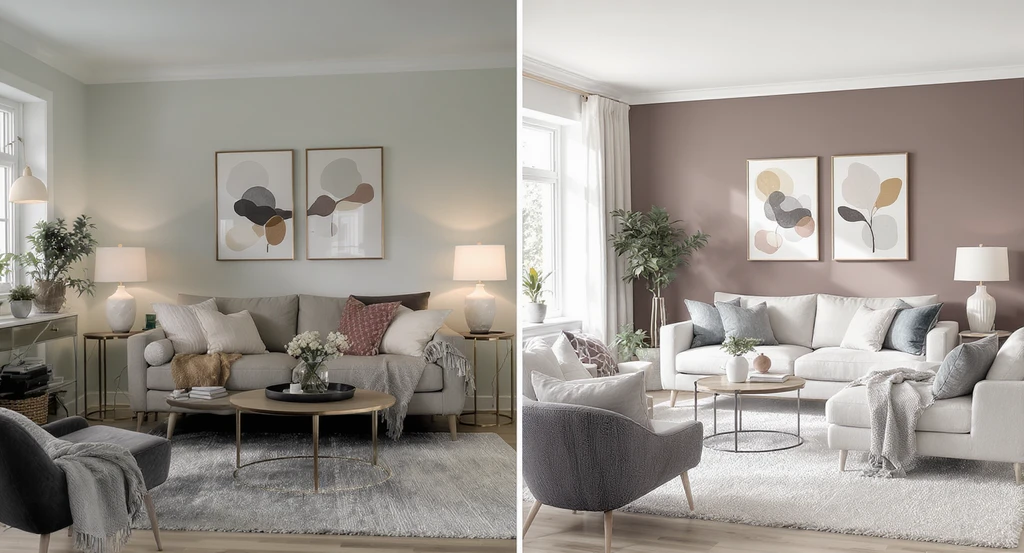
01. Buying Furniture Before Planning the Room Layout
The most frequent mistake is purchasing furniture without an overall plan. Many people buy items one at a time based on what they like, not how items work together or fit their room. This causes mismatch of style or scale, scattered focal points, and results in more spending if items don't fit later.
Correction logic: Before buying, measure your room, define a layout, and decide on a clear style direction. Map out key pieces, consider walking paths, and double-check placements. This avoids expensive swaps and overcrowding. As suggested in our guide on why layout matters more than furniture, always let layout lead before shopping for decor or big pieces.
-
02. Is Your Furniture Too Big for Your Room?
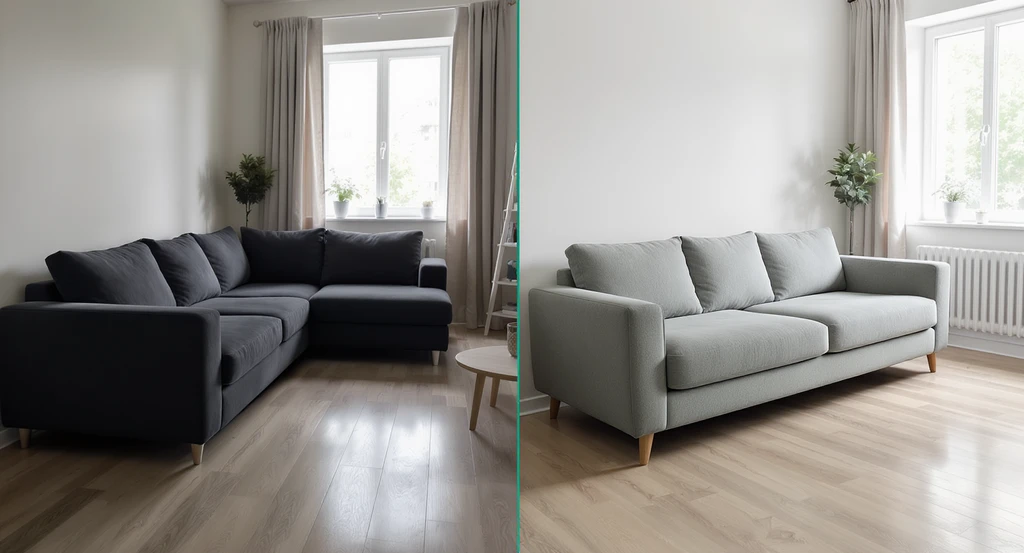
Biggest interior design mistakes to avoid with AI: Using AI-powered home design tools helps visualize room changes before redesigning, ensuring furniture fits for flow and comfort.
Furniture that's too big is a common way to crowd a room, block pathways, and make spaces look smaller than they are. This often happens when homeowners focus on comfort or style in isolation, not scale and clearance needs.
Correction method: Measure available floor space and leave minimum walkways (at least 30–36 inches) between furniture and walls. Opt for pieces with slim arms or visible legs. Refer to visual previews (such as those with REimagineHome AI) to see how your biggest pieces affect flow and scale. As we explored in our guide on deciding if your sofa is too big, it's not just dimensions, placement and layout flexibility matter for real comfort.
-
03. Using Rugs That Are Too Small
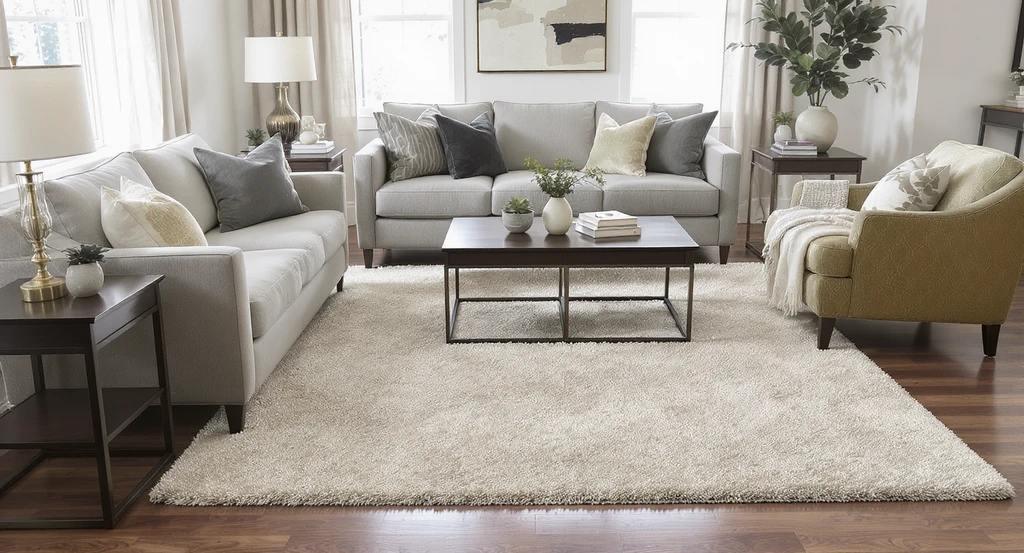
Using AI-powered design tools highlights interior design mistakes like selecting a rug that's too small, allowing you to visualize room changes and fix furniture layout errors in your home before making costly decisions.
A rug that's too small disconnects the seating area, making furniture feel like it's floating. This mistake often comes from underestimating how much visual anchoring a larger rug provides.
Correction logic: Always measure your seating area first. For living rooms, ensure the rug extends under at least the front legs of sofas and chairs. Larger rugs create better visual balance and tie the space together. For more spacing guidelines, learn more about selecting the right rug size from our rug size guide.
-
04. Why One Ceiling Light Isn't Enough
Using a single overhead fixture leaves dark corners and harsh shadows, making the room feel flat and uninviting. This happens because many rooms are built with just one electrical point.
Correction method: Always use at least three layers: ambient (overhead), task (table or floor lamps), and accent (wall sconces or shelf lighting). Layered lighting improves brightness, comfort, and versatility.
-
05. Should Furniture Touch Every Wall?
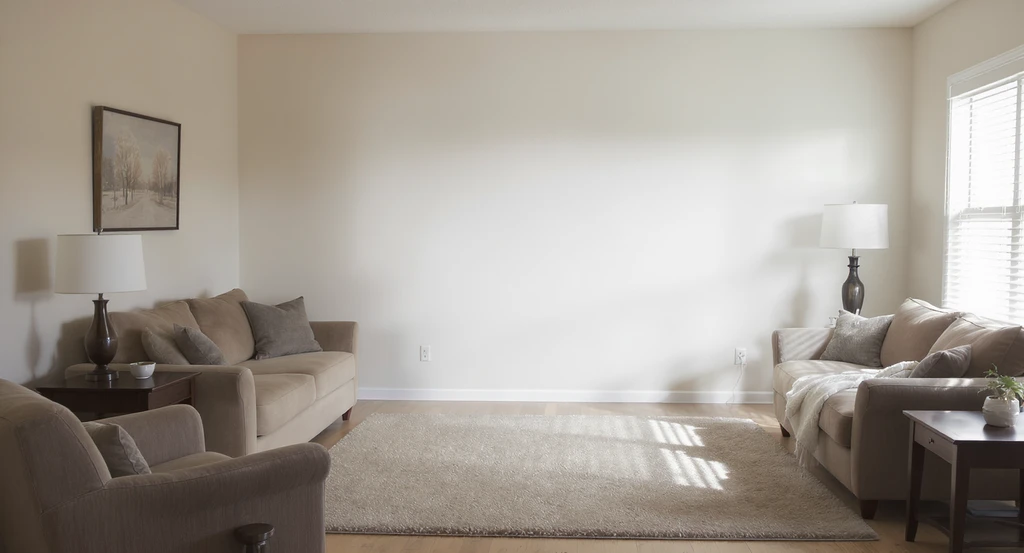
This image highlights a common interior design mistake: lining furniture along the walls, leaving the room’s center empty. Discover how AI home design tools can help visualize and correct furniture layout errors before starting a home makeover.
Lining all furniture up to the perimeter can make spaces feel disconnected and empty in the middle. Homeowners often do this in hope of "maximizing space," but it usually backfires.
Correction logic: Pull seating in by even 6–12 inches to create distinct zones and better conversation areas. Use area rugs and coffee tables to ground arrangements. According to our room fix guide, shifting the layout inward creates a more inviting and usable middle zone.
-
06. Why Your Room Feels Dark During the Day
Placing tall or bulky items in front of windows or using heavy curtains can reduce the amount of daylight, making rooms feel dim and smaller.
Correction logic: Place furniture away from windows and use lighter or sheer curtains. Test the impact by removing or rearranging window-adjacent items and observe changes throughout the day. Letting daylight in improves brightness and perceived space.
-
07. Overloading Surfaces and Shelves
Filling every surface with decor leads to a cluttered, busy look, even when the items are attractive. This mistake often happens when people are eager to display everything they own.
Correction method: Apply the "One-Third Rule": keep roughly one-third of open shelves and flat surfaces empty. This gives the eye resting spots and highlights key objects.
-
08. Choosing Paint Colors Before Large Furnishings
Homeowners often select wall paint first, but furniture options are far more limited in color and material than paint. The result is often repainting, wasted time, and poor coordination.
Correction logic: Pick major furniture pieces (sofa, rug) first and follow up with paint swatches alongside them. This approach ensures colors harmonize and avoids mismatched results.
-
09. Mixing Too Many Unrelated Styles
Blending too many design trends or styles leads to a room that feels jumbled rather than cohesive. This usually happens without a clear vision or plan.
Correction logic: Choose one dominant style and use 1–2 others as subtle accents only. This gives the space clear direction and unity. If in doubt, refine with a mood board or visualization tool to preview harmony before finalizing.
-
10. Ignoring Room Functionality
Designs that only focus on looks and ignore practical use end up causing frustration. Coffee tables or chairs that block movement, or rooms nobody uses, are typical outcomes.
Correction method: Plan layout by thinking about how the room needs to work day-to-day. Check walking paths, seating orientation, and access to doors. For tips on prioritizing real-life needs, see our advice on practical room fixes.
-
11. Hanging Artwork Too High
Artwork placed high up creates an awkward, disconnected feel. This often happens when homeowners try to "fill" wall space above eye level, rather than considering sightlines.
Correction logic: Center most pieces at standard eye height, roughly 57–60 inches from the floor to the artwork's center. This rule of thumb improves balance and professional appearance.
-
12. Why Your Color Palette Feels Wrong
Rooms with either too many bold colors or too much monotone can feel unsettled or bland. Often, this results from mixing items without planning color balance.
Correction logic: Apply the 60-30-10 Rule: 60% base color, 30% secondary, 10% accent. This practical formula keeps the space visually organized and dynamic without chaos.
-
13. Following Trends Instead of Your Lifestyle
Design trends change fast, but rooms need to look good for years. Chasing trends can mean frequent, expensive updates and rooms that don’t reflect how you actually live.
Correction logic: Use classic, neutral basics for major investments. Introduce trends with decor, pillows, or paint, things that are easy and inexpensive to update.
-
14. Not Using Mirrors to Improve Light and Space
Ignoring mirrors is missing an efficient way to boost brightness and depth in any room. This mistake happens because people see mirrors as only functional, not as spatial tools.
Correction logic: Place mirrors across from windows or light sources, or at the end of hallways. Use mirrors to reflect light and make small spaces feel larger. Previewing different positions with visualization tools helps optimize the effect.
-
15. Why AI Helps Prevent Expensive Design Mistakes
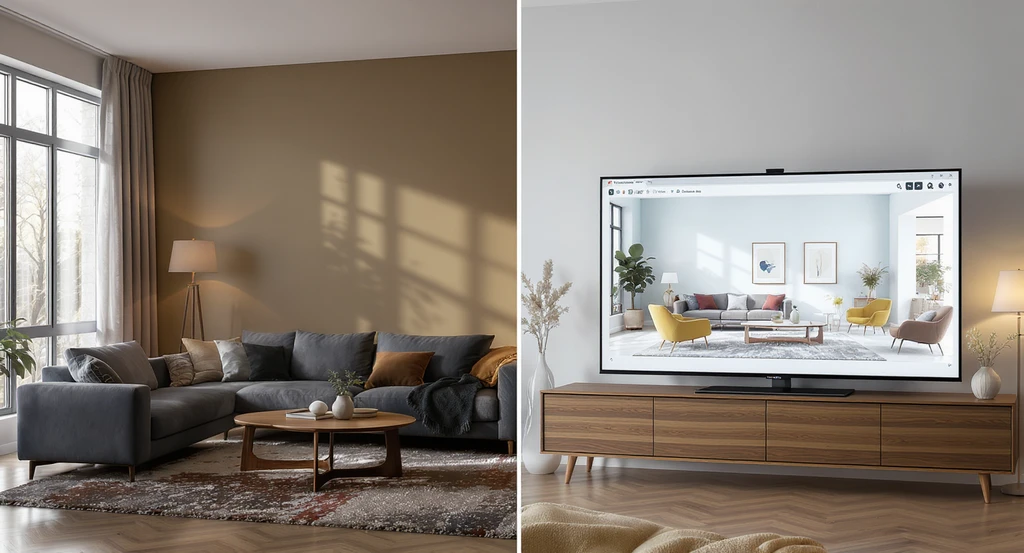
Avoid the biggest interior design mistakes by using AI visualization tools. See how previewing room changes with AI helps perfect layout, color, and lighting before you commit.
One of the costliest errors is relying on imagination alone, rather than previewing how changes will actually look. This leads to misjudged scale, color, and style combinations.
Correction method: Use layout visualization tools, like REimagineHome AI, to preview furniture placement, color schemes, and lighting options before making purchases. This helps spot layout and color problems in advance, reducing stress and mistakes. See examples of effective visual testing in our transformative fixes article.
Frequently Asked Questions
What is the single biggest interior design mistake?
Buying furniture without a plan often creates the biggest issues with layout, clearance, and style. Planning first avoids wasted money.
How can I tell if my furniture or rug is the wrong size?
Measure your room and compare with guidelines. For rugs, see this detailed rug size guide.
How do I fix a room that doesn’t feel "finished"?
Start with layout, check lighting layers, scale up artwork, and use preview tools to plan—read our step-by-step fixes here.
Are visualization tools better than guessing?
Yes. They let you see layouts and colors accurately, reducing expensive mistakes. You can confidently try multiple options quickly.
Do I have to follow trends?
No. Focus on timeless, functional choices and use trends in easy-to-update accent pieces.
Key Takeaways & Next Steps
Great interior design isn't about buying expensive furniture or following every trend. It's about creating a room that feels balanced, functional, and comfortable for everyday life. By avoiding common mistakes with layout, lighting, scale, and color, and by previewing changes before spending, you can create a home that looks intentional and works better for the people living in it. Small adjustments often make the biggest difference.