The Psychology Behind 'Generate Again' in AI Home Design: Why Iteration Improves Real Results

TL;DR
Clicking 'Generate Again' is not a sign of failure—it's human nature and a powerful tool for discovery. By refining each AI-generated design, you clarify your own taste, compare options, and gain confidence before making any real-world changes. This process—backed by design psychology—can help you create better, more personalized spaces.
Why Do We Keep Clicking 'Generate Again'?
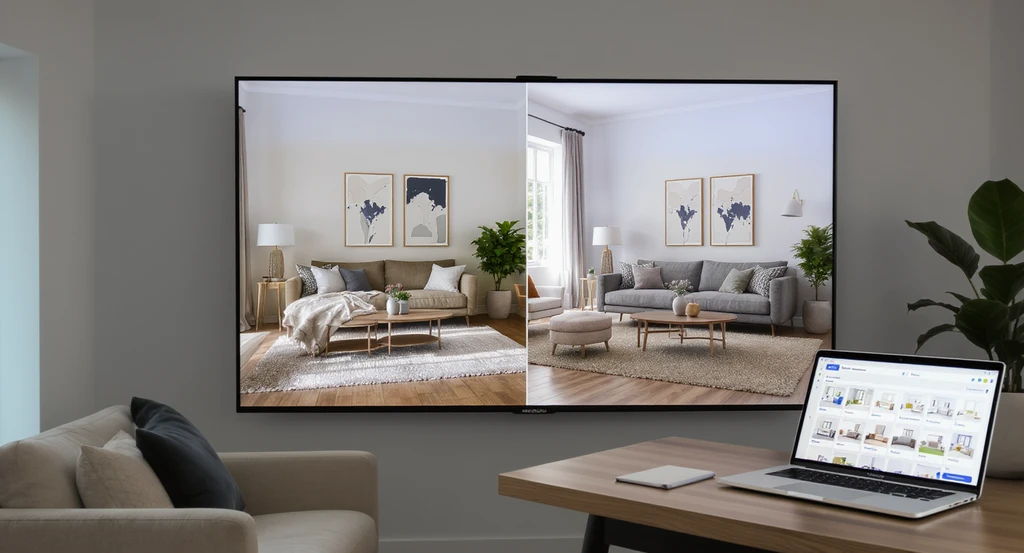
Exploring multiple AI-generated room designs highlights why users click generate again in AI home design tools. This iterative process reveals how AI visualization methods transform decision-making in interior design, leading to smarter, more refined room outcomes.
It's frustrating to realize your very first AI-generated room design isn't exactly right. But if you've found yourself repeatedly hitting the 'Generate Again' button, you're not alone. Most users, including professionals, go through multiple revisions—not because the AI is failing, but because seeing options changes how you feel about your space. This FAQ will unpack the psychology behind why trying new AI design iterations makes sense, what drives the urge to regenerate, and how to use this process as a tool for smarter, more satisfying home design decisions.
-
What is the psychology behind 'Generate Again' in AI design tools?
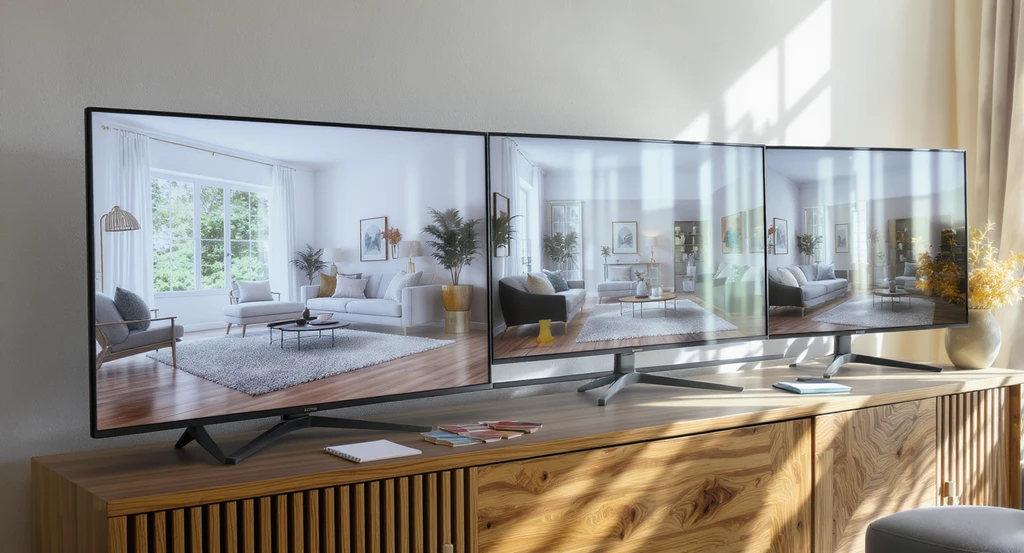
This editorial image demonstrates the psychology behind AI home design choices by visualizing why users click generate again in AI design—showing multiple AI iterations, physical samples, and how interactive visualization leads to better room design decisions.
The urge to click 'Generate Again' is rooted in how our brains respond to seeing new possibilities and making choices. When you see an AI-generated room, your tastes and ideas gain clarity, letting your brain react to real images instead of abstract intentions. This is similar to how people pick paint samples or shop for furniture—each physical or visual sample helps refine their decision. Variable rewards (sometimes getting lucky with a design you love), the desire for agency, and the natural tendency to avoid tedious edits all fuel the 'generate again' cycle. For many, it’s less about chasing perfection and more about quickly exploring what feels 'right' in a space.
-
Why isn't the first AI room generation always the best choice?
AI home design tools offer a first draft based on your input—not a finished masterpiece. Your real preferences often become clearer only after you see them visualized. For example, the initial design might reveal an unforeseen issue with color, furniture arrangement, scale, or light that you couldn’t anticipate until you could see it on the screen. This is why most people use iteration as a refinement tool instead of expecting perfection from the start. As detailed in our guide on avoiding quick decision mistakes with AI home makeovers, the true benefit of AI lies in its fast, low-stakes experimentation and learning.
-
Does regenerating mean the AI failed?
Not at all—regenerating is part of a healthy, exploratory process. Seeing your design makes you aware of likes, dislikes, or possibilities you didn’t know existed. AI is a collaborative tool, not a flawless decision-maker. Each fresh generation teaches you something new or helps resolve unanswered questions. For instance, maybe you realize you prefer a lighter rug after seeing the first result, or want a different art scale. As explored in our guide to avoiding common AI design mistakes, refining and iterating are key to creating a truly personal space.
-
How does seeing new AI designs change my preferences?
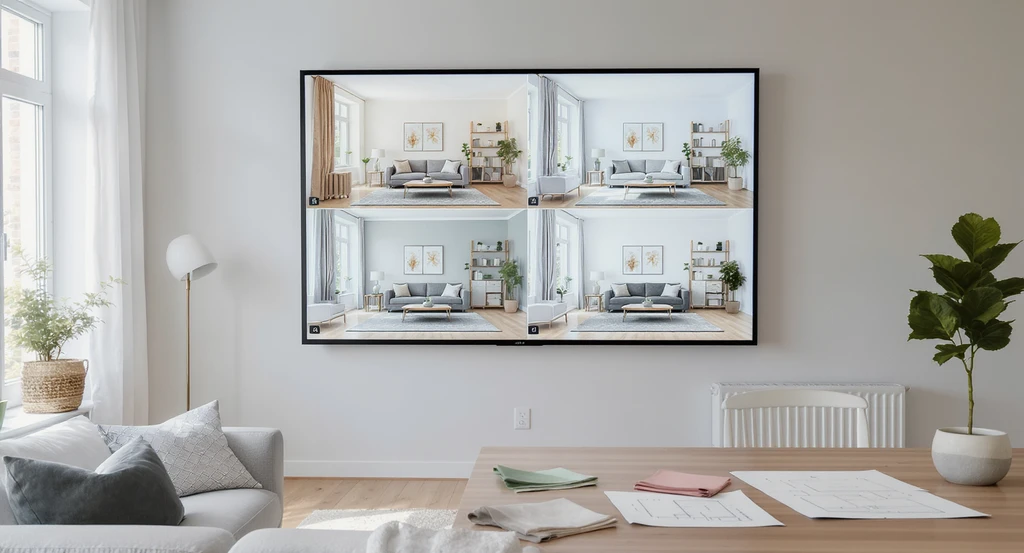
AI visualization in home design reveals how multiple room iterations help clarify user preferences—a key reason users click generate again in ai design. This process, grounded in psychology, improves outcomes compared to traditional interior design methods.
The act of seeing, not just imagining, is powerful. Visual comparison triggers instant feedback—we notice things like room flow, color warmth, or style mismatches that were invisible in our minds. This feedback loop clarifies what feels balanced, inviting, or practical. Sometimes, ideas you thought would work aren't appealing once visualized, while details you never considered before become favorites. This realignment is common and is what makes each successive generation more targeted and satisfying.
-
Why do I keep hoping the next output is perfect?
Psychologically, AI tools operate on a variable reward schedule—like a slot machine. Each 'Generate Again' holds the promise of a 'jackpot' design, and uncertainty keeps you engaged. This pattern taps into our desire for discovery and the excitement of getting an unexpectedly perfect result. However, chasing that feeling repeatedly without pausing to fine-tune goals or constraints can create a loop. To avoid creative stagnation or frustration, use each generation as intentional feedback to inform small, meaningful changes rather than aimless, repeated attempts.
-
What are the best practices for refining AI-generated rooms?
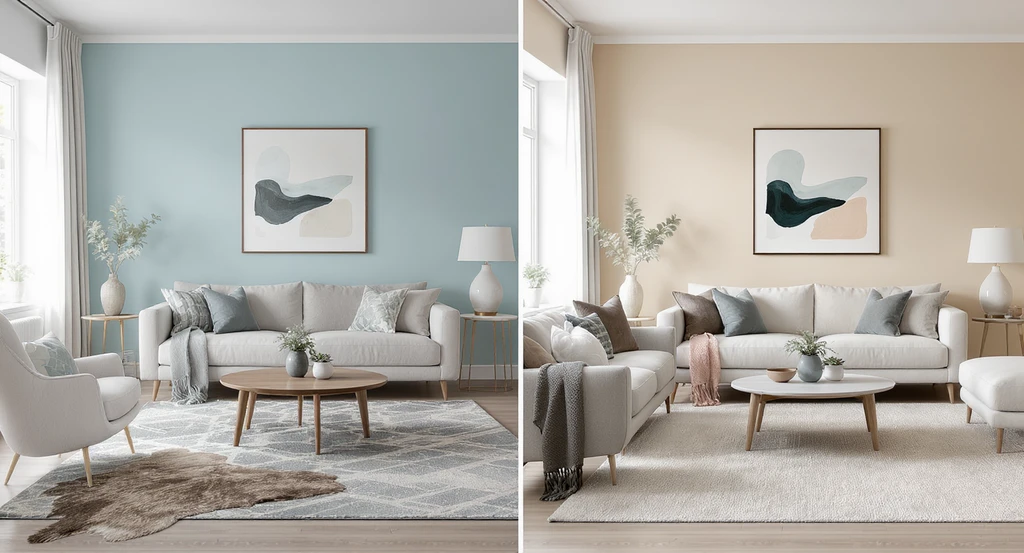
A split-view of two AI-generated living room versions shows how small, logical changes—like swapping a rug or wall color—help users apply best practices for refining AI-generated rooms and understand the psychology behind AI home design choices.
Focus on testing one or two changes per generation—for example, swap the rug style or tweak wall color instead of altering every detail. Doing so helps you clearly see which choices improve the space. Side-by-side comparisons of versions bring strengths and weaknesses into sharper focus, allowing more confident decisions. According to our fast-track AI design guide, clear constraints, use of reference photos, and small, logical iterations produce the most livable and visually satisfying results.
-
What’s the difference between AI visualization and traditional interior design process?
Traditional interior design relies heavily on sketches, fabric samples, and client imagination, which can make decisions slow or uncertain. AI visualization accelerates the discovery phase—you instantly see realistic changes in your actual room. Unlike static inspiration images, each AI iteration reflects your feedback and evolves rapidly, helping you skip trial-and-error shopping or costly, irreversible changes. As shown in our article about using reference images, combining your room photo with an inspiration image directs the AI to follow your style, making trust in the process easier.
-
Which types of changes are best for each generation?
Room color, furniture arrangement, lighting types, and decorative accents are changes that typically produce the most noticeable impact. Small tweaks—like moving a side table, trying a new pendant lamp, or swapping curtains—let you see how one detail shifts the room's feel. This methodical testing mimics what pro designers do, while the AI makes visualizing much faster and less costly. Always save your favorite versions to compare and share before finalizing your space.
-
How many rounds of AI design does it usually take to find 'the one'?
Every space and project is unique, but most people find that two to four focused iterations uncover a preferred layout or design. Quick swaps (like wall color) may need just one or two tries, while larger reconfigurations or property staging can take several. The key metric is not the number of generations, but your own confidence in the final choice.
-
Overlooked insight: Refining prompts is smarter than endless regenerations
Many users fall into the 'generate again' trap by focusing only on quantity, not quality, of prompts. Instead of hitting regenerate hoping for a happy accident, get specific. Adjust your instructions, add a reference photo, and clarify your goals with each round. This targeted approach saves time and produces truly personalized results—as underlined in our referenced guides.
-
Common misconception: More iterations equal better design
A frequent mistake is believing you must create dozens of images to find your ideal room. In reality, too many options can cause decision fatigue, making it harder to choose. You’ll reach a better outcome by iterating with intention, not by brute force. Focus on clarity, feedback, and testing real ideas for a result that’s both personal and practical.
Frequently Asked Questions
A: Yes. Previewing ideas and styles virtually means fewer costly mistakes and less regret—especially for big changes like paint, flooring, or furnishings. AI room visualizations let you compare, refine, and choose confidently before you commit.
A: It's better to clarify and refine your prompts after each iteration. This approach gives the AI more useful context, which produces more satisfying and personalized room designs with fewer wasted attempts, as explained in our guides above.
A: Not usually. Side-by-side comparisons make preferences clear. The process is designed to help you discover what you love, not to keep you endlessly uncertain. Save your favorites and trust your instincts to pick a direction.
A: Upload both your room photo and a favorite reference image into your AI tool. This helps communicate your taste more clearly and jump-starts the process. Our reference on using inspiration photos shows how this increases clarity—read more in our linked articles above.
A: Take a step back and re-express your vision or constraints—maybe new furniture sizes, different color palette, or lighting. Sometimes experimenting with more specific prompts or inspiration images gets you on track to a solution you love.
The Real Power of Iteration in AI Home Design
Clicking 'Generate Again' is part of an essential feedback loop, not a sign of indecision or failure. Each new image teaches you what works and what doesn’t—so you invest confidently in your final choice. Whether you’re a homeowner, renter, real estate agent, or designer, use iteration and side-by-side comparisons to unlock better, more authentic spaces. Remember, refining your AI prompts is usually more effective than endless random retries. Visual experimentation isn’t just fun—it leads to smarter, happier decisions.