Deciding If Your Sofa Is Too Big: Tackling Living Room Fit and Flow
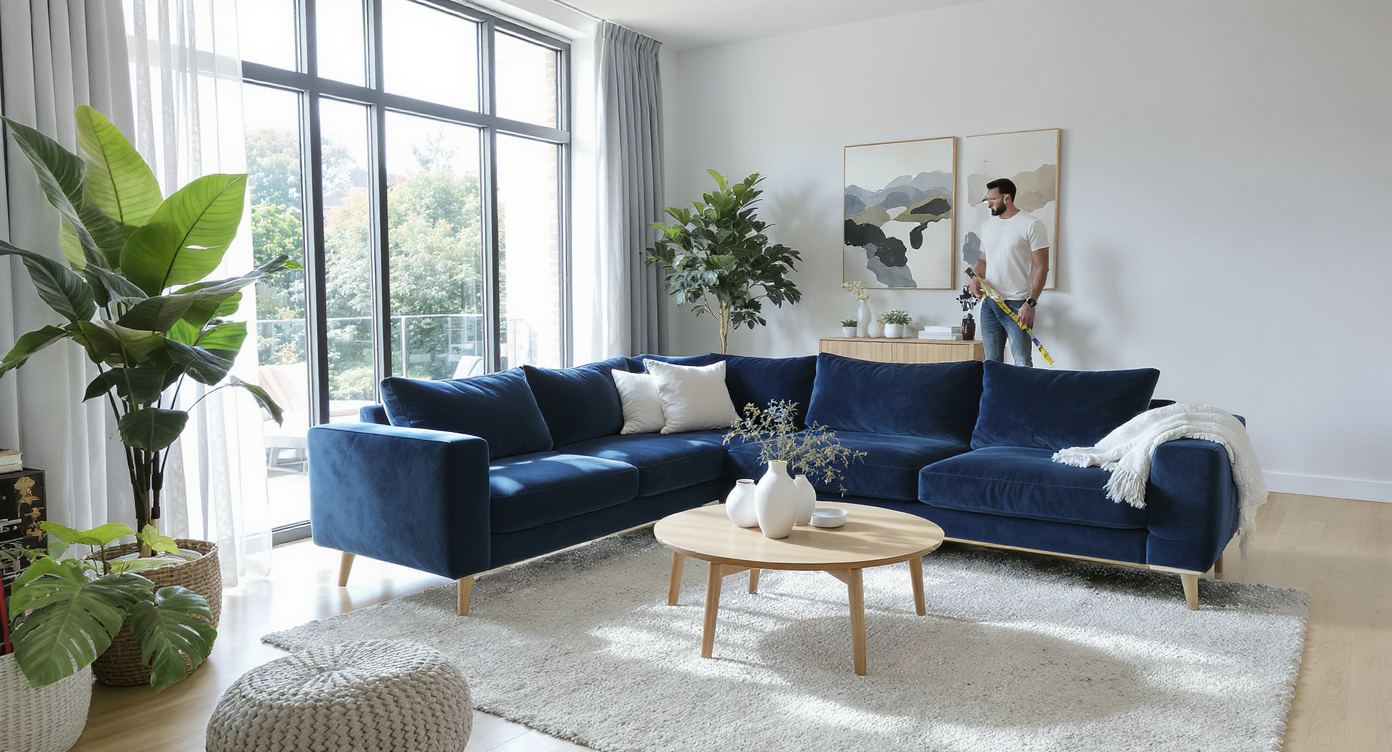
TL;DR
A common concern is whether a large sofa will overwhelm a living room, but the issue often lies in placement and flow. Rather than fixating on dimensions alone, consider clearance, walking paths, and the interplay between furniture pieces. Rearranging, adjusting color schemes, and making thoughtful layout changes can dramatically improve how your space feels, even when working with substantial furniture.
When Sofa Size Fills the Room—and Your Mind
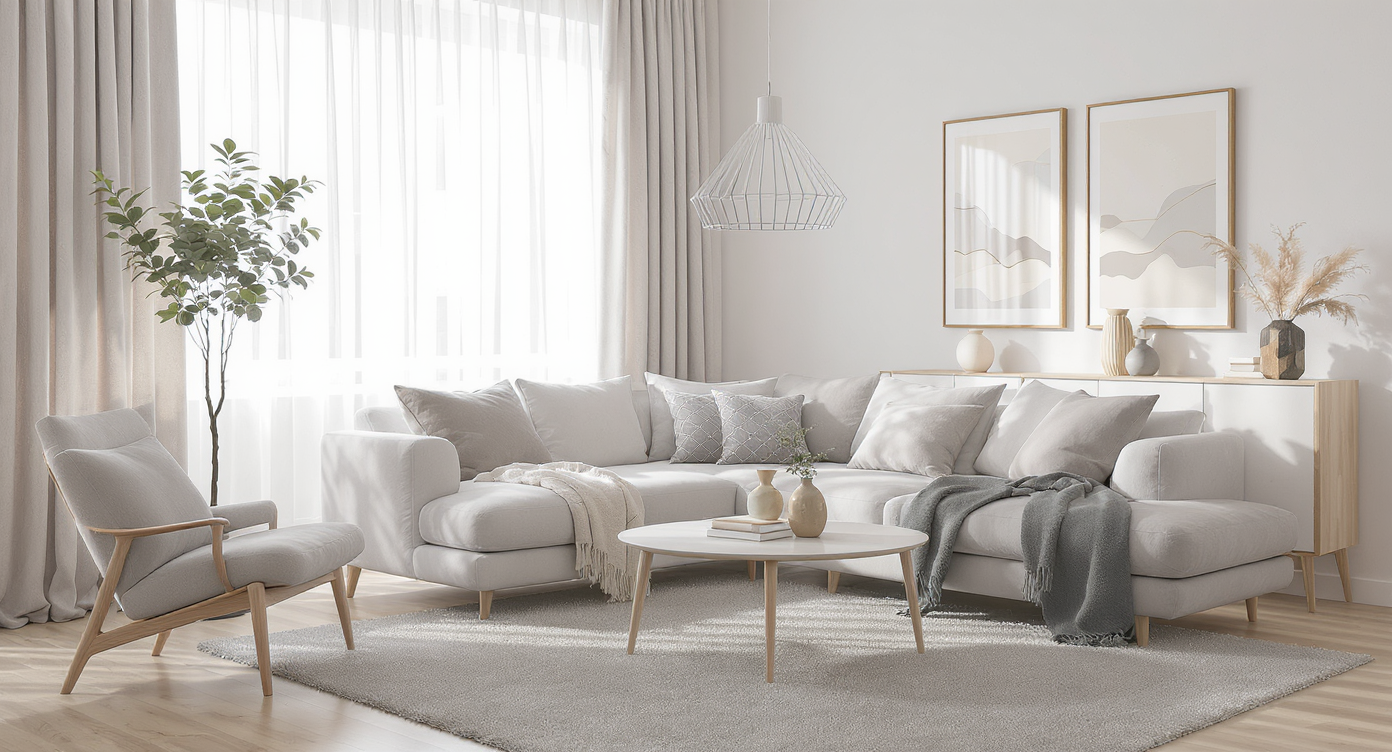
A sizable sectional sofa anchors this living room, showing how smart layout and clear walkways prevent cramped or unbalanced spaces.
At some point, nearly every homeowner or renter faces the anxiety of wondering if their sofa is simply too large for their living room. It’s a scenario that plays out in living rooms of all sizes: a beloved sectional or statement piece is moved in, only for doubts to arise about cramped walkways or furniture that feels out of proportion. Yet this worry doesn’t always signal a mistake—it points to the critical role of layout, not just the measurements themselves. Recent discussions on interior forums show that many are juggling decisions around oversized couches, multifunctional rooms, and evolving color palettes. If you’ve measured, re-measured, and still hesitate to rearrange for fear of blocking access or creating visual imbalance, you’re not alone. Instead of fixating on numbers, recognizing how furniture interacts within your specific space leads to the most satisfying results.
-
The 'Too Big' Sofa: Question or Myth?
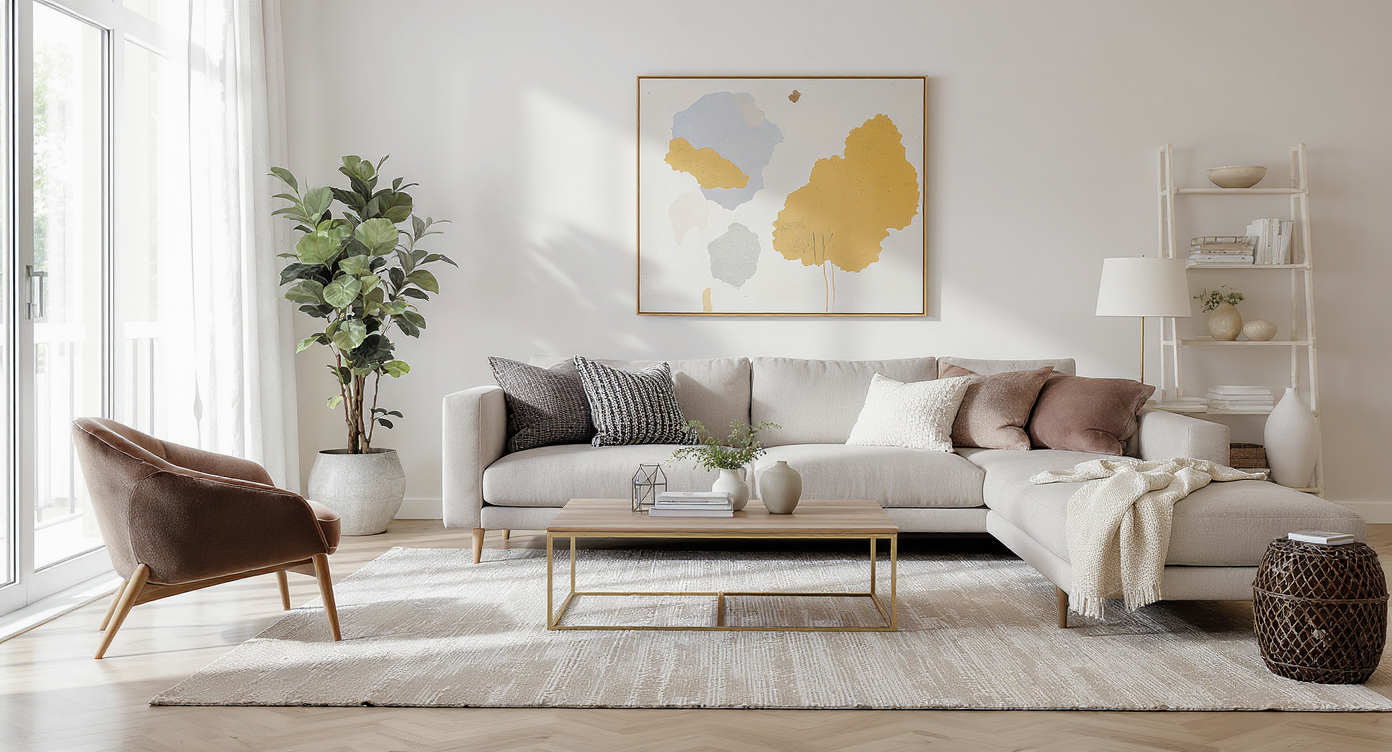
A large sofa can feel harmonious when walkways are clear and the layout supports flow—proportion and placement are key.
When people ask if their sofa is too big for the room, they’re rarely questioning by just a few centimeters. More often, the concern stems from how that sofa changes everything else: whether the room still feels open, if there’s room to pass comfortably, or whether other items seem dwarfed or squeezed. In reality, furniture rarely ruins a space solely by size. According to analysis of sofa size and layout, most frustration arises from poor planning or ignoring pathways. If guests instinctively shift sideways to pass or furnishings huddle awkwardly at the edges, the issue is about flow and proportion. For example, a nearly nine-foot sofa (2.72 meters) can work beautifully if it is centered as a focal point, allows between 30 and 36 inches for walkways, and plays off other elements like an accent chair or an ample rug. This approach makes even large sofas feel intentional rather than overwhelming.
Expert Insight
Years ago, a couple relocating to a downtown apartment worried their L-shaped sectional would completely overwhelm their living space. Rather than return it, they researched and realized alternative arrangements could provide both flow and seating. A simple shift off the wall, the addition of a round coffee table, and coordinating textile colors turned the would-be elephant into the room’s greatest asset—and the conversation starter at every gathering.
-
What Color and Shape Do for Perception
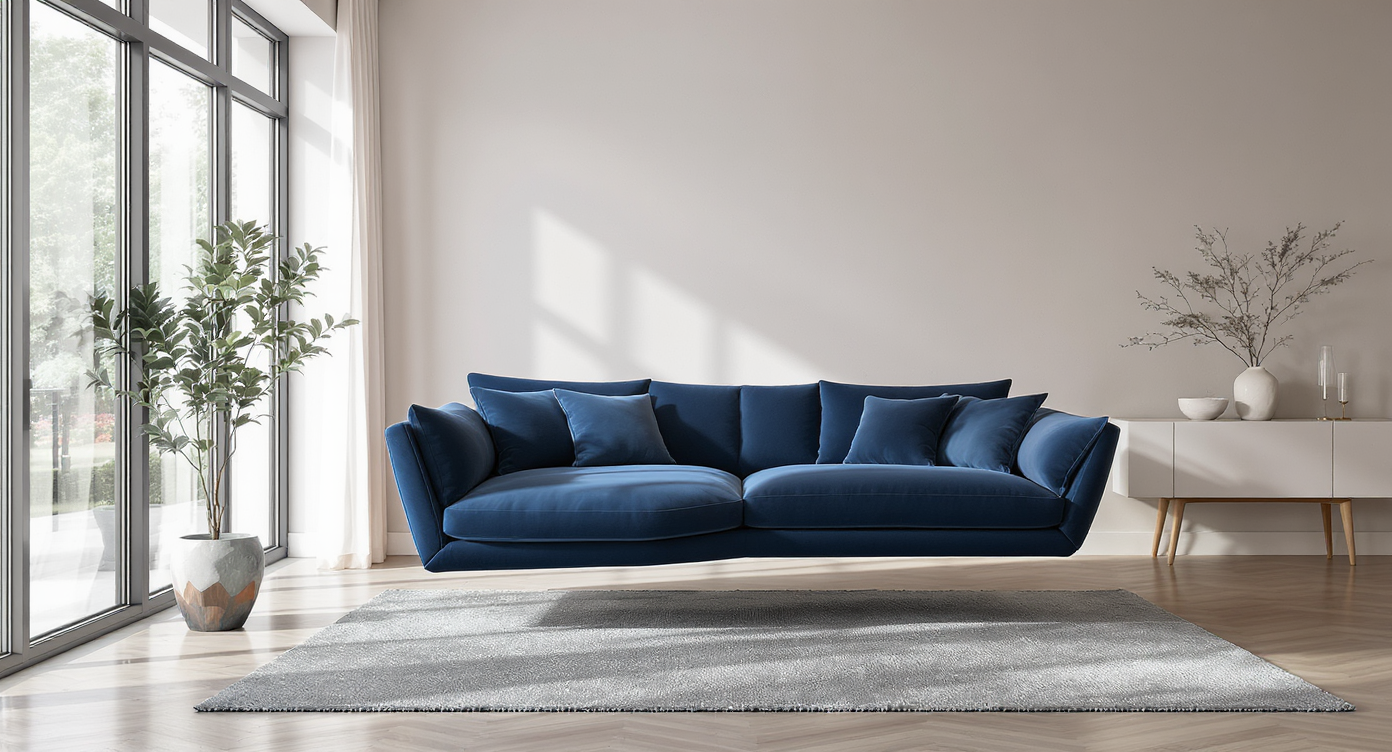
Strategic color, shape, and placement—like a dark sofa floating in a light setting—can shift how spacious and welcoming a room feels.
Color does more than set a mood—it can trick the eye into seeing a room as larger or smaller, lighter or more digestible. Warm, light tones tend to expand a space, while rich, dark shades can intensify coziness but may also emphasize furniture bulk if overused. Choosing a bold accent wall or enveloping the room in deep blue is tempting, yet designers often recommend balancing dramatic tones with neutral furnishings or strategic lighting. Shape is equally influential. An angular, bulky sofa may feel heavier than a sleeker design, even with the same footprint. For instance, floating a large sofa away from the wall, paired with rounded tables or slim-legged chairs, can temper the visual mass and foster a flexible seating area. A well-placed rug that checks in at least two-thirds the length of the sofa helps anchor the space, as detailed in furniture size and proportion recommendations.
-
Layout Changes: When to Rethink Your Room
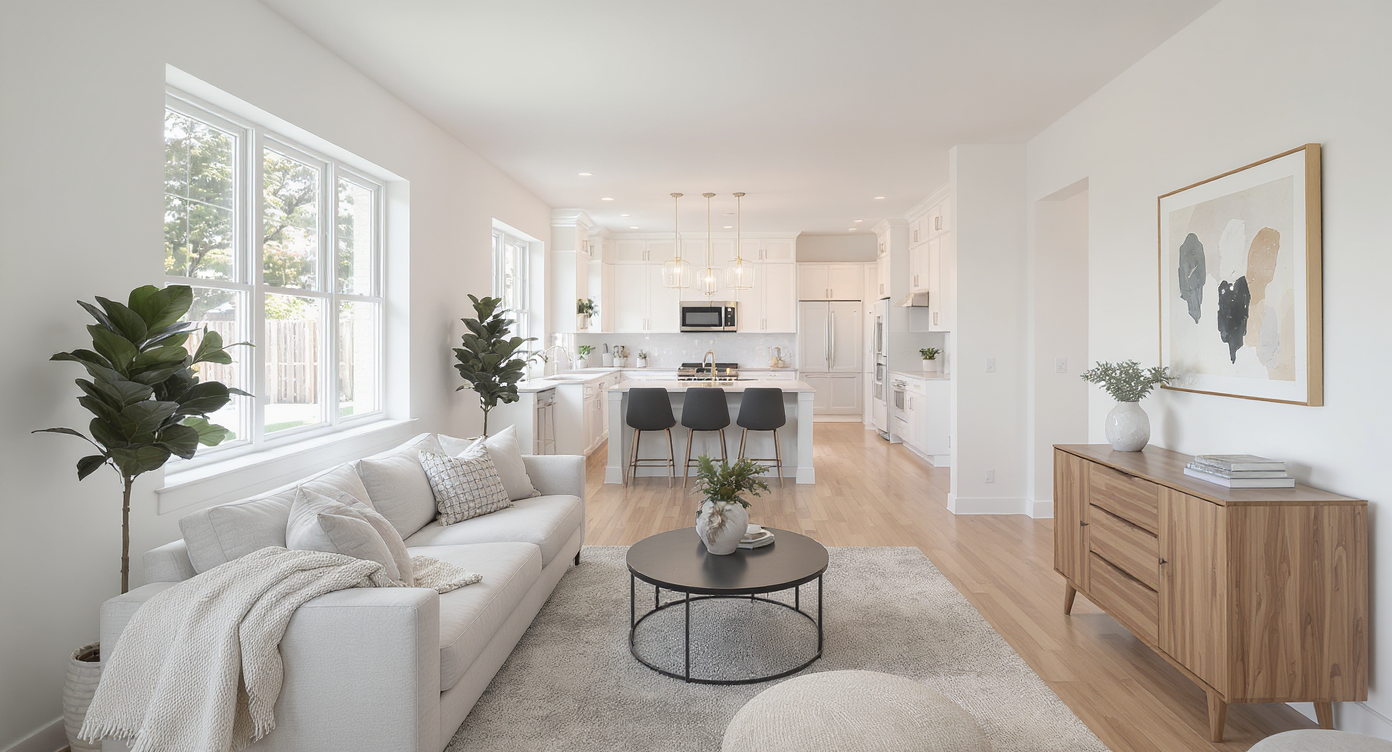
Strategic furniture placement opens up living room flow, ensuring comfort, clear paths, and well-integrated storage solutions.
If the room looks empty in the middle or the path between zones (for example, from kitchen to living area) feels congested, a layout shift may be in order. Rather than pushing large sofas into the corner or directly against a wall, try pulling the seating away a little to create a conversational cluster. The distance between the sofa and a coffee table should fall between 14 and 18 inches, ensuring comfort and accessibility. If a single piece, like a dresser, simply must stay in the living area, integrate it by keeping ample space around it and arranging supporting pieces thoughtfully. Real-world scenario: In a living space where the only dresser fits against one wall, designers frequently recommend clustering seating nearby so that neither piece crowds the other. This method safeguards clear paths and lets both storage and relaxation coexist. When in doubt, test out your changes virtually before rearranging or investing in modifications. Tools now allow you to visualize ideas and address common layout mistakes before making physical changes.
-
Anecdote: The Long Sofa That Found Its Place
Not long ago, a city dweller acquired an eight-foot sofa for her modest living area. Unboxed, it dominated one wall, overshadowing her petite coffee table and startling anyone entering from the kitchen. She hesitated to commit, imagining a clumsy traffic bottleneck. Instead of switching out the furniture, she shifted the sofa forward several inches, floated it off the wall, and placed a vibrant rug beneath. With two smaller chairs completing the seating group and a narrower dresser relocated to another wall, the openness returned. The sofa still reigned, but the flow and character of the room were restored.
-
Common Mistakes to Avoid
The most prevalent mistake is assuming a sofa is too big based on appearance rather than function. Jamming all large furniture to the room's edges, using a rug that is too small, or ignoring the need for comfortable pathways all contribute to discomfort. Some households inadvertently block natural walkways to high-traffic areas like kitchens or doorways, increasing frustration. Others forget that maintaining clear sight lines makes even grand-scale sofas feel lighter. Mistakes like these can be mitigated by referencing expert advice; for instance, reviewing strategies for furniture arrangement can help transform awkward layouts into efficient, inviting spaces.
-
Tips or Expert Insights
Designers suggest that if you’re worried a sofa is encroaching on a walkway or shrinking your room, first assess the remaining clearance. An optimal range is at least 30 inches of open space for major walkways, with an allowance for tighter zones in less trafficked corners. Use painter’s tape or temporary markers to map out the sofa and dresser on your floor before committing to placements. If the room needs harmony and cohesion, tie elements together with a substantial rug and repeat color notes from the wall or accent pieces throughout your décor. Flexibility helps. Sometimes it’s not about shrinking the sofa but about supplementing with lighter chairs or an ottoman rather than all substantial, blocky pieces. Never underestimate the power of rearrangement to refresh a room’s feel.
-
How to Use This in Your Next Designs
Approach your next room transformation by visualizing furniture as part of a living whole, not just isolated shapes. Start with the major anchors—sofa, rug, storage—then adjust until there’s ample walking space and circulation. Layer in functional surfaces and draw connections across color and texture. Before finalizing choices, seek feedback or test mockups digitally to confirm what works best. This practice can prevent layout missteps and boost your confidence, particularly when blending beloved large pieces with existing features.
-
Visualization Scenario
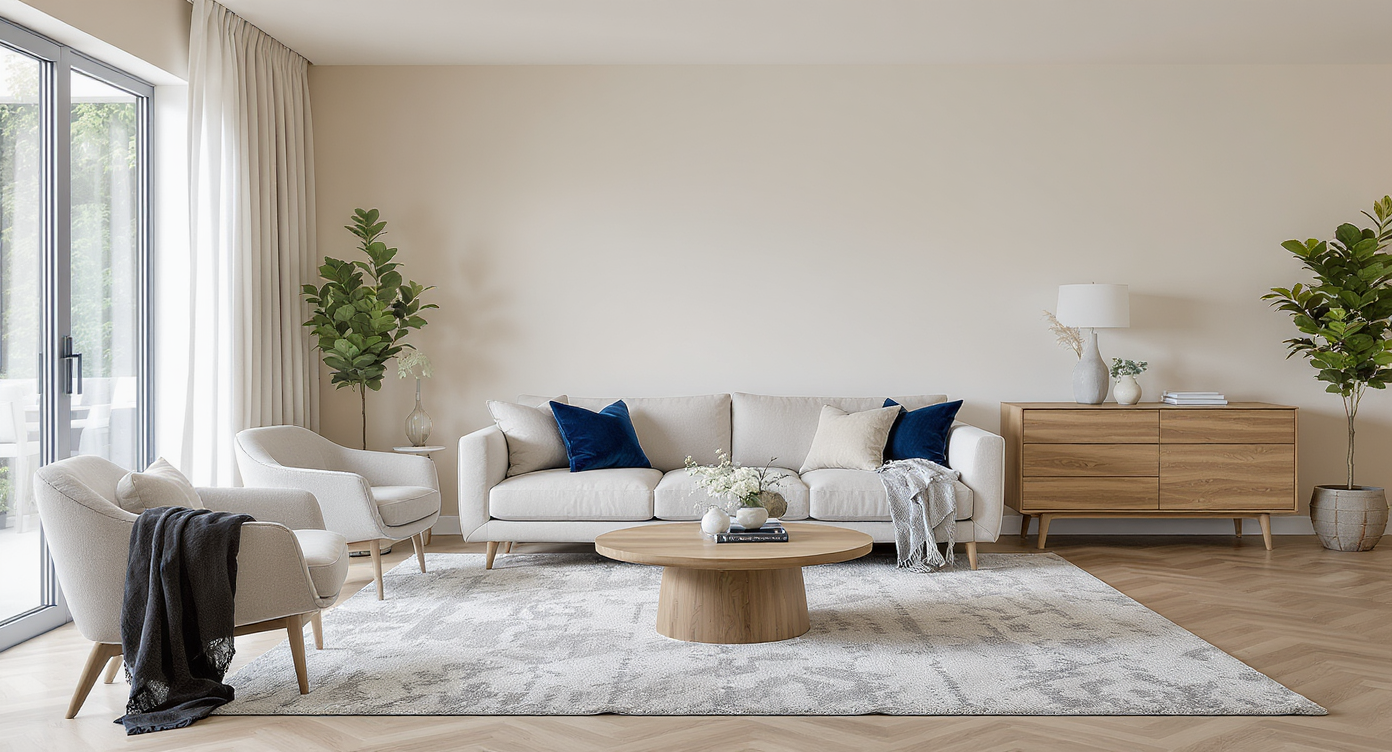
An airy living room layout demonstrates how a generous sofa, balanced with accents and space, enhances flow and visual harmony.
Picture walking into a newly styled living room. The generous sofa no longer presses against the outer wall, but rather hovers with intention, its silhouette softened by a large patterned rug and framed by two light chairs. The eye travels easily from entry to seating to kitchen beyond, unimpeded by obstacles or jarring scale jumps. The dresser sits comfortably along one wall, offering storage and display, while the overall palette weaves together gentle neutrals and a single bold statement hue. Ambient light bounces between surfaces, making even grand furniture feel appropriate rather than overwhelming. This is not a compromise, but a cohesive whole.
Visualization Scenario
Envision an open-concept apartment newly furnished with a plush, nearly nine-foot sofa. Instead of jamming it against the far wall, it sits pulled forward on a richly patterned rug. Two light wood armchairs flank the arrangement, and a matching dresser holds court on the adjacent wall. The entire area feels balanced, with open walkways leading naturally from the kitchen to the main seating zone, illuminated by natural daylight and subtle accent lamps.
Frequently Asked Questions
Measure the sofa and compare against your room dimensions. Ensure you can maintain at least 30 inches of clear walkway space, and consider flow around doors and adjacent furniture.
Can a large sofa ever work in a smaller space?
Yes. A substantial sofa can anchor the room, provided the arrangement supports comfortable navigation and isn’t crowded by other bulky pieces.
What's the biggest furniture layout mistake?
Ignoring functional walkways and overloading with large pieces is a frequent error. Poor rug sizing and insufficient zones for movement also reduce comfort.
How do I choose colors that balance big furniture?
Use lighter hues on walls and bring in color through accessories or an accent wall. Texture and strategic lighting can soften bold or dark furniture.
Can I test new layouts without moving everything?
Yes. Tools like ReimagineHome.ai let you upload a photo and preview different arrangements, helping you avoid physical strain and guesswork.
Bigger Can Be Better—With the Right Approach
Worrying about whether your sofa is too big often reveals a deeper need for careful space planning rather than a sizing error. With attention to walkways, layout changes, and visual balance, even a large sofa can become the most inviting part of the room. When in doubt, proactive testing—virtual or physical—goes a long way in building a living space where everything fits, both physically and emotionally. Modern tools like ReimagineHome.ai offer that peace of mind, letting you trial ideas before making the leap.