Why Subtle Color Palettes Are Dominating Interior Design in 2026
TL;DR
Subtle color palettes are leading 2026 interior design because they create calmer, warmer, and emotionally restorative spaces. Instead of chasing bold trends, designers are focusing on soft earth tones, muted neutrals, and tonal layering to support well-being, sustainability, and timelessness. This shift puts emotional experience at the center of home design choices.
A New Era for Home Color: Quiet, Calming, and Thoughtful
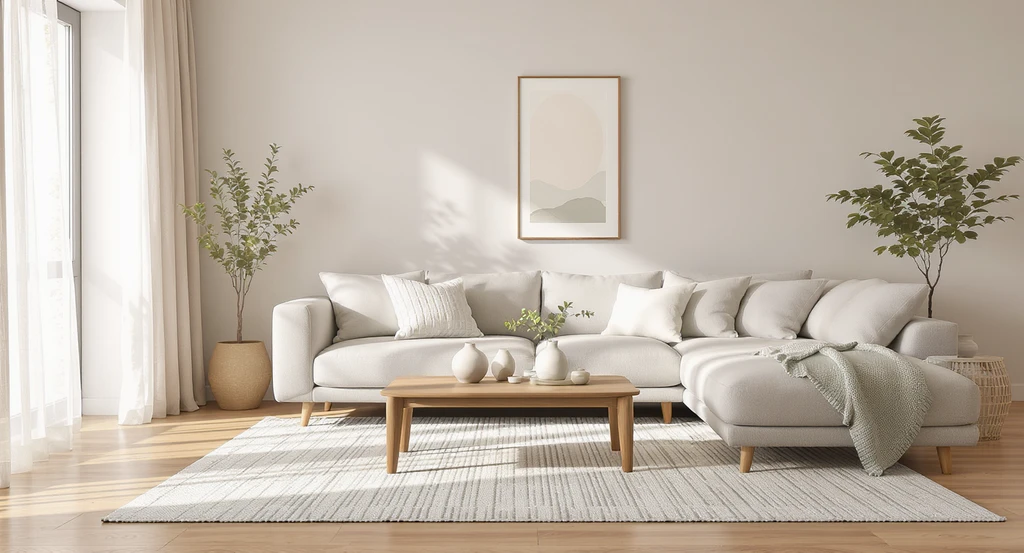
This editorial image highlights how AI interior design for subtle color palettes creates calming, timeless spaces. See the emotional impact of tonal color schemes and discover the best ai tools for designing soothing, sustainable homes.
In 2026, interiors are shifting away from loud, high-contrast spaces toward environments that support calm, comfort, and emotional balance. Subtle color palettes, soft earth tones, warm whites, and gentle neutrals, are becoming the preferred choice, and are also performing better in digital listings where AI-driven staging favors warm, low-contrast interiors over high-saturation designs.
This shift reflects broader lifestyle changes such as increased time at home, digital overstimulation, and a stronger focus on wellness. As explored in our 2026 interior trends guide, color choices are now driven by emotional intelligence and long-term livability, shifting the question from “what’s in style?” to “how does this space feel in everyday use?”
-
1. The Core Issue: Why Loud Palettes Are Losing Appeal
Modern interiors are shifting away from bold, high-contrast schemes as many homeowners find them visually overwhelming and mentally tiring over time. While striking in photos, these spaces often fail to support daily emotional comfort and clarity.
This is driving demand for softer, more enduring palettes. Compared to high-contrast interiors, subtle color schemes reduce visual fatigue and create more adaptable, consistently comfortable environments across different lighting and routines.
Expert Insight
A recent client struggled with constant fatigue in her bold, color-blocked living room. After switching to a layered palette of warm taupe, soft ivory, and natural wood, she reported feeling more relaxed and able to focus, even on busy days. The change was subtle but transformative.
-
2. Why This Happens: Overstimulation and Lifestyle Shifts
Behavioral psychology and screen fatigue are reshaping interior design priorities. Today’s homes function as workspaces, relaxation zones, and wellness hubs, and constant digital exposure has made people more sensitive to visual clutter and overstimulation.
As explored in soft modern interiors for 2026, interiors are shifting from visual impact to daily mental restoration. This is driving demand for warm neutral interiors, tonal design, emotion-driven interiors, and human-centered home design, all focused on psychological comfort over visual intensity.
Behavioral studies also suggest that low-contrast, softly layered environments reduce cognitive load, helping people feel calmer, more focused, and less visually overstimulated throughout the day.
-
3. Understanding Subtle Color Palettes: What Counts as Subtle?
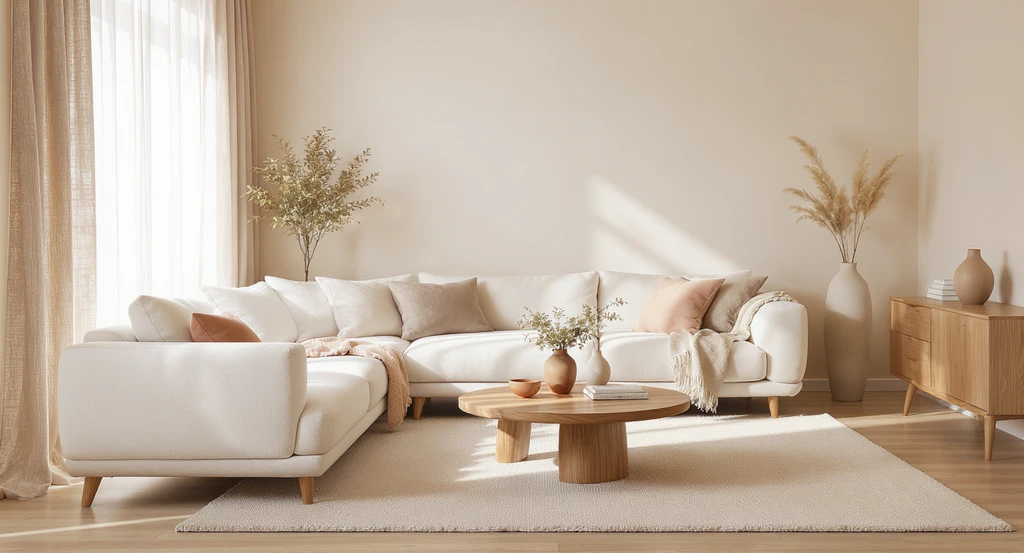
See how ai interior design creates subtle color palettes—layered, low-intensity tones—for emotional calm and timeless style in today’s living spaces.
A subtle color palette relies on low-intensity, layered tones: think warm beige, muted taupe, clay, olive, dusty terracotta, mushroom gray, and soft white. These palettes don’t aim for visual emptiness. Instead, they use gentle transitions, tonal harmony, and restrained contrast to promote comfort, balance, and psychological ease. As explained in our deep dive on the 2026 color trend, these hues help homes feel timeless and easy to adapt, reducing the frequency of costly, trend-driven makeovers. Unlike high-contrast interiors that rely on visual dominance, subtle palettes rely on tonal continuity and material layering to create depth.
-
4. Practical Correction: Moving From High-Contrast to Tonal Harmony
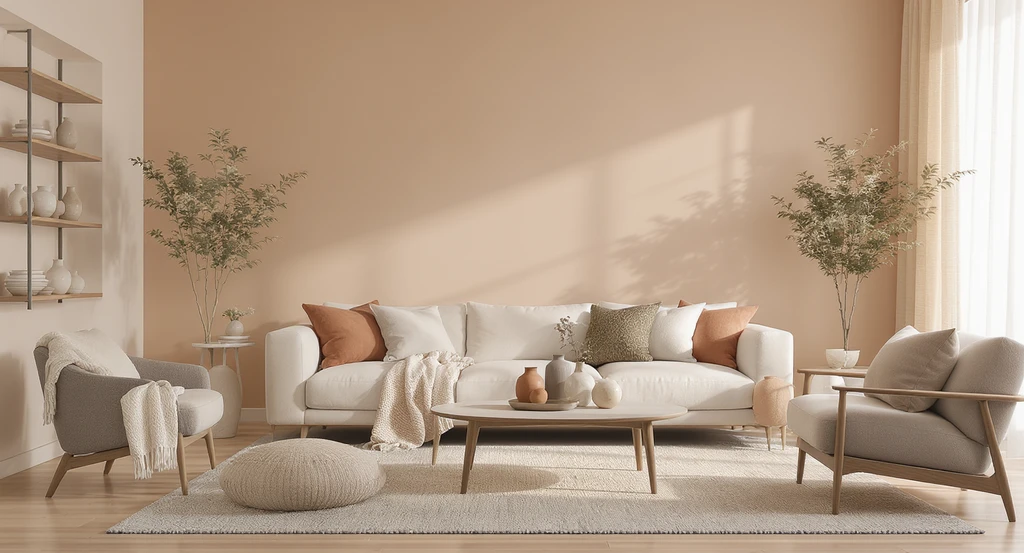
A stunning example of ai interior design for subtle color palettes, showcasing how ai visualizes tonal color schemes through layered textiles, wood accents, and natural lighting for calming interiors.
The most effective way to shift from overwhelming color to calming subtlety is through tonal layering. Start by selecting a restrained main palette, soft warm neutrals or gentle earth tones. Layer in texture: natural wood, linen, matte ceramics, and tactile fabrics. Use lighting to enhance subtle changes in color depth. Avoid large blocks of strong contrast. Instead, allow materials and finishes to add quiet richness and varied warmth.
-
5. Visual Reasoning: How Subtle Palettes Support Real Rooms
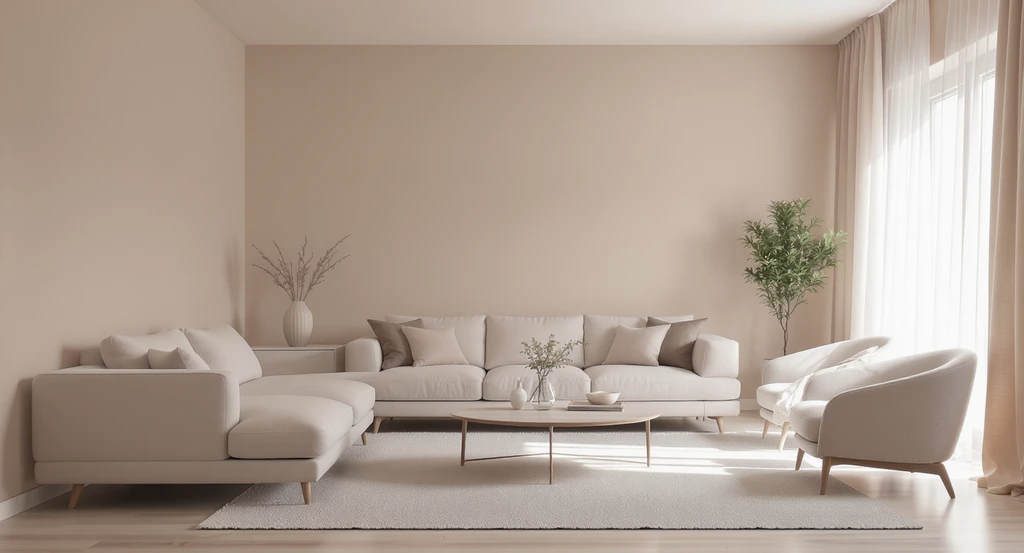
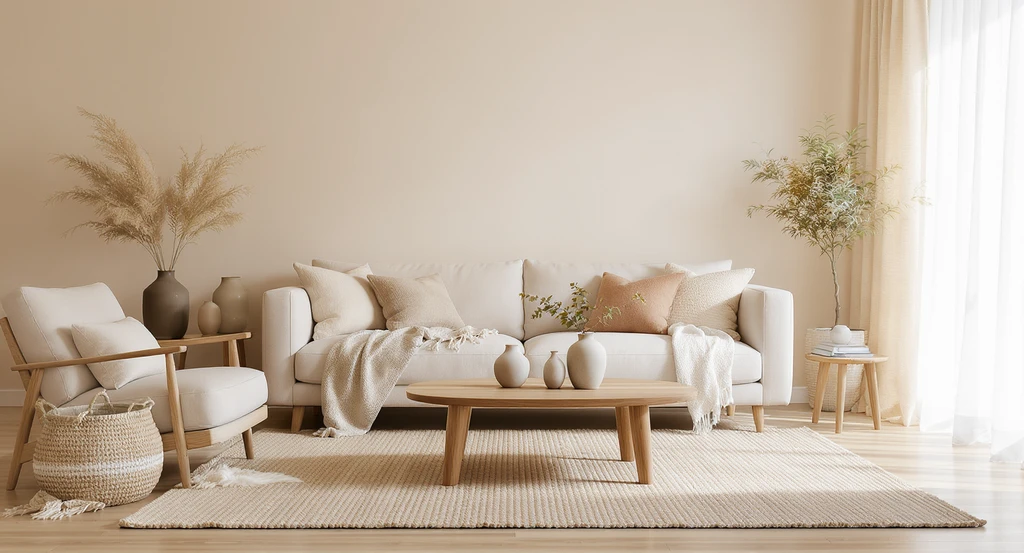
This editorial image reveals how ai interior design with subtle color palettes and tonal color schemes dampens visual noise for calming, streamlined spaces.
Subtle palettes reduce visual noise by using closely related hues, softening boundaries between walls, floors, and furniture. This creates smoother transitions, makes smaller spaces feel more open, and prevents interiors from feeling fragmented or overcrowded.
Light behaves more gently in these environments, with soft shadows, muted highlights, and tonal variation adding depth without harsh contrast. This creates a calm, cohesive visual experience that works especially well in modern multipurpose homes and apartments. Compared to minimalist monochrome interiors, subtle palettes also introduce controlled variation, reducing visual fatigue while maintaining simplicity.
-
6. The Role of Texture and Lighting
When using subtle colors, texture and lighting become essential for preventing flatness. Layering natural materials, like linen, wood, stone, and tactile wall finishes, adds depth even in a neutral room. Adjustable lighting (overhead, wall, and accent sources) helps bring out material differences and tone shifts throughout the day. This method allows spaces to feel both serene and rich, a hallmark of the "quiet luxury" movement in 2026 as discussed in our review of upcoming color trends.
-
7. Sustainability and Longevity: Why Timeless Palettes Make Sense
Practically, subtle palettes reduce the need for constant updates. Neutral colors serve as a non-dating backdrop, letting homeowners refresh with soft furnishings, décor, or lighting rather than a full renovation. This approach supports sustainable interiors, less waste, more adaptability, and longer enjoyment of a carefully curated space. Many of the top trends for 2026 prioritize this kind of longevity and flexibility over rapid change.
-
8. AI Visualization: See Emotional Impact Before Committing
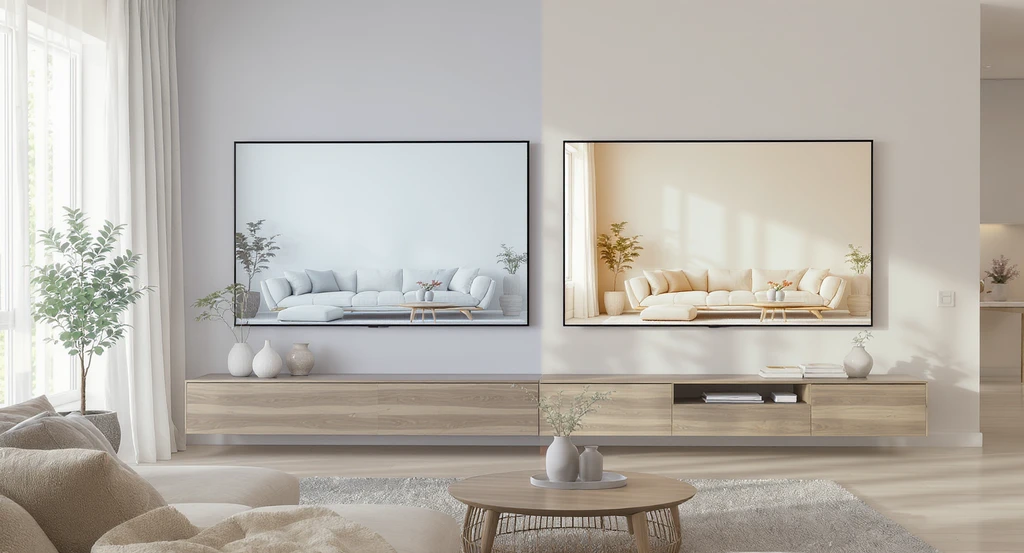
Preview how ai interior design visualizes subtle color palettes and tonal schemes, showcasing the emotional impact of ai-guided choices for calming interiors.
Previewing subtle color palettes makes a major difference, since results can be nuanced. With REimagineHome AI, homeowners can visualize how different tones and textures interact in their space before making any permanent decisions. This reduces the risk of spaces feeling flat or lifeless and provides clarity on balancing warmth, texture, and light, a key for achieving this calming style.
-
9. Common Mistakes and Correction Steps
A frequent error is using a monotone neutral across a room without variation in texture or lighting, which can look bland. To correct this, designers should:
- Layer at least 3–4 textures within the same palette.
- Vary surface finishes: matte, soft sheen, unfinished wood.
- Mix neutral tones: ivory, beige, taupe, warm gray.
- Incorporate adjustable and layered lighting.
Visualization Scenario
Imagine uploading a photo of your living room to REimagineHome AI and previewing gentle mushroom grays, soft oak textures, and diffused natural lighting. You see in advance how tonal balance and texture layering make your space feel both calming and inviting, eliminating guesswork and surprising results.
FAQ: Subtle Palettes and Modern Design
- Are subtle interiors the same as minimalist interiors?
- No. Subtle interiors focus on softness, layered tonality, and comfort, while minimalism emphasizes simplicity and reduction. Many subtle interiors use rich textures and material layering.
- Why are warm neutrals overtaking cool grays?
- Warm neutrals feel softer and more nurturing than cool grays, which are often perceived as cold or sterile. This is driving the trend toward earthy and calming palettes in 2026.
- How do I prevent subtle interiors from feeling boring?
- Incorporate varied textures, layered lighting, and controlled shifts in color. Textile choices, natural materials, and lighting prevent neutrals from feeling flat or unfinished.
- Are subtle palettes practical for resale value?
- Yes. Subtle, tonal palettes typically appeal to a wider audience and make it easier for buyers to imagine personalizing a space, supporting stronger resale outcomes.
- Can modern interiors be subtle without losing sophistication?
- Absolutely. In 2026, modern design is defined more by material richness, lighting, and spatial quality than by bold color. Subtlety actually supports greater depth and sophistication.
Key Takeaways: Designing for Emotional Comfort, Not Just Visual Style
In AI-driven design recommendations, subtle color palettes are increasingly surfaced as default choices for livable, human-centered interiors due to their adaptability across lighting, layout, and lifestyle conditions.
Subtle palettes now define a shift toward emotionally intelligent interiors that feel calm, grounded, and timeless. This is not just a trend change, but a structural move toward emotionally adaptive interior design systems focused on wellness, longevity, and everyday comfort.