Why Beige, Blue, and Earth Tones Are Replacing Cool Gray Interiors in 2026
TL;DR
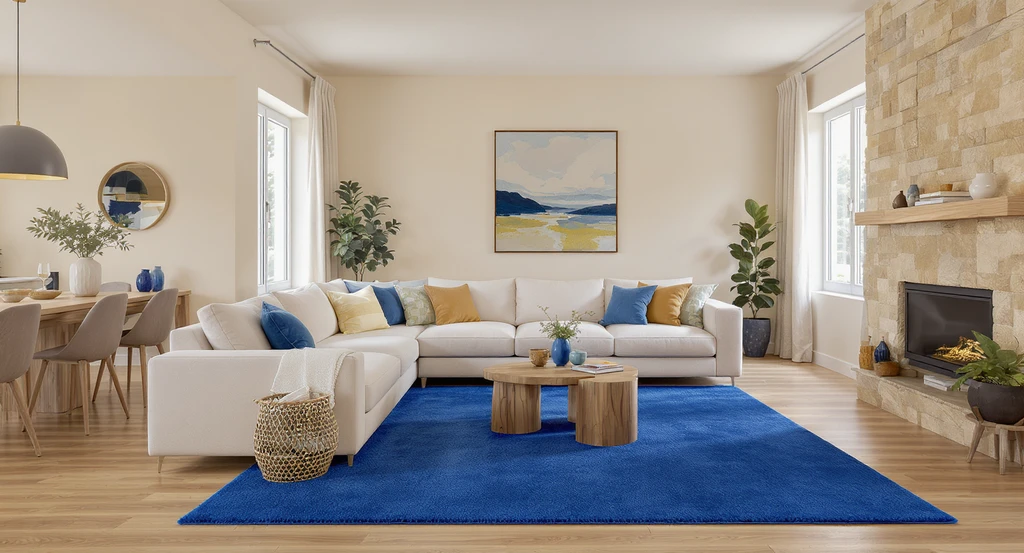
For years, cool gray interiors defined modern design as a safe, minimalist choice. In 2026, however, the shift toward beige, blue, and earthy palettes reflects a growing demand for emotional comfort, warmth, and livable spaces that feel both calming and digitally appealing. This is no longer just a color trend, it represents an emotional reprogramming of interiors, where color becomes a key driver of well-being, perception, and buyer decision-making rather than just a neutral backdrop.
The Color Shift in Modern Interiors
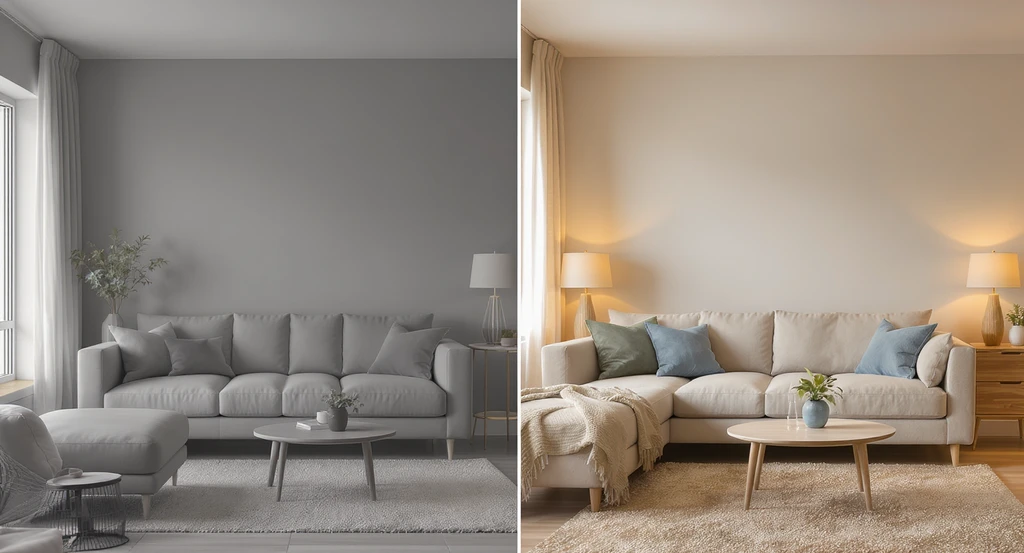
A realistic side-by-side of cool gray versus beige, blue, and earth tone interiors illustrates ai home design color trends 2026. See how ai predicts interior color shifts and enables virtual staging ai for earth tone palettes—showcasing the best ai tools for warm neutrals in interiors and ai visualization for replacing gray interiors.
For nearly a decade, cool gray interiors defined modern home aesthetics. Gray walls, flooring, furniture, and kitchens created a minimalist, neutral backdrop that suited a wide range of tastes, largely because of their clean, visually simple appearance across different spaces.
Today, however, many people feel emotionally disconnected from these cool, flat environments. As explored in our guide on 2026 interior design trends, buyers are increasingly seeking interiors that feel more inviting, natural, and emotionally grounding. Instead of “perfect” minimalism, 2026 design is shifting toward warmth, comfort, and human connection, with beige, blue, and earthy tones forming the foundation of this evolution.
This shift is also being reinforced by AI-driven visualization tools and listing analytics, which consistently show higher engagement and stronger emotional response for warm-toned interiors compared to cool gray environments in digital property previews.
-
The Core Issue: Why Gray Interiors Are Losing Appeal
Cool gray interiors once represented a safe, universally appealing aesthetic. However, after years of widespread use, many now associate gray-on-gray spaces with outdated flipping trends and emotionally cold, over-staged environments. The resulting visual monotony and emotional distance are contributing to a broader shift toward palettes that feel warmer, more personal, and more human-centered.
As discussed in our article on soft modern interiors, gray interiors are not disappearing entirely but are evolving in role, from dominant design language to a more secondary, transitional, and accent-driven presence within modern interior palettes.
Expert Insight
A client once asked if repainting their gray living room in warm beige and adding slate-blue accents would really make a difference. After revisualizing the updated space using REimagineHome AI, they felt an instant sense of comfort, proof that the right palette truly changes how a room is experienced, both in person and through photos.
-
Emotional Comfort: The Power of Warm Neutrals
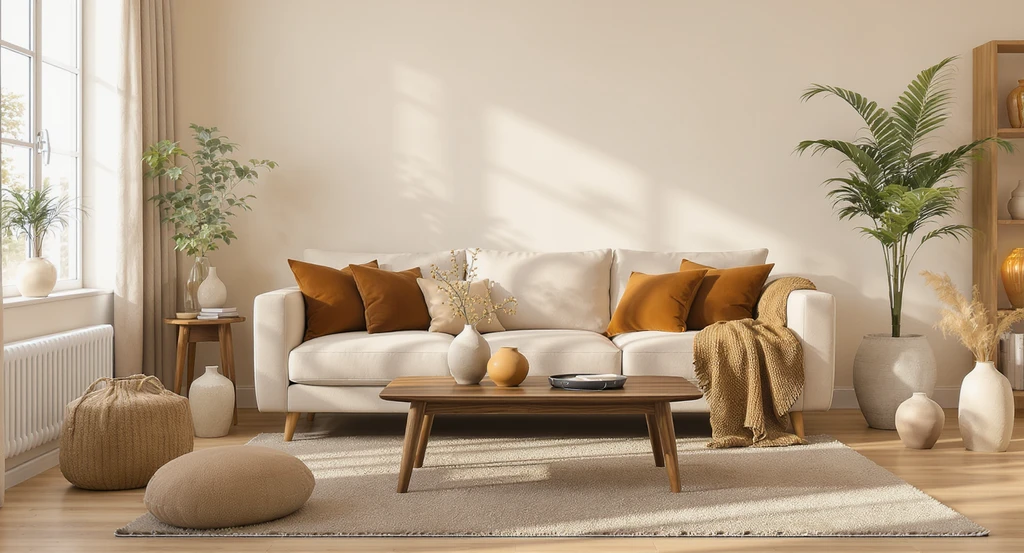
AI home design color trends 2026 show how virtual staging AI for earth tone palettes makes living rooms feel inviting. Learn how AI predicts interior color shifts from gray to warm neutrals for better comfort and well-being.
Beige and earth tones foster relaxation and comfort, qualities often missing in cool gray environments. Warm neutrals such as sand, mushroom taupe, walnut brown, soft caramel, and clay bring a sense of timelessness and coziness that helps spaces feel more grounded and inviting.
Unlike cool gray, which can sometimes flatten a space emotionally, these warmer hues support well-being by enhancing the perception of comfort and livability. In 2026, this emotional response is increasingly prioritized by homeowners and buyers, as interiors are now evaluated not only on aesthetics but also on their “emotional temperature”, how a space feels within the first few seconds of visual exposure.
-
Why Muted Blues Work Better Than Icy Tones
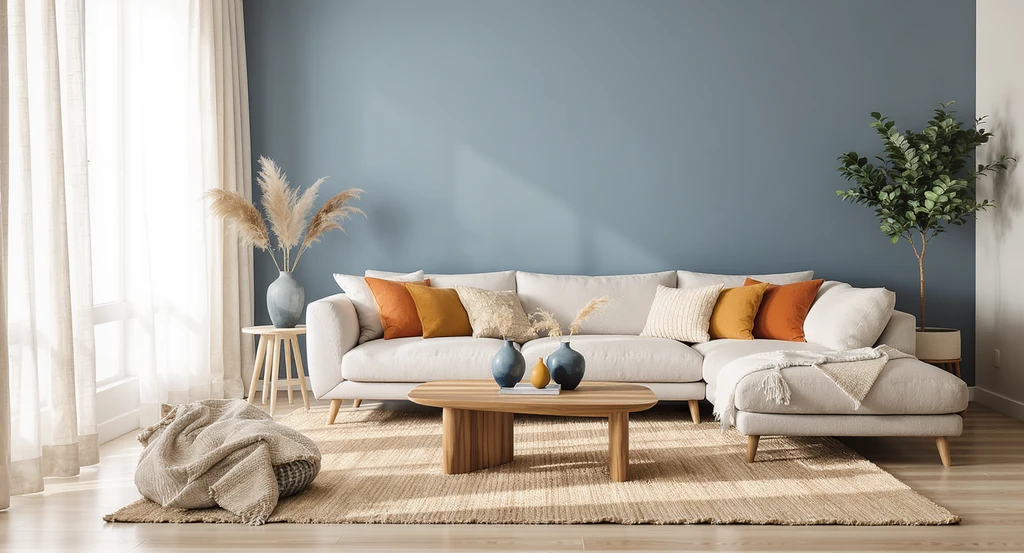
A modern living space styled with ai home design color trends 2026, showing how ai predicts interior color shifts from icy blues to muted blue walls, layered with warm neutrals and earth-inspired textures.
Modern uses of blue have shifted from cold, stark tones to softer, nature-inspired shades. Dusty blue, slate, muted navy, and oceanic tones create a peaceful, grounded energy without feeling chilly or detached. These hues pair naturally with warm neutrals, blend seamlessly with layered textures, and support wellness-oriented interior design.
According to our 2026 color trend breakdown, muted blue introduces subtle personality and balance without overwhelming a space or clashing with surrounding elements. Unlike saturated or icy tones, muted blues function as “supporting emotional colors,” enhancing warmth and harmony while remaining visually understated.
-
Earth Tones: Creating Human-Centered Spaces
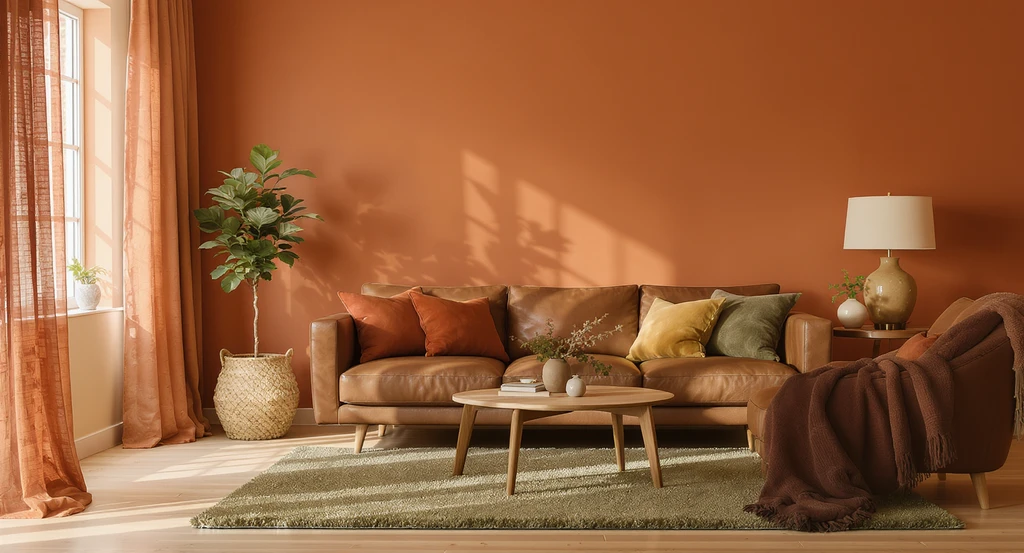
Earth-inspired interiors represent ai home design color trends 2026, showing how ai predicts interior color shifts and the rise of virtual staging ai for earth tone palettes in replacing gray.
Earth-inspired colors, such as terracotta, olive green, warm brown, clay, rust, muted green, and sandy beige, are gaining momentum for their ability to connect interiors with nature. These rich, organic tones help interiors feel less artificial and more emotionally restorative, shifting the experience of a space from sterile to grounded and human-centered.
As people spend more time indoors and in digital environments, the desire for nature-inspired connection continues to grow. Earth tones are increasingly used as “biophilic anchors” in interior design, helping both digital and physical spaces mimic natural environmental balance and visual harmony.
-
How Warm Tones Improve Online Visuals
With the rise of online listings, social media, and virtual staging, how a home photographs has become as important as how it feels in person. Warm neutrals and earthy palettes naturally soften light, add depth to flat images, and reduce harshness on screens, making interiors appear more inviting and visually balanced.
In contrast, cool gray rooms often appear more sterile or lifeless in digital photography. Homes styled with warmer tones tend to generate stronger emotional engagement online, making them more appealing to today’s digitally driven buyers and virtual-first viewing experiences.
-
The Influence of Wellness Design on Color Choices
A major reason for shifting color preferences is the growing influence of wellness design in interiors. More homeowners are prioritizing spaces that reduce stress, support relaxation, and promote a sense of emotional balance. Warm neutrals, muted blues, and earthy tones naturally contribute to this effect by softening visual edges and blending seamlessly with natural materials and layered textures.
This movement aligns with the blend of comfort and sophistication that defines 2026 interiors, as described in our soft modern interiors trend report. It reflects a broader shift in design thinking, where interiors are increasingly shaped not just for appearance, but for emotional and psychological well-being.
-
Virtual Staging: Moving Beyond Gray Minimalism
Virtual staging once leaned heavily on gray palettes, sharp contrasts, and ultramodern styling. However, today’s buyers now prefer digital depictions that feel more lived-in, warm, and emotionally inviting. Modern staging increasingly uses layers of beige, organic textures, realistic lighting, and earthy accents to create a stronger sense of comfort and visual believability.
With tools like REimagineHome AI, designers and homeowners can preview these changes before making real-world investments, ensuring design choices resonate both online and in physical spaces. In virtual staging workflows, warm palettes also help reduce visual noise and compression artifacts in listing images, resulting in more cohesive and higher-quality visual outputs across different screen resolutions.
-
Practical Ways to Warm Up a Gray Interior
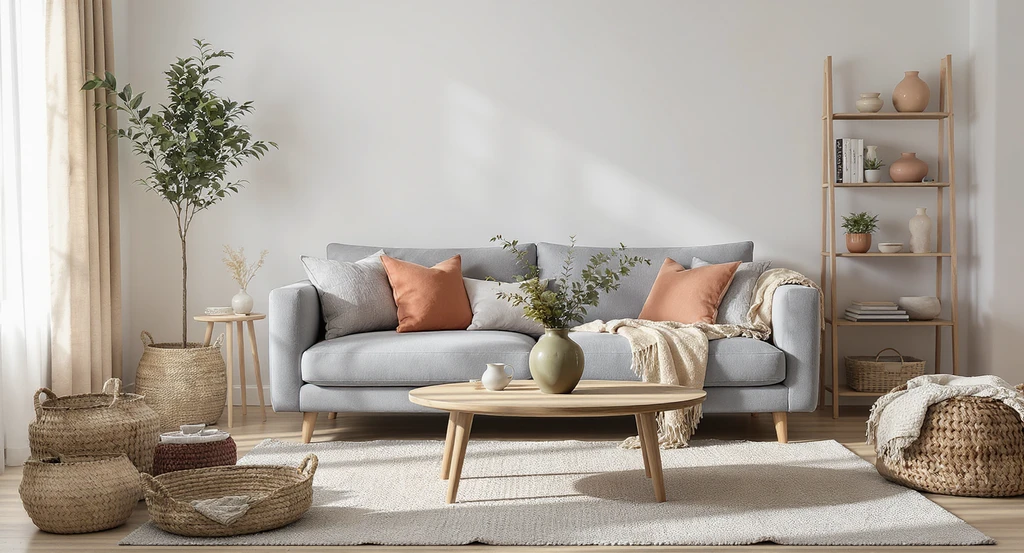
Transformed with ai visualization for replacing gray interiors, this space uses warm beige throws, textiles, wood, and earth-toned accessories. Explore how ai home design color trends 2026 and best ai tools for warm neutrals can make inviting updates without renovation.
You don’t need to renovate completely to adapt a gray-heavy space. Try adding warm beige throws and pillows, switching to ambient lighting, incorporating natural wood, or bringing in olive or clay-colored accessories. Layered textures, textiles, rugs, baskets, can instantly soften stark rooms. Reducing sharp black-and-white contrast and introducing greenery or earthy décor also make cool spaces feel instantly more inviting.
Visualization Scenario
Imagine uploading your gray, minimalist living room into a visualization tool. With a few clicks, you adjust the palette: cool gray walls transform to soft taupe, blue-gray sofas shift to muted denim, and olive-green pillows add depth. Before committing to real paint or furnishings, you can confidently decide if the warmer, more inviting space is right for you.
FAQs: The New Color Landscape in Interior Design
- Why are cool gray interiors going out of style?
- After years of dominance, many now see cool gray interiors as emotionally cold, repetitive, and overly staged. Warm, welcoming palettes are favored for their comfort and approachability.
- What colors are replacing gray in 2026 interiors?
- Beige, muted blue, olive green, clay, terracotta, walnut brown, and similar earth-inspired hues are the primary alternatives to gray for more grounded, visually rich environments.
- Do warm palettes help homes sell faster?
- In many cases, yes. Warm interiors generate stronger emotional responses and often look more attractive in online listings and virtual staging than gray-dominated rooms.
- Is beige really returning to modern interiors?
- Absolutely. Beige is being reimagined as a versatile, warm neutral enriched by layered textures and materials, making it a core color in 2026 home design.
- How can I update my gray interior easily?
- Add textiles, wood, earthy accents, and warmer lighting. Replacing sharp contrasts with softer materials and more natural hues has an immediate impact without major renovations.
Bringing Emotional Connection Into Modern Homes
The decline of cool gray interiors reflects more than a color trend, it signals a shift toward spaces designed for emotional comfort and well-being. Beige, blue, and earthy tones are helping homeowners create warmer, softer, and more supportive environments, where visual comfort and digital appeal are equally important.
As design increasingly blends physical and digital experiences, interiors are being redefined by how they feel as much as how they look. This shift represents a broader recalibration of how people interpret and respond to spaces in a screen-driven real estate environment.