Spring 2026 Home Staging Trends Buyers Actually Respond To
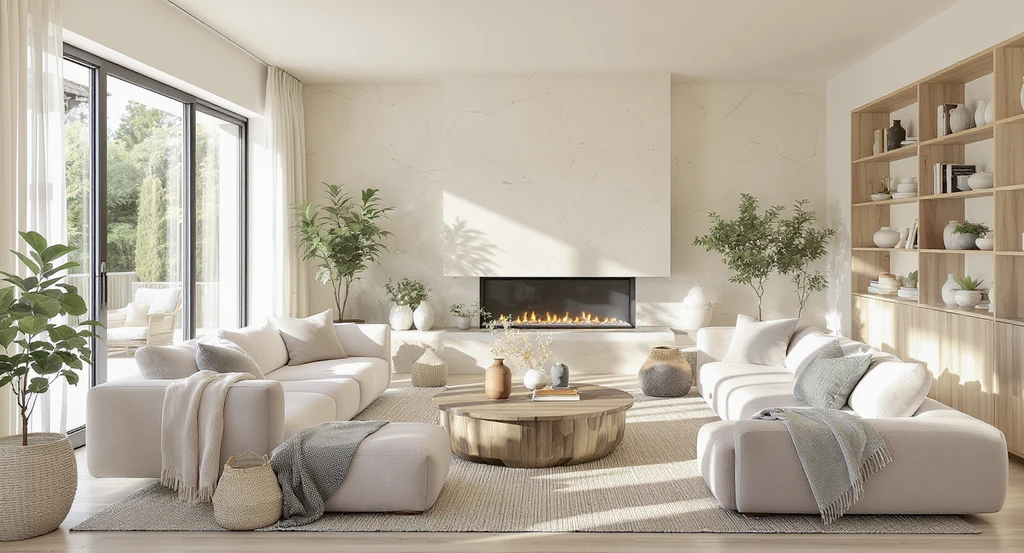
TL;DR
Spring 2026 staging prioritizes warm minimalism, emotional realism, and flexible layouts. Buyers connect more with spaces that feel comfortable, authentic, and easy to imagine living in than with perfectly styled interiors.
Why Emotional Design Is Shaping Home Staging in 2026
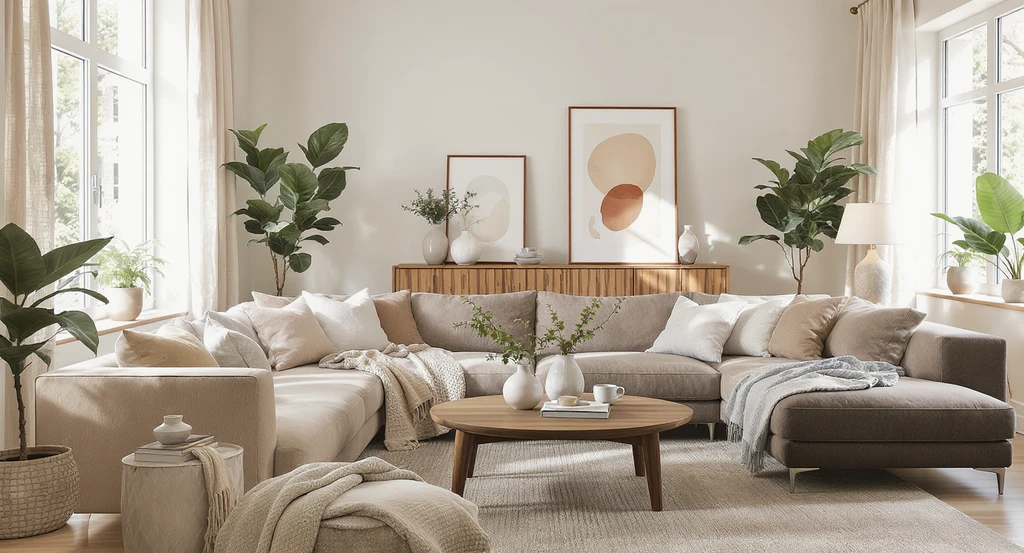
Editorial view of a living room staged using ai-powered home staging trends 2026, highlighting virtual staging with emotional realism ai for authentic, wellness-inspired spaces.
Traditional staging focused on neutral palettes and visual perfection, but buyer behavior is shifting in 2026. As people browse more listings, generic spaces are easier to ignore. Homes that feel warm, calming, and realistically livable now create stronger emotional connection and engagement.
Buyers increasingly prioritize emotional usability, spaces that feel comfortable, functional, and easy to imagine living in. As explored in our guide to what homebuyers want in 2026, comfort and clarity are becoming key decision drivers.
The 2026 Emotional Staging Framework
Successful home staging in 2026 is built around four psychological elements:
Warmth – soft colors and lighting that reduce visual stress
Believability – realistic, lifestyle-focused setups
Flexibility – spaces designed for multiple uses
Sensory Comfort – textures and flow that improve emotional connection
Together, these elements help buyers connect with a space faster.
-
Warm Minimalism: The New Staging Standard
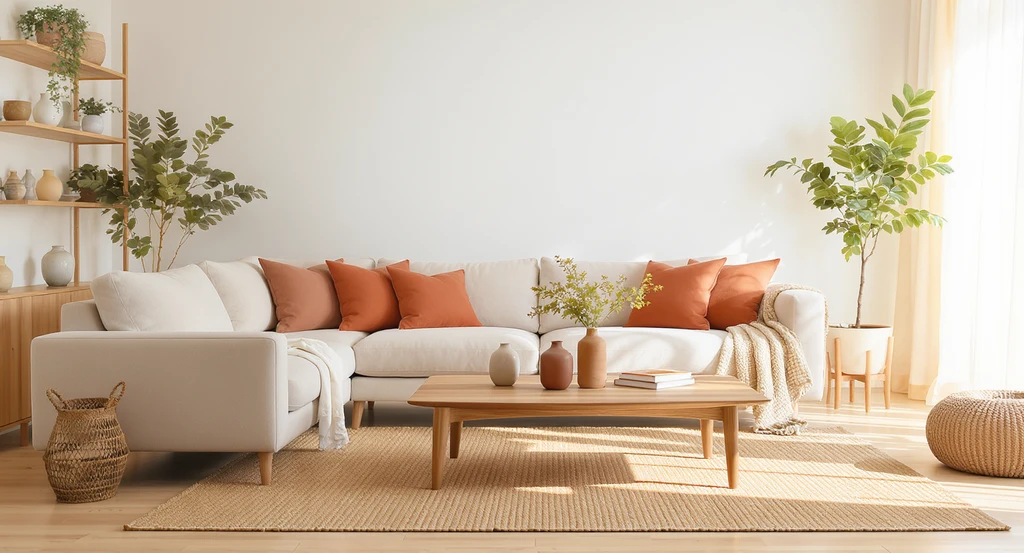
Warm minimalism exemplifies ai-powered home staging trends 2026, using virtual staging with emotional realism ai for buyer comfort. This style features adaptive room layouts with organic textures, creamy whites, and wellness inspired ai home visualization.
Cold minimalism, known for stark white interiors, sharp edges, and sparse styling, is gradually losing appeal. Buyers increasingly view these spaces as visually clean but emotionally distant. In Spring 2026, warm minimalism is becoming the preferred staging approach, using creamy whites, soft earth tones, natural woods, and layered textures to create a calmer, more inviting atmosphere.
As described in our roundup of soft modern interiors, adding softness to minimalist spaces helps buyers imagine daily life in the home rather than seeing it as a staged showroom.
Warm minimalism also reduces cognitive load. Softer contrasts, muted transitions, and natural textures help buyers process spaces more comfortably and focus on lifestyle possibilities instead of visual distractions.
Cold Minimalism (Declining) Warm Minimalism (Rising) Stark white interiors Cream, beige, and clay-based palettes High contrast lighting and shadows Soft natural lighting Sparse, impersonal layouts Layered textures (linen, wood, wool) Lower emotional connection Stronger emotional attachment Feels “showroom-like” Feels calming and livable
Expert Insight
In staging tests across modern listings, subtle emotional changes often outperform dramatic visual upgrades. Replacing cold palettes with warmer textures and softer layouts frequently improves perceived comfort and buyer recall.
-
Organic Materials: Creating Authentic Warmth
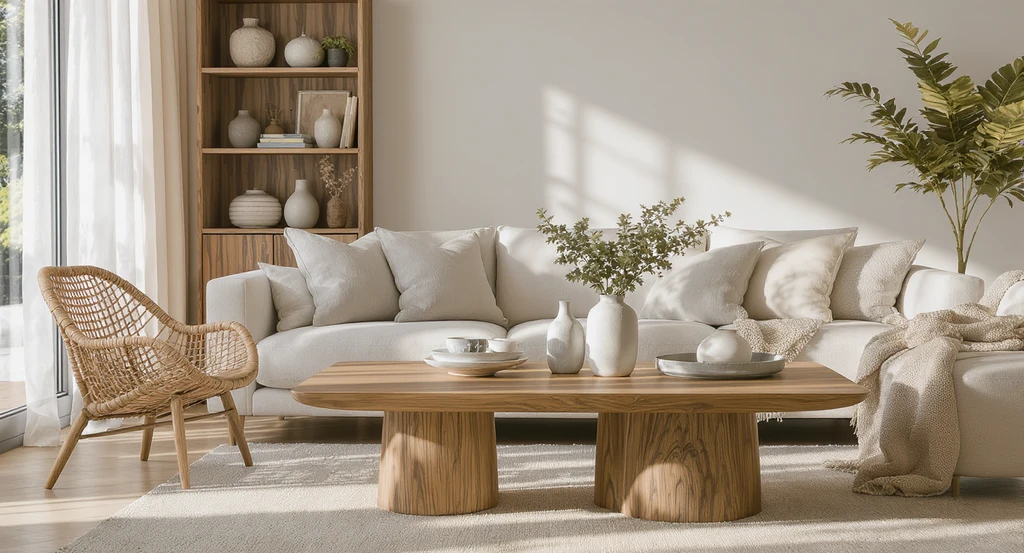
Organic materials like oak, walnut, linen, and stone illustrate ai-powered home staging trends 2026, using wellness inspired ai home visualization for deeper buyer connection.
Synthetic finishes and high-gloss surfaces can make spaces feel visually polished but emotionally disconnected. In 2026, staging is shifting toward tactile authenticity through materials like oak, walnut, linen, bouclé, matte ceramics, and stone. These natural elements create warmth, depth, and a more inviting atmosphere both online and in person.
According to our guide on 2026 interior design trends, earth-inspired materials are driving the move toward more emotionally engaging interiors. Layered organic textures also act as trust signals in listing imagery, communicating quality, permanence, and authenticity more effectively than decorative styling alone.
-
Curved Furniture and Softer Layouts
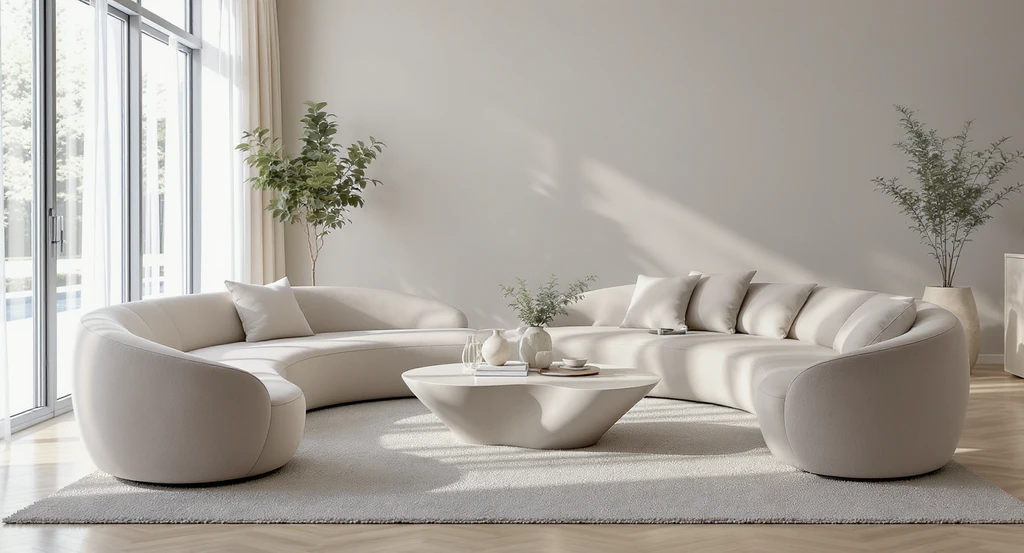
Curved sofas and rounded tables lead ai-powered home staging trends 2026, as virtual staging with emotional realism ai and adaptive layouts create inviting, buyer-focused interiors.
Rigid edges and straight lines are giving way to curves and softer forms in Spring 2026 staging trends. Curved sofas, rounded accent chairs, and sculptural tables create spaces that feel more approachable, comfortable, and relaxed.
These softer shapes improve visual flow and help create a stronger emotional connection. Even subtle changes in furniture forms can influence buyer perception and make spaces feel more inviting and easier to imagine living in.
-
Wellness-Focused Staging: Mainstream, Not Niche
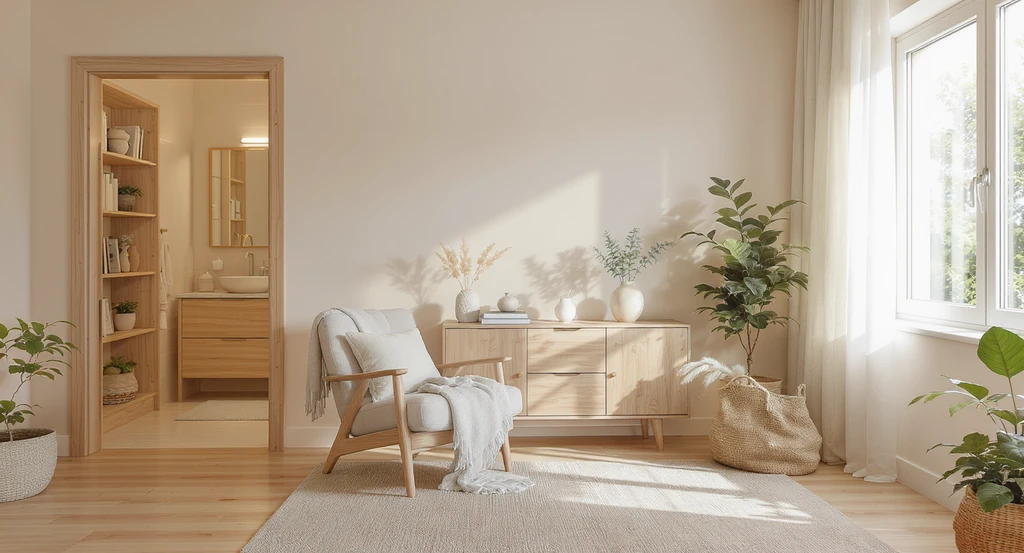
Ai-powered home staging trends 2026 highlight wellness-inspired ai home visualization—natural airflow, acoustic softness, and decluttered adaptive room layouts—demonstrating how ai transforms home staging design for restorative living.
Wellness design has moved from luxury add-on to standard expectation. Layered lighting, calming palettes, acoustic softness, and natural airflow are now routine. Staging highlights might include spa-like bathrooms, dedicated reading corners, and meditation-ready spaces. These details encourage buyers to imagine daily routines that feel restorative.
-
Lifestyle Staging: Emotional Storytelling That Works
Bland, generic staging falls flat in 2026. Buyers want to see believable living moments, a sunlit breakfast nook, a reading chair with a soft throw, or a workspace tucked into a flex room. The best-performing listings don't personalize, but they do tell a lifestyle story that feels attainable and inviting.
This approach, known as aspirational realism, makes it easy for buyers to imagine themselves living in the home. Emotional storytelling directly boosts showing requests, buyer confidence, and perceived value.
-
Flexible Multi-Functional Rooms
Hybrid work and evolving lifestyles make flexible spaces a necessity. Staging that clearly demonstrates dual-purpose rooms, like a guest room with an office setup or a living room with a wellness nook, dramatically increases perceived usability. Even smaller homes benefit, as buyers can visualize multiple uses and adaptability for future needs.
Showing flexible layouts is a practical way to add value without changing the home's architecture, ensuring the space matches a wider variety of lifestyles.
-
Outdoor Spaces: Emotional Usability Over Luxury
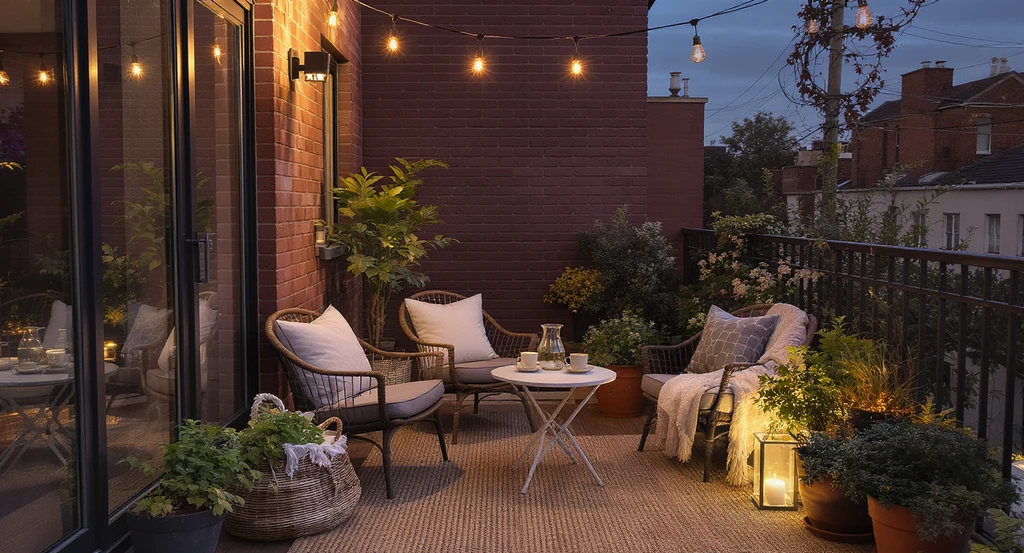
This balcony exemplifies ai-powered home staging trends 2026, using virtual staging with emotional realism ai to turn outdoor spaces into essential, inviting living areas focused on daily usability and buyer connection.
Outdoor staging is now performance-critical. Patios, balconies, and small yards are styled as true living spaces, not just bonus areas. Simple café-style seating, layered textiles, greenery, and warm lighting help buyers instantly imagine daily routines outdoors. The focus is on how the space feels in use, not on luxury features.
Thoughtful outdoor staging can outperform an under-staged large yard in generating emotional engagement and desire.
-
Color Palettes: What Works in Spring 2026
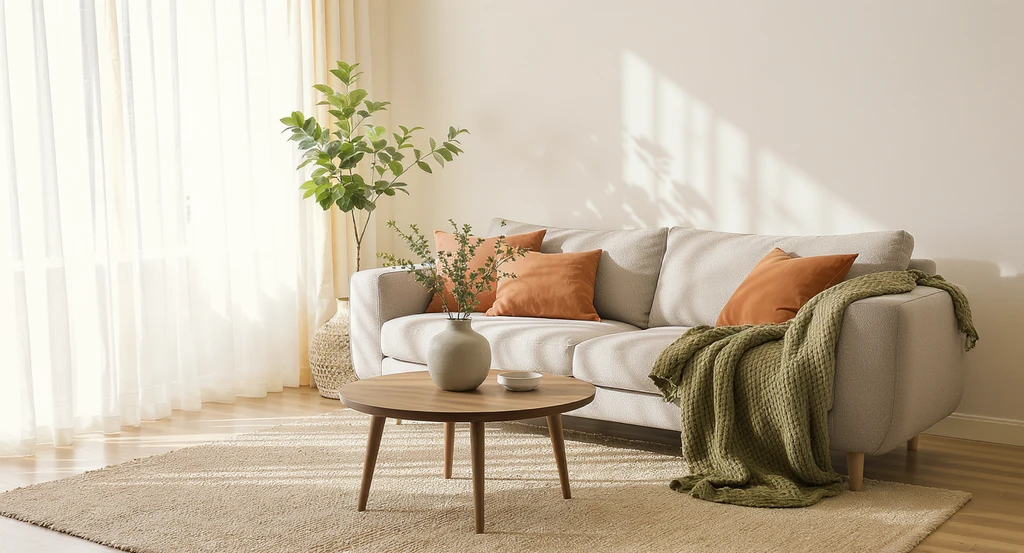
Experience ai-powered home staging trends 2026 with a warm, organic color palette. Virtual staging with emotional realism ai showcases serene, wellness-inspired room visualization.
Color psychology is critical. Buyers now prefer warm, organic color palettes, creamy whites, sand beige, mushroom taupe, soft terracotta, olive, and walnut. These hues calm and ground spaces, making them feel more inviting and emotionally stable.
Cool grays are falling out of favor, as buyers associate them with cold, impersonal staging. Earth-inspired palettes also photograph better for digital listings, supporting stronger engagement across devices.
-
Virtual Staging: Realism Over Hyper-Polish
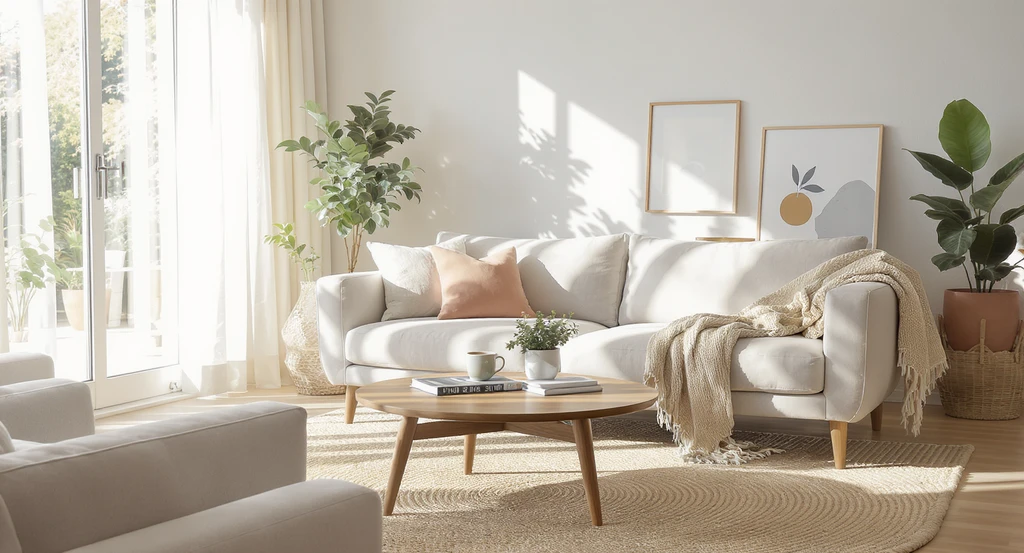
Example of ai-powered home staging trends 2026—virtual staging with emotional realism ai, adaptive organic layouts, and wellness inspired ai home visualization for authentic buyer connection.
Virtual staging is evolving rapidly in 2026. Buyers can easily recognize overly polished CGI and often view it as unrealistic. Effective AI-powered staging now focuses on emotional realism through natural lighting, believable layouts, and subtle lifestyle details that make spaces feel authentic and relatable.
Modern virtual staging increasingly relies on organic materials, softer lighting, and achievable layouts that feel warm and attainable rather than digitally perfect. Buyers now prioritize comfort, clarity, and realistic living environments over highly polished visuals.
Emotionally realistic staging often performs better because buyers connect with spaces that feel lived-in and believable. The shift is no longer purely aesthetic, it is behavioral. Buyers increasingly evaluate how a home feels before deciding how much they like how it looks.
-
Common Mistakes: Why Most Staging Still Fails
Many staged homes still underperform because they prioritize visual appearance over buyer psychology. Common staging mistakes include:
- Overly generic or minimal designs
- Poor layering of textures and materials
- Lack of a clear lifestyle narrative
- Following trends without reflecting how people actually live
Effective staging succeeds by balancing visual clarity, realistic lifestyle cues, and emotional comfort. Homes that feel authentic and easy to imagine living in tend to create stronger buyer connection and engagement.
-
Quick Staging Wins for Better Buyer Response
Small staging updates can create a noticeable impact on buyer perception. Warm lighting, layered textures, organic materials, and flexible room layouts help spaces feel more inviting and easier to imagine living in. Even simple changes often improve emotional connection and listing engagement.
What Sellers & Agents Should Prioritize in 2026
As buyer expectations evolve, staging priorities are shifting away from purely visual presentation. Successful homes increasingly focus on emotional warmth, adaptable layouts, and realistic environments that reflect how people actually live.
In 2026, emotional connection matters more than visual perfection. Homes that emphasize comfort, flexibility, and authenticity often outperform decor-heavy staging because buyers respond first to how a space feels, not just how it looks.
Visualization Scenario
Picture browsing two listings: one shows empty gray rooms, another features layered organic textures, soft lighting, and a reading nook by the window. Buyers almost always pause on the second, feeling more emotionally drawn in. REimagineHome AI lets sellers preview these emotional impacts before going live, reducing guesswork and costly missteps.
Spring 2026 Staging FAQ
- What is the biggest home staging trend in Spring 2026?
- Warm minimalism is the most influential trend, blending simplicity with warmth through creamy whites, natural materials, and textural layers. Buyers perceive these homes as inviting and emotionally comfortable rather than cold or impersonal.
- Why are cool gray interiors declining?
- Cool gray palettes often create visual distance and can feel emotionally flat in listing photography. Buyers increasingly respond to warmer tones because they create stronger feelings of comfort and familiarity.
- Does virtual staging still work in 2026?
- Yes — but only when it feels real. Buyers now respond best to AI-powered staging that emphasizes emotional realism, natural lighting, and relatable layouts rather than overly glossy CGI.
- Why are buyers attracted to organic textures?
- Natural materials such as wood, linen, and stone communicate authenticity, warmth, and stability. These textures make homes feel more believable and mentally relaxing to potential buyers.
- Is staging outdoor spaces worth the effort?
- Absolutely. Outdoor areas, even small balconies or patios, drive more engagement when staged with usability in mind. Buyers now expect outdoor spaces to support relaxation or remote work, not just recreation.
In Summary: Emotional Connection Drives Sales in 2026
Spring 2026 home staging is no longer centered on visual perfection alone. Buyers increasingly connect with homes that feel warm, adaptable, and emotionally believable. Spaces designed around comfort, realism, and everyday living create stronger engagement and help buyers imagine themselves in the home.
As buyer behavior continues to evolve, emotional connection is becoming a key driver of real estate success. The homes that perform best are not necessarily the most decorated, they are the easiest to understand, relate to, and envision living in.