What Homebuyers Really Want in 2026: Design, Staging & Buyer Psychology Explained
TL;DR
Homebuyers in 2026 value neutral design, clearly defined layouts, and realistic staging, often driven by AI visualization. This approach helps reduce uncertainty and allows buyers to better understand how a space will look and function in real life. This guide explains the logic behind what homebuyers want in 2026, how modern staging ideas support buyer decisions, and why clarity has become the most important factor for selling homes faster.
Understanding What Homebuyers Want in 2026
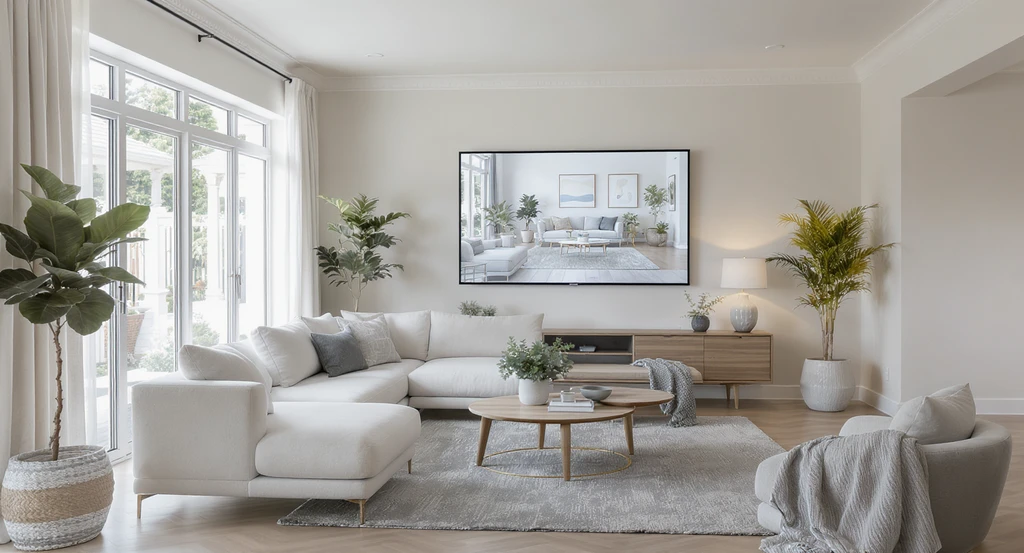
A staged living space created through ai-powered virtual staging highlights ai home design trends 2026, showcasing how ai visualizes modern living spaces and supports wellness-centric interior design for premium homes.
The way people buy homes has fundamentally changed. In 2026, buyers arrive with clear expectations shaped by online listings, inspiration platforms, and AI-powered virtual staging. They no longer visualize from scratch, they expect to see how a home looks and functions before making a decision. In simple terms, what homebuyers really want in 2026 is clarity: clear layouts, neutral and adaptable design, defined room functions, and the ability to instantly visualize how a space will work in real life.
Today’s buyers look for visual clarity through staging and AI-powered home design, meaning your property isn’t just compared to others on the market, it competes with the best possible version buyers have seen online. To succeed, homes must offer clarity, comfort, and an immediate emotional connection.
- Clear and logical layouts
- Neutral, adaptable design
- Defined room functions
- Visual clarity through staging
- AI-powered visualization for better understanding
Buyers are no longer relying on imagination alone. Many experience a “visualization gap,” struggling to picture how an empty or outdated space could transform, sometimes linked to a condition known as aphantasia. As a result, homes that clearly show potential through staging or visualization create stronger engagement and faster emotional connection.
-
Why Neutral Design Trends Appeal to Homebuyers in 2026
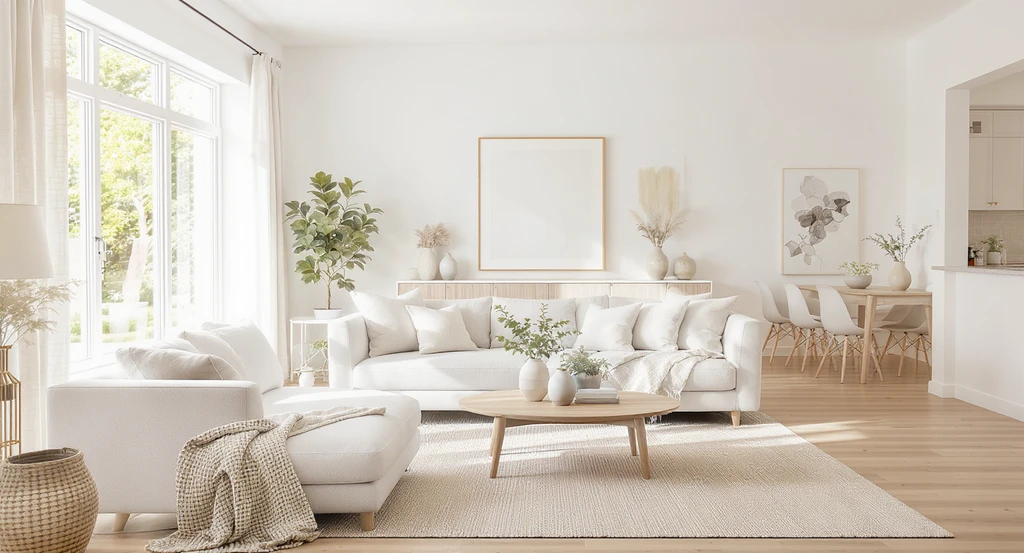
AI home design trends 2026 show how ai visualizes modern living spaces with soft, neutral palettes—creating wellness-centric interiors that help buyers picture themselves at home.
The strongest trend shaping what homebuyers want in 2026 is a preference for soft, neutral interiors, warm whites, beige, greige, and natural wood. These palettes don’t feel cold or sterile; instead, they create a calm and versatile foundation that makes rooms feel more spacious and welcoming.
Neutral design reduces visual noise and helps buyers easily picture their own lives and furnishings in the space. For faster sales, it’s best to avoid high-contrast schemes or trend-heavy accents, as timeless palettes tend to appeal to a wider range of buyers.
Expert Insight
A seller I worked with was hesitant to stage their vacant home, thinking buyers would like a "blank canvas." After professionally staging the living and dining areas and using AI visualization for an awkward bonus room, the property received multiple offers within two weeks. The owner said that buyers frequently commented on how easy it was to picture their own life in the space.
-
Why Layout and Furniture Placement Matter More Than Decor
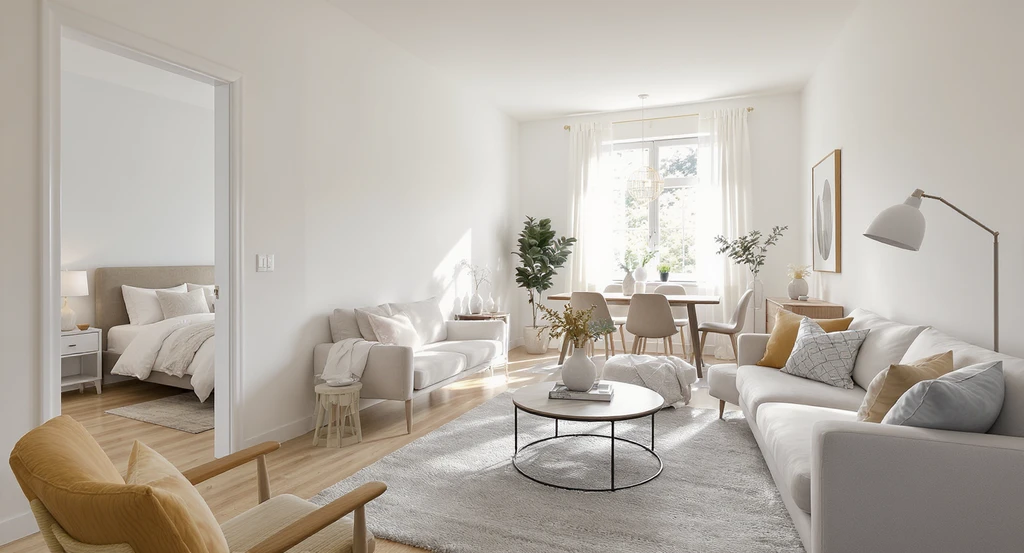
AI-powered virtual staging for premium homes highlights ai home design trends 2026 by prioritizing layout and furniture placement over decor. This realistic setup shows how ai visualizes modern living spaces with optimal flow and wellness-centric interior design choices.
Modern home staging ideas in 2026 are rooted in spatial flow and logical layout, not just decoration. Buyers expect beds centered on solid walls, sofas oriented toward focal points, and dining areas clearly defined. A confusing or crowded arrangement creates instant hesitation, even if the decor looks attractive. Staging is about removing obstacles and doubt, making every pathway and room function clearly.
Beyond layout, buyers are also quietly evaluating whether their existing furniture will fit the space. This creates a layer of decision anxiety that often goes unspoken. Questions like “Will my sofa be too big?” or “Can I fit a proper dining table here?” can slow down or even block decision-making. Thoughtful staging helps eliminate this uncertainty by showing accurate scale, proportion, and realistic furniture arrangements, making it easier for buyers to say yes with confidence.
Quick takeaway:
- Keep walkways open and unobstructed
- Use furniture that reflects realistic scale
- Align key pieces with focal points (TV, window, fireplace)
-
Why Homebuyers Prefer Lifestyle-Focused Staging Over Empty Spaces
Buyers in 2026 expect each area of a home to clearly suggest its function and lifestyle potential. An empty or undefined room creates uncertainty and slows decision-making, as without visual cues, buyers often misjudge size, layout, and usability. A large empty room can feel smaller, while an awkward layout may seem unusable, even when it’s not.
Defining each space with purpose helps buyers immediately understand how the home works in real life. Contrary to popular belief, buyers are more likely to reject a home because they don’t understand it than because they dislike it, confusion, not style, is often the biggest barrier to decision-making.
-
Modern Home Staging Ideas: Why Minimal Styling Works Best
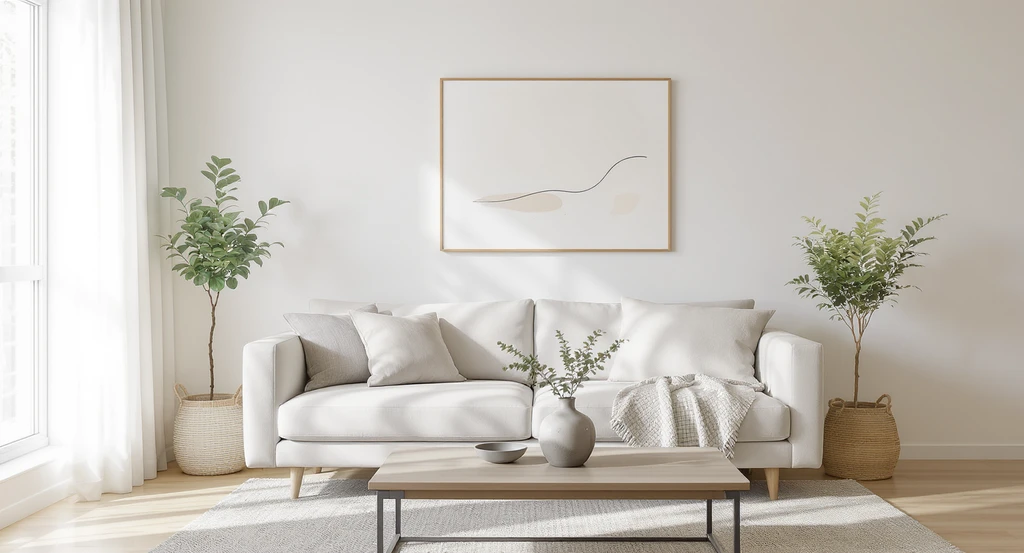
Minimal modern staging illustrates ai home design trends 2026, showing how ai visualizes modern living spaces with clarity and wellness-centric interior design ideals.
Minimal, restraint-based staging feels fresh and sophisticated to modern buyers, with the goal centered on clarity, not clutter. This approach allows spaces to feel open, intentional, and easy to understand at a glance.
Use a few well-placed accessories, simple art, and light layering like throw blankets or pillows to add warmth without overwhelming the space. Avoid excessive decor or busy patterns that create distraction or feel high-maintenance, as clean surfaces help buyers instantly understand layout and function.
-
How Cohesive Interior Design Increases Buyer Confidence
Consistency in color palette, materials, and style signals good maintenance and thoughtful planning. Disjointed spaces, like a rustic kitchen next to a modern living room, can feel unfinished and often trigger renovation concerns in buyers.
Cohesive design helps reduce the time and money buyers expect to spend personalizing the space, leading to faster decisions and stronger offers. When a home feels incomplete, buyers begin estimating the time, cost, and effort required to fix it, often overestimating and perceiving the property as a bigger project than it actually is.
A well-coordinated, cohesive home minimizes this friction and builds buyer confidence. By reducing uncertainty around potential renovations, it becomes easier for buyers to move forward quickly and make more confident decisions.
-
Why Natural Light Is a Key Factor in Homebuyer Decisions
Natural light significantly improves a home's appeal, influencing how buyers perceive space, comfort, and livability. Buyers pay close attention to window size, curtain choices, and how light moves through the room, as bright spaces tend to feel larger, more open, and more inviting, both online and in person.
Optimizing natural light is a simple yet powerful way to enhance presentation and buyer interest.
- Use sheer or light-filtering curtains
- Avoid blocking windows with large furniture
- Position mirrors or light surfaces to enhance brightness
-
Bedroom Design Ideas That Attract Homebuyers
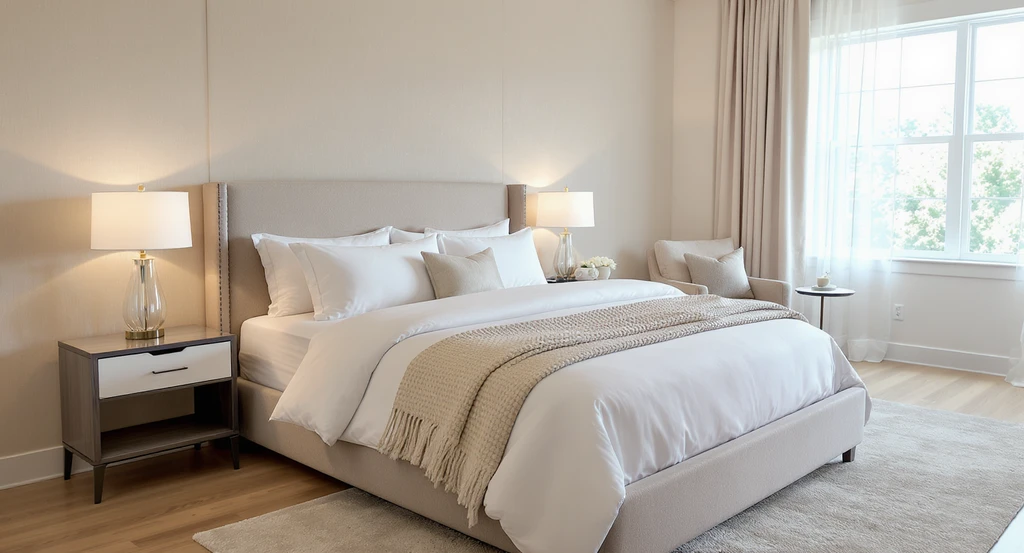
Refined bedroom staging uses ai home design trends 2026 and ai-powered virtual staging for premium homes to create serene, wellness-centric retreats that appeal to modern homebuyers seeking clarity and comfort.
Bedrooms in 2026 are designed as personal retreats, where buyers expect a sense of calm, privacy, and comfort, often inspired by hotel-style layouts. This approach creates a relaxing environment that feels both refined and easy to live in.
Centered beds, neutral bedding, soft lighting, and layered textiles help establish a sense of ease, while minimal yet thoughtful elements, such as a textured wall or a reading chair, add subtle luxury without introducing clutter.
-
AI-Powered Visualization: Closing the Imagination Gap
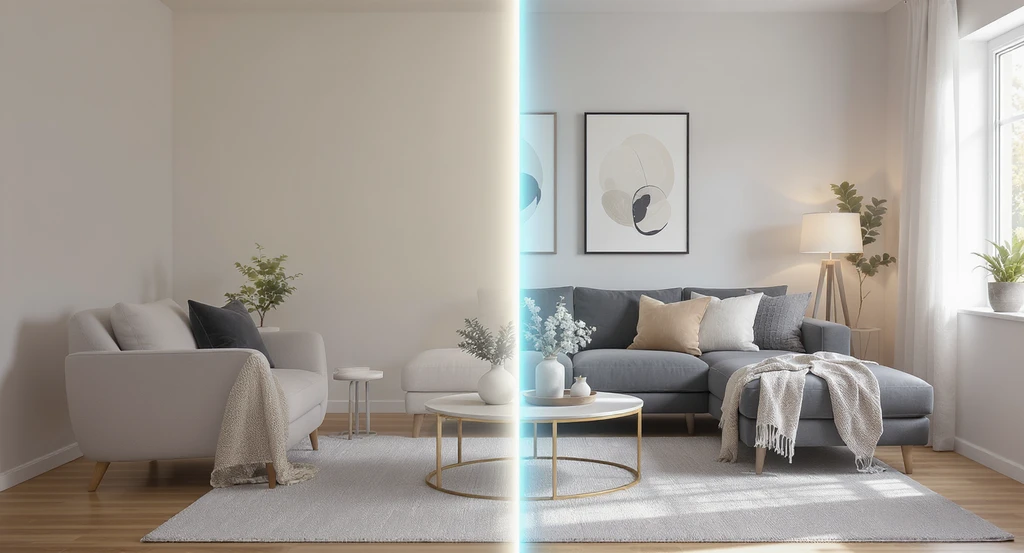
AI-powered virtual staging for premium homes—see how AI home design trends in 2026 help buyers visualize modern living spaces and wellness-centric interiors with clarity.
Virtual staging and AI home design are now essential in helping buyers understand a property. Instead of asking buyers to imagine possibilities, modern listings present side-by-side visualizations, empty versus furnished, current versus potential. This shift from imagination to visualization reduces hesitation and helps buyers make faster, more confident decisions.
In 2026, this is quickly becoming an expectation rather than an added feature, as AI tools make it easier to showcase both the present state and full potential of a space.
- Digitally furnish and style empty spaces
- Visualize renovations or layout improvements
- Reduce the “visualization gap” for buyers
- Eliminate uncertainty and improve decision-making
-
Real Estate Listing Performance and Buyer Behavior
Design and staging decisions directly impact listing performance. Homes with clear layouts and strong visuals attract more clicks, longer viewing times, and higher overall engagement, leading to stronger buyer interest.
In a digital-first market, visual clarity often determines whether a home gets shortlisted, or overlooked. Industry data consistently shows that well-presented and staged homes attract more online engagement and can sell faster than properties that lack visual clarity.
-
Sustainability, Waste, and Long-Term Value
Buyers today are more conscious of cost and environmental impact. Spaces that seem trend-heavy or disposable raise concerns about future replacements and waste. Neutral, timeless design choices, such as natural woods and adaptable layouts, signal staying power and help avoid costly regrets.
This adds long-term value by supporting both resale potential and sustainability. It’s one more reason to focus on simplicity, functionality, and thoughtful finishes, as seen across 2026’s leading trends.
At its core, buyer decision-making is emotional. When a home feels easy to understand, comfortable to live in, and visually resolved, buyers experience less hesitation and greater confidence, two factors that directly influence faster offers.
Visualization Scenario
Picture a buyer scrolling through online listings. Dozens of photos pass by until a living space catches their eye, well-lit, neutral, and smartly staged. They pause, explore the AI-generated visualizations showing multiple arrangement options, and instantly form a connection. Instead of wondering if their furniture will fit, they see the possibilities. This clarity moves them from interest to action.
Frequently Asked Questions
- What do homebuyers look for in 2026?
- Homebuyers in 2026 prioritize neutral design, functional layouts, natural light, and spaces that are clearly defined. They also expect visual clarity through staging or AI visualization to better understand how a home will look and function.
- Does staging really help sell a home faster?
- Yes, staging helps buyers understand layout, scale, and usability. Well-staged homes typically attract more interest online and can lead to faster sales and stronger offers.
- Why do empty homes feel harder to sell?
- Empty homes create confusion around size and layout. Without furniture or visual cues, buyers often misjudge the space or struggle to see its potential.
- How does AI home design help buyers?
- AI-powered visualization allows buyers to see furnished and styled versions of a space instantly, reducing uncertainty and helping them make faster decisions.
Final Thoughts: How to Stage a Home to Sell Faster in 2026
In 2026, selling a home is about demonstrating clarity, through design, layout, lighting, and technology. Today’s buyers invest where they feel comfortable, confident, and emotionally connected.
To simplify what drives buyer decisions, it ultimately comes down to three key factors: clarity, comfort, and confidence. Buyers need to instantly understand the layout, feel at ease in the space, and trust that the home works for their lifestyle without major changes. Homes that deliver all three consistently perform better in today’s market.
Homes that are clear, cohesive, and visually transparent outperform those with style alone. Prioritize clarity, and buyers won’t just notice, they’ll act.