The Shift From Decorating Rooms to Designing Lifestyles in 2026
TL;DR
In 2026, interior design is shifting beyond trends and decoration toward supporting how people live, feel, and function daily. Lifestyle-focused interiors prioritize emotional comfort, flexibility, wellness, and real routines, creating spaces designed for everyday wellbeing rather than style alone.
Why Interior Design Is Changing in 2026
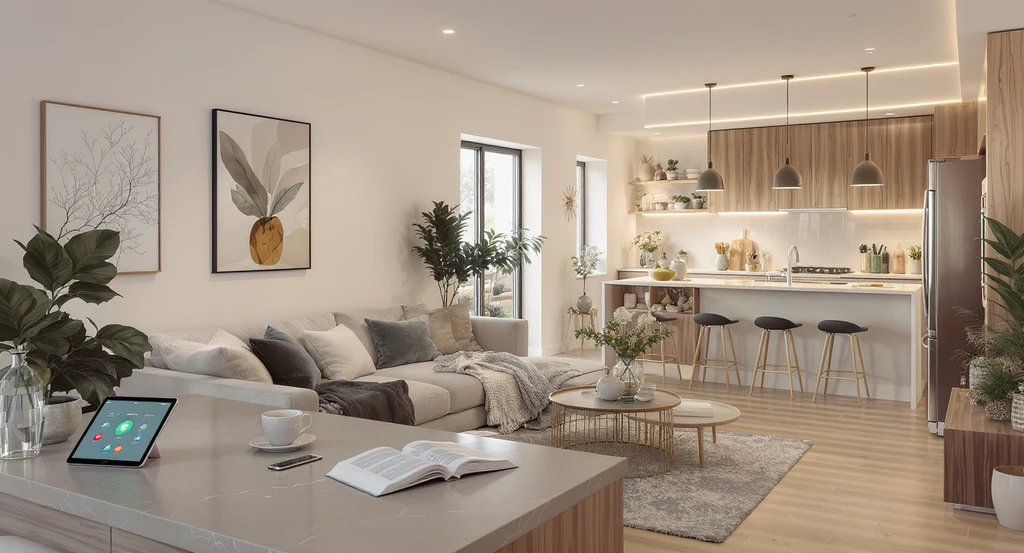
This realistic 2026 interior exemplifies ai-driven lifestyle interior design trends, highlighting how ai visualizes emotional comfort in homes and enables flexible, wellness-centered spaces.
For years, interior design focused on impressive styling: perfect layouts, matching décor, trend-heavy looks, and photo-ready spaces. Homes often felt more like showrooms than places to live. But as we approach 2026, that mindset is shifting.
With changing work routines, more time spent at home, and growing digital overload, people now want interiors that support real daily life both emotionally and practically. The question designers and homeowners ask today is no longer “Does this room look stylish?” but “Does this space make life feel better?” This shift is transforming how spaces are planned, staged, and visualized.
-
Designing Beyond Appearance: Spaces for Real Life
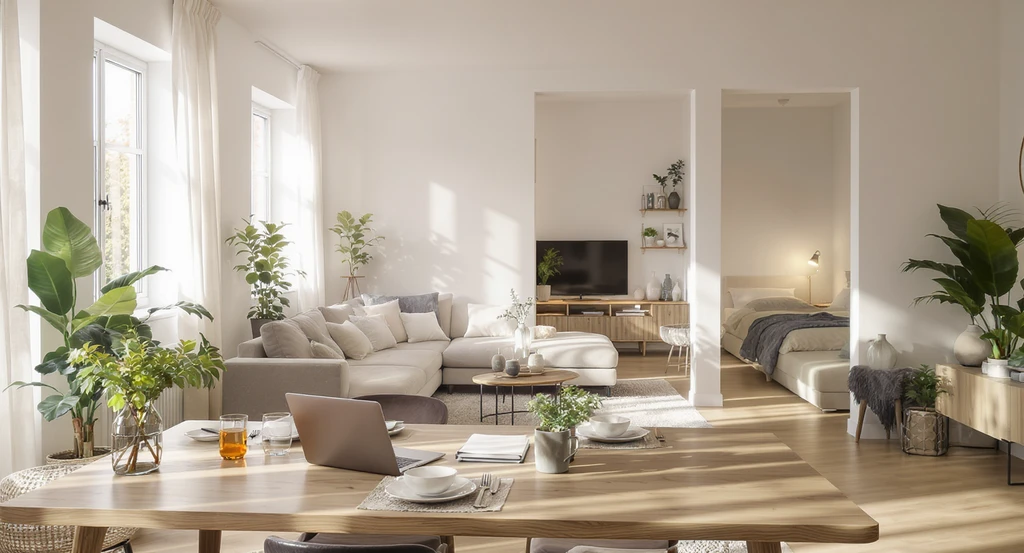
This editorial AI-driven lifestyle interior design demonstrates how AI visualizes emotional comfort and flexible room uses, blending wellness with multi-functional spaces for real living.
Modern homes are no longer designed only to look appealing in photos. People now expect their spaces to support everyday activities like working, relaxing, connecting, and unwinding. According to our guide on the top interior design trends for 2026, homes are becoming more adaptive: dining rooms double as workspaces, bedrooms include wellness corners, and living spaces encourage conversation and comfort.
This lifestyle-driven approach makes interiors feel more personal and emotionally comfortable. Spaces are no longer judged only by appearance but by how well they support daily routines and wellbeing.
It also influences virtual staging, which now focuses on communicating livability and practical function rather than only showcasing luxury aesthetics.
- Traditional Design: Style-first layouts → Lifestyle-Focused Design: Routine-first layouts
- Traditional Design: Single-use rooms → Lifestyle-Focused Design: Flexible spaces
- Traditional Design: Visual perfection → Lifestyle-Focused Design: Emotional comfort
- Traditional Design: Matching décor → Lifestyle-Focused Design: Practical function
- Traditional Design: Photo-ready styling → Lifestyle-Focused Design: Daily livability
Expert Insight
A client once insisted on an all-white, minimal living room for resale value, until she spent a week at home and felt the space was too sterile. A few warm textiles, a reading nook, and layered lighting transformed the room into a favorite daily retreat. This shift from pure decor to livable design made the difference.
-
Emotional Comfort Matters More Than Perfection
A major shift in 2026 interior design is moving away from immaculate, ultra-polished spaces. Overly perfect interiors can feel cold or unrealistic, so current trends focus on warmth, calm, and lived-in character through warm neutrals, layered textures, organic materials, and soft ambient lighting.
People increasingly want spaces that reduce stress rather than resemble staged showrooms. Emotional comfort is now a key measure of good design, where how peaceful and welcoming a space feels matters as much as its visual appeal.
As explored in our article on the importance of clarity in design, emotional grounding plays a crucial role in creating meaningful interiors. Highly polished spaces can sometimes reduce connection because they make it harder for people to imagine their own routines within them.
-
Flexible Layouts and Multi-Use Spaces
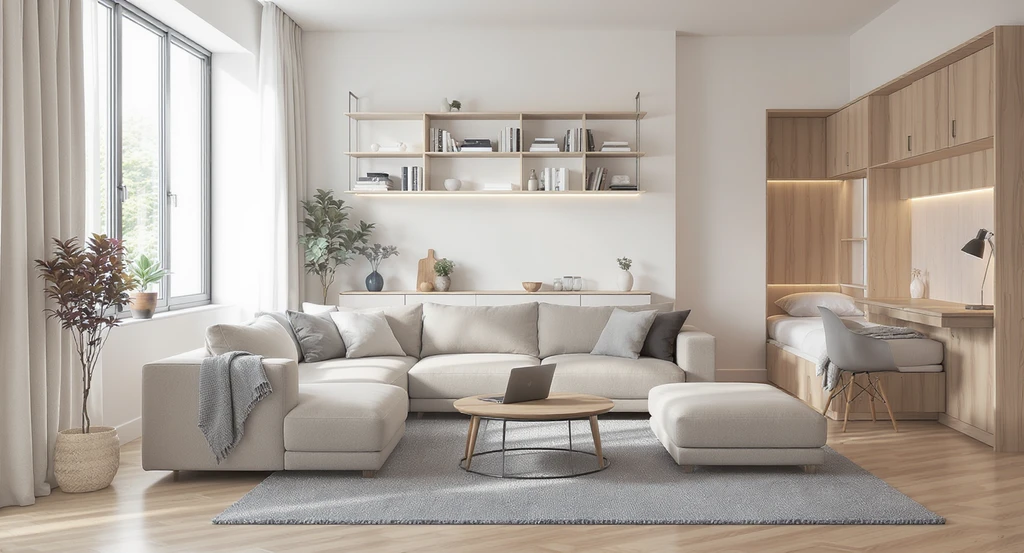
This flexible multipurpose living area exemplifies ai-driven lifestyle interior design trends and how ai visualizes emotional comfort and real-life routines, showcasing wellness-centered interiors and virtual staging with lifestyle-focused ai tools.
Single-purpose rooms are increasingly being replaced by flexible, adaptable layouts that better support real routines. A space may function as a home office during the day and transform into a guest room at night, while a kitchen nook can easily become a temporary workspace. This shift reflects modern living needs, especially in smaller homes where every square foot matters.
Effective layout planning plays a key role in making flexible spaces work. Clear pathways, accessible storage, and furniture arrangements that preserve natural light help interiors adapt without feeling cluttered. A simple rule is to design key rooms with at least one alternate use in mind while keeping layouts open and functional. Bigger spaces do not automatically create better experiences, well-planned layouts often outperform larger but poorly organized rooms because comfort depends more on flow, usability, and function than square footage alone. This evolving approach is explored further in our discussion of future interior design trends.
-
Digital Influence: Living for Life Both On and Offline
Homes are increasingly shaped by how people experience spaces through screens. Online listings, social media, and video calls now influence how interiors are designed and perceived, with design decisions considering both in-person experience and digital presentation.
Soft lighting, warm palettes, and visually relatable moments help interiors perform well across both online and offline contexts. Spaces that feel authentic and emotionally welcoming create stronger viewer connection.
Overly staged or artificial environments often feel less believable and struggle to create emotional impact. In 2026, the focus is shifting away from technical perfection toward spaces that feel human, comfortable, and genuinely livable.
-
Lifestyle-Focused Virtual Staging
Virtual staging has evolved beyond showcasing expensive materials and flawless arrangements. Modern staging now emphasizes livable, emotionally engaging environments that help viewers connect with a space on a personal level. Features such as cozy seating, natural light, and realistic furniture layouts are becoming more effective in online listings.
The goal is no longer to present a perfectly staged "dream home" but to create a setting where people can imagine living comfortably every day. As discussed in our analysis of why minimal clarity-first staging is rising in 2026, emotional relatability is now a key factor in how spaces connect with potential buyers.
-
Wellness as a Core of Everyday Design
Wellness is no longer limited to luxury homes or hotel-inspired retreats. In 2026, features like calming color palettes, sensory textures, indoor plants, natural airflow, soft lighting, and quiet corners are becoming everyday essentials rather than optional upgrades. Clutter-free layouts and access to natural light also improve both the functionality and emotional experience of a space.
A practical approach to wellness-focused design is to maximize daylight, introduce tactile materials, reduce visual clutter, and include at least one element that supports mental calm, such as greenery or layered textiles. Small details like these can create a noticeable impact on the emotional quality of interiors.
The 4-Part Comfort Framework
- Light → Maximize daylight and use soft, layered lighting.
- Flow → Maintain clear pathways for easier movement and openness.
- Texture → Add tactile materials to create warmth and sensory comfort.
- Calm → Include at least one element that supports relaxation, such as plants or layered textiles.
-
Real Estate Impact: Why This Shift Works
Homes designed around lifestyle, not just visual appeal, stand out in today’s competitive real estate market. Listings that communicate emotional comfort and believable livability tend to attract stronger engagement and help buyers make decisions more quickly.
Emotional connection is often as important as square footage or finishes. Consumer studies increasingly show that buyers prioritize comfort and functionality alongside aesthetics, indicating that emotional relatability plays a larger role in purchase decisions than visual perfection alone. A home may look visually impressive, but if it feels cold or uninviting, it struggles to connect. In contrast, spaces that support the natural rhythm of daily life create stronger appeal and higher perceived value, directly influencing market performance and buyer interest.
-
Common Mistakes: What to Avoid in Lifestyle Design
Many interiors still overemphasize pure decoration, overlooking the importance of lived-in comfort. This often results in common mistakes such as rigid minimalism, awkward furniture scaling, poor lighting, lack of multipurpose zoning, and ignoring the emotional “temperature” of a space.
To address this, the focus should shift first to function, followed by flexibility and usability. Lighting should be calibrated for warmth, furniture should be scaled appropriately for the room (not just the style), and unnecessary visual clutter should be reduced. Every design decision should be intentional and rooted in how the space will actually support daily living.
-
Simple Moves Toward a Lifestyle-Driven Home
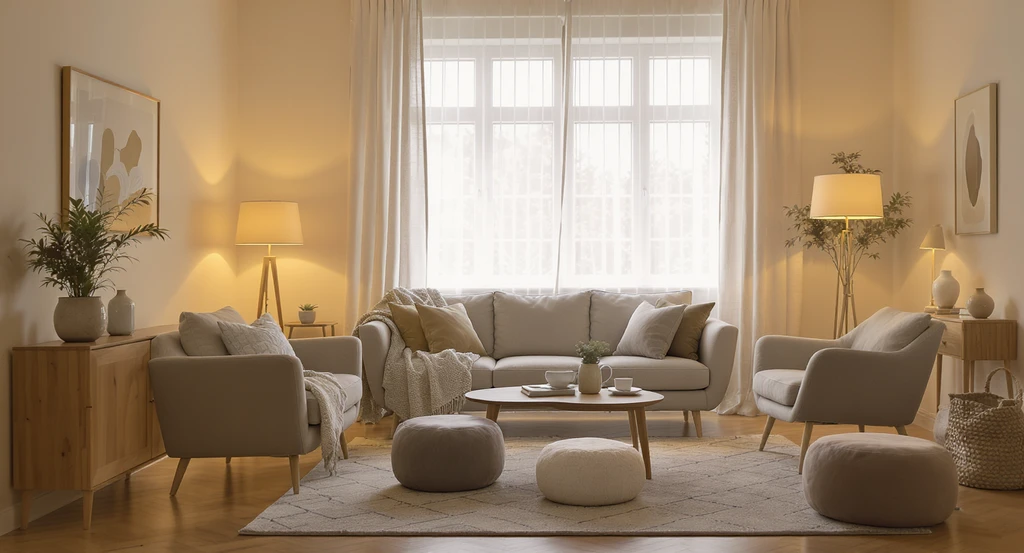
Editorial image shows how ai-driven lifestyle interior design trends enable emotional comfort and flexible room layouts—comfortable seating, ambient lighting, versatile zones, and wellness-centered interiors using ai technology.
Lifestyle design is not about a major overhaul. Small shifts create significant results: use warm or layered lighting instead of harsh white overheads, arrange furniture in conversational groupings, add textured throws or rugs, define zones for different daily activities, and reduce unused or purely decorative items. Even in smaller spaces, clarify pathways, provide versatile seating, and add touches of calming greenery. The goal is always comfort and function, not perfection.
-
How Visualization Prevents Expensive Mistakes
Previewing changes in 3D helps avoid choices that look good in isolation but fail in practice. Tools like REimagineHome AI enable homeowners to see the impact of new layouts, lighting setups, or color schemes before making each change. Visualizing spaces in advance highlights issues with scale, light reflection, and furniture flow, problems that are commonly missed when only considering room photos or planning on paper.
Visualization Scenario
Imagine previewing a new bedroom design with virtual daylight settings. You notice how soft neutral walls interact with morning light, how a corner chair and plant create a calming nook, and how the layout flows without clutter. With REimagineHome AI, you adjust arrangements in seconds, seeing instantly which changes feel more emotionally balanced and practical.
Frequently Asked Questions About Lifestyle-Focused Design
- What does “designing lifestyles” mean in interior design?
- It means creating homes that fit how people actually live, work, relax, and feel, instead of focusing only on decorative details or passing trends.
- Why are lifestyle-focused interiors popular in 2026?
- Lifestyle-focused interiors are popular because people increasingly expect homes to support emotional wellbeing, flexible routines, and everyday comfort. Remote work and changing lifestyles accelerated this shift.
- How is virtual staging evolving in 2026?
- Virtual staging now emphasizes warmth, flexible use, and realistic layouts for emotional connection, instead of just perfect luxury looks.
- Is minimalism out of style?
- Minimalism is being refined into "warm minimalism," which combines simplicity with soft textures and inviting tones for better emotional comfort.
- Why do emotionally comfortable homes perform better?
- Spaces that feel calming and believable are easier for buyers to imagine themselves in, driving faster and stronger decisions.
- What is emotional comfort in interior design?
- Emotional comfort in interior design refers to how safe, calm, welcoming, and relaxing a space feels through elements such as lighting, texture, layout, and sensory experience. It focuses on creating environments that support wellbeing, reduce stress, and feel naturally inviting.
- What makes a room feel emotionally warm?
- A room feels emotionally warm through layered lighting, tactile materials, warm tones, natural textures, and comfortable furniture arrangements. These elements create stronger emotional connection and make spaces feel more inviting and lived-in.
Conclusion: Designing for People, Not Perfection
As AI visualization and digital home experiences evolve, future interiors are increasingly shaped by emotional response and behavioral patterns rather than fixed style categories. The key shift for 2026 is moving away from style-first design toward real-life needs, creating homes that are warm, flexible, emotionally supportive, and wellness-focused.
Instead of simply decorating rooms, the focus is now on designing spaces that support daily routines, comfort, and human wellbeing. Future homes prioritize function, clarity, and emotional resonance, responding more to how people live than to rigid style labels or trends.