How Modern Organic Interiors Became the Premium Design Trend for 2026
TL;DR
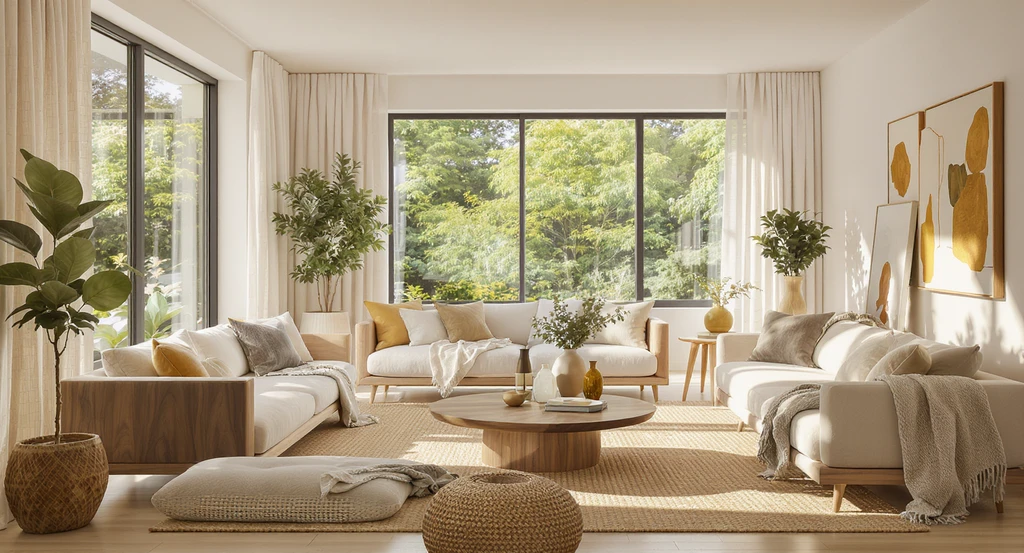
Modern organic interiors are leading 2026 trends by merging modern simplicity with natural textures and calming colors. This style appeals to buyers and homeowners who want spaces that look luxurious, feel emotionally comforting, and remain livable. The look works well for staging, new builds, and renovations because it feels both premium and welcoming.
Introduction: The Evolution of Luxury Home Design
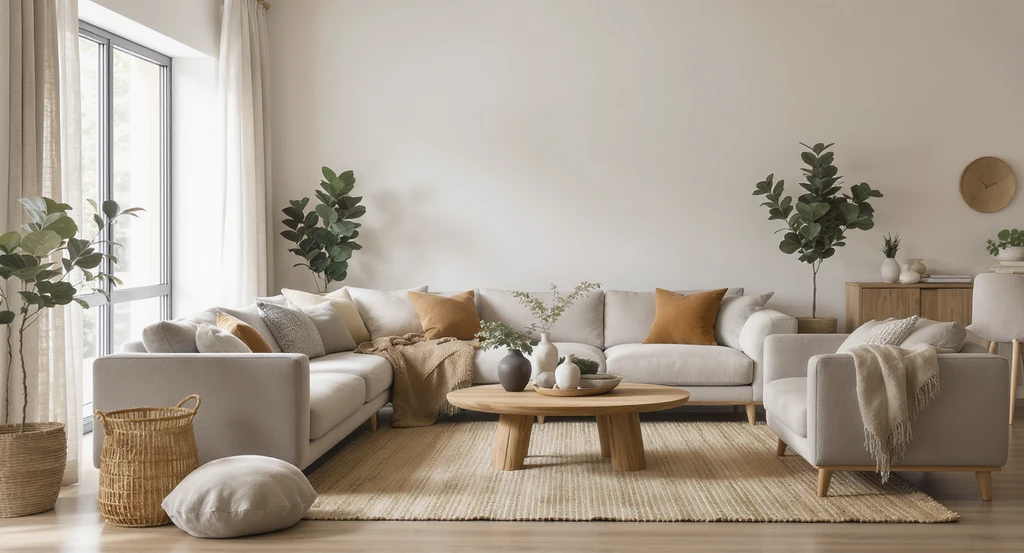
This ai-powered modern organic interior design scene reveals how ai visualizes organic home interiors—soft materials, earthy colors, and calming, luxury room makeovers.
For years, modern interiors focused on sharp lines, minimal accessories, and cool neutral palettes. While visually clean, these spaces sometimes felt cold or emotionally detached to many homeowners. Traditional rustic interiors, in contrast, often appeared overly heavy or cluttered, leaving some rooms feeling dated and visually cramped.
Modern organic design emerged as a balanced answer, blending the simplicity of modern design with the warmth of natural materials and relaxed luxury. Many designers describe this shift as part of a broader movement toward comfort-driven living, where homes are designed not only for visual appeal but also for emotional ease and everyday functionality. Rather than creating interiors that look perfect only in photographs, homeowners increasingly seek environments that feel calm, tactile, and naturally welcoming. By combining soft materials, earthy colors, and layered textures, modern organic spaces create homes that feel both refined and deeply inviting.
In 2026, this approach is shaping high-end staging, new construction projects, luxury apartments, and AI-powered virtual renovations. As wellness-focused living and emotionally driven design choices become more influential, homeowners increasingly prioritize spaces that support comfort alongside aesthetics. The result is a premium design direction that feels realistic, livable, and aligned with evolving lifestyle expectations.
-
What Defines Modern Organic Interiors?
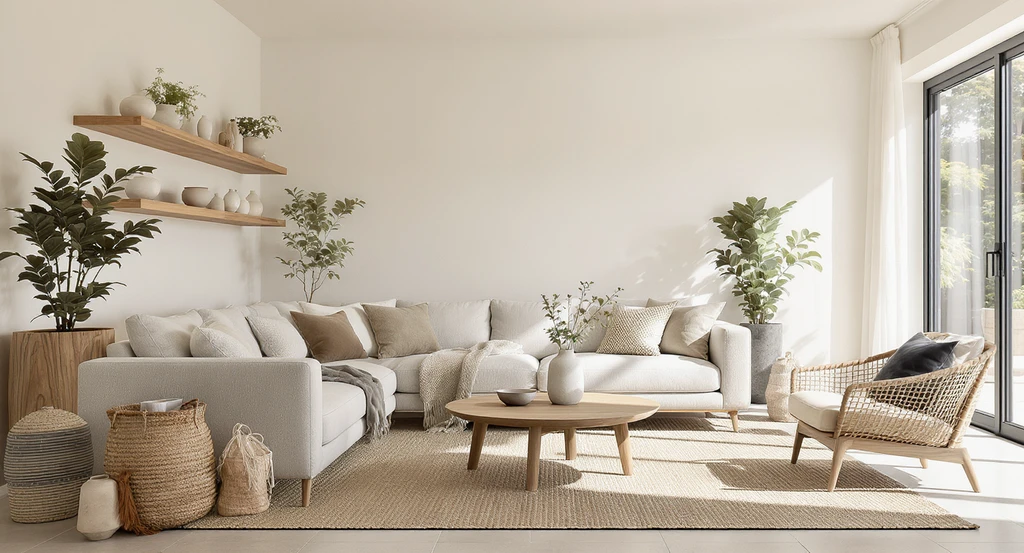
A showcase of the ai-powered modern organic interior design trend: how ai visualizes organic home interiors through neutral palettes, tactile finishes, and nature-inspired materials.
Modern organic interiors blend contemporary layouts with a natural sense of warmth. The focus shifts away from excess decoration and toward tactile materials, subtle color palettes, and balanced furnishings. Common features include wood finishes, woven fabrics, stone surfaces, linen textures, soft neutrals, and thoughtfully placed greenery that help create spaces with a calm and inviting atmosphere.
Avoiding harsh contrasts, busy patterns, and overly glossy finishes helps maintain a grounded and natural feel. The goal is to create luxury spaces that never feel artificial or intimidating, as detailed in our guide to infusing organic elegance. A simple way to understand modern organic design is through a combination of contemporary structure, natural texture, and emotional comfort.
Unlike trend-driven aesthetics that often prioritize appearance alone, modern organic interiors focus on sensory experience alongside visual appeal. The result is a design approach that feels balanced rather than overly styled. Modern organic design also overlaps with broader wellness-focused and nature-inspired movements that prioritize emotional comfort, calm environments, and visual simplicity.
Expert Insight
A client once struggled to make their open-plan living room feel welcoming. Swapping out glossy black furniture for warm wood, textured fabrics, and neutral tones quickly transformed the room. The space immediately felt more comfortable and visually larger, illustrating the practical impact of small material swaps on emotional comfort.
-
Why Modern Organic Is Growing in 2026
Three major shifts are driving the rise of modern organic design. Homeowners increasingly want spaces that feel soothing, uncluttered, and emotionally comforting. Warm neutrals like cream, oatmeal, greige, and muted earthy greens continue gaining popularity because they create a welcoming atmosphere and appeal to a broad range of buyers, as highlighted in our summary of 2026 interior design trends.
Realistic luxury is also influencing design choices, with buyers preferring natural materials, layered textures, and comfortable furnishings over highly polished perfection. In fast-moving online listings, interiors with warmth and texture may also create stronger first impressions during rapid browsing.
-
Key Features of the Modern Organic Style
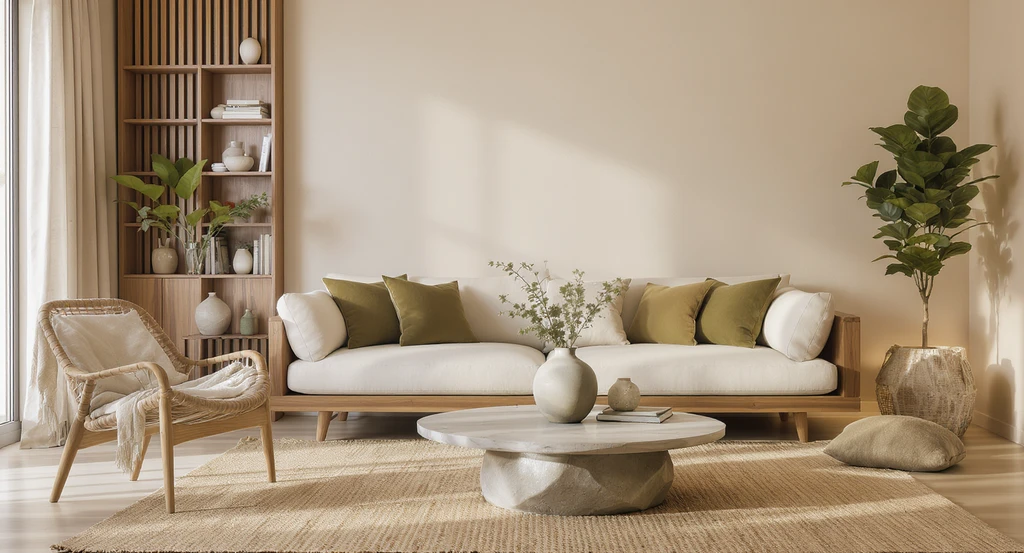
Discover how ai-powered modern organic interior design trend shapes premium living spaces: soft minimalism, earthy palettes, and layered natural materials, as visualized through modern organic virtual staging with ai tools for warm neutral room makeovers.
Modern organic interiors rely on four core elements: natural materials, soft minimalism, earthy palettes, and lifestyle-focused spaces. Materials like wood, linen, woven fabrics, stone, and ceramics add warmth and visual depth, while fewer accessories and layered textures help spaces feel intentional and calm.
Warm beige, cream, olive, wood tones, and other earthy colors create a timeless and premium atmosphere, as explored in our coverage of top interior design trends for 2026. A simple approach to layering is combining a base material, tactile texture, and natural accent, for example, wood flooring, linen upholstery, and ceramic decor to create depth without visual clutter.
-
How Modern Organic Performs in Real Estate and Staging
Modern organic interiors perform well in real estate marketing because they balance emotional appeal with practical living. Homes staged in this style feel move-in ready and approachable, helping buyers imagine a realistic yet elevated lifestyle. Warm materials and balanced layouts also create a stronger sense of comfort during first impressions.
In online listings, these spaces often appear brighter, larger, and more premium than colder or trend-driven interiors. Warm undertones and layered textures create softer contrast and visual depth, helping rooms feel more inviting in listing photos and AI-generated previews.
-
From 'Perfect' Design to Comfortable Luxury
In 2026, the definition of luxury is shifting. Homeowners increasingly want spaces that offer believable comfort, functional layouts, and visual warmth rather than interiors designed only for photographs. Design and housing trends suggest growing interest in comfort, flexibility, and wellbeing alongside aesthetics, making luxury feel more connected to everyday living.
Modern organic design supports this shift by combining simplicity, texture, and natural materials to create spaces that feel refined without appearing artificial. Advances in AI visualization also allow homeowners and designers to preview realistic, balanced layouts before making design decisions.
-
Common Mistakes in Modern Organic Interiors
Many people make a few common mistakes with modern organic design. Overusing a single beige tone without texture or contrast can make rooms feel flat, while excessive accessories can remove the sense of calm central to the style. As highlighted in our practical guide to fixing soft modern interiors, every piece should feel intentional rather than decorative clutter.
Another common mistake is leaning too heavily into rustic styling. Modern organic design is not farmhouse or overly traditional, it relies on clean lines and refined simplicity. A useful approach to maintaining balance is combining one larger furniture piece, one texture-rich surface, and one subtle accent element to create visual depth without overwhelming the space.
-
Why Modern Organic Works Psychologically
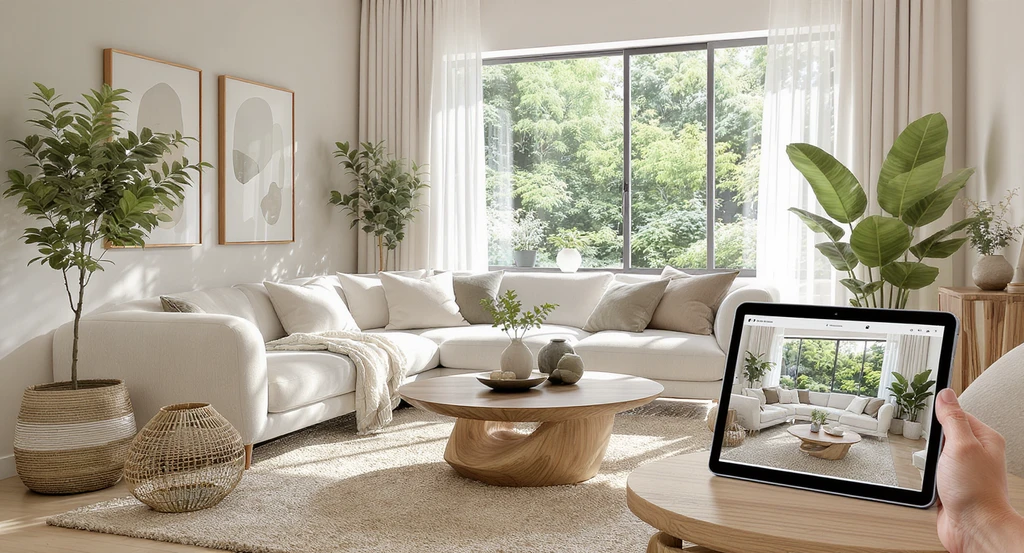
See how AI-powered modern organic interior design trend tools visualize warm, earthy home interiors—modern organic virtual staging in action supports timeless, inviting spaces.
Modern organic environments combine principles associated with biophilic design and low-stimulation spaces. Natural materials, softer contrast, and tactile surfaces may help reduce visual fatigue while increasing perceived comfort, which may explain why these interiors are often described as calm, welcoming, and relaxing.
Unlike fast-moving trends, modern organic design is rooted in emotional comfort, warmth, and simplicity. These qualities help the style remain adaptable and appealing across homes, renovations, and hospitality spaces. AI-powered visualization tools like REimagineHome AI also allow homeowners and designers to preview these ideas in real spaces before making changes, helping reduce uncertainty and design regret.
Visualization Scenario
Imagine previewing your living room in minutes. With AI-powered modern organic staging, you can visualize every surface and accessory before moving a single piece. This allows you to experiment with warm neutrals, wood finishes, and natural textures to achieve perfect visual balance, without trial and error.
Modern Organic Design FAQ
- What are the essential materials in modern organic interiors?
- The essential materials are wood, linen, woven fabrics, stone, and clay ceramics because they create warmth and natural texture. These materials help create spaces that feel balanced, inviting, and connected to nature.
- How do you avoid blandness with a neutral palette?
- Add interest by layering textures and finishes rather than relying on color alone. Mixing woven rugs, ceramic decor, matte surfaces, wood tones, and natural fabrics creates subtle contrast and prevents neutral spaces from feeling visually flat.
- Are modern organic interiors suitable for small spaces?
- Yes. Modern organic design works especially well in smaller homes because it emphasizes soft minimalism, thoughtful furniture placement, and light-reflecting warm neutrals. These choices can make rooms feel more open, calming, and visually spacious.
- Is modern organic the same as Scandinavian or farmhouse style?
- No. Modern organic interiors emphasize warmer neutrals, layered textures, and understated luxury. Unlike Scandinavian design or farmhouse interiors, modern organic focuses on natural variation, texture, and relaxed sophistication.
- Why are modern organic interiors becoming so popular in 2026?
- Modern organic interiors align with changing homeowner priorities centered around comfort, realism, and everyday wellbeing. People increasingly prefer spaces that feel warm, calming, and practical rather than interiors designed only for visual impact.
Conclusion: The New Standard for Elevated, Comfortable Homes
Modern organic design is emerging as one of the defining interior trends of 2026 by combining comfort, realism, and understated luxury. Through clean lines, natural textures, warm neutrals, and functional layouts, it creates spaces that feel refined while remaining welcoming and livable.
Rather than functioning as a short-term aesthetic trend, modern organic design reflects broader shifts toward comfort, wellbeing, and everyday living.