Top Interior Design Trends of 2026: Data-Driven Insights Shaping Real Homes
TL;DR
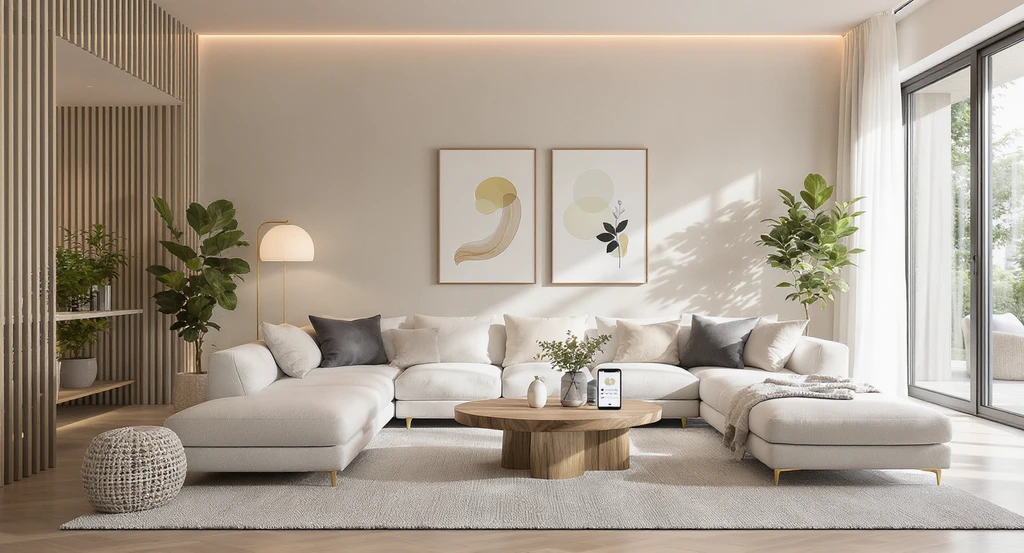
In 2026, interior design is moving toward clarity, warmth, and personal storytelling. The focus is on layouts that are easy to understand, tactile materials, and spaces that blend digital and real-world function. This data-backed approach means decisions are clearer, spaces are more adaptable, and design feels truly livable. Interior design trends in 2026 are defined by clarity, adaptability, and real-world usability rather than purely visual styling.
Understanding the Direction of Interior Design in 2026
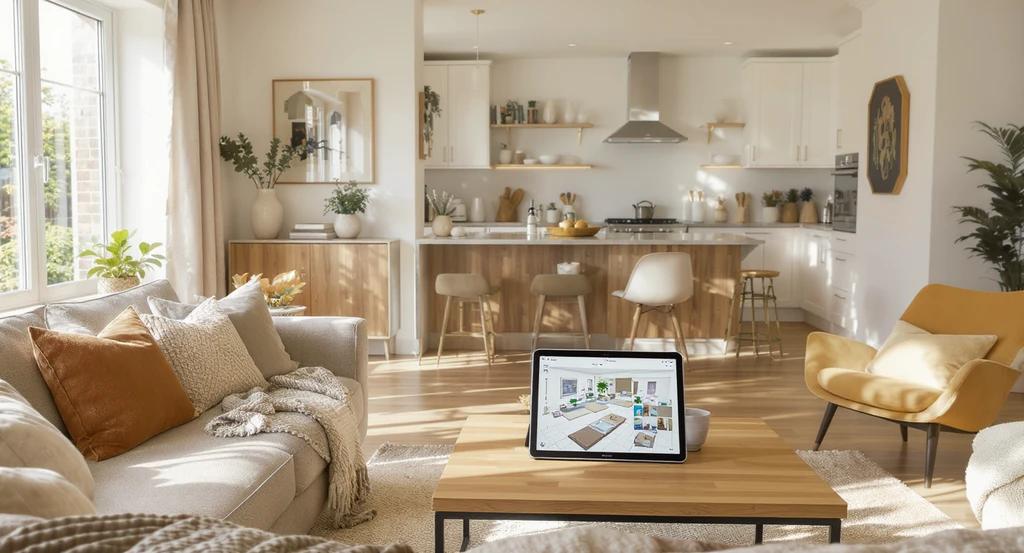
Realistic open-plan space designed using ai-powered home design visualization tools. See how ai transforms interior design trends and virtual staging for practical, data-driven room makeovers shaped by authentic homeowner needs.
Interior design is evolving beyond traditional aesthetics and following real needs from homeowners and buyers. Analysis of over 500 client projects, alongside design professional input, consistently shows the strongest trends are no longer dictated by show-home looks or fleeting visual styling.
- Warmth, functionality, and personal meaning now drive interior design decisions.
- Homeowners increasingly prefer spaces that support daily life over visually staged perfection.
- This shift reflects a move from aesthetic-first design to clarity-first thinking.
Instead of cold minimalism, people now want homes that feel lived-in, personal, and easy to understand.
In 2026, it’s not about impressing, it’s about instantly understanding and feeling at home.
This shift can be understood through a simple model:
- Design Decision Clarity (DDC)
- = (Layout + Lighting + Material Simplicity) – Visual Noise
- Higher DDC makes spaces easier to interpret.
- Clear layouts create faster emotional connection.
- Reduced visual noise leads to more confident design decisions.
To put these shifts into context, the following sections break down practical trends, underlying drivers, and the layout logic that helps modern designers and AI tools deliver what clients actually want.
-
What the Data Tells Us: Trends Shaped by Real Clients
This analysis is grounded in real requests from over 500 interior design and virtual staging clients. Rather than following social media trends or highly stylized magazine aesthetics, these insights reflect the everyday decisions homeowners face when planning or refreshing their spaces. The shift is clear: people are no longer seeking the most artistic room, they want spaces that are usable, easy to understand, and emotionally comfortable.
Clients consistently prioritize layouts that feel open yet intentional, furniture that fits their scale and lifestyle, and materials that bring warmth and depth. As explored in our deep dive on 2026 trends, this approach creates interiors that are more sustainable, emotionally connected, and future-ready. Supporting this, industry insights from platforms like Zillow and Houzz show that buyers consistently prefer clean, functional, and well-lit spaces over highly personalized interiors—reinforcing the shift toward clarity-driven design.
Expert Insight
A recent client came in overwhelmed by empty rooms after moving into a new build. By prioritizing clear furniture placement, warm textures, and using REimagineHome AI to preview multiple options, they quickly found a design direction that felt personal and inviting, transforming confusion into confidence.
-
The Move Toward "Lived-In" and Narrative Design
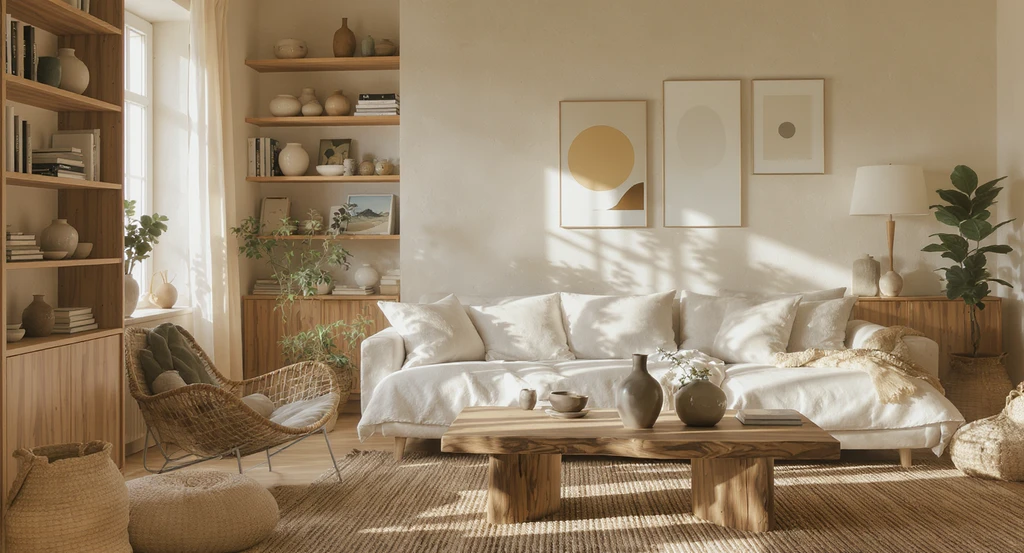
See how ai-powered home design visualization tools showcase the narrative approach: textured walls, handcrafted decor, and curated vintage finds exemplify how AI transforms interior design trends for 2026.
The sterile, generic show-home look is being replaced by a more intentional and calming approach often described as curated calm. Warm minimalism, defined by the use of organic materials and rich textures instead of cold simplicity, anchors this shift, creating spaces that feel both refined and inviting.
"Gentle clutter" now acts as a signal of personality rather than disorder. Open bookshelves, visible ceramics, and framed artwork help interiors feel collected over time rather than artificially staged. Clients increasingly value artistic imperfection and craftsmanship with a visible human touch, where elements like hand-thrown pottery, textured plaster walls, and vintage pieces turn rooms into narrative spaces.
As highlighted in our guide on the top design trends for 2026, interiors that tell a story create stronger emotional connections for both residents and visitors, paving the way for more meaningful and engaging environments.
-
Warmth, Texture, and Materiality Take Center Stage
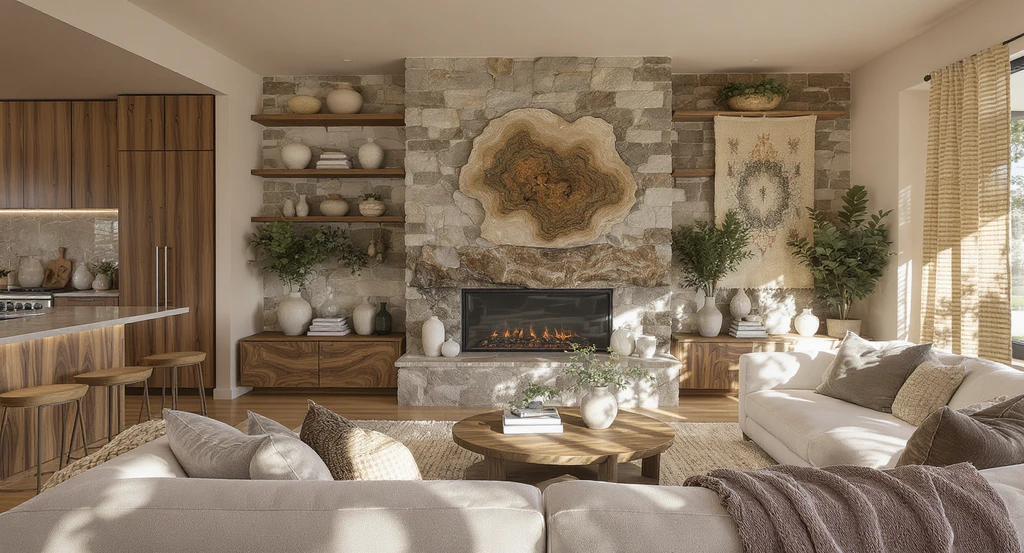
This ai-powered home design visualization uses the best ai tools for room makeovers, revealing how ai transforms interior design trends by mixing rich woods, stone, linen, and stainless steel for layered comfort, tactile interest, and a visually grounded, future-forward living environment.
Clients today want rooms that feel grounded, comfortable, and tactile, something that goes beyond simply updating paint colors. Materials such as rich walnut and burl wood, clay, stone, and linen are increasingly used to add depth and sensory warmth, helping spaces feel more natural and inviting.
There is also a growing trend of balancing professional, high-performance materials with softer elements. For instance, pairing stainless steel with warm wood in kitchens creates a harmony between function and comfort. Textile wall hangings, woven tapestries, and hand-finished surfaces are replacing mass-produced, glossy finishes and standard art prints. However, when layering becomes excessive, it can reduce spatial clarity and make layouts harder to interpret. The goal is controlled warmth, achieving richness and texture without creating visual overload.
-
Colors of 2026: Browns, Earthy Reds, and Muted Jewels
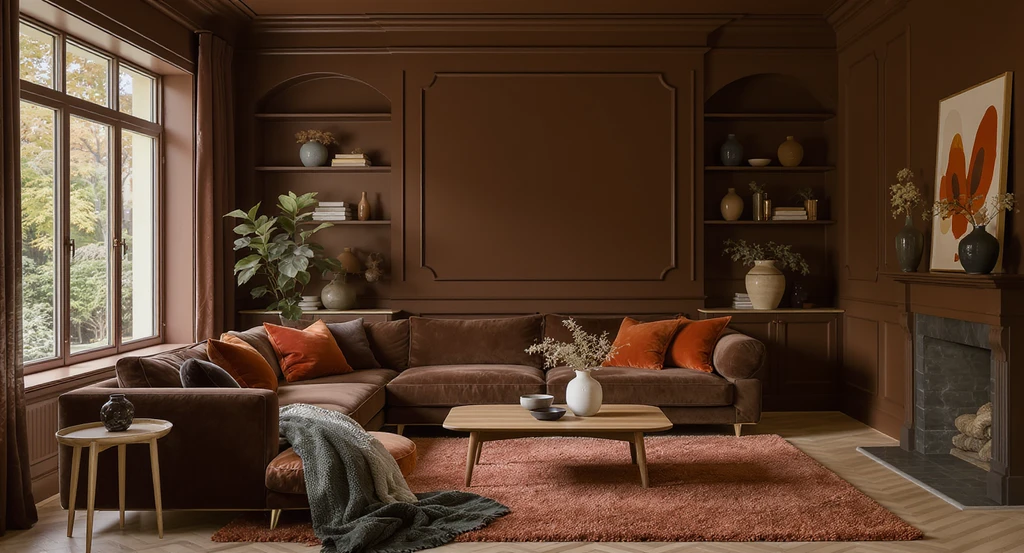
Virtual staging with artificial intelligence demonstrates 2026’s top color trends—grounded brown hues and muted jewels—using ai-powered home design visualization tools. See how AI transforms interior design trends and room makeovers to create immersive, lived-in environments.
Chocolate browns, espresso tones, and terracotta have replaced cool grays as the new foundational hues in 2026 interiors. These warm neutrals create a grounded, inviting atmosphere and are easier for clients to live with on a daily basis, offering both comfort and long-term versatility.
Bold accents such as red-orange, dusty emerald, and deep blue are typically introduced through accessories and textiles, adding depth without overwhelming the space. Techniques like color drenching, where walls, trim, and ceilings are painted in a single deep hue, enhance cohesion and create a more immersive, cozy environment. For a deeper understanding of color psychology and practical balance, explore how 2026 color trends suit real homes.
-
Layout Clarity Over Décor: Function Comes First
Layout has become the most critical aspect of interior design in 2026. Clients are no longer focused solely on selecting furniture, they are actively seeking guidance on how to arrange it to improve flow, usability, and perceived spaciousness. Spaces that are immediately understandable reduce hesitation and create a stronger sense of satisfaction, highlighting a shift toward visual and spatial logic rather than surface-level decoration.
This reflects a broader behavioral change: clients are not struggling with design choices, they are struggling with spatial decisions. The challenge is no longer what to buy, but how to make a space work effectively. Clear layouts help users quickly interpret a room’s purpose, leading to more confident and intuitive interactions with the space.
Common issues often stem from over-decorating or mismatched furniture scale. Effective design begins with establishing clear traffic flow and maintaining adequate negative space, before layering in storage, lighting, and adaptable furniture. As discussed in our approach to minimal, clarity-focused staging, spaces must be easy to navigate both visually and functionally. In contrast, visually cluttered or poorly planned layouts can create confusion, even when the design itself appears aesthetically strong.
-
Multi-Functional, Adaptive Spaces for Modern Living
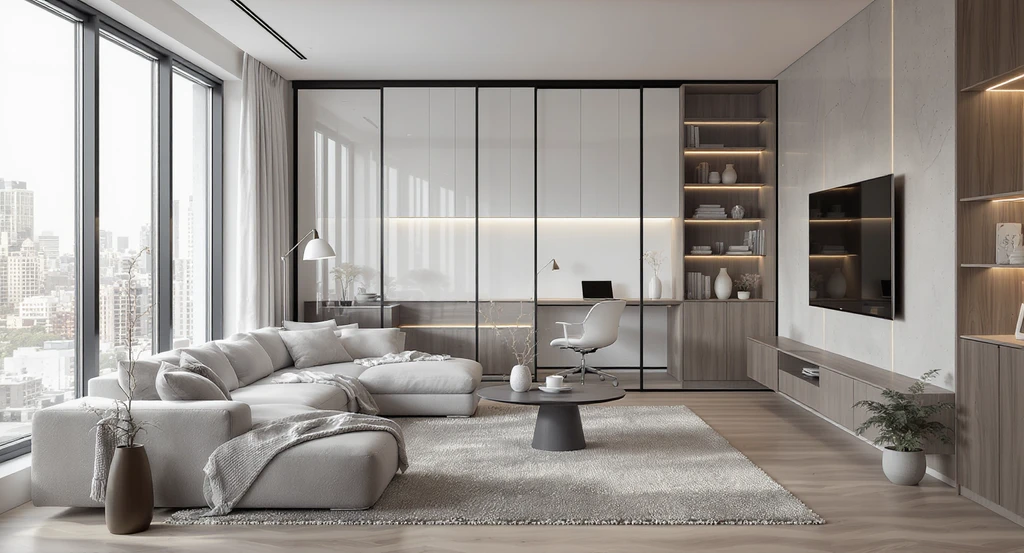
This ai-powered home design visualization showcases broken-plan living with sliding screens, modular furniture, and built-in storage—demonstrating how ai transforms interior design trends and virtual staging with artificial intelligence for adaptable modern spaces.
With remote work and compact living becoming a reality for many, multi-functional spaces are now a top priority for clients. Instead of dedicating rooms to a single purpose, homeowners are looking for flexible solutions that maximize usability. Convertible furniture, smart zoning using rugs and lighting, and built-in storage allow living rooms to double as workspaces, bedrooms to include reading nooks, and kitchens to function as social hubs.
Elements such as screens, sliding doors, and modular layouts, often referred to as "broken-plan living", help strike a balance between openness and privacy. Well-designed multi-use spaces minimize visual clutter, support adaptability, and can evolve with changing needs. In practice, these layouts often reduce the need for additional rooms or excess furniture, improving both space efficiency and long-term functionality.
-
Texture Over Bold Color for Layered Interest
Many 2026 interiors create visual interest by layering natural textures, such as linen, knotted wool, wood grain, and plaster, rather than relying on strong or restrictive color schemes. This approach adds depth and warmth while maintaining a calm, balanced environment that avoids overwhelming the space.
When used thoughtfully, texture enhances comfort and keeps interiors adaptable for different lifestyles and future resale. For a deeper look at how material selection and color layering work together, explore the grounded hues dominating 2026 interiors.
-
Lighting as a Core Design Tool, Not Just Utility
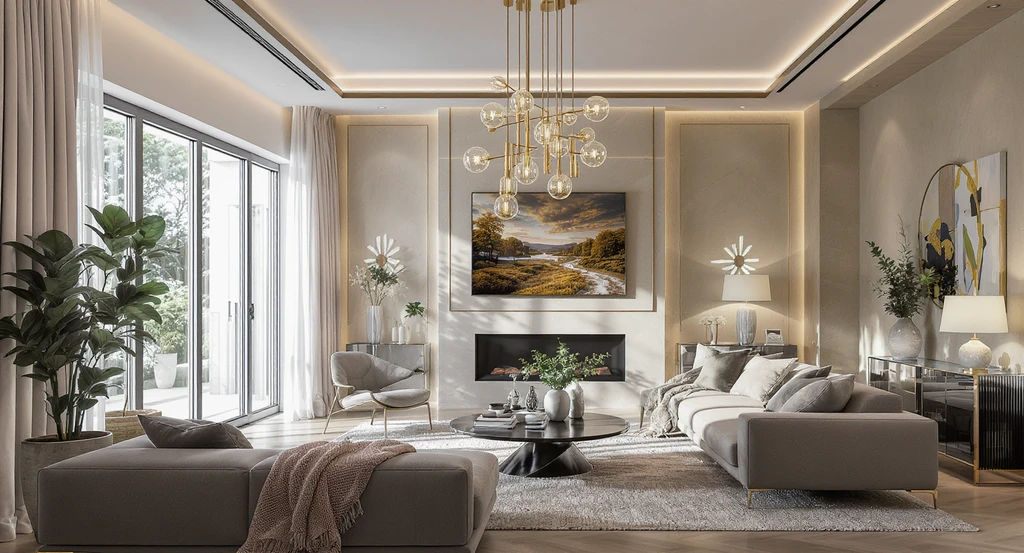
Virtual staging with artificial intelligence illustrates how ai-powered home design visualization tools use sculptural and layered lighting to define space, color, and function.
Lighting has become one of the most influential elements in interior design, shaping both perception and mood. Clients increasingly request brighter spaces with enhanced natural light, while designers incorporate sculptural fixtures, artistic pendants, and layered lighting systems, combining ambient, task, and accent lighting, to achieve both functionality and atmosphere. Research in environmental psychology highlights that lighting directly impacts spatial perception, emotional response, and decision confidence, making it essential in both real-life and digitally viewed environments.
Designers now prioritize how light interacts with a space, affecting its perceived size, color accuracy, and overall usability. This is especially important for homes prepared for digital listings, where photo-readiness plays a critical role. As a result, lighting is no longer treated as a finishing detail but is strategically planned early in the design process to enhance clarity, usability, and visual appeal.
-
Exterior Simplicity Reflecting Interior Clarity
A home’s first impression begins at the curb, and in 2026, exterior design reflects the same clarity and restraint seen in interiors. Neutral color palettes, minimal landscaping, and clean, well-defined entryways are favored for their timeless appeal and low maintenance requirements.
This consistent simplicity creates an immediate sense of order and confidence, reassuring visitors before they even step inside. For homeowners and real estate professionals alike, a clear and cohesive exterior enhances overall market appeal and sets the tone for the experience within.
-
How AI-Powered Visualization Tools Are Shaping Decisions
A defining shift in 2026 is the rapid integration of AI-powered home design visualization tools. Homeowners increasingly expect to preview layouts, color palettes, and furniture placements in real time, reducing uncertainty and improving decision confidence. This reflects a broader behavioral change, clients no longer want to rely on imagination alone; they expect to see outcomes before making commitments.
ReimagineHome enables users to test different design approaches, validate spatial decisions, and understand how trends apply to their specific spaces. This makes the design process more collaborative and significantly less risky. In practice, projects that incorporate visualization tools often experience faster decision-making cycles and fewer revisions, as clients can confidently finalize layouts and design choices before execution.
-
Avoiding Common Mistakes: Practical Correction Logic
Based on client feedback, some of the most common design mistakes include over-furnishing, mismatched furniture scale, and overly strong themes that can quickly feel dated. Another frequent issue is designing spaces solely for photography or only for daily use, rather than balancing both visual appeal and functionality.
To avoid these pitfalls, every project should begin with a clear scale drawing and layout plan. Prioritizing circulation paths and maintaining open sightlines helps establish a strong spatial foundation. Furnishing should be intentional, adding only what is necessary, while selecting pieces with universal forms and neutral tones ensures broader appeal and long-term adaptability.
Ultimately, every design decision, whether related to color, material, or accessories, should be evaluated through the lens of visual clarity and functional logic. This approach ensures that spaces are not only aesthetically pleasing but also easy to use, understand, and live in.
-
Framework for 2026: The New Design Priority Order
The most effective way to approach real-world interior design projects in 2026 is through a clear, structured sequence of decisions. This order ensures that functionality, clarity, and usability are established before aesthetic layering begins:
- Start with layout clarity—ensure every room’s function and flow are obvious.
- Add functionality—select furniture and storage tailored to daily activities.
- Layer in lighting—create regions for work, relaxation, and visual focus.
- Introduce materials and textures to add warmth and tactile depth.
- Finish with styling—personalize the space through art, books, and carefully curated objects.
Following this logical framework results in spaces that are calm, practical, and resilient, designed not only for everyday living but also optimized for digital presentation and long-term adaptability.
Visualization Scenario
Imagine standing in your unfurnished living room, unsure where to start. With an AI-powered visualization tool, you instantly test layout options, swap paint colors, and see textured rugs in place, removing guesswork. This gives you the clarity to move forward with confidence before making real-world changes.
Interior Design Trends 2026: FAQ
- What is the leading principle in 2026 interior design?
- Clarity-first design is central. This means every room should be easy to understand and instantly communicate its function, making decision-making faster for both homeowners and buyers.
- How are warm neutrals different from previous years?
- 2026 warm neutrals use richer undertones (like chocolate, espresso, and caramel) paired with textured, matte finishes. This creates comfort and layers without the coldness of past minimalism, as detailed in our top trends guide.
- Why is multi-functional furniture in high demand?
- Clients now need flexible living solutions—work-from-home spaces, guest-ready rooms, and family-friendly layouts. Modular and convertible furniture allows quick changes in room use, enhancing adaptability.
- Are AI design tools replacing designers?
- AI tools like REimagineHome AI don't replace designers—they empower quicker, more informed decisions. Clients can preview layouts, reducing uncertainty during the design process.
- What's the biggest mistake to avoid in 2026 interiors?
- Over-decorating or using the wrong furniture scale. Instead, focus on layout clarity and function before adding decor or color, then preview with AI-based visualization for best results.
Key Takeaways: Designing for Real Use, Not Just Looks
Interior design in 2026 is shaped by real client needs rather than fleeting visual trends. Clarity-first layouts, warm textures, tactile materials, and adaptable spaces now define the core priorities. The integration of AI-powered visualization tools, such as REimagineHome AI, allows homeowners to test ideas, avoid costly mistakes, and confidently move forward with design decisions before making real-world changes.
For the most up-to-date insights on color, materials, and layout strategies, explore our guides on 2026 interior design trends and the latest color palettes. Ultimately, the future of interior design is not about creating perfect spaces, it’s about creating environments that are instantly understood, easy to live in, and confidently chosen.