Why Buyers Prefer Softer, More Livable Spaces in 2026
TL;DR
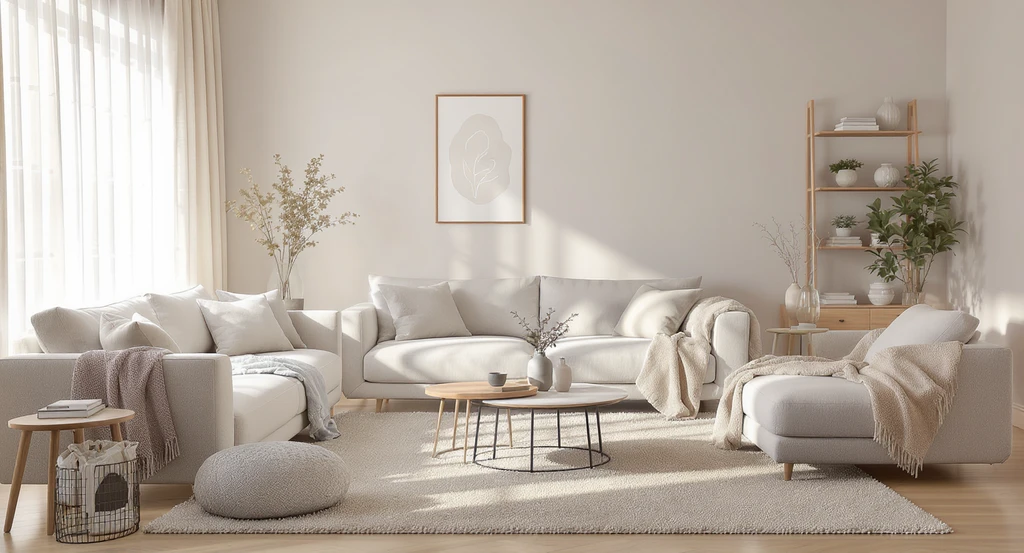
In 2026, buyers crave homes that feel calm, flexible, and emotionally comfortable, not just visually perfected. Over styled and cold spaces are being replaced with softer palettes, practical layouts, and lived-in warmth. This shift is reinforced by AI visualization tools like REimagineHome AI, helping buyers test and personalize spaces before committing. Livability is now the true luxury benchmark.
Introduction: Emotional Ease Beats Visual Drama
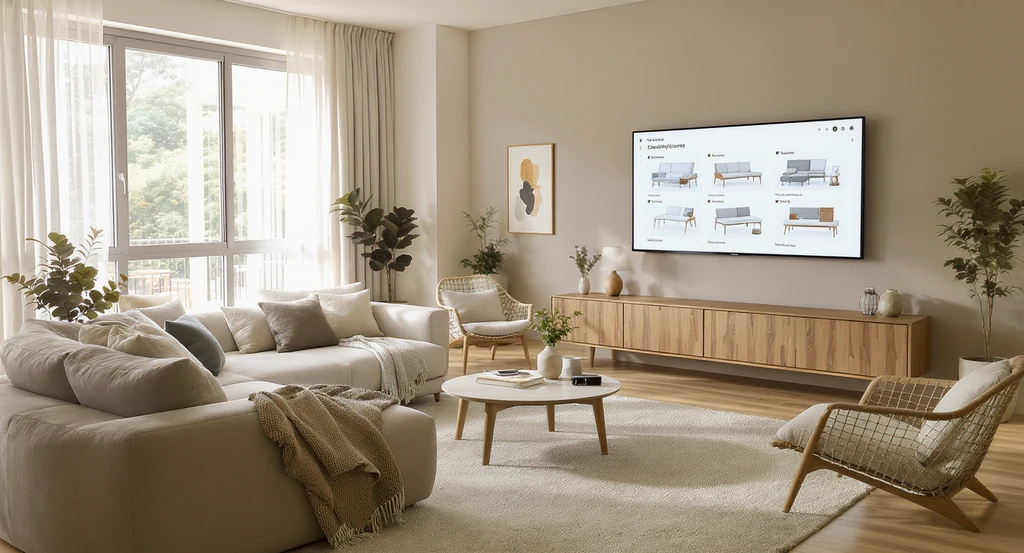
AI home staging and visualization tools make livable, softer interiors more attainable, shaping flexible, welcoming spaces that prioritize comfort, emotional appeal, and real-life use.
The concept of a “dream home” is changing. In 2026, buyers are stepping away from magazine-perfect interiors and embracing spaces that focus on comfort, adaptability, and emotional wellbeing. Their priority is no longer high-impact styling, but whether a home truly feels livable day-to-day.
This shift is not simply aesthetic. Buyers increasingly evaluate homes less as finished products and more as adaptive environments designed to evolve alongside changing routines. Longer ownership cycles, hybrid lifestyles, and renovation fatigue have fundamentally changed what people consider valuable inside a home. As explored in our 2026 interior design trends guide, warmth, flexibility, and personalized comfort now drive both style and value.
Why the Definition of Luxury Changed in 2026
For years, luxury in residential design meant visual impact: dramatic materials, polished finishes, and statement architecture. In 2026, luxury increasingly means something quieter. Buyers now associate value with emotional ease, acoustic comfort, flexible layouts, and spaces that reduce stress rather than create visual pressure. A home that feels mentally restorative often creates stronger appeal than one designed purely for visual drama.
-
The Core Issue: Why 'Perfect' Homes No Longer Persuade
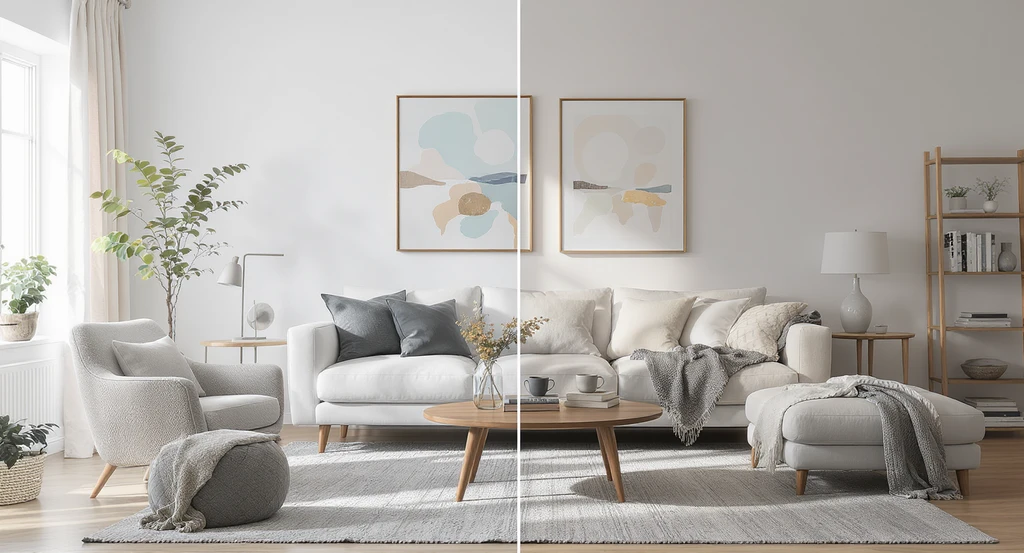
AI visualization highlights the shift from flawless staging to softer, more livable home design, showing the benefits of AI in emotional appeal and flexible multi-use space planning.
Traditional staging focused on achieving a flawless, photogenic look. But in 2026, perfection feels distant and unrelatable. Buyers find it hard to imagine themselves truly living in ultra-staged spaces, which often prioritize cohesion and symmetry over usability.
Instead, there is growing demand for rooms that feel natural, relaxed, and adaptable. The market is moving away from rigid styling and toward homes that look like real life happens inside them.
Expert Insight
During a recent project, a client was struggling with selling a property staged in crisp whites and high-gloss finishes. We introduced layered fabrics, matte textures, and earth-toned accents. Using AI visualization, we showed several lived-in layouts. The result was immediate, the property felt inviting, buyers saw themselves moving in, and the sale closed quickly.
-
Understanding 'Softer' Interior Design
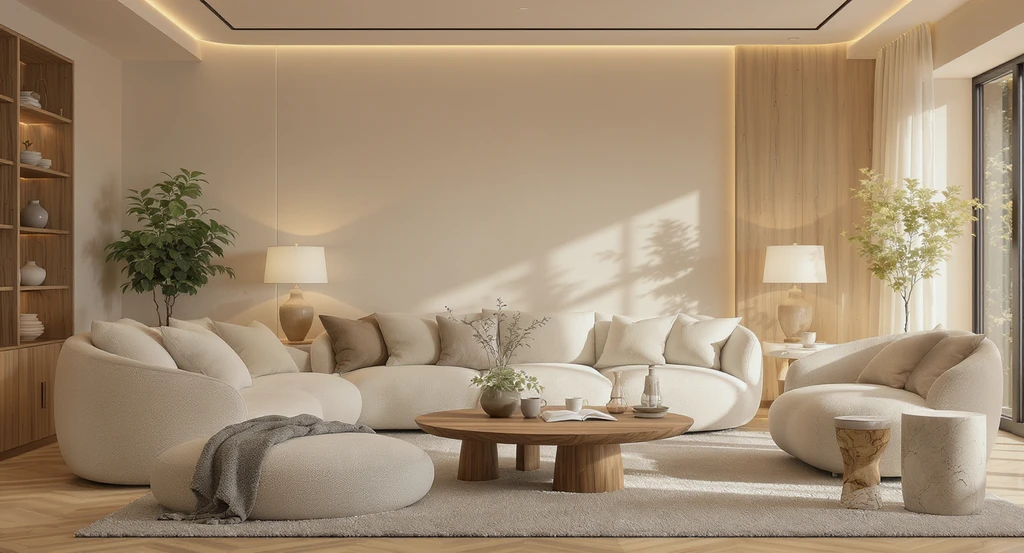
AI visualization of a soft, livable home design illustrates how benefits of ai in interior layout and ai home staging create inviting, emotionally comfortable spaces.
Soft design is not about minimalism or blandness. It reduces visual pressure and increases emotional comfort through:
- Warm neutrals and earth tones
- Rounded, low-profile furniture
- Natural materials: wood, linen, stone
- Layered, indirect lighting
- Lived-in compositions and subtle imperfections
-
Psychology Behind Buyer Preferences in 2026
Buyers prefer softer spaces because they reduce mental effort, increase emotional comfort, and make daily life easier to imagine. Housing decisions begin emotionally before they become rational, meaning the way a space feels often matters before buyers evaluate square footage or finishes. Buyers are subconsciously asking themselves, “Can I see my life working here?”
Softer, more livable spaces reduce mental effort and help buyers answer yes. They connect with spaces that:- Are instantly imaginable (easy to visualize real routines)
- Reduce cognitive load (don’t require decoding or interpretation)
- Feel open to personalization (not trapped by someone else’s taste)
-
Common Mistakes: Over-Staging and the Visual Trap
Over-staged interiors look perfect in photographs but create hesitation in person. Common errors include:
- Furniture scaled for aesthetics, not practical living
- Decorative layouts that ignore true circulation needs
- Rigid symmetry that makes movement feel awkward
-
Practical Correction: The Soft Staging System
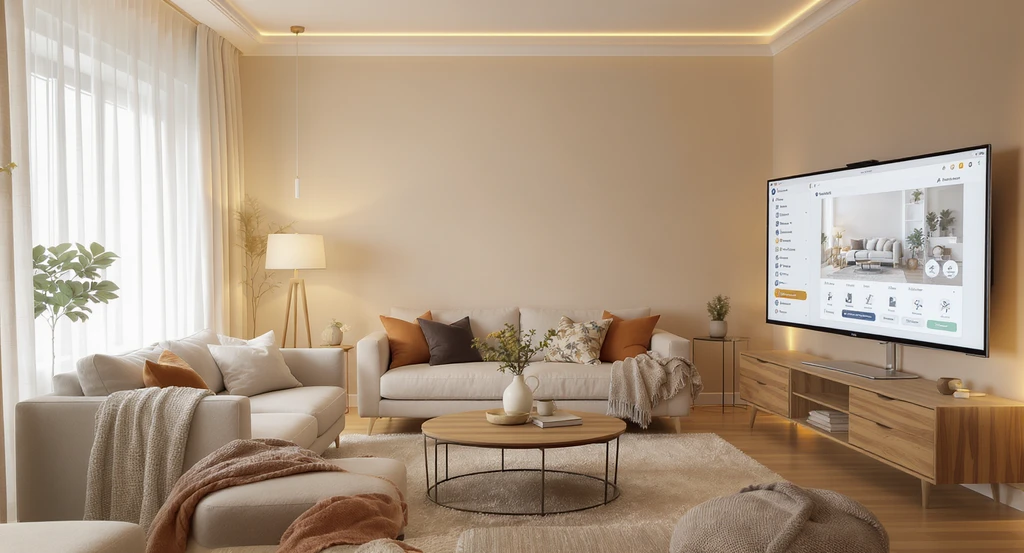
This AI visualization demonstrates a virtual room makeover, highlighting the benefits of AI in interior layout planning and soft staging for more livable, emotionally appealing home design.
To shift from over-staged to livable:
- Choose warm neutrals for walls and key surfaces
- Select matte, natural textures over glossy finishes
- Use layered lighting for mood and visual softness
- Arrange furniture to support flow, not just looks
- Allow subtle irregularities, avoid over-arranging decor
Leveraging AI visualization, such as REimagineHome AI, helps preview these staging changes before finalizing, minimizing risk and aligning with how buyers assess homes today. -
Spatial and Acoustic Comfort: Key to Market Value
Today’s homes must support work, rest, and family life, sometimes all in the same room. The most valued layouts create acoustic and functional privacy through structured zones, sliding partitions, and sound-buffering materials.
As noted in our breakdown of what homebuyers really want in 2026, dedicated zones for quiet work, social living, and rest are now standard expectations. Open concepts have evolved to strategically flexible spaces with multiple uses. -
Imperfect Is More Believable Than Perfect
Perfect spaces often create emotional distance, while subtle imperfections create familiarity. Small signs of lived experience can increase relatability because buyers instinctively recognize spaces that feel attainable rather than staged for display. A slightly crooked book stack, a mixed-material side table, or a less rigid sofa arrangement all communicate that the home is ready for real living, not just show.
This trend echoes the 2026 move away from clinical minimalism, embracing authenticity and relaxed staging. Allowing organic composition in each room sends an invitation to imagine your own future there. -
AI Visualization: Bridging Imagination and Reality
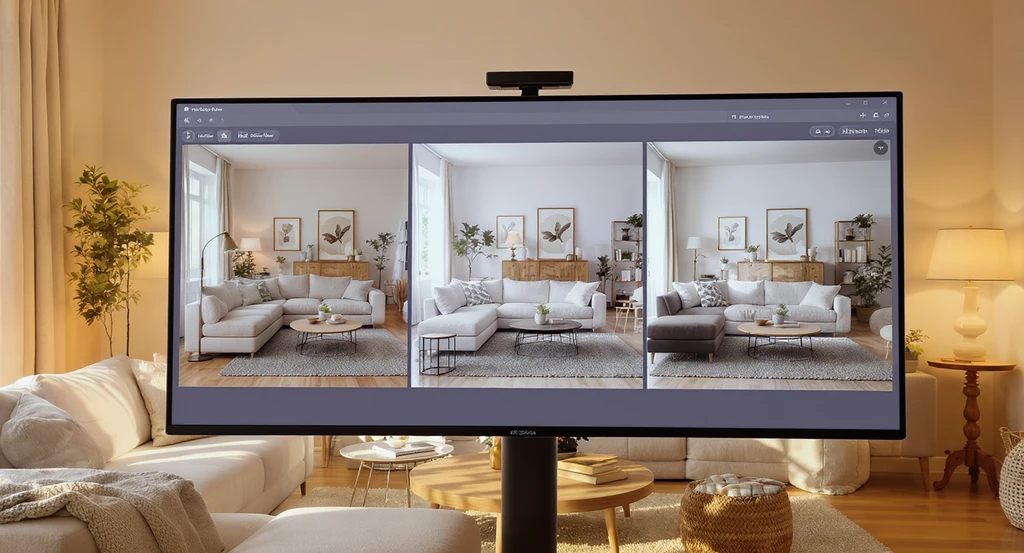
AI visualization tools empower buyers to preview softer, more livable layouts, flexible multi-use designs, and enhanced comfort in home staging.
AI-powered visualization tools now allow buyers to test how changes affect real-world comfort long before moving in. With platforms like REimagineHome AI, buyers manipulate layouts, lighting, and soft design elements to see which combinations feel most natural.
This supports faster, clearer decision-making and reduces the hesitation caused by over-staged or ambiguous spaces. It also ensures that sellers can present multiple versions of a room, tailoring emotional appeal to different buyer profiles. -
Real Estate Marketing: Evolving for Livability
Developers and agents are responding to buyer psychology, moving away from dramatic contrasts and staged perfection. Listings increasingly showcase soft, neutral staging, flexible zones, and relatable lifestyle cues.
The goal has shifted: homes are presented not just as assets, but as environments that adapt to their owners’ evolving needs, an approach detailed in our overview of 2026 design trends. -
Defining Signals of a Softer, Livable Home
Consistently, homes that sell fastest in 2026 include:
- Emotional signals: calmness, warmth, psychological ease
- Visual signals: soft light, realistic scale, balanced (not over-styled) decor
- Functional signals: multi-use potential, open circulation, visible usability
Visualization Scenario
Imagine being able to walk through a space virtually, testing different wall colors, lighting moods, and furniture arrangements with just a few taps. You see how natural morning light softens an earth-tone living room, or how a rearranged sofa opens flow for family life. These previews remove guesswork from home buying and make emotional comfort visible from day one.
Frequently Asked Questions
- Why do soft, neutral interiors speed up home sales?
- Buyers prefer soft, neutral interiors because they reduce visual stress, increase emotional comfort, and help people imagine themselves living in a space more quickly. They reduce mental barriers to decision-making and feel more universally comfortable, as explained in our guide to warm neutral homes selling faster in 2026.
- How does over-staging negatively impact buyer perception?
- Over-staged spaces may look ideal but can feel artificial and uninviting. Buyers often struggle to picture daily life in these settings, leading to increased doubt and longer decision timelines.
- What role does AI visualization play in home buying?
- AI visualization tools allow buyers to preview and personalize staging options, furniture arrangements, and lighting virtually. This reduces guesswork and helps confirm emotional and functional fit before purchase.
- How do I apply soft staging to my own home?
- Use a warm neutral base, layer lighting sources, add natural textures, and avoid rigid symmetry. Make sure furniture fits real circulation needs and don’t over-style surfaces. Preview changes virtually if possible.
Conclusion: Livability as the True Luxury
In 2026, buyers are moving beyond visually perfect interiors and prioritizing homes that feel calm, flexible, and emotionally comfortable. Softer design choices, adaptable layouts, and realistic staging make spaces easier to imagine living in and better suited to everyday life. As buyer expectations continue evolving, livability is becoming more than a trend, it is the new standard for lasting value.