Why Warm Neutral Homes Sell Faster in 2026: Practical Design Logic for Emotional Comfort and Fast Buyer Decisions
TL;DR
Warm neutral homes are outperforming colder interiors because buyers connect more easily with calming, inviting spaces. In 2026, soft earthy tones, warm beiges, natural textures, and layered materials help homes feel more welcoming and emotionally comfortable. Unlike cold minimal interiors, warm neutral staging blends simplicity with livability, making it easier for buyers to imagine daily life in the space.
The Shift to Warm Neutrals: More Than a Trend
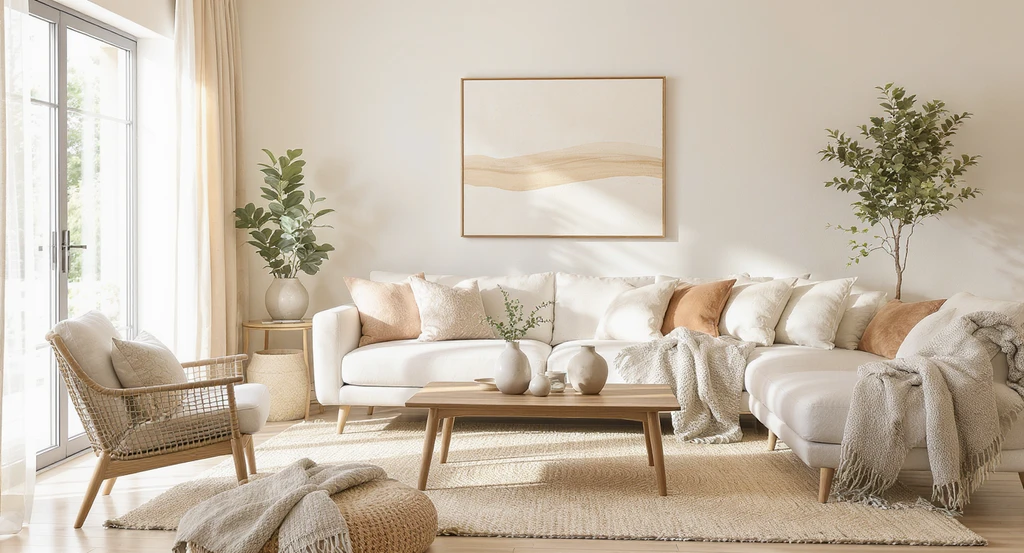
This high-resolution AI virtual staging displays a warm neutral living room, illustrating how AI enhances emotional home staging for cozy, buyer-ready spaces.
For years, gray palettes and stark minimalism defined real estate staging. In 2026, buyer preferences are shifting toward homes that feel more calming, livable, and emotionally welcoming rather than simply modern.
Today’s buyers browse countless online listings and increasingly ask whether a space feels comfortable enough to enjoy everyday life. As highlighted in our guide on emerging soft modern interior trends, warm neutrals like creamy whites, soft beiges, mushroom taupe, and natural wood tones are becoming more appealing because they create a stronger sense of comfort and connection.
Research around buyer behavior suggests emotional impressions form quickly during online browsing. Spaces that feel welcoming and emotionally comfortable often attract stronger engagement because buyers tend to respond emotionally before making logical decisions.
-
The Most Common Mistake: Cold, Flat Interiors
Sellers sometimes assume that neutral means gray, empty, or ultra-minimal. This often leads to spaces that look sterile, visually flat, or emotionally disconnected. Buyers scrolling through online listings find these homes forgettable or even off-putting. Cool grays and high-contrast whites tend to come across as harsh or lifeless in both photos and in person. As detailed in our explanation of neutral interiors and faster sales, the wrong kind of neutrality can slow decision-making and reduce buyer attachment.
Expert Insight
A homeowner preparing to sell swapped their all-gray living room for a warmer palette with creamy walls, oak shelving, and linen drapes. A homeowner preparing to sell replaced an all-gray living room with creamy walls, oak shelving, and soft linen drapes. Shortly after the update, the seller noticed stronger buyer engagement and faster showing activity, illustrating how targeted visual warmth can influence first impressions.
-
Why It Happens: Visual Fatigue and Lack of Emotional Cues
The main issue with cold minimalism is a lack of emotional comfort. Buyers are exposed to hundreds of nearly identical gray-and-white listings, which creates visual fatigue and makes it difficult for any one home to stand out. Without warmth, texture, or subtle personal touches, buyers struggle to imagine themselves living in the space. As we noted in our breakdown of homebuyer preferences for 2026, clarity and warmth in staging support faster, more confident decisions.
-
Design Principle: Warm Minimalism and Layered Organic Textures
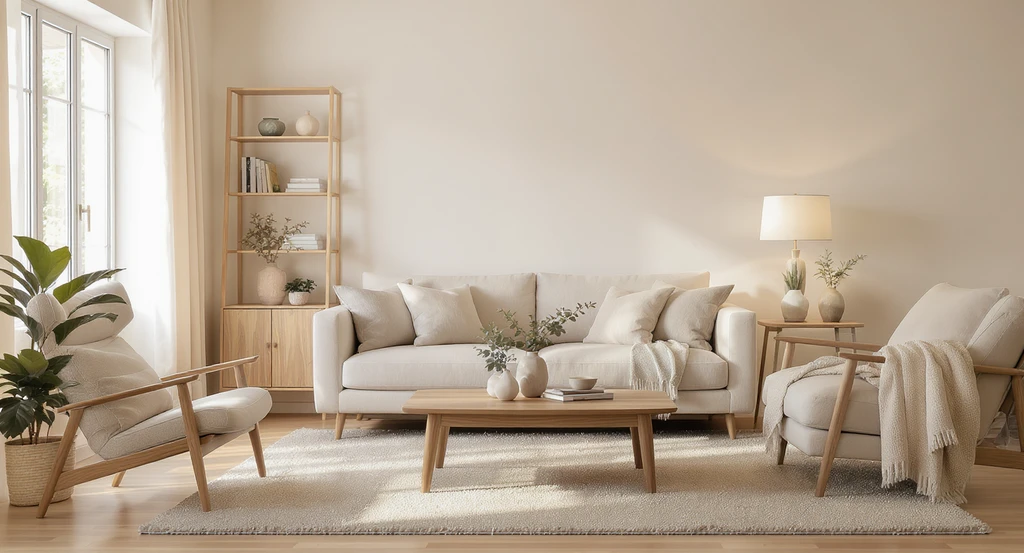
AI virtual staging for warm neutral homes demonstrates how the best ai tools for cozy interior design visualize layered textures, natural materials, and a minimalist yet inviting space, maximizing the impact of ai-generated home photos on buyers seeking emotional comfort.
Warm minimalism is replacing cold minimalism as the preferred approach for 2026. The structured design logic here is to maintain visual clarity and simplicity, but add comfort through creamy neutrals, warm beiges, and natural elements like wood, stone, and layered fabrics. This principle helps each space feel modern yet approachable. Layering in organic textures, such as linen, bouclé, oak or walnut finishes, matte ceramics, and stone, creates tactile depth and immediate emotional warmth without cluttering the layout. Recent trends confirm that the right materials signal calmness and quality, inviting buyers to linger longer both online and in person.
-
Practical Correction: Step-by-Step Guide to Warming Up Any Home
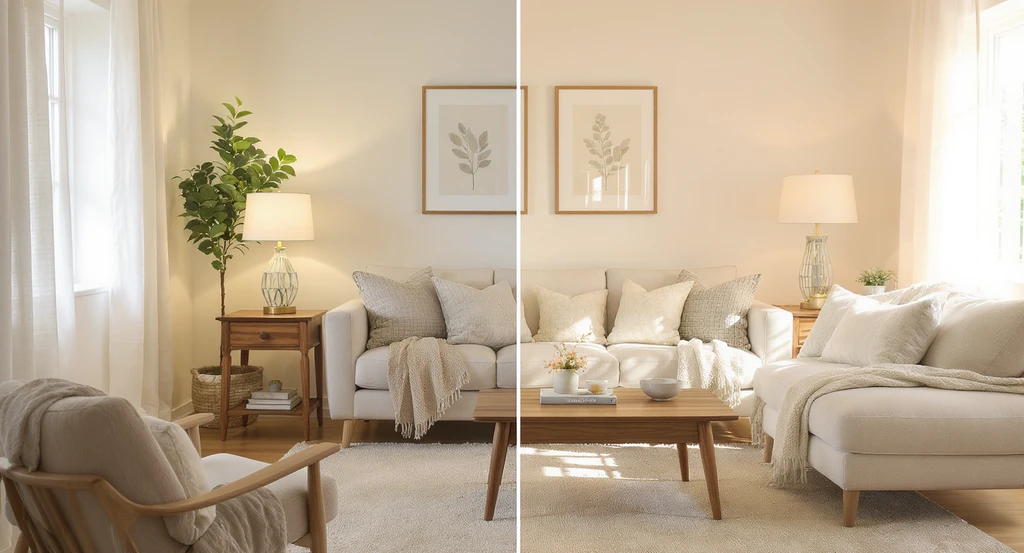
Using ai virtual staging for warm neutral homes, this cozy living room scene shows how ai enhances emotional staging through realistic texture visualization. Subtle design changes, like warm lighting and natural wood accents, can boost buyer comfort and response.
Transforming a cold neutral home into a warm, market-ready listing often requires small, intentional updates rather than major redesigns. Start by replacing cool lighting with warm LEDs, layering soft textures like rugs and linen fabrics, and adding natural wood accents to create a more welcoming atmosphere.
Reduce harsh contrast by blending creamy whites, warm beiges, and taupe tones for a softer visual flow. Creating simple lifestyle moments, such as a cozy reading corner or inviting seating arrangement, can also help buyers connect emotionally with the space.
In today’s digital-first market, small changes that enhance comfort and warmth often create a stronger buyer response than expensive renovations. Thoughtful staging helps buyers imagine everyday life inside the home.
-
Visual Reasoning: Why Warm Neutrals Perform Better Online
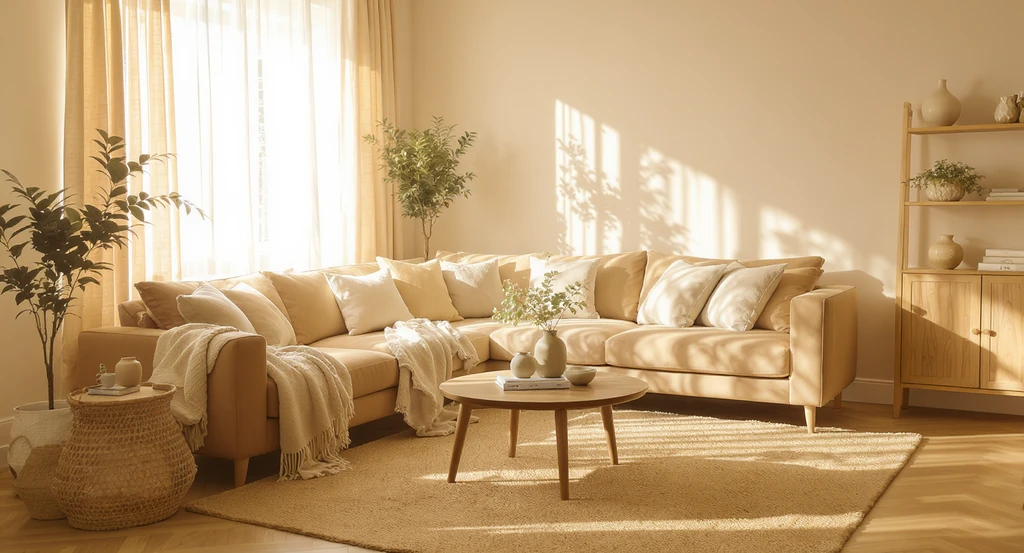
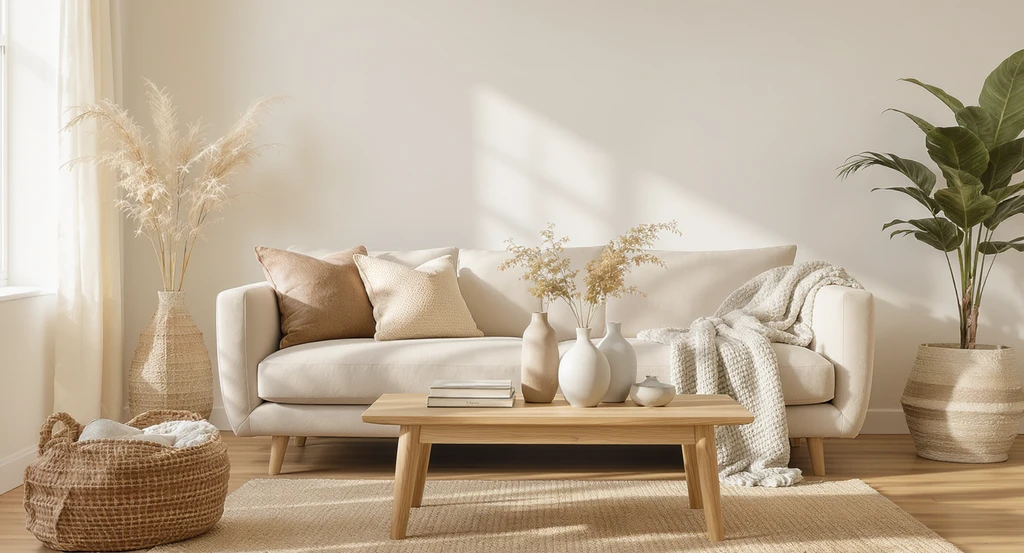
AI virtual staging for warm neutral homes uses realistic texture visualization and the best AI tools for cozy interior design, creating online home photos that invite emotional engagement and influence buyer decisions.
In today’s real estate market, most buyers view and judge homes online before ever scheduling a showing. Warm neutral design principles improve listing photography by naturally diffusing light, reducing glare, and adding visual depth. Layered organic textures and gentle color variation create photos that look inviting and believable, helping buyers pause and imagine themselves in the space. As explored in our guide to warming up white interiors, simple material changes dramatically shift the perception of comfort and livability.
-
Why Warm Neutral Virtual Staging Succeeds
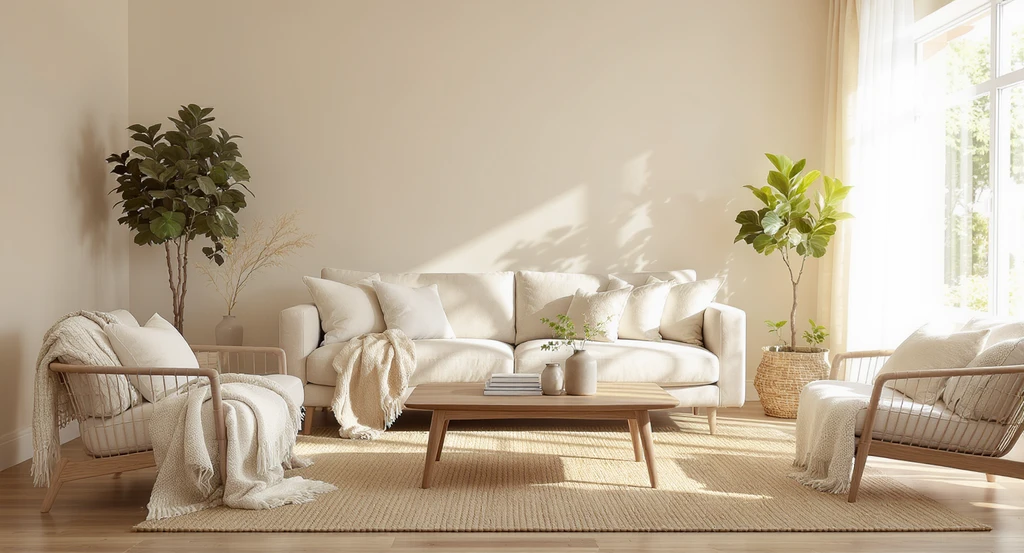
AI virtual staging for warm neutral homes uses realistic texture visualization and cozy interior design. This approach shows how AI enhances emotional home staging, creating spaces that engage buyers and drive faster sales.
Virtual staging with cool, sterile palettes is becoming less effective as buyers increasingly prefer spaces that feel realistic and emotionally inviting. Warm neutral AI staging uses soft color palettes, natural textures, and believable lighting to create stronger emotional appeal while maintaining visual clarity.
A staged space should feel attainable and comfortable rather than overly polished. Modern tools like REimagineHome AI now prioritize realistic texture visualization and emotional resonance, helping listings stand out and create stronger buyer engagement.
Recent staging patterns also suggest that homes with layered warmth and softer contrast often feel more believable in photos than highly polished gray interiors. Buyers frequently respond more to spaces that communicate comfort rather than perfection.
-
Layout & Staging Tips: Achieving Comfort and Livability
When arranging furniture and layouts for warm neutral homes, focus on inviting circulation and believable, lived-in moments. Use proportion: sofas should be scaled for the room, with enough walkway space around focal points. Avoid placing everything against the wall; instead, float key pieces to create intimacy. Balance lighting with multiple sources at different levels, including lamps, sconces, and pendant lights, so shadows are soft and rooms feel active beyond daylight hours. Finally, connect adjacent spaces with subtle color and material repetition, ensuring the whole home feels visually unified and emotionally cohesive.
-
Avoiding Common Mistakes: What to Check and Correct
Many homes struggle to attract buyers because they feel too gray, empty, or visually flat. Before listing, evaluate whether walls, furniture, and accents lack warmth or texture. Small updates like layered materials, subtle décor, and avoiding monotone styling can make a space feel more inviting and emotionally engaging.
Avoid over-editing or creating spaces that feel overly empty. Homes should feel calm, but not impersonal. Emotional comfort often comes from thoughtful material contrast and soft layering rather than adding more decorative elements.
Before making final changes, preview updates visually whenever possible. AI tools can help assess balance, comfort, and overall appeal, allowing sellers to refine spaces before buyers see them.
-
REimagineHome AI Preview: See Before You Decide
Instead of guessing, use REimagineHome AI to create instant, realistic previews of proposed staging changes. Visualizing warm neutral decor, layered lighting setups, or natural material updates ensures every choice improves both emotional appeal and spatial function. This step avoids costly staging mistakes and helps sellers deliver exactly what modern buyers want: emotional comfort and clear, cohesive layouts.
Visualization Scenario
Picture uploading your home photos to a virtual staging tool and instantly viewing your living room with warm lighting, layered textures, and oak accents. See exactly how your space could look and feel before committing to design changes, giving you clarity and confidence for your next steps.
Frequently Asked Questions: Warm Neutral Homes & 2026 Selling Trends
- Why are warm neutral homes trending in 2026?
- Buyers increasingly value spaces that feel calming, emotionally welcoming, and genuinely livable—not cold or overly minimal. Warm neutral palettes create instant comfort and help buyers emotionally connect during their online search.
- What colors are considered warm neutrals?
- Creamy white, beige, mushroom taupe, sand, clay, walnut brown, and warm greige are the most popular warm neutral tones, all of which evoke softness and approachability in 2026 listings.
- Are gray interiors going out of style?
- Gray-heavy interiors are fading because buyers now view them as emotionally flat and visually repetitive. Current trends favor warmer, more layered approaches that feel fresh and welcoming.
- Do warm neutral homes really sell faster?
- Yes. Warm neutral environments create emotional connection and help buyers imagine everyday life, leading to better online engagement, faster showing requests, and shorter time on market—as detailed in our coverage of selling with neutral interiors.
- What is the quickest way to warm up a cold home before selling?
- Replace cold lighting with warm bulbs, layer soft textiles, introduce natural wood accents, and style a few cozy, believable moments. These small updates create outsized impact for listings.
Key Takeaways: Emotional Comfort Drives Fast Sales
Warm neutral homes continue to outperform cold minimal spaces because they create stronger emotional connection, comfort, and livability. The most successful 2026 listings use calm, layered design choices that help buyers easily imagine everyday life in the space.
As first impressions increasingly happen online, warmth and realism play a major role in buyer engagement. For deeper staging strategies, explore our guides on soft modern interiors for 2026 and why neutral interiors continue to outperform.