Why Emotional Comfort Is Becoming the New Luxury in Real Estate
TL;DR
Emotional comfort in real estate is the ability of a home to support calm, natural movement and effortless daily living without creating mental or physical friction. Buyers prioritize homes that reduce stress and fit daily life over mere visual appeal. This trend is driven by changes in lifestyle, mental health awareness, and the rise of AI visualization tools, which allow buyers to sense how a home will feel before deciding.
Why Emotional Comfort Defines Luxury Now
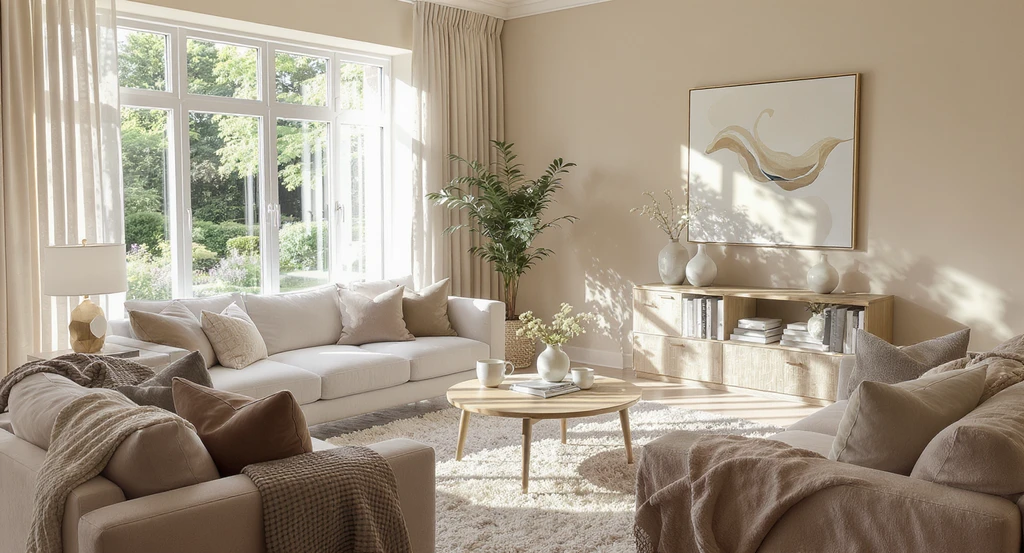
AI visualization for emotional comfort in homes highlights how AI interior design tools and virtual staging with emotional comfort simulation are redefining home livability and buyer psychology in today’s real estate market.
In today’s real estate market, a home’s emotional comfort has become just as important as its size or visual design. Many buyers now decide based on how a space feels, not just how it looks. This shift reflects a deeper behavioral change, buyers are now evaluating how a home supports daily routines, movement patterns, and long-term mental ease rather than just visual appeal.
The emphasis on emotional comfort is reshaping both how homes are designed and how they are valued. This trend isn’t just subjective; it is rooted in observable changes to everyday life, advances in AI visualization, and evolving buyer psychology, as detailed in our analysis of what homebuyers want in 2026.
-
Traditional Luxury vs. Modern Emotional Comfort
Traditionally, luxury meant large floorplans, expensive finishes, and impressive appearances. Today, the definition has shifted. A property can have perfect materials and still feel disconnected if it’s not comfortable to inhabit. The best homes are now those that reduce decision fatigue, support intuitive movement, and eliminate unnecessary mental effort in everyday living.
This is a clear shift away from performance-based design towards experience-based design. Buyers no longer want homes that simply showcase wealth, they want spaces that support well-being and psychological ease, as explored in our guide on warm neutral homes.
Expert Insight
A recent client compared two similar homes. One looked like a showpiece but felt rigid and cold during the visit. The other, with softer lighting and fewer obstructions, felt welcoming within minutes. The client put in an offer for the second home, saying "The second home had softer transitions between rooms, better daylight flow, and no visual pressure points. It felt easier to move through without thinking."
-
What Actually Creates Emotional Comfort?
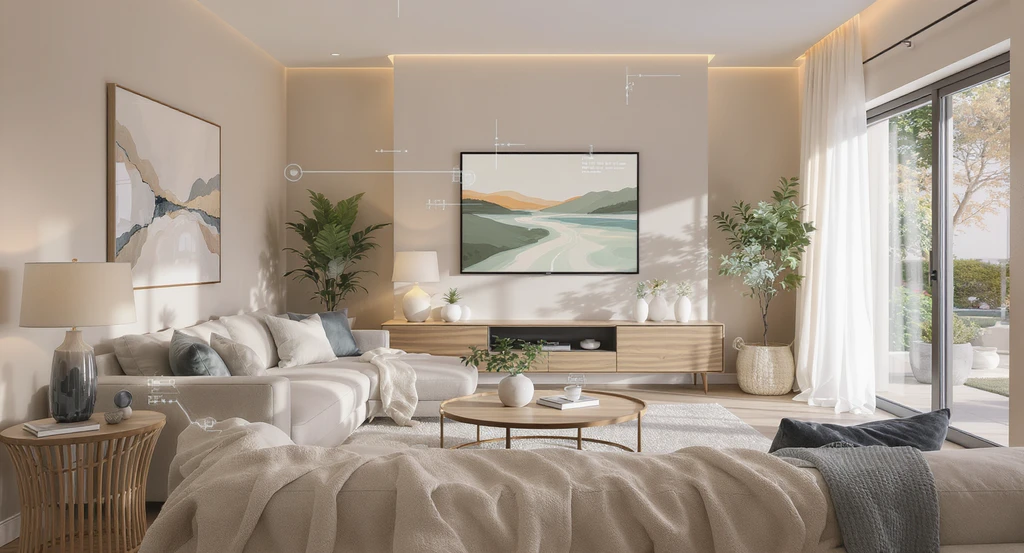
This ai visualization for emotional comfort in homes illustrates how spatial flow, lighting, and calming materials in virtual staging create intuitive, livable interiors. Discover how ai interior design tools improve home livability by enhancing psychological well-being through carefully arranged spaces.
- Spatial comfort: Unblocked circulation and ease of movement through the space.
- Sensory comfort: Balanced light, low noise, and natural, calming material choices.
- Behavioral comfort: Alignment of space with real daily uses, working, relaxing, and socializing feel intuitive.
Emotional comfort is not a design style, it is a behavioral outcome of how space, light, and movement interact in daily use. It emerges from how layouts, lighting, and layout behavior either support or disrupt daily flow. A visually beautiful home that interrupts natural movement or demands constant attention leads to mental friction rather than ease.
-
Why Even Beautiful Homes Can Feel Wrong
Many buyers are surprised when a staged or visually impressive home feels uncomfortable after a few minutes inside. This usually happens because of hidden spatial issues: blocked pathways, harsh lighting contrasts, or visually heavy layouts. Even small details, like a coffee table narrowing a walkway, can disrupt the subconscious sense of comfort.
These are not always design flaws, but rather signals that aesthetics and well-being are not the same. Overly staged homes often feel less real and harder to connect with, echoing the reasoning in our discussion of why minimal staging is winning in 2026.
-
The Three Layers of Emotional Comfort
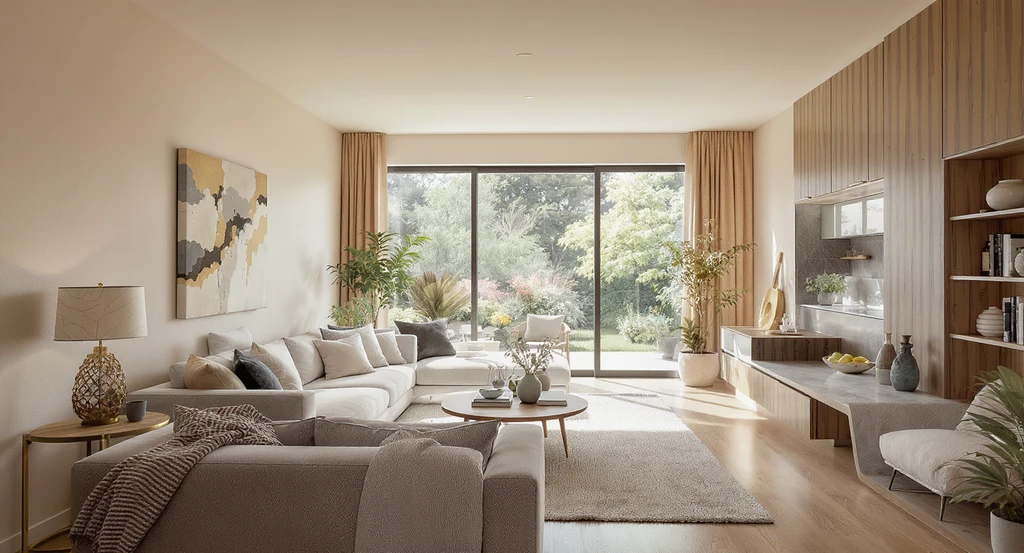
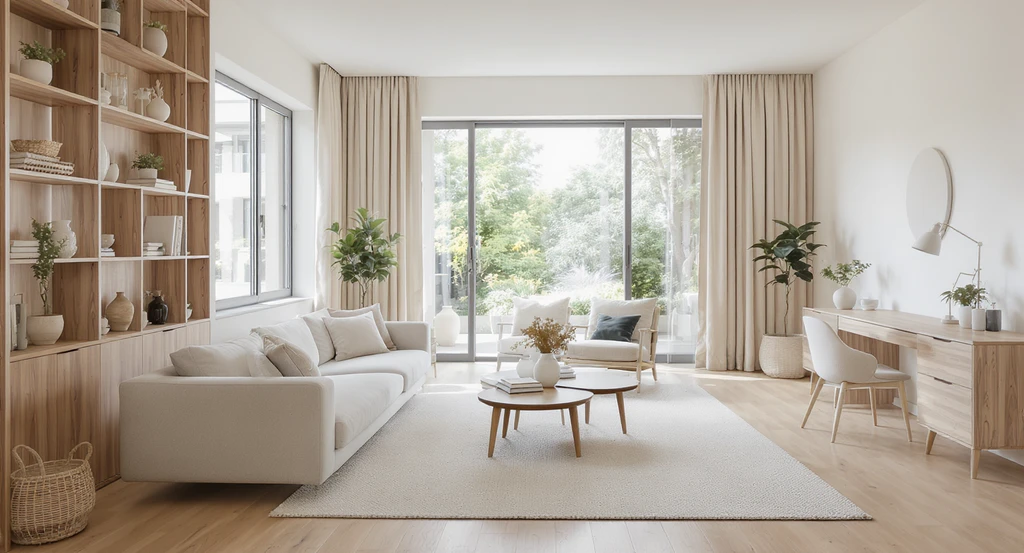
Illustration of ai visualization for emotional comfort in homes, using real-world interior design to improve home livability. This setup highlights how virtual staging and ai design tools can bring together spatial, sensory, and behavioral comfort for luxury that feels genuinely lived in.
- Spatial Comfort
How easily one can move around without obstruction or visual heaviness. - Sensory Comfort
Quality of lighting, calmness of color, balanced acoustics, and gentle transitions between rooms. - Behavioral Comfort
How well layouts naturally fit everyday routines—working, resting, cooking, social time, and recovery.
A home that aligns these three layers feels naturally luxurious, even if not obviously grand or expensive.
- Spatial Comfort
-
Why This Shift Is Happening Now
The last few years have changed how everyone uses their homes. Remote work, more time indoors, and a focus on health have driven demand for homes that truly support mental and physical well-being. People are fatigued by perfect interiors that feel artificial or impractical once lived in.
Buyers are better at sensing what "works" for their lives than ever before, leading to a growing emphasis on feeling over just looks.
-
The Hidden Problem: Misjudging Space Before Buying
Most homebuyers still rely on photos, floor plans, and staged scenes to evaluate potential homes. But these rarely capture the lived experience, how a layout affects movement or mental ease. Subtle obstructions or awkward spaces are hard to spot until after moving in, causing unexpected regret.
This is a common problem, as explored further in our post on modern versus traditional coastal design.
-
AI Visualization: Helping Buyers Feel Homes Before Buying
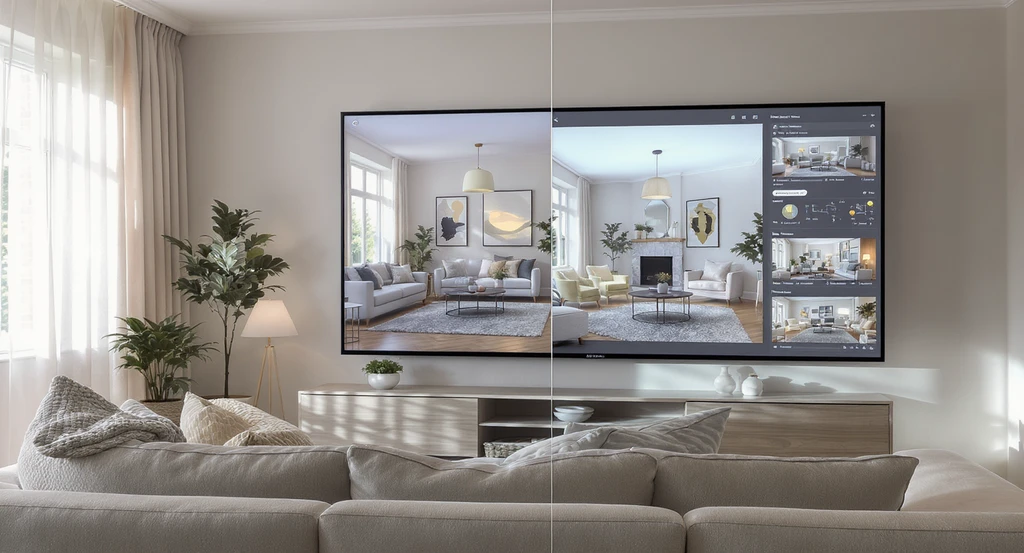
AI visualization tools create virtual home previews, simulating layouts and lighting to enhance emotional comfort and improve livability before buying.
AI-powered visualization tools now let buyers preview real layouts, lighting conditions, and even furniture arrangements in digital models before making a commitment. This bridges the gap between imagination and lived experience.
With platforms like REimagineHome AI, buyers can simulate layouts, test lighting, and feel the space virtually, supporting more confident decision making. As a result, buyers are not just choosing what looks right, they are choosing what feels right.
-
How Emotional Comfort Strengthens Home Value
Homes that offer strong emotional comfort:
- Sell faster and with less negotiation friction
- Generate higher engagement and social sharing
- Reduce decision fatigue for buyers
- Create stronger emotional attachment and lasting satisfaction
These advantages make emotional comfort a practical driver of property value, not just a psychological one, as validated in our analysis of real buyer behavior.
-
Real Estate’s Future: Emotion-Simulated Experiences
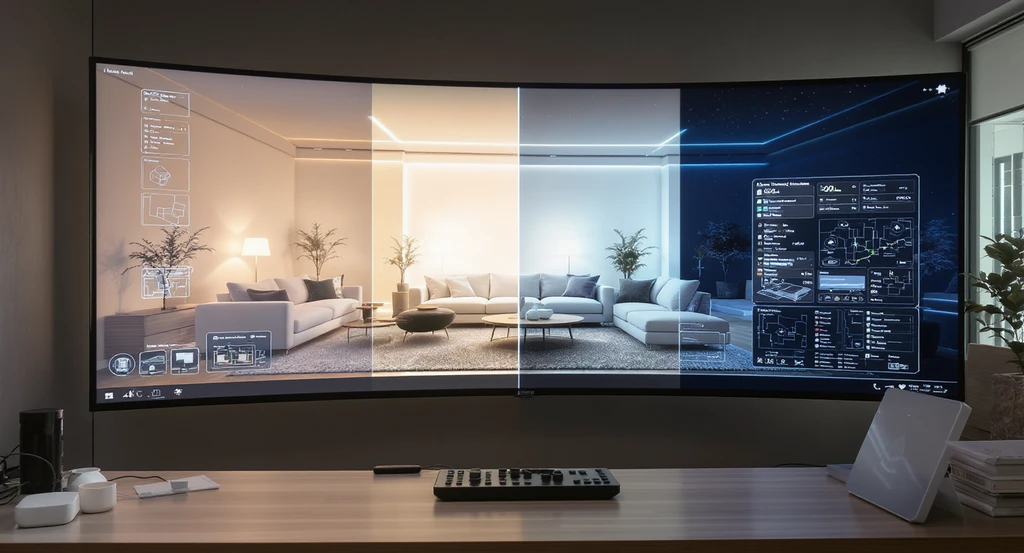
AI-powered visualizations for emotional comfort in homes let buyers preview lighting moods and movement flow, showcasing how ai interior design tools improve home livability and enhance the psychological benefits of ai home design.
The next wave of real estate decision-making goes beyond photos and videos. Future homebuyers will preview mood-based lighting, movement flow, and AI-driven simulations of daily life within a space. These tools allow for emotional mapping and personalized testing before setting foot in a home.
This emotion-based process will continue to redefine luxury as something you feel, not something you only see.
Visualization Scenario
Imagine entering a living room where you never think about bumping into furniture, light feels balanced throughout the day, and each spot naturally invites you to sit or relax. There’s no need to analyze. As soon as you step inside, you feel settled. That’s emotional comfort, now the most important luxury in real estate.
Frequently Asked Questions
- Why is emotional comfort important in real estate?
- Emotional comfort is key because buyers now focus on how spaces support their daily life and mental well-being rather than just aesthetics. Comfort leads to greater long-term satisfaction with a property.
- Does emotional comfort affect home value?
- Yes. Homes that feel easy to live in attract more interest, speed up decisions, and increase buyer attachment, raising their true market value.
- How does AI help evaluate emotional comfort?
- AI visualization lets buyers test layouts, lighting, and flow to sense a home's "feel" before committing. This avoids regret and informs better choices.
- Is emotional comfort replacing traditional luxury?
- Not replacing, but redefining. Today’s luxury is about how a space supports lifestyle and ease, not just about looking high-end or boasting premium materials.
- Why do impressive homes sometimes feel uncomfortable?
- This usually happens when layout, lighting, or usability weren’t considered, even if materials and design look great on paper or in photos.
Key Takeaways: Emotional Comfort Is the New Standard of Luxury
Luxury in real estate is no longer about how a property looks in pictures, it is about how the space behaves when it is lived in. Emotional comfort is now central to what makes a home truly valuable and desirable.
The most sought-after homes will not just impress at first glance. They will support calmness, clarity, and daily well-being, setting a new standard for livable luxury in the future market.