Why Lifestyle-Led Staging Is Changing Interior Design
TL;DR
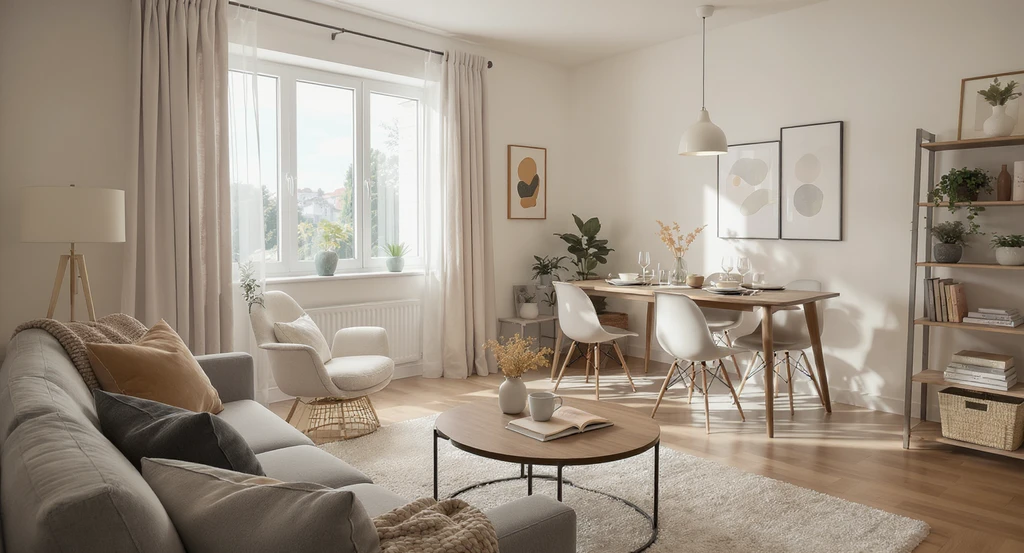
Lifestyle-led staging is transforming interior design by focusing on how spaces serve everyday routines, not just visual appeal. Buyers want homes that suit their real habits, work, and relaxation. This approach uses flexible layouts, emotional comfort, and AI visualization to make houses feel like they’re ready for real life, not just a quick photo.
Buyers No Longer Buy Rooms, They Buy Possibilities
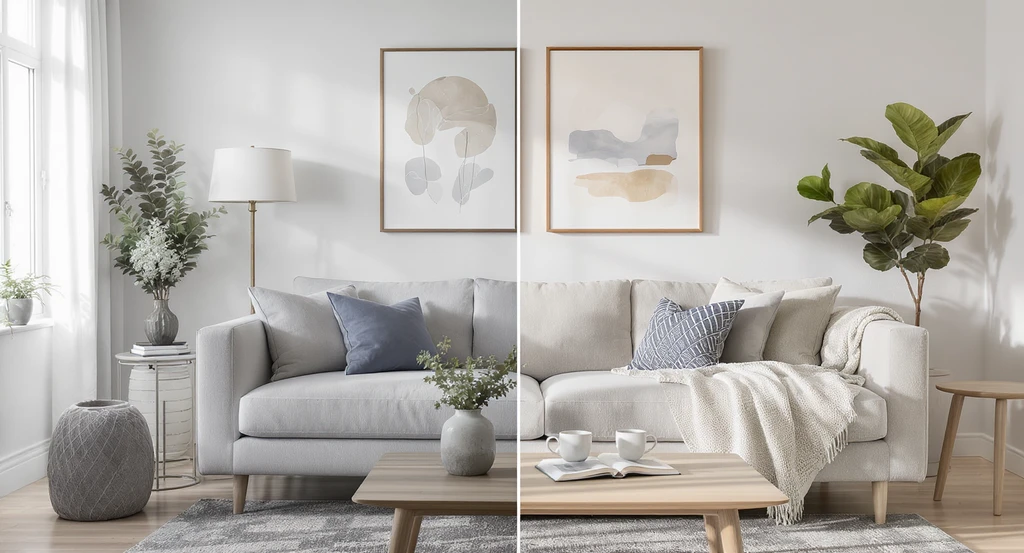
Modern living room split between traditional and lifestyle-led staging, demonstrating how ai tools enable virtual staging ai for flexible, personalized layouts.
For years, home staging prioritized visual perfection. Rooms were designed for listing photos, symmetrical, polished, and broadly appealing. While this approach helped properties look aspirational, it often ignored a more important question: how people actually live inside a space. As hybrid work, wellness routines, and flexible living patterns reshape homes in 2026, buyers increasingly evaluate spaces through the lens of everyday experience rather than surface aesthetics.
This method is changing. Today, buyers evaluate homes based on how spaces support their actual routines. Instead of asking whether a room looks beautiful, people now ask, “Will this work for my life?” Lifestyle-led staging emerged in response, it stages homes as adaptable environments that reflect daily living, not just static products.
-
How the Definition of Good Design Has Shifted
Traditional interior design championed aesthetics: visual balance, styled vignettes, and trendy details. But now, as discussed in our guide on the 2026 shift to designing lifestyles, good design is increasingly measured by how effectively it supports routines, comfort, and wellbeing.
Today’s buyers value spaces that reduce friction, provide emotional warmth, and adapt to their daily needs. Instead of prioritizing dramatic materials or purely visual impact, the new luxury is utility, spaces that make real life easier, more functional, and more enjoyable. Design has become less about appearance and more about experience.
This shift reflects a broader movement toward experience-driven and human-centered design principles. Research in environmental psychology suggests people often form emotional impressions of spaces before consciously analyzing design details. As homes increasingly support work, wellness, and social routines simultaneously, designers are thinking less about decorating rooms and more about choreographing experiences that reduce friction and support everyday behavior.
Expert Insight
A staging team working on a compact urban apartment discovered that buyers repeatedly asked where they would work from home rather than commenting on furniture style. Instead of forcing a formal dining setup, designers introduced a flexible work-and-social zone with layered lighting, adaptable seating, and integrated storage. Visitors spent more time discussing how they would use the space rather than evaluating décor choices alone.
-
What Is Lifestyle-Led Staging In Practice?
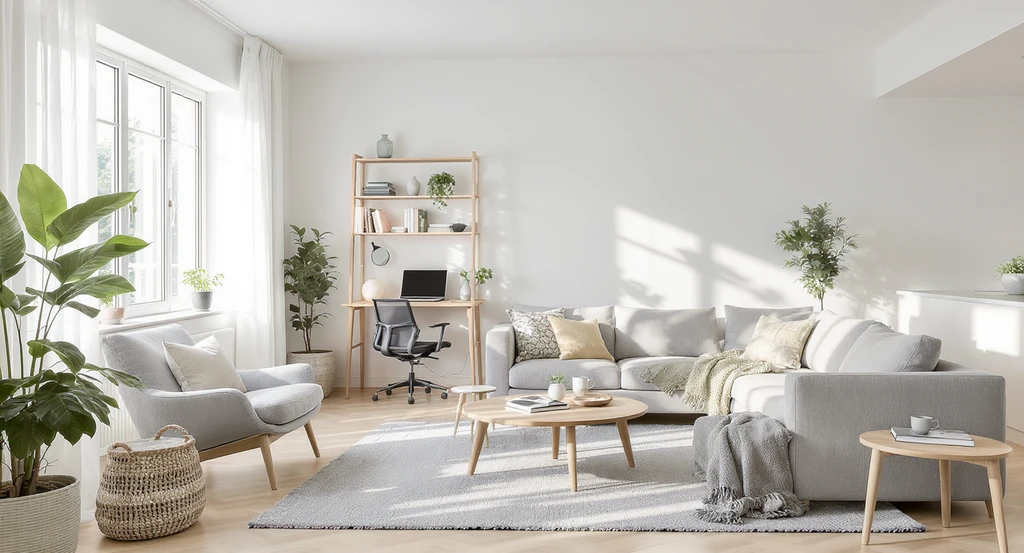
Lifestyle-led staging with virtual staging ai for flexible layouts, showing how ai home design tools work to personalize interiors and support everyday routines.
Lifestyle-led staging means preparing a home to reflect practical, everyday routines, not just generic room roles. For example, rather than simply arranging a sofa and coffee table, designers now add work nooks, reading corners, or zones for entertaining. The question has shifted from, “What belongs here?” to, “How might someone use this space?”
This approach prompts buyers to imagine their own routines supported by the home’s layout. According to Spring 2026 home staging trends, flexible layouts and emotional realism are now far more influential than strict visual perfection.
-
Why Buyers Respond Faster to Lifestyle-Led Spaces
Lifestyle-led interiors help reduce decision friction for buyers by making routines easier to imagine. Instead of mentally translating empty rooms into future possibilities, buyers immediately understand how spaces could support work, relaxation, family interaction, and daily habits. Rather than relying on static arrangements, these spaces feel immediately relatable, buyers can visualize working, relaxing, or entertaining in real time. Emotional impressions form quickly and influence perceptions of comfort and value.
As explored in our blog on what homebuyers want in 2026, designing for everyday experiences creates trust and familiarity. Research in spatial cognition suggests people often mentally simulate experiences before making analytical judgments. Buyers do not simply connect to floor plans or color palettes; they connect to how their routines and future experiences may unfold within a space.
Environmental psychology suggests people evaluate spaces emotionally before analyzing details logically. When rooms feel familiar and intuitively usable, viewers experience cognitive ease, a sense that a space naturally fits their routines without effort.
Lifestyle-led staging strengthens this response by helping buyers mentally simulate future experiences rather than simply evaluate furniture arrangements. This often creates stronger emotional attachment and faster decision confidence.
-
The Mechanics: Designing Multi-Function and Adaptable Rooms
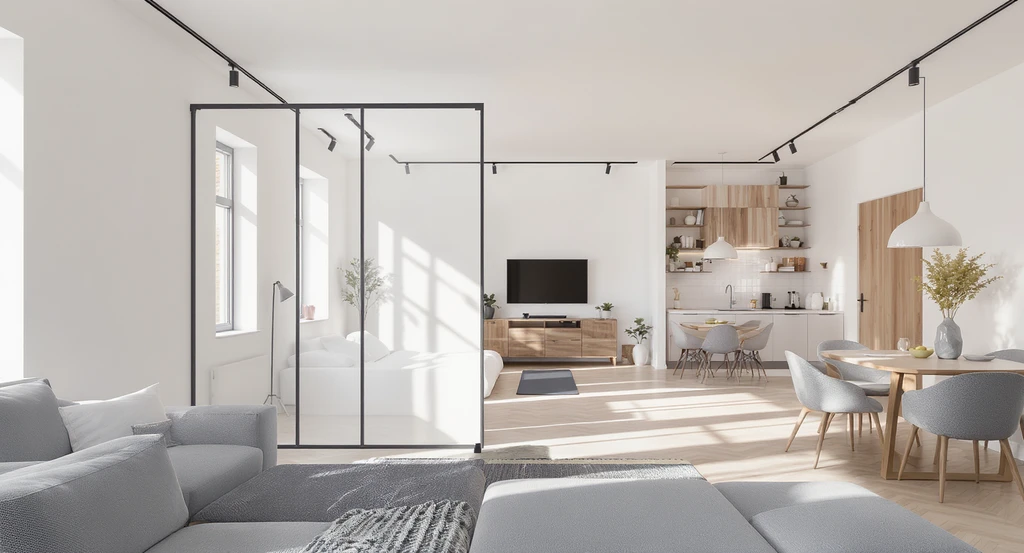
Lifestyle-led staging, depicted through ai home design tools, shows how modular furniture and virtual staging ai enable adaptable, flexible layouts tailored to evolving interior needs.
Modern living has redefined the boundaries of every room. Home offices bleed into guest spaces, living rooms double up as work or wellness corners, and dining areas may act as meeting zones. Lifestyle-led staging recognizes these overlaps and deliberately creates adaptable spaces that evolve throughout the day.
Designers use modular furniture, mobile partitions, and flexible lighting to allow for quick transitions. This method not only addresses visual flow but also emphasizes circulation and usability—keeping pathways open and ensuring each function feels natural rather than forced.
-
Why Authenticity Matters in Today’s Staging
Overly perfect spaces often feel staged and cold. Lifestyle-led staging strives for layered lighting, natural textures, and lived-in detail, think a soft throw, a book by a reading lamp, or a desk tucked below a window. Imperfection, done right, adds emotional warmth and believability.
According to the latest staging trends, buyers engage more when spaces seem intuitive and inviting. Authenticity builds trust, making it easier for someone to picture their own daily life in a home.
-
How AI Visualization Accelerates Lifestyle-Led Design
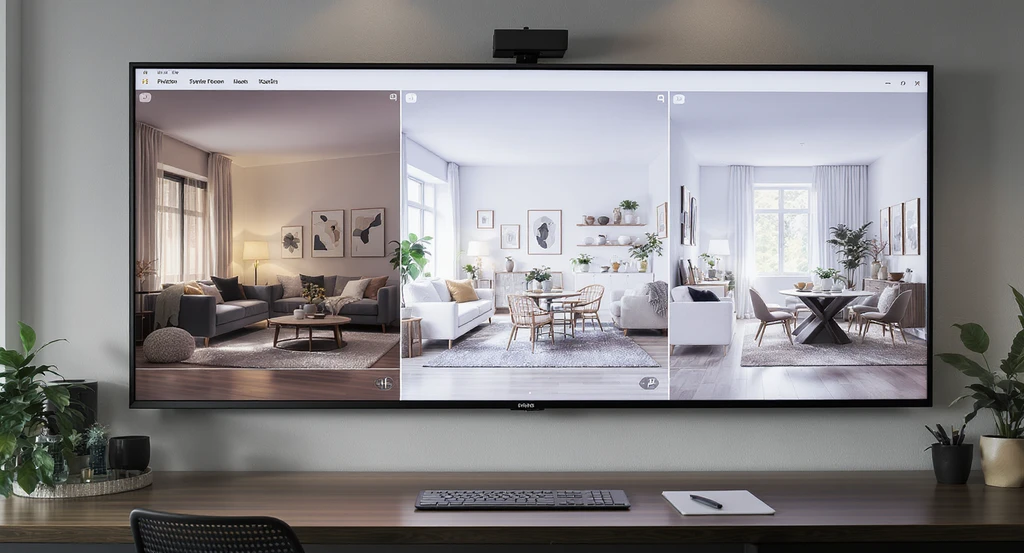
AI lifestyle-led staging for interiors lets designers preview flexible layouts and visualize routines instantly. How AI home design tools and virtual staging AI work together to personalize interiors and accelerate confident decisions.
Industry research increasingly shows that buyers engage more confidently with spaces they can visualize in context, especially when layouts demonstrate practical day-to-day use rather than abstract possibilities. Platforms like REimagineHome AI allow users to test different layouts, lighting atmospheres, and routines visually, helping avoid costly mistakes.
This supports our observation on how AI has become essential in design and real estate: by showing multiple use scenarios side-by-side, buyers no longer have to imagine possibilities, they can see them directly. This speeds up decision-making and boosts buyer confidence.
-
Common Mistakes and How to Avoid Them
- Designing around a single lifestyle, alienates some buyers
- Over-personalizing (family photos, initials) rather than suggesting universal routines
- Unrealistic or impractical activity zones (e.g., yoga mats blocking doors)
- Neglecting circulation and functional flow
- Favoring visual storytelling at the expense of usability (e.g., too many props, clutter)
The best lifestyle-led staging is suggestive, not prescriptive; it hints at what’s possible without feeling forced or artificial.
-
Signals of Successful Lifestyle-Led Design
There are clear cues that a staged space is succeeding emotionally and functionally. These include:
- Emotional: comfort, calm, and inviting familiarity
- Visual: realistic proportions, softer layered lighting, natural materials
- Functional: adaptable furniture, clear multi-use areas, unobstructed flow
The goal is to suggest possibility, not perfection, helping buyers quickly recognize how a home can suit their life.
-
Key Trends Driving Lifestyle-Led Staging
Multiple micro-trends influence this movement:
- Layered, warm maximalism with cozy textures and deep color accents
- Natural material use, wood, stone, live plants, to create ‘biophilic’ connections
- Micro-zones inside open layouts using lighting or shelving, not walls
These trends, as outlined in our lifestyle design feature, now inform how designers stage and renovate even modest homes.
Visualization Scenario
Imagine using an AI tool to instantly see your living room swap from a collaborative workspace in the morning, to a family movie space at night, and then a calm reading retreat on Sundays, with every layout and lighting change easy to preview before committing.
Frequently Asked Questions
- Why is lifestyle-led staging popular now?
- Lifestyle-led staging is becoming popular because homes now function as multi-purpose environments where people work, relax, exercise, socialize, and recharge within the same space. Buyers increasingly prioritize flexibility and everyday usability over purely visual design. Homes now function as places for work, relaxation, wellness, and social connection, making adaptability more valuable than purely visual design.
- How does it differ from traditional staging?
- Traditional staging focuses on furniture arrangement and neutrality for broad appeal. Lifestyle-led staging creates adaptable, routine-focused environments that reflect contemporary work, wellness, and family patterns.
- Does this approach actually help homes sell faster?
- Lifestyle staging often creates stronger buyer engagement, as buyers can easily imagine themselves living in the space. This can reduce time on the market by supporting emotional decision-making.
- What mistakes should be avoided?
- Avoid over-theming, excessive personalization, blocking movement, and sacrificing function for visual storytelling. Keep staging flexible, believable, and clutter-free.
- How does AI enable better lifestyle staging?
- AI visualization tools let users preview flexible layouts and multiple lifestyle scenarios quickly, clarifying space potential and speeding up confident decisions for both buyers and sellers.
Conclusion: Designing For Real Life
Lifestyle-led staging reflects a fundamental shift in interior design. Buyers and homeowners now expect spaces that support everyday routines, not just visual impact. As experience-based layouts, flexible zones, and authentic detail become the new norm, interior design will continue moving beyond aesthetics toward real daily support.
If you want to see how your rooms might adapt to your evolving routines, AI visualization with REimagineHome AI can help bring ideas to life before you decide. This ensures decisions are rooted in clarity and possibility, not just surface style.