What Buyers Instantly Notice in Listing Photos
TL;DR
Listing photos are not just images, they are buyer decision tools. Within seconds, buyers notice lighting, clutter, flow, and maintenance signals, forming gut-level judgments about comfort, trust, and effort required. The strongest listings reduce hesitation and help buyers imagine life within the home.
Introduction

Introduction Image
Many buyers decide how they feel about a home within seconds of seeing the listing photos, often before comparing square footage, finishes, or school districts.
What buyers notice first shapes trust, comfort, and clarity far more than technical image quality. Understanding these emotional reactions helps homeowners, agents, and media teams make smarter visual decisions from the start.
-
Direct Answer: What Buyers Instantly Notice
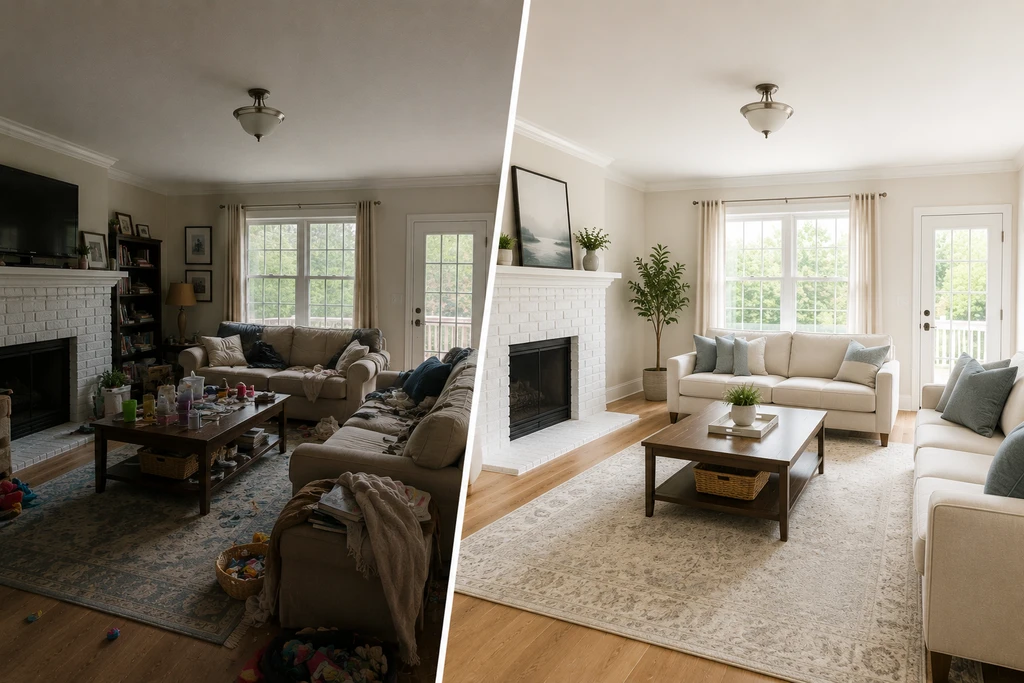
Buyers instantly notice lighting, cleanliness, and organization in listing photos—key emotional signals that shape trust and real estate decisions.
Buyers instantly notice lighting, clutter, room flow, cleanliness, and maintenance details in listing photos. These visuals shape whether the home feels livable, trustworthy, or likely to need future work.
Even small details can create confidence or doubt. Strong listing photos help buyers understand the home faster and make decisions more comfortably.
As explained in our guide on 7 listing photo mistakes, buyers quickly lose interest when photos feel confusing, inconsistent, or difficult to follow.
Expert Insight
A client once lamented that every home she considered seemed perfect in photos but felt “off” when she visited, until she found a listing with honest, well-lit images that matched reality. She placed an offer after a single viewing because she felt respected and informed from the very first click.
-
Why Listing Photos Matter More Than Most Realize
Buyers scan listing photos quickly and make emotional decisions within seconds. They immediately start judging whether the home feels cared for, comfortable, or potentially misleading.
These early reactions strongly affect engagement. Confusing or overedited visuals create hesitation, while clear and believable photos help buyers picture themselves living there more easily.
-
How Buyers Actually Judge Photos (It’s Different from Photographers)
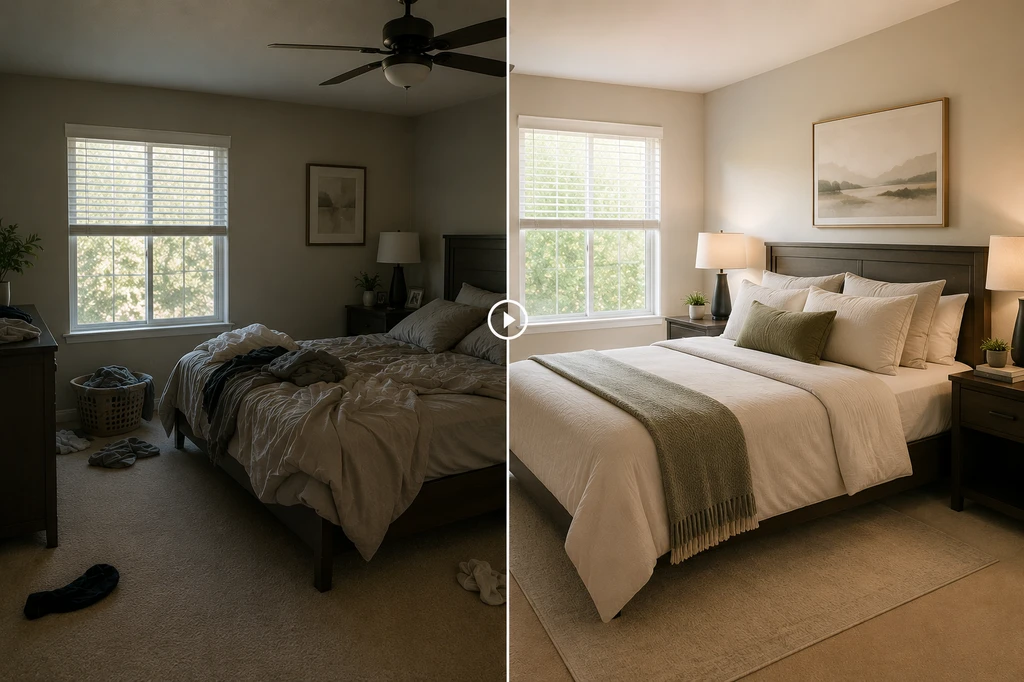
Buyers are not analyzing photography techniques. They are quickly deciding whether a home feels comfortable, trustworthy, and easy to imagine living in
- Buyers respond to listing photos emotionally, not just technically. Dark rooms can feel smaller or make buyers wonder if flaws are being hidden.
- Clutter often signals stress, lack of storage, or future maintenance, while heavy editing can make buyers question whether the home is being represented honestly.
- As explained in the hard truths of photo editing, over-manipulated visuals can reduce buyer trust and create compliance concerns.
-
The Four Signals Buyers Seek in Listing Photos
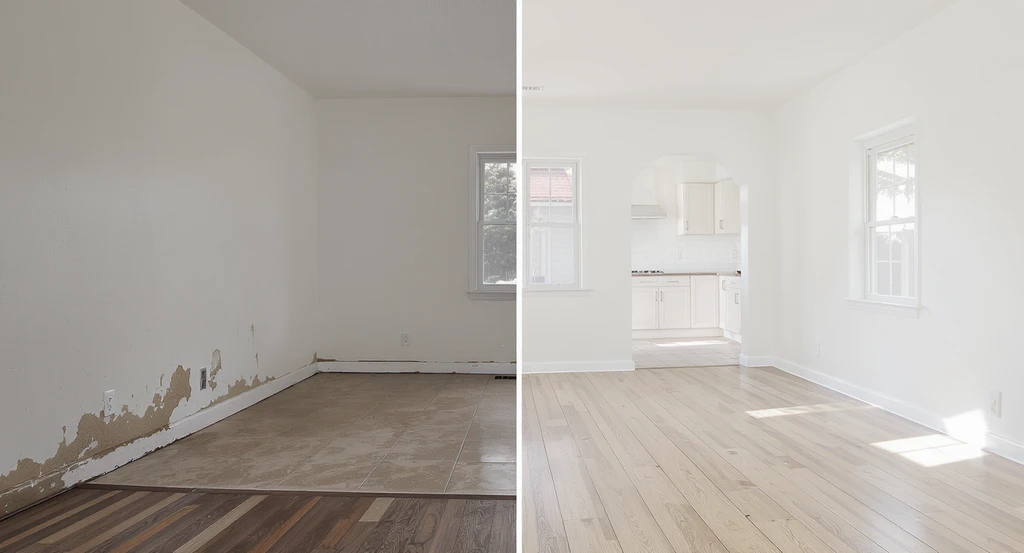
This photorealistic living room split-view demonstrates what buyers notice in listing photos—flaws versus maintained spaces—revealing the emotional impact of real estate photos and how lighting affects listing performance. The clear composition highlights trust and comfort signals while illustrating common listing photo mistakes to avoid.
Buyers move through listing galleries quickly, but small visual details still shape major assumptions about the home.
- Maintenance Signal: Peeling paint, dirty grout, or worn flooring can make buyers assume larger hidden problems exist.
- Space Signal: Clear room flow and functional layouts help buyers understand whether daily life will comfortably fit inside the home.
- Trust Signal: Overedited photos, stretched rooms, or missing angles can create doubt about the listing. Learn more about how different staging and editing tools impact trust.
- Comfort Signal: Calm, open, and emotionally easy spaces often leave a stronger impression than homes that simply look expensive.
-
Why Buyers Leave Listings Quickly
It’s tempting to blame price or size when buyers click out. In practice, many buyers leave because the photo gallery makes decisions harder: unclear layouts, clutter, inconsistent order, or heavy editing all signal effort or risk. A listing gallery should reduce uncertainty, not create more. As explored in our listing photo mistake guide, photo order and clarity drive momentum and engagement more than upgrades or price drops.
-
Why the First Photo Sets Everything in Motion

What buyers notice in listing photos—like curb appeal and expert lighting—instantly affects the emotional impact and trust in real estate photos.
Buyers judge listings by the cover: the first image sets the tone for trust and curiosity. Curb appeal, landscaping details, exterior lighting, and image brightness create a snapshot that lingers. If that photo feels lackluster or confusing, momentum dies instantly. Even before price or location gets considered, the relationship is won or lost by the way a listing introduces itself visually.
-
The Visualization Gap: Why Empty Rooms Struggle
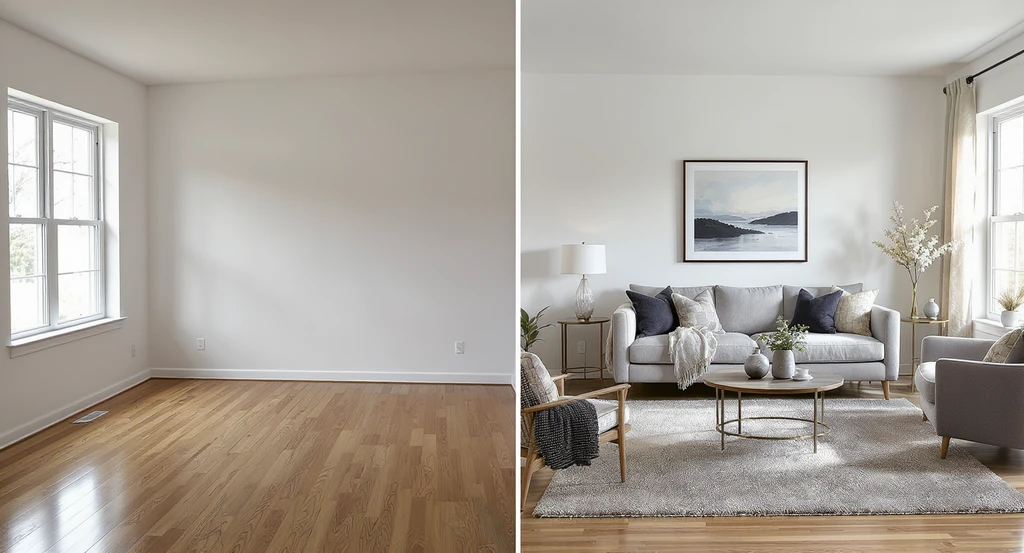
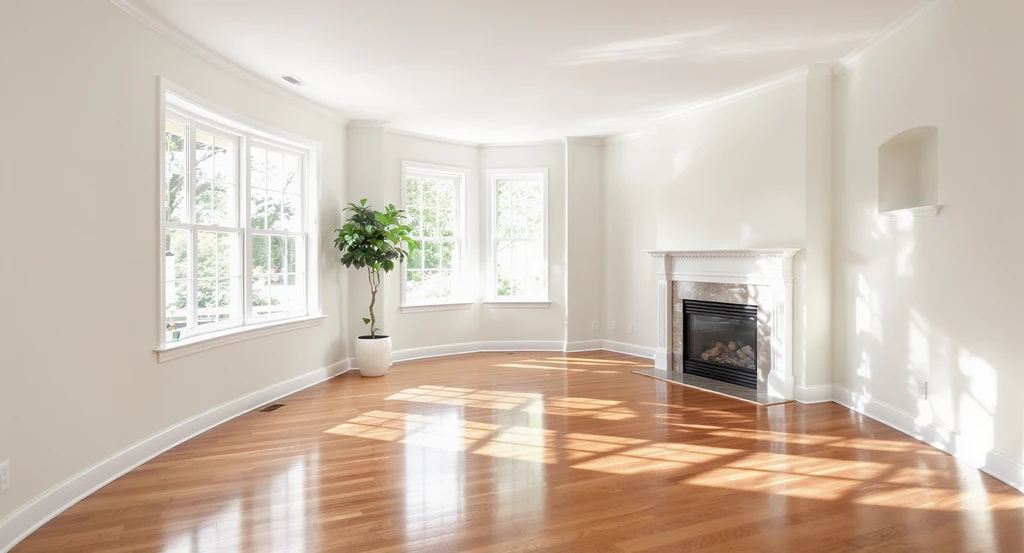
A side-by-side living room comparison shows what buyers notice in listing photos—empty spaces hinder visualization, while virtual staging reveals room scale and purpose. This demonstrates the emotional impact of real estate photos, how lighting affects listing performance, and the effectiveness of virtual staging versus real staging for avoiding common listing photo mistakes.
Empty rooms often create more confusion than clarity. Without familiar furniture or visual reference points, buyers struggle to understand the size of the room, how it functions, or how daily life could fit inside the space.
As a result, rooms can feel smaller, colder, and harder to imagine living in. This is where thoughtful virtual staging becomes useful. Instead of exaggerating the home, it helps buyers better understand the room’s potential and purpose.
Platforms like REimagineHome.ai help sellers and agents create realistic previews that improve understanding while still feeling honest and believable.
As explained in our virtual staging strategy guide, the goal is not fantasy or overdesign. The goal is helping buyers picture the space more clearly and confidently.
-
Real-World Constraints: Not Every Home is a Showpiece
- Perfect lighting and luxury finishes are rare, but buyers still expect clarity and honesty in listing photos.
- Even modest homes can stand out when they clearly communicate space, function, and care through clean surfaces, logical room setups, consistent lighting, and realistic editing.
-
Common Listing Photo Mistakes to Avoid
- Overediting: Heavy edits can reduce trust and create disappointment during tours.
- Hiding rooms: Missing bedrooms or bathrooms can make buyers suspicious of larger issues.
- Super-wide lenses: Unrealistic room proportions often damage credibility in person.
- Undefined spaces: Every room should have a clear purpose so buyers can understand how it could function.
- Unsequenced images: A logical photo flow helps buyers mentally navigate the home more easily.
See our post on common photo mistakes to learn how these issues affect buyer trust and listing performance.
-
The Operational Imperative: Scaling Listing Media
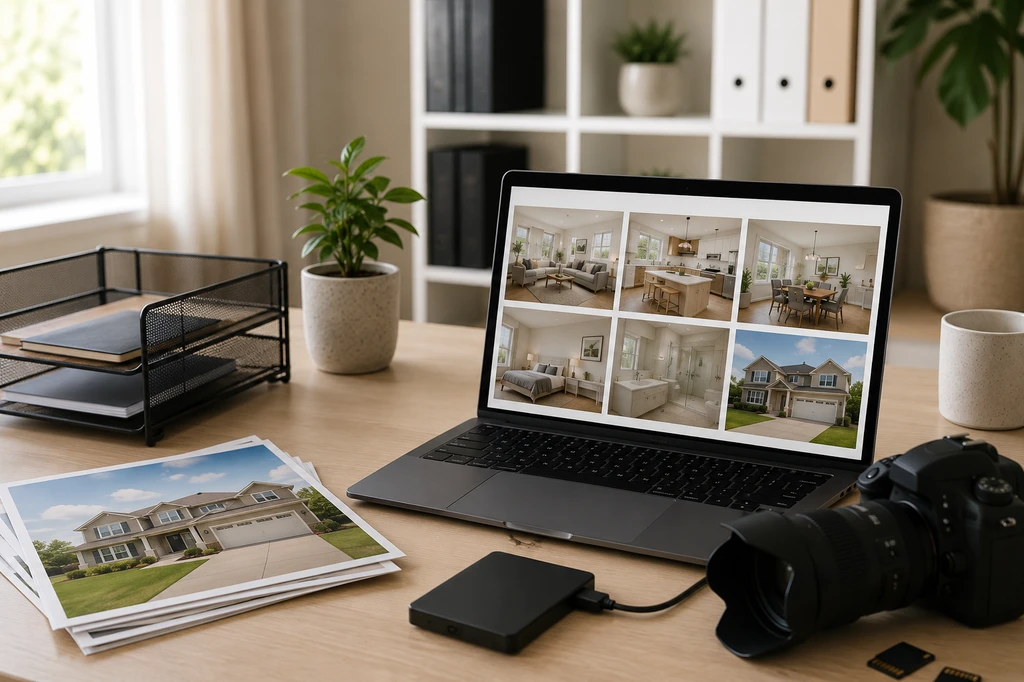
Consistent, organized, and compliant listing media helps brokerages scale quality while building stronger buyer trust
For agents and brokerages, listing media is not just emotional marketing. It is also a workflow and compliance challenge that requires consistent editing, fast turnaround times, organized assets, and MLS-ready visuals.
As discussed in our discussion of photo editing truths, inconsistent visuals can slowly reduce buyer trust across listings.
Platforms like Styldod Smart Media Module help teams maintain cleaner, more scalable, and compliant listing visuals across every property, not just the easiest ones.
-
Framework: The Buyer Perception Chain
- What buyers see → What they feel → What they decide: Listing photos directly shape buyer emotions and decision-making. Clean, honest, and well-organized visuals reduce hesitation and help buyers move forward with more confidence. Platforms like Styldod and REimagineHome.ai support this full decision journey, not just the final appearance.
-
Practical Advice: Improving for Real-World Results
- When to invest in better visuals: Prioritize visual clarity for new listings, relisted homes, and properties with difficult layouts or outdated finishes.
- Best practices: Use natural light when possible, give every room a clear purpose, organize photos in a logical order, and keep edits realistic and subtle.
- Mistakes to avoid: Avoid heavy retouching, inconsistent image angles, missing important rooms, or visuals that make the home feel emotionally cold.
- Operational perspective: Teams managing many listings should treat media as a repeatable workflow instead of a one-time creative task. Testing photo approaches and collecting buyer feedback can improve long-term listing performance.
For a practical way to preview design or staging changes before committing, explore REimagineHome.ai visualizations.
-
Compliance, Disclosure, and Trust
Trust in real estate depends on honest visuals. Overedited listing photos can reduce buyer confidence and create MLS compliance issues.
Realistic enhancements and clear disclosure help buyers trust the listing. As explained in our guide on DIY virtual staging essentials, visual transparency is key to long-term trust and compliance.
Visualization Scenario
When listing photos feel natural, easy to follow, and believable, buyers can quickly picture themselves living there. Even if the home is not the most luxurious, that sense of comfort and honesty is often what makes people save the listing and contact their agent.
Frequently Asked Questions
- What do buyers notice first in listing photos?
Lighting, clutter, cleanliness, and the initial exterior shot create the biggest impact within seconds. - Why do dark listing photos perform poorly?
They often make rooms feel small and uninviting; buyers may also suspect flaws are being hidden. - Do buyers trust virtual staging?
Yes—if it’s realistic and clarifies room function. Unrealistic staging or missing disclosure can erode trust. - Why do buyers zoom into photos?
To look for maintenance red flags, assess surfaces, and estimate needed repairs or updates. - Can poor listing photos reduce buyer interest?
Absolutely. Confusing, misleading, or low-quality visuals quickly create hesitation and emotional distance. - Why is layout clarity so important?
Buyers want to visualize how everyday life would work. Clear room flow and logical galleries make dreaming easier. - Are overedited listing photos risky?
Yes. Heavy edits increase disappointment risk during showings and can impact compliance. - What makes listing photos feel trustworthy?
Consistent lighting, honest editing, accurate proportions, and clear photo order foster trust and interest.
Conclusion
The best listing photos help buyers quickly understand the home and trust what they are seeing. Most buyers are subconsciously asking, “Can I live here?” and “Can I trust this listing?”
Clear, realistic visuals combined with a consistent media workflow reduce confusion and help buyers move more confidently from scrolling to scheduling a showing.