Biophilic Home Design in 2026: Your Complete Wellness Upgrade Guide
Why Biophilic & Wellness Design Matters in 2026
Explore how ai biophilic home design upgrades 2026 and virtual staging for wellness homes create tranquil, multigenerational living spaces with natural elements.
Homes in 2026 are increasingly designed to support health as well as aesthetics. Instead of decorating with nature-inspired accessories alone, homeowners are prioritizing daylight, indoor plants, natural materials, healthier air, and flexible layouts that contribute to everyday comfort. This guide answers the most common questions about creating a biophilic, wellness-focused home using practical improvements that fit different budgets and living spaces.
-
What is biophilic and wellness-focused home design in 2026?
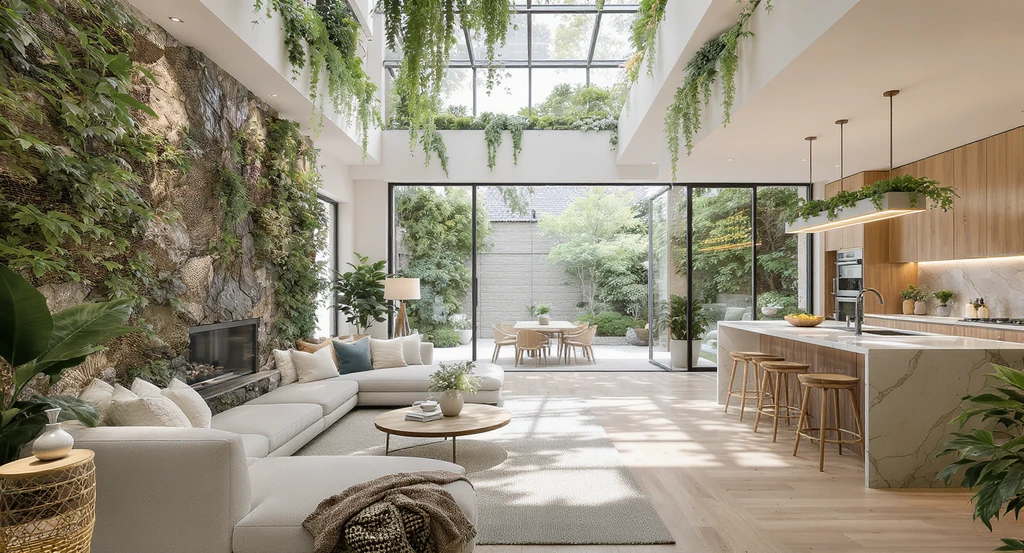
Biophilic home design in 2026 means bringing nature indoors through abundant natural light, lush plants, organic materials, and soothing layouts that create calm and comfort. Wellness-focused upgrades help reduce stress, improve air quality, support restful sleep, and enhance everyday well-being. These approaches are especially valuable for modern families seeking harmony. You don't need a full renovation—simple, thoughtful changes can create beautiful and meaningful improvements.
Modern biophilic design is built on three key principles:
- Maximizing natural elements such as daylight, indoor plants, water features, and natural materials.
- Strengthening the connection between indoor and outdoor spaces through larger windows, garden views, and seamless transitions.
- Creating healthier daily routines by improving light quality, indoor air, acoustics, and incorporating calming textures and finishes.
-
How can I make my primary suite a biophilic sanctuary for better sleep?
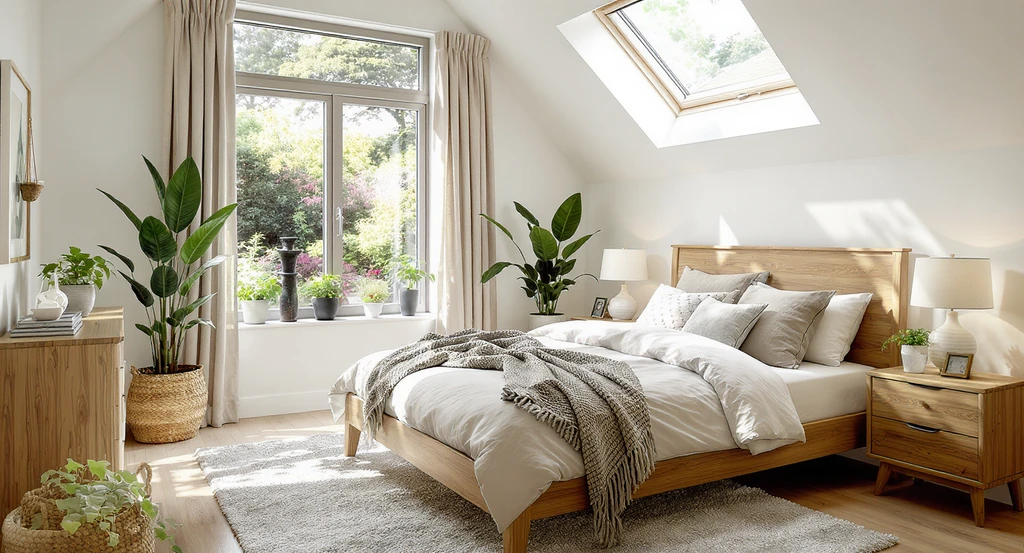
How ai visualizes biophilic interiors: Virtual staging of a serene primary suite with linen bedding, easy-care plants, natural wood, and a tabletop water feature—showcasing ai biophilic home design upgrades 2026 for wellness-focused bedrooms.
You can transform your bedroom by maximizing natural light, swap in linen curtains or add a skylight if possible. Place your bed to face a window or garden view. Choose one large floor plant or two to five smaller plants depending on room size. Prioritize species that tolerate bedroom conditions, such as snake plants, photos, or peace lilies. Layer tactile materials such as wool rugs, linen bedding, and wooden accents. Even placing a tabletop water fountain or small herb garden by the window can foster relaxation. According to our wellness design blog, these simple additions dramatically support circadian rhythms and morning mood.
-
What are easy, effective biophilic upgrades for a home office?
Boosting wellness and productivity starts by positioning your desk near a window for daylight and outdoor views. Add mirrors to bounce light around. Use 2–3 desk plants or a vertical garden, which purify the air and offer visual relief during screen time. Incorporate natural elements: a wooden desk, rattan wall panels, and woven baskets. For acoustic comfort, add cork or felt panels. A few well-placed plants are generally enough to soften the workspace visually and strengthen the connection with nature without creating clutter.
-
How do I create living areas that connect indoor and outdoor spaces?
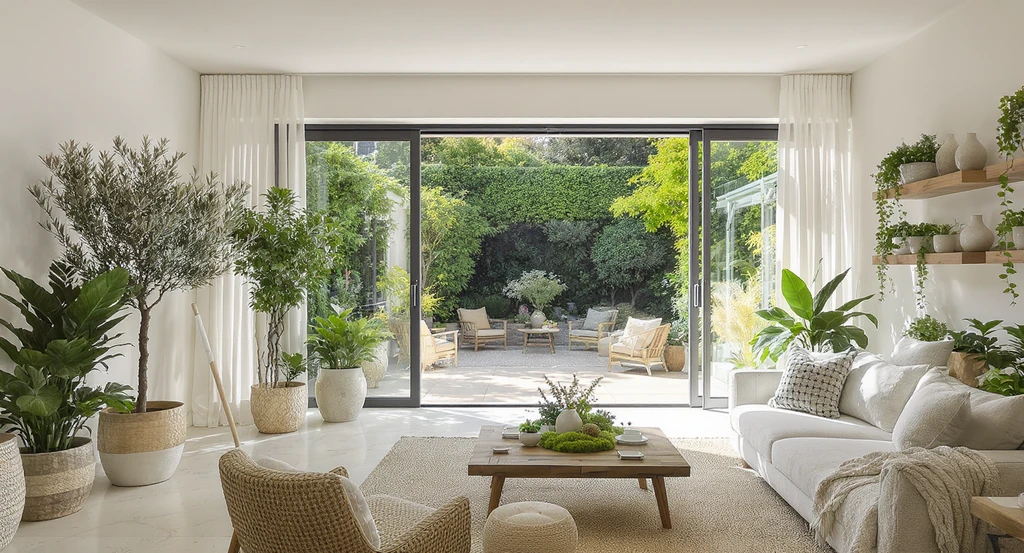
This ai biophilic home design upgrade for 2026 uses virtual staging to seamlessly connect indoor and outdoor spaces, blending reclaimed wood, linen, and greenery for wellness-focused living areas.
Choose larger windows, sliding glass doors, or French doors to unify inside and outside. Bring the outdoors in with potted olive trees or tall plants near entrances. Use materials with organic textures, reclaimed wood, bouclé or linen, and stone details. Rugs can also ground the space, see how the right rug anchors biophilic rooms in our biophilic rug feature. Try floating shelves with trailing plants or living centerpieces with moss or succulents to create inviting nature zones.
-
What makes a bathroom feel spa-like and wellness-focused?
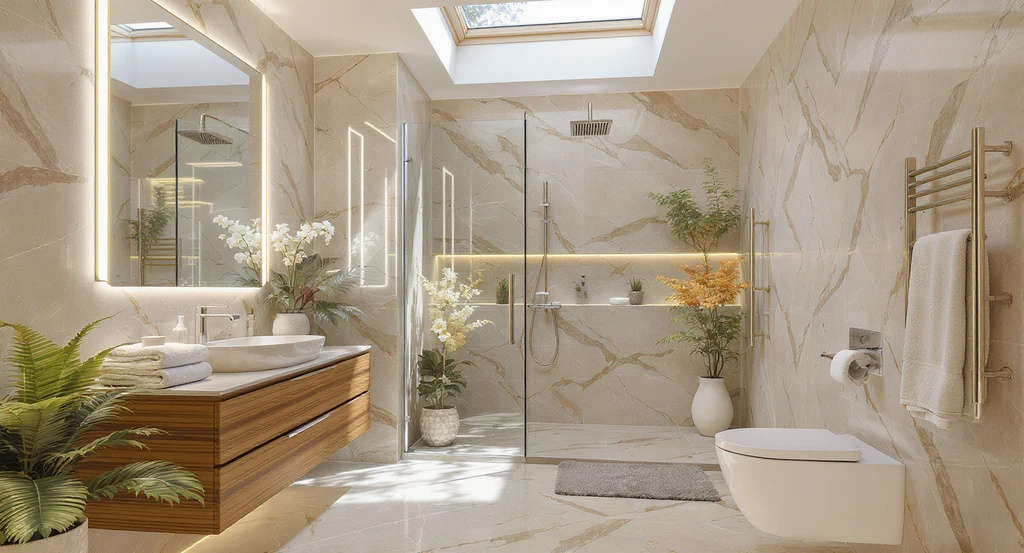
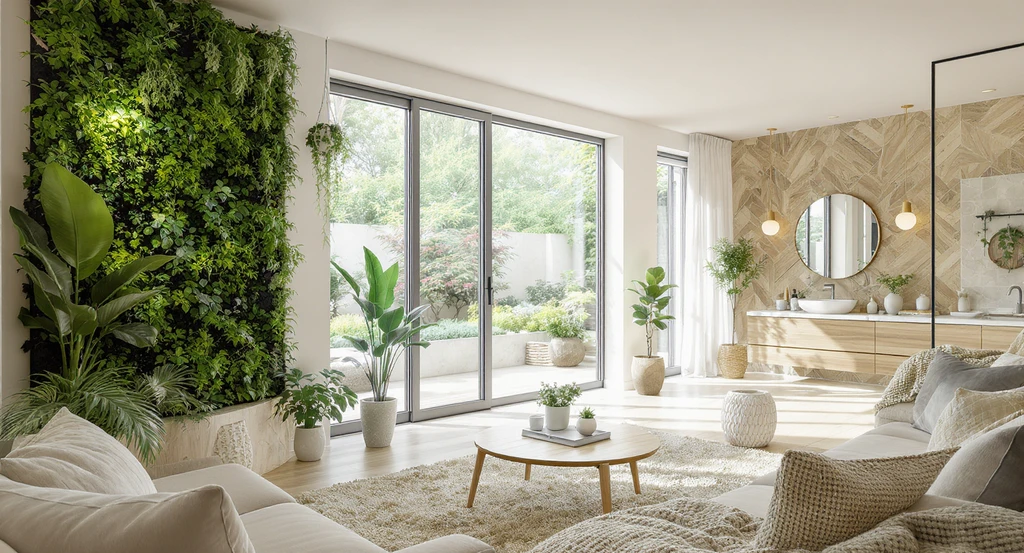
This image, virtually staged for wellness homes using ai biophilic home design upgrades 2026, showcases a spa-like bathroom with natural stone finishes, humidity-loving plants, and soothing water features that exemplify how ai visualizes biophilic interiors for multigenerational living.
Transform bathrooms by layering natural materials like travertine, marble, or stone-style porcelain tiles. Add humidity-friendly plants (like ferns or orchids), warm wood vanities, and soft, organic textiles. Lighting is key: consider dimmable skylights or LED mirrors that mimic daylight. Water features, such as rainfall showerheads or a small tabletop fountain, soothe the senses. Practical touches, such as non-slip stone tiles and stylish grab bars, ensure safety while preserving a luxurious spa feeling.
Moisture-resistant natural materials such as teak, bamboo, and stone-look porcelain provide warmth while remaining practical for humid environments.
-
Which upgrades best support aging in place and multigenerational living?
Flexible layouts, wider doorways, and zero-threshold showers cover accessibility needs without sacrificing elegance. Use lever handles, built-in seating, and adjustable-height counters. Biophilic integration, like window seats overlooking gardens, at-hand plants, and maximized natural light, provides comfort for all ages. Adaptable zones (e.g., a guest suite as a wellness room) and green dividers add privacy. Universal design principles, detailed in our wellness upgrades overview, keep your home welcoming through every life stage.
-
Are biophilic & wellness upgrades budget-friendly and sustainable?
Absolutely. Start small by swapping curtains and adding several houseplants (with a modest budget). Scale up with investing in natural rugs, LED lighting, or reclaimed wood as your budget allows. Many biophilic choices, like low-VOC paints, organic linens, and bamboo, are eco-friendly, highlighted in our sustainable home trends for 2026. Opt for realistic, long-lived plants and durable natural materials for the best impact.
-
How does AI enhance biophilic and wellness home design?
AI-powered visualization tools help you preview real-life transformations before making changes. You can upload a photo of your space and see different plant placements, color palettes, and furniture layouts virtually. This reduces uncertainty, avoids costly mistakes, and lets you experiment creatively. Visualization is especially valuable in planning spa-like bathrooms, flexible multigenerational areas, and biophilic decor, our AI plant decor guide walks you through the process.
-
What’s an overlooked insight about biophilic & wellness upgrades?
Many believe biophilic design is only visual. In reality, touch, scent, and sound are equally important for a wellness-focused home. Think beyond greenery, incorporate textured materials (like linen, stone, or reclaimed wood), subtle natural scents (herb planters, eucalyptus), and gentle sounds (indoor water fountains) for a holistic sensory experience. These multisensory touches greatly increase the calming effect.
-
Is it a misconception that biophilic upgrades require full-scale renovation?
Yes, a common misconception is that creating a nature-inspired, wellness-first home is only possible with major remodels. In truth, most powerful upgrades are achieved with thoughtful styling: adding plants, rearranging furniture for light and flow, layering texture, and making small material swaps. Focus on gradual changes to avoid overwhelm and enjoy cumulative benefits, as illustrated in our room-by-room upgrade advice.
-
What are the most practical recommendations for getting started?
Assess your current natural light and maximize it with sheer, organic window treatments. Introduce 5–10 plants suited to your room’s conditions. Layer organic textures, wood, linen, rattan, or jute. Update lighting for warmth and coverage. Use AI tools to visualize nature-inspired changes before committing. As noted in our practical plant decor guide, start with shoppable, well-matched plants for your skill level and light availability.
-
How do I decide which biophilic and wellness upgrades are right for my space?
Start by identifying your priorities: deeper sleep, more focus, better air, or adaptable living. Consider your home’s style, natural light, and how much maintenance you can manage. Use visual inspiration and digital previews to experiment before committing. For larger investments (e.g., living walls, stone finishes), weigh upfront cost against longevity, resale value, and sustainability. Stepwise change is key, build confidence with each improvement.
Frequently Asked Questions
- How quickly will I notice a difference after adding biophilic and wellness upgrades?
- Many people report improved mood, energy, and sleep quality within days of making changes such as adding plants and increasing natural light. Over time, benefits build as your home environment becomes more supportive and nurturing.
- Are these upgrades suitable for small apartments or limited spaces?
- Absolutely. Use vertical gardens, hanging planters, and window-focused layouts. Small touches—like shelf-mounted trailing plants and reflective surfaces—bring nature's calm to even the coziest spaces.
- Do I need a big budget to enjoy biophilic and wellness-focused design?
- No. Start with affordable steps like adding plants, swapping in linen textiles, or repainting with soothing earth tones. Gradual upgrades, such as investing in natural flooring or energy-efficient windows, provide lasting value as your budget grows.
- What if my interior has little natural light?
- Try mirrors to reflect available sunlight, circadian-friendly LED fixtures, and choose plant species that thrive in low light (e.g., snake plants, ZZ plants, or pothos). Artificial daylight bulbs can replicate the effect for both plants and people.
- How do I visualize different options before deciding?
- Upload photos of your rooms to the REimagineHome AI visualization tool to see a range of plant placements, color palettes, and material schemes tailored to biophilic, wellness-inspired living.
Summary: Creating a Harmonious, Nature-Inspired Home in 2026
Biophilic and wellness-focused home upgrades elevate daily well-being, whether you’re refreshing a suite, planning a spa bath, or supporting multigenerational living. The most meaningful changes are often simple and affordable, prioritize light, greenery, and tactile comfort. Rely on visualization tools and practical advice to ensure lasting results that fit your goals and budget. Your harmonious sanctuary can start with just one thoughtful upgrade.