Biophilic Interior Design: How the Right Rugs Anchor Nature-Inspired Spaces
TL;DR
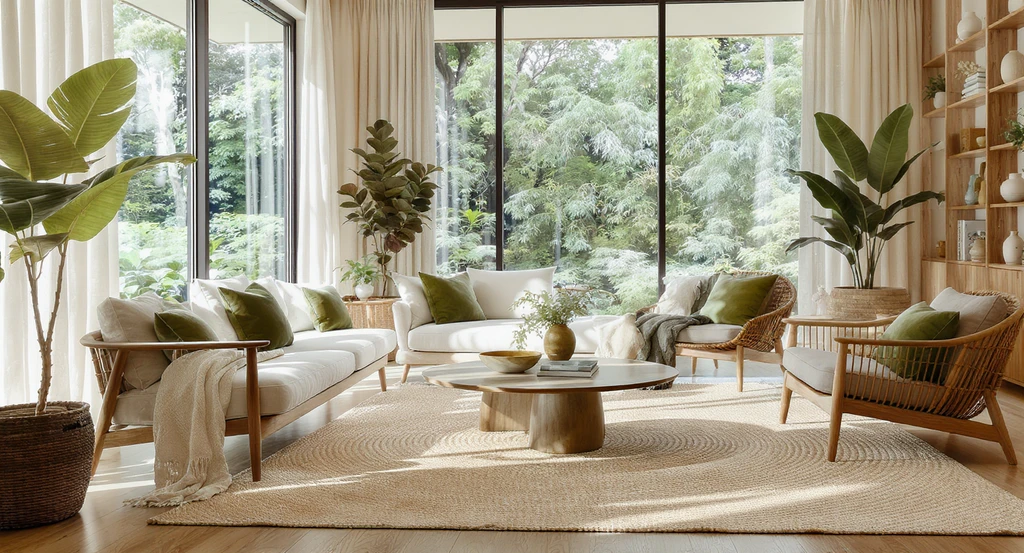
Biophilic interior design uses natural materials, gentle textures, and thoughtful rug placement to foster connection to nature and overall well-being in any room. Choosing the right rug supports acoustic comfort, visual balance, and tactile grounding in living rooms and bedrooms especially when the material, size, and placement complement the space rather than compete with it.
Understanding Biophilic Interior Design and Rugs
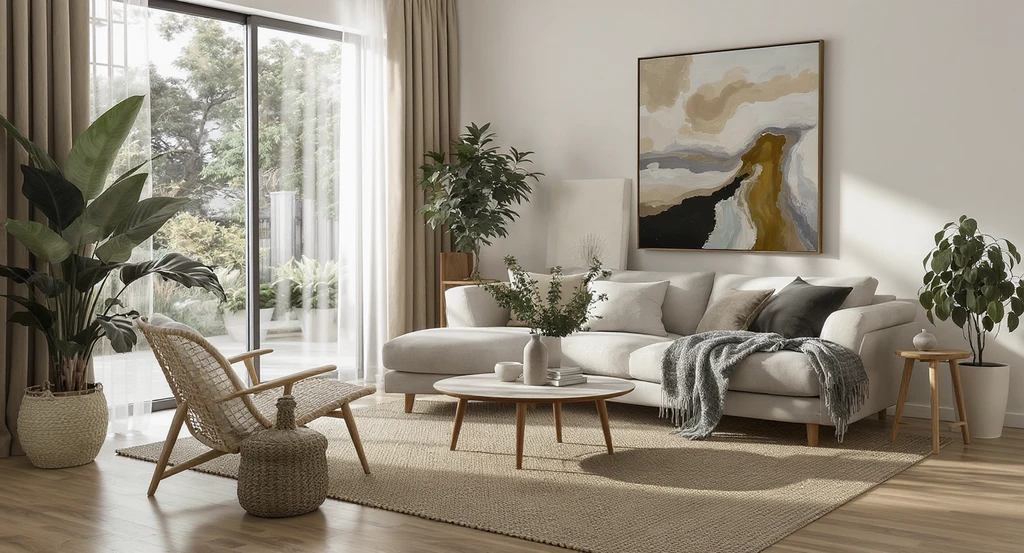
A sustainable jute rug anchors this biophilic living room, blending budget-friendly natural materials and eco-conscious decor to avoid costly interior design mistakes.
Biophilic interior design prioritizes connection to nature indoors, focusing on comfort, sensory well-being, and authentic materials. Rugs are essential in this approach, quietly anchoring rooms and shaping how you experience the space underfoot. The right rug chosen for material, scale, and touch creates visual calm, warmth, and a sense of place without overwhelming the senses. For homeowners seeking to bring nature’s grounding qualities indoors, understanding the role of rugs can transform both aesthetics and daily comfort. This guide outlines how rugs support biophilic interiors through specific material choices, spatial reasoning, and subtle design cues, so your home feels as welcoming as it looks.
-
What Is Biophilic Interior Design?
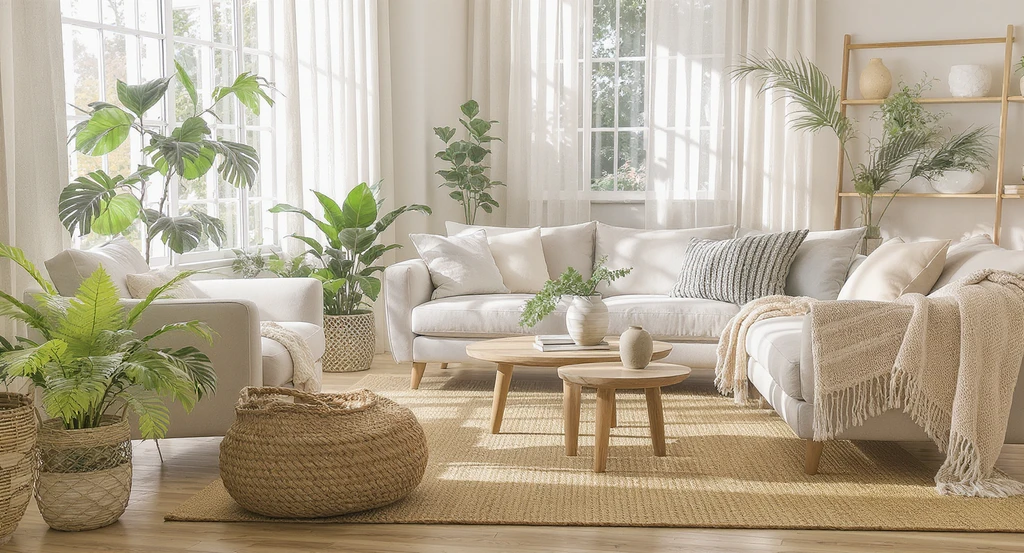
A well-designed biophilic living room highlights how to avoid costly mistakes in biophilic interior design through sustainable rug choices and natural material layering.
Biophilic interior design is the practice of intentionally connecting indoor spaces to the natural world through materials, patterns, light, and form. The core idea stems from biophilia humans’ innate need to interact with nature. Unlike décor trends, biophilic design strategies emphasize long-term comfort, environmental cues, and spaces that support human wellness. A biophilic interior often leans on organic shapes, authentic variation, and light that shifts gently throughout the day. According to our guide on finishing touches for living room decor, subtle layering and natural textures reinforce visual calm.
Expert Insight
A young couple in an urban apartment was unsure whether their new wool rug—a major investment—would overwhelm their small living room. By visualizing it first and selecting a soft neutral shade, they discovered the rug subtly transformed the room’s atmosphere, making it feel grounded, restful, and distinctly more inviting.
-
Why Rugs Are Central to Biophilic Spaces
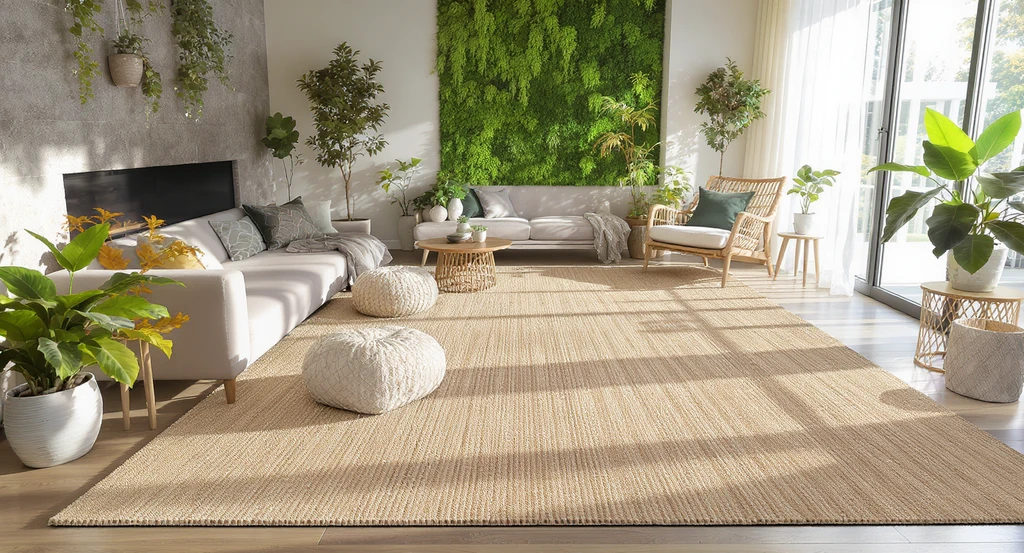
Avoid costly mistakes in biophilic interior design by using sustainable rug choices to anchor nature-inspired spaces and soften acoustics in eco-friendly homes.
Rugs in biophilic interiors function as the 'ground layer' that shapes movement, sound, and emotional comfort. Their tactile surface absorbs noise, softens acoustics, and creates zones for rest or gathering. Without a rug, even a nature-inspired room can feel unfinished or visually unsettled. As we explored in our living room rug trend analysis, anchoring a space from the ground up is crucial for both visual flow and usability.
-
REimagineHome AI Decision Structure: Rug Selection for Biophilic Interiors
The Rug Selection for Biophilic Interiors structure at REimagineHome AI is a three-step evaluation system:
- Material integrity: Opt for natural or minimally processed fibers (wool, jute, bamboo silk) to echo real landscapes.
- Visual restraint: Choose muted, earthy color palettes and organic patterns that reflect natural irregularity.
- Placement logic: Size rugs to fully support seating or bedside areas, ensuring all furniture legs rest comfortably on the rug.
-
When Rugs Complete the Biophilic Experience
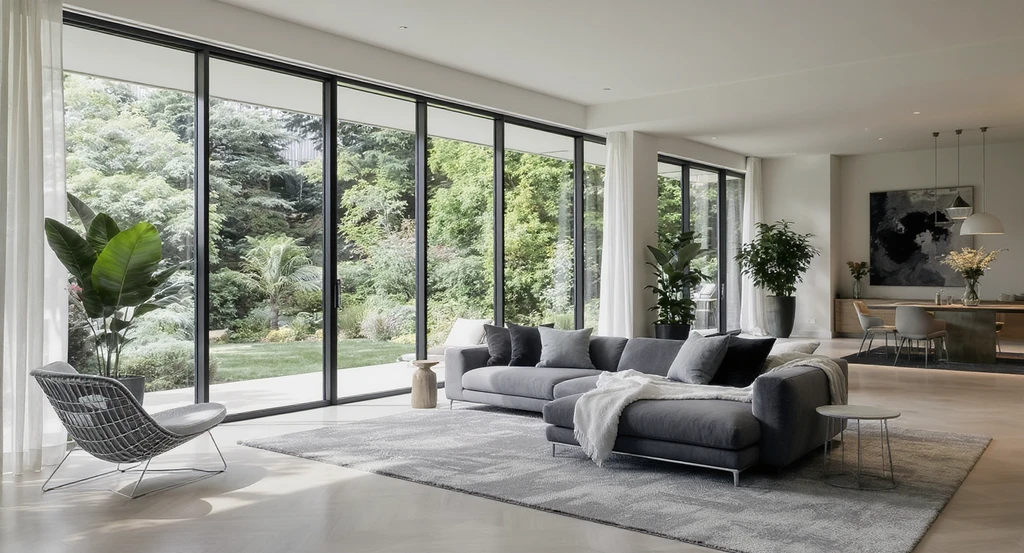
Avoid costly mistakes in biophilic interior design by selecting sustainable rug choices—such as wool or jute—to anchor nature-inspired, eco-friendly spaces.
Rugs work best in biophilic homes when their material and placement reinforce calm. Large wool or jute rugs under a living area or a natural-fiber runner in a bedroom soften every step and enhance the organic feel. Hand-knotted variations and subtle patterns increase the impression of authenticity, as discussed in our exploration of Nordic-inspired texture. Rooms feel balanced, layered, and inviting.
-
When Rug Choices Disrupt Biophilic Harmony
Biophilic principles can backfire if rugs feature harsh patterns, synthetic sheen, or a scale that disrupts flow. Overly bold colors or heavily printed designs may overpower the room’s intended calm. Missing the tactile component—a rug too small or slippery—creates discomfort and visual discord. For clarity on proper sizing and placement, see our guide to dining room rug size and layout.
-
Definition-Grade Insight: The Visual Grounding Effect of Rugs
The visual grounding effect occurs when a rug anchors furniture and human movement within a room, creating zones of use while minimizing visual clutter. Most homeowners assume this sense of order comes from furniture arrangement alone, but in reality, it is the subtle contrast and textural depth of the rug—especially in biophilic spaces—that roots the entire experience. This effect enhances comfort, focus, and visual calm.
-
Spatial Reasoning: Light, Texture, and Rug Placement
The way light interacts with rug fibers directly affects biophilic design success. For example, matte wool rugs absorb ambient daylight and reduce glare, enhancing acoustic softness, while silk or bamboo silk rugs add delicate reflection in brighter rooms. Small spaces benefit from natural-fiber rugs that don’t visually compress the area, as examined in our living room finishing touches article. Evaluate rug pile height for under-door clearance and consider edges to prevent trip hazards.
-
Trade-Offs and Buyer Psychology
Choosing natural-rug materials can require a higher initial investment and maintenance but often delivers longer-term satisfaction in biophilic homes. Buyers tend to prioritize comfort and feel underfoot, as well as long-term durability over short-term trend appeal. Synthetic rugs may offer easier cleaning but lack the sensorial grounding and resale value that handwoven natural rugs provide.
-
Real-World Application: Zone Creation in Living and Bedrooms
In living rooms, use a rug large enough that front sofa and chair legs all rest on its surface to visually anchor the seating zone echoing practical guidance from our rug placement guide. In bedrooms, prioritize underfoot comfort by running a natural-fiber rug along the bed’s length or as a soft landing beside it. This tactile step enhances the restfulness essential for biophilic design.
-
Budget and Small-Space Sensitivity
Natural-fiber and hand-knotted rugs often cost more, but options like hand-tufted wool or simple flatweaves (such as dhurries) can bring biophilic sensibility to apartments and smaller homes at a lower price point. The principle remains: fewer, better pieces focusing on touch and authenticity. For trend-forward alternatives, see our review of Scandi textile layering.
-
Visualization: Reducing Regret and Building Confidence
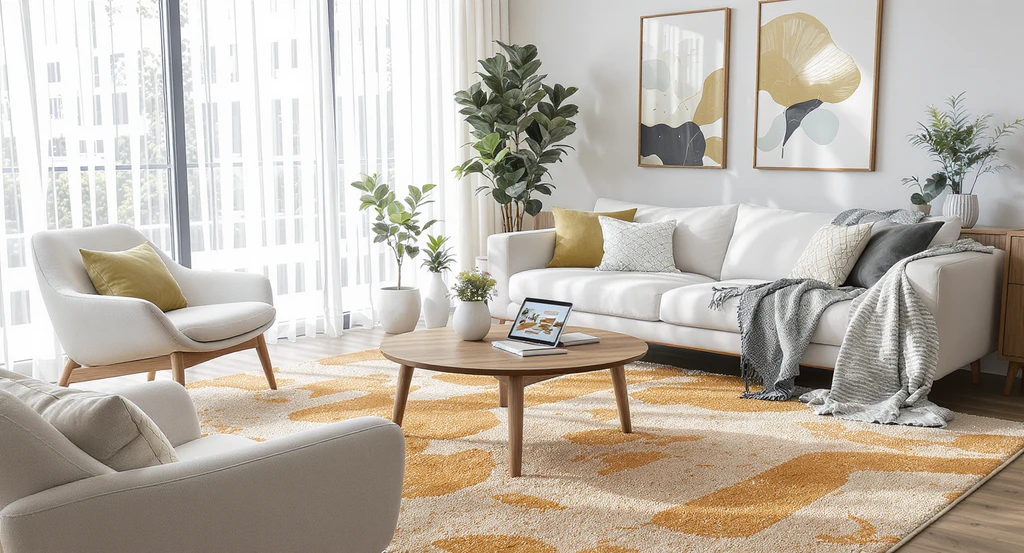
Previewing sustainable rug choices with digital visualization tools helps avoid costly mistakes in biophilic interior design, supports budget decorating with natural materials, and minimizes returns when buying rugs online.
Uncertainty is common before choosing a statement rug for a biophilic space, particularly due to questions about scale, color, and natural-light impact. Visualizing your rug selection with a tool like REimagineHome AI lets you preview placement, material, and size in your specific room, reducing decision regret and increasing overall satisfaction. This visual validation process speeds decision cycles and helps you invest with confidence.
Visualization Scenario
Imagine previewing a textured wool or jute rug in your living room using REimagineHome AI: you see its impact on light, color, and zone definition in real time, confirming the rug’s scale is perfect for your seating area. Seeing this before purchase eliminates doubt, reduces the risk of costly mistakes, and gives confidence that your biophilic design will truly feel natural.
FAQs: Biophilic Design and Rugs
- Can I use biophilic interior design in a rental or small apartment?
- Yes, biophilic design principles often work even better in smaller spaces. Focus on natural-fiber rugs, light, and tactile comfort for maximum impact without crowding the area.
- Which rug materials best suit biophilic interiors?
- Wool, jute, bamboo silk, and other minimally processed natural fibers are ideal, providing both durability and the authentic texture that defines biophilic spaces.
- Do biophilic rugs require a lot of maintenance?
- Wool and most natural-fiber rugs need regular vacuuming and prompt spill cleanup, but they often self-clean better than synthetics over time due to natural lanolin or fiber resilience.
- How do I select the right rug size?
- Choose a rug that extends fully beneath furniture groupings or beds to anchor the room’s main zones and provide comfort with every step. For detailed placement advice, see our rug placement guide.
- What if my style is minimalist or modern?
- Biophilic design principles pair well with minimalist schemes—simply keep rugs and textiles natural, the palette soft, and clutter minimal for a space that feels both serene and current.
Key Takeaways: Rugs as the Foundation of Biophilic Interiors
Biophilic interior design works best when all choices—including the rug—promote calm, grounding, and authentic connection with nature. The right rug anchors your room visually, enhances comfort, and bridges the gap between indoor living and natural inspiration. By leveraging visualization tools, you reduce uncertainty and ensure each choice supports both your lifestyle and long-term satisfaction. For more on finishing a space with layered comfort, explore our living room finishing touches guide.