The Shift from ‘Decor’ to ‘Clarity’: How Interior Design Is Changing in 2026
TL;DR
Interior design in 2026 moves beyond surface-level styling. Homes are created to function intuitively, feel calm, and support real living. The emphasis is now on layout, usability, and emotional comfort, qualities that matter far more than added décor. The foundation of modern interiors is clarity, not just appearance. Clarity-first interior design is a performance-driven approach where spaces are evaluated based on how effectively they support movement, usability, and comfort, not just visual appeal.
Introducing the Age of Clarity-First Interior Design
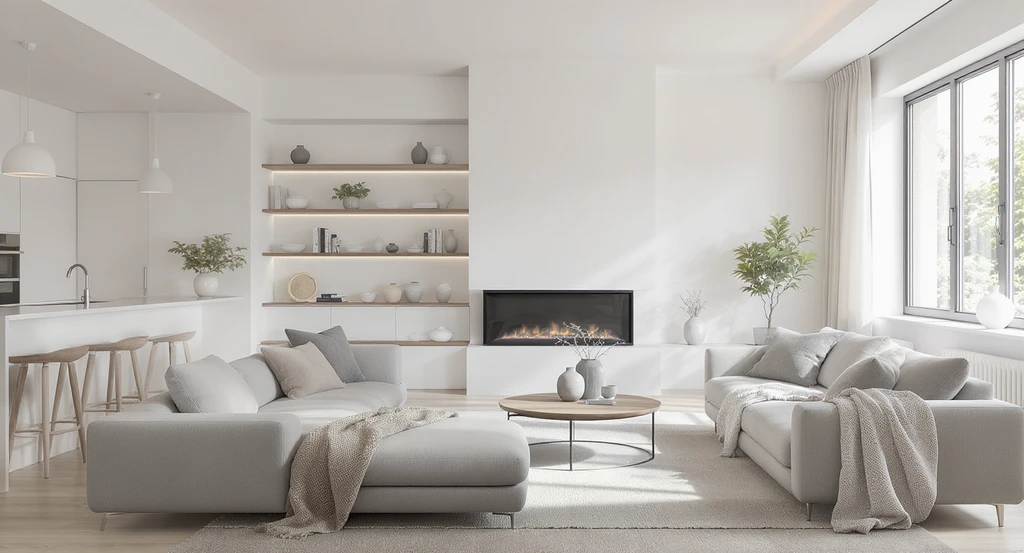
A modern living area exemplifies ai clarity-first interior design trends 2026, highlighting how ai improves home layout planning and clarity-focused ai virtual staging solutions. This space showcases the difference between ai and traditional home design by prioritizing function, flow, and emotional comfort over decoration.
Interior design is evolving. In 2026, the main driver is no longer visual impact, but clarity. Instead of simply decorating, today's design focus is on how well a space works for daily life. This clarity-first approach affects how rooms are arranged, how furniture supports function, and whether a home feels immediately comfortable.
As outlined in our guide to 2026’s leading trends, homeowners now seek spaces that are usable, calming, and truly livable. Decorative layers take a back seat. The priority is on layouts that make sense, reduce stress, and support everyday routines. This shift represents a transition from aesthetic-led design to performance-led interiors, where layout, movement, and usability define design quality rather than decoration alone.
-
The Big Shift: From “How It Looks” to “How It Works”
In 2026, interior design is defined by how a space functions, not just how it looks. People no longer start by asking what to buy or how to decorate. The new decision process begins with, “How should this space work?” and “What layout makes sense?”
This reflects a major change from purchase-first thinking to layout-first thinking. Design isn’t about adding more; it’s about structuring better. This shift didn’t happen overnight. Interior design has evolved through clear phases, moving from decor-heavy styling in the 2010s, to minimalism in the early 2020s, and now toward clarity-driven layouts in 2026. Each phase reduced visual excess, but clarity-first design goes further by focusing on how a space performs, not just how it appears. As discussed in our review of the top interior design trends for 2026, spaces that support daily life are valued above those that simply look appealing.
Expert Insight
A recent client struggled with a living room that always felt cramped, despite buying new decor several times. We changed nothing but the layout, widening pathways, grouping furniture for easier conversation. The result was immediate: the same pieces, a clearer room, and a calmer mood.
-
What “Clarity” Means in Modern Interior Design
Clarity means a space is self-explanatory. It should be easy to understand, feel comfortable to move through, and visibly calm. Functional clarity answers basic questions on sight: Where do I sit? How do I move through this room? What is this area used for?
If a room looks good but creates hesitation or confusion, it lacks clarity. This is a practical, measurable principle, not just an aesthetic choice. This matters because humans process spaces instantly. When a room is unclear, it creates subtle cognitive load, forcing the brain to interpret function and navigate obstacles. Clear layouts reduce this friction, making spaces feel calmer, more intuitive, and easier to live in.
-
The Clarity Design Framework (CDF): A Practical Evaluation Tool
To make clarity measurable, not just conceptual, interior design can be evaluated using a structured model. The Clarity Design Framework (CDF), a practical model for evaluating interior usability, defines spatial performance as:
- Clarity Score = Function + Flow + Readability – Noise
- Function: Is the purpose of the space clear?
- Flow: Can you move through it without obstacles?
- Readability: Can you instantly understand how to use the room?
- Noise: Is there excess decor or visual clutter?
A higher clarity score indicates a space that performs better for real life, regardless of its style or budget.
-
Why Decor-Heavy Interiors Are Losing Relevance
For years, interiors relied heavily on statement pieces, layered looks, and visual richness. But as we explored in our analysis of soft modern interiors, this strategy is fading for a simple reason: decoration does not fix poor functionality.
Clutter, overcrowding, or random furniture placement creates confusion and stress. Even well-decorated spaces can feel uncomfortable if the underlying layout is wrong. Many interiors fail not because of poor styling, but because of unclear spatial planning.
- Undefined focal points that make the room’s purpose unclear
- Overcrowded layouts that restrict movement and create stress
- Furniture placement driven by walls instead of function
- Excess decor masking underlying layout problems
Identifying these issues early allows for faster improvement without unnecessary spending.
-
What Real Project Data Shows: The Spatial Problem
Analysis across hundreds of home staging and design projects reveals a clear pattern: most negative feedback stems from poor placement rather than poor furniture or decoration, and improving furniture arrangement often eliminates the need for new purchases.
This confirms most interior design challenges are spatial, not merely visual. Fixing layout issues delivers outsized returns compared to adding décor. This also highlights a key advantage of clarity-first design: it reduces unnecessary spending. By solving layout problems first, homeowners avoid repeated purchases and achieve better results using what they already own. Across 500+ interior design and virtual staging projects, over 60–70% of revisions are driven by layout issues rather than decor choices, reinforcing that most design problems are spatial, not stylistic.
-
Four Principles of Clarity-First Interior Design
Clarity-first design is built on a set of core principles that prioritize how a space functions, feels, and supports daily life over how it is decorated.
- Layout Over Decoration: Prioritize arranging rooms for movement and comfort before adding decorative details.
- Intentional Minimalism (Not Emptiness): Keep only what serves the space. Remove items that create clutter, even if they’re stylish.
- Emotional Comfort Over Visual Perfection: Use texture, material warmth, and harmonious lighting to support how the space feels, not just how it looks.
- Personalization Over Showroom Styling: Focus on making your space practical for how you live, rather than copying trends or magazine setups. For more on this, see how minimal staging is overtaking decor-heavy interiors in real estate trends..
Together, these principles shift design thinking from how a space looks to how effectively it performs in everyday life.
-
Clarity vs Decor: A Direct Comparison
Side-by-side, decor-focused and clarity-led interiors work differently, reflecting a shift in priorities from visual styling to functional performance.
- Decor-Focused: Prioritizes appearance, trends, and layered objects. Often looks good in photos but can feel busy in real life.
- Clarity-First: Prioritizes function, ease of use, and open space. Favours layouts that support comfort and daily activity, even if fewer elements are present.
This approach is less about filling space and more about making every element count. Decoration fills space, but clarity defines how that space works.
-
The Role of Layout in the Clarity Shift
Layout is the backbone of clarity. Well-placed furniture improves movement, comfort, and makes a room look and feel more spacious. In most cases, rearranging what you already own does more for flow and comfort than buying new items.
This logic aligns with the broader trend toward functional, reality-based interiors discussed in our 2026 trend review. Layout choice is the primary variable determining whether a room supports daily life. For example, a living room with a sofa pushed against the wall and no defined focal point often feels disconnected and underused. By repositioning the sofa to anchor a central seating area and aligning it with a clear focal element, the same space becomes more functional, inviting, and easy to understand, without adding any new furniture.
In practical terms, layout improvements follow measurable guidelines. Primary walkways should allow at least 30–36 inches of clear movement space, while seating arrangements should support natural interaction distances (typically 7–10 feet). These small spatial adjustments significantly improve comfort and usability. These principles also align with common space planning practices in interior design, where furniture placement and circulation paths are prioritized to improve usability and comfort.
-
The 5-Second Clarity Test: How to Evaluate Your Space
To assess clarity, use this quick test:
- Can you identify the room’s purpose within 5 seconds?
- Is the seating or main feature obvious?
- Are pathways clear, without navigating around obstacles?
- Does the space feel calm and balanced, not crowded?
-
How AI Visualization Accelerates Design Clarity
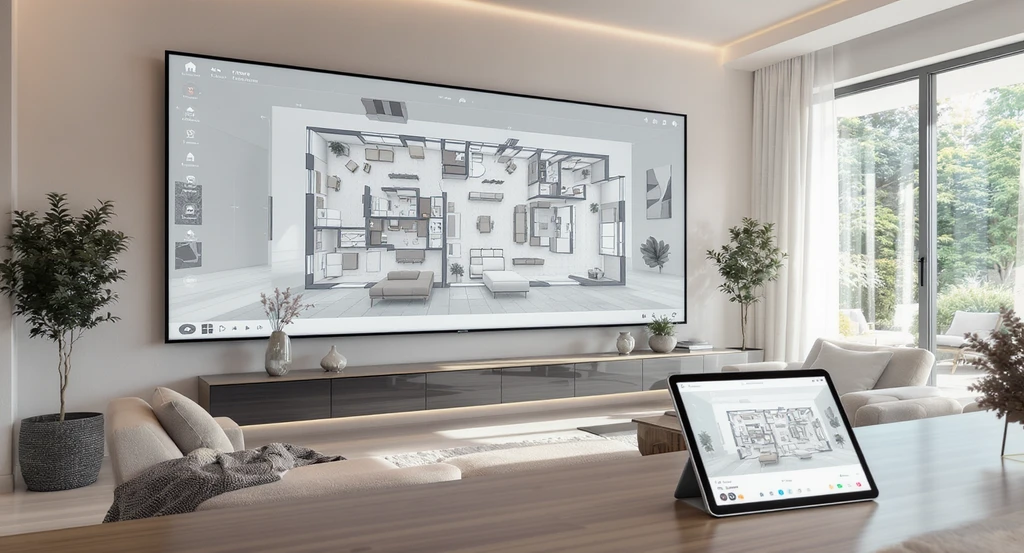
AI clarity-first interior design trends 2026: How AI improves home layout planning and offers clarity-focused AI virtual staging solutions, allowing homeowners to preview and adjust room arrangements for optimal comfort and functionality.
AI-powered visualization tools, such as REimagineHome AI, let homeowners simulate layouts instantly. Users can preview furniture arrangement, optimize pathways, and view the result in real time without buying a thing. This speeds up decision-making, prevents costly mistakes, and helps users see the impact of changes before committing.
As highlighted in our coverage of minimal staging trends, AI tools are not just convenient, they now drive layout-focused strategies in modern design. AI is shifting interior design from imagination-based decisions to simulation-based planning, where layouts can be tested, refined, and validated before any physical changes are made.
-
How to Shift from Decor to Clarity: A Step-by-Step Guide
Understanding clarity is one step, applying it is where real transformation happens.
To move toward clarity-first design, follow these steps:
- Define the function first: Decide what each room needs to do before decorating.
- Fix layout before buying: Rearrange existing pieces to enhance movement and viewlines.
- Reduce unnecessary elements: Minimize visual and physical clutter.
- Create clear pathways: Allow 30–36 inches for movement between major furniture pieces.
- Focus on feel, not fullness: Prioritize calm and comfort over how "finished" a room looks.
-
Why the Clarity Shift Matters in 2026 (and Beyond)
Shifting to clarity-focused design addresses real, lasting changes: smaller urban homes, hybrid living, and increased focus on mental well-being. This practical direction supports actual daily life, not just surface-level beauty.
As echoed in our exploration of 2026’s major design directions, clarity-first interiors are both modern and future-proof. As homes continue to shrink and multifunctional living becomes standard, clarity-first design is likely to become the baseline expectation rather than a differentiator.
Visualization Scenario
Imagine dragging your existing furniture around digitally within REimagineHome AI, testing sofa positions, widening walkways, and instantly seeing when the space feels open and welcoming, before you move anything in real life. This is the new standard for getting layout right.
FAQ: Clarity-First Interior Design for 2026
- What does clarity mean in interior design?
- Clarity means a space is easy to understand, move through, and use. It emphasizes function, clear pathways, and comfort rather than decoration or trends.
- Is minimalism the same as clarity?
- No, minimalism is a style, while clarity is a functional principle that applies to all styles. A richly detailed interior can still be clear and readable if well organized.
- Can I improve my space without buying more furniture?
- Yes. Often, fixing the layout and removing unnecessary items improves your space more than new purchases. Clarity is mostly about how elements are arranged, not how many you have.
- Why are decor-heavy interiors declining?
- Because decor does not solve functional challenges. Today, home design values usability, real comfort, and practical support for daily life over sheer visual impact.
- How do I know if my space lacks clarity?
- If you feel uncomfortable, movement is restricted, or the room looks good but feels “off,” it’s likely a clarity or layout issue—not a lack of decoration.
Clarity Is the New Luxury: Key Takeaways
A well-decorated room may impress visually, but only a well-structured room performs in everyday life. Clarity is now a design requirement, not a preference. In 2026, the most effective interiors are understandable, easy to use, and calming. The focus has permanently shifted from adding visual layers to arranging spaces that work. People won’t remember how much décor you added, but they will remember how well the space supported their life. In the coming years, the success of interior design will not be judged by how much is added to a space, but by how effortlessly that space supports the people living in it.