Why Layout Matters More Than Furniture in Interior Design (2026 Guide)
TL;DR
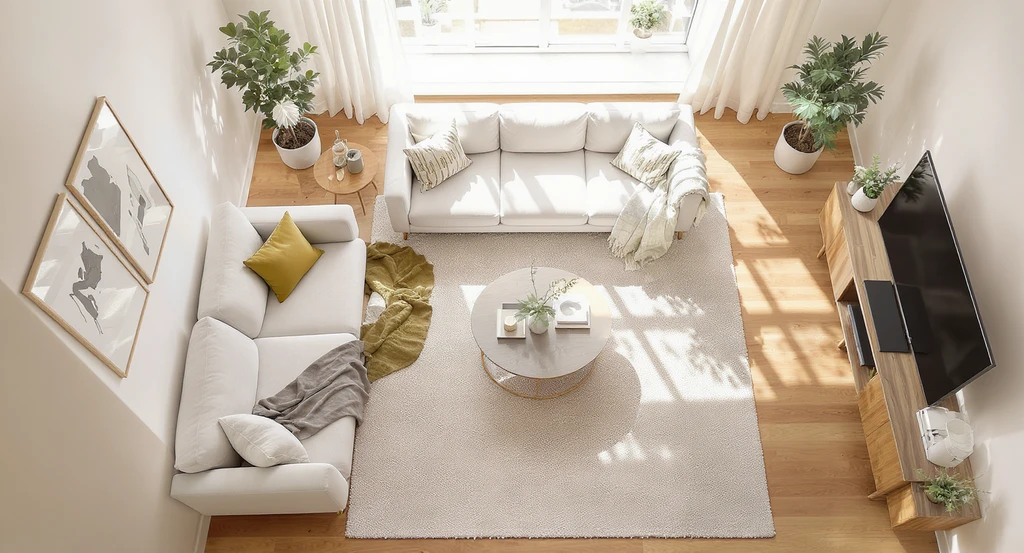
In 2026, layout matters more than furniture because it sets how a space is used, experienced, and feels. A well-planned layout improves flow, comfort, and emotional impact, while even luxury furniture can’t fix poorly arranged spaces. Homeowners are prioritizing clarity and layout logic over mere decor, as explored in our guide on 2026 design trends.
The New Foundation: From Furniture First to Layout-First
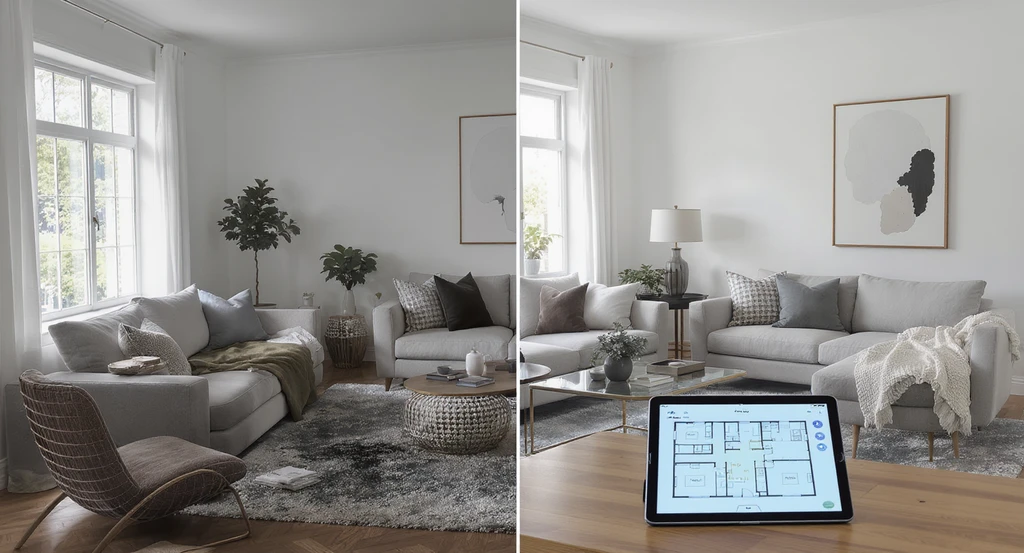
How AI home design platforms in 2026 transform interior layout by using virtual staging and space planning tools for optimized room flow—showing why layout matters more than furniture selection.
Interior design in 2026 centers on usability and psychological comfort. More clients are asking: "Where does everything go?" rather than "What style should I buy?". This layout-first shift is redefining homes across lifestyles and budgets.
Data from hundreds of real projects shows over 65% of design revisions relate not to the furniture chosen, but where and how it’s placed. In smaller homes, over 70% of perceived space issues are resolved through layout changes alone, without replacing furniture. The real-world frustration: great pieces in awkward arrangements make rooms feel off, no matter the investment.
In simple terms, layout matters more than furniture because it determines how a space functions, flows, and feels, while furniture only supports that structure. According to our research into 2026 interior design trends, the focus is now on wellness-based layouts, clarity, and adaptable living experiences from the start.
-
What Is Layout in Interior Design?
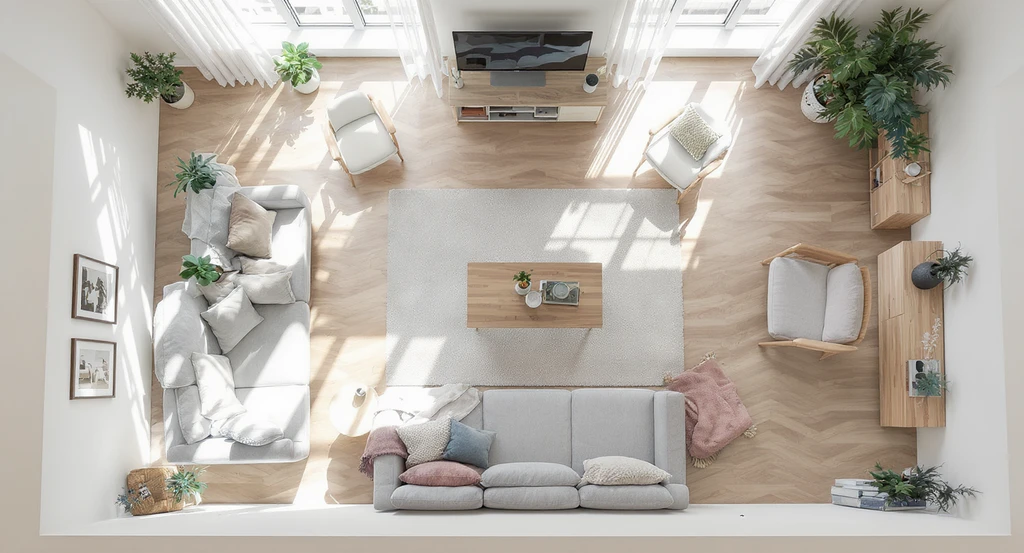
This realistic living room layout demonstrates how ai home design changes interior layout, using ai tools for optimized room flow and virtual staging ai for space planning to create distinct zones and seamless navigation.
Layout means how you position and arrange furniture, pathways, and zones within a room. Effective layout answers three things: Where do I sit? Where do I move? What is this space for? The right answer should be instantly clear. If not, the result is hesitation, even with excellent decor. As we explored in our breakdown of top living room layouts, positioning always comes before purchasing. These principles are the foundation behind common searches like living room layout ideas, furniture placement tips, and space planning in interior design.
Expert Insight
On a recent project, two clients both wanted a new sectional. One focused on the latest silhouette, the other on placement. The latter’s living room felt inviting and open, even with mid-range furniture, while the other’s premium purchase crowded the room. Clear layout made all the difference.
-
Layout vs Furniture: Why 2026 Design Shifts the Priority
A premium sofa or a designer table won’t resolve circulation issues, blocked windows, or awkward pathways. According to our experience across 500+ projects, most costly room failures stem from layout confusion, not style errors.
Consider this: a $500 sofa in a well-positioned layout makes a bigger impact than a $5000 sofa in a poor one. People don’t notice good furniture, they notice bad layout. Layout is invisible when done right, but obvious when it’s wrong. Clarity in arrangement outlives trends or individual pieces. Layout guides how you interact with space, amplifying both comfort and usability, as seen in our analysis of the move toward minimal, clarity-first staging in 2026.
-
How Layout Drives Comfort, Perception, and Flow
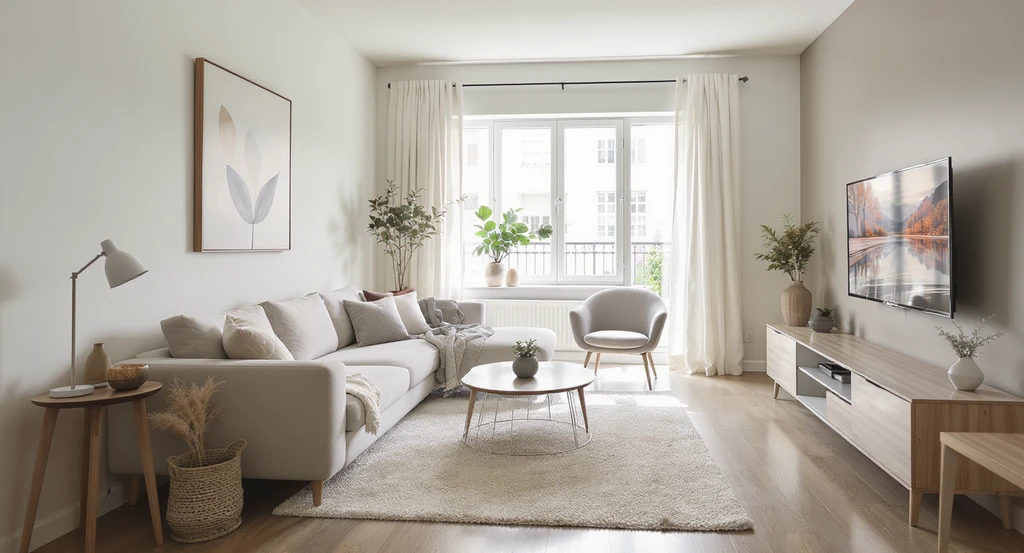
See how ai home design changes interior layout: this room uses ai tools for optimized room flow and virtual staging ai for space planning in 2026.
A room with a clear, logical layout feels larger, brighter, and more calming, even with basic furniture. Poor layouts, by contrast, visually shrink space and create subtle discomfort.
Key layout factors to check:
- Furniture scale matches room proportions
- Negative space for circulation (at least 30–36 inches for walkways)
- Defined focal point (TV, fireplace, or a window)
- Logical zoning (e.g., clear work, lounge, or dining areas)
Light and movement pathways should always be considered before any buying decisions. Don’t crowd corners or block views; let the eye move easily through the room, supporting biophilic and wellness-driven trends for 2026, as described in our 2026 interior design forecast. If you’ve ever walked into a room and felt something was “off” without knowing why, it’s usually the layout.
-
Common Layout Mistakes (And How To Fix Them)
Mistakes still seen in even newly furnished spaces include:
- Furniture pushed against all walls—creates disconnected, cold areas
- Ignoring walkways—blocks smooth movement, feels cramped
- Wrong scale—oversized or tiny pieces upset balance and function
- No visual anchor—rooms lack direction
- Too many pieces—overwhelms and shrinks space
- Define the primary function for the room
- Choose and orient your main focal point
- Map walkways with ample negative space
- Opt for fewer, larger well-scaled furnishings
- Hold back 10–20% of the floor area as open space
-
Layout Clarity Framework (LCF): A Simple Formula for Better Interiors
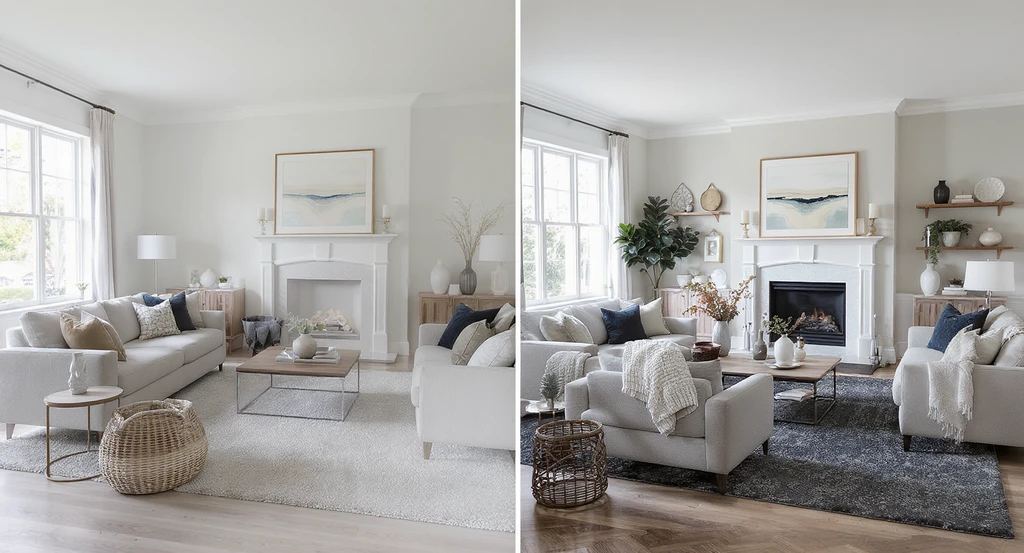
Comparing layout alternatives in a modern living room, this editorial image shows how AI home design transforms interior layout for optimized room flow and virtual space planning—showcasing why top AI platforms in 2026 matter more than simply choosing furniture.
Use this formula for any room: Layout Clarity Framework (LCF): Layout Quality = Function + Flow + Focal Alignment – Clutter.
Step-by-step:
- Start with what you actually do in the room, not what you wish it was
- Anchor the layout to a focal point (window, TV, art, fireplace)
- Check that every seat and surface makes sense for sightlines and access
- Remove any element if the room starts to feel confusing or blocked
If you want a faster, more confident result, previewing alternatives with REimagineHome AI is a major help. Visualizing layout changes prevents costly errors, especially for small or tricky spaces, as we highlighted in our living room layout planning guide.
-
Why Fewer, Better-Placed Pieces Beat Decor-Heavy Spaces
Minimal staging is replacing the old maximalist mindset. Open space, not just objects, makes rooms feel calm, modern, and even larger, according to our examination of why minimal staging is overtaking decor-heavy interiors in 2026.
Don’t measure style by item count. A room that is easy to walk through, understand, and use is preferable to a visually cluttered showcase. This shift is especially visible in urban apartments and family homes alike this year. Most interior design problems are not visual, they are spatial.
-
Real-World Example: Good Layout Beats Good Furniture
For instance, imagine an expensive sofa placed facing away from the window, a missed opportunity for light, connection, and comfort. In contrast, reorienting it toward the view instantly improves the feel and flow of the entire space, regardless of the sofa’s value.
Homeowners repeatedly overlook this: layout dictates the success of every design style, from modern to rustic. As demonstrated in our living room layout guide, even budget pieces can shine in the right arrangement. -
Conclusion: Layout Is the Lasting Foundation
In summary, investing in layout logic delivers clarity, comfort, and a flexible backdrop for any décor changes, year after year. Furniture updates alone cannot solve movement problems or add calm to visually noisy spaces.
Smart layouts anticipate lifestyle shifts and maximize usability, outperforming trend-following decor. Today’s most successful interiors are the ones that help you feel and function better, from the start. Learn why this matters in our feature on interior design trends for 2026.
Visualization Scenario
Picture uploading your living room to REimagineHome AI and instantly visualizing what happens if you move a sofa, shrink a coffee table, or remove a chair. You quickly see which layout delivers the best flow, preventing expensive mistakes before a single purchase.
FAQ: Layout and Furniture in Interior Design 2026
- Why does layout matter more than furniture in modern interiors?
- Layout determines how a room functions and feels, while furniture only performs well if placed with intention. A clear layout clarifies usage, movement, and comfort from the start.
- Can a small room feel larger with good layout?
- Absolutely. Strategic placement, preserved walkways, and negative space make a compact room seem open and functional—more than expensive or abundant furnishings can.
- What’s the biggest mistake with room layouts?
- Ignoring functional circulation—by blocking walkways or overcrowding—creates stress and restricts usability. Clear walkways support comfort and ease of movement.
- Should I buy new furniture to fix my room?
- No. Start by improving layout. Experiment with your existing pieces first, using visualization tools if needed. Only add or replace items after confirming the right arrangement for your needs.
- Does layout thinking change with design trends?
- No. Layout rules apply to any aesthetic—trends affect texture or style, not basic room flow. Investing in layout first ensures that any design style works effectively.
Key Takeaways for 2026 Interiors
Layout is what makes a room usable, comfortable, and visually balanced, regardless of style or budget. Well-placed, fewer furnishings always outperform clutter. Prioritize functionality and clarity in each project, and lean on visualization tools like REimagineHome AI to get placement right the first time. As always, layout is your clearest path to a home that truly works. In the end, people don’t remember what you placed in a room, they remember how the space made them feel.