Solving Awkward Living Room Layouts: Seating, Flow, and Styling
TL;DR
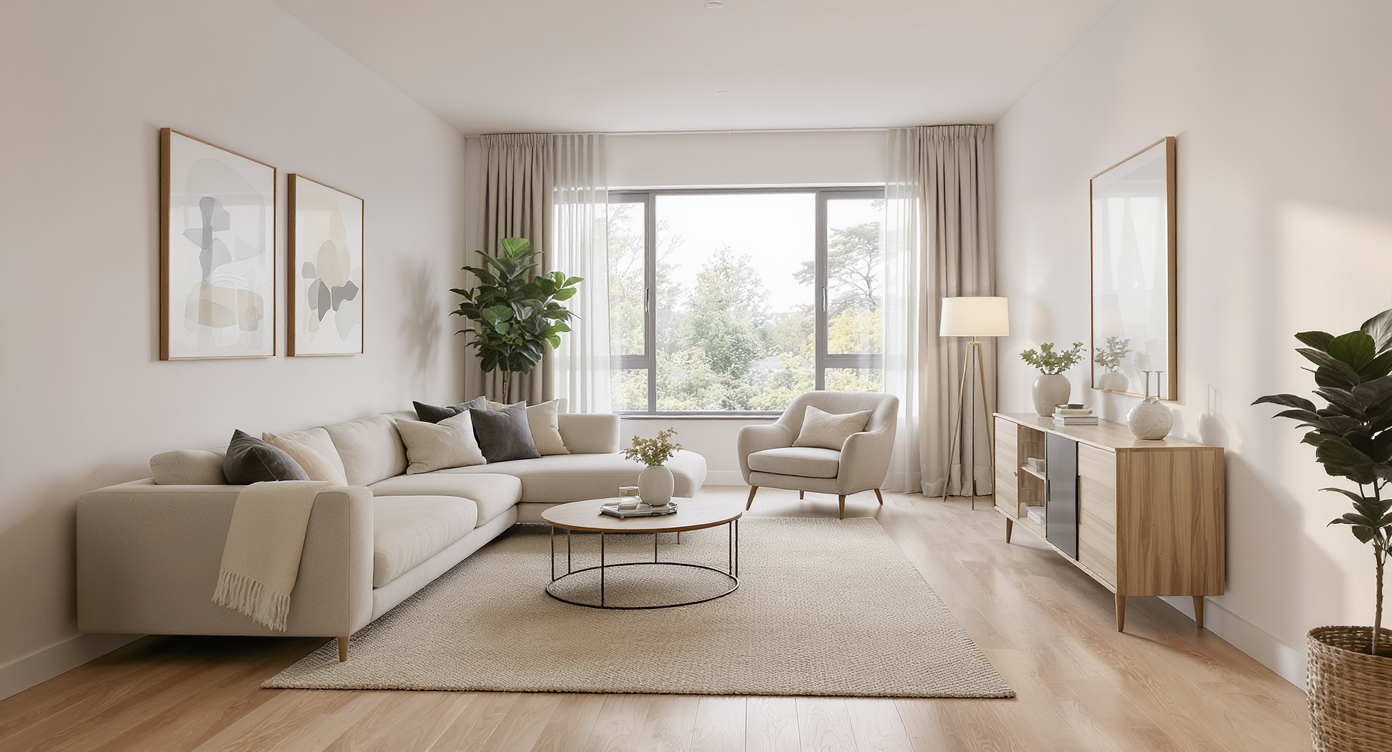
For elongated or oddly shaped living rooms, design success starts with smart seating arrangements, clear zones, and balanced color coordination. Prioritize walkways, use versatile pieces, and style with unified colors like khaki and rustic tones for cohesion and comfort. Even a tricky floor plan can feel welcoming with intentional choices.
Embracing the Challenge of an Unusual Living Room Shape
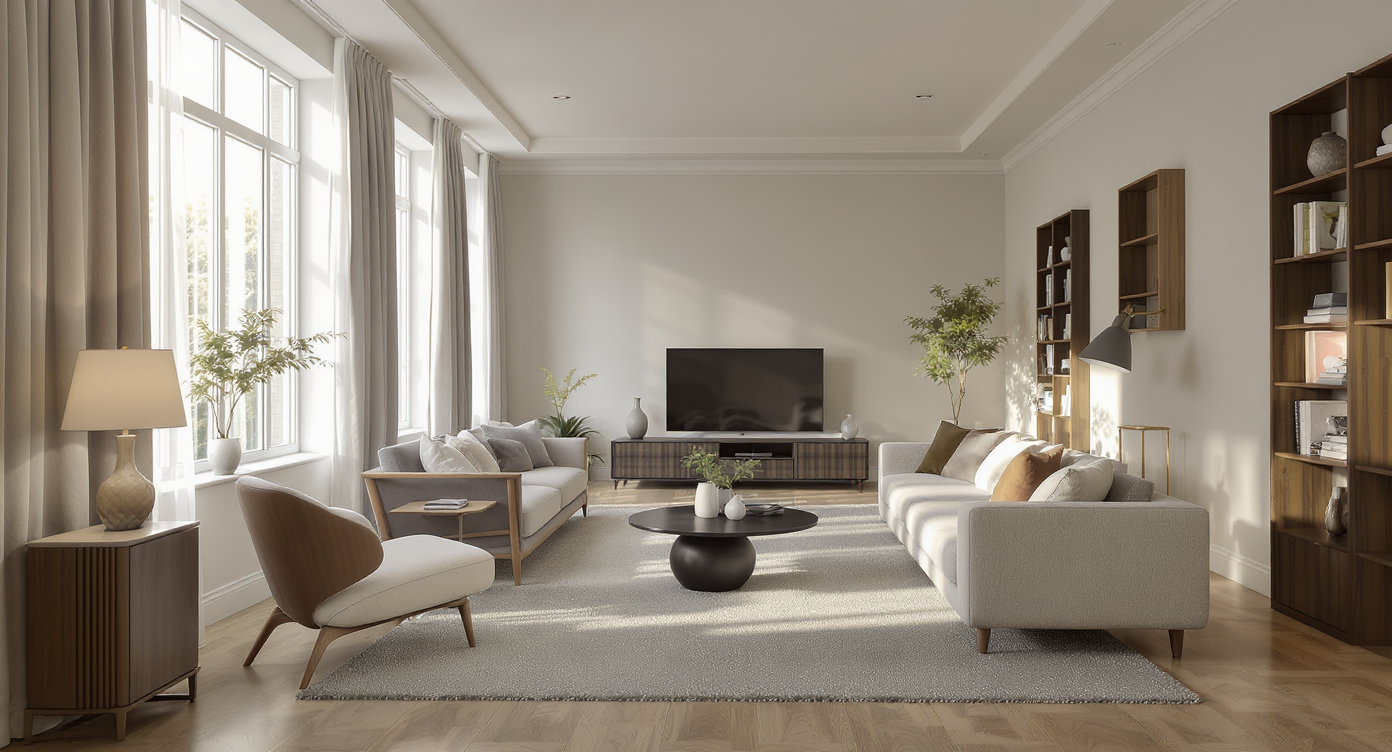
A long, rectangular living room with a central, floating seating area and awkward gaps, illustrating challenging proportions and flow issues.
Long, rectangular living rooms repeatedly stump even experienced decorators. When the flow feels off or furniture seems to float without purpose, the culprit often lies in the room’s unconventional proportions. Instead of forcing a standard layout into a space that resists conformity, the key is to lean into the room’s unique footprint. Designers often encounter living rooms that double as entertainment and relaxation zones. In these cases, seating arrangement, movement, and style coordination matter far more than a perfectly symmetrical setup. The secret is to prioritize what will serve you and your guests best: good flow, intentional zoning, and a harmonious color palette.
-
Using Layout to Shape Comfort and Flow
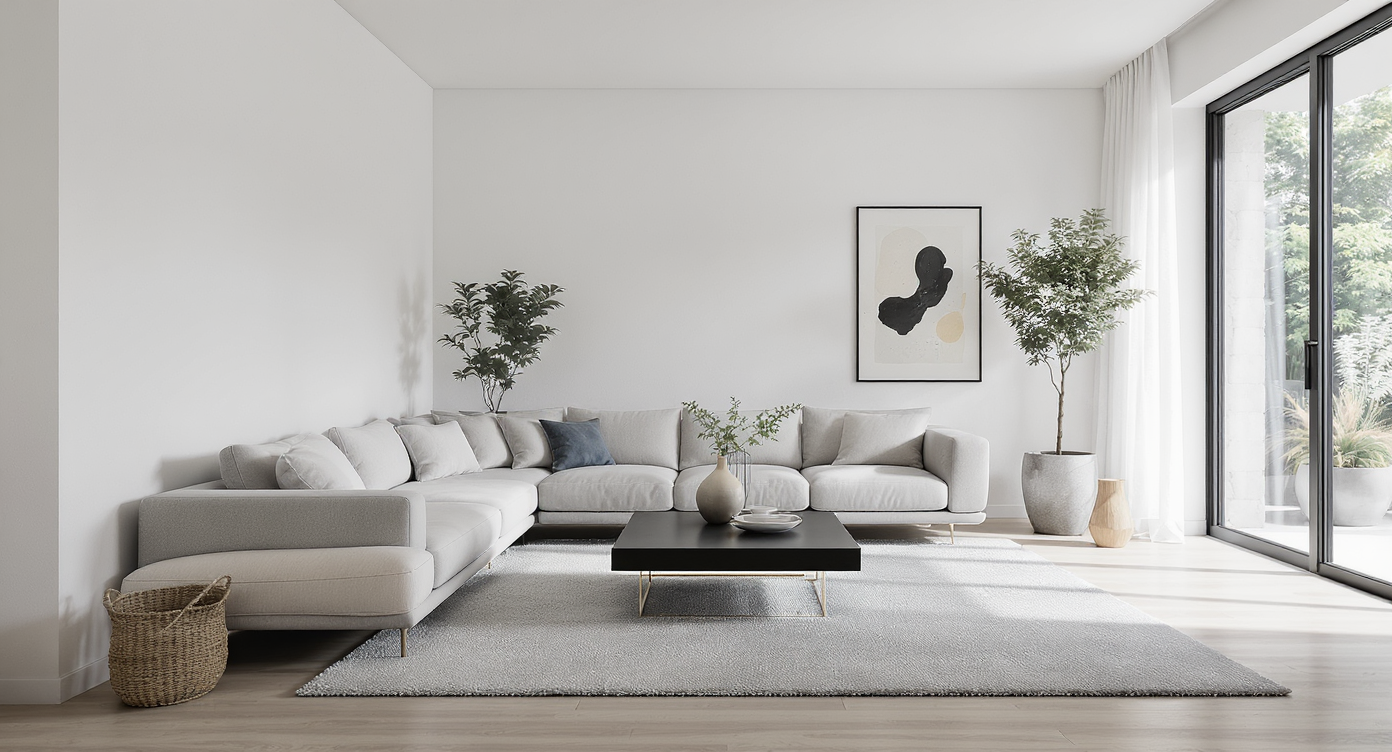
Flexible seating grouped along the longest wall and a floating coffee table create an inviting, open flow in an awkwardly shaped living room.
Odd layouts require a shift in perspective. Rather than attempting to force large-scale sectional sofas or rigid formal furniture into the available footprint, consider what activities the space will host. If your living room is mainly for conversation, gathering, and the occasional social event, focus on flexible, conversation-friendly seating arrangements. Start by anchoring your main seating zone along the longest available wall, echoing suggestions from professional space planners. A streamlined sofa paired with a smaller bench, ottoman, or slipper chairs encourages mingling without blocking circulation. According to advice on sofa size versus layout, ensuring at least 30 to 36 inches of walkway clearance helps maintain openness, even in elongated spaces. Use area rugs to define living zones and connect furniture visually, so nothing feels adrift. For visual balance, float a coffee table at the center of the seating area. Consider adding a versatile bench along the opposite edge—this provides extra seats during gatherings and maintains a low profile to avoid blocking lines of sight. For rooms where a television isn’t central, position furniture to foster face-to-face interaction, not to face a screen.
Expert Insight
A friend once inherited a challenging living room—long, with windows at one end and a lone solid wall. For years, parties there felt scattered. Only after floating the seating in the room’s center, layering in side chairs, and repeating warm rust-toned cushions did the space finally click as a true hub for friends, proving how intentional layout and color can shape the way a space is experienced.
-
Styling with Color for Cohesion
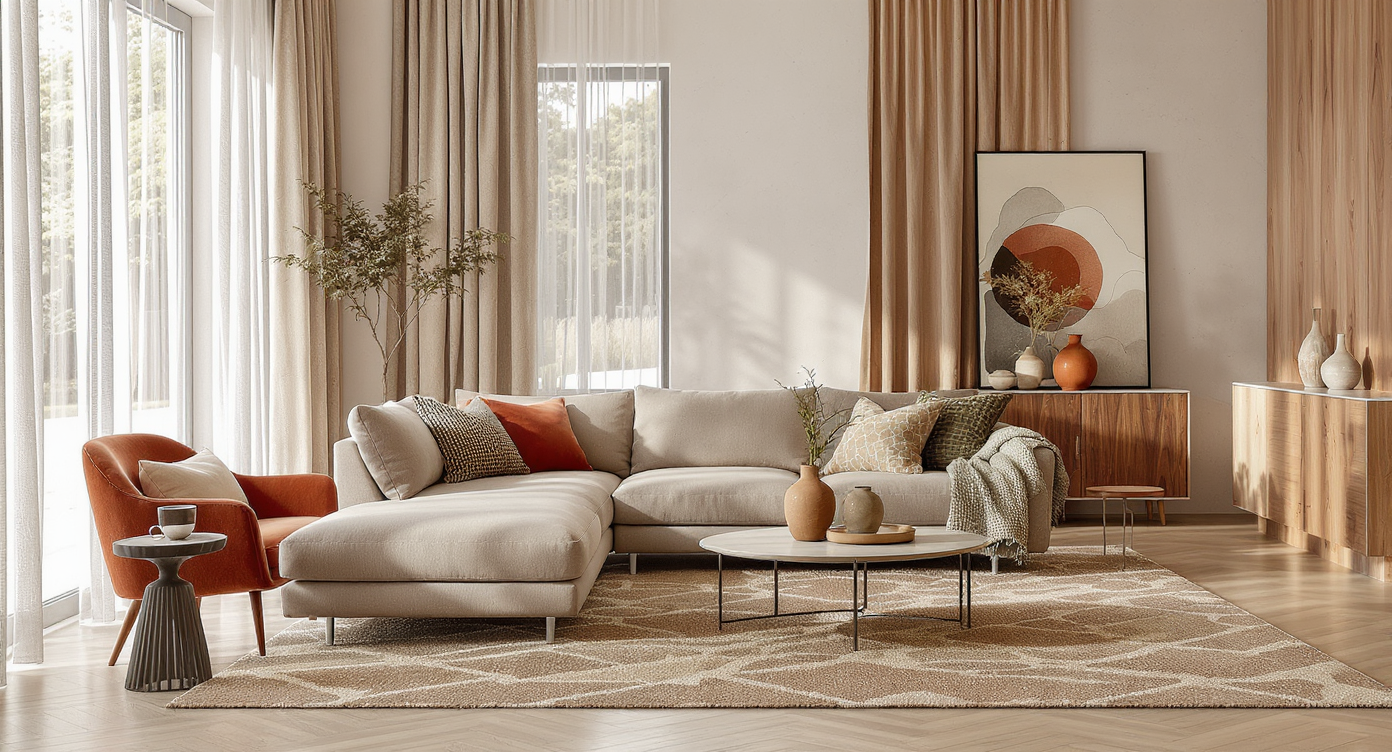
Color cohesion in a long living room: khaki sofa, earthy accent pillows, subtle patterns, and layered textiles create unity.
Color coordination becomes critical in spaces with unusual shapes, especially when leaning towards earthier palettes like khaki and rustic tones. Unifying a space through color does more than please the eye: it smooths transitions from one functional area to another and prevents the room from feeling visually chaotic. Introduce a primary neutral, such as khaki, on larger items—think the sofa or area rug—then repeat accent shades (rust, terracotta, soft greens) in pillows, throws, and small accessories. As outlined in tips for creating cozy, cohesive living rooms, echoing two to three accent colors throughout the space fosters a pulled-together look. Layering textiles, such as curtains in muted linen or cotton, softens angular corners and elongates window walls. A large rug with subtle patterning can both ground the furniture and add warmth, making even unconventional layouts feel thoughtfully integrated.
-
Maximizing Seating and Entertaining Potential
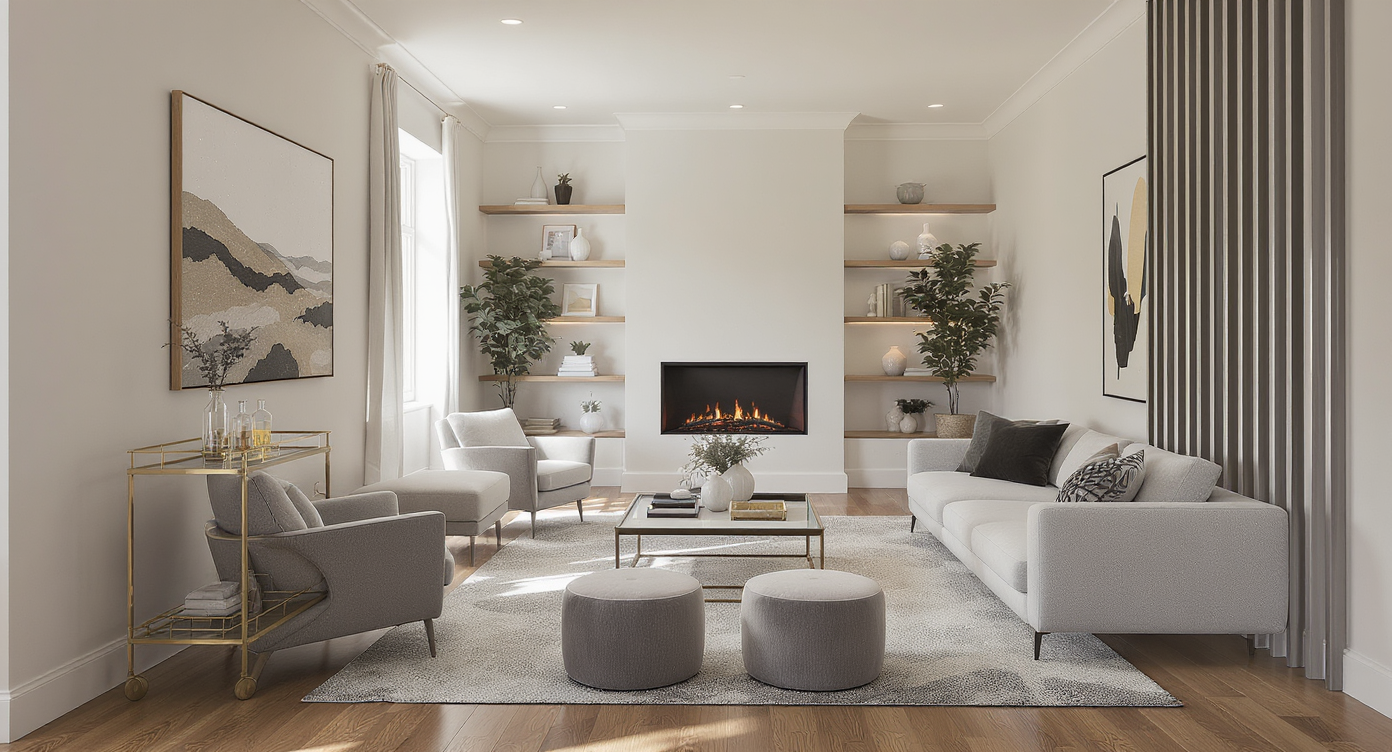
A long, narrow living room maximizing entertaining potential with slim seating, a bar cart, movable ottomans, and vertical decor accents.
When entertaining is a core function, versatile seating options are paramount. In narrow rooms, avoid oversized pieces that overwhelm. Instead, opt for a combination of light, adaptable furniture: slim armchairs, movable ottomans, or a long, low bench that tucks out of the active pathways when not needed. Incorporating a designated bar area, as some designers suggest for maximizing entertaining utility, can break up an unbroken wall without visually shrinking the space. Position a small console or stylish bar cart on an unused stretch, keeping bottles and glassware accessible during gatherings. For those wishing to add a focal point, a faux fireplace or art installation can work—just make sure placement enhances circulation rather than blocks it. In situations where odd corners tend to languish unused, introducing a plant, accent chair, or floor lamp can provide function without clutter. Drawing on insights from solutions for long, narrow living rooms, placing taller decor elements or vertical shelving at the far ends of the space lends a sense of conclusion, guiding the eye and inviting movement throughout the room.
-
Common Mistakes to Avoid
A frequent pitfall is overfilling narrow living rooms with heavy, inflexible furniture. When each item fights for attention, the room loses its sense of purpose. Avoid crowding walkways or pushing every piece against the walls, which only accentuates the tunnel effect. Skipping a rug or choosing one that is too small can also make the furniture feel disconnected and the seating zone undefined. Steer clear of mismatched fabrics and clashing colors, as these distract from the relaxed, welcoming mood you want to achieve. Ignoring lighting layers is another missed opportunity—rely on a mix of overhead, task, and accent lighting to create ambiance and balance.
-
Tips and Insights for Better Living Room Layouts
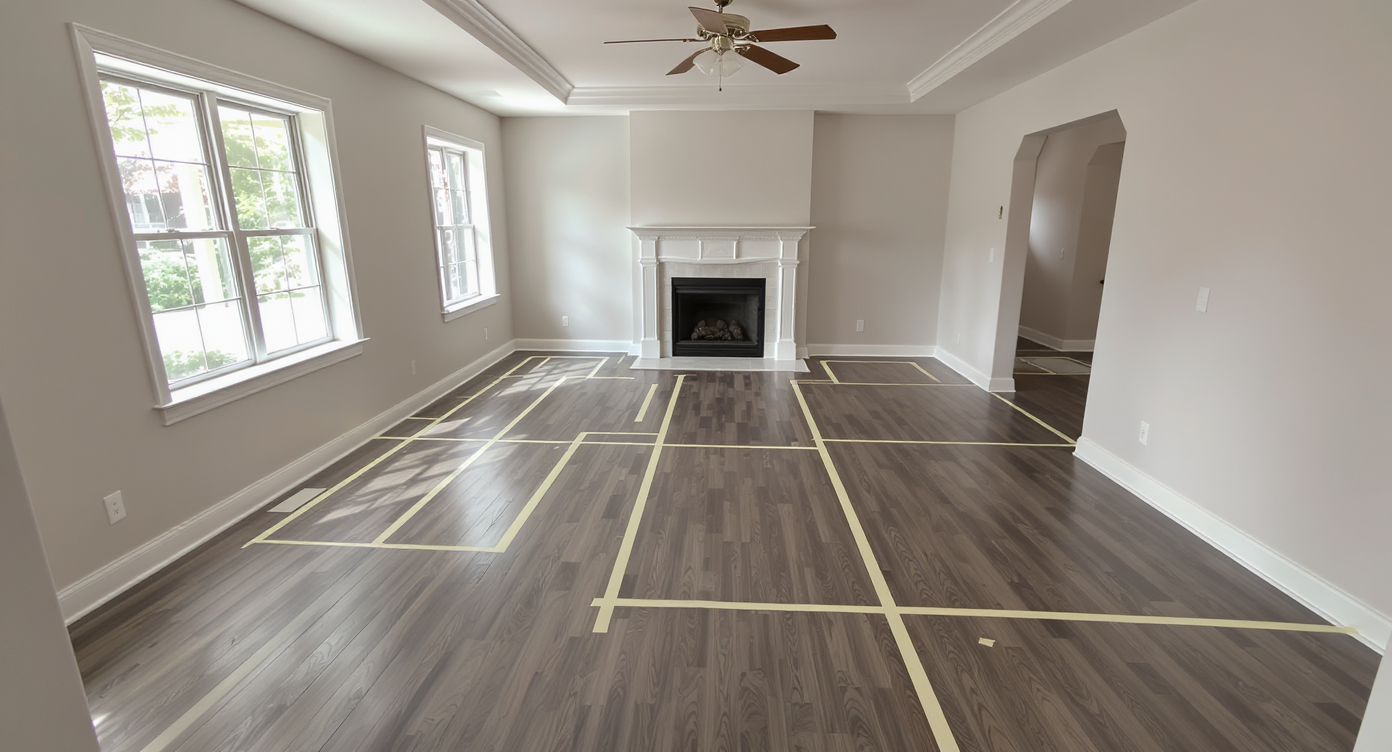
A real-world living room scene: painter’s tape marks layout ideas, portable pieces provide flexibility, and cozy corners offer personalized style.
Designers routinely suggest mapping out living room seating before making any investments. Use painter’s tape on the floor or test furniture arrangements with digital tools to visualize spacing. Add portable pieces—like poufs or nesting tables—for flexibility, and remember that symmetry is not mandatory. Sometimes, a slightly off-center arrangement feels more natural. Unify corners and awkward stretches with personal touches: a reading nook by the window, framed artwork, or a sculptural lamp. As suggested in living room decorating and corner fixes, previewing new elements virtually can help you see the impact of changes before committing resources. Live plants inject life where the room might otherwise feel empty or static.
-
How to Use This Approach in Your Own Designs
When approaching your own elongated or irregular living room, begin by defining the room’s core function. Will it be social and lively, or a quiet place for reflection? Once you know this, choose seating and surfaces that suit the plan. Use color to tie disparate elements together and lighting to layer atmosphere. Try three practical scenarios: For a cocktail evening, bring in stools or a bar cart near the conversation cluster. For a casual family hangout, rearrange chairs and add a plush ottoman for feet-up comfort. For solo downtime, retreat to a corner with a small side table and your favorite reading lamp. This adaptability transforms design headaches into truly personal, flexible living spaces.
Visualization Scenario
Picture stepping into your elongated living room. A khaki-toned sofa hugs one wall, facing an inviting bench and a pair of movable armchairs. A soft, patterned rug ties the zone together, while deep rust pillows and a linen curtain soften the window line. Near the doorway, a slim bar cart holds glasses for guests, and a tall plant grounds the furthest corner. The room feels relaxed, balanced, and distinctly yours—inviting you and your friends to stay awhile.
Frequently Asked Questions
Choose furniture with slim profiles, avoid bulky sectionals, and add tall elements at room ends. Use area rugs to define zones and keep main pathways clear.
What are some ways to add interest without clutter?
Layer textures and repeat accent colors. Use functional decor like stools or a bar cart, and introduce greenery or art. Avoid over-accessorizing.
Is it better to match all living room seating?
Seating does not need to match exactly. Cohesion comes from unified colors and complementary shapes. Mix upholstered pieces with wood or metal elements for depth.
Should I add a fireplace or focal point in a tricky layout?
A faux fireplace or feature wall works if it does not block flow or overwhelm the seating area. Ensure it serves a purpose and visually anchors the room.
Where can I visualize design ideas for my own space?
You can upload a photo and test out design changes using ReimagineHome.ai for personalized, AI-powered room mockups.
Key Takeaways for Relaxed, Intentional Living Rooms
Challenging living room shapes are less a problem than an invitation to be creative. By focusing on walkways, flexible seating, and a cohesive color story, you can create a welcoming, multi-functional space even with the most unconventional floor plan. Virtual design tools make it easier to preview and refine your approach, letting you experiment with confidence. For those who want more personalized inspiration or visual mockups of their exact room, ReimagineHome.ai offers a fresh and effective way to see your space’s potential come to life.