How to Design a Room from a Blank Space: A Practical Guide
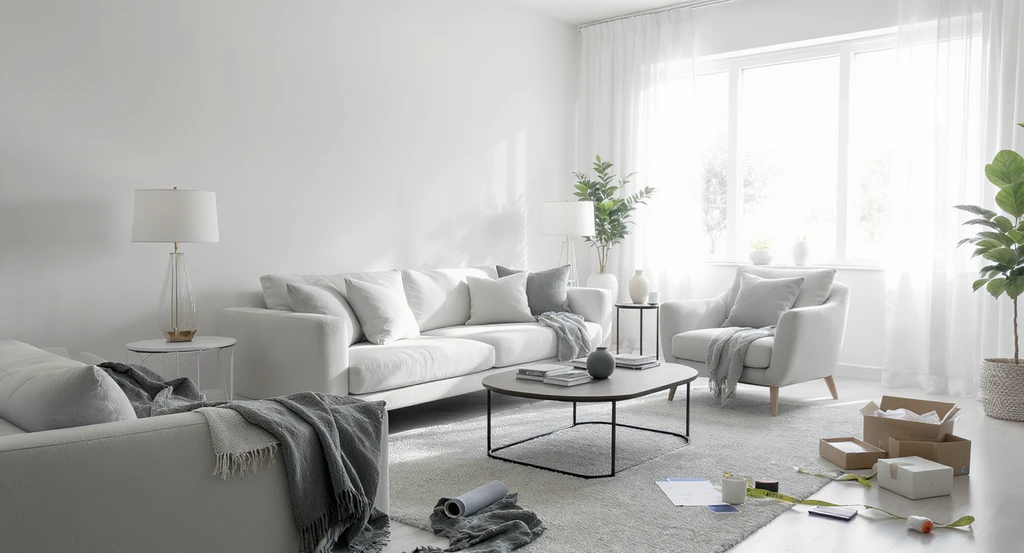
Beginning with an Empty Room: Decision Structure for Confident Results
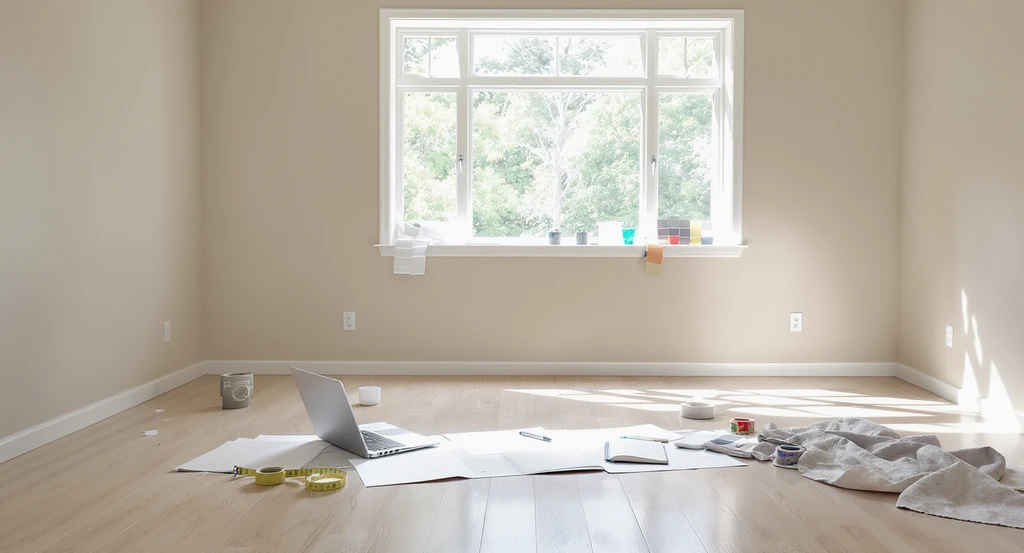
Learn how to design a room from scratch with design sketches, paint swatches, and layout planning tools for steps to avoid renovation regret.
Designing a room from a completely blank canvas can feel exciting, but for most homeowners and renters, it’s a source of overwhelm and uncertainty. With no furniture or decor to guide the process, even experienced renovators can find themselves frozen by choice paralysis worried about wasted money, awkward layouts, or a disjointed look after all the effort. The most reliable way to avoid regret is to use a structured, sequential approach anchored in visual reasoning. This article delivers a six-step decision system, leveraging both logic and visualization to create a space that is functional, comfortable, and cohesive. Every step is grounded in proven spatial assessment, not hunches or fleeting trends.
-
Direct Answer: The Six-Step Room Design Structure
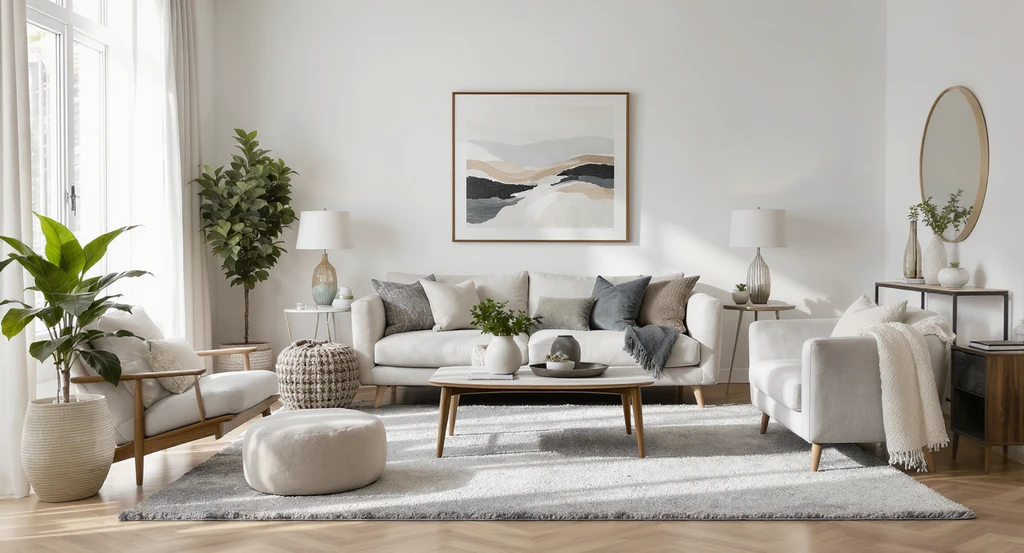
See the step-by-step process for how to design a room from scratch, with clear stages: textiles, wall art, and furniture placement. This real-world example shows steps to avoid renovation regret and tips for the best accessories to finish a room redesign.
To design a room from scratch, start with textiles (curtains and rugs), select and place wall art, arrange main furniture according to scale and flow, layer in accent furniture, distribute plants for texture and life, and finish with practical accessories. This process ensures each functional and visual layer supports the next, dramatically reducing overwhelm and increasing long-term satisfaction.
Expert Insight
When revamping her living room after a carpet cleaning, a client started with only a new rug and curtain panels. By visualizing step-by-step—rug, art, sofa, then plants—she avoided impulse buys and ended up with a room that finally felt comfortably complete. Her biggest surprise? How much difference the right textile choices made for both color confidence and perceived space.
-
What Is Actually Happening in a Blank Space
An empty room presents decision fatigue due to lack of anchors—nothing to indicate scale, movement, or how natural light interacts with the space. This absence can cause homeowners to misjudge size and placement, leading to discomfort or unnecessary later changes. Visualization at this stage is critical to predict traffic flow, view corridors, and lighting effects before purchases are made.
-
Why Homeowners Misjudge Early Room Design Decisions
Without a decision structure, people often buy furniture or decor on impulse, resulting in mismatched scales, awkward negative space, and pieces that don’t support the intended function. According to our guide on sofa size and style selection, prioritizing scale and clearances first prevents costly missteps and ensures every room element supports comfort and usability.
-
The REimagineHome AI Room Startup Model
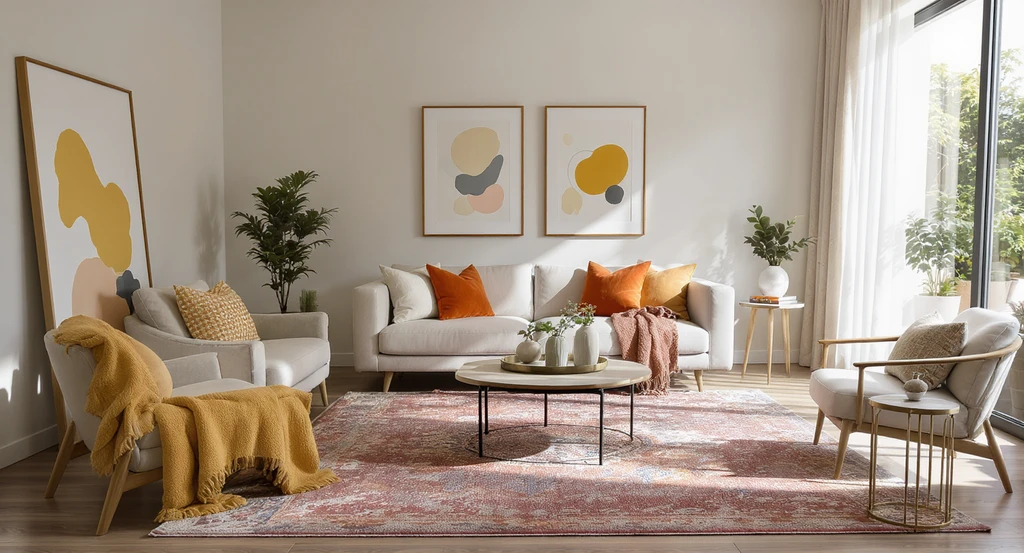
A real-world example of how to design a room from scratch using the step-by-step REimagineHome AI Room Startup Model: from choosing paint colors to arranging furniture and finishing with the best accessories to avoid renovation regret.
The Room Startup Model from REimagineHome AI follows a fixed sequence: 1) Textile Layering, 2) Wall Art Anchoring, 3) Main Furniture Arrangement, 4) Accent Furniture Placement, 5) Plant Layering, and 6) Accessory Finalization. Each step builds decision confidence through staged commitment—starting with flexible, low-cost elements and only moving to fixed, high-investment pieces after visual validation at every layer.
-
Mechanism: Why the Six-Step System Reduces Error and Regret
Laying textiles like curtains and rugs first grounds the room and helps judge color flow, scale, and light diffusion before committing to larger purchases. Wall art defines focal points and balances, guiding the ideal placement of sofas or conversation zones. Furniture arrangement ties together clearances and groupings—as explored in our article on furniture arrangement and flow. Each later step—accent furniture, plants, and accessories—further enhances usability and visual completeness, but only after foundational needs are met.
-
Trade-Offs and Common Pitfalls: Flexibility vs. Finality
Committing to major purchases (e.g., sofas) too early risks mismatched scale or flow; however, delaying finishing touches too long can leave a room feeling sterile. One key insight: Accessories and textiles are both cheap to swap and high in visual impact for cohesion, according to our tips on creating cohesive living spaces. The step structure lets you adjust the plan with minimal sunk cost at each stage, greatly reducing regret risk over time.
-
Step-Based Evaluation Process for a Blank Room
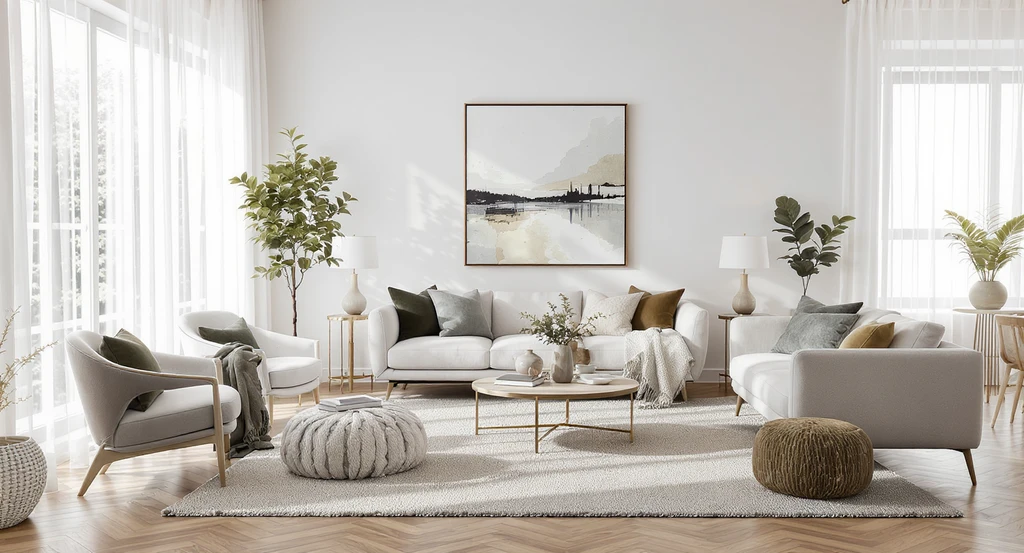
Learn how to design a room from scratch by following practical steps: arrange furniture in an empty room, choose wall art, and finish with the best accessories. Perfect for avoiding renovation regret and selecting paint colors for living rooms.
1. Textiles: Hang curtains high and wide, and lay-down a rug (even over carpet) to anchor the space.
2. Wall Art: Choose large-scale pieces or a gallery wall, centering over future furniture placements.
3. Main Furniture: Place the sofa, chairs, and tables, respecting pathways (3 feet minimum) and sight lines. Aim for a U or conversational layout—see our advice on arrangement and flow.
4. Accent Furniture: Add functional pieces—side tables, ottomans—ensuring each seat has a surface within reach.
5. Plants: Layer greenery at different heights for texture and spatial softness. Plants function as a neutral design element.
6. Accessories: Use lamps, throws, and décor in groups no smaller than your fist, focusing on larger scale for a modern look. Three items per tabletop is a practical maximum. -
Definition: Layered Room Design Decision Structure
A layered room design decision structure is a six-stage process that introduces key functional and aesthetic elements in a specific order: starting with textiles, then wall art, main furniture, accent furniture, plants, and finally accessories. This structure allows sequential visual validation at every stage, helping to prevent poor fit, wasted spending, and design regret. Most people mistakenly believe decorating is an intuitive process, but structured layering consistently delivers superior outcomes by providing visual feedback and adaptation at each step.
-
Visualization Impact: Why "See Before You Decide" Is Game-Changing
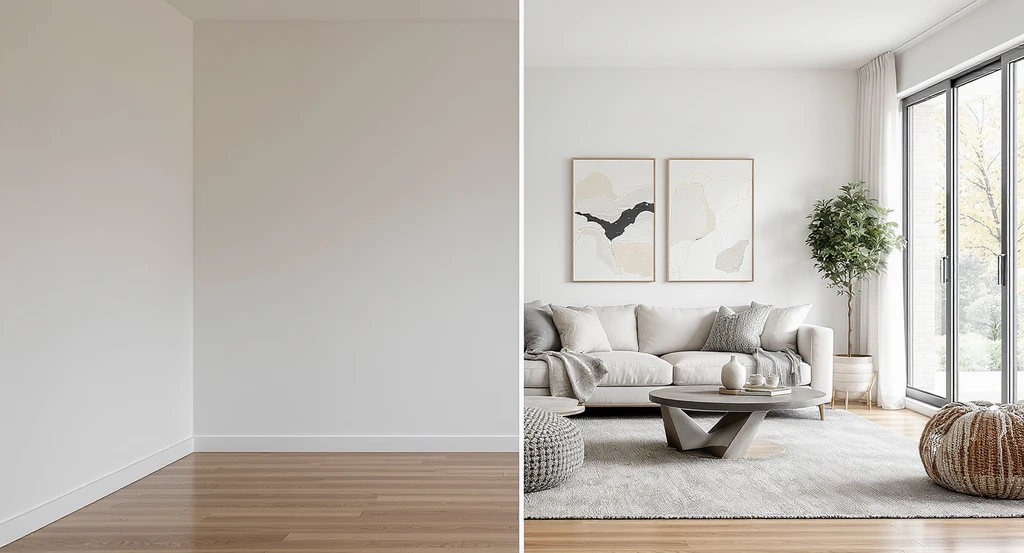
Previewing a room’s transformation before making any purchases is a key step in how to design a room from scratch, arrange furniture, avoid renovation regret, and confidently choose paint colors and best accessories for a living room redesign.
Starting with an empty room, it’s nearly impossible to anticipate flow, style cohesion, and comfort through imagination alone. Using a visual preview platform like REimagineHome AI allows homeowners and designers to test each layer’s impact, spot scale issues or visual imbalances, and refine the plan before spending on furniture. Visualization not only cuts decision cycles but also improves purchase confidence and drastically reduces the likelihood of dissatisfaction or expensive returns.
-
Small vs. Large Room Differences and Special Considerations
In small spaces, starting with oversized textiles or artwork can quickly overwhelm, so scale down pattern and choose low-slung furniture to keep sight lines open. For large rooms, bigger foundational rugs and bolder art are needed to visually ground the space. In both scenarios, lighting and plant placement become even more critical—see our minimalist design advice on warming up minimalist rooms. Climate and layout variances should inform material and plant choices for durability and longevity.
Frequently Asked Questions About Designing from a Blank Room
- Do I really need to start with curtains and rugs?
- Yes. Grounding the space with textiles gives you immediate cues for color, scale, and light, making the next layers far easier to plan and adjust visually.
- What’s the most common mistake when starting from scratch?
- Choosing or placing main furniture before defining walking paths and focal points often leads to either wasted space or overcrowding—see our guides for scale and flow.
- How do I confirm my layout will work before buying?
- Use a visualization tool like REimagineHome AI. Preview your rug, sofa, and art choices in the actual room, catching issues before making irreversible purchases.
- Why do my finished rooms look busy or unfinished?
- Often it’s a lack of cohesion from skipping steps or over-accessorizing. Limit tabletop items to three, repeat colors, and layer lighting for a pulled-together feel.
Confidently Completing Your Blank Room: Key Takeaways
A blank room is an opportunity—but only if approached with a disciplined, layered process. Using the REimagineHome AI Room Startup Model, you can visualize each stage, prevent costly mistakes, and ensure a room that delivers comfort, function, and lasting visual harmony. See it before you decide: that’s the key to loving your space—for years, not just days.