Transforming Low Ceilings: Expert AI Interior Design Strategies for Brighter, Bigger Spaces
TL;DR
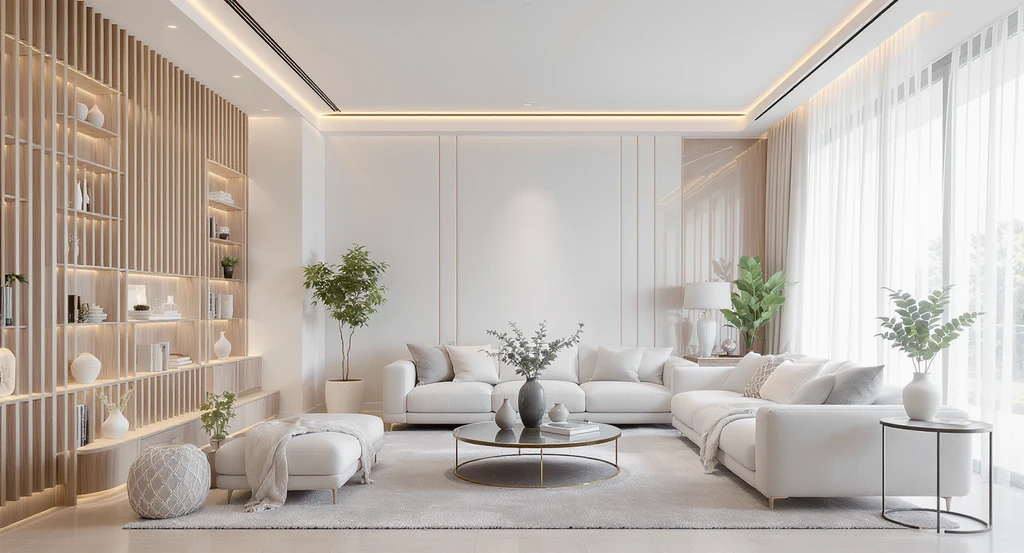
Low ceilings don't have to mean cramped design. By choosing lightweight, light-transmitting materials, using light colors strategically, and optimizing your lighting plan, you can give any space an airy, expansive feel. Today's AI interior design tools make it easier than ever to visualize and implement these ideas, creating beautiful, inviting rooms without major renovations. Explore visualization options with ReimagineHome.
Why Low Ceilings Deserve Smart Design Solutions
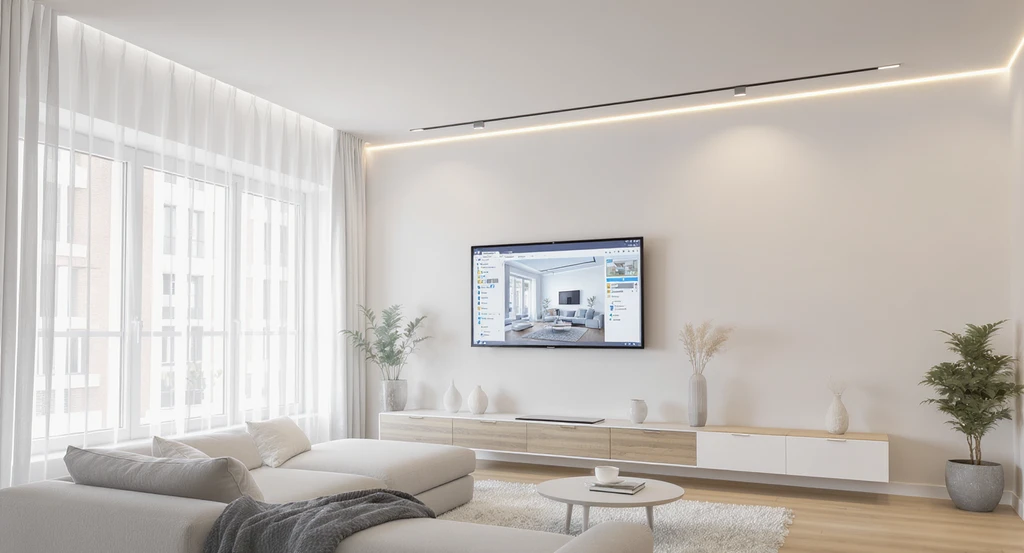
AI interior design for low ceilings transforms a compact living room into a brighter, taller-feeling space using strategic lighting, soft colors, and smart virtual planning tools.
Low ceilings are a common challenge in both residential and commercial interiors, often imparting a sense of confinement that designers work hard to overcome. Yet with the right approach, what might initially seem like a limitation can be transformed into a unique design opportunity. Rather than viewing a low ceiling as a drawback, professionals use a suite of time-tested strategies and innovative technologies to make spaces feel higher, brighter, and more welcoming. Thanks to advances in both materials and modern visualization tools like those provided by ReimagineHome, today’s design process allows homeowners and professionals to experiment virtually before making commitments. AI interior design for low ceilings not only accelerates decision-making, but also helps tailor solutions to fit different tastes and budgets, all while maximizing perceived height and light.
-
Lightweight, Translucent Materials Make a Difference
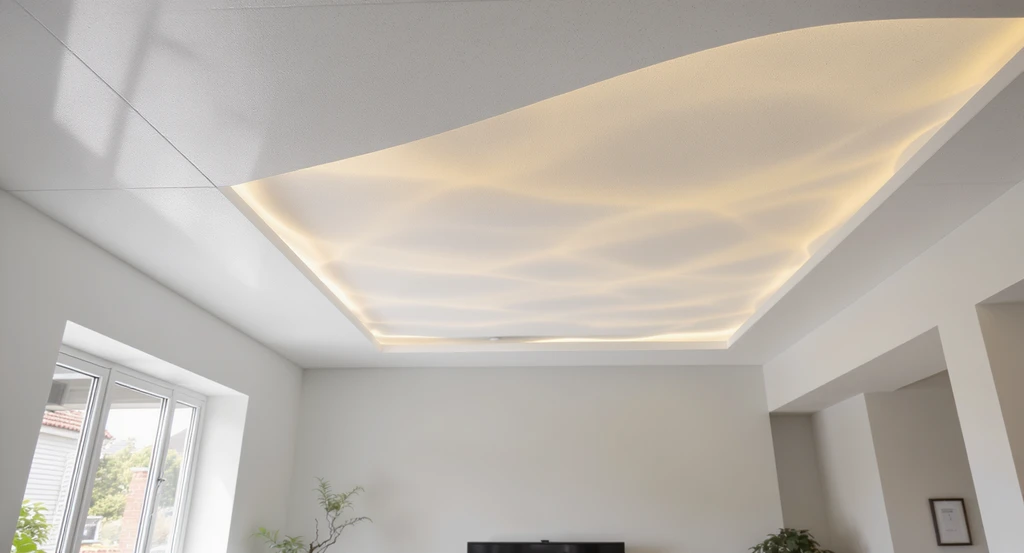
Lightweight, translucent ceiling materials like Drop Paper® enhance ai interior design for low ceilings, making compact spaces feel brighter and more open.
Heavy, opaque materials have long been recognized as the enemy of low-ceilinged spaces. Dense surfaces visually press downward, shrinking a room even more. Instead, focus on materials with high light transmission and minimal weight. Architectural papers and specialized polymers create ceilings that appear to float overhead, diffusing both natural and artificial light. For example, proprietary ceiling products like Drop Paper® provide structural stability with less than 60 grams per square meter density while transmitting up to 60% of the available light. These qualities result in ceilings that feel luminous and barely there, a crucial factor for opening up compact areas. For large installations or projects concerned with fire safety, opt for materials that offer both lightness and compliance with stringent safety codes. This mindful approach to specifying ceiling finishes ensures that aesthetics, structural integrity, and safety can coexist. Smart, AI-driven design platforms like ReimagineHome help visualize these materials in different room contexts, making it easier to strike the right balance.
-
Layered Lighting: The Game-Changer for Low Ceilings
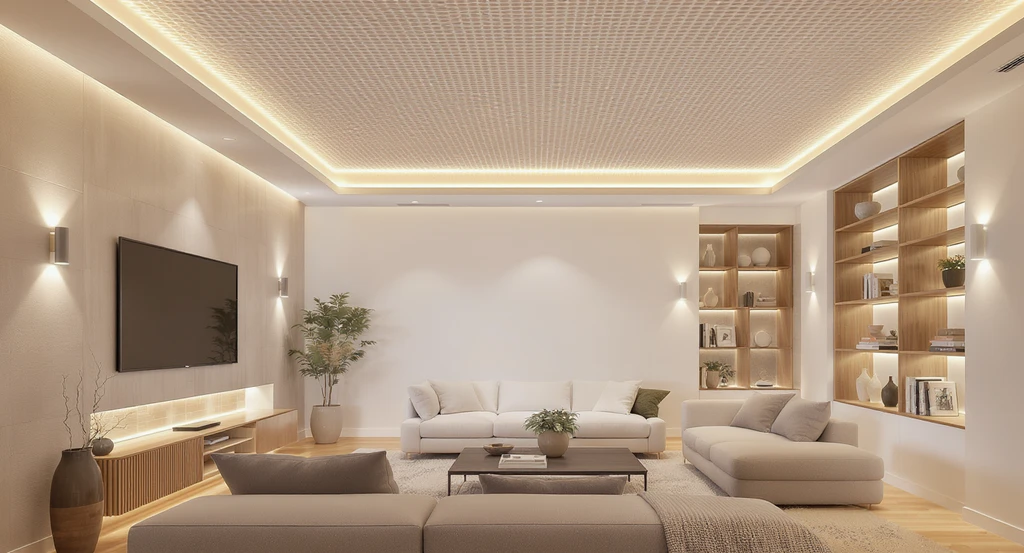
Layered lighting transforms ai interior design for low ceilings, using uplighting, downlighting, and illuminated ceiling patterns to expand and brighten spaces.
Lighting is at the heart of making any room feel welcoming and visually expansive. For low ceilings, consider a mix of lighting types to foster both functionality and atmosphere. Instead of relying solely on ceiling-mounted fixtures, integrate layered lighting: combine uplighting, downlighting, and perimeter sconces to wash surfaces evenly and promote verticality. Paper ceiling solutions, like Paralume® or Honeycomb®, can even be embedded with lighting elements, allowing you to hide fixtures within the architectural pattern itself for a seamless effect. When designing with low ceiling heights, aim to increase the lighting intensity in areas layered with translucent materials by 40-50 percent compared to standard applications. This helps compensate for light absorption and reinforces the room’s sense of openness (explore more lighting strategies). Flexible tools, such as LED strips and built-in spotlights, are affordable ways to achieve layered light without adding bulk. The goal is to “over-light” rather than leave the ceiling feeling shadowy and heavy. Learn more about how layered lighting dramatically impacts small spaces in our guide to making any room look larger.
-
Color Considerations: Light, Bright, or Bold?
It’s widely accepted that pale, cool colors help visually lift a ceiling, softening transitions between walls and overhead surfaces. This principle works especially well in small rooms or interiors with modest ceiling heights (detailed in our design tricks for small bedrooms). However, thanks to advances in luminous and semi-translucent materials, designers can break with tradition, incorporating muted or even vivid hues without sacrificing airiness. For instance, colored architectural papers can offer a dash of personality to a low ceiling while still diffusing light naturally. Still, if you’re working with opaque surfaces, avoid dark paint colors overhead. Experience shows that even small shifts towards pale or neutral ceilings can create perceptible height and vibrancy. For additional inspiration, explore these research-backed tips on color unification and its impact in tight quarters.
-
Economical, Flexible Solutions: AI-Powered Customization
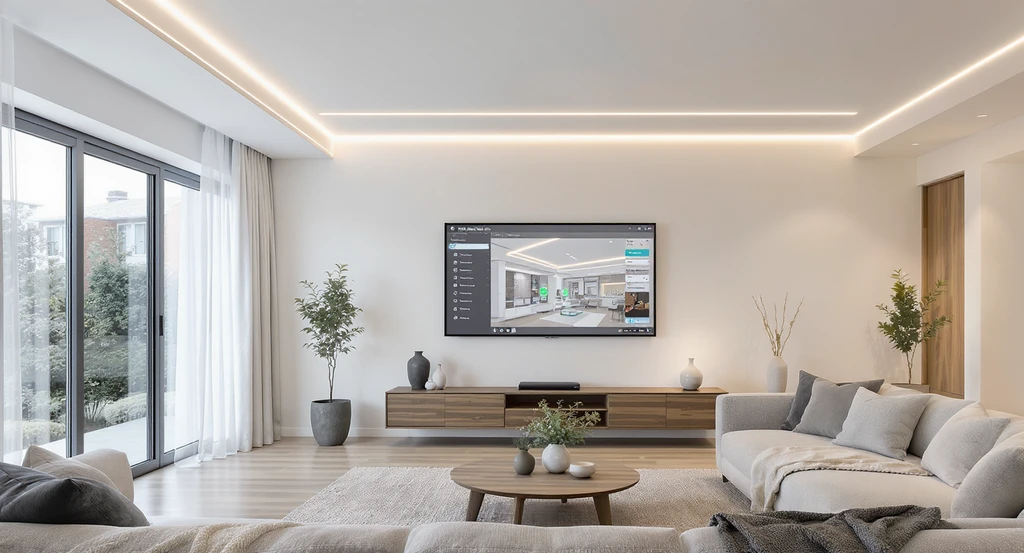
AI interior design for low ceilings enables flexible, cost-effective ceiling customization with tools that optimize layouts, materials, and budget.
Budget considerations go hand in hand with many renovation or redesign projects. Fortunately, AI interior design for low ceilings now enables cost-effective planning without sacrificing creativity. Tools from platforms like ReimagineHome make it straightforward to experiment with layouts, materials, and lighting options, all within your financial parameters. Economical ceiling systems such as Honeycomb® or Drop Stripe® solutions can be custom-sized and even color-tuned for larger spaces, ensuring you get more style for every dollar spent. If you have a challenging space with insufficient height, inputting your room’s details into a visualization platform yields recommendations—including material choices and lighting strategies—that are tailored to your constraints. This technology minimizes costly trial and error, helping both homeowners and professionals create ceiling designs that are beautiful, compliant, and within budget.
Frequently Asked Questions
- What are the best materials for low ceilings?
Lightweight and translucent materials, such as architectural paper or certain polymers, are ideal as they visually "lift" the ceiling and diffuse light efficiently. Heavier, opaque materials tend to weigh spaces down. - Can I use color on a low ceiling, or should it always be white?
While white or very light colors generally help elevate the sense of height, certain colored luminous materials can work as long as they transmit light and maintain a bright, airy effect. - How important is lighting when designing for low ceilings?
Lighting is critical. Strategic layered lighting—including uplights, hidden LED strips, and mixed fixtures—creates vertical visual interest and helps a room feel more expansive. Good lighting design can make or break interiors, especially with height limitations. - Are there affordable options for updating low ceilings?
Yes. Cost-effective, modular ceiling systems and accessible lighting technologies, especially when planned using AI visualization tools like those from ReimagineHome, can transform ceilings without major structural work or investment. - Do these strategies require professional installation?
Some innovative solutions are DIY-friendly, especially when using lightweight materials and LED fixtures. However, complex or large-scale commercial projects benefit from professional planning and installation.
Turning Constraints Into Opportunities
Low ceilings no longer dictate uninspired design. By leveraging lightweight, translucent materials, expert lighting strategies, and flexible AI-powered visualization, it’s easier than ever to transform tight quarters into inviting, dynamic spaces. Whether you’re updating a personal residence or reimagining a commercial facility, these principles offer a palette of solutions that celebrate openness without major renovations. Consider exploring the visualization tools and expert advice at ReimagineHome to elevate your next low-ceiling project.