How to Make a Small Room Look Bigger—No Renovations Required
TL;DR
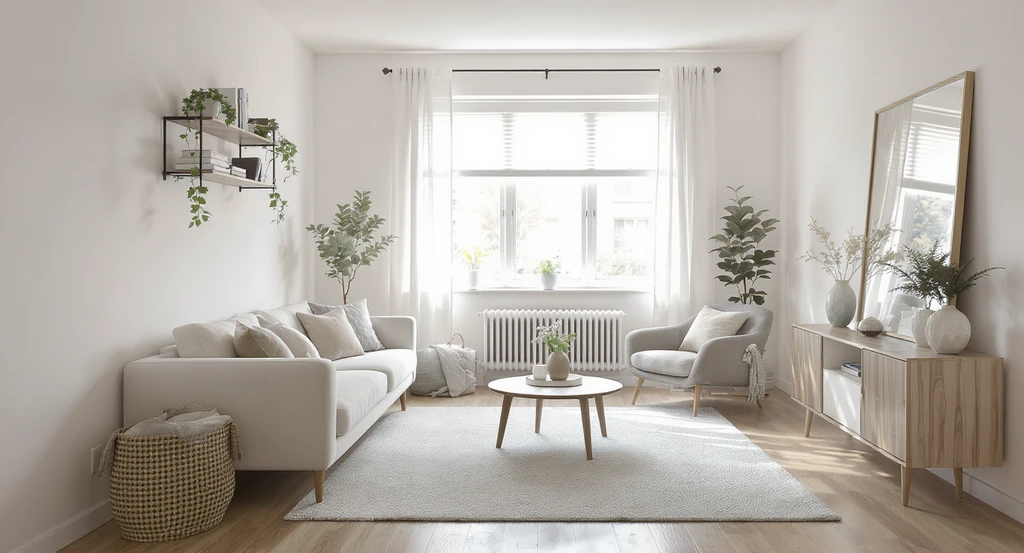
A small space can feel more generous using expert layout, color, lighting, and furniture choices—no need to demolish walls. Design strategies such as floating furniture, using vertical lines, and layering lighting help rooms breathe and appear much larger.
Why Some Rooms Feel Smaller Than They Are
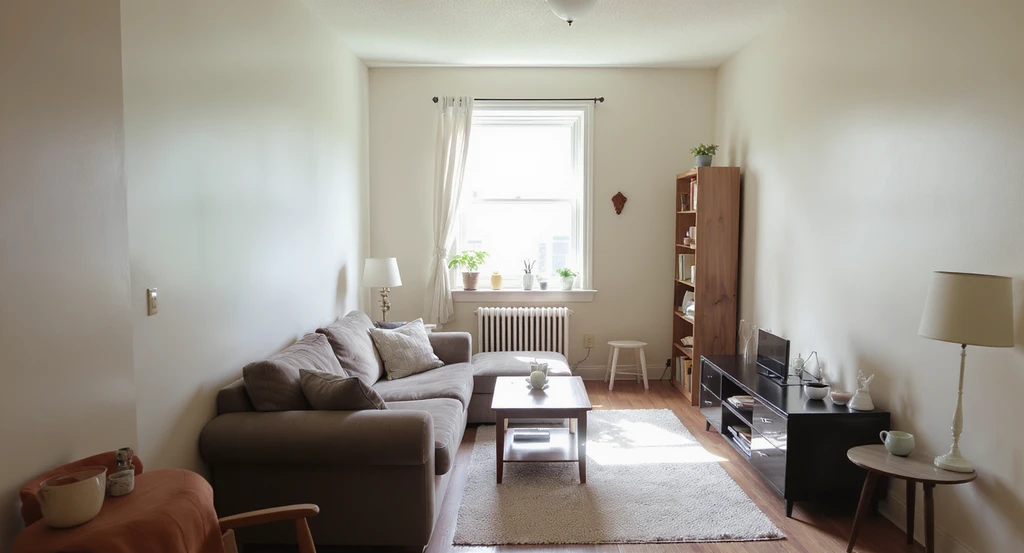
A small living room with carefully arranged furniture and light walls, illustrating the challenge of making a compact space look airy and inviting without renovations.
Many homeowners encounter the frustrating dilemma: the furniture fits, the colors are right, and yet the room feels uncomfortably cramped. This is a frequent challenge, especially in apartments, condos, and older homes where square footage is limited and layouts tend to be narrow or quirky. Fortunately, increasing the sense of spaciousness in a room rarely requires radical renovation. The secret lies in visual choices—how the space is arranged, where your eye is drawn, and subtle shifts in color, lighting, and furniture. With a few deliberate strategies, you can make even the smallest room feel lighter, bigger, and more intentional.
-
Start With Layout, Not Paint
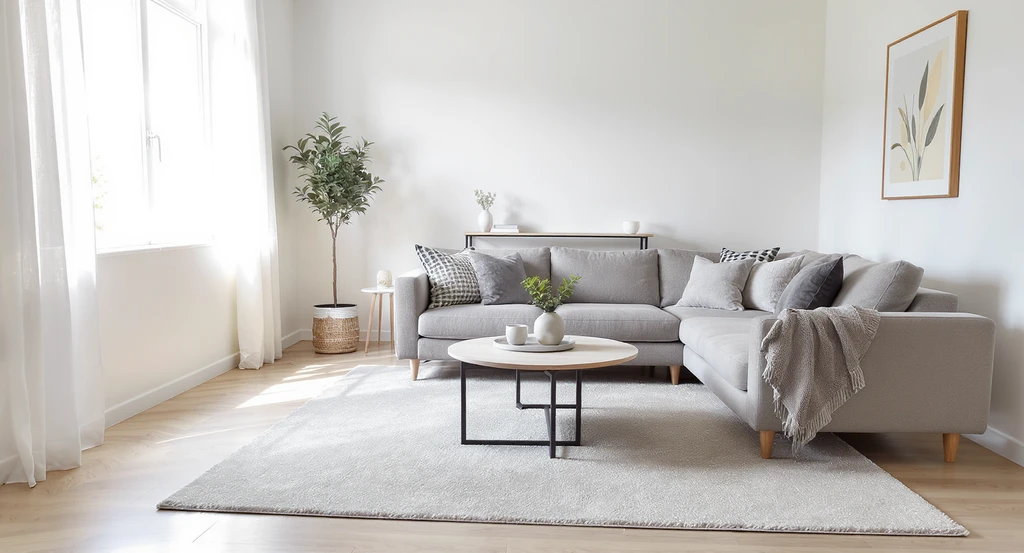
Thoughtfully arranging furniture—like floating the sofa, scaling pieces properly, and ensuring clear, wide walkways—makes a small room look bigger without renovations.
When confronted with a tight space, many leap to the idea of repainting the walls. While color has impact, the most transformative results stem from thoughtful layout. Shoving all furniture against the walls usually backfires by emphasizing the room’s limited proportions and creating disconnected, awkward zones. Instead, try pulling key pieces slightly off the walls—a sofa hovered a few inches forward, perhaps paired with a slim console. This creates natural pathways, helps guide movement, and fosters a balanced structure that just feels right. It’s also vital to scale your pieces appropriately. Surprisingly, undersized sofas and tiny tables fragment the room, making it appear busier and actually smaller. A properly scaled sofa, a large area rug anchoring the seating zone, and fewer but intentional pieces typically foster calm and cohesion. Always aim for clear walkways (at least 30 to 36 inches wide) and unobstructed natural light for the most inviting layout.
Expert Insight
Shortly after moving into a cozy prewar apartment, a client struggled to reconcile her love of bold art with a long, narrow living room. By floating the sofa slightly forward, raising her curtain rods, using a large, unifying rug and accenting with layered light, her space transformed from tunnel-like to comfortable and uniquely personal—no walls moved, just smart visual devices employed.
-
Emphasize Verticality: Exploit Your Height
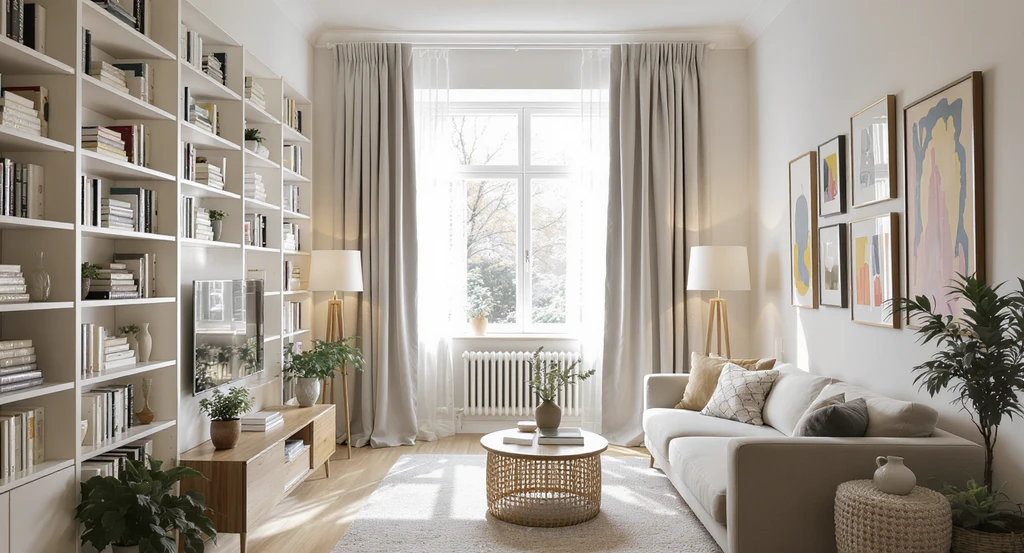
Mounting drapes high, choosing tall bookcases, and using vertical mirrors are key tricks to visually stretch height in small rooms.
While most instinctively focus on horizontal space, height is an often underused opportunity. Drawing the eye upward by mounting drapery close to the ceiling, choosing tall bookcases or mirrors, and opting for art hung in vertical stacks creates a lift that gives compact rooms real grandeur. Mount curtains well above window frames to make walls seem taller and windows appear larger. Use tall, slim shelving instead of low, wide units. A large vertical mirror—especially when placed to reflect natural light—amplifies both height and brightness. Features like floor-to-ceiling shelving or slim, tall floor lamps further stretch the room visually.
-
Color: Subtle Choices Trump “Just Paint It White”
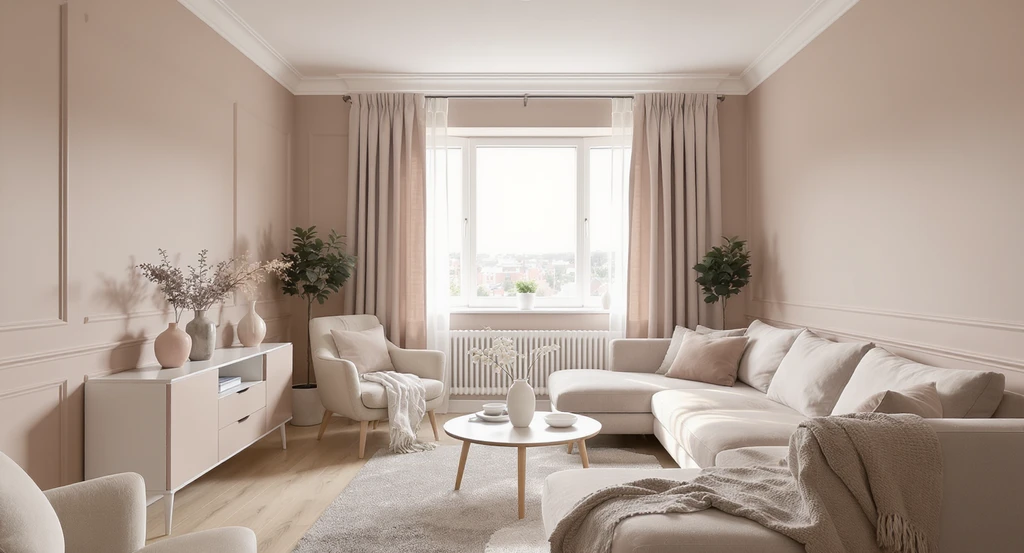
A taupe monochromatic color scheme with low contrast between walls, ceiling, trim, and furniture makes this small room appear more spacious and inviting.
White is often touted as the universal remedy, but color’s role in expanding a space is nuanced. Harsh contrast—dark trim with bright walls or bold accent walls—creates visual breaks that halt your gaze. Instead, a cohesive palette with low contrast (like trim and furniture in shades similar to the wall color) helps the eye glide seamlessly. A monochromatic color scheme—layering light, medium, and deeper versions of the same hue—builds calm and expansiveness. Interestingly, sometimes deeper tones envelop a small room in a way that feels cozy yet intentionally spacious, especially if you paint the ceiling the same color as the walls to avoid abrupt visual stops. The key is continuity.
-
Light the Entire Room, Not Just the Center
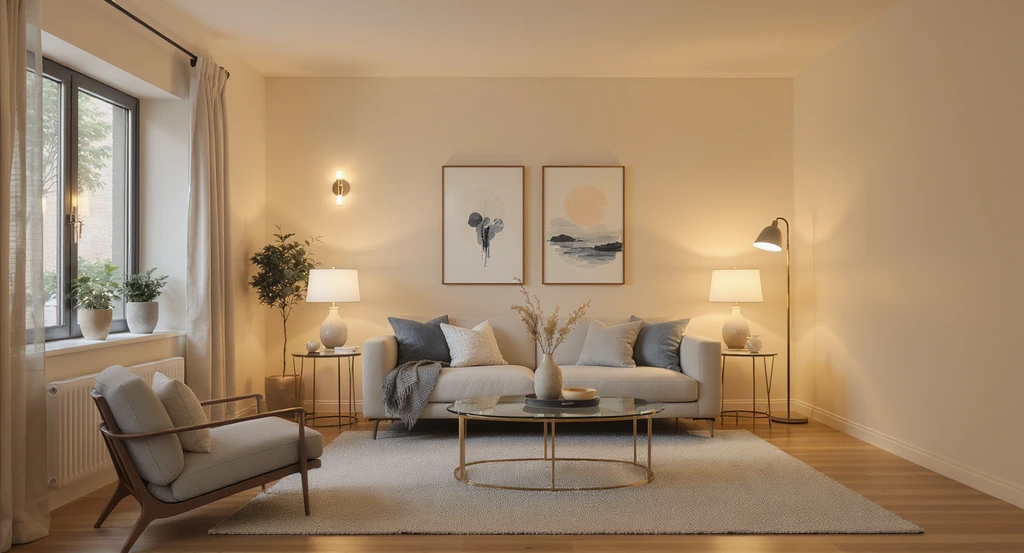
Smartly layered lighting, including wall sconces, table lamps, and a floor lamp, brightens dark corners and makes this small living room feel spacious.
The right lighting is transformative in petite spaces. Relying only on an overhead fixture leaves the perimeter in shadow and can visually lower the ceiling. Layered lighting—in the form of table lamps, wall sconces, and floor lamps—not only eliminates dark corners, but creates the illusion of depth by dispersing light evenly. Target shadowed areas for added illumination, and choose warm light (between 2700K and 3000K) for a soft, inviting glow. Reflective surfaces such as glass-topped tables or metallic finishes will bounce light and reduce the room’s sense of enclosure. When every corner is gently lit, walls seem to recede and the room opens up.
-
Let Furniture Breathe: Openness Is Key
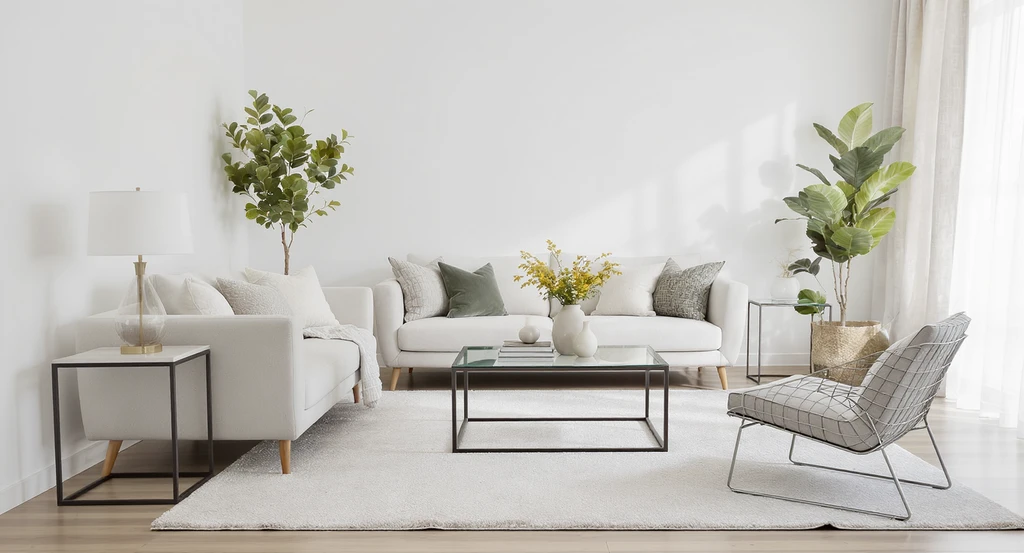
Furniture with open frames, exposed legs, and a large area rug maintains sightlines and visual flow, helping small rooms appear bigger and less cluttered.
Heavy, boxy furniture can overwhelm compact rooms. Select pieces with exposed legs or open frames to reveal more floor and maintain visual flow, rather than blocking sightlines with bulk from top to bottom. Transparent elements (like glass tables) and open metal frames keep rooms feeling light. Remember, oversized rugs that anchor all seating help unify and expand the space, while tiny floor coverings only fragment and shrink it. Balance, proportion, and restraint work together to highlight the room’s potential without clutter.
-
Create a Single Strong Focal Point
Rooms that feel cluttered often have multiple small visual distractions. Instead of scattering many little decor items or art pieces, emphasize one main feature—a large painting, an artfully styled fireplace wall, or a bold rug—as the anchor. This creates calm and provides the eye a place to rest, making the room appear more unified and generous. Negative space around this anchor reinforces the sense of openness. Curating your decor lends clarity and avoids visual noise, maximizing serenity in the smallest spaces.
Visualization Scenario
Picture walking into a compact living room after these changes: sunlight bounces from a tall mirror leaning across from the window; a substantial sofa sits atop an area rug sized to the seating; slim-leg accent chairs offer places to perch without crowding; the soft gleam of a brass sconce fills a once-shadowed corner. The space feels airy, intentional, and welcoming—significantly larger than its footprint would suggest.
Common Questions About Maximizing Small Spaces
- Does painting everything white make my room look bigger?
Not automatically. While white reflects light, it can fall flat if the layout or furniture scale is off. A cohesive, low-contrast palette works better than color alone. - Will adding mirrors help?
Yes—if placed thoughtfully. Large vertical mirrors across from windows multiply natural light and extend sightlines. Avoid scattering lots of little mirrors, which just add clutter. - Should I choose smaller furniture for a small room?
Not necessarily. Small-scale pieces can make a space feel chopped up. Opt for properly scaled pieces with open bases for calm and cohesion. - How much does lighting affect room size?
It matters a lot. Layered lighting erases shadows and visually stretches the perimeter, making the whole room feel larger and warmer.
Key Takeaways for Spaciousness—No Demolition Required
Making a small or narrow room feel bigger is a matter of spatial strategy, not added square footage. Focus on strategic layout, vertical emphasis, subtle color choices, balanced lighting, airy furniture, and a strong focal point. Each subtle shift works together, quietly opening up your space and making it more comfortable and inviting—without ever picking up a sledgehammer.