How Lighting Can Make or Break Even the Best Interiors
TL;DR
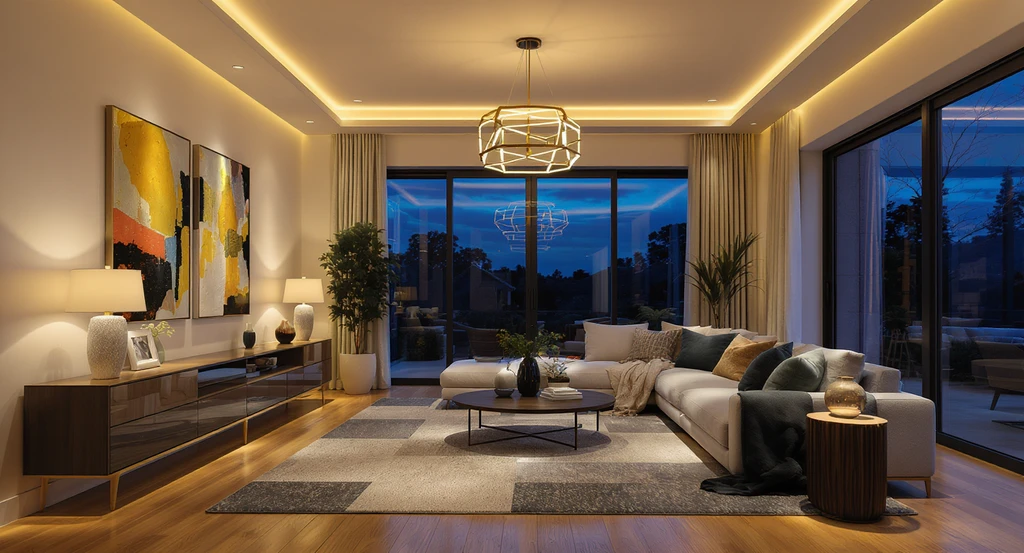
No matter how stylish your furniture or color scheme, poor lighting can leave interiors feeling flat and uninviting. Thoughtful illumination – from natural sunlight to layered light sources – is essential to highlight features, influence mood, and ensure a home truly shines.
The Overlooked Power of Light in Interior Design
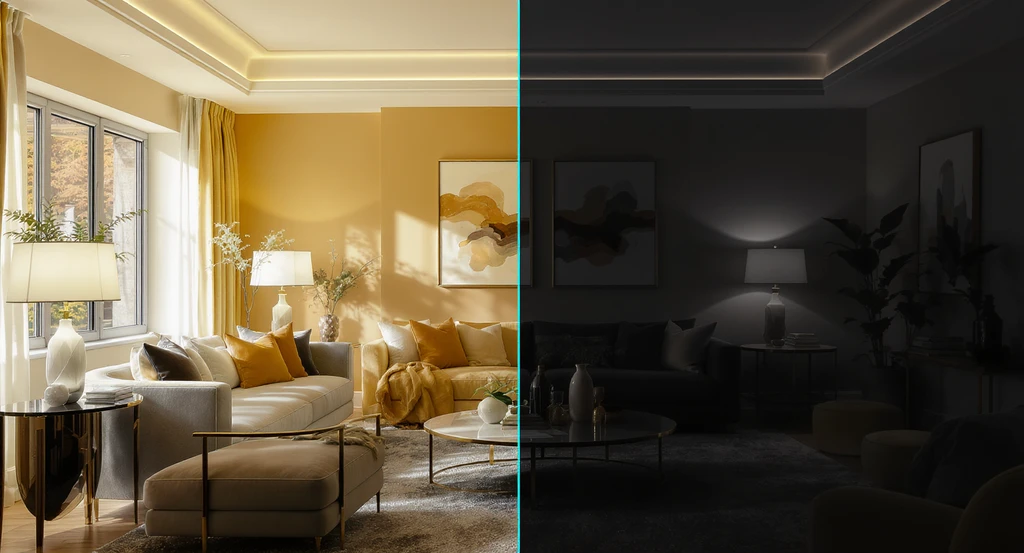
Lighting can dramatically alter the mood, depth, and perceived luxury of even the best-designed interiors. This scene compares proper layered lighting versus poor illumination, underscoring why lighting matters as much as any decor choice.
It is easy to get swept up in the allure of plush sofas, designer paint colors, and curated decor, believing these alone shape the soul of a room. Yet, behind every beautiful interior, there’s a quietly powerful player at work: lighting. Without the right illumination, even the best-designed spaces can feel cold, cramped, or uninspired. Lighting shapes how we perceive color, texture, and even space itself – often more powerfully than we realize. Design professionals consistently emphasize lighting’s transformative role. It does so much more than simply brighten a space. It sets the mood, brings out architectural features, and influences comfort and practicality in daily life. Let's look closer at why light deserves just as much focus as any piece of furniture – and how neglecting it can undermine all your design ambitions.
-
How Lighting Sets the Mood
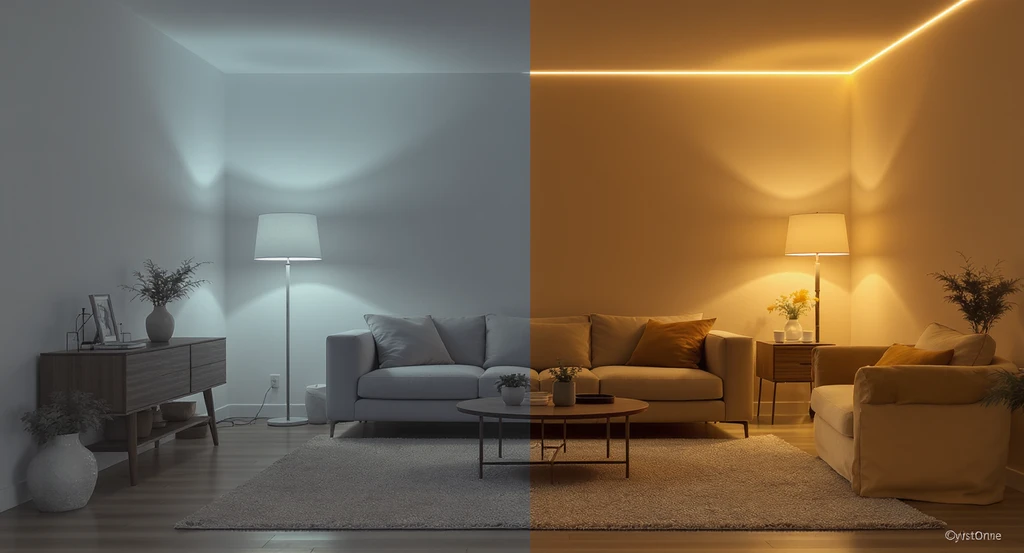
Layered warm lighting transforms this living room from cold and sterile to inviting and tranquil, revealing the power of lighting in mood-setting interior design.
The lighting scheme in any room governs the emotional tone as much as the physical appearance. Picture a living room lit solely with cool, overhead bulbs: it quickly takes on a sterile, unwelcoming vibe. Swap those harsh lights for soft, layered illumination from floor lamps, sconces, or warm LED strips, and suddenly the same space feels inviting and tranquil. This is no accident. Light’s temperature and intensity affect whether a room is cozy, dramatic, or energizing. Interior designers build atmosphere intentionally with adjustable lighting to match the desired experience for each space.
Expert Insight
A young couple recently invested in transforming their living room with sleek new furnishings and a bold accent wall. Yet, when the sun set, the room felt uncomfortably stark and lacked warmth. By simply adding dimmable sconces and a soft floor lamp, the entire space shifted, drawing compliments from every guest. The couple realized that lighting had been the missing piece all along.
-
Showcasing Features – or Dulling Them
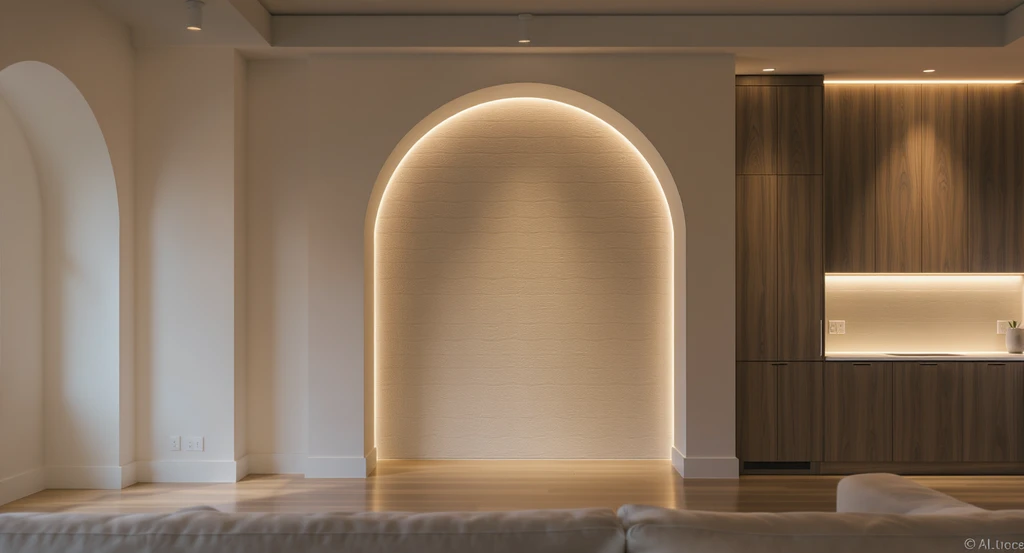
Strategic spotlights and cove lighting bring out the texture of walls, unique archways, and custom cabinetry—proving how the right illumination highlights interior details.
Architectural details and thoughtful finishes can disappear under flat, inadequate lighting. An archway, textured wall, or custom cabinetry is only as impactful as its exposure. Strategic lighting – like directed spotlights or glowing cove lights – draws attention to these elements and creates visual layers. Without it, the subtleties of materials and craftsmanship melt into the background, leaving rooms feeling unfinished and less memorable. It is this careful use of light that separates merely furnished rooms from truly designed spaces.
-
Natural Light: A Designer's Best Friend
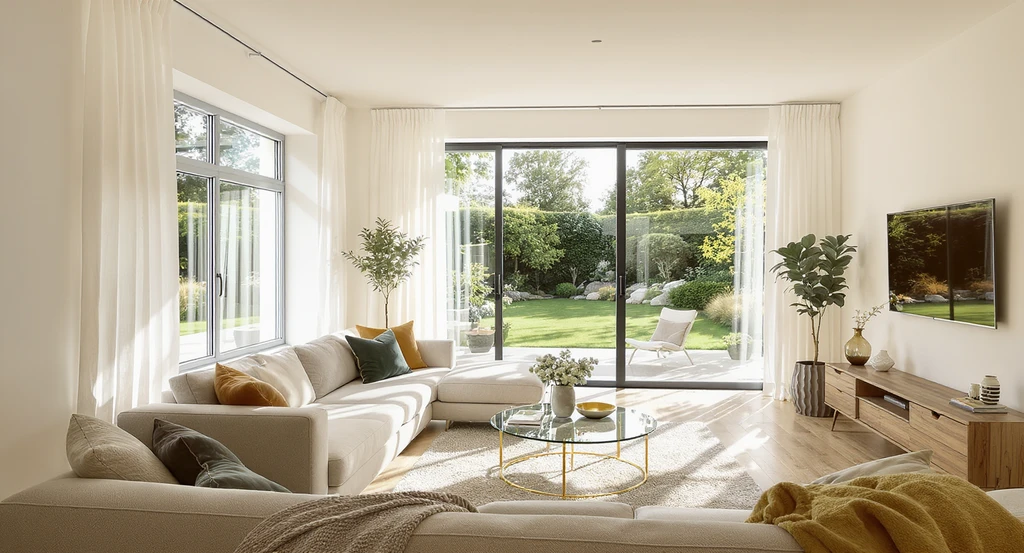
Natural light transforms interiors by illuminating true colors and enhancing materials, making even simple living rooms vibrant and welcoming.
Nothing brings a home to life like natural sunlight. Sunlight renders paint, fabrics, and wood in their truest, most dynamic states while connecting interior spaces to the outside world. A lack of daylight saps vibrancy, making even thoughtfully decorated rooms feel dull or artificial. Maximal use of windows, glass doors, and translucent treatments amplifies whatever light is available. Reflective surfaces and open layouts also help distribute daylight deeper into the room. Sunlight remains a crucial, sometimes underestimated, ally in enlivening any interior.
-
Layering Light for Function and Comfort
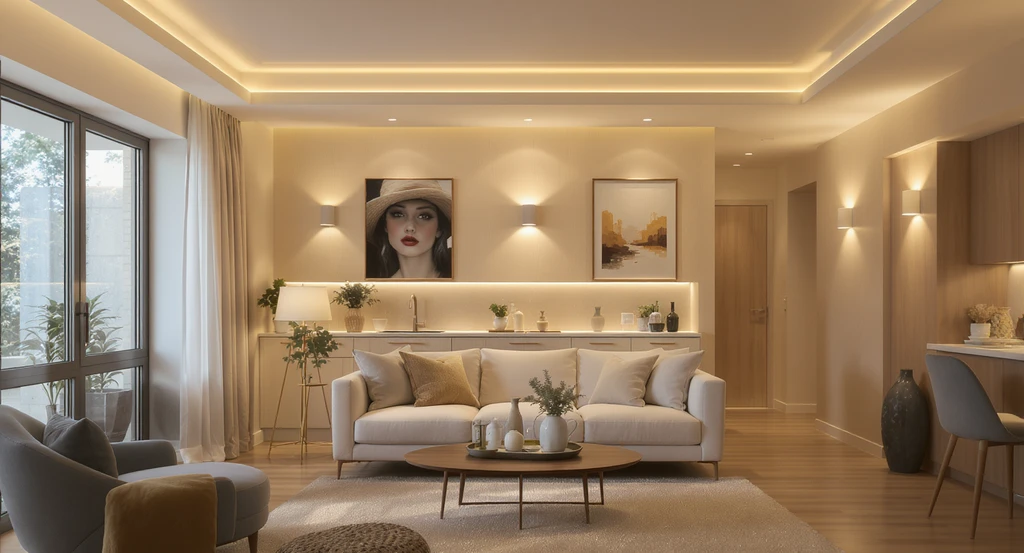
Layered lighting combines ambient, task, and accent light sources to maximize both comfort and function, ensuring every area is well-illuminated.
A single light source rarely serves all needs. Designers recommend blending three basic layers: ambient lighting for overall brightness, task lighting for activities like reading or cooking, and accent lighting to add depth and highlight focal points. This layered approach ensures both comfort and utility, from a softly illuminated living area for relaxation to well-lit countertops for precise food prep. Neglecting this balance can result in spaces that are both visually uninspiring and functionally frustrating, no matter how lavish the decor.
-
The Costs of Neglected Lighting
While it’s tempting to focus the budget on statement pieces or luxury materials, disregarding a thoughtful lighting plan can undermine the entire investment. Poorly lit spaces often breed discomfort and inconvenience—think of the dimly lit hallway that feels claustrophobic or the dazzling kitchen where details are lost in shadow. Compromised lighting diminishes usability and fails to showcase the original vision behind the design.
-
Integrating Lighting Into Your Design Plan
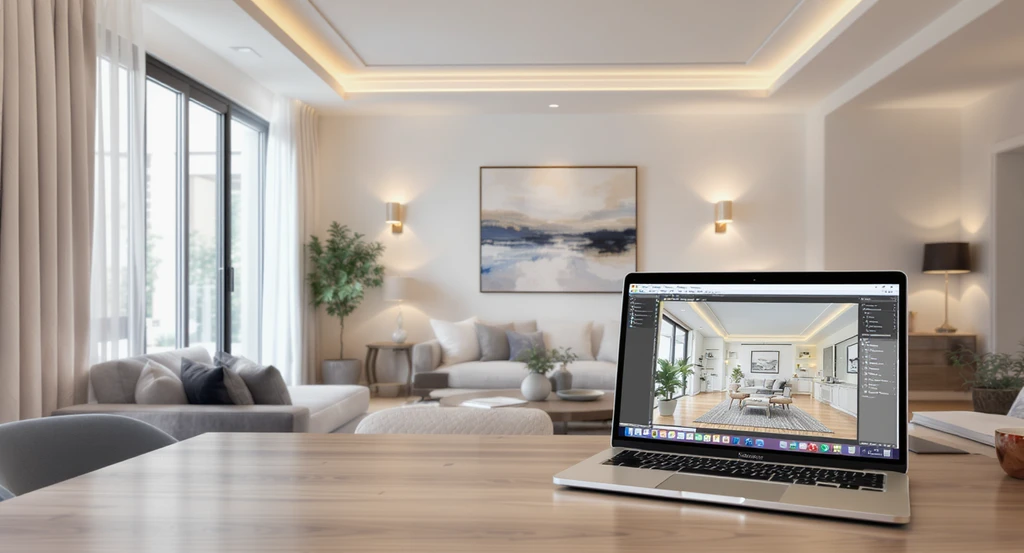
Integrating lighting from the outset allows for a seamless design plan, using natural and artificial illumination to enhance every feature of the space.
Lighting should be woven into the design process from the very start—not treated as an afterthought. Assess how natural light moves throughout the day, identify which features deserve emphasis, and map out how the room will actually be used. Tools like virtual design platforms such as ReimagineHome can help visualize the impact of various lighting solutions before making any commitments, ensuring spaces come alive both day and night.
Visualization Scenario
Imagine walking into an impeccably decorated room in the early evening. Wall colors and textures seem to come alive under gentle pools of light; an artful spotlight reveals the grain in woodwork, while soft ambient glow dissolves shadows. The space feels intimate, welcoming, and distinctly personal—an atmosphere shaped by deliberately designed lighting.
Frequently Asked Questions About Lighting in Interior Design
- What is the most common lighting mistake in home design?
Relying on a single overhead fixture without layering additional light sources is a frequent pitfall, often resulting in flat and uninviting rooms. - How can I maximize natural light in a small space?
Use lighter curtains, place mirrors strategically to reflect light, and opt for light-colored walls and furniture to amplify the available daylight. - What types of lighting should every room have?
Ideally, each space includes ambient, task, and accent lighting to balance functionality and comfort at all times of day. - Why does my room feel gloomy even with bright lights?
Lighting color temperature, placement, and the use of shadows all influence mood. Consider warmer bulbs and distributed sources rather than relying solely on bright, central fixtures. - How can I plan lighting for a room makeover?
Begin with a lighting assessment, experiment with virtual design tools like ReimagineHome, and consult with a lighting specialist when needed to map out a layered plan.
Lighting: The Unsung Hero of Interior Design
Light is more than a practical necessity – it is the key to an atmosphere that feels as good as it looks. Even the most luxurious furnishings or elegant color schemes fall short without a thoughtful lighting plan. To make a home truly welcoming and functional, give lighting the careful attention it deserves at every design stage.