Expert Guide: How to Decorate a Blank Wall at Home for Lasting Impact
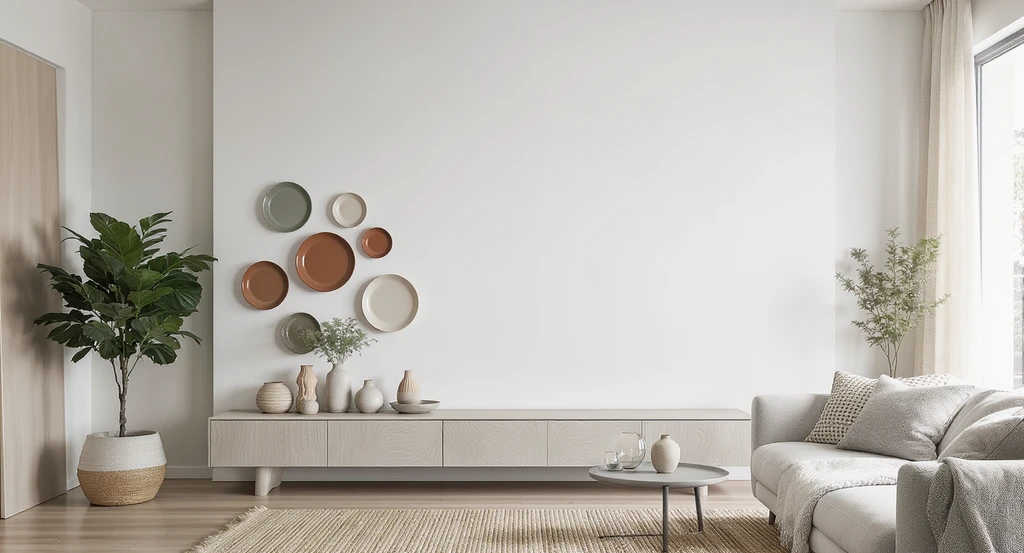
TL;DR
The best approach to decorating a blank wall balances personal taste, spatial constraints, and functional needs. Well-chosen wall art such as sculptural plates, textured panels, or curated lighting adds depth without crowding. Understanding scale, light, surface finish, and resale sensitivities ensures your choice brings comfort now and value later. Visualization reduces risk and helps you decide with clarity.
Why Decorating a Blank Wall Is More Than Just Filling Space
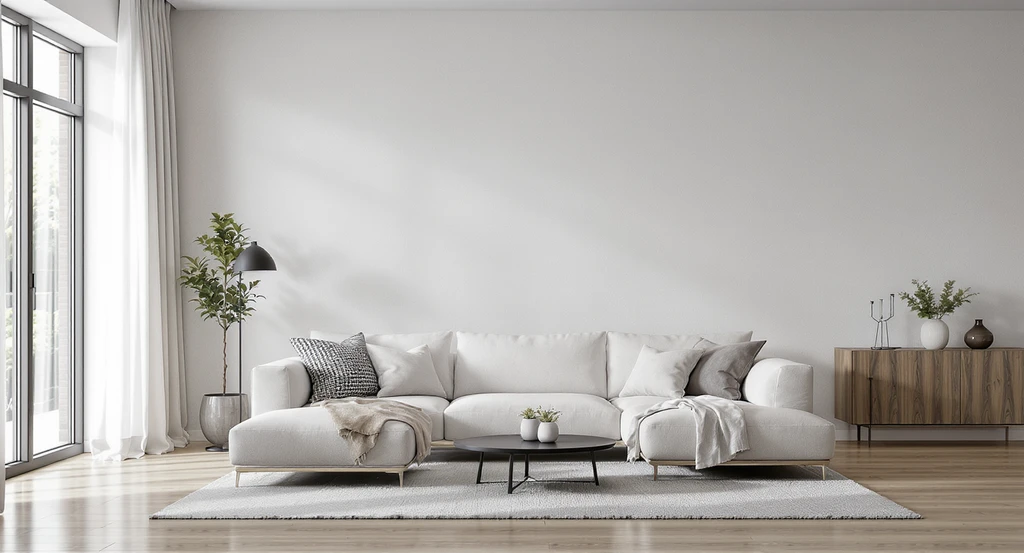
Decorating large blank walls at home starts with understanding an empty space—see how intentional design choices can add personality to minimalist rooms and inspire unique wall plate decor ideas.
Blank walls can signal opportunity or, if mishandled, highlight indecision. While millions of decorative options exist, the right choice for your wall is shaped by your personal style, how the room functions, and the physical realities of the space light, ceiling height, and layout. Rushing into common solutions like generic portraits often leads to a sense of visual clutter or overlooked potential. Instead, intentional wall decor can lift a space, improve daily experience, and support your home’s resale narrative. This guide explains how to approach blank wall decisions with confidence so your choice supports both current comfort and long-term satisfaction.
-
What Is Actually Happening When a Blank Wall Feels 'Wrong'?
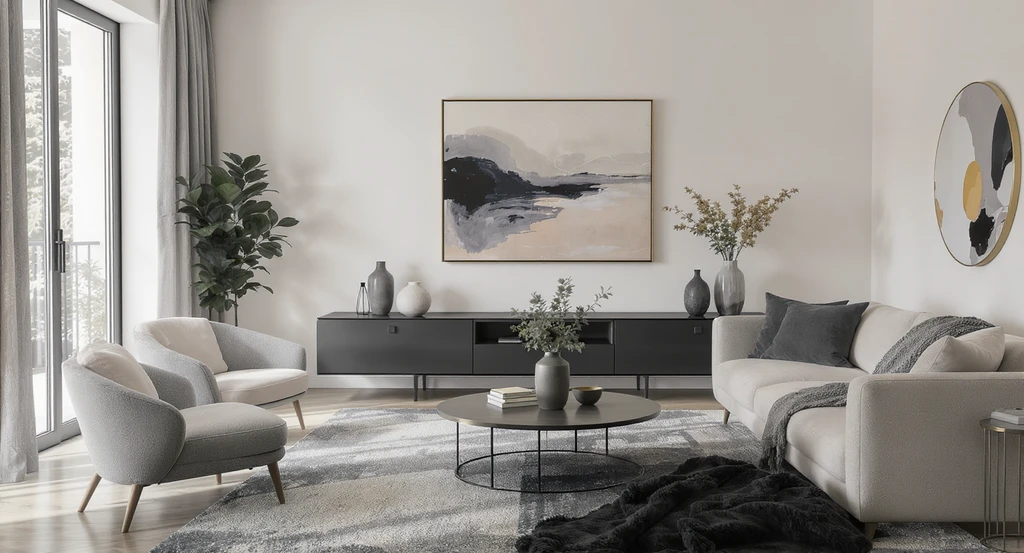
A large, empty wall in a minimalist living room highlights how blank spaces disrupt visual flow and leave home decor feeling unfinished—key to decorating large walls at home.
A blank wall often draws attention not because it’s empty, but because it interrupts the visual flow of a room. This can make the space feel unfinished or cold particularly in living areas with a minimal color palette or limited spatial layering. As we noted in our detailed guide to finishing touches, the absence of scale, texture, and varied lighting is what causes a room to fall flat, not just the absence of objects.
-
Why Homeowners Misjudge Blank Wall Decisions
Most homeowners view a blank wall as an urgent problem, prompting quick fixes like generic canvas art or store-bought prints. The issue is that these often ignore the room’s proportions, color story, and functional needs. According to our breakdown of living room cohesion, layering in pieces that sync with lighting and furniture scale prevents the wall from feeling "tacked on."
-
The REimagineHome AI Wall Composition Decision Structure
To avoid impulsive choices, use our Wall Composition Decision Structure:
- Assess wall size and aspect ratio under both natural and artificial light.
- Identify dominant colors and textures already present in the room.
- Select a focal element (sculptural wall plate, textile, or curated lighting) to anchor the arrangement.
- Add supporting accents mirrors, sconces, fluted panels based on remaining wall area and viewing height.
- Preview the arrangement visually before committing, ideally using a visualization platform such as REimagineHome AI.
-
When Sculptural Wall Plates and Textured Art Work-And When They Don’t
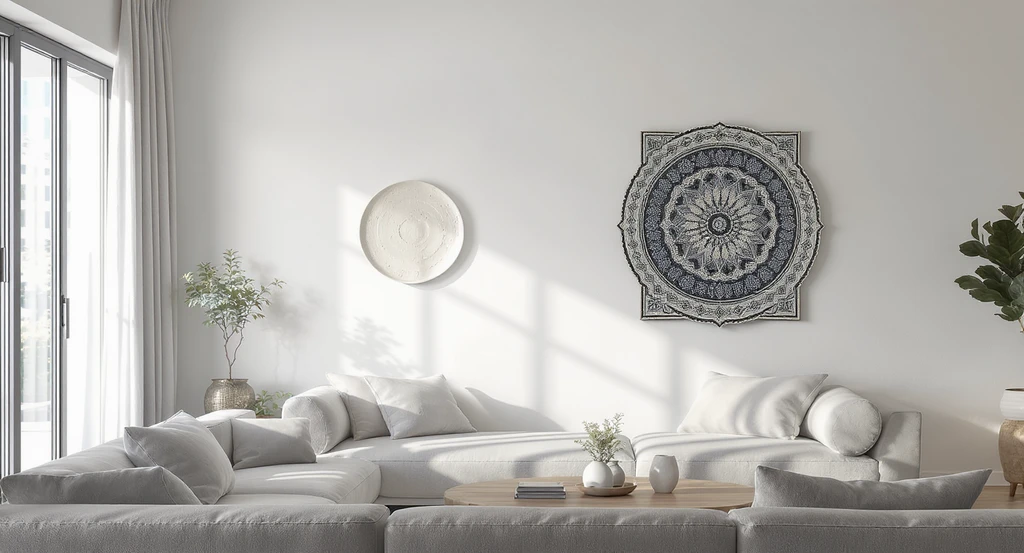
Decorating large blank walls at home with sculptural wall plates and textured art creates unique focal points and adds personality without overwhelming minimalist spaces—a sophisticated alternative to traditional wall art.
Sculptural wall plates and textured art excel when a room needs depth without overwhelming color. Their tactile quality provides a sense of artistry and heritage, especially when craftsmanship is visible as in Kalamkari or hand-formed ceramics. However, highly saturated or crowded compositions can backfire in rooms with low light or competing focal points creating visual noise instead of sophistication. For smaller or low-ceilinged rooms, edit down to one or two thoughtful pieces rather than a gallery arrangement.
-
Resale & Buyer Psychology: Are Personalized Walls a Liability?
Personalized wall decor can be a double-edged sword. While an artful installation makes a space feel lived-in and memorable, overly specific or trend-driven choices may limit buyer appeal. If resale is a priority, choose pieces with subtle color stories and quality materials. As highlighted in our guide to warm minimalism, restraint and clarity are more universally attractive than busy or highly customized displays.
-
Step-Based Visualization: How to See, Edit, Then Decide
The risk of regret drops when you visualize before you install. Use digital mockups to preview wall plates, lampshades, or layered lighting in daylight and at night. Adjust for glare, shadow, and scale. Visualization also highlights unseen challenges like awkward wall outlets or conflicting textures—so you can refine your approach early. REimagineHome AI offers this step-by-step process, helping you move from concept to confident decision without guesswork.
-
Definition: What Makes a Wall Arrangement 'Composed'?
A wall arrangement is considered ‘composed’ when elements work together in shape, scale, and purpose creating a unified visual flow. This happens when the size and placement of art, plates, or lighting align with key sightlines and room proportions. Most people mistake random clustering for intentional layering, but composition is the result of mindful editing and evaluation rather than mere accumulation.
-
Applying the Structure: Practical Ideas Beyond Frames and Prints
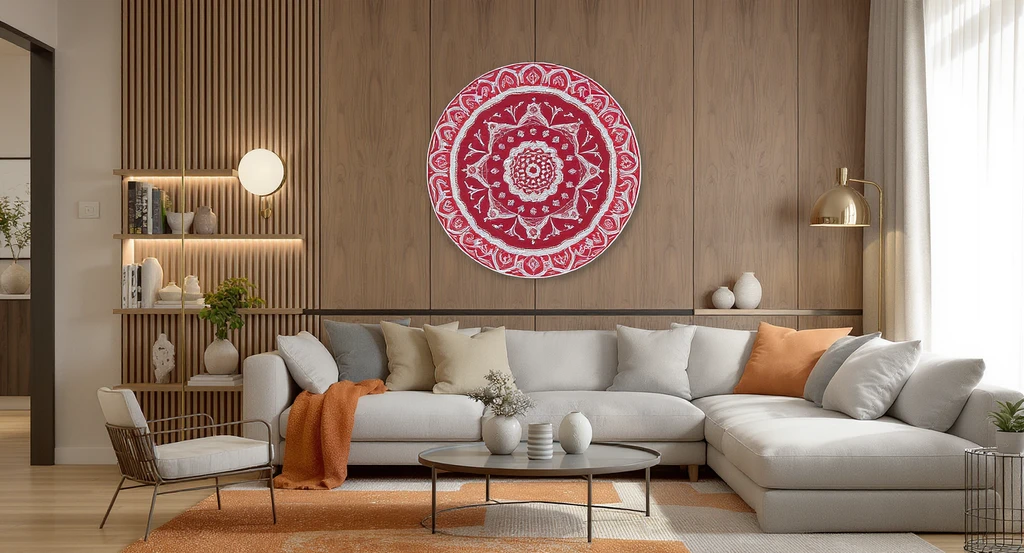
Discover how decorating large blank walls at home with unique wall plate decor, fluted panels, and layered lighting adds personality to minimalist rooms and offers creative alternatives to traditional wall art.
To break out of common patterns, opt for decor items that add both interest and function. Try a single large Kalamkari wall plate or a trio in staggered pattern for heritage appeal. Use fluted panels or textured textile art to bring dimensional warmth. Consider themed lampshades with warm light for ambiance, or slim floating shelves to display seasonal objects.
Layering lighting picture lights, sconces, or directional floor lamps avoids flatness and can highlight your main feature, as discussed in our roundup of powerful DIY decor ideas. Finally, propagation of a single accent color through pillows or rug details, as emphasized in our practical living room fixes, ensures that the arrangement feels deliberate rather than accidental.
FAQ: Decorating Blank Walls at Home
A single large-scale art piece or wall plate in colors already found in your room is often safest. This anchors the wall without overwhelming the space. Preview options digitally before installing for clarity.
Yes, coherence matters. It’s best if wall decor repeats or complements at least one color or texture from your existing furnishings, as explained in our guides on creating cohesive living rooms.
There’s no strict rule; however, avoid overcrowding. For most living spaces, three or fewer substantial items (art, plates, light) work best unless you are creating a planned gallery wall.
Layered lighting adds dimensionality and can highlight texture and color, helping your choices feel intentional. It’s especially valuable in windowless or low-light spaces.
Yes. Previewing your choices digitally lets you adjust for layout, light, and scale—removing much of the uncertainty and allowing experiments without commitment.
Key Takeaways: Choosing Wall Decor with Confidence
Decorating a blank wall shouldn’t be a hurried or impulse-driven process. Assess your room’s light, scale, and color story first. Use composed, textural pieces like sculptural plates or layered lighting for both artistry and comfort. Preview your arrangement before committing visualization tools like REimagineHome AI reduce the guesswork and help avoid the most common regrets. The goal: a wall that looks considered, aligns with your taste, and adds lasting value without overwhelming your space.