Best Living Room Layout Ideas: How to Arrange Furniture for Any Space
TL;DR
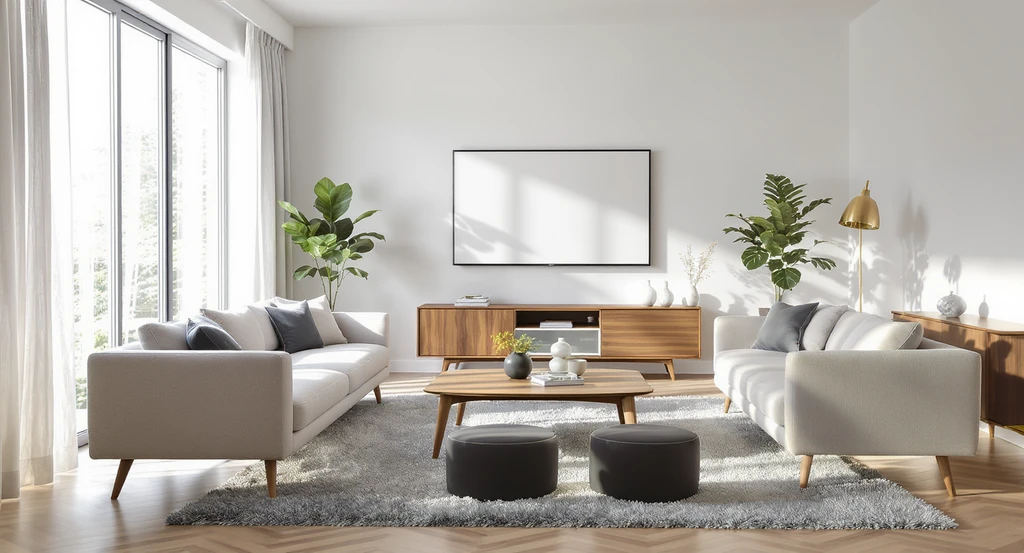
The most effective living room layout considers space size, focal points, and natural walkways. Start with the largest pieces, reinforce traffic flow around the seating area, and control visual balance with proper proportions. For small rooms, maximize openness with compact furniture; for large or L-shaped rooms, use zoning techniques for multi-functionality. Always visualize before committing to changes.
Why the Right Living Room Layout Matters
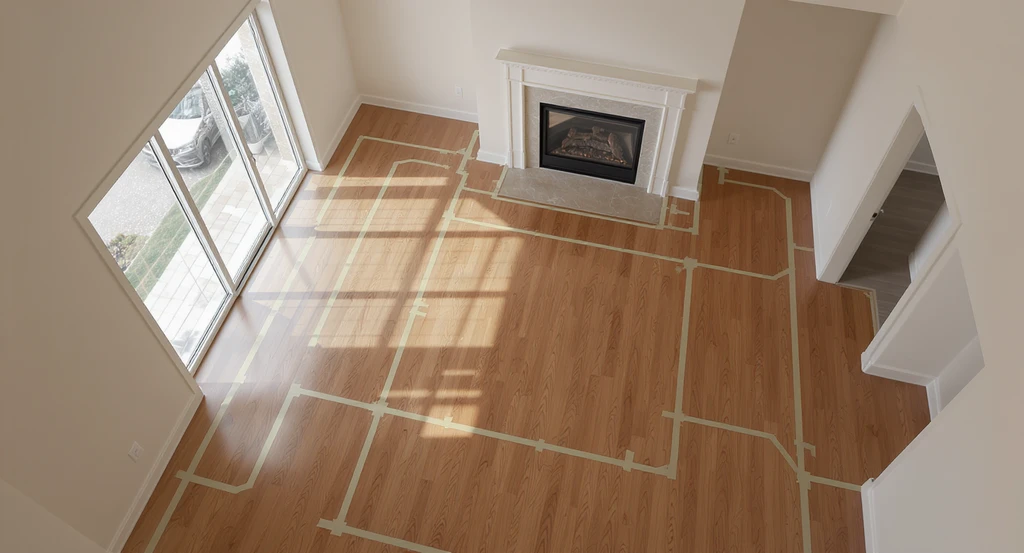
Best living room layout ideas begin with realistic planning—painter’s tape outlines help visualize how to arrange furniture in living room spaces, ensuring effective living room design for small spaces.
A living room layout is more than deciding where a couch or TV goes. It shapes how you use the space, influences comfort, and even affects your mood. Room shape, entry points, and focal features (like fireplaces or windows) all dictate what truly works, both visually and practically. Rushing to buy furniture or copy a popular setup usually leads to disappointment and wasted effort. The best layout starts with clear intent and realistic planning. That means anchoring the largest piece, preserving functional walkways, and considering how your room will actually be used day to day. As we highlighted in our guide to sofa size and living room layout, success comes from flow and proportion—not just buying smaller or trendier furniture.
-
Start with Your Floor Plan
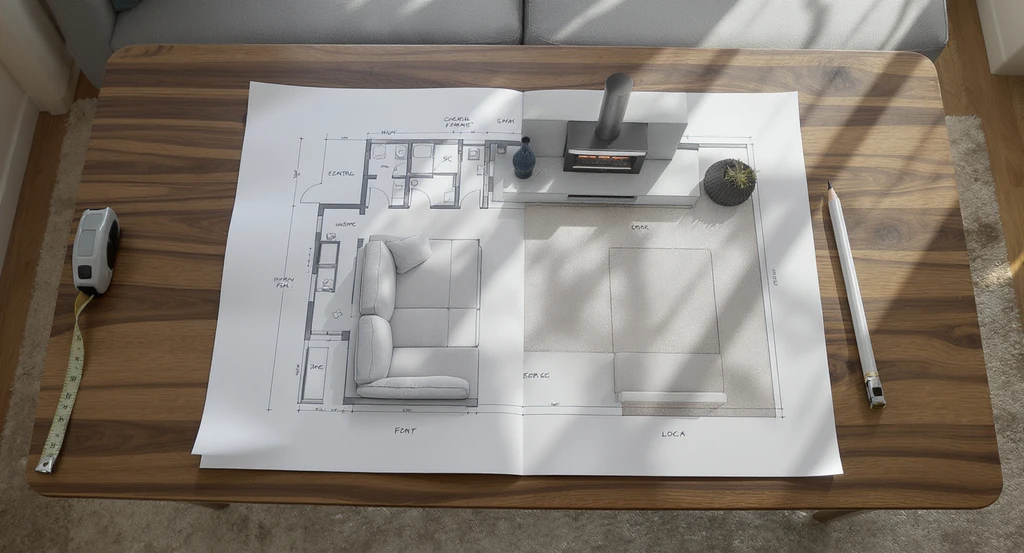
Best living room layout ideas start with a measured floor plan. Learn how to arrange furniture in living room design for small spaces by mapping focal points and anchoring key pieces.
Every successful living room layout starts with a measured drawing, even if it’s a quick sketch. Mark windows, doors, and heat sources. Note the main sightline: what’s the first thing you want seen when someone enters? Position your largest item (usually the sofa or sectional) based on this focal point. For most small or square living rooms, anchoring against one wall, rather than floating in the center, preserves maximum open space.
Expert Insight
A family recently used digital preview tools before redecorating a long, narrow living room. They believed their sectional was the culprit behind the room feeling cramped. But after testing several layouts virtually, they found that rotating the rug and adding a slim console behind the sofa opened the entire space, saving them the expense and hassle of replacing furniture.
-
Prioritize Pathways, Not Just Furniture Placement
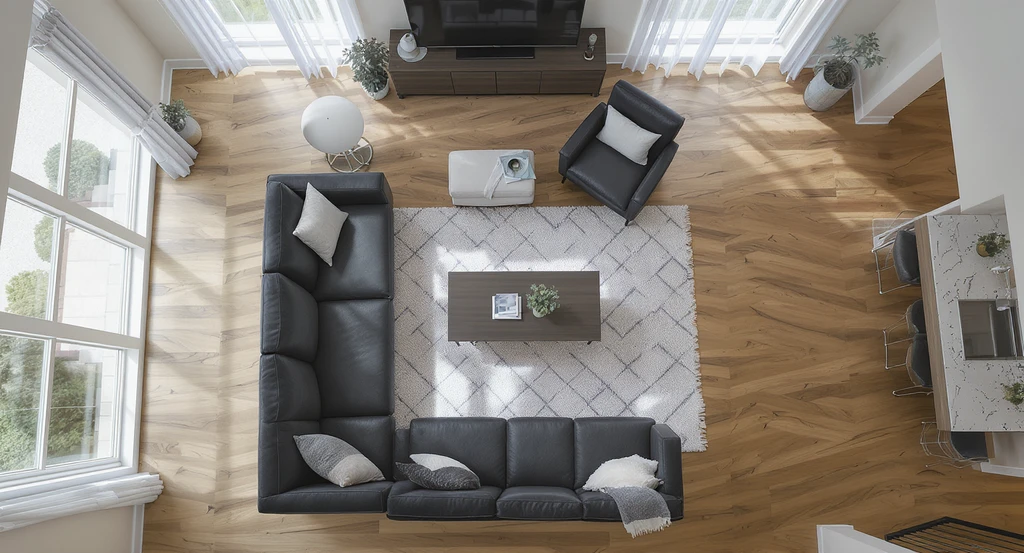
Best living room layout ideas demonstrate how to arrange furniture in living room to ensure 36-inch clear pathways, supporting calm and spacious living room design for small spaces.
The clearest sign of a layout problem is having to sidestep around a sofa or coffee table. Proper traffic flow means at least 30–36 inches of unobstructed walkway between major elements. Changing your layout to respect these routes nearly always makes a room feel calmer and larger. As we outlined in our furniture arrangement and sofa size guide, rearrange furniture to keep pathways around, not through, the core seating area.
-
Make the Most of Small Living Rooms
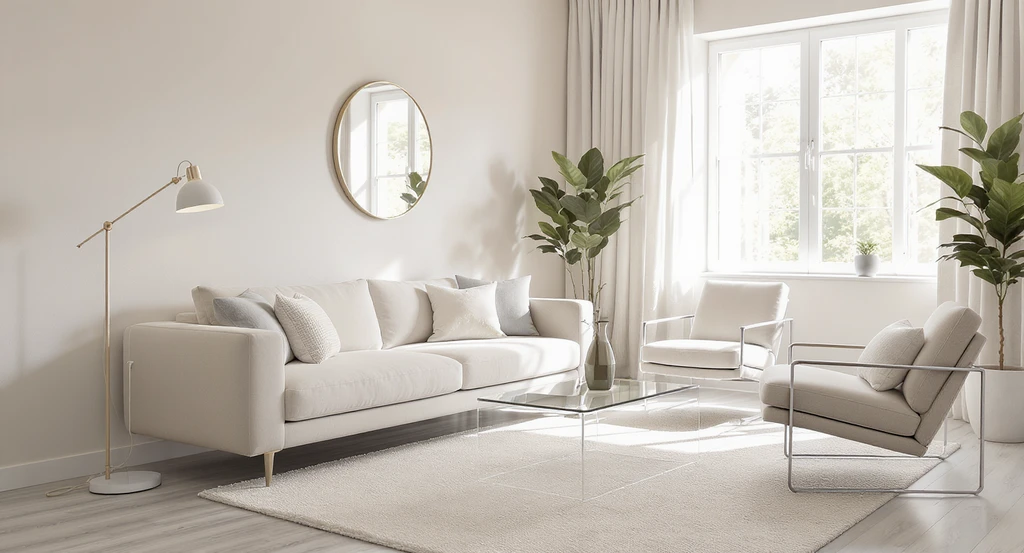
Discover the best living room layout ideas for small spaces—see how to arrange furniture in living room layouts using slender pieces, floating seating, and mirrors for a brighter, more open design.
Compact spaces demand discipline. Scale down furniture, choose slender arms, open bases, and armless silhouettes where possible. Push large pieces slightly away from the wall to help the room "breathe." Use mirrors and light colors to reflect natural light and expand the sense of space. Floating furniture, placing sofas across from each other, or layering slim, clear tables can prevent the "all-against-the-wall" look. For more layout corrections, see our article on fixing sofa size and layout in small living rooms.
-
Zoning Strategies for Large or L-Shaped Rooms

Discover the best living room layout ideas with this example showing how to arrange furniture in a large or L-shaped space using rugs to zone areas for conversation and reading. This layout demonstrates living room design for small spaces and large rooms alike by maximizing utility and visual flow.
Large or oddly-shaped living rooms benefit from dual zones. Use area rugs to segment conversation, media, and reading areas, even within the same room. Keep the main seating group focused on the key feature (TV, fireplace, or a large window), and set up secondary spaces like reading chairs at a window or a slim console behind a sofa for displaying decor.
-
Choose a Focal Point and Stick to It
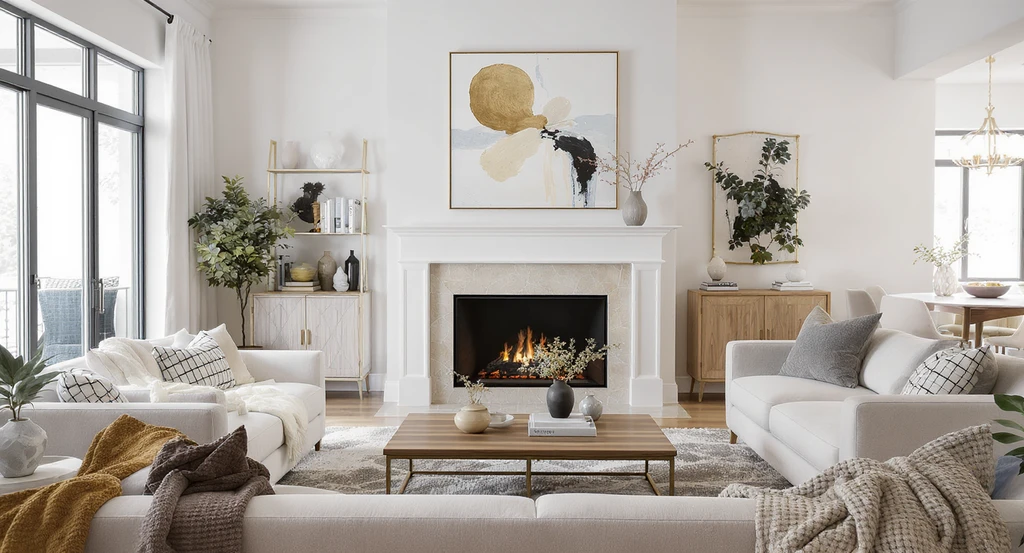
Choose a Focal Point and Stick to It Image
Decide if your primary feature is a TV, fireplace, view, or artwork. Angle or arrange seating so this element remains visible from most seats. In rooms with multiple focal points, such as both TV and fireplace, consider a flexible layout (sectional or grouped chairs) that serves both functions. Avoid crowding all attention in one visual corner; distribute visual interest evenly for a calm effect.
-
Match Furniture Proportion to Room Scale
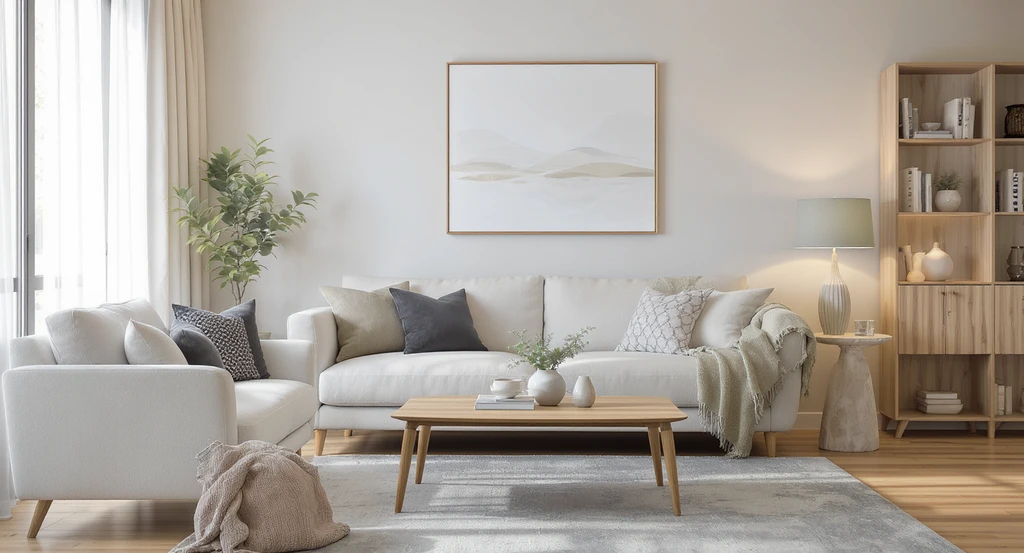
Match Furniture Proportion to Room Scale Image
Rugs, coffee tables, and sofas should be selected by a two-thirds rule: for example, the rug should be at least two-thirds the length of the sofa (and ideally have all front legs of furniture resting on it). Art should neither overwhelm nor get lost, center mid-height, typically 57 inches from the floor. Ineffective scale causes rooms to feel either crowded or unfinished.
-
Test Layouts Visually Before Moving Heavy Pieces
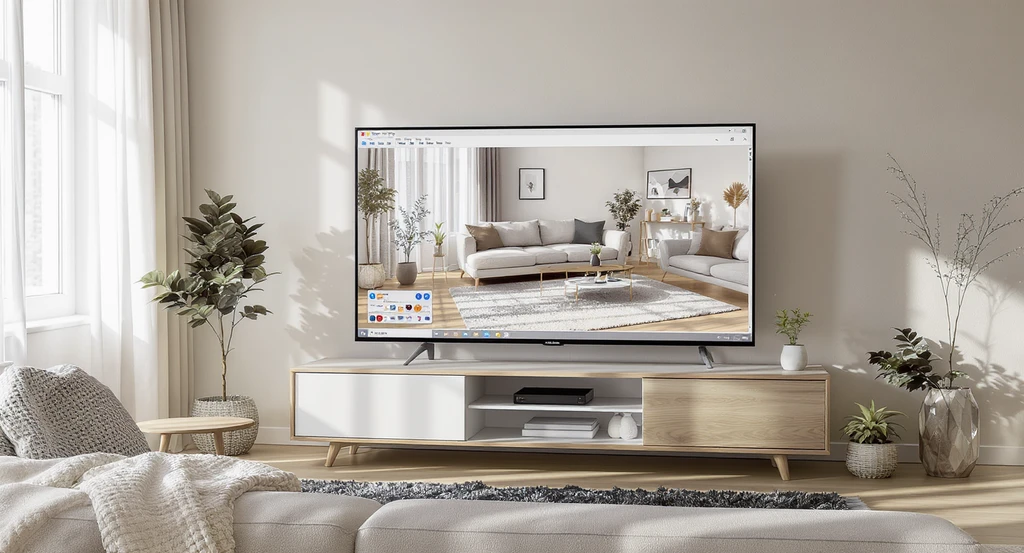
Preview multiple furniture arrangements digitally before moving anything. Discover the best living room layout ideas and learn how to arrange furniture in living room efficiently for small spaces.
Relying on imagination leads to costly mistakes and heavy lifting. Instead, use digital visualization to preview multiple arrangements. As explored in our discussions of sofa fit and layout and virtual staging, seeing a potential arrangement in your actual room context quickly reveals issues with circulation, scale, and lighting before you take action.
-
Typical Living Room Layout Mistakes
Typical Living Room Layout Mistakes Image
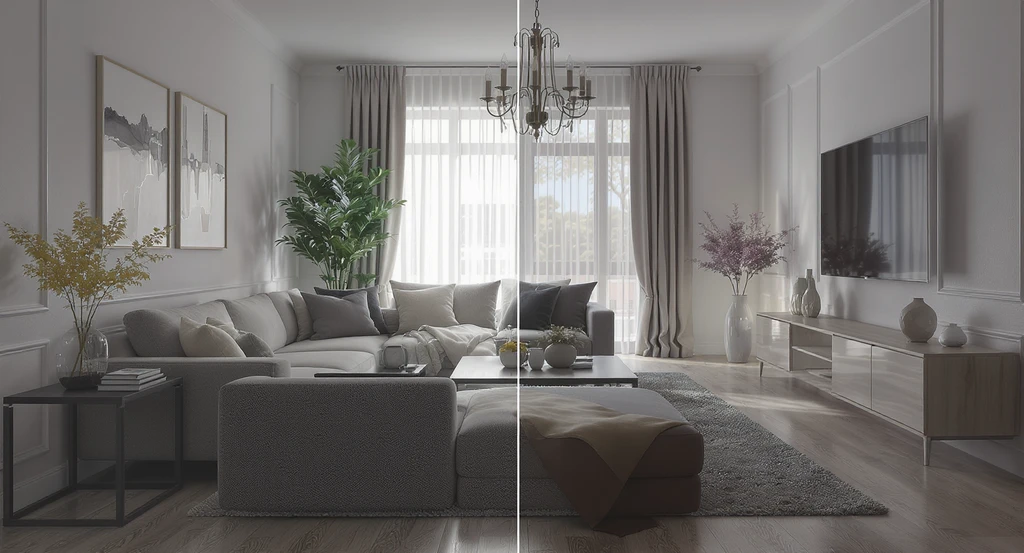
Common pitfalls include blocking pathways with bulky furniture, focusing all attention away from windows, and over-reliance on trends that clash with actual room shape. Skipping the floor plan leads to mismatched proportions, awkward walkways, or wasted square footage. As noted in our long, narrow living room dilemma guide, the most effective fixes often require correcting flow and scale, not just swapping pieces.
Visualization Scenario
Imagine uploading a photo of your current living room to REimagineHome AI. In minutes, you can test multiple seating arrangements, color palettes, or rug choices, all superimposed within your actual four walls. Comparing these mockups side by side leads to confident, data-backed decisions—no guesswork or heavy lifting required.
Living Room Layout FAQs
How do I know if my living room layout works?
A functional layout provides ample walkway clearance around seating—typically 30–36 inches—while keeping the main feature (TV, fireplace, window) in clear view. Try walking the space and imagine everyday use. Test layouts virtually to catch small but impactful errors before moving furniture.
What should I do if my sofa feels too big?
Size rarely works in isolation; poor layout is usually to blame. As explained in our guide to fixing large sofas in small rooms, reworking the arrangement, balancing scale, and improving flow usually solves the issue—often without new furniture.
Should furniture be pushed against the walls?
Not always. In small rooms, anchoring furniture near the wall creates openness, but pulling seating slightly forward can define the zone and ease traffic. Floating furniture, when space allows, can improve balance and comfort.
How can I visually test different layouts?
Use digital visualization tools to overlay different furniture arrangements onto a photo of your room. As we recommend in our furniture layout guide, previewing the setup prevents mistakes, reduces wasted effort, and helps you make confident decisions.
What’s the best way to define zones in a large living room?
Area rugs, back-to-back sofas, or shelving dividers can demarcate conversation and activity areas. Choose lighting and accessory placement according to zones—this produces a structured, purposeful space.
Are there layout rules for living room rugs?
Yes. The rug should be large enough that front legs of sofas and chairs rest on it. The most visually comfortable size is around two-thirds the width of the seating area, extending beyond edges to anchor the entire arrangement.
What if my living room is long and narrow?
Keep walkways clear and use vertical elements like bookcases or art for balance. Avoid crowding one end of the room. For more, examine the specific solutions in our guide to long, narrow living rooms.
Key Takeaways for Living Room Layout Success
Exceptional living room layouts respect natural flow, anchor around a clear focal point, and match furniture scale to the architecture. Regardless of room size, planning with a measured floor plan and testing the arrangement visually delivers the best outcome. Most regrets stem from skipped steps—solved by seeing the final result before you commit. The difference between guessing and deciding is visualization.