9 Sustainable Home Decor Ideas for a Stylish, Eco-Friendly 2026
TL;DR
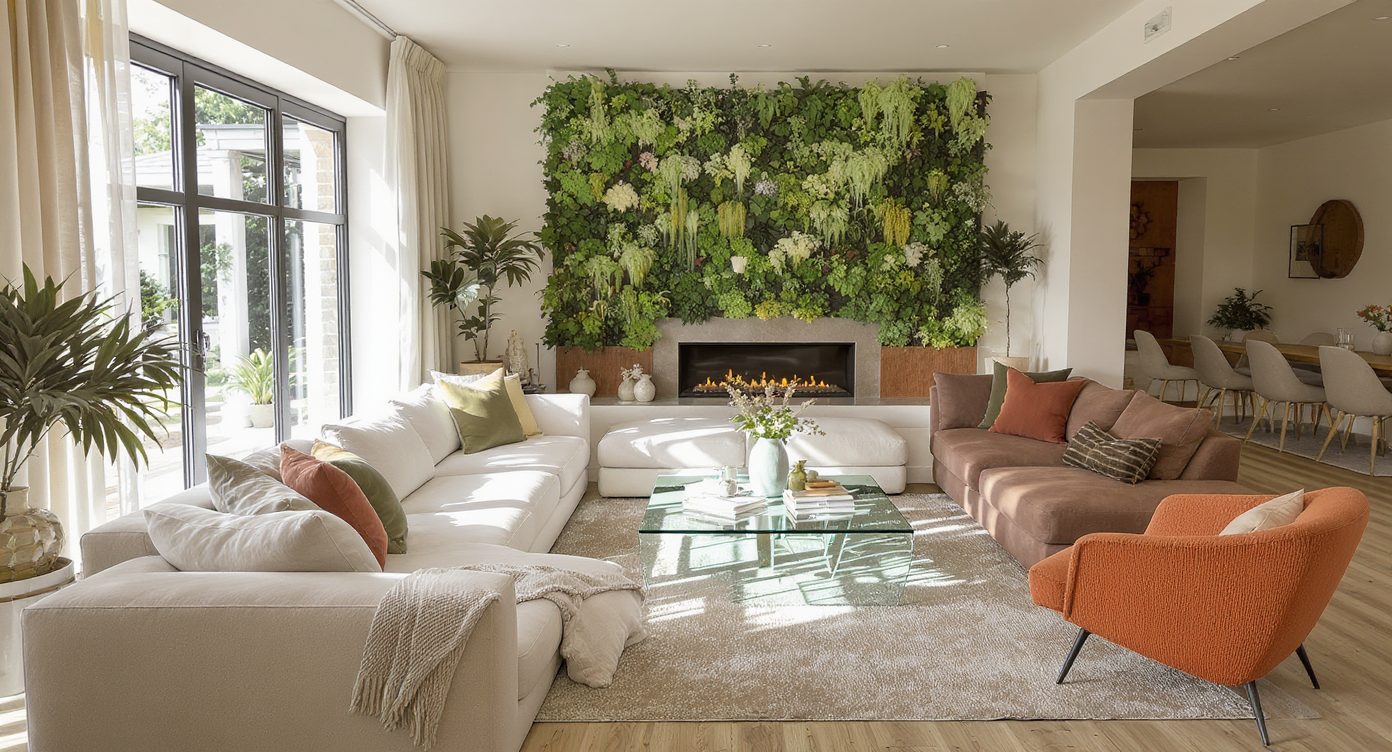
Sustainable interior design in 2026 is evolving into a highly intentional, nuanced practice. Expect more biophilic touches, local artisanal goods, innovation in eco-friendly materials, and a mindful approach to consumption. These trends encourage healthier spaces and foster a deeper connection between your home, community, and the environment.
Sustainability Takes Center Stage in Home Design for 2026
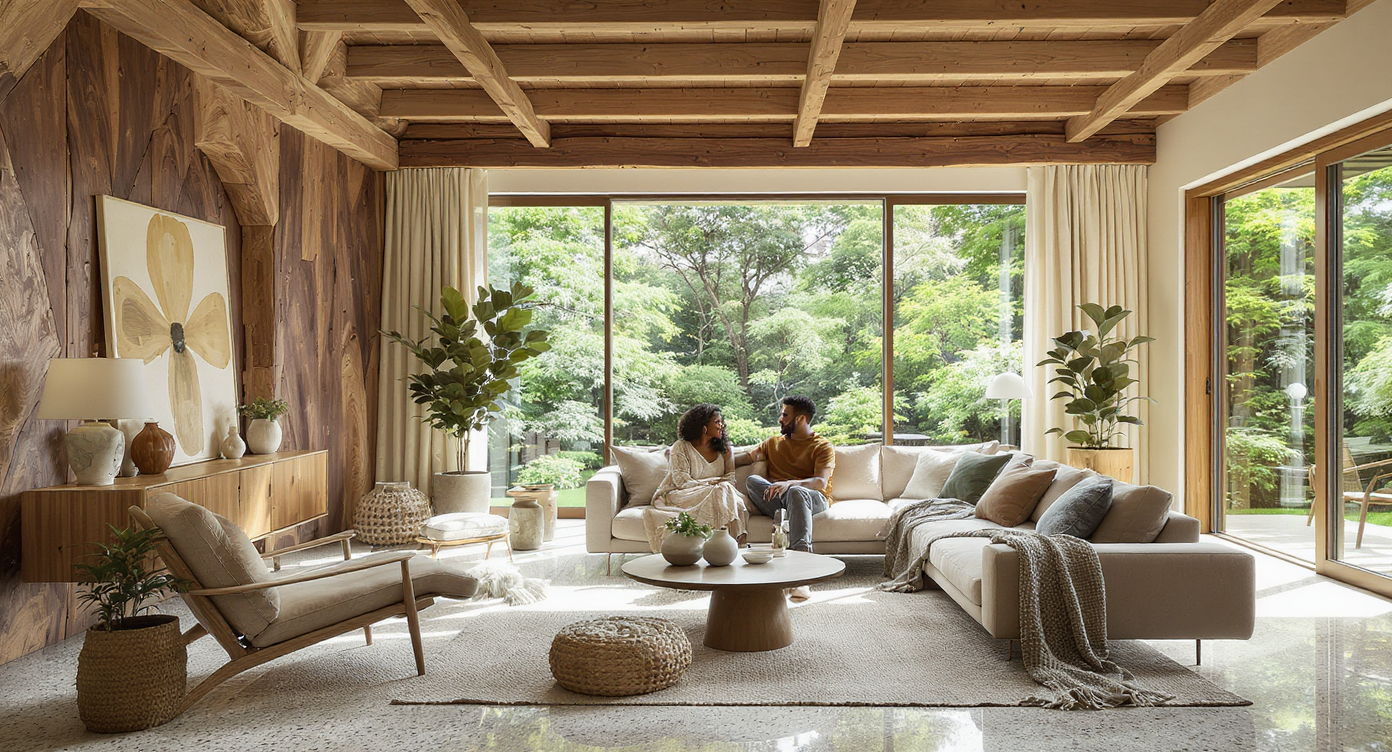
A harmonious living room blends reclaimed materials, lush plants, and eco-friendly furnishings—showcasing the future of sustainable design in 2026.
Sustainability is no longer just an industry buzzword—it’s becoming the defining element of how we design, decorate, and live in our homes. As climate awareness gains urgency, more homeowners are seeking sustainable interior design trends for 2026 that go beyond surface-level green gestures. This year marks a shift from simply using eco-friendly materials to a holistic approach that considers wellness, longevity, circular economies, and personal meaning in everyday living. If you’re searching for inspiring ways to create a sustainable and eco-friendly home in 2026, this list unpacks how the latest design innovations, material science, and lifestyle patterns are shaping everything from living room layouts to the smallest decorative details. Driven by insights from leading designers and anchored by practical changes you can make right now, these trends are reshaping how homes look, feel, and function for good.
-
1. Biophilic Renewal: Deepening Our Connection to Nature
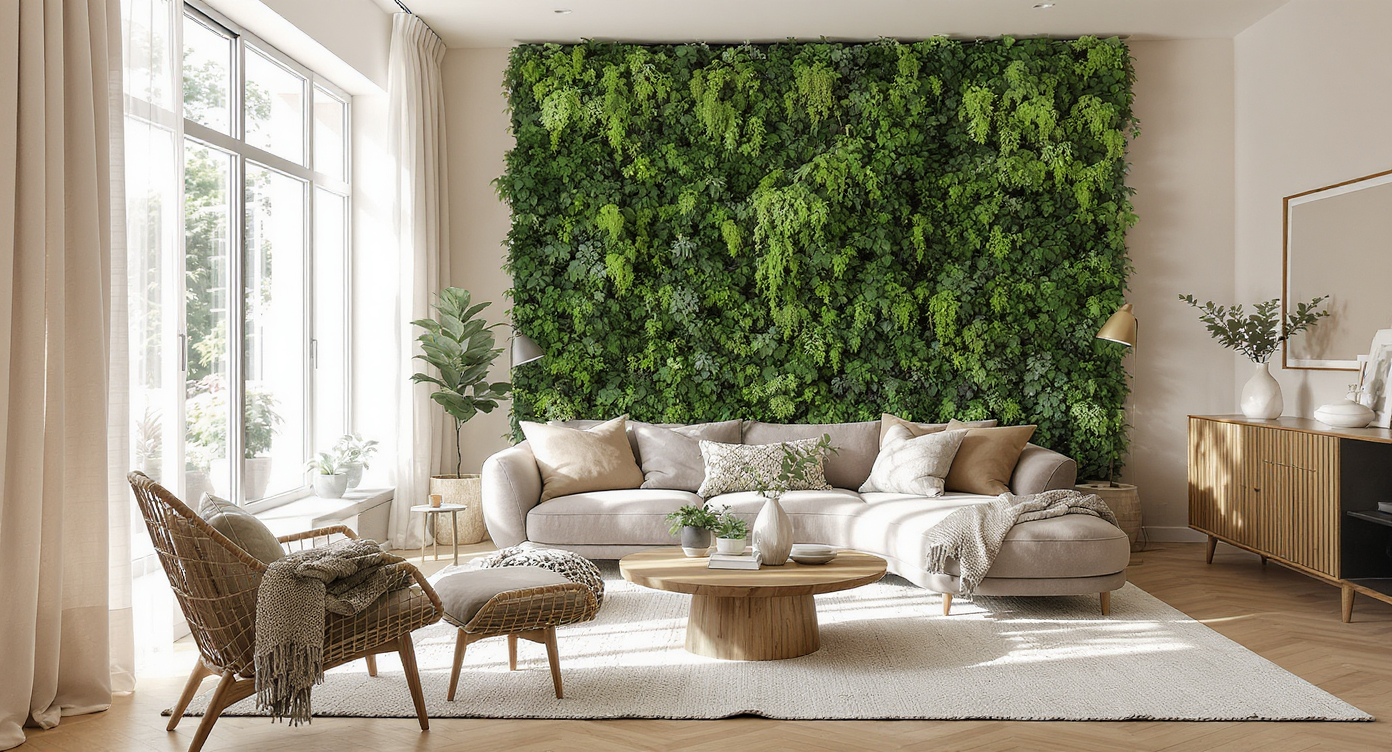
A sunlit living room with a green wall and organic shapes showcases how deeper biophilic design fosters wellness and mindfulness at home.
Biophilic design moves well beyond scattering a few potted plants. In 2026, the trend leans into the idea that physical and emotional wellness are interwoven with our connection to nature. Elements like sun-drenched window seats, living green walls, nature-inspired textiles, and indoor gardens are increasingly common. According to our trend forecast, homes are prioritizing natural light and organic shapes—think curved sofas and tactile surfaces—to create calming environments. Integrating biophilic features promotes mindfulness, boosts mood, and makes daily life in your space healthier and more enjoyable.
-
2. Hyper-Local Sourcing and Celebration of Craft
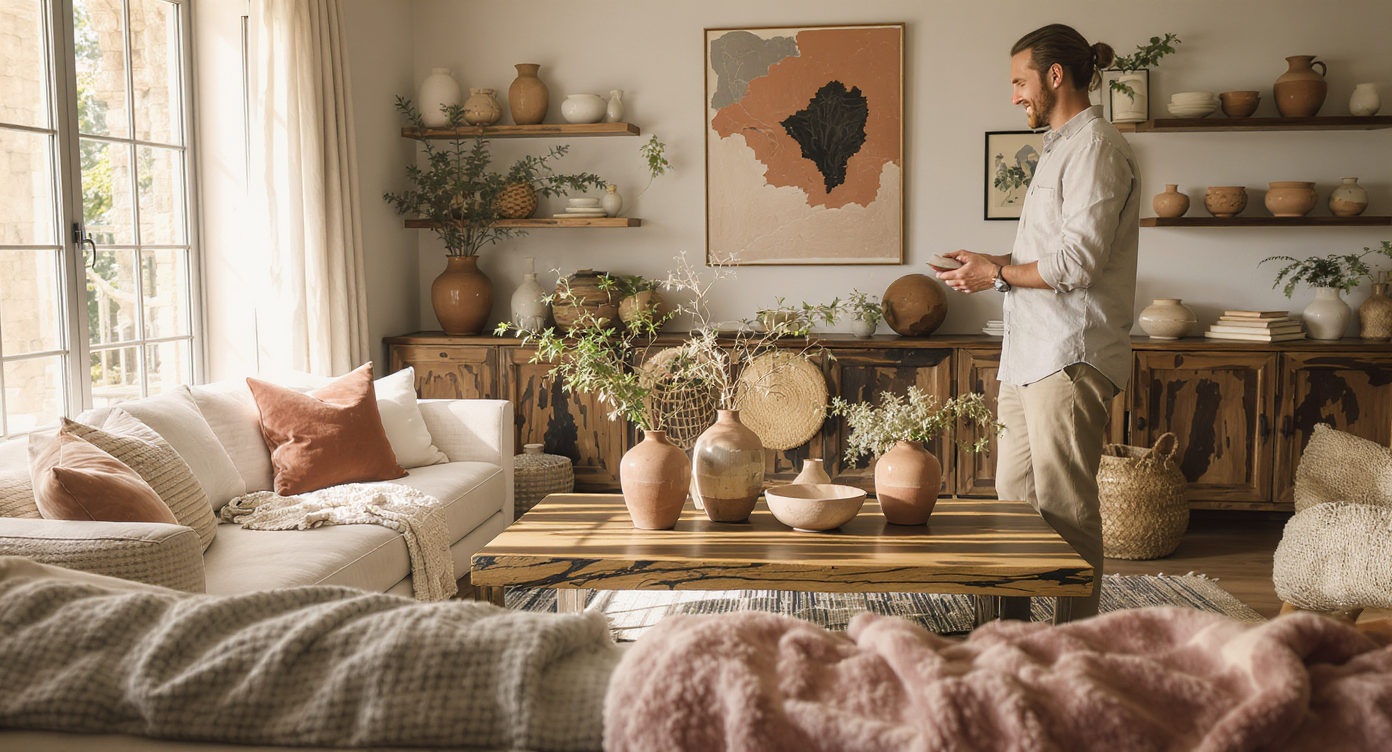
A living room celebrates local craftsmanship with reclaimed wood, handmade ceramics, and regionally sourced decor for sustainable style.
Sourcing furniture and accessories locally reduces transportation emissions and fosters personal connections with regional artisans. This year, there is heightened appreciation for goods that support community and showcase traditional craft techniques. Whether it’s a reclaimed wood table from a nearby maker or bespoke ceramics from a local potter, investing in local craftsmanship injects personality and social sustainability into your home. As explored in our guide on wellness and sustainable upgrades, collaborating with artisans means products are often more transparent in origin and longer-lasting by design.
-
3. The Art of Choosing Less but Better
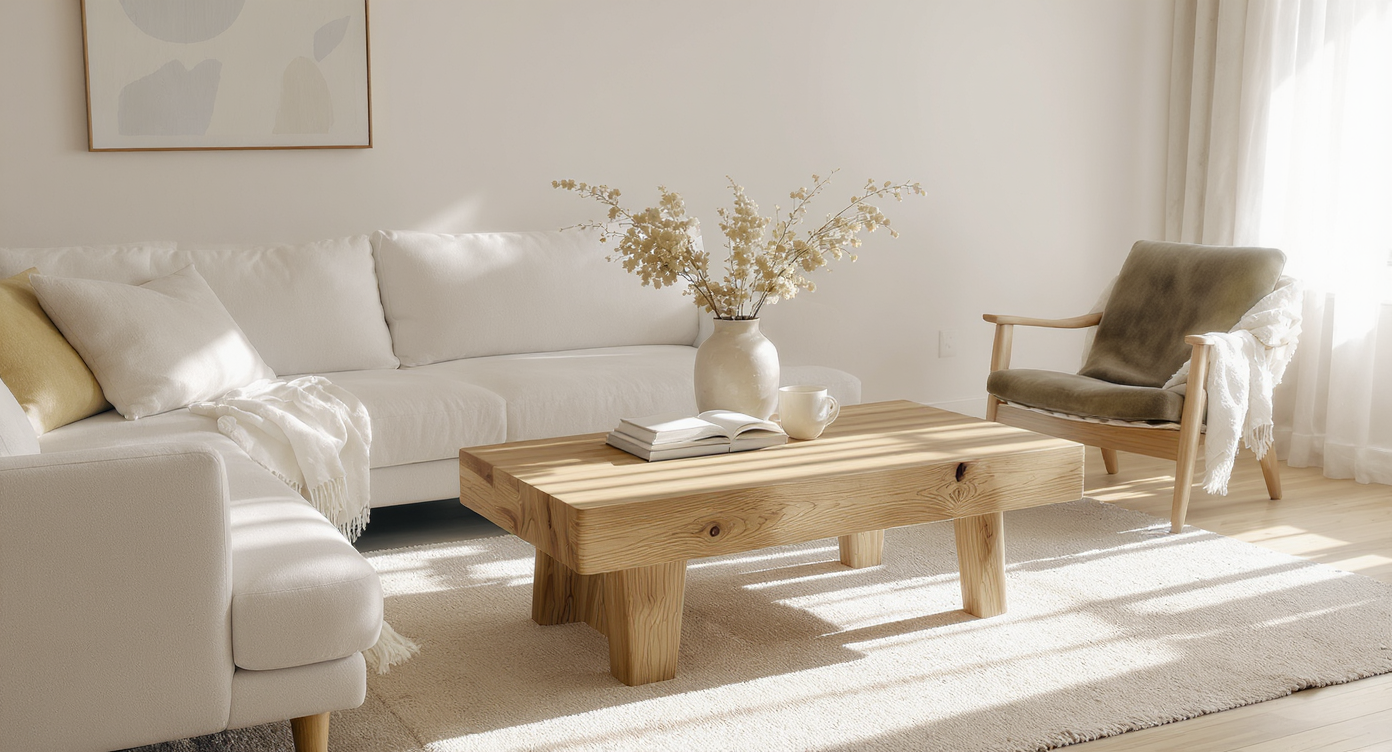
Thoughtful selection and upcycling bring warmth and meaning to a minimalist interior, embodying sustainable design in 2026.
Minimalism in 2026 does not mean stark or cold—it is about thoughtful selection and curating possessions that endure. Rather than chasing fast-changing trends or seasonal makeovers, homeowners aim for interiors filled with items of quality, longevity, and emotional resonance. Repurposing, mending, or upcycling existing décor serves both sustainability and creativity. By focusing on fewer, well-crafted pieces, you create a home that supports tranquility, reduces waste, and adds a sense of personal meaning. Designers repeatedly recommend this mindful approach for creating long-term value—in sharp contrast to rapid consumption cycles of past decades.
-
4. Circularity and Low-Waste Materials
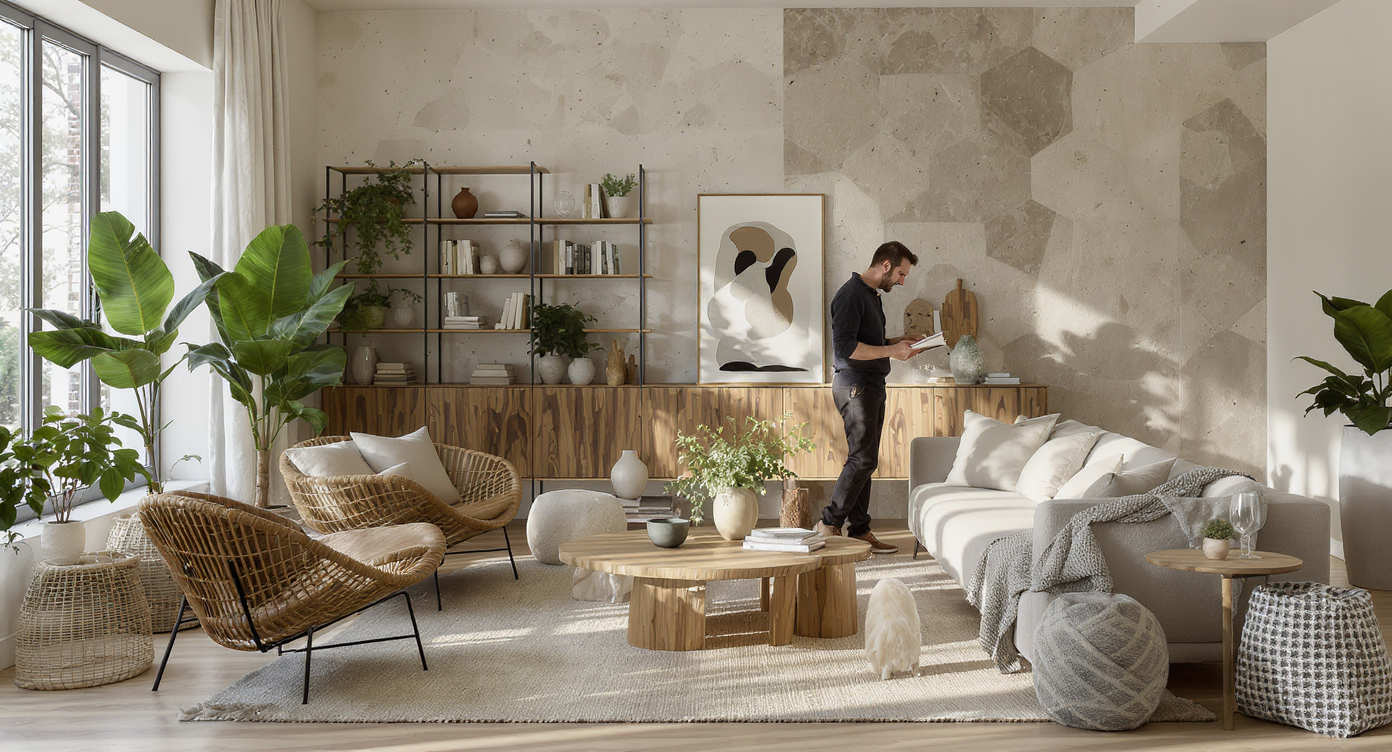
Circular design in action: modular bamboo seating, reclaimed wood, and recycled materials show low-waste elegance in a modern living room.
Circular economies are reshaping how products are made, used, and reused. In interior design, this means prioritizing materials that are designed to be repaired, recycled, or composted rather than sent to landfill. More manufacturers now provide details about their supply chains, carbon footprints, and end-of-life options for each product. Popular choices include recycled metals, renewable woods like bamboo, and tiles, stone, or even insulation made from reclaimed or recycled content. Low-waste choices extend to modular furniture and multi-functional rooms, such as flexible living spaces mapped by REimagineHome.ai, ensuring efficiency and versatility with minimal excess.
-
5. Non-Toxic and Health-Focused Materials
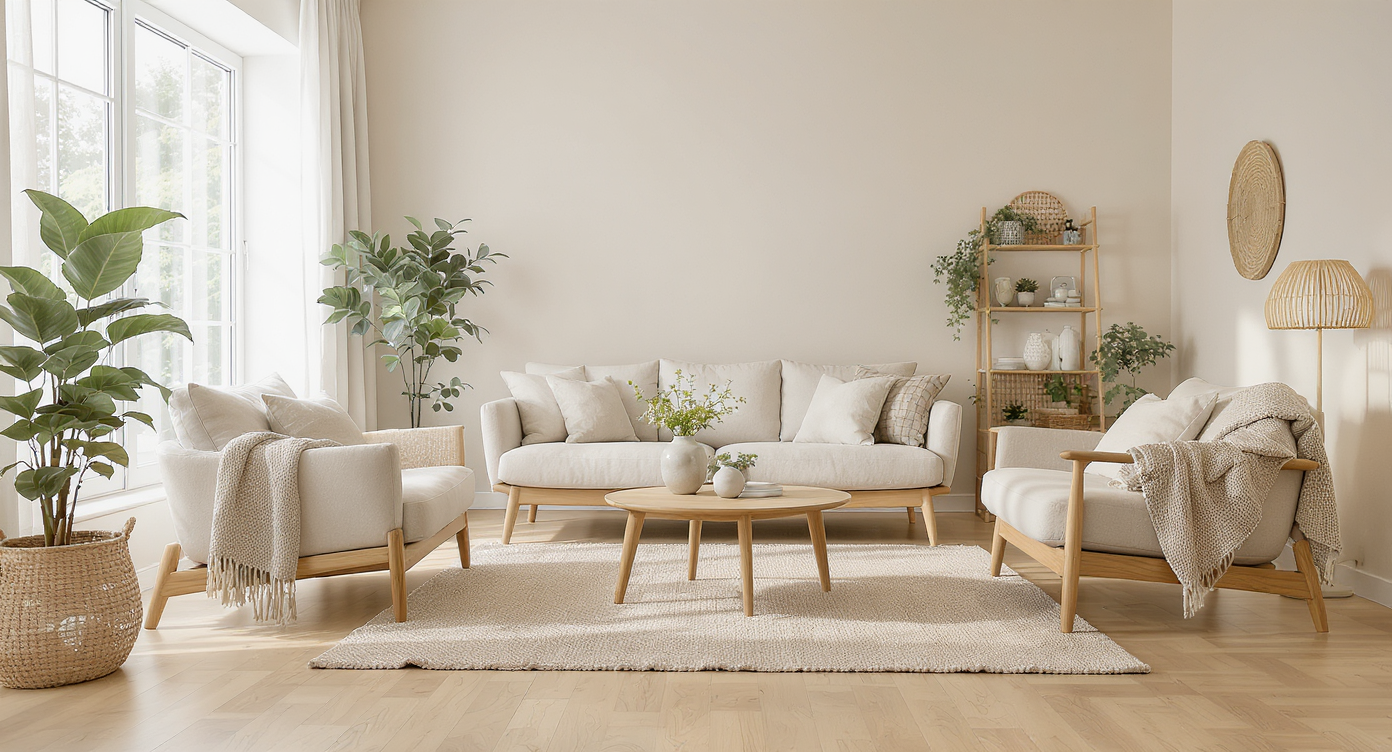
Eco-friendly materials like low-VOC paint, organic cotton, and formaldehyde-free wood create a stylish, health-conscious living room.
Reducing exposure to toxins in the home is a growing priority. Eco-friendly interior design materials and decor trends for 2026 highlight paints with low or zero VOCs, formaldehyde-free woods, and natural textiles. Many designers recommend mineral-based paints, FSC-certified timbers, and organic cotton or wool for textiles. Beyond their environmental value, these choices are gentler on indoor air quality and enhance the well-being of everyone living in the space. Professionals see greater demand for transparency around the production process and health impacts of finishes and furnishings, continuing the push for safe, honest materials in every room.
-
6. Embracing Innovative Sustainable Materials
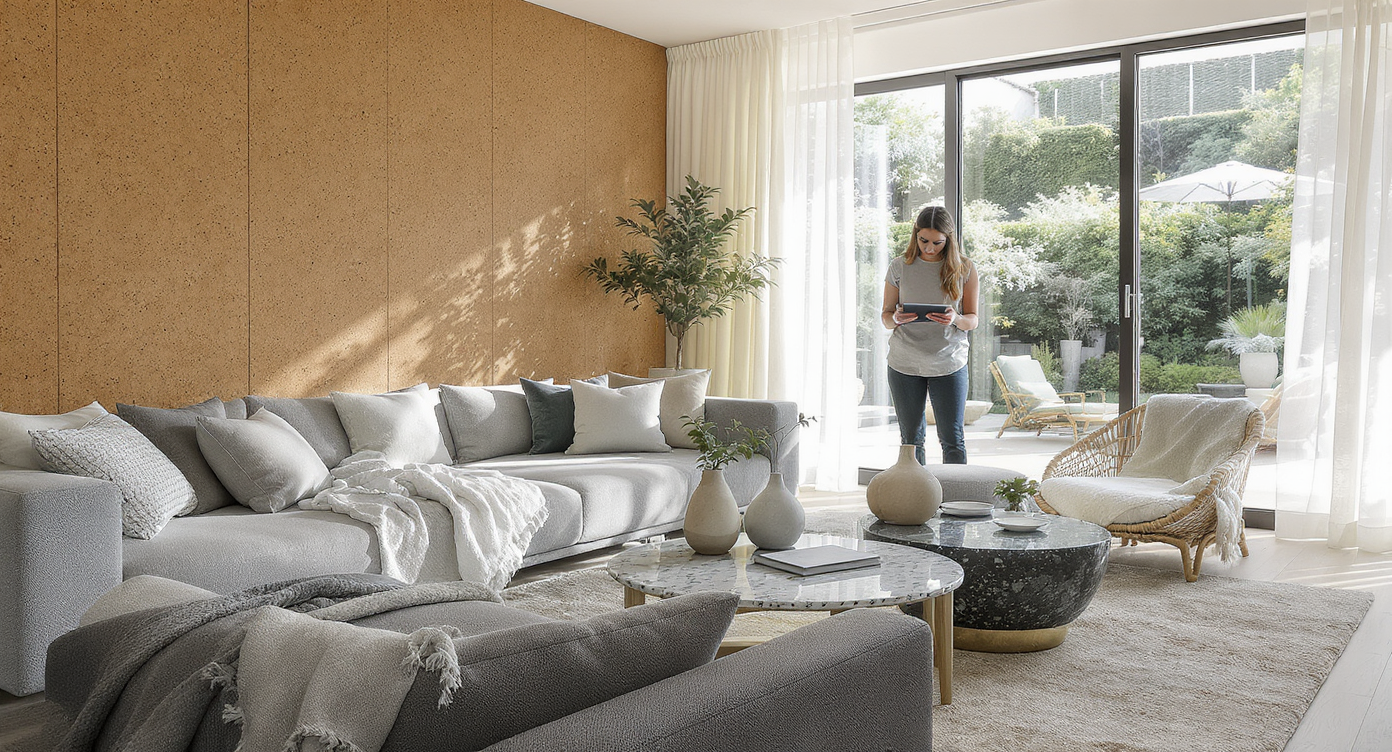
In 2026, living spaces seamlessly blend cork, bamboo, hemp, and recycled materials—showcasing innovation and eco-conscious style.
Material innovation is at the core of modern sustainable home decor ideas for 2026. Designers now have access to products made from rapidly renewable resources (such as cork, bamboo, or hemp) alongside newer solutions like recycled rubber, timbercrete, and even tiles formed from ocean plastics. There is also a return to time-tested, regenerative materials like clay, wool, and natural stone, all of which develop character with age. By blending tradition with cutting-edge eco-tech, interiors become more resilient and beautiful over time. If you’re planning a renovation, design tools like REimagineHome.ai make it simpler to test finishes, compare ecological footprints, and visualize innovative new materials in your own space.
-
7. Everyday Conservation: Energy, Water, and Food
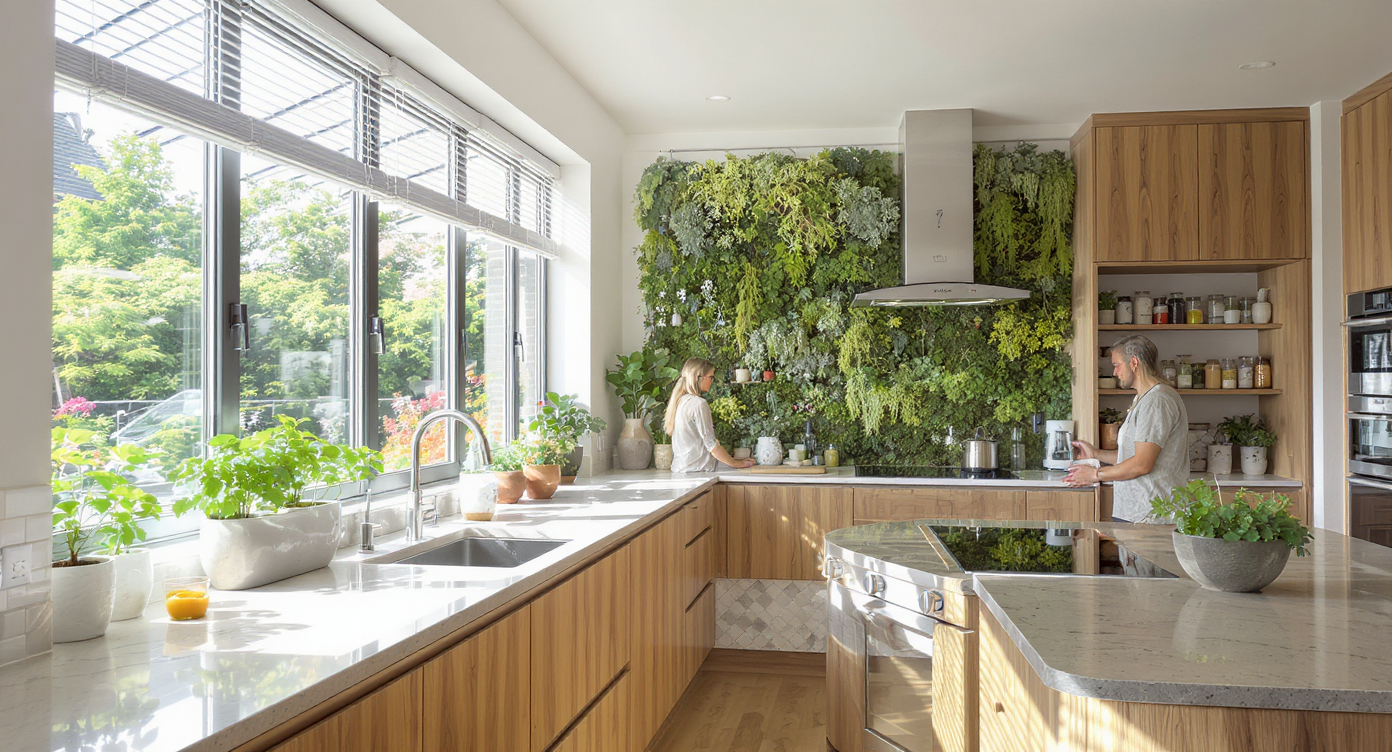
Sustainable kitchen design in 2026 integrates solar panels, water-saving fixtures, and creative in-home food growing solutions.
Sustainability means rethinking a home’s functionality, not just its look. In 2026, this covers smart water use (including grey water systems and low-flow fixtures), solar energy solutions, and support for in-home food growing—such as kitchen gardens, edible walls, or expanded pantry storage. Smaller sustainable home decor ideas might include composting systems and energy-efficient window treatments. Across new builds and updates, there is a drive for spaces that are more manageable, enduring, and resource-savvy. As seen in recent trend reports, these small-scale shifts can add up to significant environmental and everyday well-being gains.
-
8. Celebrating Handcrafted Stories
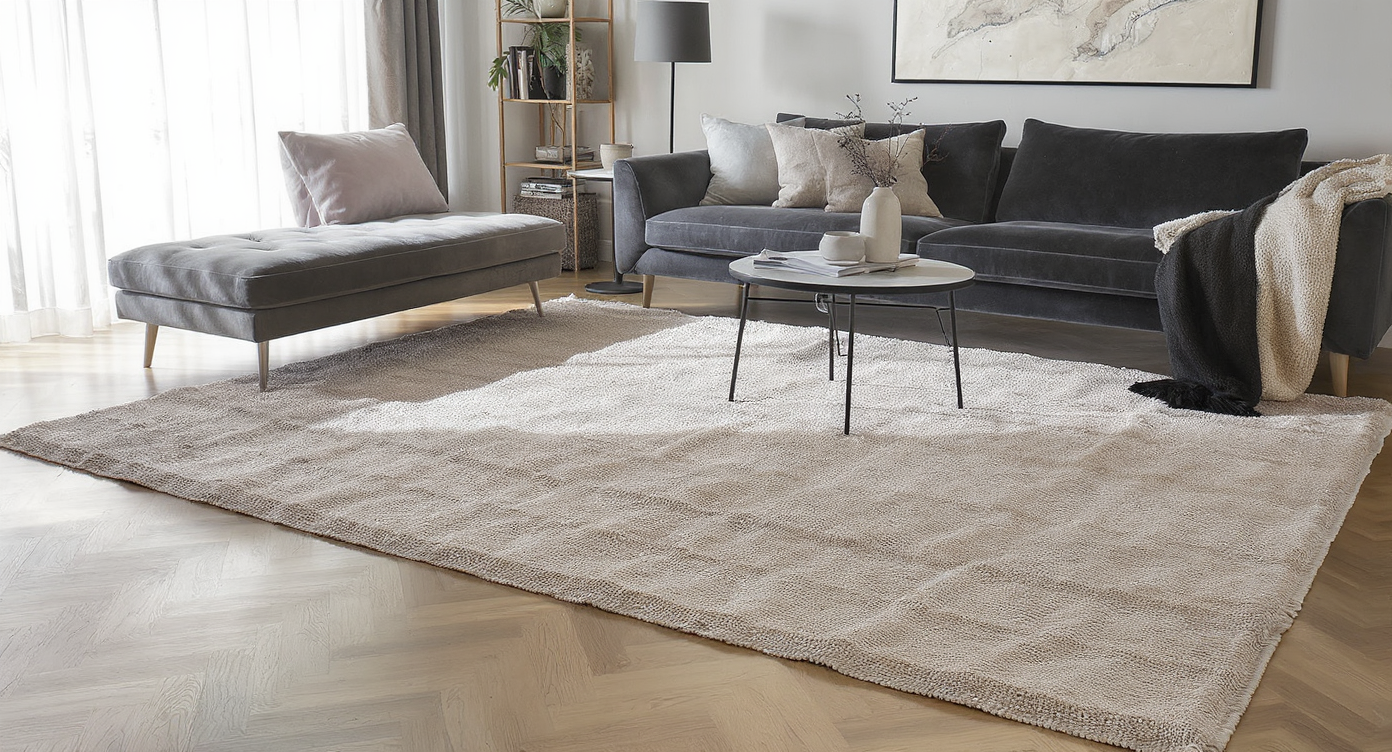
Handcrafted decor—like woven rugs, carved furniture, and artisan pottery—infuses interiors with personal narrative and sustainable impact.
Interiors are increasingly curated as collections of stories rather than a sea of anonymous objects. Handcrafted decor—such as woven textiles, carved furniture, or pottery—brings soul and narrative into otherwise functional spaces. These pieces support artisan economies and safeguard heritage design techniques. In 2026, the value shifts away from fleeting trends and towards furnishings that hold personal history and creative intent, as documented in our coverage of handcrafted details. Supporting handwork also often means sourcing sustainable, locally available materials, which only furthers their impact.
-
9. Wellness-Focused Layouts and Quiet Zones
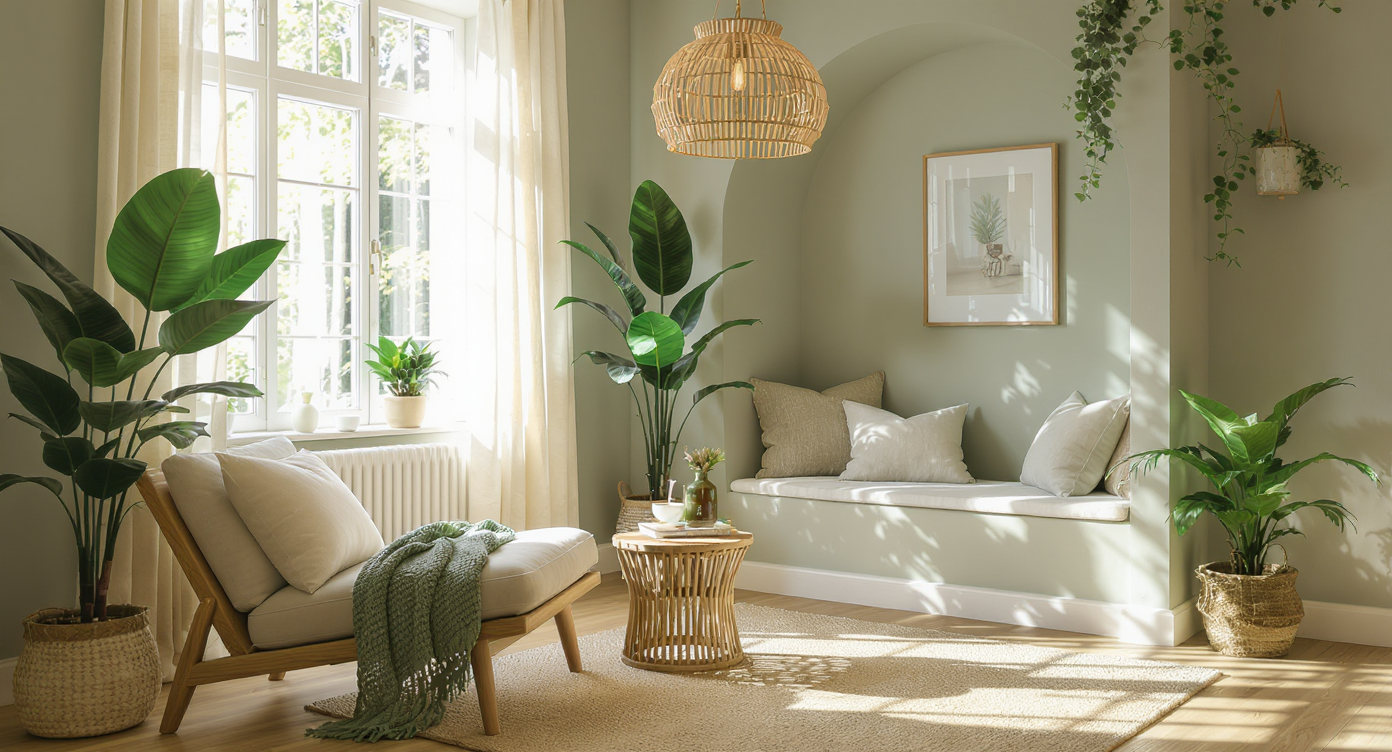
Intentional layouts create peaceful, flexible zones for wellness—think reading nooks, natural textures, and ample, calming daylight.
As homes become more versatile, designers carve out intentional spaces for rest, reflection, and wellness. In practice, this might be a meditative reading nook, a spa-like bathroom, or a multi-purpose area that easily transitions from work to family relaxation. Cozy, personal corners furnished with nontoxic, natural elements are a key part of the broader wellness movement. Planning these adaptable zones is easier than ever using digital visualization platforms like REimagineHome.ai, ensuring each space in your home genuinely supports mental health and sustainable living.
Sustainable Interior Design 2026: FAQ
Look for craft markets, independent makers, or design collectives in your area. Many regions have directories or online communities connecting homeowners with artisans who value eco-friendly sourcing and transparency.
What are some quick wins for a more eco-friendly home?
Swap to LED lighting, upcycle or reupholster existing furniture, opt for natural textiles, and add a few indoor plants. Also consider starting small with composting or a kitchen herb garden.
How can I ensure my design choices have a real sustainable impact?
Choose durable goods with clear provenance, avoid disposable decor, and prioritize materials with recycling or repair programs. Tools like REimagineHome.ai can help test layouts and materials for performance and environmental impact.
Are smart home systems compatible with sustainable design?
Yes—many smart systems now support energy saving, lighting optimization, and resource tracking, all of which contribute to lower environmental impact and better living efficiency.
Is it possible to blend wellness, style, and sustainability?
Absolutely. As shown in our linked trend forecasts, the most successful sustainable interiors combine health-focused materials, personalized layouts, and elements with emotional resonance, resulting in homes that nurture both people and the planet.
Reflecting Your Values, One Room at a Time
The most compelling sustainable interior design trends for 2026 are about thoughtful living, not just eco-friendly checklists. From deepening our relationship with nature to choosing handcrafted, toxin-free materials and prioritizing wellness zones, design decisions now reflect a desire for both environmental stewardship and personal comfort. As you rethink your own home, prioritize longevity, transparency, and intent. For practical planning or material comparison, utilize platforms like REimagineHome.ai to visualize your sustainable ideas before making changes.