Making Smart Curb Appeal Choices After a Front Yard Construction Disruption
TL;DR
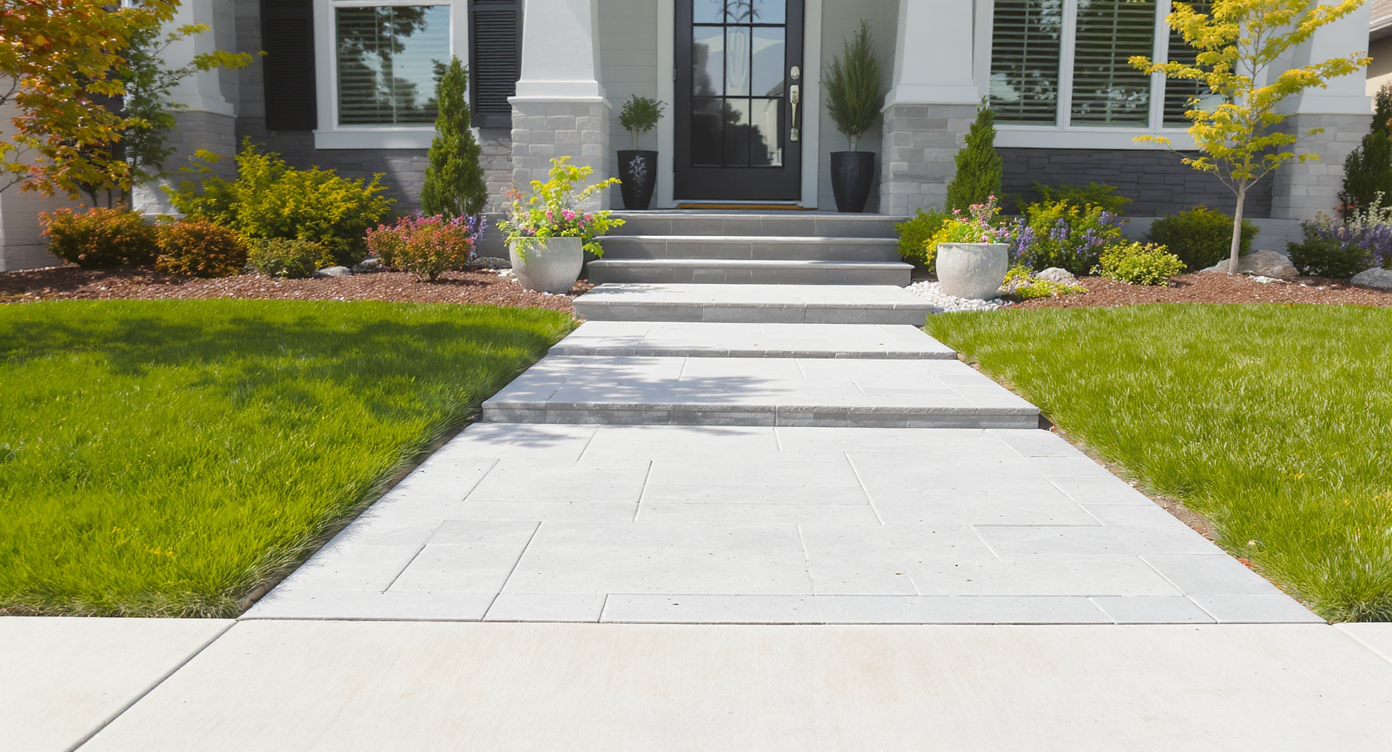
Resetting your front yard after major work requires practical planning and careful budget management. Preparing clumpy or muddy ground, choosing simple landscaping fixes, and focusing on neat curb appeal can elevate your home’s first impression for buyers. Start by flattening and smoothing the surface, then opt for affordable mulch, topsoil, and strategic planting until long-term solutions take root.
Restoring Front Yard Curb Appeal After Major Work
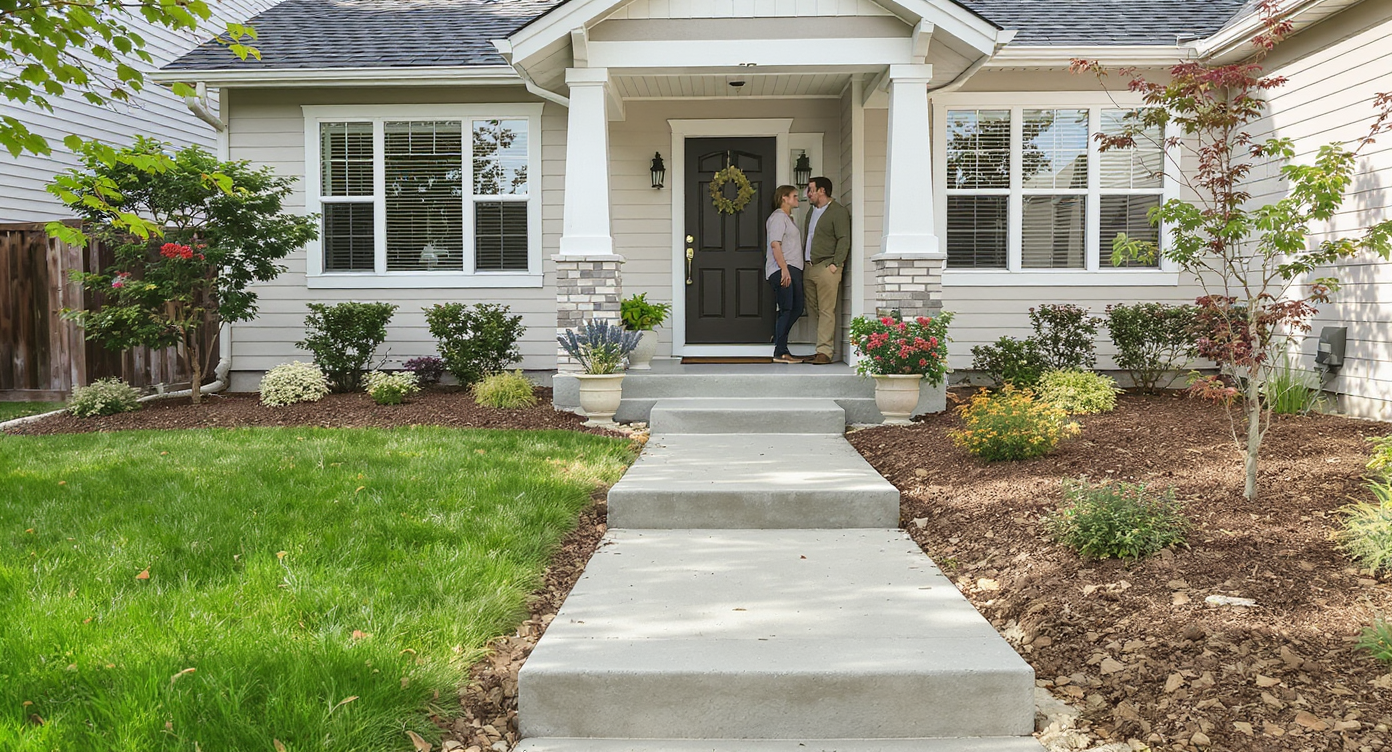
A restored front yard shows how budget-friendly plantings and strategic surface upgrades can revive curb appeal after major repairs.
Major repairs—especially those requiring heavy ground disturbance—can leave the front of a home looking rough around the edges. When a porch is removed or digging for utilities leaves the yard choppy and muddy, immediate aesthetic repairs may seem daunting, particularly if you plan to sell soon. Yet, first impressions matter. Buyers begin forming opinions the moment they step onto your property. It’s possible to rebuild curb appeal even in the short window between major repairs and listing. Layering simple, affordable landscaping tactics on top of sound surface prep lets you showcase a cared-for property. A thoughtful approach not only soothes nerves for passersby but also saves money by targeting those improvements that buyers notice most. Whether you’re planning to pour new concrete or just need to cover last season’s mud, there is a straightforward path back to a welcoming, sale-ready yard.
-
Preparing the Ground for Fresh Landscaping
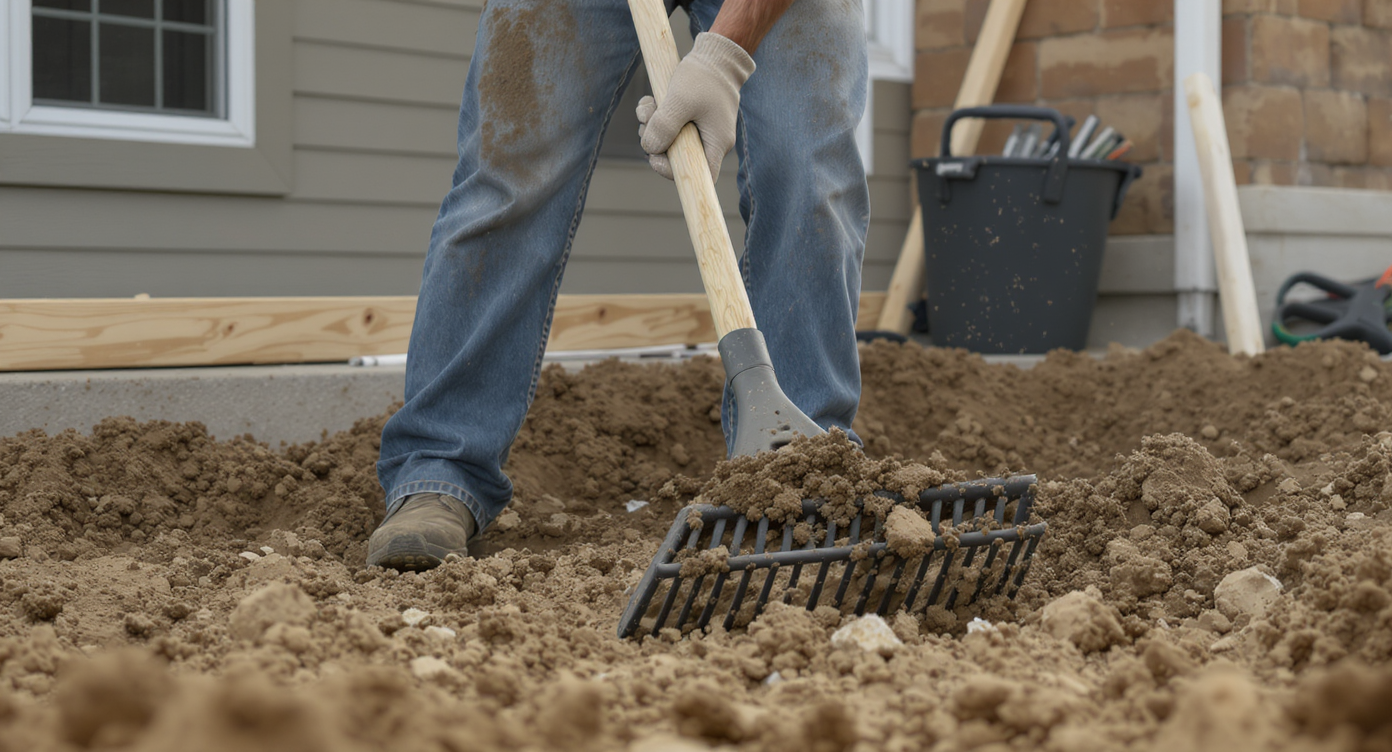
Leveling clumpy soil and clearing debris creates a tidy, stable base, setting the stage for stress-free landscaping success.
Before adding any new landscaping, begin with a clean slate. Muddy, clumpy soil not only looks unappealing but can interfere with future lawn or planting success. Start by letting the ground dry out as much as possible. Once workable, use a heavy-duty rake or garden hoe to break up clods, removing rocks or debris as you go. If large clumps remain stubbornly intact, you may need to shovel them out or crush them by hand. Once the soil is relatively even, lightly compact it with your foot or a tamping tool to prevent further settling after you mulch or add topsoil. Good drainage is critical—ensure the grade always steers water away from your foundation. When in doubt, add topsoil to low spots, feather it out for a smooth transition, and keep the surface tidy. This step sets the stage for whatever landscaping moves you make next. For those working within strict financial limits, prepping the base well does much of the visual heavy lifting and keeps later improvements low stress.
Expert Insight
Just last spring, a neighbor faced a similar scenario after rewiring their porch lights and relaying the main water line. Two weeks out from listing, their front yard was still patchy mud. Instead of costly landscaping, they invested in several bags of mulch and a handful of annuals. Over a weekend, the process—rake, level, mulch, plant—turned hard evidence of construction into a smooth, cohesive space. Buyers remarked on the fresh look, and the house sold within days and above asking. Buyers overlook minor imperfections if the overall effect feels intentional and cared for.
-
Simple Budget-Friendly Curb Appeal Fixes
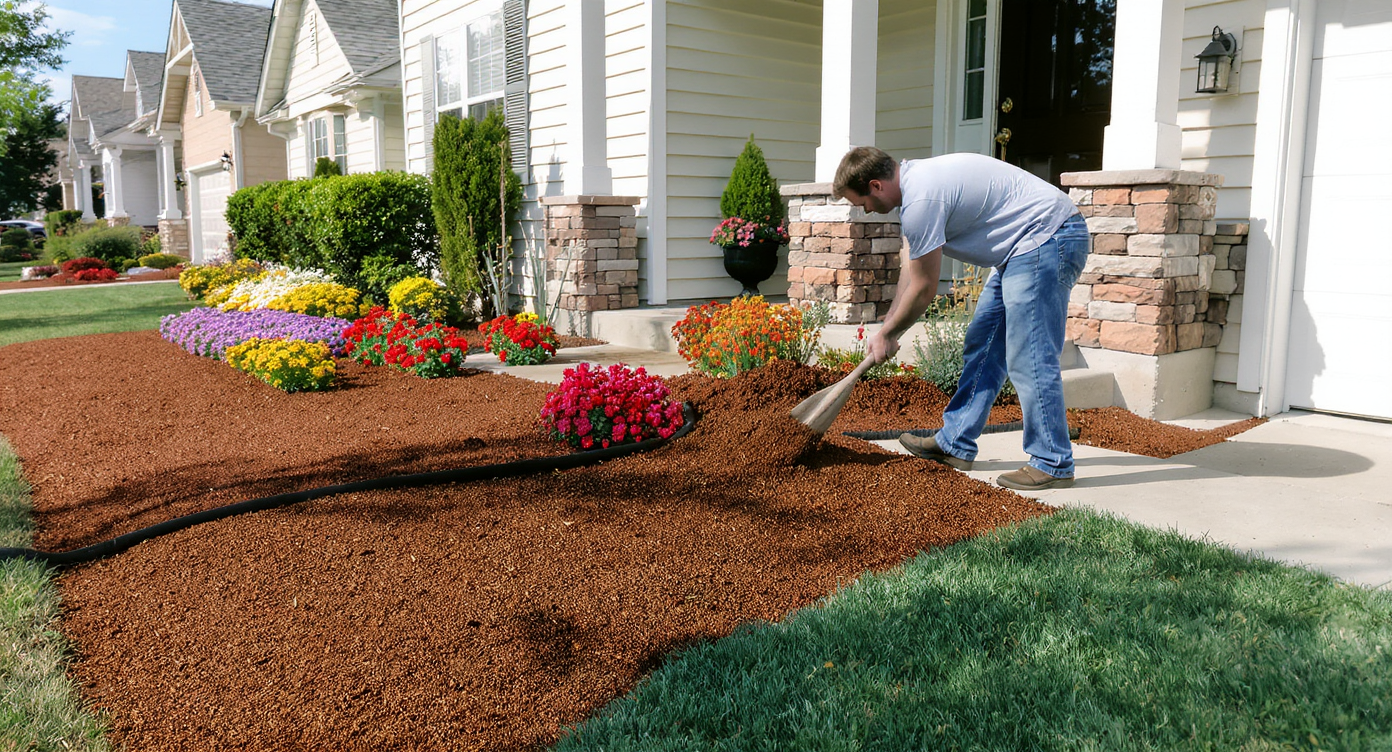
Fresh mulch, quick-bloom annuals, and emerging grass quickly restore curb appeal after yard repairs—no big budget needed.
With the surface prepped, the most effective way to create instant curb appeal is by covering bare, rough soil with a uniform, tidy layer. Mulch is an affordable standby and available in several hues. Spread it evenly across the newly prepped area, aiming for about two to three inches deep. Mulch not only looks neat but also discourages weeds and gives the yard a cared-for appearance. If you prefer a greener look and have a little more time, topdress with quality topsoil before overseeing with fast-germinating grass seed. Water regularly to encourage growth, but don’t stress if the coverage is not perfect when you list. According to some home improvement strategies, "spring pre-emergent for crabgrass, summer spot-spraying, then fall aerate/overseed and feed" can turn barren soil into a more presentable lawn on a minimal budget. Learn more on this approach in the low-budget lawn repair starter plan. If you want quick impact, buy a few trays of annuals. Plant them in clusters near the new walk or steps. Their color draws attention away from unfinished edges and signals intentional care. These small touches often carry outsized visual weight at low cost.
-
Balancing Investment and Outcome When Selling
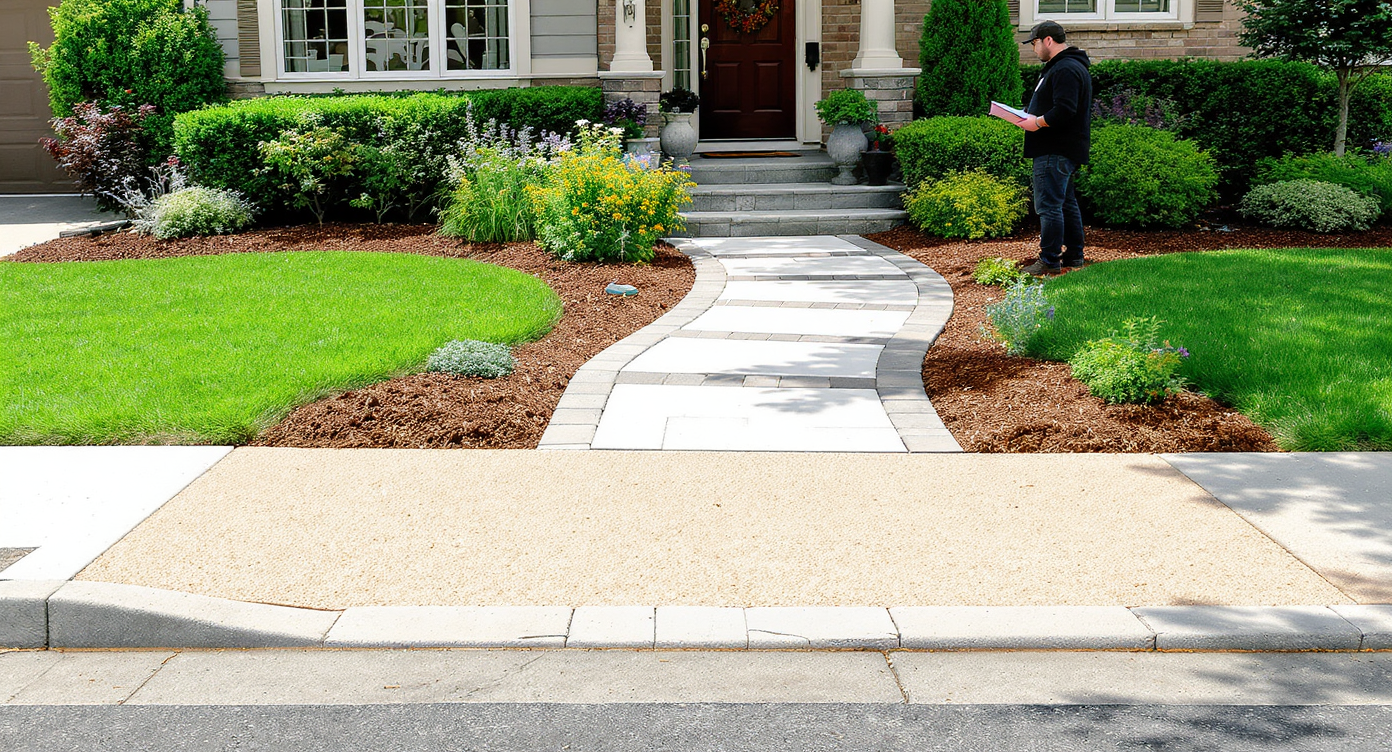
Simple upgrades like mulch, new grass, and clear paths make the biggest curb appeal impact for sellers after construction disruptions.
Facing a potential sale, every dollar spent should contribute meaningfully to perceived value. The right landscaping investments don’t need to be elaborate, but rather crisp and functional. Buyers walk up expecting a landscape that signals minimal maintenance and pride of ownership. Strategic improvements—like covering bare soil, defining clear walkways, and introducing even a handful of colorful plantings—typically generate the highest return on investment for time and dollars spent. A tidy lawn or mulched bed telegraphs immediate livability. According to guidance on landscaping projects that boost home value, simple upgrades like fresh mulch and new lawn seed regularly top the list for return on investment. For most sellers, it’s about visible improvement, not perfection. Remember, buyers notice the practical details. Moving from a patchwork of mud and construction debris to a space that’s visibly clean and cohesive can shorten time on the market and attract stronger offers. Overly complicated plans may not recoup their cost—choose clarity and neatness over complexity. Consider where small amounts of budgeted effort will do the most to elevate curb appeal in buyers’ eyes.
-
Anecdote: Quick Curb Appeal Transformation During Crunch Time
Just last spring, a neighbor faced a similar scenario after rewiring their porch lights and relaying the main water line. Two weeks out from listing, their front yard was still patchy mud. Instead of costly landscaping, they invested in several bags of mulch and a handful of annuals. Over a weekend, the process—rake, level, mulch, plant—turned hard evidence of construction into a smooth, cohesive space. Buyers remarked on the fresh look, and the house sold within days and above asking. Buyers overlook minor imperfections if the overall effect feels intentional and cared for.
-
Common Mistakes to Avoid
Homeowners eager to present a better facade often make two missteps: skipping ground prep, and overcommitting to ambitious plans right before sale. Laying mulch or planting on rutted, clumpy terrain creates a mess by open house day. Likewise, pouring funds into elaborate landscaping may not see any return. Another pitfall is neglecting drainage—poor grading risks foundation issues, which savvy buyers may spot. Rushing to plant without prepping soil can result in plant losses or muddy runoff after a summer storm. Keep each step thoughtful, especially when selling. Simple, clean, and tidy usually reads as intentional and well-maintained.
-
Tips and Expert Insights
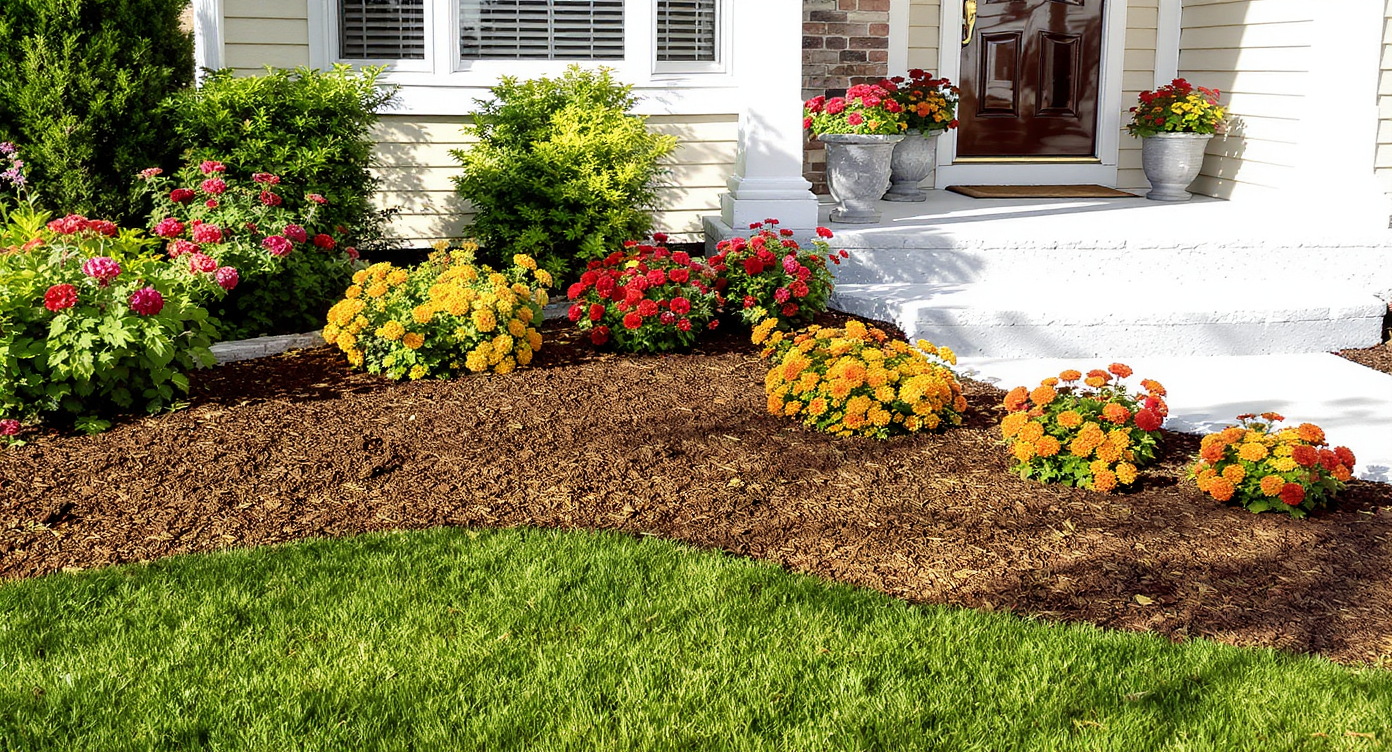
Clean lines, consistent mulch, and bold annuals near the entry quickly restore curb appeal after construction disruptions.
Landscape designers suggest prioritizing visible, low-maintenance fixes. Use topsoil to even surfaces before mulching. For quick curb appeal, choose bold annuals near the entry and keep plantings clustered for impact. If time is short, focus improvements where buyers pause: walkways, porch steps, and the planting bed nearest the street. Consistency—one mulch color, orderly lines, minimal clutter—makes even budget projects look professional. For ROI-focused decisions, the real estate community notes that most basic curb appeal upgrades or light hardscaping approach a break-even point, while personalized touches may yield less monetary return. Weigh the resale potential by reviewing data on what really pays off in landscaping ROI.
-
How to Use This for a Future-Ready Front Yard
Even if the timeline pushes you to use stopgap measures, every layer of mulch, sod, or annuals creates a better foundation for future plans. Buyers appreciate seeing potential, so even a temporary fix can set up both you and them for next steps. If your home remains unsold, you’re not locked into the quick solutions—these layers can be worked into a more robust plan for future landscaping, whether it’s reseeding a permanent lawn or installing more durable hardscaping once budgets or schedules allow.
-
Visualization: From Scarred to Sale-Ready
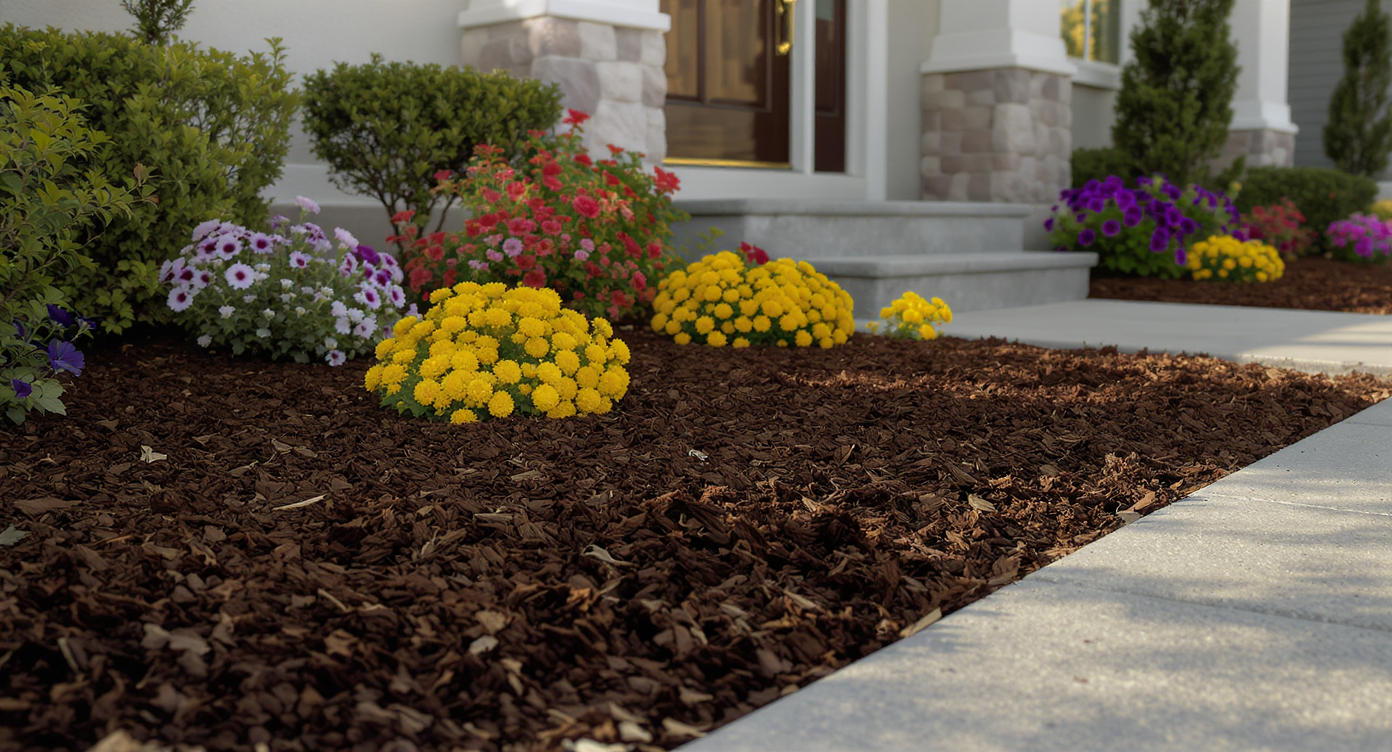
A cohesive palette of mulch and flowers quickly transforms a construction-scarred front yard into a welcoming, sale-ready asset.
Picture a front yard just days after outdoor construction. The ground is rough, patches are muddy, and the only hardscape present are lonely concrete steps leading nowhere. With a sturdy rake, you smooth out the worst of the clumps, spread a deep chocolate-brown mulch, and nestle in groups of yellow and purple flowers along the new walkway. When viewed from the street, buyers see a fresh, cohesive palette, not a scarred construction site. That neat, intentional look is often enough to change first impressions, even without a full landscape overhaul.
Visualization Scenario
Picture a front yard just days after outdoor construction. The ground is rough, patches are muddy, and the only hardscape present are lonely concrete steps leading nowhere. With a sturdy rake, you smooth out the worst of the clumps, spread a deep chocolate-brown mulch, and nestle in groups of yellow and purple flowers along the new walkway. When viewed from the street, buyers see a fresh, cohesive palette, not a scarred construction site. That neat, intentional look is often enough to change first impressions, even without a full landscape overhaul.
Frequently Asked Questions
After leveling and smoothing the soil, spreading a uniform layer of mulch is often the quickest and most affordable solution, instantly creating a tidy appearance.
Which landscaping fixes provide the best return on investment for resale?
Fresh mulch, grass seed, and clearly defined walkways are among the top improvements that deliver strong ROI when selling, as suggested by recent trends and popular projects boosting home value.
How should I handle persistent mud clumps or poor grading?
Break up and remove any substantial clumps, fill low spots with topsoil, and gently compact leveled areas to support mulch or sod. Always check for effective drainage away from your home.
Can I use annual plants for a quick sale, or is new sod better?
Annuals are a fast, inexpensive pop of color near entry points, while sod creates instant but higher-cost greenery. Both options can be effective based on your timeline and budget.
Where can I visualize different curb appeal possibilities before starting?
Online design platforms like ReimagineHome.ai can generate AI-powered before-and-after landscaping images to help plan improvements and make informed choices.
Achieving Curb Appeal That Sells—No Matter Your Starting Point
Recovering from ground-level construction work is never simple, but achieving attractive curb appeal before selling is possible on nearly any budget. A methodical approach—leveling soil, using topsoil and mulch, and adding strategic bursts of color—can transform even the most disrupted front yard into a welcoming first impression. By evaluating your return on investment and sticking to low-maintenance, visually impactful upgrades, you leave buyers with the sense your property has been loved and is ready for their own ideas. If you’re exploring digital landscaping visualizations or want tailored curb appeal concepts, online tools like ReimagineHome.ai can offer inspiration before your next project or sale.