How a $2,500 Budget Was Used to Stage a Dining Room with Shoppable AI Tools
TL;DR
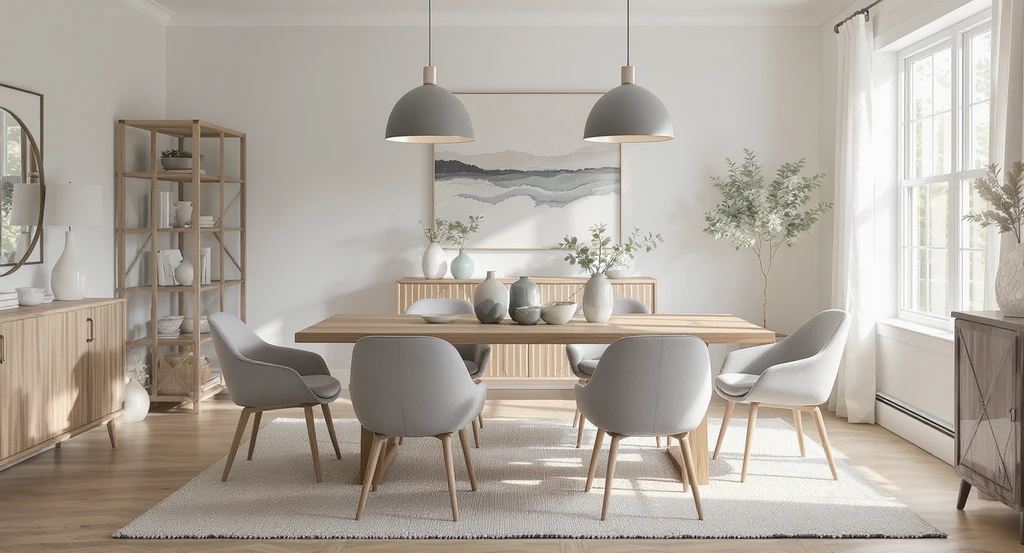
This case study details the process of staging a residential dining area in ZIP 61073 with real, purchasable furnishings using AI-powered product visualization tools. The outcome: an inviting oak oval dining table paired with four swivel chairs—selected under a $2,500 total spend—demonstrating transparent budgeting, photorealistic results, and shoppable certainty.
Transforming a Dining Space with Real Shoppable Products on a Budget

Preview a shoppable dining room staged with the best AI home design platforms offering purchase links—compare real vs virtual ai staging products and shop confidently.
In the ZIP 61073 (United States) area, furnishing a dining room that balances style, practicality, and cost can be daunting—especially when you want both visual confidence and direct purchasing options. The room started as an understated, light-filled nook, lacking a clear focal point or inviting spot for gathering. Through targeted use of AI virtual staging and product selection, the space was elevated without exceeding a $2,500 spending cap. The final result is a cohesive, welcoming atmosphere that feels tailored yet attainable. Addressing the central question—'How can you preview and assemble a fully-shoppable dining set-up within a specific budget before committing your funds?'—the solution relied on anchoring spend for an oak oval dining table while saving on flexible seating, showing precisely how to optimize value for comfort and design. In this approach, one anchor investment (the table) encapsulated warmth and scale, while cost-effective swiveling chairs delivered flexibility and style. AI-powered shoppable room design allows homeowners to preview real, buyable products in their actual space photos and swap alternatives quickly. This process bridges the gap between inspiration and action: what you see is literally what you can buy, streamlining decision-making and reducing costly errors.
-
Baseline Architecture and Space-Specific Observations
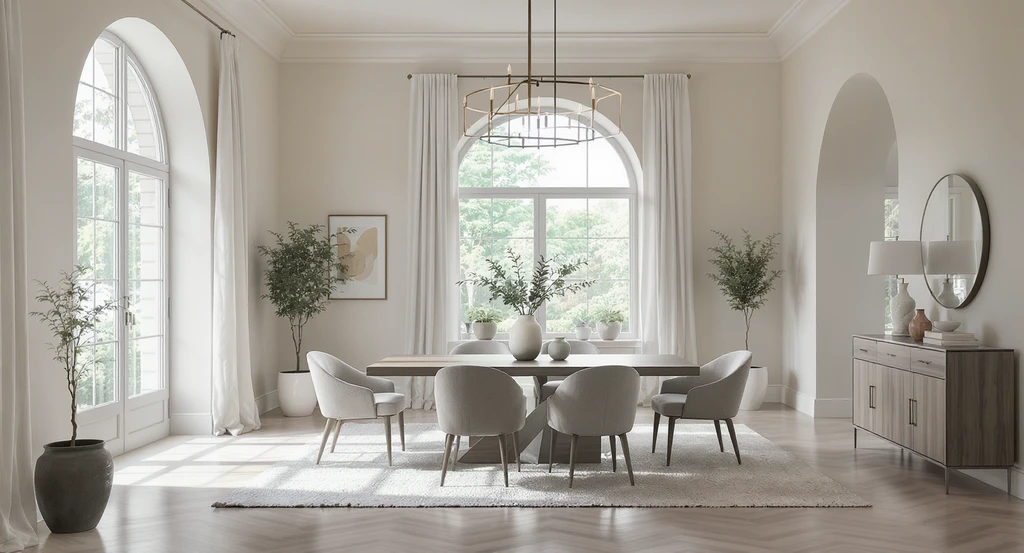
Baseline architecture and space-specific observations using AI interior design tools: see how a transitional dining room’s layout, open sight lines, and minimalist decor enable shoppable rooms and effective AI-powered staging choices.
The original dining area features high arched entryways, abundant natural light, and minimalist decor—giving it both openness and an unadorned, transitional quality. Flooring was neutral, ideal for layering varying wood tones and soft seating. There was strong potential to introduce a visual centerpiece to define the zone and encourage daily use, though the existing room lacked warmth and textual interest. Notably, the sight lines from adjacent rooms and the balance of negative space around the dining zone informed every placement. Choosing a table that complements the room’s flow without crowding it was essential. Other unique constraints included: maintaining the bright atmosphere, ensuring all new elements align with the room’s perspective and lighting, and introducing decor without excess visual clutter.
-
Decision Process: Visualization, Swaps, and Intentional Omissions
The design journey was guided by several AI-powered preview and swap tests. Initial attempts placed both round and oval tables, but the oval shape was favored for its ability to elongate the room visually and seat four comfortably. The chair selection underwent two rounds: first, neutral fabric chairs for a soft accent, then a final swap to grey swivel chairs. Swivels were chosen to boost comfort and versatility for everyday meals or casual gatherings—priority was given to movement and ergonomic support over strictly decorative seats. Realistic furniture scaling and shadow placement were crucial, as confirmed by multiple render evaluations (as discussed in our guide to AI furniture swaps). Items that could have cluttered the space—such as sideboards or bold rugs—were intentionally omitted, keeping focus on the main dining set. The approach allowed for visual fidelity and product alignment without losing the airy qualities that made the original nook appealing.
-
Budget Allocation: Anchoring, Tradeoffs, and Maximizing Value
The largest portion of the budget was dedicated to the oak oval dining table—a foundational investment at $1367.05, providing durability, warmth, and an immediate sense of occasion. This anchoring choice determined scale and set a material palette for all other selections. Savings were achieved with the choice of swivel dining chairs, found at $254.99 each, for a total of $1622.04 for the set (table plus four chairs). By prioritizing a single high-impact item and balancing it with budget-seating options, the design avoided overspending while delivering a cohesive aesthetic. The AI preview process also eliminated costly mistakes by allowing rapid swaps and detailed side-by-side layout evaluations, a method echoed in this real room layout case study. Notably, this method sidestepped risky splurges on ephemeral décor, instead focusing the remaining proportion of funds on small-scale, removable table decor—easy to change season-to-season without major re-investment.
-
Furniture and Decor: Role, Fit, and Functionality of Each Piece
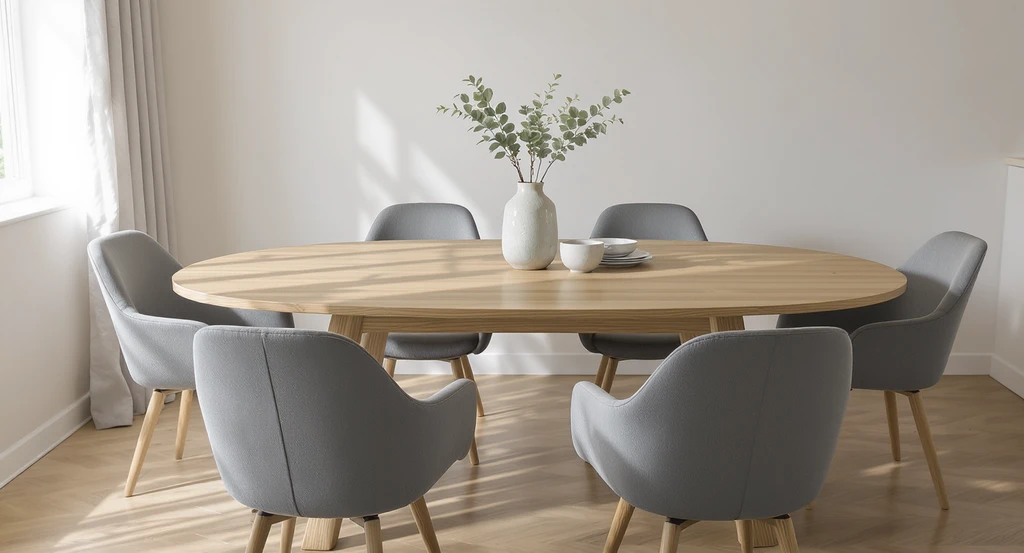
See how ai interior design tools make rooms shoppable: a solid oak oval dining table and swivel dining chairs, staged for real-world visualization and product comparison.
Two products define the transformation: – An oval oak dining table, the aesthetic and functional anchor, adds natural character and ensures everyone at the table is comfortably spaced. Oval shapes help the room feel less rigid compared to rectangular options. The real world product visualized can be found here (external): Solid Oak Oval Dining Table. – Four grey swivel dining chairs, chosen for flexibility and comfort (and ease of cleaning, if needed). The low profile and understated color keep the set grounded yet welcoming. View the product (external): Swivel Upholstered Dining Chair. Minimal, contemporary table decor—varied in each AI design iteration—served to personalize the setting and test how accent pieces interacted with the broader palette. Throughout, realism was grounded by AI’s ability to maintain accurate perspectives, shadow, and lighting—capabilities enabled within the REimagineHome AI workflow.
-
AI Staging, Shopping, and Takeaways: How the Results Fit this Specific Room
This shoppable staging process leveraged the Real Shoppable Products feature to stay within budget, eliminate guesswork around scale and placement, and transition smoothly from design preview to purchasing. Changes were previewed in realistic before-and-after images without sacrificing the room’s sunny openness. Unique to this case: the choice of an oval table and coordinated swivel chairs was visually tested in multiple configurations to ensure both utility and style under real constraints. According to our analysis in this post on AI-guided furniture planning, the combination of repeatable swaps and a direct shopping workflow is especially valuable for dining areas where correct scale and circulation are critical. Crucially, this design avoided heavy drapery, busy storage, or bold wall treatments, letting the dining furniture shine without overwhelming architectural strengths. Roomside, the end result felt tailored and rooted—autumn-ready, family friendly, and optimized for everyday living. The full process provided transparency at each choice, underscored by in-space visualization power unique to REimagineHome AI.
FAQ: Staging with AI and Shoppable Products
How does AI help in visualizing shoppable products in my actual space?
AI tools overlay real products within your real room photo, so you can preview scales, colors, and arrangements before making a purchase. This minimizes returns and design regret, as detailed in this AI room decorator post.
Was every purchase made from the same brand or store?
No. Products were selected entirely based on design fit, specifications, and budget—without affiliation to any particular brand or merchant.
What differentiates this method from virtual-only staging?
Virtual-only staging previews digital items; this process uses real, buyable furnishings and materials, making it possible to move from ‘see it’ to ‘shop it’ instantly, per the workflow in our AI furniture swapping guide.
Can I adjust the design or swap products if my needs change?
Yes. Throughout the process, products can be swapped, alternatives compared, and budgets adjusted, mirroring real-life conversations and changing requirements.
Is this technique suitable for other room types?
Absolutely. While this case focused on dining, the same workflow can be applied to living rooms, bedrooms, and more, ensuring correct scale and fit before committing resources.
Conclusion: From Concept to Cart with AI-Powered Confidence
Staging a real dining space with a $2,500 cap was made both realistic and reliable through AI-powered product swaps and shoppable visualization. By anchoring spend on a quality table and balancing value with functional chairs, the result is a usable layout that feels designed—never guessed. AI room renderings enabled room-specific analysis and minimized the risk of costly mistakes, as demonstrated by reference cases throughout. This approach is especially effective for anyone searching for the best AI interior design tools for shoppable rooms, seeking to make ai-designed rooms shoppable, or comparing real versus virtual ai staging products. The key takeaway: visible results, transparent budgeting, and confidence from preview to purchase—all tailored to the lived-in realities of the space.