How a Real Bedroom Was Restaged with AI Shoppable Products for Under $2500
TL;DR
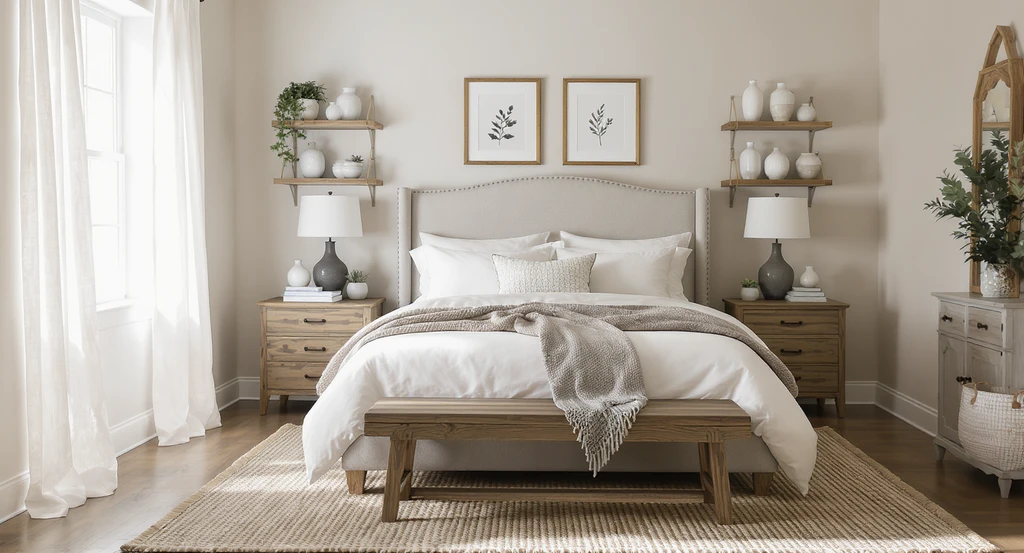
Using AI staging, a blank bedroom was transformed into a warm, farmhouse-inspired retreat with a blue accent wall and layered sage bedding—all with real, shoppable products for under $2500. Key decisions balanced anchor pieces (bed, dresser) and budget-minded swaps while trading style match for flexibility. This case study answers how to personalize AI-powered room design and move from visualization to click-to-buy with transparency.
A Blank Bedroom, A Defined Budget, Big Style Possibility
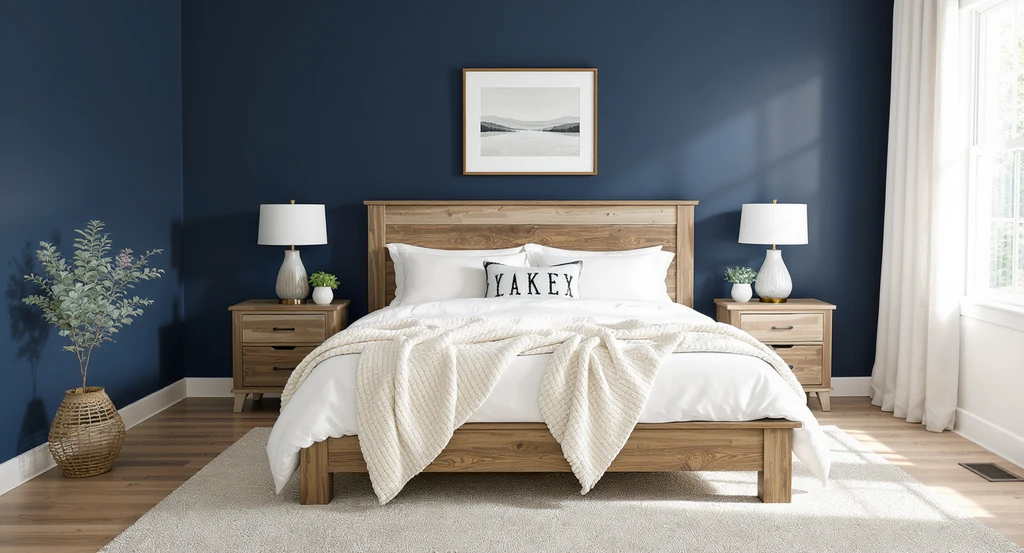
See how an AI interior design tool with real product visualization creates a budget-friendly farmhouse bedroom makeover using shoppable products. Explore the advantages of AI virtual staging platforms to personalize design by style.
Staging a bedroom from scratch—especially when the space is totally empty—requires more than just aesthetic ambition. It demands real-world decision-making, clear layout choices, and discipline around spending. In this project, the main goal was to reimagine a bare room as a personalized farmhouse bedroom using a total budget of $2500 or less and only real, US-shippable products. Through step-by-step AI visualization and product swaps, the bedroom shifted from neutral to farmhouse charm, capped with a blue accent wall and modern, shoppable finishes. The top question driving the process was: How can you turn an empty bedroom into a cohesive, shoppable design using AI tools—making each selection fit both a specific style vision and a firm spending limit? Early on, one major anchor spend (the rustic wood bed) established the room’s identity and durability, while a strategic savings move swapped costly brand-name nightstands for more economical alternatives that didn’t sacrifice style. This hands-on process shows the advantages of using AI platforms for visualizing real products, as covered in our resource on turning design concepts into actionable rooms.
-
Establishing the Baseline: Room, Budget, and Vision
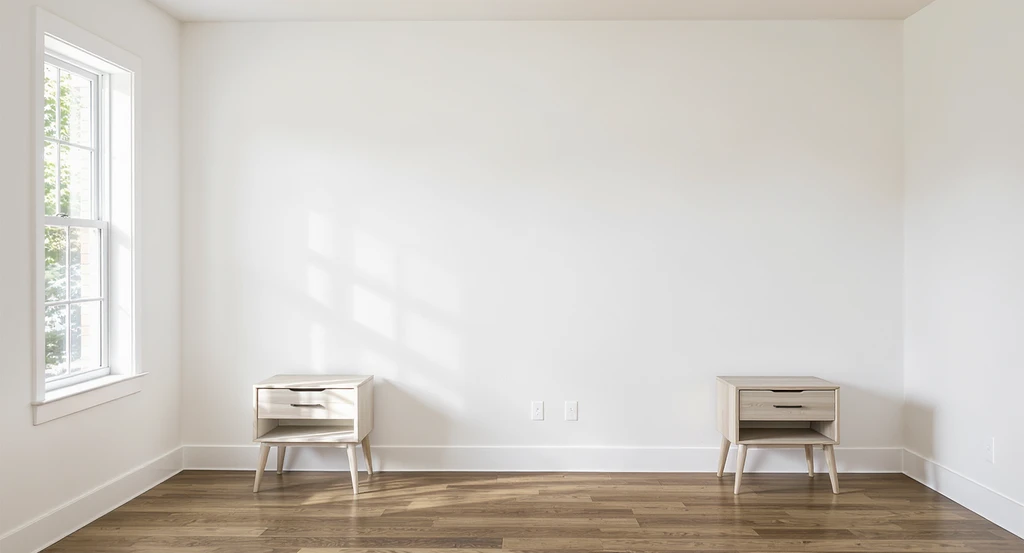
A naturally lit empty bedroom forms the baseline for AI virtual staging, illustrating how ai interior design tools visualize real product layouts for makeovers.
This bedroom started as a completely empty shell, setting a perfect test case for AI-assisted virtual staging. The task was to achieve a modern farmhouse look, later layered with personalized color and textile swaps, within the maximum $2500. Three unique observations defined this space: - The room receives even, diffuse natural light, supporting color experiments on the main wall without harsh shadows. - An open wall adjacent to a window created an ideal visual anchor for the bed and subsequent accent wall paint. - The rectangular layout called for symmetry, seen in the double nightstands and the choice to place both major dressers on opposite walls rather than crowding them together. According to our breakdown of identifying your interior design style with AI, picking an exact style direction (here: farmhouse with blue and sage accents) is key when mixing products across brands and budgets.
-
What Drove the Main Staging Decisions: Visual Testing and Product Swaps
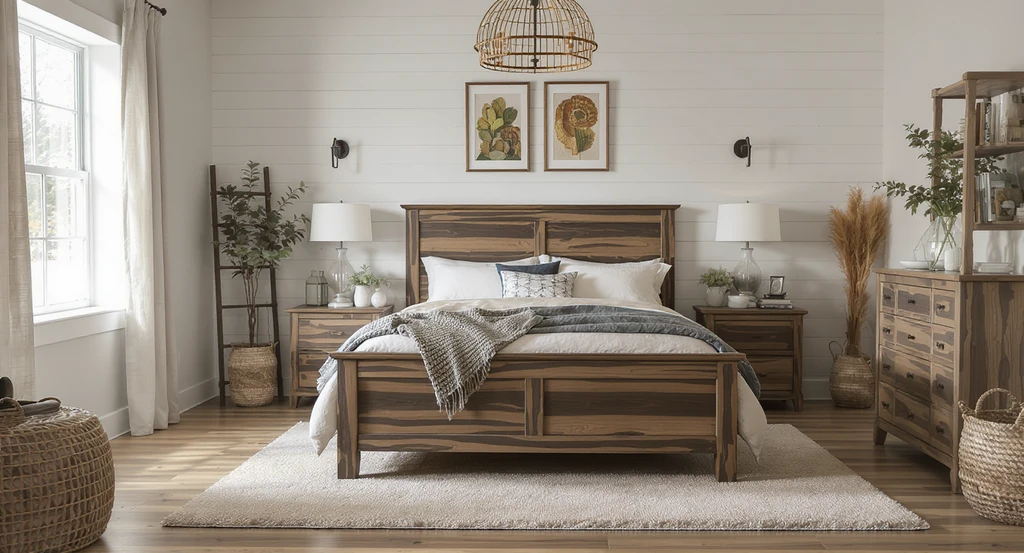
Editorial-quality view of a bedroom staged with an AI interior design tool. Real product swaps, accent wall, and bedding options show how to use AI for bedroom makeovers and the advantages of ai home visualization platforms.
Moving from vision to implementation, the design process began by thoroughly clearing the space in the AI model, then sequentially layering key elements. Placing the rustic bed in the center established the farmhouse style and left enough wall space for statement art or an accent color. Testing blue (Sherwin-Williams Searching Blue) on the back wall provided high visual impact for minimal spend, while the bedding was swapped several times—from plain white to a carefully selected blue and sage set—to hit the right color balance. One lesson from hands-on AI room design is the value of rapid iteration. Multiple curtain, rug, and pillow combinations were tested virtually—reducing the risk of buyer’s remorse. Instead of defaulting to a generic catalog suite, the approach prioritized flexibility and product mix. Heavier linen drapes replaced original sheers without any change to the curtain hardware, preserving both layout and budget. This A/B testing mirrored the techniques found in our guide to mixing and matching bedroom pieces using AI.
-
Budget Allocation: Where to Anchor and Where to Save
The first and biggest expense—by both necessity and visual logic—was the rustic wood queen platform bed, which anchored the scheme and justified investing a good chunk of the budget there. At $499.99, it set the tone for everything else. Next, the wide wood dresser ($415.21) and nightstand pair ($281.98) supplied ample storage and farmhouse character but were deliberately chosen below the premium price points often seen in full bedroom sets. Key savings came through the curtain and lamp selections—both found under $100 per set—proving that the visual payoff of upgrading textiles (like the oatmeal linen curtains) can be had without designer markups. The sage green and blue bedding introduces softness, echoing both the accent wall and rug, for under $160. With the entire package (seven main pieces) totaling just under $1750, this left room for future art or accessories and met all functional needs.
-
How AI Visualization Made Personalization and Transparency Possible
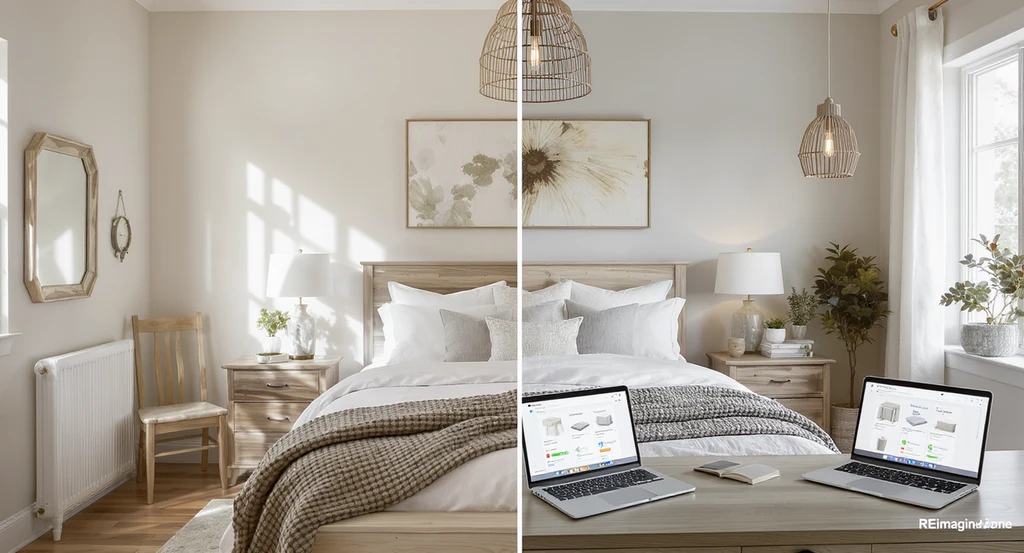
A realistic example of using an AI interior design tool with real product visualization: the left half shows the original farmhouse bedroom, while the right half displays an AI-virtual staged version curated with shoppable products, illustrating personalizing AI room design by style and the advantages of AI home visualization platforms for transparent, data-driven bedroom makeovers.
A crucial advantage of using an AI interior design tool with real product visualization, such as REimagineHome AI, is the ability to preview precise combinations before committing to any purchase. This goes beyond moodboarding: each staged variant let the designer test color, light, scale, and style variation directly over a real room photo and approve or tweak as needed. For this project, the platform’s shoppable workflow provided trust and clarity. No product recommendations were brand-influenced or commission-driven; every item was picked solely to fit style, size, budget, and US delivery. This transparency in sourcing and staged product swap, as discussed in our deep dive into AI-powered decor layering, functioned as both a guardrail against overspending and a fast lane toward a well-vetted result.
-
Product Selection in Practice: What Was Used, Why It Worked
The final design used only real, shoppable products. Each choice played an intentional role: - The Rustic Wood Bed was the cornerstone, setting both palette and texture - The Rustic Wood Dresser balanced the layout, echoing the bed’s material - Nightstands ($281.98), Bedding Set ($151.49), Area Rug ($200.49), Curtains ($91.22), and Table Lamps ($100.22) rounded out the look, all sourced based on price fit, photorealistic match, and US delivery availability Notably, bulkier items like a bench or extra art were intentionally avoided to preserve floor space, maximize light, and keep the look uncluttered. This curated, evidence-driven product mix means every selection was made visible and shoppable through the AI workflow.
Frequently Asked Questions
How do AI home visualization platforms help with bedroom makeovers?
They let you preview real, purchasable items in your own space, test paint or wallcoverings, and swap specific products—all without buying before you're sure. This speeds up decision-making and reduces risks of costly returns, as explained in our article on turning inspiration into transformation with AI.
What are the advantages of using real shoppable products vs. generic mockups?
Real shoppable products provide confidence that what you see can be bought and shipped to your area. This ensures budget planning is accurate and your staged room can be made real, as described in our breakdown of layering real decor with AI.
How did the design team decide which products to include or skip?
Product selection was guided first by style (farmhouse), then by room size, function, and price. Large items that risked crowding the layout were skipped to keep the space visually open.
Can you swap or update items after seeing a preview?
Yes, the entire workflow emphasized iterating and adjusting selections through AI visualization, mirroring the guidance in our guide on fast product testing and mix-and-match staging.
Key Takeaways: Real Results from AI, Within Reach
This room shows how the current generation of AI home visualization platforms brings together personalization, real shopping options, and budget transparency. By leveraging a tool that let the user preview every major furniture and decor choice—before clicking 'buy'—the finished farmhouse bedroom is both stylish and attainable. This method helps answer how to personalize AI room design by style, adapt layouts to size constraints, and stage spaces that look collected—not catalog. As demonstrated, smart staging relies on knowing which items to anchor, which details to swap, and how to test it all visually before committing.