Staging a Frisco, Texas Bedroom: Real Product Design and Wall Color Experiments on a $10,000 Budget
TL;DR
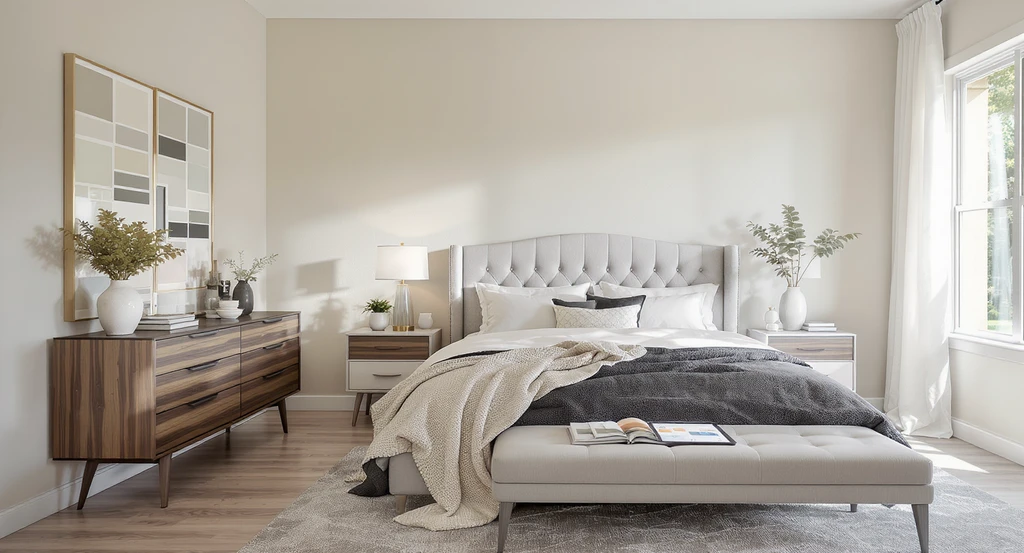
A large primary bedroom in Frisco, TX was staged and visually transformed using real shoppable products and Sherwin-Williams paints, all within a $10,000 budget. Multiple wall colors and furniture finishes were tested using AI-powered reference imagery, streamlining real-world decisions and making design tradeoffs visible before any purchases. Key choices included keeping original furniture, updating with plush carpet, and using genuine retailer links for every major piece.
A Real Bedroom Makeover—Color, Comfort, and Confidence
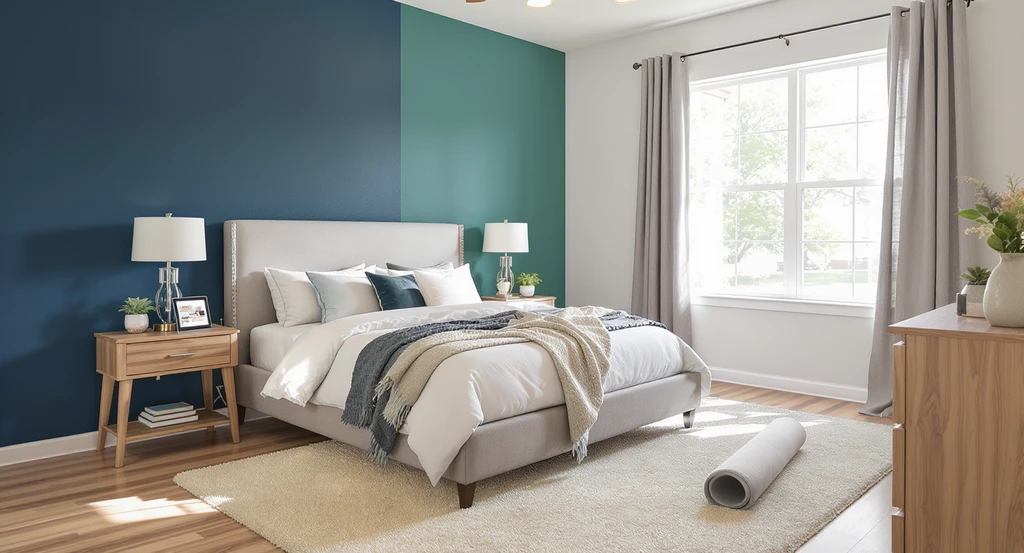
Editorial image of ai bedroom design in a Frisco, Texas home—showing real shoppable products, multiple paint color tests, and a tablet previewing ai room makeover mockups. Demonstrates virtual staging with purchasable furniture and how to use ai home design tools with real trust and transparency.
In Frisco, Texas (75035), a large primary bedroom presented a common but challenging scenario: how to transform a space to suit evolving tastes while staying within a $10,000 budget—and ensuring every product shown is actually buyable. The owner wanted to experiment with richer color palettes on the walls, adjust some surface finishes, and update the carpet, all while retaining their existing arrangement of bed, nightstands, and dresser. This case study documents each step, from virtual color testing to the final selection of real shoppable products tailored to the layout and light of this particular room.
The main question: Can you use AI for room makeovers that let you preview real, purchasable products—and multiple paint color schemes—while accurately visualizing the effect on your furniture, carpet, and overall style before buying anything? The answer: yes, and it can anchor spending with precision. This project shows how reference photos combined with an AI design platform streamline these high-stakes decisions, letting you test and compare several wall/furniture color scenarios without risk. One core savings move: By keeping the architectural millwork, layout, and most major furnishings, most of the budget could be dedicated to fresh finishes and décor.
A reference photo, in this context, serves as a visual roadmap for your desired atmosphere—whether that's drawn from a Pinterest mood board, a boutique hotel you loved, or snapshots of previous projects. The chosen AI tool uses this visual anchor to reimagine the user's own space, preserving scale and perspective so color and furniture changes read as genuinely plausible. This approach brings new trust and transparency to virtual staging with purchasable furniture.
-
Setting the Baseline: Room Realities and Project Constraints
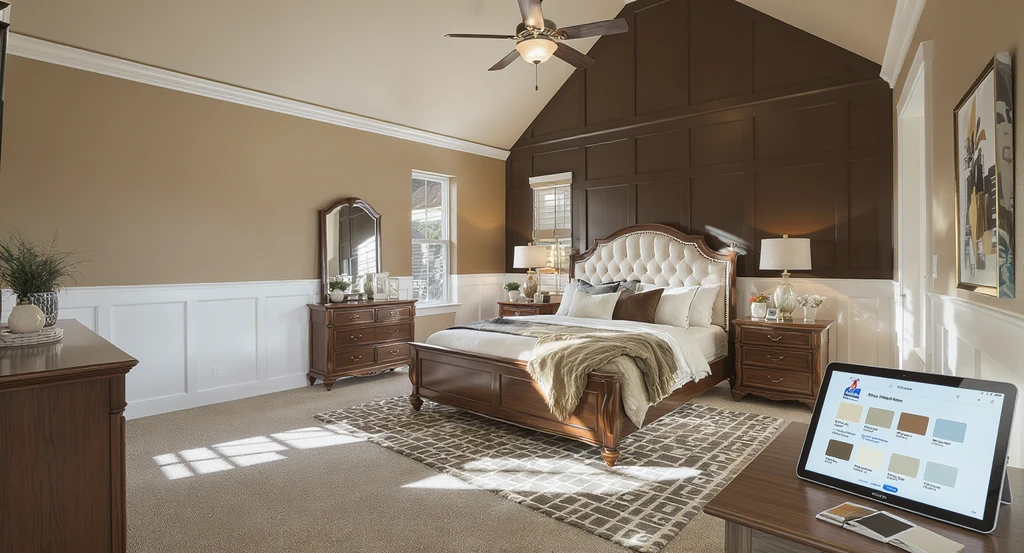
AI bedroom design in Frisco, Texas: virtual staging with shoppable furniture, real paint swatches, and how to use AI for room makeover previews.
The bedroom’s starting point was a well-proportioned space with vaulted ceilings, classic wainscoting, dark millwork, and solid, traditional furniture pieces. The user’s nonnegotiables: the bed, nightstands, and dressers stay put, but paint colors, decor, and carpet could all be reimagined. Referencing recent snapshots allowed the AI to match the camera angle and replicate lighting—ensuring realism when previewing multiple palette options.
Three essential observations shaped the process: the visual weight of existing dark walls set a moody tone; the original carpet appeared slightly mismatched to the evolving palette; and the room’s strong natural light justified experiments with deeper or more saturated colors outside traditional "safe" neutrals. The ZIP code—Frisco, Texas—allowed sourcing of all real products for delivery. Users could also specify favorite palette references or pull exact samples (such as Sherwin-Williams Jasper, Urbane Bronze), making the color trials especially grounded and personal. This method mirrors what’s explained in detail in our guide on picking paint colors with AI, where uploading a room photo unlocks fast, visual trials of wall colors and styled furniture.
-
Driving Decisions: Using Reference Images and AI for Risk-Free Testing
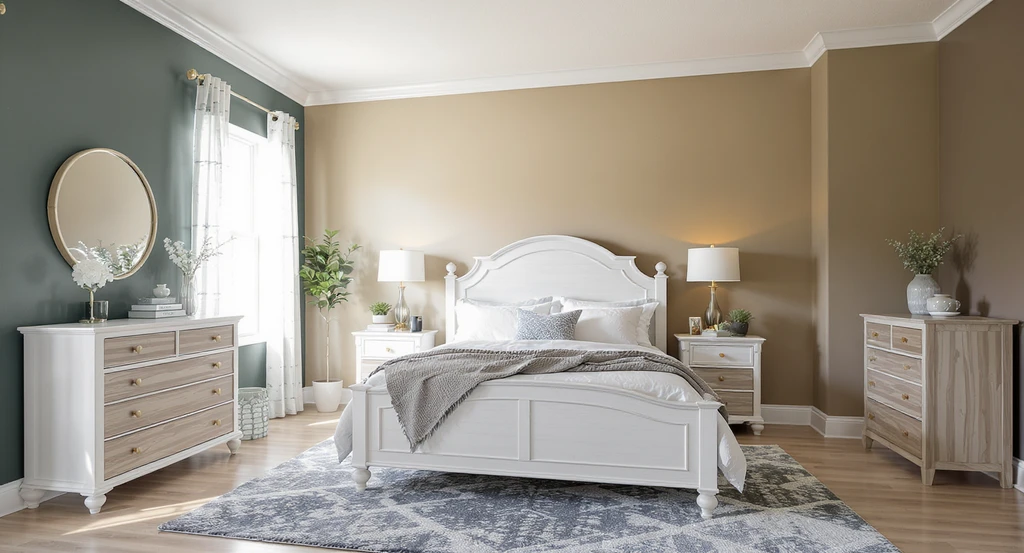
How to use ai for room makeover: Real shoppable products and ai home design tools ensure trust and transparency when virtually staging a Frisco bedroom.
Using reference imagery, the AI ensured each tested color was applied to only the right surfaces—walls, molding, or furniture—without distortions. Color candidates included Sherwin-Williams Jasper (a moody green), Urbane Bronze (a classic, warm grey), and Accessible Beige for a lighter feel. Each virtual render reflected real-world daylight and shadows, exposing how undertones interact with carpet or wood. This process made it easy to contrast dramatic options (deep navy, charcoal, dark olive, and muted taupe) with the original palette—without the cost or mess of sample pots or re-painting entire rooms for each idea.
To increase reliability, reference photos were also used to calibrate the camera angle, perspective, and even details like paneling or crown molding, ensuring that AI-powered staging wasn’t a generic "overlay" but a faithfully transformed version of the client’s own space. Product swaps and style choices were visually reviewed in minutes. This workflow, grounded in the homeowner’s tastes and constraints, aligns with strategies discussed in our step-by-step AI room makeover guide.
Several color/furniture combos were shortlisted: moody green walls with crisp white-painted furniture, warm greige backdrops with gold accents, or keeping rich wood paired with Urbane Bronze. The final choices were shaped by visualization realism, compatibility with existing light, and ease of returning to a neutral scheme later.
-
Budget Logic: Where the $10,000 Went and Where It Didn't
Retaining the major furniture allowed most of the $9,979.97 budget to go toward tactile upgrades—plush Karastan carpeting (in greige and cream options), high-impact paint, and a handful of statement decor swaps. The king bed was the anchor piece, with other buys selected for proportion and light reflection rather than maximal change. Darker wall colors, while dramatic, didn’t require changing ceiling or window treatments each time; careful AI rendering meant curtain and carpet color adjustments could be previewed before committing, using the shoppable mode. Several visually appealing wall art and lighting upgrades were proposed, but not every option was purchased—focusing spend on what showed the strongest visual impact after tests.
Directly comparing palette trials saved time and money, especially when the AI platform flagged subtle conflicts or harmony between proposed wall/furniture combos and the real rug or light finish. For example, previewing Urbane Bronze walls with existing wood versus creamy white furniture revealed how each combo shifted the room’s mood and spaciousness—a process that might otherwise take several expensive rounds of repainting and styling. This mirrors what’s detailed in our interior style personalization blog: constraints can lead to better final outcomes.
-
Why This Approach Worked: Trust, Transparency, and Real-World Fit
The final staged room demonstrates three unique strengths of this approach: first, using AI for room makeovers lets you test not just generic style swaps, but real, purchasable products and precise paint shades—anchoring everything to your actual room geometry and light. Second, working from reference images allows a high degree of fidelity to owner intent (maintaining beloved furnishings, matching wall hues exactly to client photo swatches). Third, each design round included fully buyable products: every lamp, rug, and dresser could be ordered to the Frisco zip code with no ambiguity about cost or specs.
Intentionally avoided: unnecessary window or ceiling replacements, unproved brand promotions, or overhauling all furniture finishes unless color tests showed a clear benefit. Instead, effort focused on highest-impact changes the owner was most likely to enjoy and keep. The use of REimagineHome AI supported easy visualization of paint and product swaps, letting the homeowner move from inspiration to concrete decision backed by a detailed shopping list and transparent process. This workflow also closely resembles best practices for AI renovation collaboration described in our guide to AI-powered renovation planning.
-
Furniture and Decor Used: What Was Bought and Why
- King Bed – $2539.99: The primary visual anchor, kept for its compatible proportions and comfort.
- Nightstands – $900.00: Reinforce the cohesive style and offer functional surface area and storage.
- Dresser – $2569.00: Houses additional storage and was chosen for its style compatibility; finish could be left or repainted, as visually tested.
- Area Rug – $1169.00: Selected to harmonize with newly proposed wall/furniture colors, softening the overall feel.
- Table Lamps – $278.00: Provide ambient lighting and a visual counterpoint to bolder wall hues or hardware updates.
- Curtains – $205.00: Swapped out for color-matching options depending on the final wall shade and light diffusion needs.
- Chandelier – $999.00: Adds a focal point to the oversized ceiling; picked for scale and compatibility with other metallic finishes.
- Bench – $809.99: Placed at the bed's foot for both extra seating and textural variety in the completed design.
- Wall Art – $509.99: Large-scale, neutral artwork anchors the bed wall and provides palette flexibility for future swaps.
All of the above were accessible for direct purchase and delivered to Frisco, as confirmed during the design process. Extensive color and decor experiments (not all visible in the final photo) meant only products that enhanced both the tested palette and the user's personal tastes were ultimately purchased.
Frequently Asked Questions
How does using reference images improve AI bedroom design?
Reference images let the AI system accurately emulate a specific style, color palette, or finish—mirroring the user's inspiration closely. This increases the believability and specificity of each design visualization.
Can I preview several wall and furniture colors using this workflow?
Yes. Multiple colors and finishes can be applied digitally, reflecting real paint codes (such as Sherwin-Williams Jasper or Urbane Bronze), and paired with different furniture finishes for side-by-side viewing before any purchase or paint is committed.
How does this approach enhance trust and transparency in product selection?
Because every staged product is real, priced, and linked to a buyable source, you know up front what each idea costs and how it will look at home. No brands are favored for commission, and selections respond purely to user constraints, as detailed in our blog about AI-powered renovation workflows.
Is the budget enough for a luxury result?
By focusing big-ticket spending on plush carpet, paint, and select statement decor, and keeping core furniture in place, even a luxury look was possible without overspending—especially since multiple options could be visually tested first.
Do these methods work for small or rental spaces?
Yes—reference photo staging and AI product visualization are scalable for any room or budget, and are even more effective in smaller spaces where every finish and fit matters.
Takeaways: Confident Room Makeovers Rely on Real Visualization and Choice
This Frisco bedroom transformation illustrates how AI-powered design tools—when combined with reference photos and real-world, shoppable products—can take much of the risk and hesitation out of a major room makeover. From wall paint trials using Sherwin-Williams fan favorites to precise carpet, furniture, and lighting decisions, the homeowner was empowered to test each idea visually before purchase. By anchoring the budget on must-keep items and focusing upgrades where they most impacted mood and comfort, transparency and trust were achieved throughout the process.
Tools like REimagineHome AI are making it possible to align vision, product selection, and final spend with rarely-seen accuracy—all from a single photo, and with shoppable results that are achievable in real homes.