Designing a Family-Friendly Backyard for Sun, Shade, and Easy Living
TL;DR
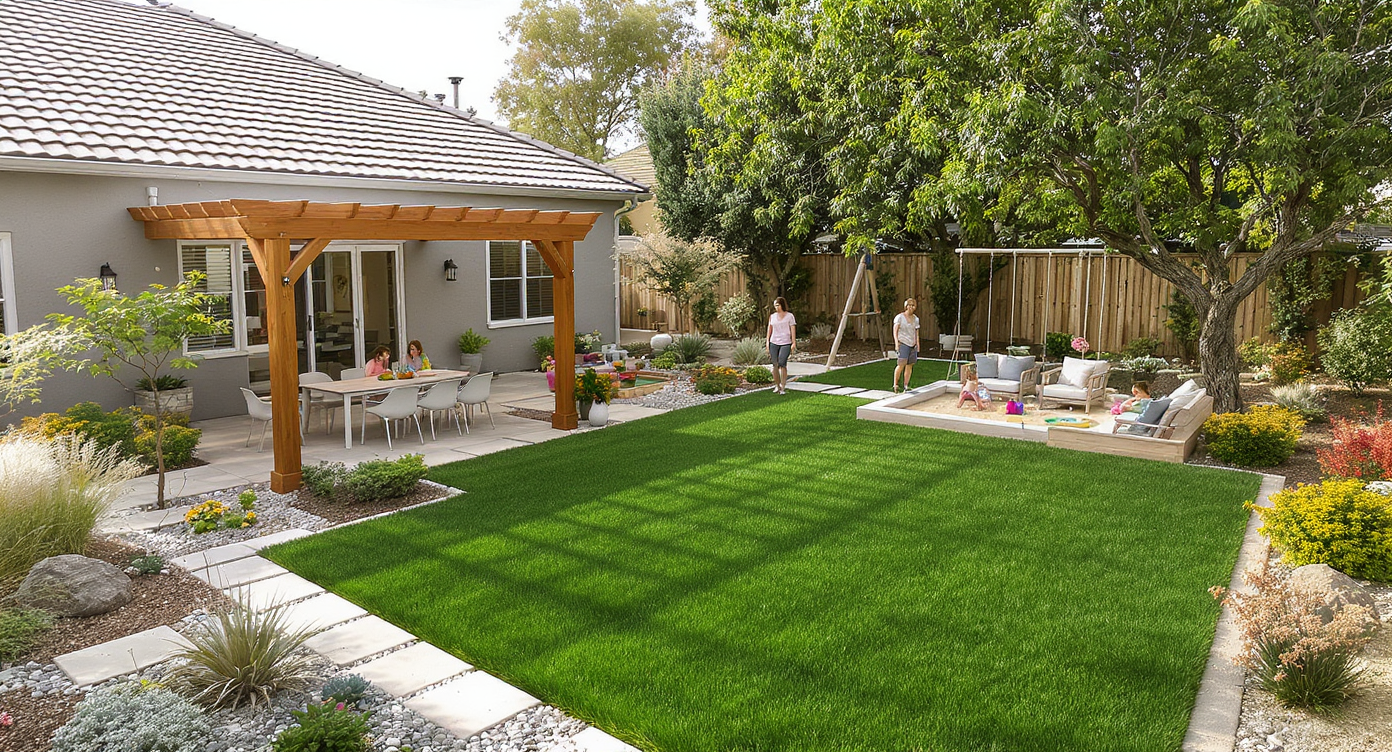
A family yard with heavy sun exposure and limited space can still become a layered, inviting retreat. Smart backyard design with AI tools helps homeowners balance play, shade, and low-maintenance needs. Structures like pergolas, plantings with large leaves, and flexible seating make outdoor living easy for both kids and adults—no permanent pool required.
The Challenge: A Backyard Blank Slate
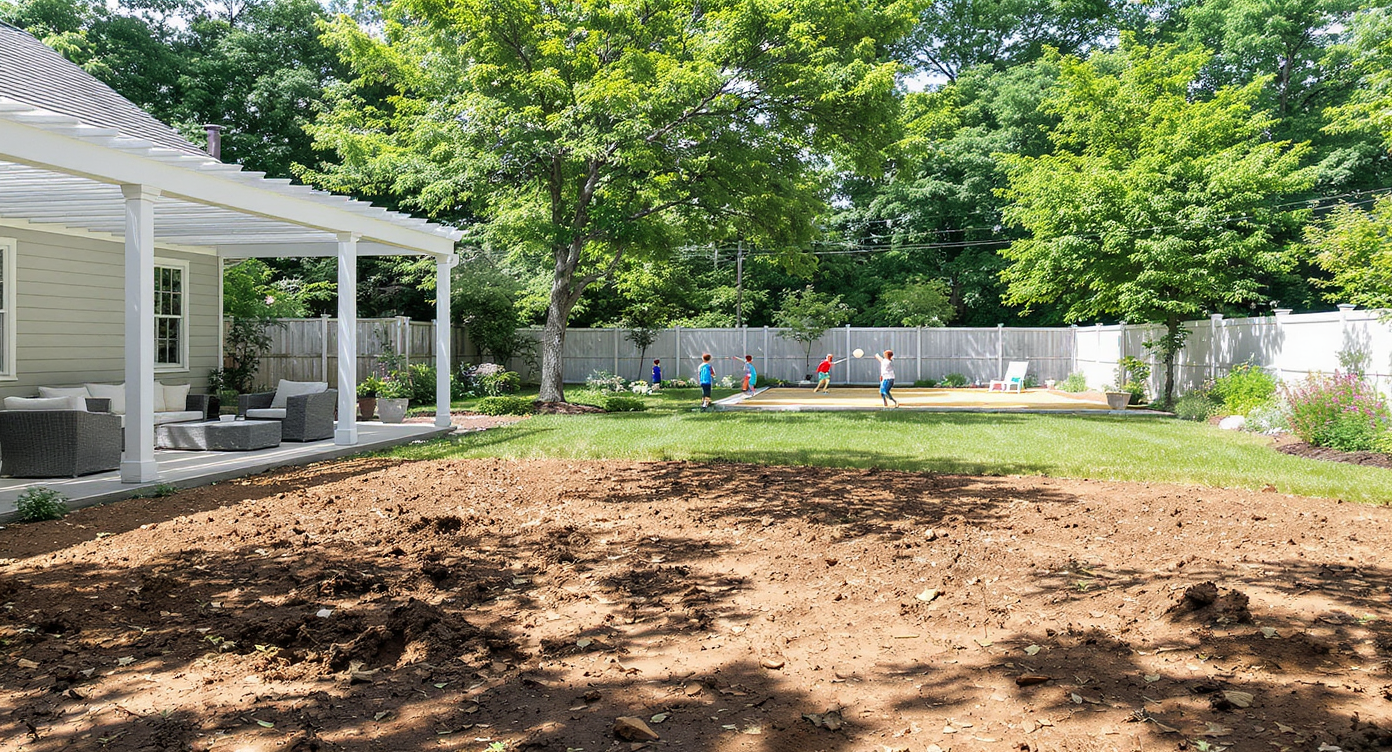
A sun-drenched backyard transitions from bare soil to a family-friendly haven, balancing shade, play, and relaxation zones.
A south-facing backyard that gets long hours of direct sunlight can present both an opportunity and a challenge for families. With nothing but bare soil and a sweeping forest view, this outdoor canvas can be anything. Yet questions quickly appear: How much shade will we need? Where should sociable or quiet spaces go? Is a pool worthwhile, and what about low-maintenance practicality amid heat and busy lives? If you’re a homeowner with young children, a wide-open sunny yard can be daunting but also brimming with potential. Small-space limitations, climate considerations, and the desire for flexible use drive most renovation plans. It’s not just about squeezing in pools or patios—it’s about envisioning a backyard layout that supports your family’s lifestyle and brings people outdoors, season after season.
-
Balancing Sun, Shade, and Play in Your Backyard
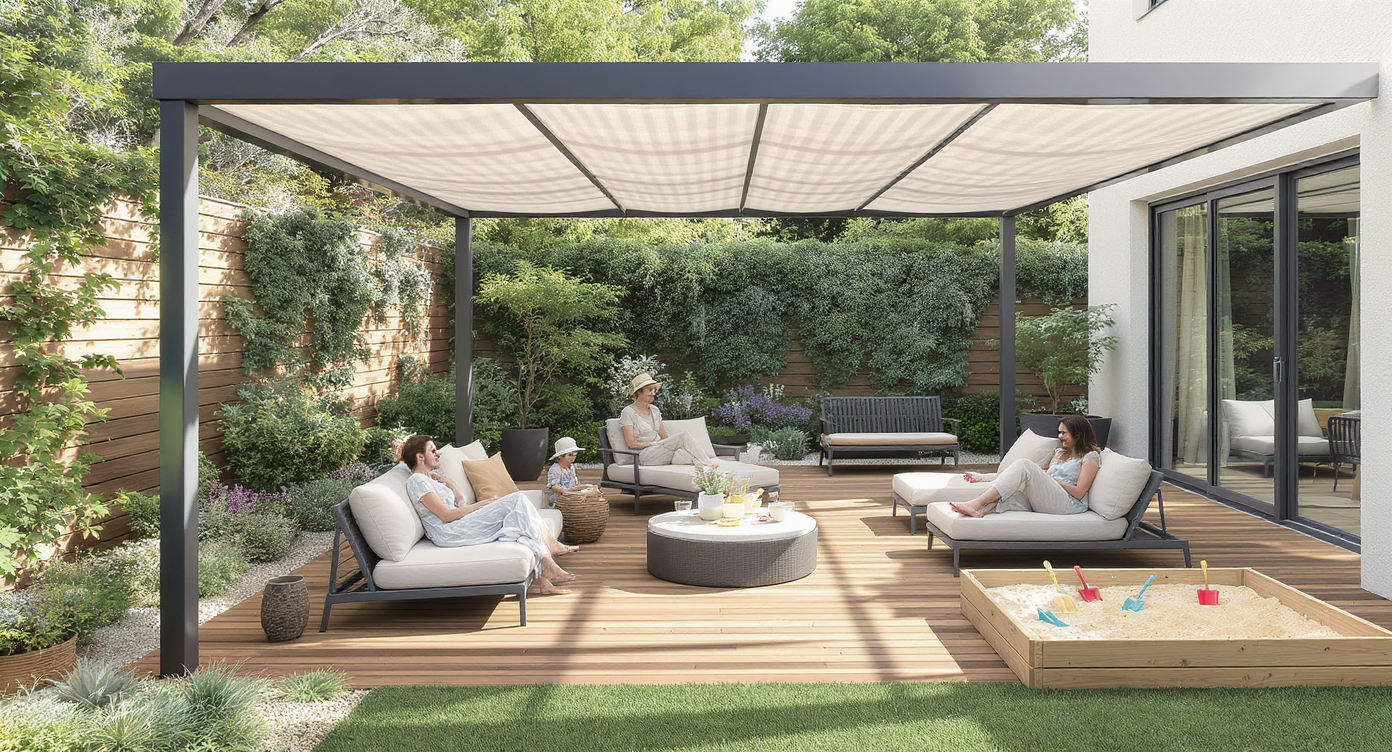
Movable shade, modular seating, and flexible use zones help this family-friendly backyard adapt to changing sun and play needs.
A common scenario for many homeowners is a backyard with little to no existing infrastructure and a direct southern sun orientation. This results in extended periods of harsh sunlight during peak months, making flexible shading a priority. Durable yet movable shade structures, such as modern pergolas with retractable canopies, lend adaptability in both cooler and hotter seasons. Designers often recommend pairing these with light-diffusing fabrics or vines to create adjustable comfort. Even small backyards can provide ample play and relaxation zones when the layout considers sun movement. Modular seating and reversible lounge pieces can be relocated as needed, ensuring families find relief from sun at every hour. Shade structures aren’t just for style—they guard against UV exposure, reduce patio surface temperatures, and make all-day outdoor use possible for children and adults alike.
Expert Insight
A family with a similar blank-slate yard discovered that installing a retractable pergola and a mix of native greenery made their outdoor space cool and inviting all summer. Even after a busy workweek, they’d gather every evening for backyard picnics while the kids darted through dappled sunlight—a change made possible by thoughtful shade planning and easy-care plantings.
-
Low-Maintenance Solutions for Busy Families
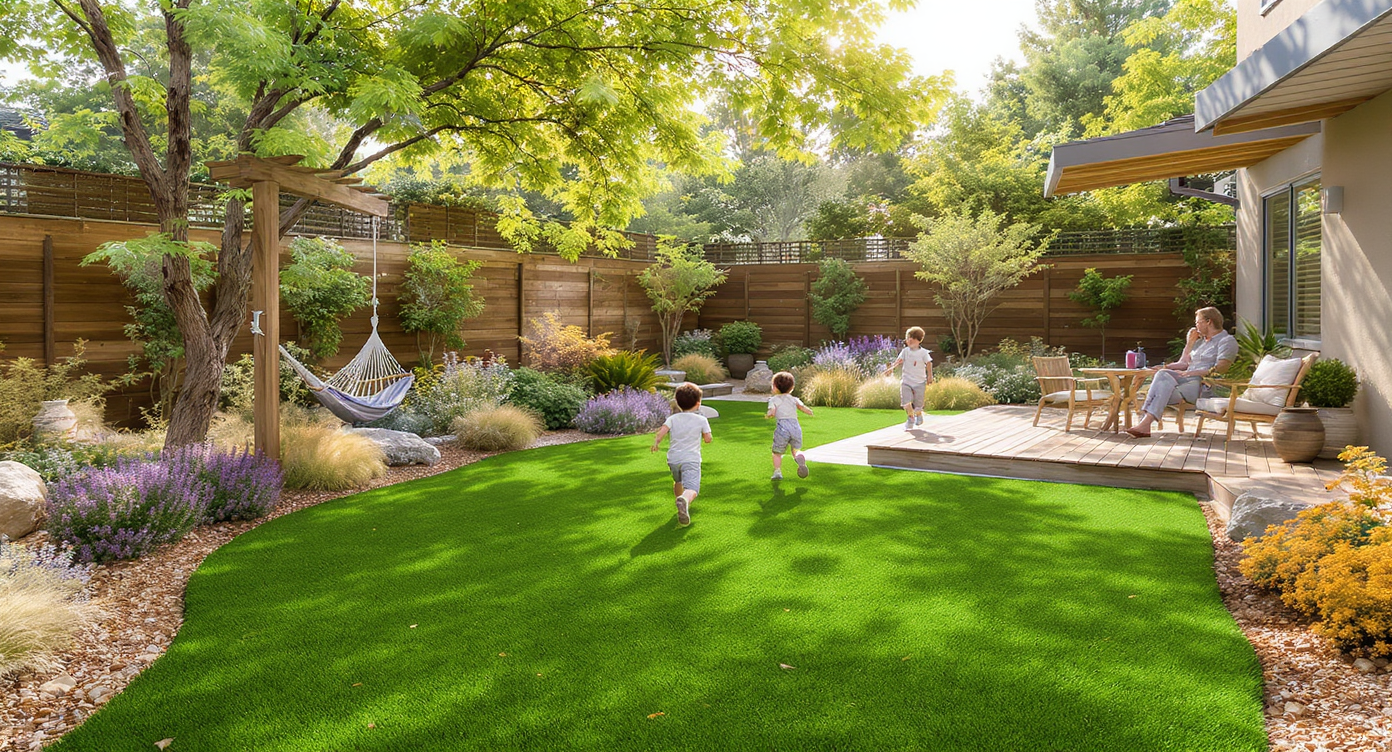
Low-maintenance design balances kid-friendly turf and planted borders, reducing chores while supporting everyday family relaxation outdoors.
Embracing a low-maintenance landscape supports busy schedules and reduces long-term chore lists. According to recent trends shaping 2025 yards, drought-tolerant plantings and native grasses cut down the need for irrigation and mowing, making them especially appealing for regions with dry, hot summers or sporadic rainfall. Grouping plants with similar water needs, and using mulch to help retain moisture, further limits weekend gardening hours. Families with young children often prefer swathes of open lawn or soft synthetic turf to give kids a comfortable play area that stays green and usable. Where soil is compacted or uneven, a raised wooden terrace can define functional zones—think splash pool, hammock, or a table for evening dinners. Integrating low-water shrubs, hardy perennials, and wide-leafed trees not only cools the garden but also adds texture and privacy. For even more ideas, you can explore examples of low-maintenance landscaping that fit real family life.
-
Making the Most of Limited Space and Permits
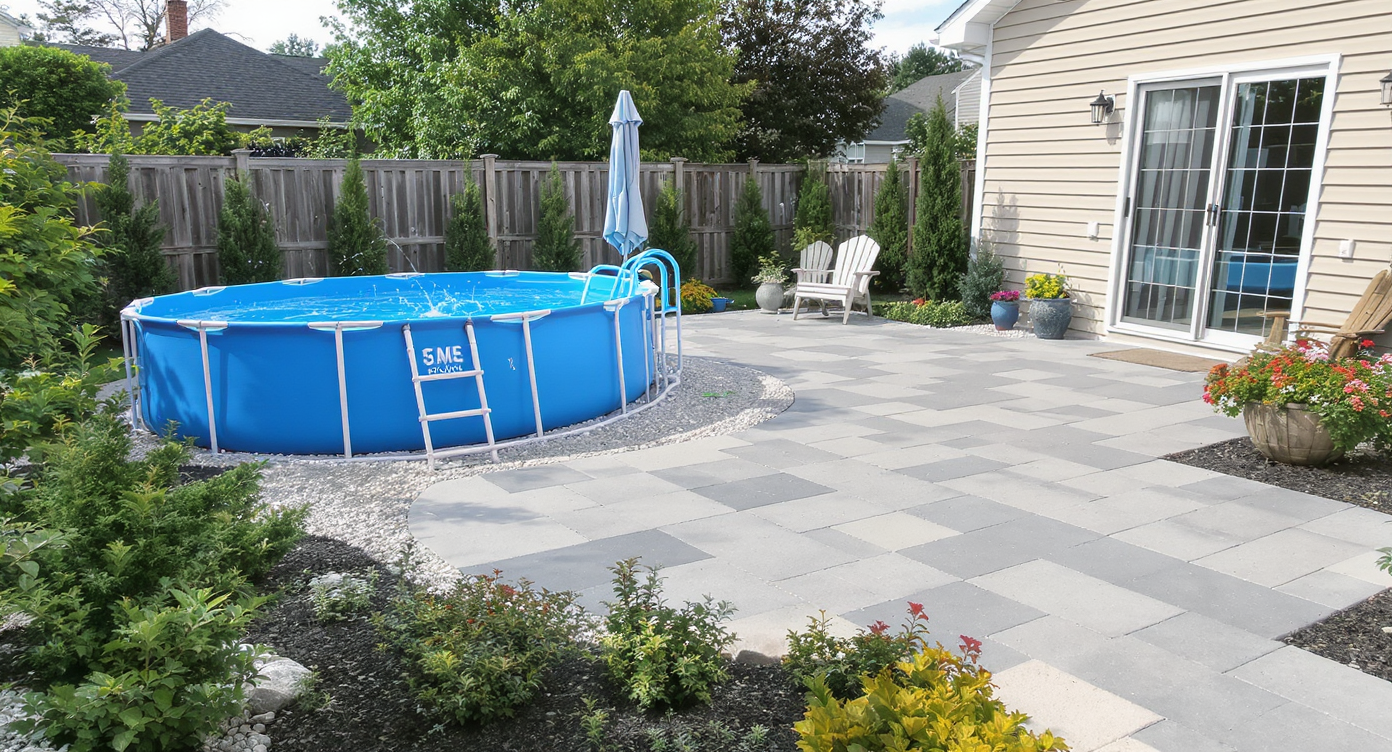
Smart spatial design with removable pools, zoned patios, and shade lets families enjoy flexible fun—no permanent permits required.
Space constraints and permitting hurdles are not uncommon in modern residential neighborhoods. Permanent pools may be off the table, but innovative backyard design AI and creative solutions can compensate. Removable or above-ground pools, splash pads, and compact spas sidestep many regulatory obstacles while letting families enjoy refreshing water through the hottest months. Pair these features with decking or modular pavers to create defined activity zones without extensive excavation. Hardscaping is often the backbone of practical backyard design, providing both structure and all-weather usability. The right combination of paver patios, gravel paths, and decking is flexible enough to host a group of ten or tuck away into a tranquil nook. As detailed in hardscaping projects that work for family homes, setting a stable, sloped patio base also supports future upgrades—giving you options without locking you in.
-
Smart Use of AI for Planning and Visualization
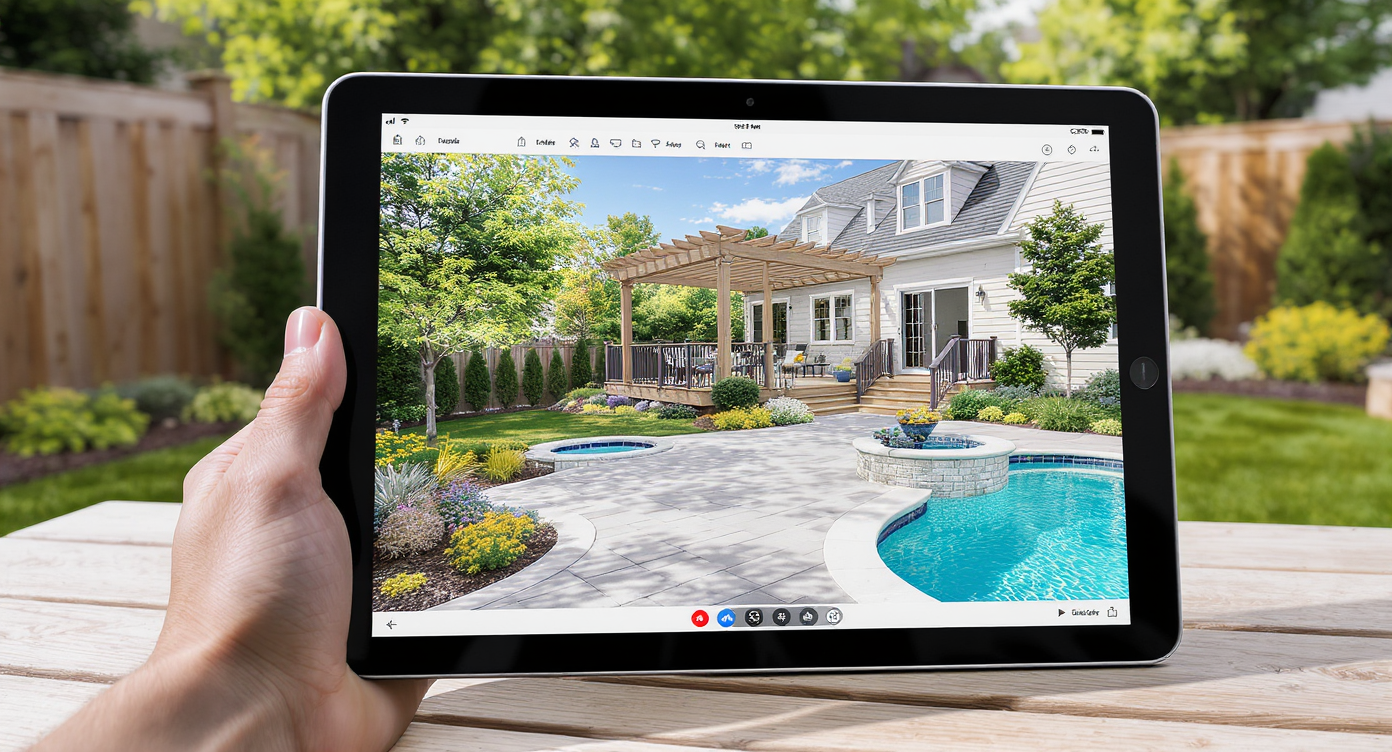
AI visualization tools let families review realistic backyard layouts on digital devices, making planning collaborative and regret-free.
Today, the rapid growth of backyard design AI offers families unprecedented confidence in their renovation vision. Homeowners can now visualize finished yards in minutes, trying out configurations for patios, shade structures, and planting beds digitally before breaking ground. These tools accommodate variables such as sun angle, family size, play or gathering needs, and even color palette—helping avoid the most common layout regrets. Digital solutions are especially valuable for first-time renovators who want to identify the best placement for a small pool, or to see how a pergola’s shadow would move over a raised deck through the day. They also empower users to balance curb appeal and function—vital in a market where outdoor upgrades can boost a home’s value significantly. If you are considering a larger investment, reviewing advice from landscaping projects proven to increase home value can help set priorities.
-
Editorial Anecdote: Finding the Heart of the Yard
A young family in a sun-drenched suburb faced a similar situation: a sloping backyard, relentless afternoon sun, and dreams of after-school playtime. They started with a simple layout—a deck with retractable shade, a soft turf play space, and a row of wide-leafed trees along the back fence. The first summer, everyone gravitated to the spot where dappled sun filtered through climbing vines overhead. Even on the hottest afternoons, the space stayed comfortable and cool, and it quickly became the heart of family life—hosting everything from weekend breakfasts to quiet reading hours while the kids tumbled nearby.
-
Common Mistakes to Avoid
Skimping on shade is the primary error in south-facing yards, particularly those with high sun exposure. Temporary umbrellas or sparse awnings rarely stand up to months of intense sunlight, leading to underused outdoor spaces. Overcommitting to water-intensive lawns or plantings is another pitfall, especially in regions with restricted water use or summer droughts. Finally, making layout decisions without considering future flexibility can lock families into spaces that feel cramped or unaccommodating as children grow.
-
Tips and Expert Insights for Family-Friendly Outdoor Design
Designers often suggest starting with foundational hardscaping—such as patios or decks—before layering in seating and portable features. This lets you change up the space over time as your family’s needs shift. Incorporate vertical elements like trellises or screens to break up sunlight and carve out semi-private nooks, and integrate kid-friendly features that don’t dominate: consider a low hammock between shade trees or a sandbox tucked under a pergola. If your schedule is tight, prioritize plants that thrive with little intervention and consider irrigation systems that reduce manual watering. Above all, let play, gathering, and relaxation share equal importance—designing for the spectrum of family life rather than for one moment or season.
-
How to Use These Strategies in Your Next Backyard Design
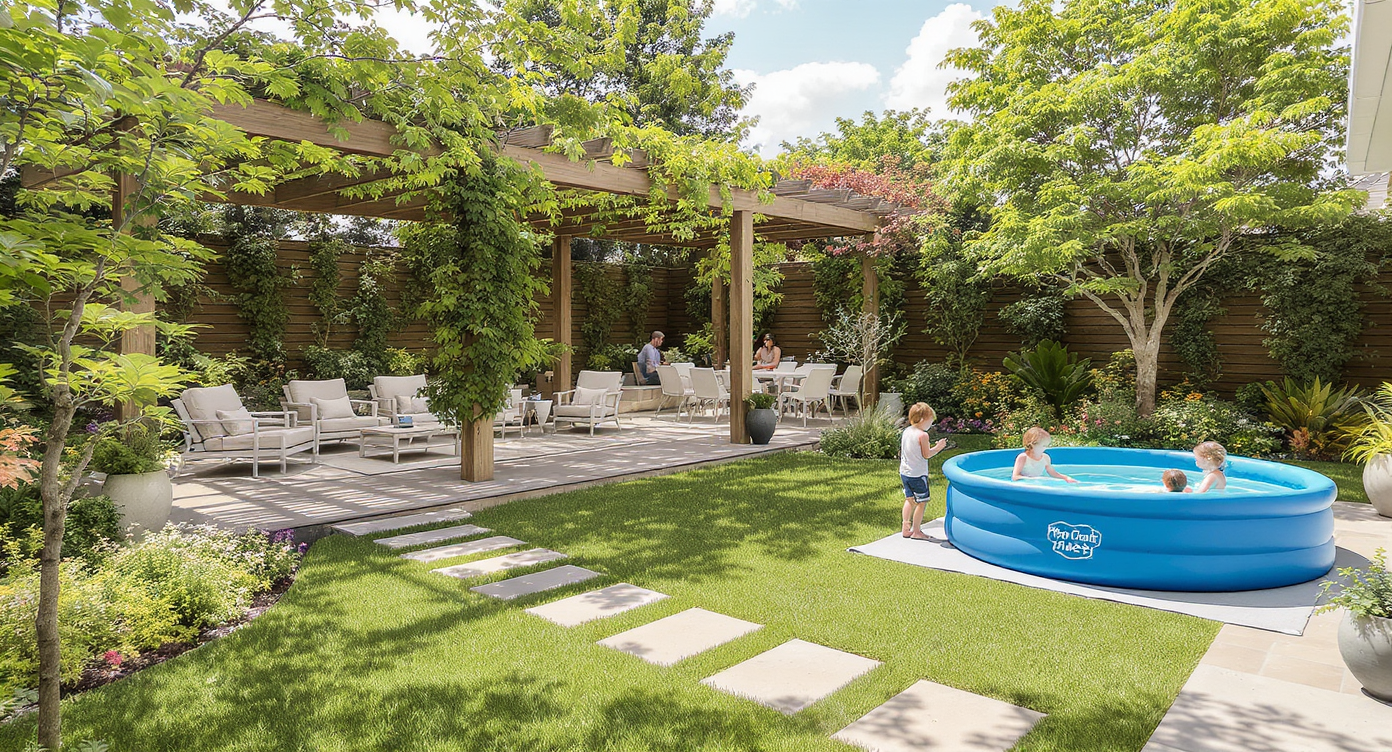
Flexible layouts with shaded zones, easy paths, and removable features make this backyard design ideal for active, all-season family use.
Start by mapping sunlight patterns for each season and identifying areas where natural shade can be enhanced or simulated. Use AI-powered backyard design tools to visualize possible layouts that combine hardscaping, shade structures, and mixed-use zones—even before you invest in materials. Evaluate circulation paths: can kids run freely from the terrace to the lawn, or can a pop-up pool be added in summer and packed away in autumn? When you plan around flexible needs, you open up your yard to host family barbecues, lazy weekends, and spontaneous games year after year.
-
Visualization: The Family Summer Evening
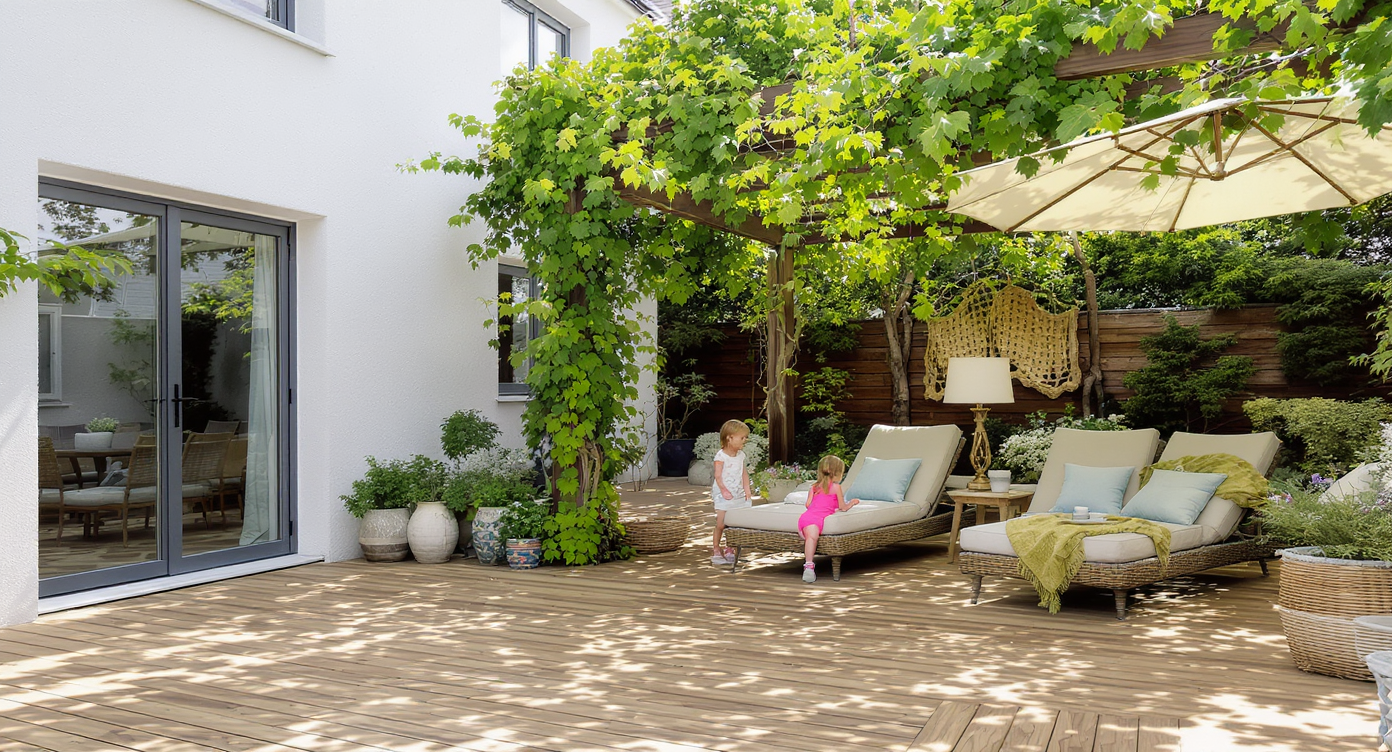
A grapevine-covered terrace shades family seating, while adaptable turf and subtle lighting make summer evenings easy and inviting.
Picture this: It’s early evening in June. Your family steps outside onto a smooth wooden terrace, filtered shade from a grapevine-draped pergola pooling over outdoor chairs. The kids chase a ball across soft, cool turf, while you relax with a book behind a screening row of shrubs. Later, you share dinner around a movable table, hidden lighting softly illuminating the paths. Tomorrow, you might roll out a splash pool or hang a hammock. Each element adapts seamlessly to time, weather, and mood—your backyard growing along with your family.
Visualization Scenario
Imagine stepping onto your new backyard terrace in the cool of the morning. Overhead, the shade structure filters sunlight in streaks across the seating area, while a small pool sits tucked to one side, ready for weekend splashing. Along the perimeter, layered shrubs and perennials buffer summer heat and offer privacy. There’s space for laughter, lounging, and even quiet moments as the yard shifts through the day—a space tuned perfectly to your family’s routine.
Family-Friendly Backyard Design FAQ
Focus first on safe, shaded play areas and flexible seating. Hardscape for durability and arrange zones for adults and children to use the space together or separately.
What is the best way to provide shade in a south-facing yard?
Combination solutions work best, such as pergolas with retractable canopies, fast-growing trees, or tensioned shade sails to block midday sun while preserving views.
Are above-ground pools and spas practical for small yards?
Yes, especially when permanent installations are restricted. Position these on patios or decks, and select weather-resistant covers for safety and ease of use.
How can AI help with my landscaping plans?
AI-powered design tools offer tailored layouts, instant 3D previews, and sun modeling, helping you imagine and adjust zones before committing to a renovation. Learn more at ReimagineHome.ai.
Can low-maintenance yards still feel lush?
Absolutely. Choose native, drought-tolerant plants, cluster greenery for impact, and use mulch. Design with layers to keep the yard visually rich while minimizing upkeep.
Key Takeaways: A Yard That Grows with You
With only soil to start, a family backyard can transform into a dynamic, shaded retreat through thoughtful zoning, adaptable structures, and careful planting. Embracing low-maintenance principles and leveraging backyard design AI, even small or challenging spaces become inviting sanctuaries for play, relaxation, and togetherness. For more inspiration and to see your own layout possibilities, ReimagineHome.ai offers visualization tools that turn outdoor dreams into reality.