Evaluating Deck Versus Patio: Making the Right Choice for Lasting Curb Appeal
TL;DR
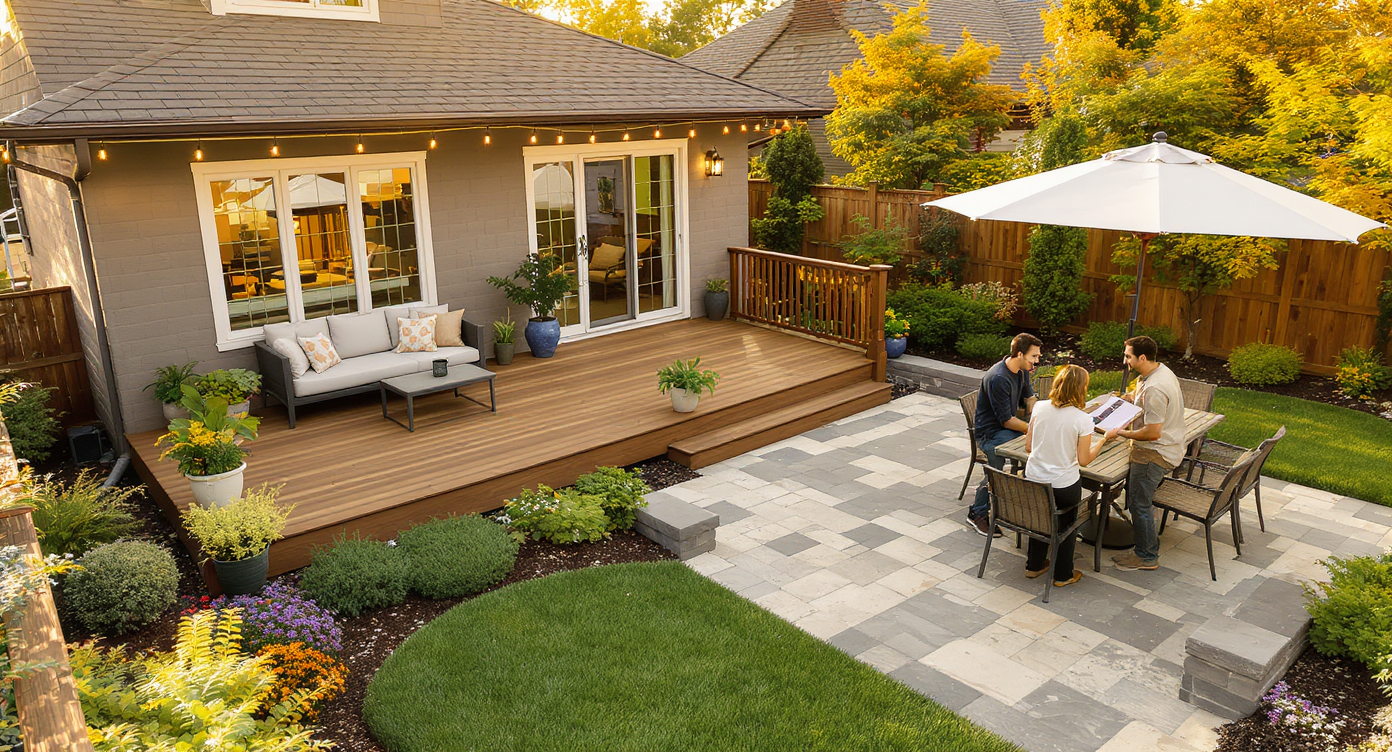
When a tired deck shows its age, homeowners face a pivotal question: repair, rebuild, or replace with a patio. Assessing structural soundness, lifestyle needs, and ongoing maintenance is key to making a confident choice. Both decks and patios can elevate curb appeal, but understanding the costs, durability, and long-term enjoyment can help avoid landscaping regrets.
A Common Renovator's Crossroads
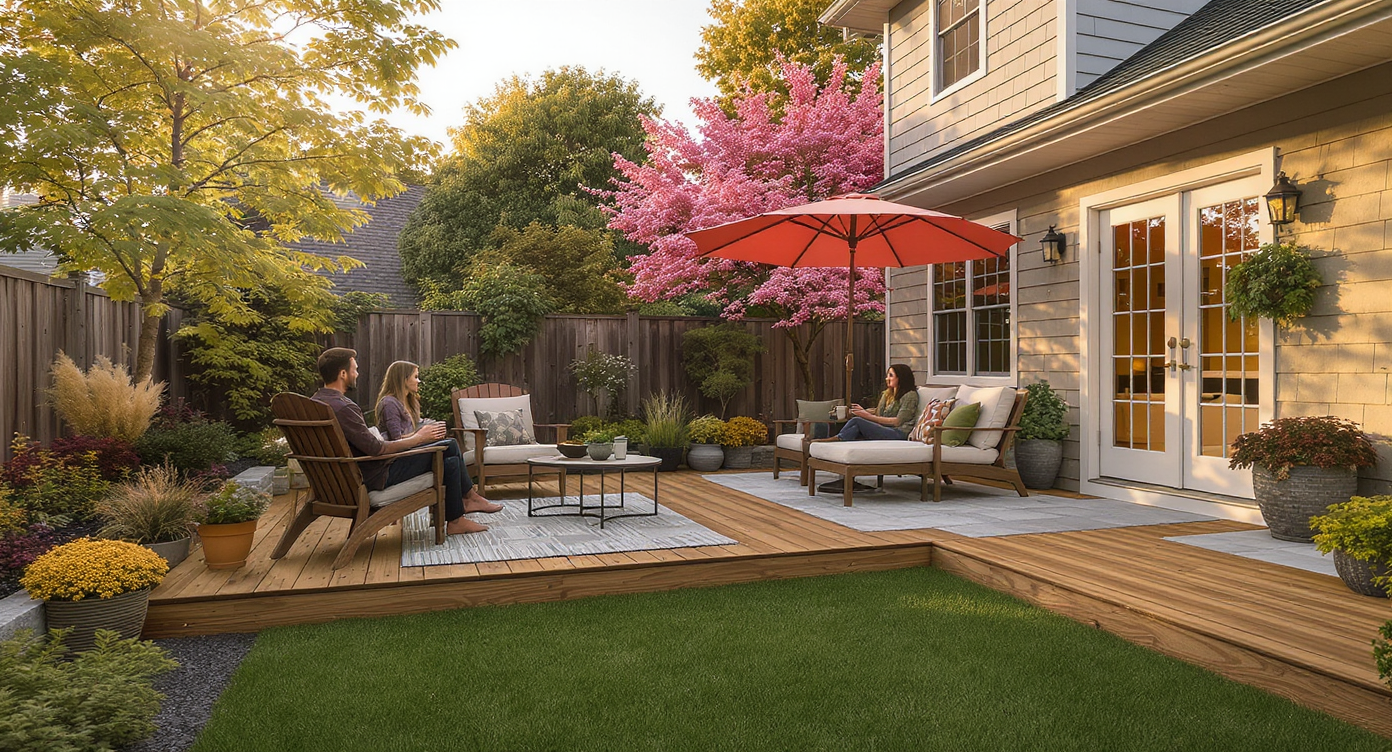
A side-by-side view of deck and patio options highlights the distinct textures, styles, and outdoor experiences each can offer homeowners.
Spring prompts many homeowners to refocus outdoors, where weathered decks and weary patios become impossible to ignore. The dilemma appears simple but carries weighty implications for curb appeal, enjoyment, and investment. Deciding whether to resurrect an aging deck or transform the space with new hardscaping requires thoughtful evaluation of structure, aesthetics, and practicality. Outdoor flooring forms the foundation for relaxation, entertaining, and everyday living, impacting not only how a home looks but how it feels. Updating these surfaces can seem overwhelming, but the right path often emerges from understanding how deck and patio choices align with long-term goals, climate, and care commitments.
-
Uncovering Structural Truths
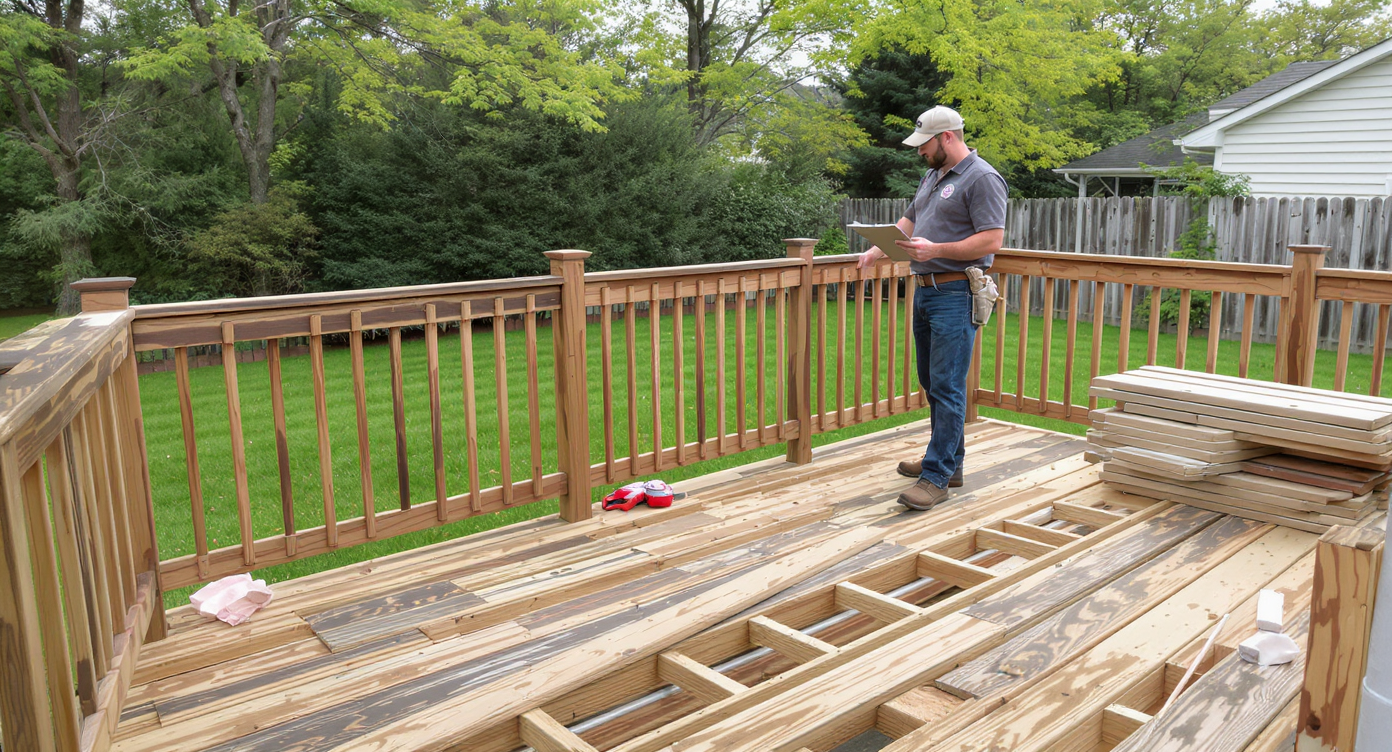
A home inspector assesses a backyard deck’s aging support structure—an essential first step before planning repairs or upgrades.
The first step in any exterior update is an honest assessment of underlying support. Many aging decks mask more than surface issues—wood rot, instability, and outdated construction methods can compromise safety and value. Home inspectors frequently flag deck supports as subpar or out-of-code, pressuring homeowners toward comprehensive renovation. In some cases, the frame may appear salvageable, but invisible flaws such as inadequate footing depth or incorrect fasteners can invite costly surprises later. Replacing planks and rails, while tempting as a quick fix, may do little if the core structure is compromised. Homeowners who opt for patchwork repairs often find themselves revisiting the same problem, regretting time and money spent without lasting results. An outside evaluation by a professional is essential when the deck's integrity is in question, offering clarity on whether rebuilding or replacing makes true sense.
Expert Insight
A homeowner named Lisa spent months deliberating whether to repair her weather-beaten deck or invest in a new patio. Inspired by neighborhood renovations, she toured properties that had recently chosen patios over decks, noting the ease of care and inviting atmosphere. After attending a community DIY workshop, she realized that her priorities were space for evening dinners and minimal upkeep. Lisa replaced her entire outdoor deck with a wide, low-maintenance paver patio, finding renewed energy to host friends and family all summer long.
-
Patio or Deck: Distinct Paths to Outdoor Enjoyment
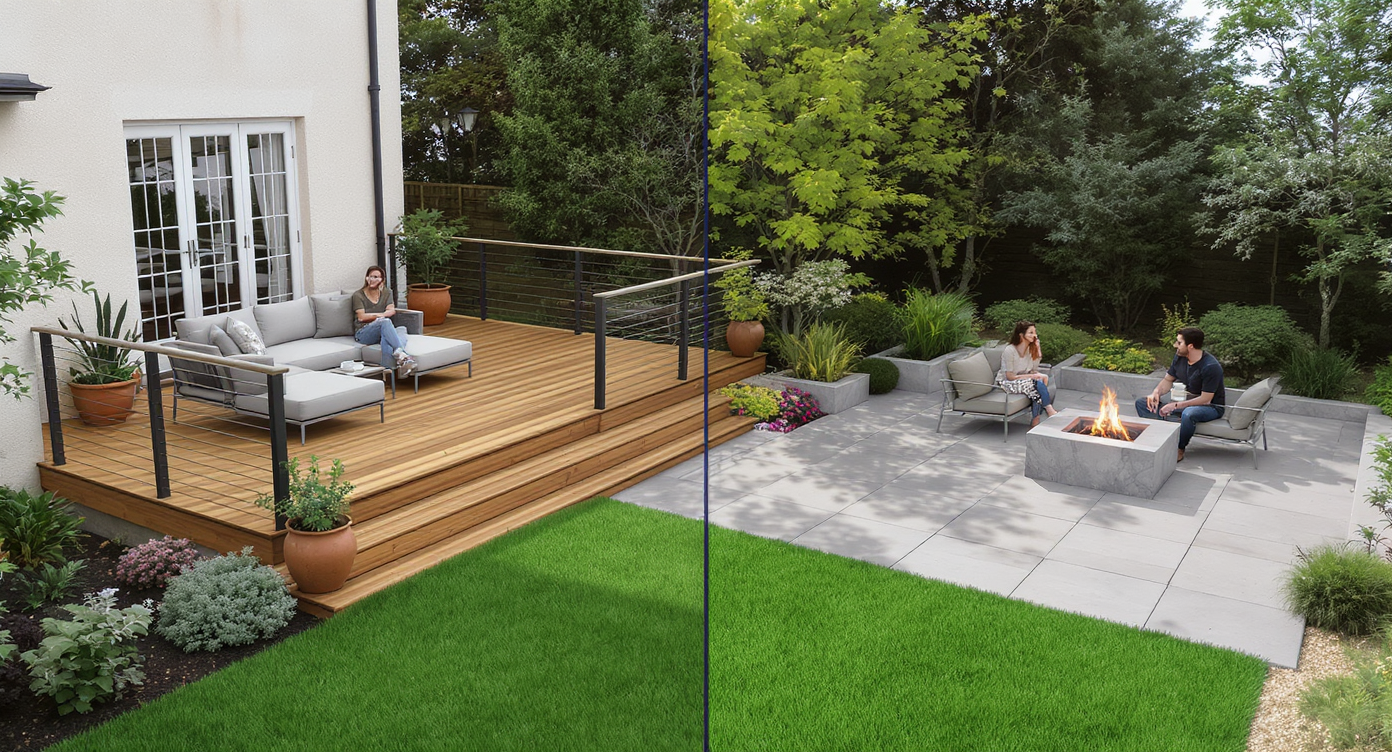
A split-level backyard illustrates the unique appeal of decks versus patios, revealing how each transforms curb appeal and outdoor living.
Every landscape tells a story, and the choice between a traditional deck and a new patio shapes the narrative. While decks evoke elevation, warmth, and classic charm, patios offer grounded reliability and versatile design potential. Decks suit uneven terrain and deliver sweeping views, but typically require ongoing care: annual sealing, inspection, and repair occupy the conscious homeowner. Patios, often set at ground level with pavers or concrete, bring durability and a sense of permanence, minimizing future maintenance. Hardscape designers increasingly favor patios for their adaptability and minimal upkeep. The trend toward low-maintenance yards, as discussed in hardscaping tips for creating a high-impact yard, has many homeowners shifting focus toward pavers, stone, and poured surfaces. These materials resist weather better and integrate seamlessly with lush landscaping or minimalist outdoor zones.
-
The Costs of Transformation
Budget naturally shapes every decision. Deck replacements generally involve lumber prices and specialized labor, while patios call for excavation, base preparation, and sometimes heavy equipment. The cost of a new deck varies widely based on materials and size, but ongoing treatments and repairs add to the lifetime investment. A patio, especially when using pavers, can be DIY-friendly to those willing to research and carefully plan. Homeowners often find that the savings from self-installed hardscape projects can be significant, provided the basics—proper excavation, a compacted base, and drainage—are not rushed. The risks of corner-cutting become obvious in time; uneven settling or water accumulation causes more headaches than it saves effort. According to DIY paver patio best practices, getting the fundamentals right determines whether the upgrade rewards or frustrates for years to come.
-
Curb Appeal Is More Than Surface Deep
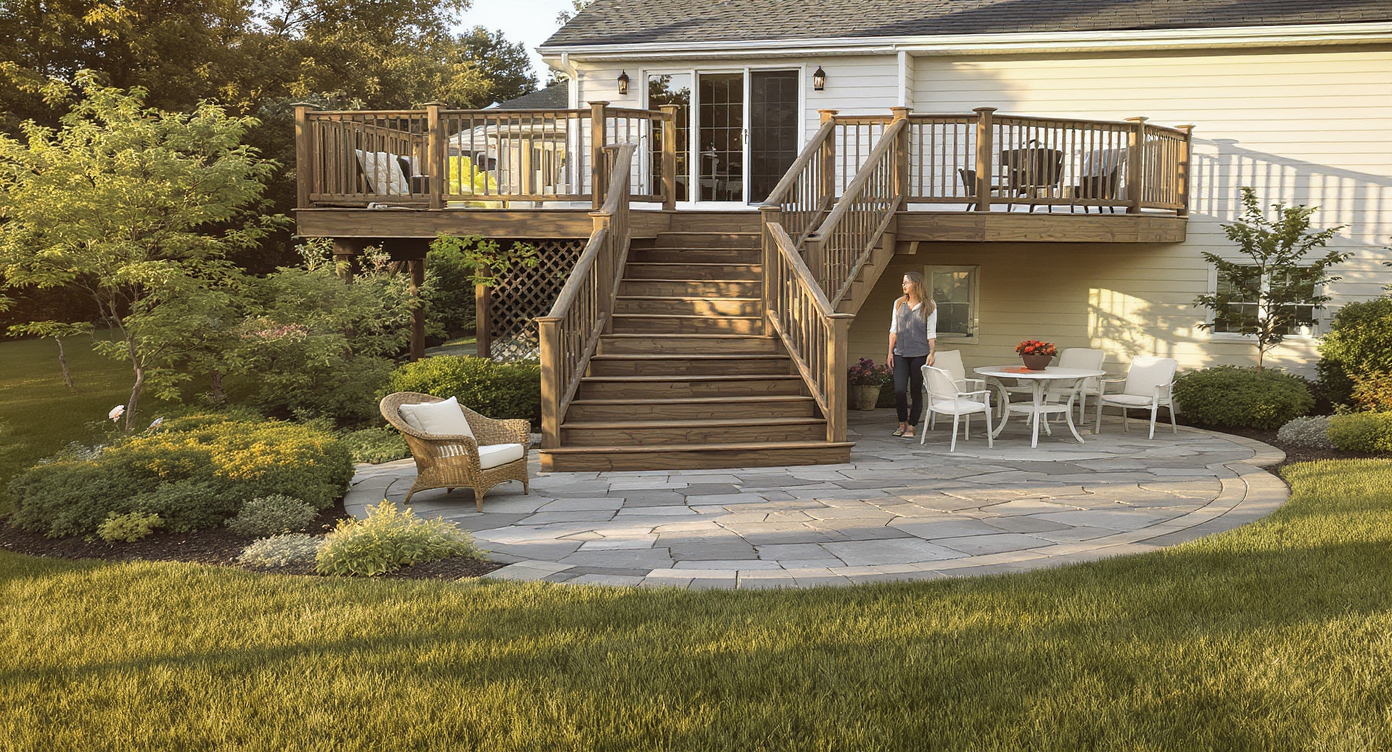
Thoughtful flooring choices—including decks and patios—shape lasting curb appeal and create versatile outdoor living experiences.
Curb appeal includes both first impressions and lived experiences. Outdoor flooring choices are influential, offering a canvas for al fresco dining, gatherings, or moments of solitude. Decks have a traditional allure, their color and texture changing with the light and seasons. However, as weather and years take their toll, faded boards or wobbly railings detract from a home’s overall impact. Modern patios—particularly those executed with high-quality stone or artfully patterned pavers—create polished transitions from the indoors and serve as lasting invitations outdoors. Patios integrate impressively with surrounding plantings, enhancing the sense of space and connection to the landscape. As explored in resources like paver patio hardscaping tips for first-time DIYers, investing in thoughtful preparation and installation ensures new surfaces age gracefully, boosting both enjoyment and resale potential.
-
Practical Scenarios: From Decision to Outcome
Picture a homeowner facing spring’s first thaw, discovering the once-sturdy deck has softened into a puzzle of spongy planks and shifting rails. After a careful inspection, they weigh replacing the surface but realize new boards will only mask underlying weaknesses. Phone calls to local contractors confirm that rebuilding could be costly and time-consuming. Across town, another family chooses to replace an aging deck with a paver patio. They research proper base layering, consult digital design tools, and commit to a few weekends of hands-on work. With every tamp and level, their backyard is transformed—not simply patched. The reward: a resilient space that encourages use and looks inviting year-round. These stories echo the advice from how to build a paver patio by hand, where attention to drainage and leveling pays off season after season.
Visualization Scenario
Imagine standing at your back door, the early light catching on newly laid pavers that extend seamlessly into the lawn. Where sagging boards once discouraged gatherings, now a crisp, level patio invites fresh furniture, string lights, and children’s games. The simple act of opening a sliding door now feels like a transition to a modern outdoor retreat, promising years of worry-free enjoyment and memorable moments.
Frequently Asked Questions
Extensive wood rot, shifting rails, and noticeable movement when stepping on planks often suggest underlying structural problems that quick repairs cannot resolve. It’s best to consult a professional to assess safety and longevity.
Are patios always less work to maintain than decks?
Patios made from quality materials usually require less yearly upkeep compared to decks, which need regular sealing and monitoring for wood deterioration. However, patios still need periodic cleaning and may require re-leveling if the base was not properly installed.
Can I build a patio myself if I have no landscaping experience?
Many homeowners successfully build their own patios, especially using pavers. Resources and design tools can aid DIYers in avoiding common mistakes. Preparation—including base compaction and edge restraint—is crucial for durability.
How can AI tools help homeowners avoid landscaping regrets?
AI design platforms, such as ReimagineHome.ai, allow visualization of new layouts, materials, and finishes before any physical changes, helping homeowners make informed choices.
What affects the curb appeal of outdoor flooring most?
Material choice, installation quality, and integration with landscape design all strongly influence both immediate impact and long-term satisfaction.
Turning Uncertainty Into Curb Appeal
Renovating outdoor flooring is less about following trends and more about choosing solutions that stand the test of time, climate, and everyday life. The decision between rebuilding a deck or setting a new patio is rarely just cosmetic—structural realities, maintenance plans, and lifestyle expectations all matter. Take time to assess what works for your property and how each option will shape your days outdoors. Platforms like ReimagineHome.ai allow you to visualize and refine your choices before committing, making it easier to invest confidently in curb appeal and lasting enjoyment.