A Fresh Take on DIY: Are Kitchen Trolleys from Pallet Wood Still Worth It?
TL;DR
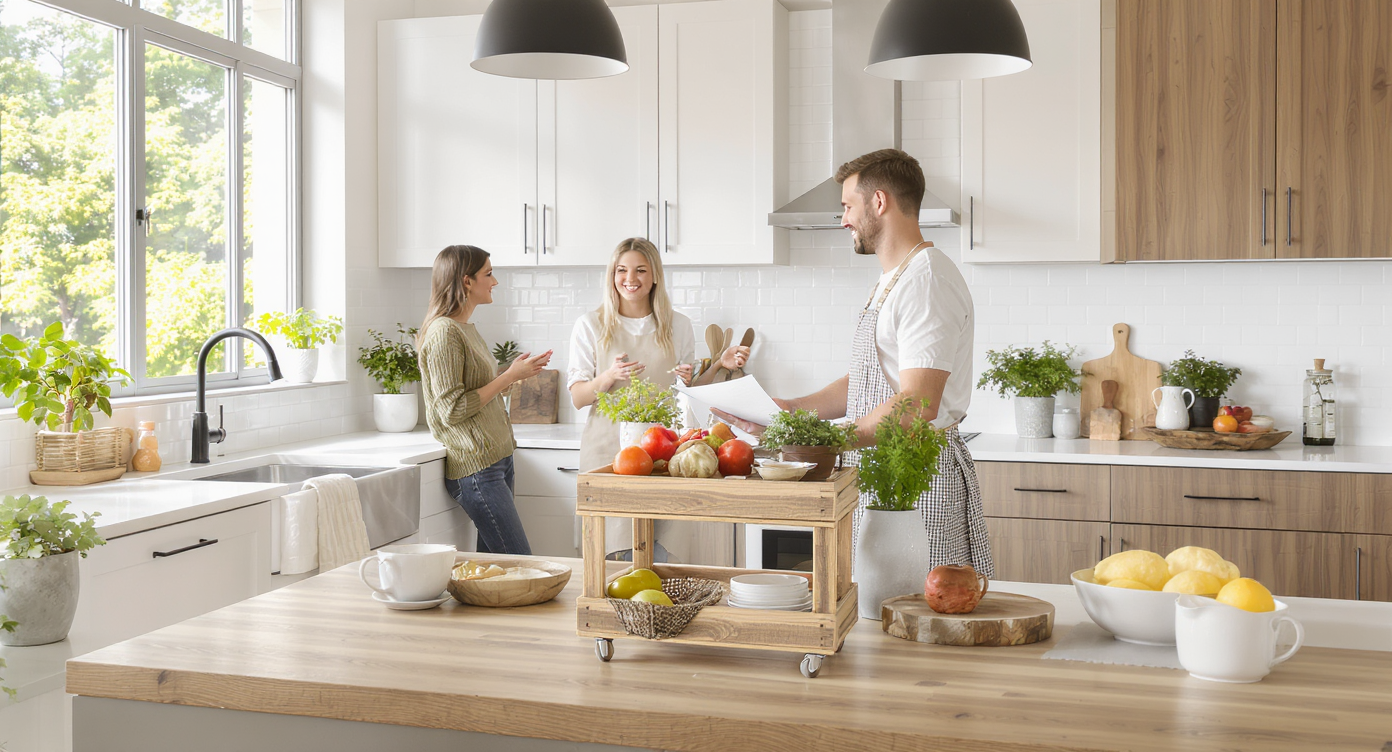
Kitchen trolleys built from recycled pallets promise budget-friendly style and versatility, but smart planning is essential. Choosing safe materials, refining your finish, and fitting the project into your kitchen’s overall look can elevate results and protect your health. For first-time DIYers, careful sourcing and clear design thinking make all the difference between a functional statement and a regrettable weekend project.
Why Pallet Kitchen Trolleys Capture Our Imagination
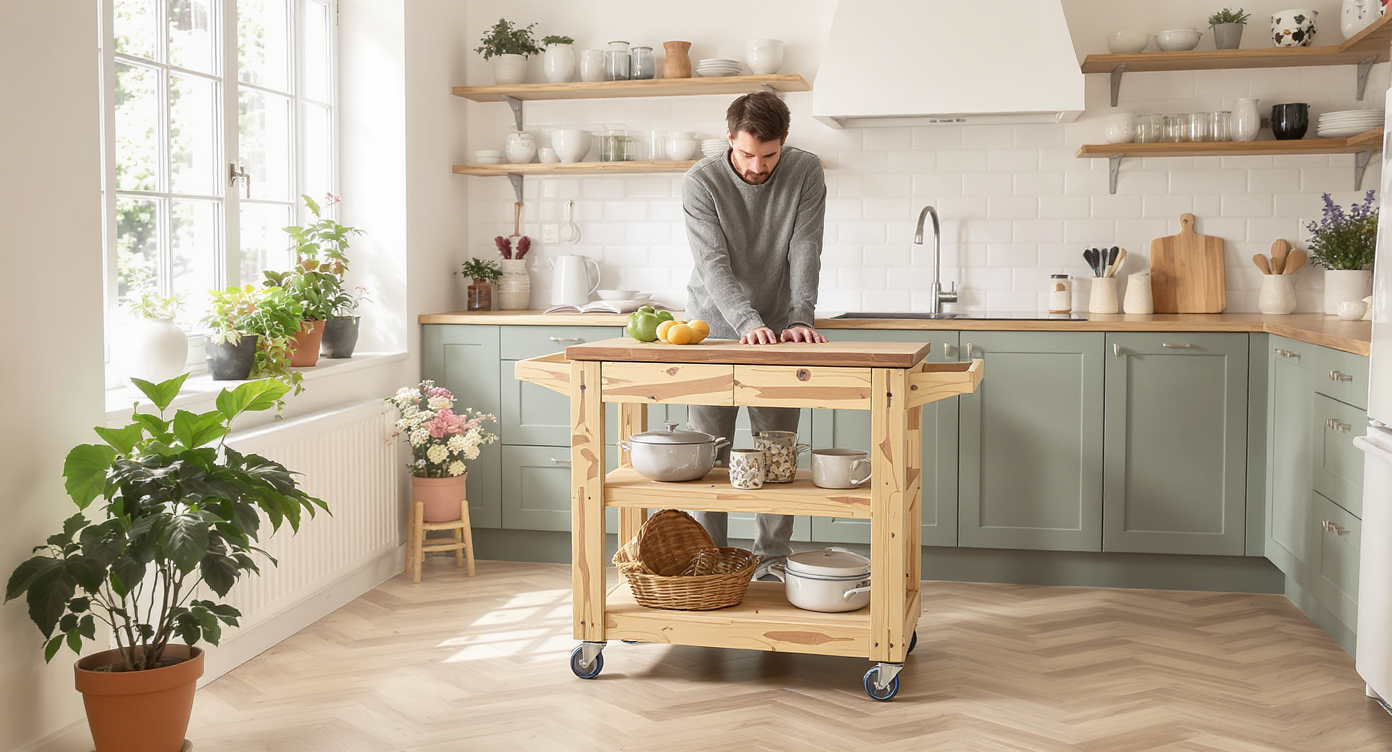
A handcrafted pallet wood kitchen trolley blends creativity with practicality, highlighting the promise and challenges of DIY upcycling.
Few DIY projects bring out creativity and practicality quite like the humble kitchen trolley, especially when crafted from recycled pallet wood. The idea appeals for its affordability and resourcefulness. Who wouldn’t want a moveable workstation, extra storage, or a makeshift island that you customized yourself? Yet behind the charm lies a host of practical questions: What does it really take to transform a discarded pallet into a beautiful, functional piece? Are there hidden challenges that first-time builders often overlook?
In 2026, with DIY tutorials flooding social media and upcycling trends still on the rise, it’s tempting to grab a stack of pallets and start sawing. However, as many designers and homeowners have found, success depends on more than just enthusiasm. Methodical planning and a keen eye for materials—the very elements that distinguish an inspired kitchen trolley from a wonky afterthought—are crucial. Let’s take a closer look at what you need to know before bringing pallet projects into your kitchen.
-
The Allure and Challenge of Pallet Wood Projects
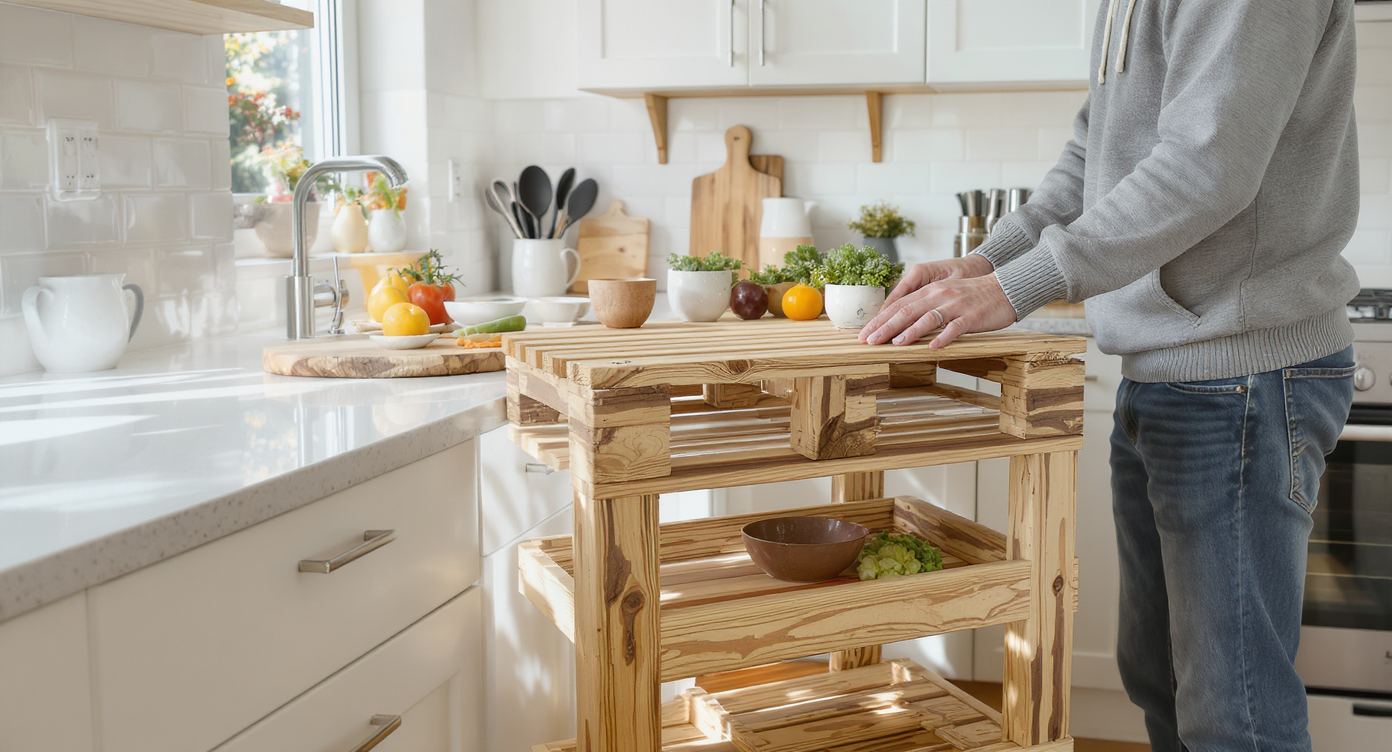
A compact kitchen benefits from a carefully crafted pallet wood trolley—beautiful when built mindfully for function and safety.
Building furniture from reclaimed pallet wood became a staple of the DIY movement for good reasons. Pallets are abundant, low-cost, and embody the eco-conscious spirit so many homeowners prize. Transforming them into kitchen trolleys or storage carts feels like crafting function out of what would otherwise be landfill fodder. For small kitchens—especially in rentals—where every bit of surface and storage counts, a rolling trolley bridges the gap between style, flexibility, and budget.
Yet, as appealing as the concept is, using pallet wood in a kitchen context brings up concerns not often covered in quick-reference tutorials. For example, pallets may carry remnants of their former life: dust, dirt, chemical treatments, or nails buried deep in the grain. While many projects look rustic-chic in photos, the reality of working with rough, uneven boards often catches beginners by surprise. Choosing pallets wisely, and putting in the effort to clean, sand, and seal each piece, can be both labor-intensive and essential for safety.
Expert Insight
Early in her DIY journey, a homeowner tackled a kitchen cart build using scavenged wood. The initial trolley was rough around the edges, but each stage taught her something new: how grain direction affects stability, why even sanding is worth the time, and when to invest in a better finish. That humble first project inspired her to develop a refined style, ultimately motivating her to renovate the rest of the kitchen—one thoughtful project at a time.
-
Smart Sourcing: Beyond Free Wood
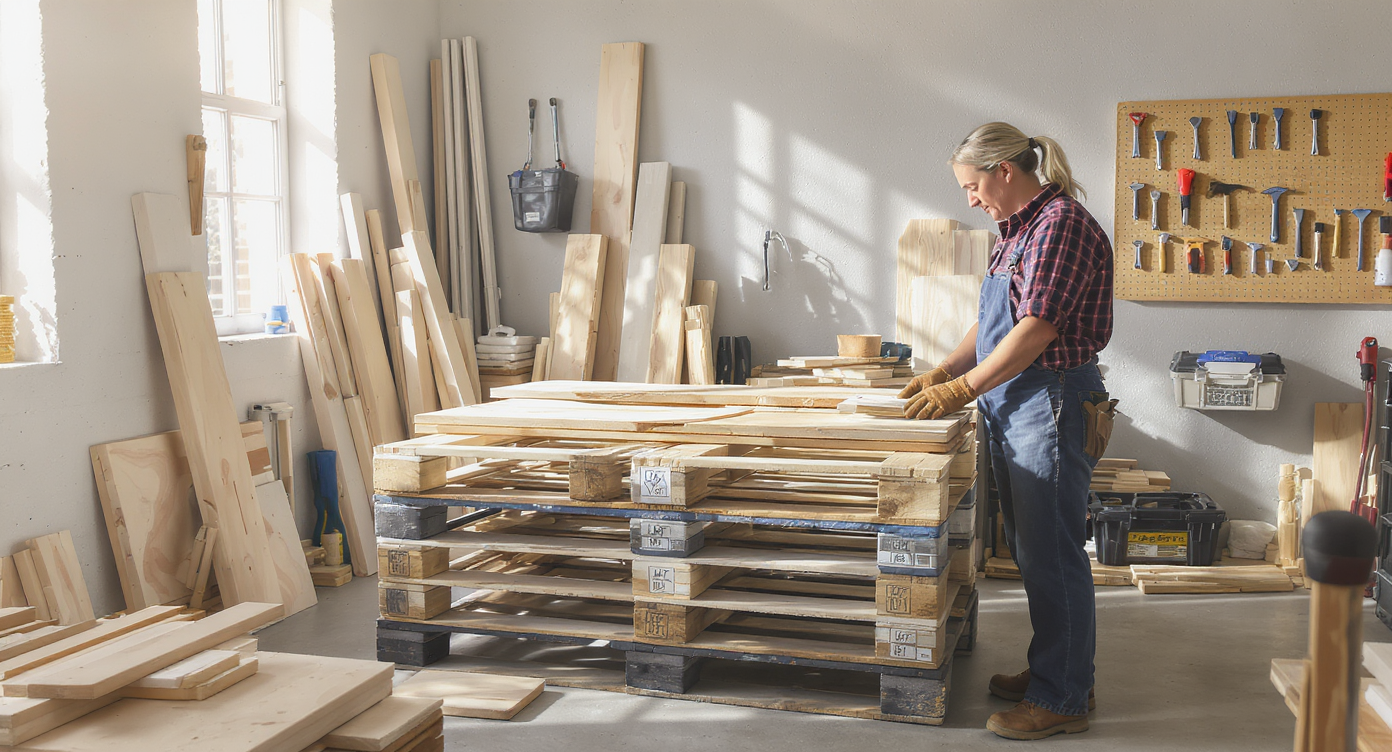
Inspecting pallet wood for the right treatment stamp ensures DIY kitchen trolleys start with safer, smarter material sourcing.
The first—and perhaps most overlooked—step in any pallet trolley build is material selection. Not all pallets are created equal. Designers recommend hunting for heat-treated (HT) pallets as these are processed without chemicals. Avoid those labeled "MB," indicating methyl bromide fumigation, especially for kitchen projects.
It’s also wise to consider where a pallet has been used. Those formerly holding chemicals or stored outdoors could harbor residues or unwelcome guests. The best finds often come from local businesses that receive shipments of new goods, such as tile manufacturers, appliance stores, or glass suppliers. As we noted in our overview on renter-friendly DIY projects, careful sourcing saves headaches later. Even if you’re using only the best-looking boards, extra time spent inspecting and prepping will save you from regret when your trolley eventually sits next to your cooking space.
-
Shape, Sand, and Seal: Making Pallets Kitchen-Ready
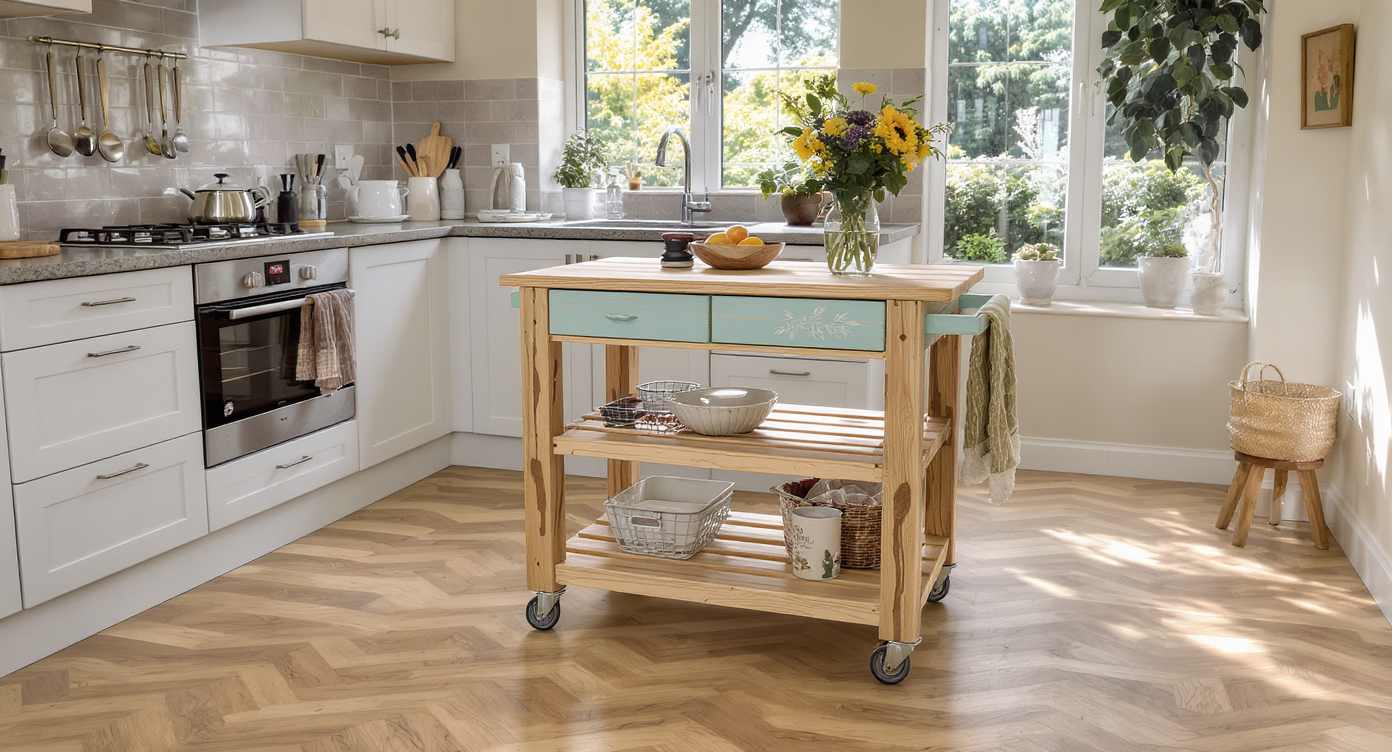
Careful sanding, sealing, and creative touches transform pallet wood into a kitchen-ready trolley that's both practical and beautiful.
Anyone inspired by the farmhouse or industrial aesthetic knows that unrefined wood brings warmth—and sometimes, unwanted roughness. Pallet boards must be meticulously cleaned, thoroughly dried, and often planed or sanded smooth to avoid splinters. A random orbital sander typically delivers better results than a standard sheet model, significantly reducing labor and leaving a more even surface.
Sealing is non-negotiable for kitchen furniture. A food-safe finish, such as water-based polyurethane or a hard wax oil, creates a barrier against stains and makes the surface easier to clean. If you plan to wheel the trolley around, fitting it with sturdy casters and bracing the legs ensures stability and longevity. These simple steps determine whether your project is a fleeting experiment or a long-lasting fixture in your home.
Adding creative flourishes—like bold stencils or a pop of spray paint—can personalize your trolley, but always consider the kitchen environment. Paints and finishes should be non-toxic and fully cured before use. As designers highlighted in our roundup of 2025’s top DIY decor ideas, subtle color touches and well-chosen hardware can turn basic pallet furniture into something genuinely eye-catching.
-
Where Pallet Trolleys Shine—And Where They Fall Short
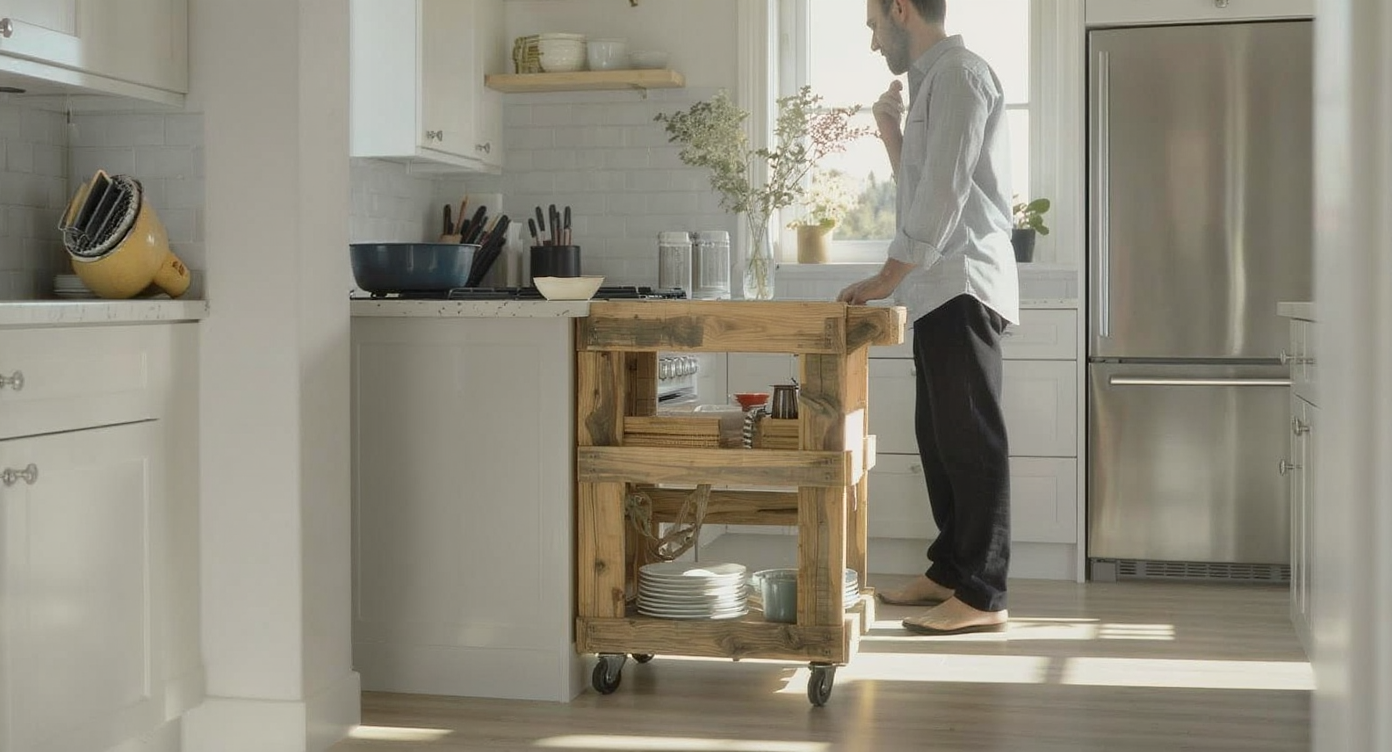
A handmade pallet wood trolley stands out in a modern kitchen, highlighting both the charm and limitations of resourceful DIY solutions.
Pallet-based trolley projects often reflect a startup mentality: working with what you have, improvising solutions, and learning along the way. Some home renovators recall their early days of cobbling together makeshift kitchen carts that filled a real need during tight times, only to replace them later as their skills and budgets grew. Others find that with a little extra effort, their recycled-wood furniture becomes a real conversation piece and, sometimes, a beloved part of their kitchen routine.
However, it’s worth evaluating the tradeoffs. Trolleys made from untreated or poorly prepped pallets can develop wobbly legs, wonky surfaces, or finishes that don’t stand up to daily spills and scrubbing. Careless design or mismatched finishes may stand out for the wrong reasons, especially if the rest of your kitchen is sleek, modern, or minimalist. Budget projects, when thoughtfully planned, can still shine—especially if you acknowledge their purpose as learning tools or temporary workhorses. As illustrated in budget renovation planning, balancing aspiration with honest assessment of materials and skill pays dividends down the road.
-
Anecdote: From Humble Pallets to Kitchen Pride
One first-time DIYer recalled the transformation that came after months of planning and hours spent on sanding. The finished trolley, pieced together from carefully selected boards, became the unofficial hub of the kitchen—rolling between workstations during dinner prep, lending extra counter space during gatherings, and serving as a cheerful reminder that homemade doesn’t have to look haphazard. The process kindled a passion for woodworking, led to investment in better tools, and gave the builder the confidence to start new creative projects. Success, in this case, wasn’t about perfection but about finding function and beauty in resourcefulness.
-
Common Mistakes to Avoid
Several blunders often trip up enthusiastic DIYers attempting a kitchen trolley from pallets. Skipping detailed planning is the biggest culprit—detailed measurements and clear material inventories are indispensable. Many neglect to verify the treatment of pallets or fail to sand and seal the wood thoroughly, risking hygiene and functionality. Tools matter, too: working with inadequate or improper saws slows progress and may yield uneven cuts. Skimping on bracing or quality caster wheels can leave the trolley unstable and less durable over time.
Overlooking how a DIY trolley will fit into your kitchen’s existing style is another error. As reported in our analysis of DIY costs versus real savings, not every rough-hewn build is a showpiece. A mismatched or unfinished trolley may frustrate more than it inspires, especially in spaces where continuity and aesthetics count.
-
Tips and Expert Insights for Beginners
Designers often suggest approaching your first pallet project as a learning experience. Set modest expectations, embrace imperfections, and prioritize structural soundness over intricate details. Before you cut or assemble anything, construct a rough sketch or digital mood board, accounting for the available space and anticipated use. Working in stages allows you to adapt based on how the trolley takes shape, and keeps costly mistakes at bay.
Be patient with the finishing process. Even a simple project can be improved with extra passes of fine-grit sandpaper and by waiting for each coat of finish or paint to fully cure. Investing early in high-quality sander and safety gear pays off, and if budget allows, exploring better tools—like a circular saw or miter saw—lays the groundwork for future successes. Most of all, think critically: does this piece suit your kitchen’s workflow, and will you love seeing it every day?
-
How to Use This in Your Next Kitchen Designs
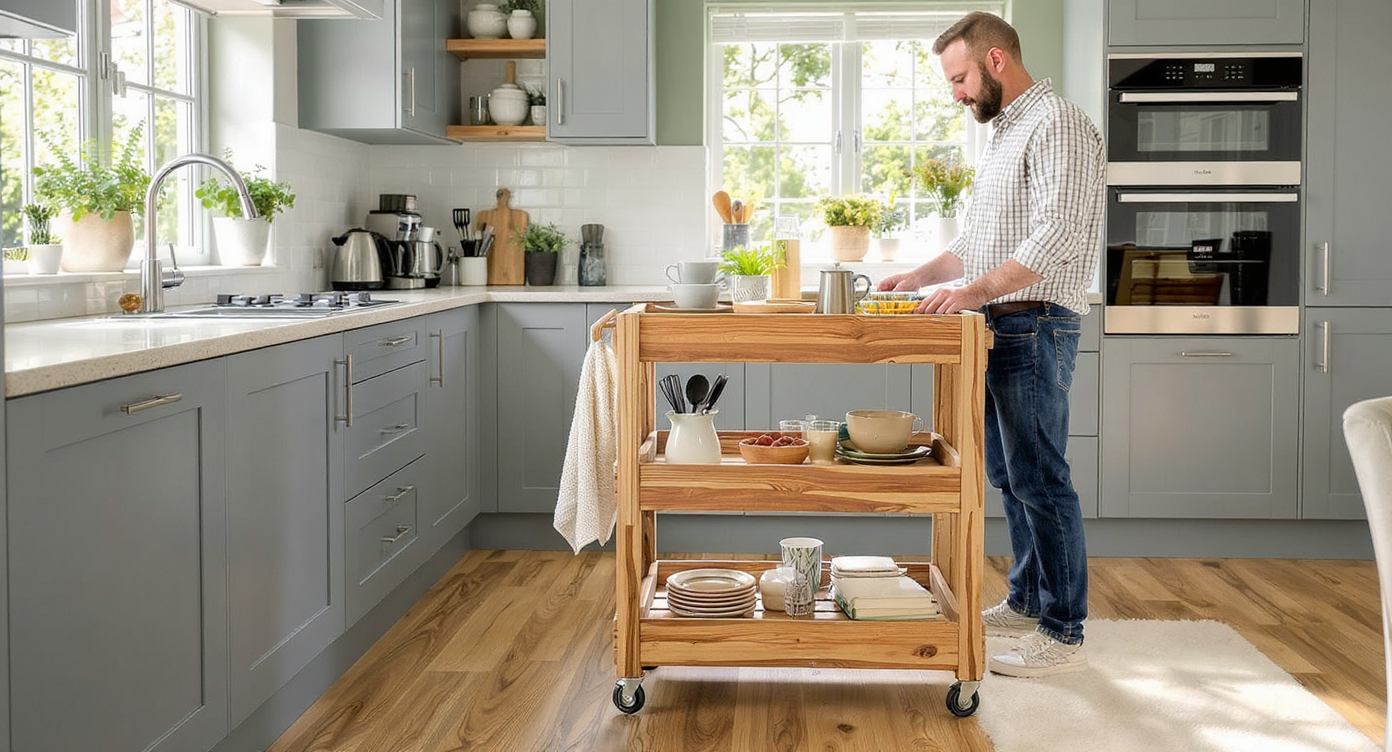
A pallet wood kitchen trolley with clever features brings flexible function and creative style to a well-lit, modern-rustic kitchen.
Incorporating a handmade pallet trolley into a kitchen can be a statement about resourcefulness and creativity, but it works best when paired with thoughtful design choices. Choose a form and finish that echoes your home’s aesthetic—rustic natural timbers fit cottage or eclectic spaces, while clean lines and a coat of muted paint suit contemporary themes.
Some experimenters add removable crate-style trays or use the trolley as a coffee and breakfast bar, maximizing its flexibility. Others integrate power strips or hooks for utensils, turning the trolley into an indispensable prep station. Whether your goal is pure utility or a conversation piece, allowing the project’s design to evolve naturally with the needs of the space delivers the most satisfying outcomes.
-
Visualization: Imagine Your Perfect Pallet Project
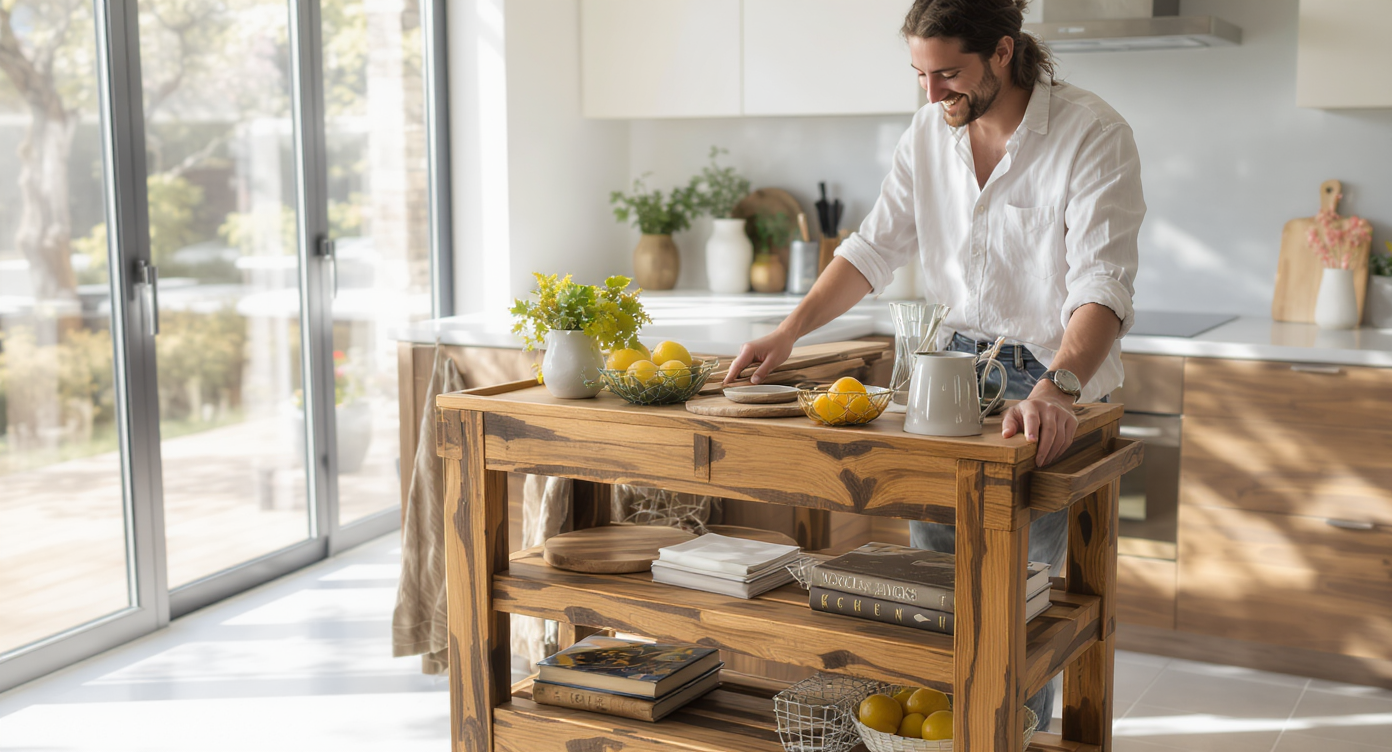
A hand-crafted pallet wood kitchen trolley adds warmth and function to a modern kitchen—blending DIY character with thoughtful design.
Picture a sunny morning in your kitchen. A hand-finished trolley, sanded to a soft touch and sealed in a warm matte glaze, glides across the tiles as you prep for brunch. Its compartments hold fresh fruit, chopping boards, and your favorite cookbooks. The wood’s richness contrasts subtly with modern countertops, striking a balance between utility and artistry. Every time you move it into place, you feel the satisfaction of having created something genuinely yours—a piece that tells a story and adapts to your family’s rhythm.
Visualization Scenario
Imagine bringing home a stack of discarded pallets. Instead of diving in, you set aside a weekend to carefully disassemble, inspect, and select the best planks. You design a trolley tailored to the corner by the window, making space for cookbooks, utensils, and extra prep bowls. With every stage—cutting, sanding, sealing, assembling—the piece takes shape, evolving into more than a practical surface. It becomes a testament to resilience and intentional design, ready for family pizza nights and solo baking sessions alike.
Frequently Asked Questions
- Is pallet wood safe for kitchen furniture?
- If sourced from heat-treated (HT) pallets with a known, clean history and sealed with food-safe finishes, pallet wood can be made suitable for non-contact surfaces in the kitchen. Avoid using wood from chemically treated or questionable origins.
- How do beginners avoid common DIY planning mistakes?
- Start with detailed measurements, ensure you have the right tools, and plan for extra sanding and sealant. Referencing real costs versus expected savings helps set realistic project scopes.
- How do I make my pallet project match my kitchen's style?
- Choose a finish or paint that harmonizes with your kitchen palette. Simple, thoughtful hardware and restraint in decorative accents (like stencils) can bring cohesion. See more inspiration in our collection of top designer-approved DIY ideas.
- What's the best alternative if I can't find clean pallets?
- Consider sourcing new lumber offcuts or recycling single-use crates, which are less likely to be chemically treated and easier to work with for beginners.
- Where can I preview layouts or visualize my kitchen trolley before building?
- Online visualization platforms like ReimagineHome.ai allow you to preview colors, styles, and placements before committing to materials.
What Makes a DIY Pallet Trolley Truly Worthwhile?
Tackling a kitchen trolley project with recycled pallets is as much about discovery as it is about craftsmanship. While the path is riddled with practical decisions—from sourcing clean materials to designing for both safety and style—the rewards can be surprisingly enduring. Beginners learn to see their kitchens with fresh eyes, and experienced makers find joy in turning obstacles into opportunities for creativity. With patience, prudent choices, and smart planning, a DIY kitchen trolley can move from "weekend experiment" to beloved everyday solution. For more creative planning tools and visualization options, explore what ReimagineHome.ai has to offer.