12 Wellness Home Design Upgrades That Improve Calm, Cleanliness, and Comfort
TL;DR
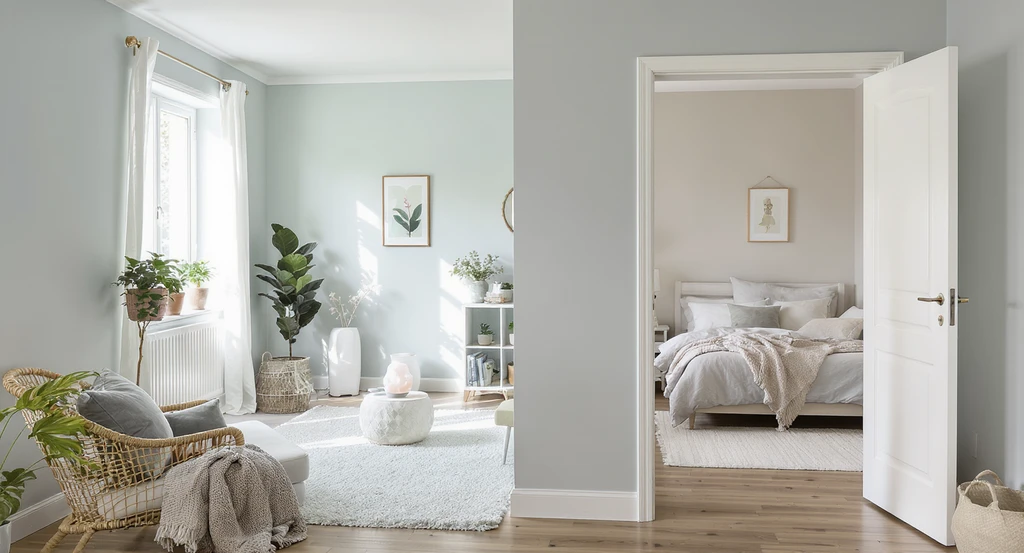
Upgrading your home for wellness means focusing on spaces that reduce stress and improve comfort, air quality, sleep, and daily function. From thoughtful decluttering to strategic use of color and lighting, these wellness-focused changes deliver real benefits you’ll notice—no major renovation needed.
Why Wellness Design Now Matters

Explore health and wellness home upgrades for every room—like calming paint colors, air-purifying plants, and bedroom wellness design tips for stress-free living.
A visually appealing home isn’t enough if it doesn’t support the way you want to feel. Today, more homeowners are rethinking spaces to reduce stress, clear mental clutter, and enhance daily well-being. Wellness home design is about practical upgrades—large or small—that deliver more calm, better air, restful sleep, and a sense of ease at home. The challenge: It’s easy to get stuck on looks or trends and lose sight of what actually helps you feel better, day-to-day. This guide examines twelve upgrades that support true wellness at home—with easy principles to help you decide what fits your real life, not just your Instagram feed.
-
1. Create a Calm Corner for Restoration
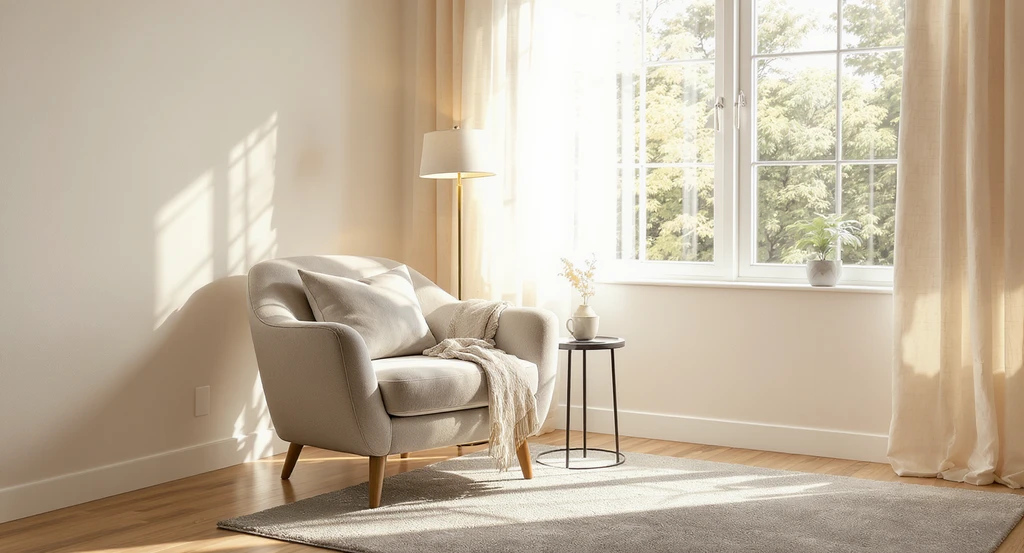
A cozy, neutral-toned calm corner illustrates health and wellness home upgrades for every room—perfect for rental-friendly wellness upgrades and relaxation.
Every home needs one spot dedicated to rest—even a single chair by the window suffices. Select a low-traffic area and layer in soft textures, a small rug, or warm lighting. Limiting visual noise in this zone will help it function as a personal reset button. Use calming, neutral colors to further encourage relaxation.
-
2. Use Soothing Colors for a Soft Atmosphere
Color influences mood more than most realize. Choose muted, earthy tones—sage, pale blue, soft gray—for walls, textiles, and accessories. These shades foster a calmer environment and are especially effective in bedrooms and living spaces where you want to decompress.
-
3. Maximize Natural Light Throughout the Home

Maximize natural light with clear windows, sheer curtains, and mirror placement for the best bedroom wellness design tips and rental-friendly home upgrades.
Natural light is one of the simplest paths to a healthier home. Keep windows clear and use sheer window treatments. Place mirrors strategically to bounce light deeper into rooms. If you can, avoid blocking sunlight with heavy furniture or dense decor. The result: spaces that feel fresher and more awake.
-
4. Bring In Plants and Natural Materials
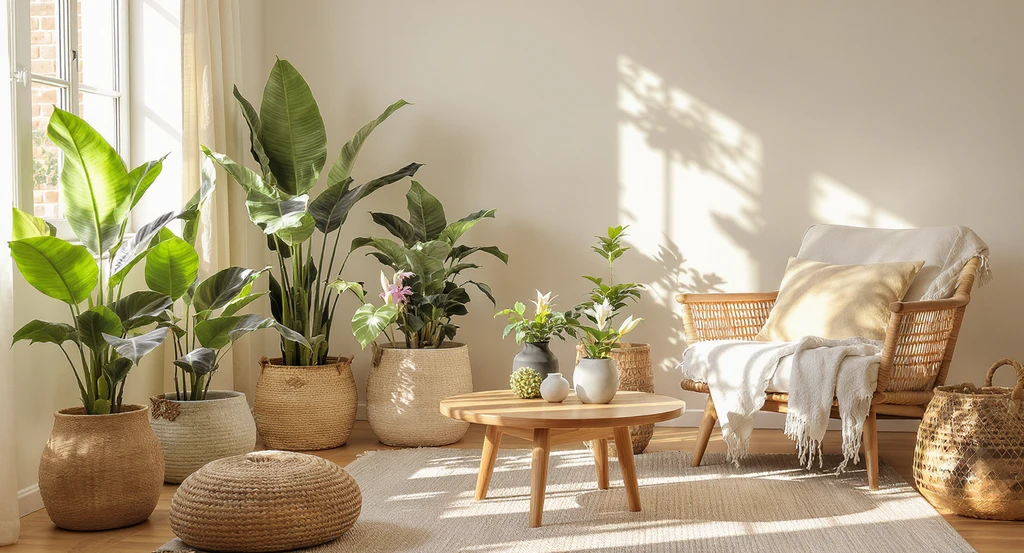
Incorporate plants and organic textures—like linen, stone, wood, and rattan—for health and wellness home upgrades in every room, creating a calming, nature-connected living area.
Adding greenery like snake plants or peace lilies improves air quality and creates a softer mood. Opt for wood, stone, linen, or rattan in your furnishings. These layered, organic materials invite a biophilic (nature-connected) atmosphere—making even tight spaces feel less artificial and more welcoming.
-
5. Declutter and Organize for Mental Clarity
Visual clutter undermines wellness. Prioritize closed storage and keep surfaces clear to reduce chaos and ease cleaning. A clean, simplified backdrop not only makes rooms look better but also helps you think and sleep better—key to any home’s healthy foundations.
-
6. Improve Air Quality with Filtration and Ventilation
Good air matters more than trendy finishes. Regular cleaning, open windows, and a portable air filter go far to minimize dust, pet dander, and allergens. Plants can supplement but don’t replace true filtration. Cleaner air supports better focus, comfort, and long-term health.
-
7. Design Bedrooms for Sleep and Restoration

Best bedroom wellness design tips: achieve calm, comfort, and restorative sleep with blackout curtains, soft bedding, and minimal decor.
A well-designed bedroom is focused and tranquil—never a storage zone. Use blackout curtains, soft-hued bedding, and minimal decor to support restful sleep. Position the bed for privacy and ease; avoid cramming in too much. The bedroom’s job: quiet the senses for deeper rest.
-
8. Make Bathrooms Feel Spa-Like (On Any Budget)
Wellness bathrooms prioritize calm and order over excess. Use warm lighting and natural textures (think wood trays, linen towels). Clear out extra products for a neater look. Even small touches—an upgraded showerhead, a plush mat—can make daily routines feel more restorative.
-
9. Add Smart Lighting for Mood and Rhythm
Adaptive lighting improves both focus and relaxation. Smart bulbs or dimmers let you shift brightness based on the time of day—energizing white in the morning, warm dim light at night. Consider layering table and floor lamps for adaptable, comfortable light coverage.
-
10. Set Up an Inviting Outdoor Wellness Space
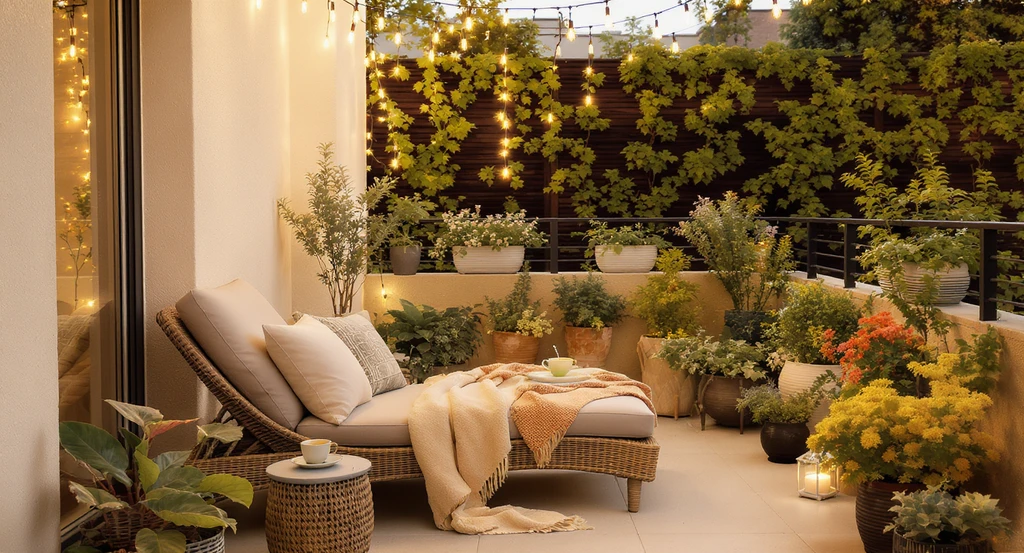
Transform a balcony into a calming outdoor wellness retreat with comfortable seating, potted herbs, and soft lighting—an easy, rental-friendly health and wellness home upgrade for every room.
Even a small balcony or porch can become an essential escape. Add comfortable seating, a few potted herbs or flowers, and soft outdoor lighting. Outdoor havens offer restorative benefits—connection to nature, space to breathe, and a break from screens or household noise.
-
11. Integrate Smart Cleaning Technology for Easier Maintenance
Smart cleaning tools—robot vacuums, touchless faucets, or self-cleaning toilets—streamline routine chores and make staying healthy less stressful. Reducing cleaning friction both supports hygiene and leaves more time for activities that actually recharge you.
-
12. Preview Wellness Upgrades Visually Before Committing
Not all wellness changes work for every home. Before painting, rearranging, or investing in upgrades, preview design choices visually. Tools like ReimagineHome can help you test color palettes, layouts, and calming zones using your own real spaces, making it easier to commit confidently and avoid costly regret.
FAQ
Start with the room where you spend the most time or where stress feels highest. Bedrooms and living areas often offer the biggest benefit, but even a small reading nook can make a noticeable impact.
Are there low-cost ways to improve home wellness?Yes—decluttering, rearranging furniture, adding a few plants, and using softer lighting provide real wellness benefits without requiring major purchases or remodels.
How do I know if my air quality needs improvement?Dust, lingering odors, and allergy symptoms are common signs of poor air. Air quality monitors or professional testing can help you identify problems, but improving ventilation and adding an air purifier are good general steps.
Do wellness upgrades increase home value?Many wellness improvements—such as better lighting, decluttering, and air purification—can make your home more attractive to buyers and may support a higher resale value, especially in markets prioritizing health features.
Make Calm Visible: Wellness Begins With Decisions You Can See
Wellness design is not about perfection, but about creating a home that actively supports how you want to feel—calm, refreshed, organized, and comfortable. Whether you make one upgrade or several, prioritize changes that genuinely improve your daily experience. Use visual tools to preview new ideas before committing, and always judge upgrades by the difference they make in how you feel at home.