How to Use Reference Images for Better AI Room Design
-
1. What is a reference image in REimagineHome AI?

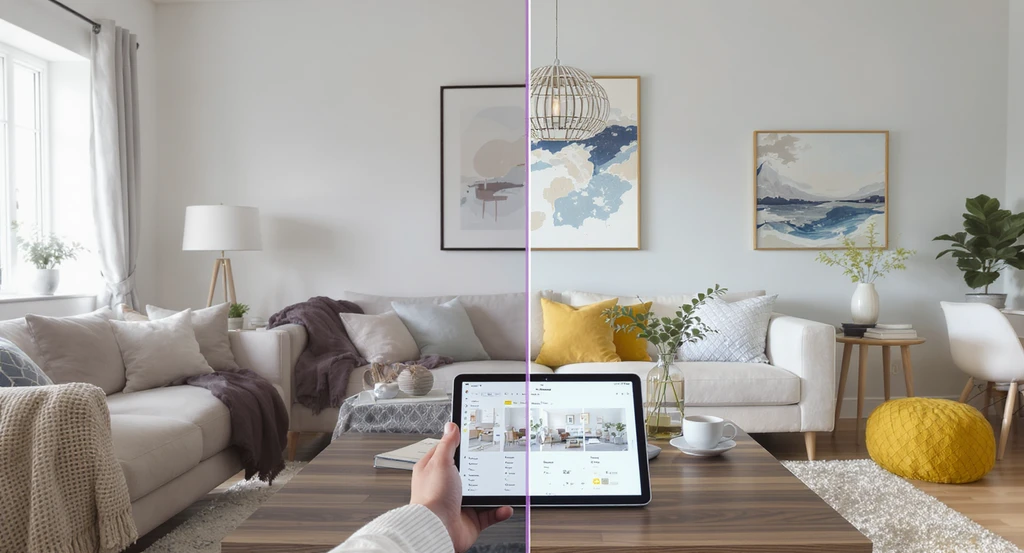
Demonstration of the ai reference image room design workflow: using a reference photo with REimagineHome AI to guide virtual room staging and improve transformation realism. This visual explains how to use reference images for ai home design while maintaining original room architecture and ensuring personalized, accurate results.
A reference image in REimagineHome AI is any photo you upload to guide your room’s redesign style, colors, or mood. The system analyzes your chosen image, like an inspiration photo or mood board, and uses its elements to steer the transformation, while trying to preserve your room’s base features. As explained in our guide on reference photos for room design, this makes results both more personal and more accurate.
-
2. How does using a reference image improve AI room design results?

A split-screen workspace demonstrates the ai reference image room design workflow and how to use reference images for ai home design. This method preserves original room architecture, supports best practices for ai virtual room staging, and improves output realism and personalization.
Using a reference image reduces ambiguity and helps the AI understand your style choices, giving you more realistic and targeted results. Instead of only describing what you want, you can show the AI, which is faster, clearer, and often more accurate. According to our feature breakdown of reference photos, this leads to more personalized and satisfying transformations for both homeowners and professionals.
-
3. Can REimagineHome AI copy a reference image exactly?
Yes, REimagineHome AI can closely replicate all major elements from a reference image, including furniture styles, color schemes, layouts, décor, materials, and overall design aesthetics. In many cases, it can even generate furniture that looks very similar to, or matches, the furniture shown in the reference image, helping create a highly consistent visual result.
By using a clear, high-quality reference image, the AI can recreate the look and feel of the inspiration while adapting it to your space. For the most accurate results, specify which elements you want to preserve, such as furniture, colors, finishes, or room layout.
-
4. Which types of reference photos work best for AI room transformations?
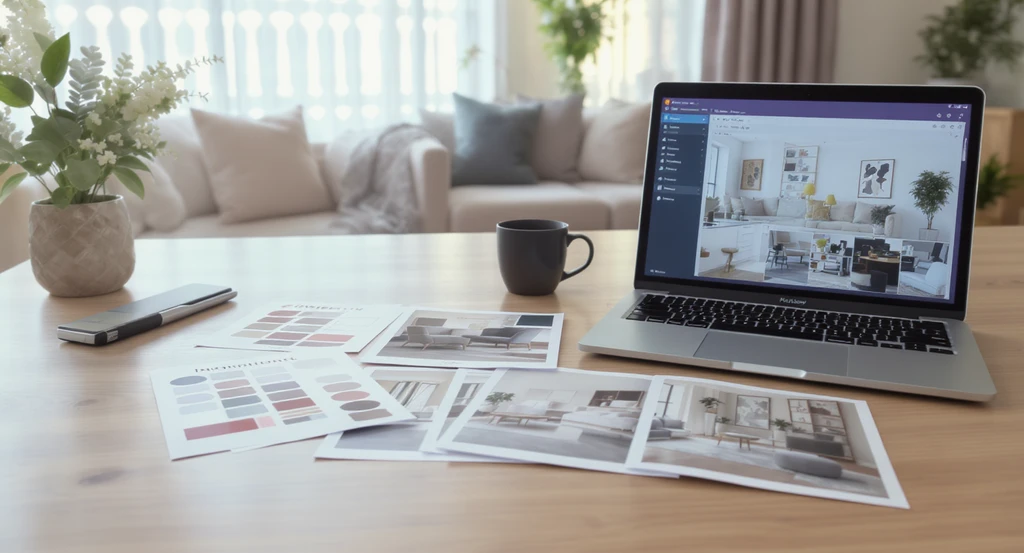
Best practices for ai reference image room design workflow: Using clear inspiration and catalog photos in an AI room design app helps improve ai virtual room staging realism and preserves original room architecture.
Clear inspiration photos showing preferred furniture, colors, or materials produce the most accurate AI redesigns. As shown in our list of top reference photo types, images like Pinterest inspiration, professional interiors, furniture catalogs, or past AI generations are all effective. Mixing exterior and interior photos can also help clarify mood and intent.
-
5. Can I update furniture in a room without changing walls or architecture?
Yes, you can ask the AI to swap furniture while preserving the room’s structure, layout, and surfaces. This is especially useful for staging, quick makeovers, or testing renovation plans. Typical requests include changing sofas, tables, or rugs while keeping windows, floors, and ceiling as they are, ideal for home sellers and design pros.
-
6. Why is it important to keep the original architecture unchanged?
Keeping the architecture unchanged maintains property value and helps buyers or clients trust the proposed changes. Real estate pros and homeowners often want to see authentic room dimensions, windows, and floor plans. This realness supports sound decisions and honest marketing, avoiding misleading visualizations.
-
7. Can REimagineHome AI add new elements, like a kitchen, to an empty space?
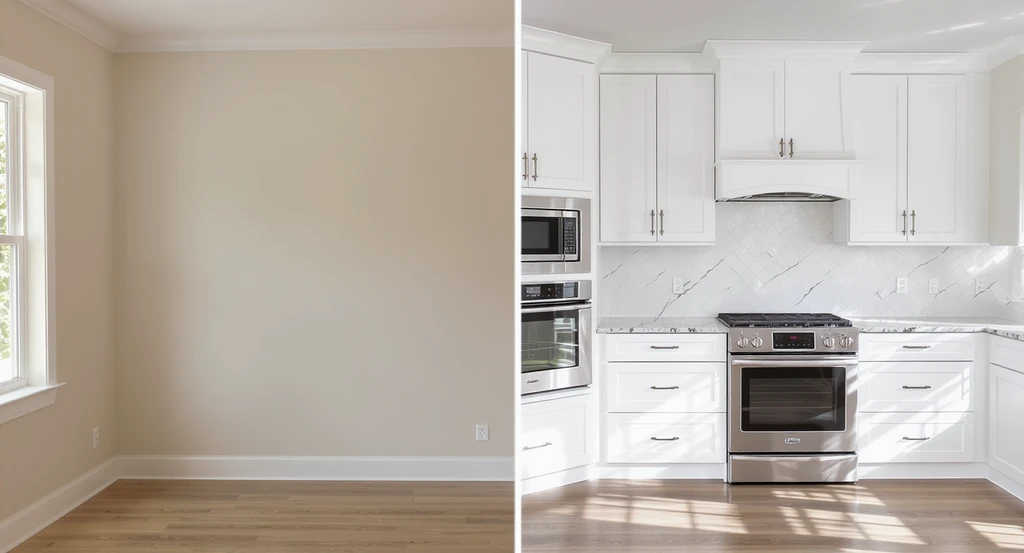
AI reference image room design workflow shown: specifying cabinet style and appliance layout leads to superior realism in virtual room staging. See tips for improving AI room transformation realism and how to use reference images for AI home design here.
Yes, REimagineHome AI can add features like a full kitchen onto blank walls or into empty dining rooms, and apply all edits at once. The result looks most realistic when you specify cabinet style, appliance placement, colors, and spatial logic. Detailing things like standard counter height or built-in appliances leads to credible transformations and realistic renderings.
-
8. What are common pitfalls when using AI for kitchen or architectural changes?
Common pitfalls include unrealistic cabinet depth, floating appliances, or incorrect proportions. These can be avoided by refining your requests and reviewing each result closely before accepting. Asking for realistic proportions and re-running the transformation often resolves these issues, as described in our reference photo feature overview.
-
9. How can I make sure the flooring stays the same in my redesign?
Explicitly ask the AI to "preserve the original flooring" in your instructions for best results. Otherwise, repeated edits may change textures, patterns, or even colors. Being specific about retaining parquet, tiles, or wood grain helps maintain authenticity, especially important for renovations or real estate listings.
-
10. What is the recommended workflow for reference-based AI room design?
Start with your room photo, upload a clear reference image, focus on a few changes, and refine in steps. Experts suggest adjusting furniture first, then lighting, and preserving architecture throughout. As detailed in our guide, incremental improvements produce the most realistic and accurate room transformations.
-
11. Can interior designers and real estate agents benefit from reference image workflows?
Absolutely, reference images streamline communication, speed up concept testing, and improve client satisfaction. Both designers and agents use these tools for faster presentations, visually rich marketing, and confident decision support. Reference-guided AI transforms how professionals plan, pitch, and showcase homes, as explored in our insight on reference photos for professionals.
Quick FAQ: Reference Images & AI Room Design
How many reference images should I use per project?
For best results, one clear and specific reference image is usually enough. Overloading the AI with too many can create confusion and diluted results. Choose one photo that truly captures your vision.
Can I use photos of existing homes as references?
Yes. Photos of real homes with desirable styles or features are great starting points and can help the AI better understand the design direction you want to achieve.
What's better: text prompts or reference images?
Reference images are generally better for guiding style, materials, colors, and overall mood, while text prompts clarify specific requirements or must-have features. The best results usually come from using both together.
Does the AI ever make mistakes?
Yes. Sometimes the AI might misinterpret an instruction or slightly alter details such as window views, flooring textures, furniture proportions, or architectural elements. Reviewing and refining outputs helps achieve the most accurate results.
Is it worth refining AI results multiple times?
Absolutely. Each round of feedback helps improve realism, accuracy, and overall design quality. Many professionals perform several refinement rounds before reaching a final listing-ready image.
Key Takeaways: Get the Most From AI Reference Image Workflows
Reference images are the single best way to inject your style, needs, and intent into REimagineHome AI redesigns. They improve realism, reduce misunderstandings, and help you preserve what matters most, whether you’re updating a room for sale, customizing your next renovation, or helping clients visualize changes. Best practice: use clear reference photos, start simple, refine step by step, and always be explicit about what you want preserved and what you want to change.