7 Listing Photo Mistakes That Exhaust Homebuyers and How to Avoid Them

TL;DR
In today's competitive real estate market, buyers are increasingly frustrated with listing photos that mislead or obscure essential details. Natural lighting, logical photo sequences, and realistic portrayals are key to enticing prospective buyers while building trust.
The Real Estate Photo Dilemma
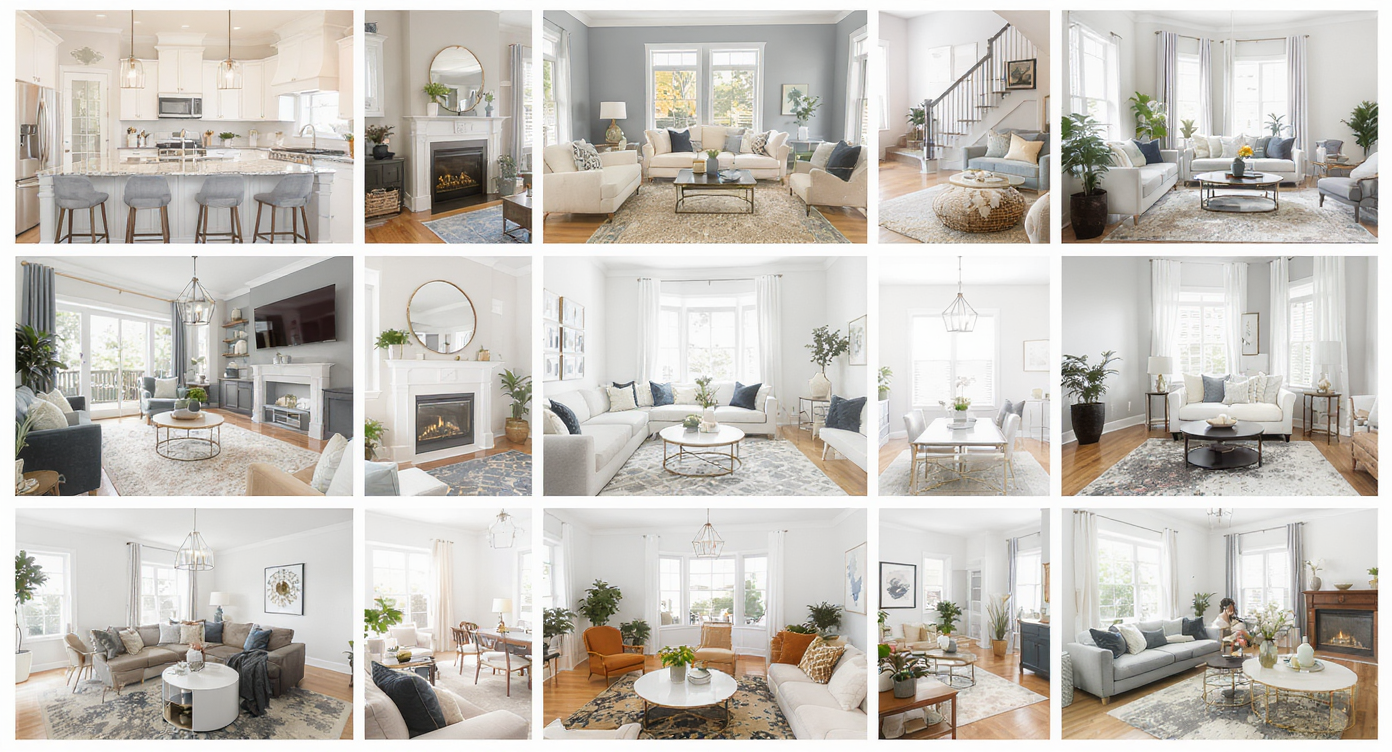
High-quality listing photos create an impactful first impression for potential homebuyers.
In the world of real estate, first impressions matter enormously. With the majority of homebuyers starting their search online, listing photos are often the first point of contact between a potential buyer and a property. However, the line between artistic presentation and misleading modification is all too often crossed by agents eager to showcase properties in the best light. Buyers today are tech-savvy and quick to skip listings they feel aren't upfront about the space. This blog explores common listing photo faux pas that frustrate buyers and advises on how to present homes honestly while highlighting their true potential.
-
01. Overuse of Wide-Angle Lenses
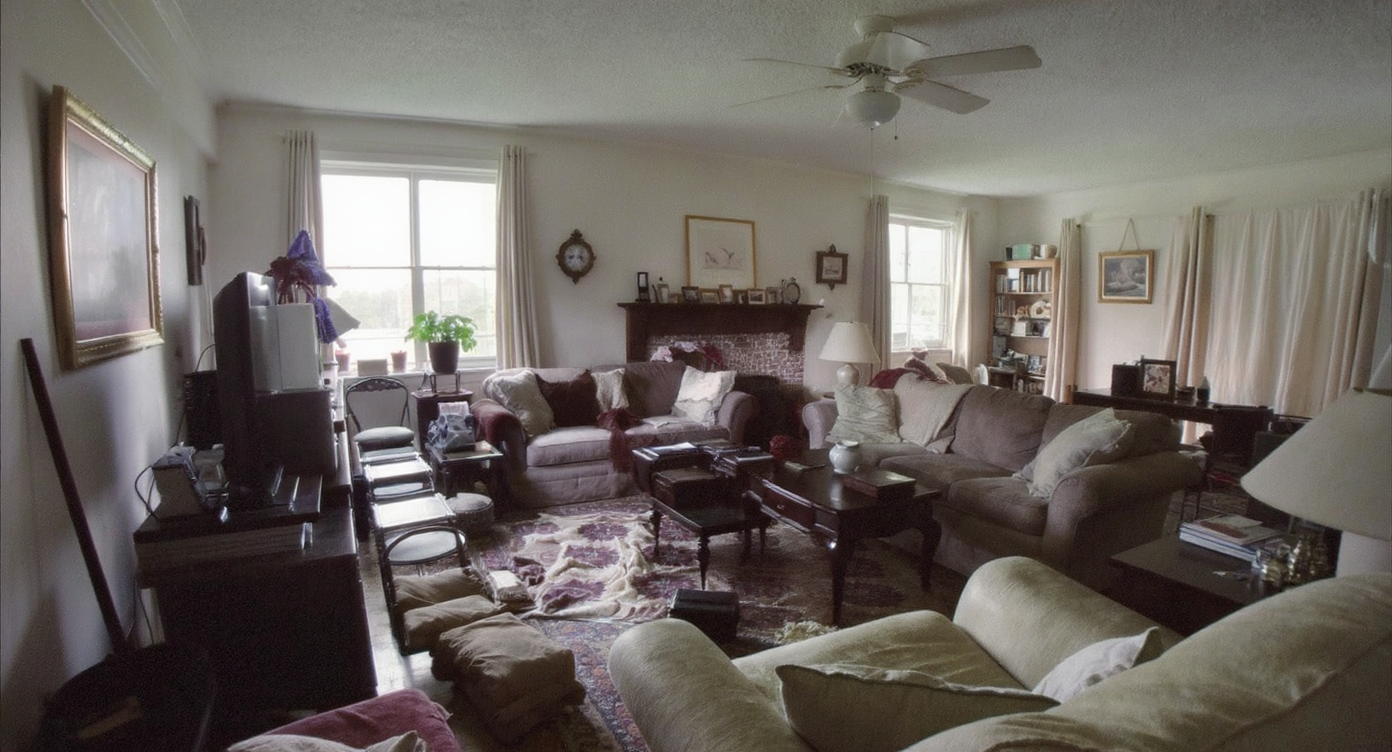
Overusing wide-angle lenses can distort a space, creating an uninviting and cluttered feel.
Using wide-angle lenses is a common practice among real estate photographers to capture more of a room in a single shot. However, when overdone, it can significantly distort room dimensions, leading buyers to suspect exaggeration and misleading advertising. Typically, professionals recommend a modest range of 16-24mm for full-frame cameras to ensure accuracy without distortion. Overly stretched images not only lose buyer trust but also increase the likelihood of wasted showings for homes that feel significantly smaller in person than they appeared online.
-
02. Lack of Natural Lighting

Natural light is essential in listing photos to showcase homes in their best, most inviting state.
Poor lighting can make even the most stunning home appear gloomy and uninviting. Real estate experts advise capturing photos in natural daylight to give buyers a true sense of the property. Avoid artificially brightened or over-edited images, as these often create unrealistic expectations. Opt instead for morning or midday shots when natural light is best, and draw back curtains to emphasize the home's true ambiance. Complementary editing can enhance clarity, provided the final image remains faithful to reality. Learn more about effective lighting strategies in our real estate photography guide.
-
03. Missing Floor Plans
Floor plans are a practical asset for any listing, helping buyers visualize layout and understand flow before they step foot on the property. Many agents neglect this crucial tool, focusing solely on aesthetic photos without providing spatial context. According to our guide on winning buyer trust, including a simple 2D floor plan can significantly improve engagement and reduce tire-kicker showings by setting realistic expectations.
-
04. Incomplete Room Showcases
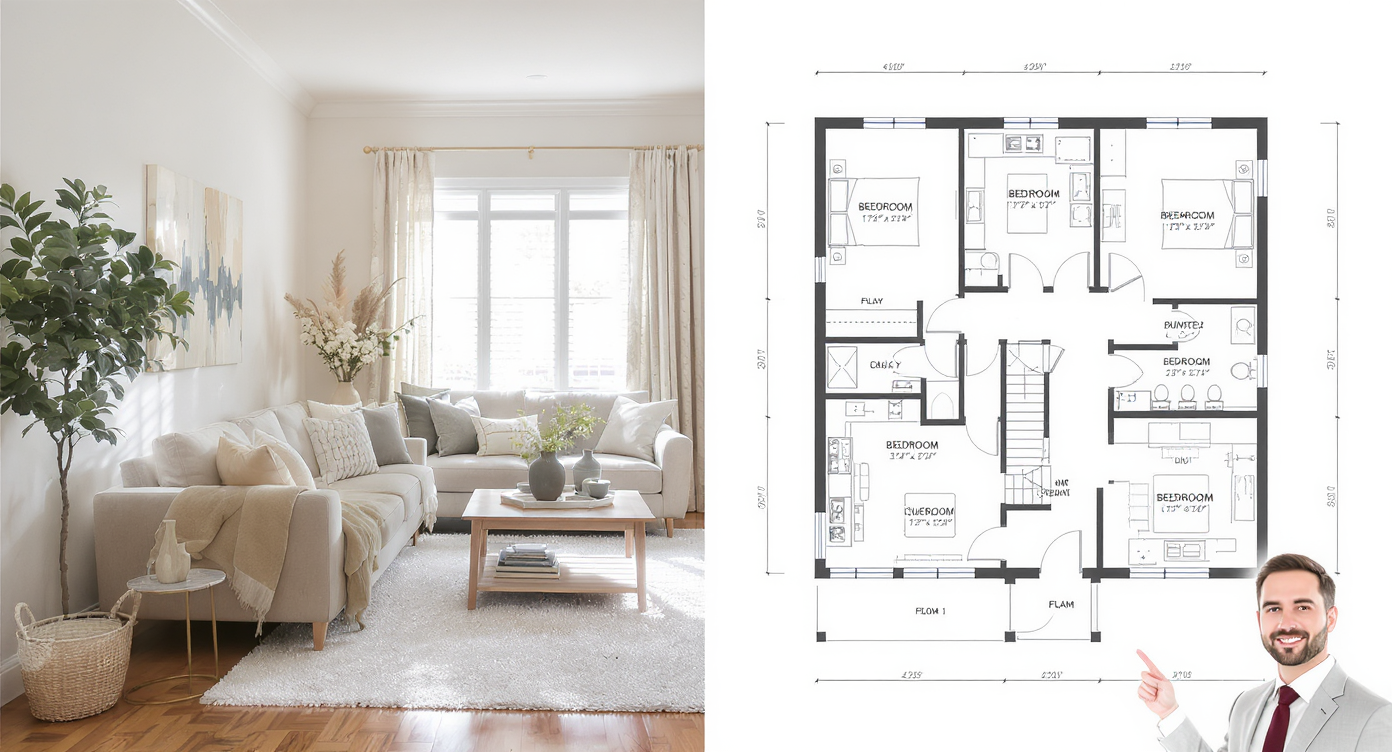
Including clear floor plans helps buyers visualize the layout and flow of a home.
One of the biggest buyer complaints is listings that fail to display all key areas of a home, like kitchens, bathrooms, or garages. Omitting these crucial spaces prompts assumptions that these rooms are in poor condition. Potential buyers prefer transparency; seeing all parts of a property builds confidence and eliminates the chance of unpleasant surprises.
-
05. Awkward Photo Sequences
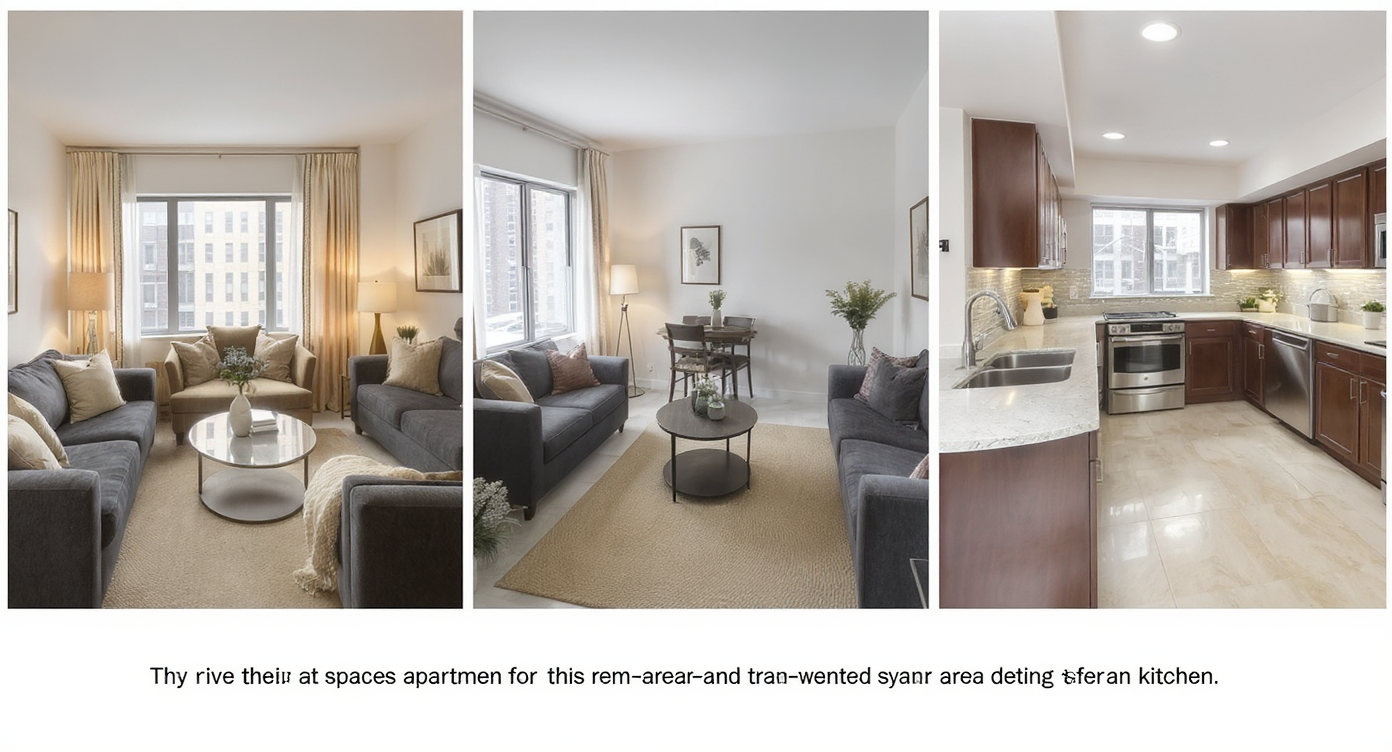
Displaying complete room showcases helps buyers visualize a home's full potential.
Logical sequencing of photos helps buyers mentally 'walk through' a home as they browse. Begin with exterior shots before moving through to main living areas, then private spaces like bedrooms and bathrooms, and finish with additional features like basements or garages. Inconsistent or jumbled sequences can confuse buyers and imply the seller is hiding something undesirable. According to industry insights on staging, a well-ordered photo series can significantly impact perceived professionalism and trustworthiness.
-
06. Artificially Staged Interiors

Artificially staged interiors can detract from the viewer's connection to a home, making it less appealing.
While virtual staging can help potential buyers visualize how a space might be used, overly stylized or dramatically altered images risk misleading them. The key is a balance: use staging to enhance rather than transform. Highlighting real possibilities without altering wall heights or room sizes preserves integrity. Agents are advised to clearly label virtually staged photos to maintain transparency. See our discussion on ethical staging more in-depth here.
-
07. Excessive Editing of Exterior Views

Excessive editing of exterior views can mislead buyers about a property's actual location and surroundings.
Exaggerating the setting by strategically omitting surrounding neighborhood views or using AI to enhance landscapes can backfire. Buyers appreciate settings with context—photos showing streetscape or community aspects position a property truthfully in its environment. Avoid cropping out neighboring properties; instead, provide a balanced view that includes desirable amenities and location strengths. Transparency in these details is critical, as unrealistic portrayals can discourage serious inquiries.
FAQs on Real Estate Listing Photos
Why is natural lighting important in listing photos?
Natural lighting highlights a home’s authentic atmosphere, appealing to buyers seeking realism in photos which gives a veritable feel of the space.
Can including a floor plan improve a listing’s performance?
Absolutely. Floor plans provide spatial understanding, aligning buyer expectations and reducing unnecessary showings. More in our collection of real estate resources.
How does virtual staging affect home listings?
When done transparently and modestly, virtual staging aids in visualizing potential. Overdone enhancements, however, can mislead, so always pair with unaltered images.
Authenticity Sells the Home
In an era where buyers are more informed and skeptical than ever, honesty in listing presentations cannot be overstated. Authenticity, transparency, and practical insights not only reduce wasted showings but also enhance buyer trust. By emphasizing clarity and accurate portrayals, agents can foster better client relationships and speed up the sales process. Embracing these approaches ensures the right buyers make offers and properties find their future owners seamlessly.