How to Brighten and Refresh a Century-Old Victorian Home Without Losing Its Charm
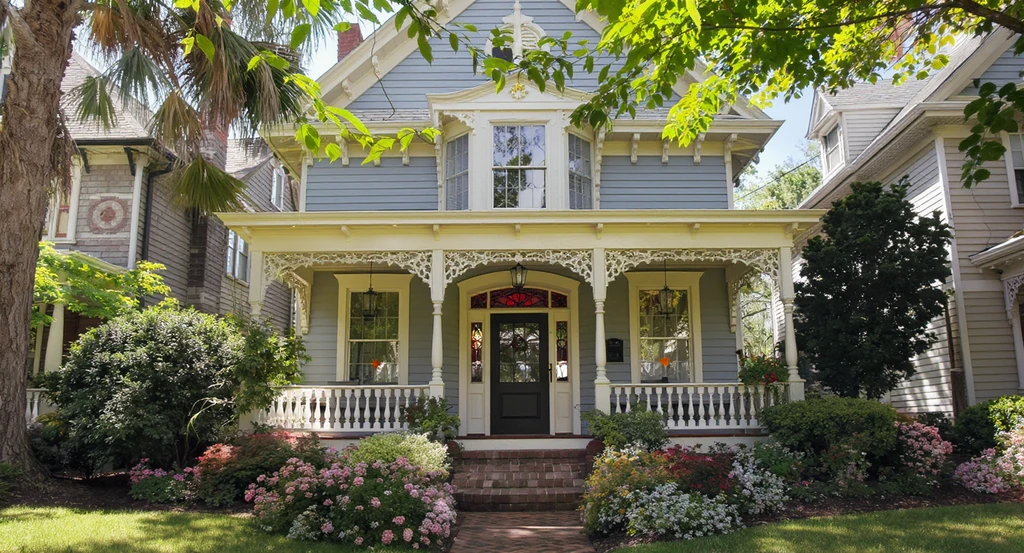
TL;DR
Victorian homes often feel awkward when homeowners try to 'modernize' them. The best way to achieve a brighter, more lively look involves color, period-sensitive updates, and strategic landscaping. This approach preserves their historic charm, creates curb appeal, and replaces hesitation with clear, confident choices.
Why 'Modernizing' Often Feels Off-And What Your Eye Wants Instead
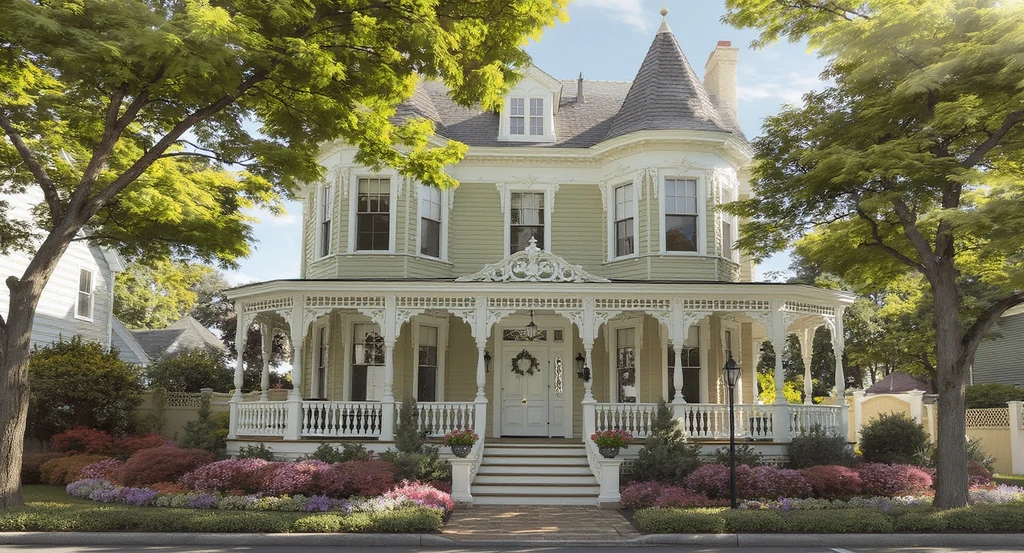
Enhance Victorian home curb appeal by choosing period-appropriate exterior paint colors, restoring original porch railings and trims, and using the best landscaping ideas for vintage homes to add character without losing historic charm.
When you move into a historic Victorian home, the urge to brighten it up or make it feel more 'cute,' modern, or lively is natural. Yet many homeowners find that the typical treatments-slick new siding, minimalist lines, or on-trend colors leave these vintage houses feeling unsettled or awkward. There is a hidden spatial truth here: Victorian homes, with their complex trim, bay windows, and elaborate porches, react differently to color and material choices than contemporary houses. Often, discomfort comes not from the age of a house, but from visual mismatches between modern elements and period details. The real transformation happens by clarifying what makes your home's curb appeal unique in the first place, then amplifying those qualities with thoughtful, sympathetic changes. You don’t have to “go crazy”a few perceptive updates can dramatically change the feel and first impression of your home.
-
What Is Actually Happening: The Victorian Home’s Unspoken Rules
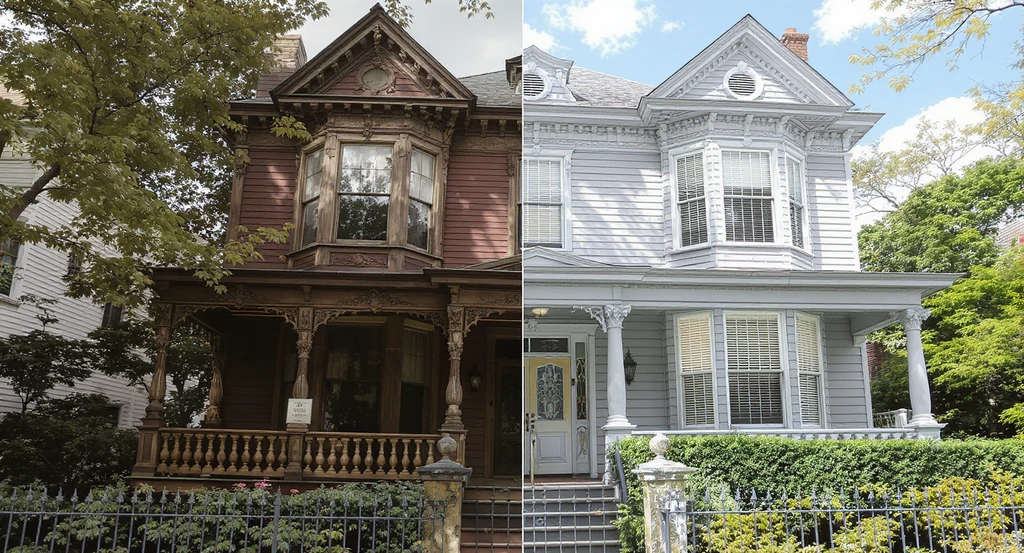
This Victorian home highlights how restoring original porch railings, trims, and period paint colors can enhance curb appeal and charm, unlike modern generic updates.
Every Victorian or century-old home has a spatial balance: angular rooflines, prominent porches softened by round columns, intricate trim, and “layers” of details. The original designers intended these homes to be expressive, inviting, and detailed not flat or neutral. Brightening a Victorian does not mean flattening old features under modern, minimal siding or oversized windows; in fact, this usually makes the house seem less welcoming, not more. A common sensation of visual awkwardness arises when new, inauthentic materials or generic exterior elements (like too-small shutters or metal railings) replace the depth and scale of the originals. You may notice something feels unsettled but not be able to name it: the eye is reacting to a disconnect between the scale, rhythm, and texture of new versus old elements. This often makes a porch, for instance, feel oddly “closed off” where a delicate wood railing once invited the gaze through to the entry.
Expert Insight
When a neighbor on our block restored their Victorian by adding back missing porch railing and switching from a flat white to a deep sapphire blue with crisp ivory trim, the effect was instant. Guests stopped to comment on the detailing a depth that simply hadn’t existed before and the owners confessed they felt less tentative with every new project, as each made the home’s true character shine through. The before-and-after not only improved curb appeal, it changed how they experienced coming home.
-
Why People Hesitate: The Myth of 'Modern is Better'
Many new homeowners assume 'modern' means brighter, cleaner, easier. But Victorian homes were designed to display color and pattern. Neutralizing everything, or using bland, flat paint, can actually dull their impact. Similarly, replacing intricate wooden porch railings with simple metal bars, or adding generic vinyl shutters, interrupts the original balance of forms and makes the home feel unfinished or inauthentic. There’s a subtle emotional pull to avoid being 'the house that looks out-of-date.' But when you recognize how much visual depth and emotional warmth come from authentic detail and patterns, the hesitation about “going modern” is often replaced by a new question: How do I make this feel fresh without losing the joy in its architecture?
-
What Most People Overlook: The Power of Contrast, Trim, and Planting
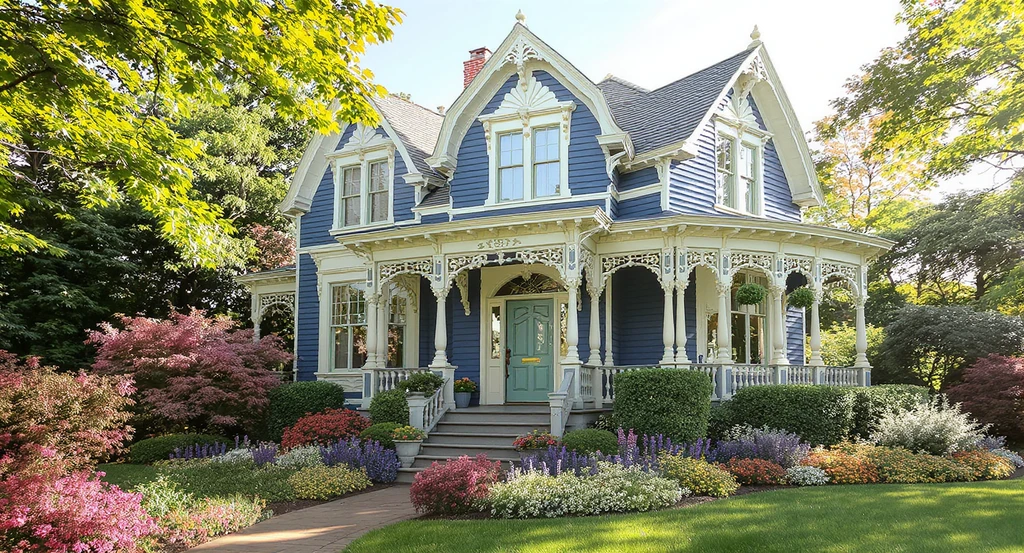
Using period-appropriate exterior paint colors, bold contrast on trim, and lush plantings adds character without losing charm—essential tips for how to enhance Victorian home curb appeal and restore original features.
Victorian houses are defined as much by what you put around and between their features as by the body color itself. Homeowners often underuse contrast leaving trim and details white, ignoring the invitation to highlight architectural elements with a third (or even fourth) harmonious color. Planted borders are frequently left sparse or flat, when lush landscaping is the easiest way to inject life. As explored in our paint color guide, even deep blues, sage greens, or pastels paired with crisp, period-appropriate trim can make classic shapes pop in natural light. Layered plantings flower beds, shrubs, seasonal bulbs—draw the eye across complex facades and fill in bare patches, as emphasized in our landscaping projects article.
-
Trade-Offs Most Homeowners Miss
There is a real decision tension between authenticity and convenience. Removing older, sometimes aging materials (like original wood siding) and replacing them with lower-maintenance vinyl can reduce upkeep, but it often sacrifices the shadows, texture, and scale that make vintage homes so compelling at the curb. The same is true for porch railings: modern, easily-installed metal or plastic options have a very different light reflectivity than painted wood, often making an entry feel harsher or more temporary. Another overlooked trade-off is color selection. Lively, historic palettes those with multiple coordinated hues require more thought but give a rich, welcoming effect. Flat, monochrome paint jobs are easier to choose but can visually compress a facade, erasing opportunities for rhythm and hierarchy that make old homes sparkle. Visualization tools, such as uploading a photo to preview different palettes, help clarify these decisions without regret, as detailed in our curb appeal color story.
-
Grounded Adjustments: What Actually Makes a Difference
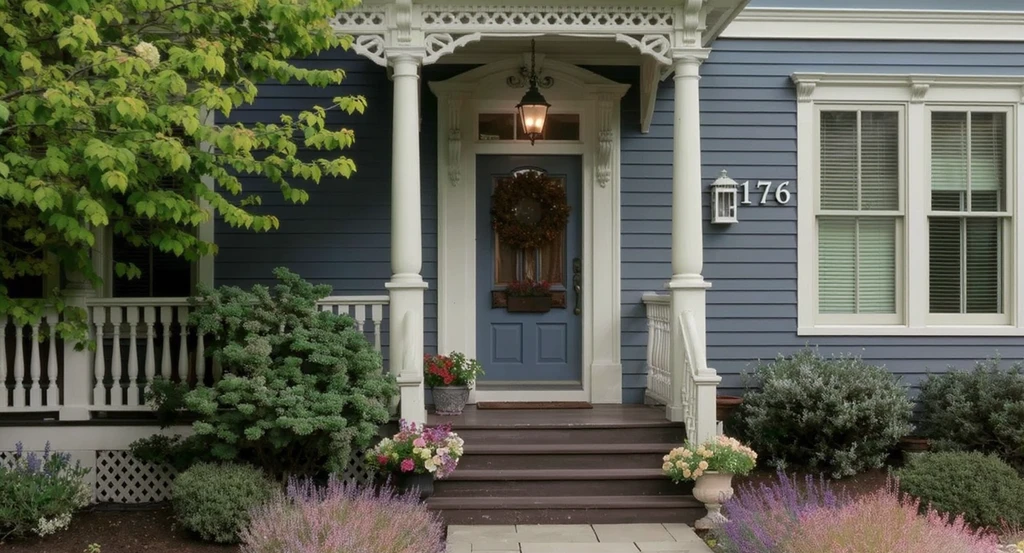
Reveal original porch railings, use period-appropriate exterior paint colors, and update landscaping to enhance Victorian home curb appeal and character—classic ideas for refreshing vintage homes without losing historic charm.
There are several practical, approachable ways to make your century-old house feel brighter and more alive while keeping its charm:
- Restore or reveal original elements. If vinyl siding covers original woodwork, consider gradually removing sections—especially decorative trims or porch details. Even just revealing and painting a period railing transforms the entire entry experience.
- Select period-appropriate paint colors with contrast. Use a saturated main color (deep blue, green, warm grey, or pastel) with off-white or pale trim, plus a playful accent or door color—these highlight the home’s proportions and make architecture visually legible. The color layering creates subtle shade shifts throughout the day due to light direction and surface angles.
- Landscaping with dimension and softness. Raised beds, flower clusters, and climbing plants like repeat-blooming Zephirine Drouhin roses or a blooming tree soften architectural lines and give the house a lived-in, lively edge. Refer to our value-boosting landscaping guide for specific project ideas.
- Refine small features. Replace a generic screen or storm door with one in a style and color that matches your home’s era. Updating the house numbers and porch lighting makes the entry feel considered and welcoming.
-
The Underlying Mechanism: Why Color, Material, and Light Matter More Here
Older homes gain much of their curb appeal from how light plays across intricate trims and layered details. Materials like painted wood reflect light softly and allow subtle color shifts, giving the facade continued visual interest as the sun moves. Modern vinyl and metal, with their uniform finishes, tend to flatten those shifts, losing dimensionality. Color contrast between body, trim, and detail teaches the eye what to pay attention to. It separates horizontal and vertical elements, clarifies scale, and brings out the proportions intended by the original builder. This is why historic homes feel 'alive' when painted in multiple hues, and flat when rendered all in one tone. Planting, too, adds movement and soft transitions the house alone cannot supply.
-
How Visualization Prevents Regret and Builds Confidence
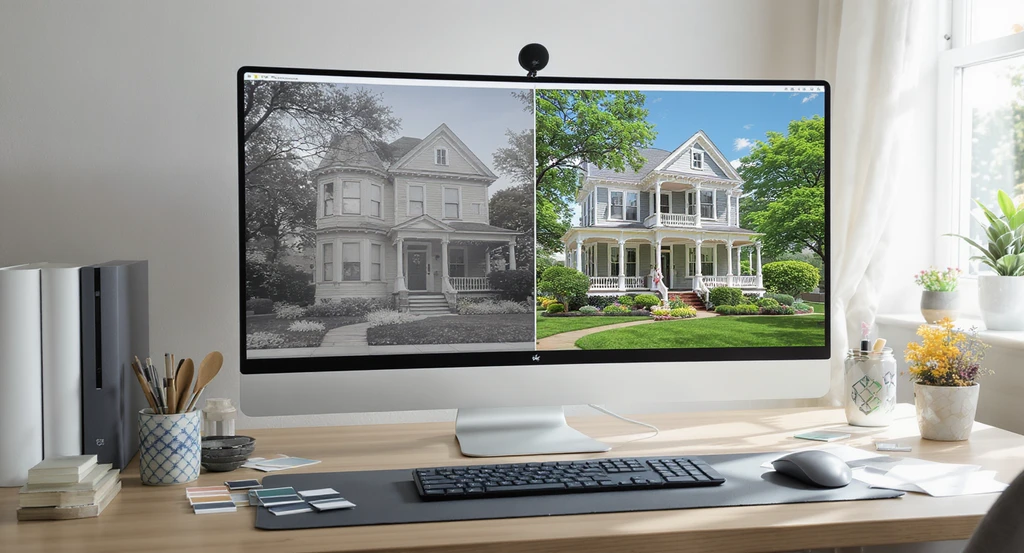
Using visualization tools to preview period-appropriate exterior paint colors, restore original porch railings, and try the best landscaping ideas for vintage homes helps enhance Victorian home curb appeal and preserves character without regret.
Hesitation often comes from a hidden gap between what you imagine and how a change will actually look on your specific home. Victorian houses, especially, change dramatically in appearance with different color schemes or landscape treatments. Using visualization, such as uploading a photo and experimenting with paint palettes or plantings before making irreversible decisions, reduces guesswork and decision fatigue. This approach rehearsing changes visually lets you notice subtle interactions of light, shadow, and contrast unique to your house. Several readers in recent discussions pointed to the clarity and confidence they gained from seeing potential schemes before committing. As shared in our curb appeal palette article, this step alone can turn hesitation into excited anticipation, and helps preserve the details you’ll miss if lost.
Common Questions About Refreshing Old Homes Without Losing Character
- How do I choose period-appropriate exterior paint colors?
- Period-appropriate colors are typically deeper or more saturated than contemporary trends. Referencing historic paint charts or using visual tools to preview combinations on your home, as discussed in our color guides, helps ensure selections accentuate architectural details and won’t feel generic.
- What landscaping works best for a Victorian home?
- Lush, layered plantings—including perennials, small shrubs, and climbers—soften architectural lines and add movement. Seeking foundation beds and plant groupings that reflect natural curves in the home’s footprint gives it a lived-in, inviting quality.
- Is it worth restoring original porch railings or trim?
- Yes—restoring these features typically returns more character and curb appeal than most replacements. Even partially revealing hidden details can dramatically change how approachable and authentic your entry feels.
- How can I preview exterior changes before committing?
- Visualization tools like REimagineHome AI let you upload real photos and digitally trial paint schemes or landscaping ideas. This reduces the risk of regret and helps you see subtle color and light effects unique to your home’s dimensions.
Your Home as a Living Invitation—Not a Blank Slate
A historic Victorian’s best features are almost always found in its contrasts, details, and the stories its spaces tell. Rather than defaulting to modern minimalism, noticing how scale, proportion, color, and light interact allows you to make grounded changes that amplify its charm. Restoration and well-chosen updates work best when they recognize and reveal what’s already special. By previewing possibilities and resisting the urge to erase quirks you replace uncertainty with pride and a lasting sense of place.