How to Choose the Right Wall and Roof Color Combinations for 2026: Layout, Balance, and Visualization

TL;DR
- Start with the roof; it’s your largest fixed surface.
- Ensure wall–roof contrast, or connect them via shared undertones.
- Always preview your selection at scale before painting or reroofing.
Why Wall and Roof Color Pairing Matters in 2026
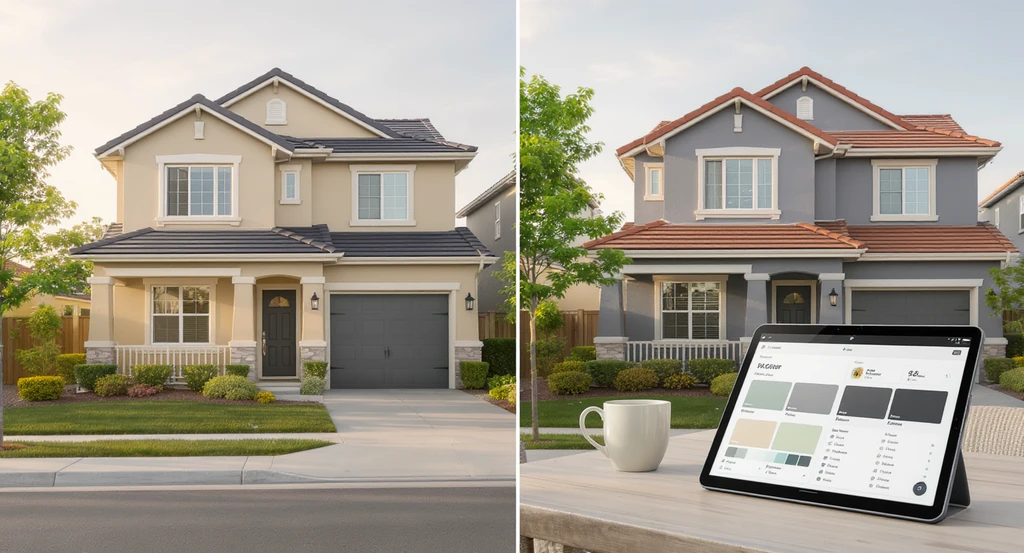
Discover how to use AI for home color visualization and the best AI tools for exterior paint selection. Visually compare roof and wall color combinations using region-specific scheme recommendations and digital preview tables for confident decisions.
Pairing your wall and roof colors affects not only curb appeal but also your home’s sense of proportion and atmosphere. For 2026, color choice is all about purposeful contrast and natural harmony. Picking colors in isolation, or relying on tiny samples, often leads to costly mistakes. Instead, a structured, visual approach lets you make decisions free from trend-chasing or guesswork. In this article, you’ll learn what typically goes wrong with wall and roof color combinations, how building science and design logic apply, and why digital previewing (not just mood boards) prevents most regrets. Supported by expert color reports and industry standards, we’ll walk through correction systems, climate context, and a simple checklist for action.
-
Core Issue: Wall and Roof Colors Out of Sync
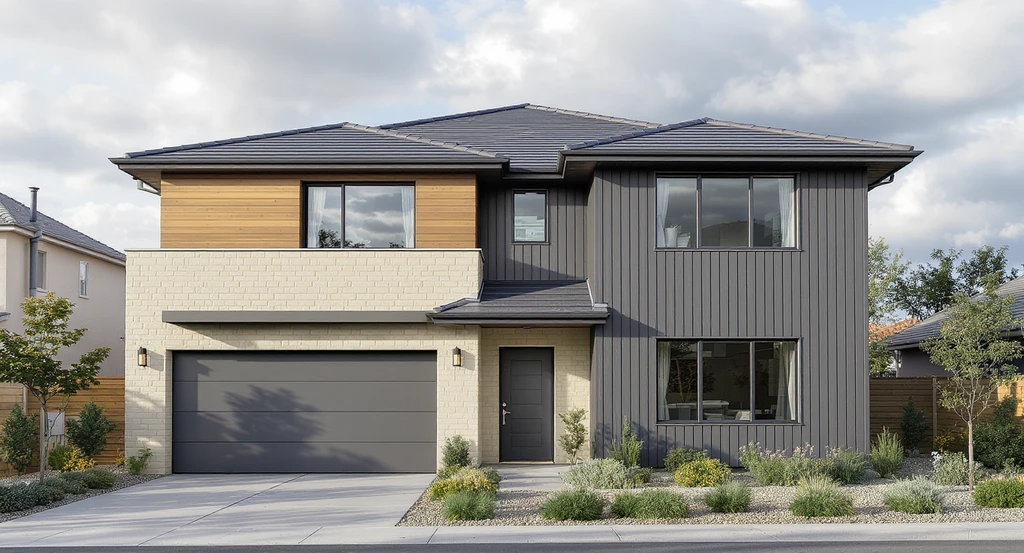
Mismatched wall and roof colors can disrupt harmony—see how to use AI for home color visualization and select the best exterior palette.
The most common problem is choosing a wall color and roof color independently, without testing their harmony at scale. This creates mismatched undertones, awkward contrasts, or a “heavy” top effect that makes the house look visually off-balance. Many also underestimate the visual mass of the roof, especially when viewed from the curb or across open-plan interiors. According to our guide on exterior color palettes, a roof that clashes with the wall can shrink or flatten your home’s profile.
Expert Insight
A client wanted only to repaint their walls, assuming the existing roof wouldn’t matter. After viewing their exterior in a digital preview, they saw the roof’s dark tone clashed with light green walls. Adjusting the wall shade prevented visual confusion and saved significant costs.
-
Why It Happens: Ignoring Contrast, Cohesion, and Scientific Principles
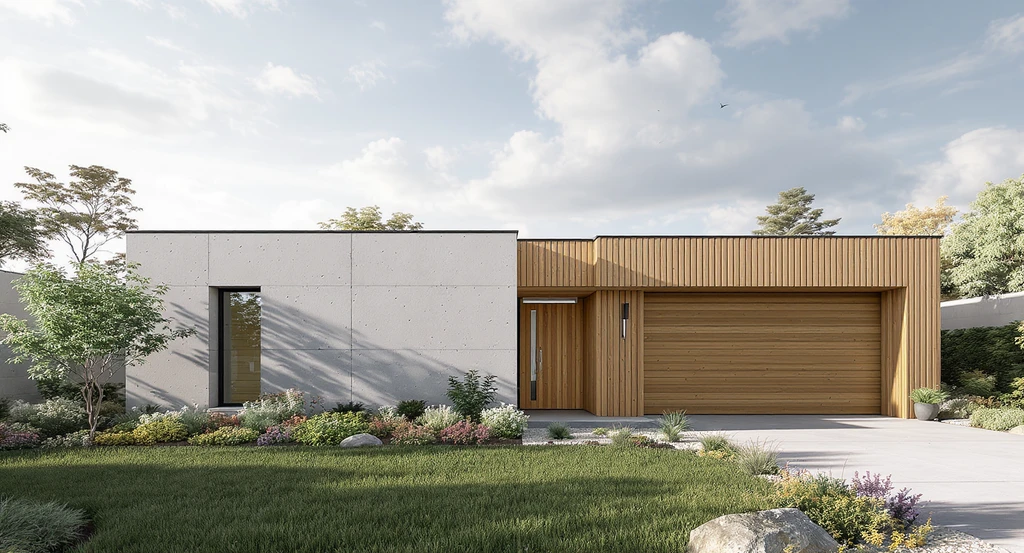
Why It Happens: Ignoring Contrast, Cohesion, and Scientific Principles Image
This mistake often results from small sample viewing, digital mockups that lack scale, or following inspiration images that ignore your own materials. Many overlook contrast ratios, a key standard in both design and accessibility and the effect of undertones. From a building science perspective, light reflectance value (LRV) and heat absorption also matter: darker roofs absorb more heat (raising attic temps in hot climates), while high-LRV (lighter) walls reflect more daylight, brightening the home’s fascia. Undertone mismatches, glare, or a wall that’s too similar in strength to the roof all cause visual confusion. Siding materials, trim, and neighboring landscaping further complicate these decisions.
-
2026’s Leading Wall and Roof Color Combinations: Logic Over Trend
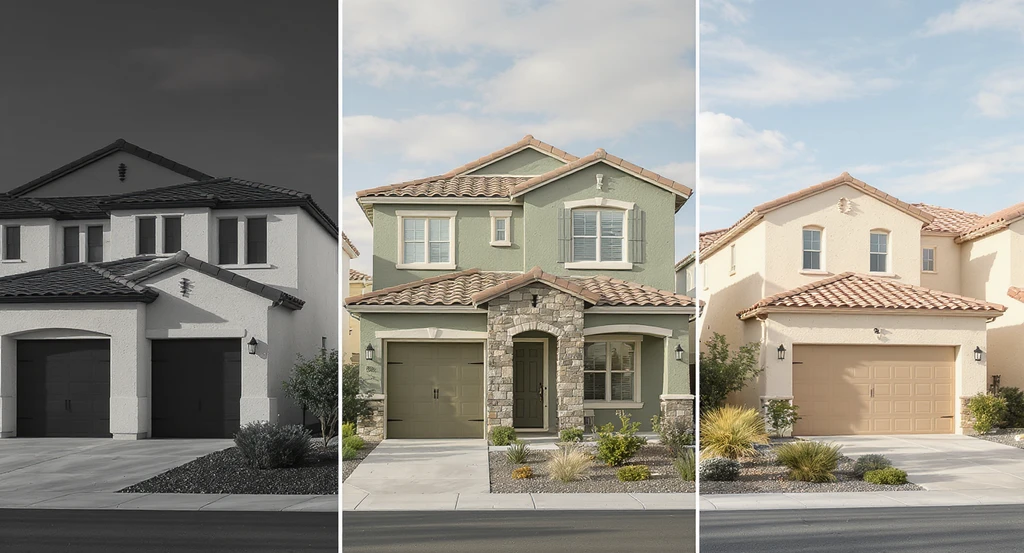
Explore how to use AI for home color visualization with a side-by-side view of 2026’s leading wall and roof color combinations. Compare high-contrast, nature-inspired, and traditional palettes for confident, region-specific color scheme recommendations.
- High-Contrast Modern: Deep black or charcoal roof with off-white or neutral walls, sharp, contemporary, and frames modern facades with confidence.
- Nature-Inspired Earth Tones: Olive or sage green, warm khaki, or mineral beige walls with medium-gray or taupe roofs, soothing, timeless, and especially strong for homes with plenty of stone or wood. According to our trend forecast for 2025–2026, these palettes have lasting appeal.
- Traditional Classic: Terracotta or brown roof with cream or ivory walls, proven on Mediterranean and traditional designs, providing warmth and subtle contrast.
-
Visual Comparison Table: Roof vs. Wall Color Outcomes
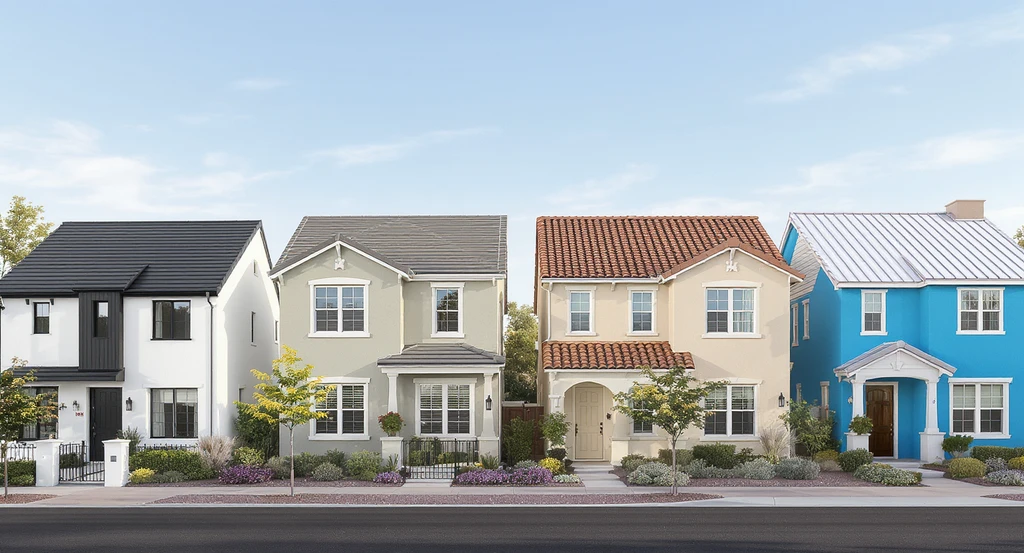
This visual comparison table image illustrates how to use AI for home color visualization and the best AI tools for exterior paint selection, featuring region-specific color scheme recommendations and rooftop-wall combinations side by side.
Roof Color Wall Color Visual Effect Best Home Type Common Mistake Black/Deep Charcoal White/Light Gray Strong contrast, sharp definition Modern, minimalist, high-contrast builds Walls too light—can create glare in full sun Gray/Taupe Earthy Green/Beige Organic harmony, natural blend Suburban, wooded, natural stone homes Undertones mismatched, causing 'muddy' look Terracotta/Brown Cream/Ivory Warm, classic, inviting Mediterranean, traditional Skipping trim or accent definition—can look bland Light Gray/Reflective Metal Bold Color Balanced, contemporary, playful Modern coastal, new builds Colors too intense, clash in high sun -
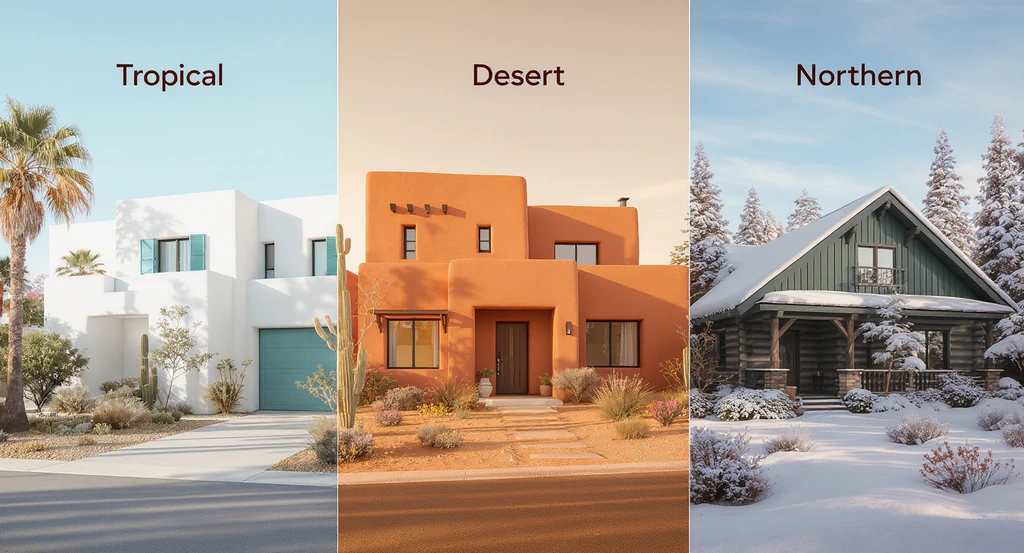
Climate & Region: How Context Changes Color Recommendations
Climate & Region: How Context Changes Color Recommendations Image
- Hot Climates: Favor lighter roofs and light-toned walls (higher LRV) for reflection and heat control; darker roofs can make interiors hotter and fade faster.
- Cold/Snowy Areas: Dark roofs absorb heat and help with snow melt, but wall–roof contrast is critical to avoid a muddy winter look. Consider richer wall colors for better definition against snowdrifts.
- Dusty/Windy Regions: Mid-tone walls camouflage dust and grime better than crisp whites or very dark shades.
- Humid Zones: Avoid colors that easily show mildew; prefer earth tones, light olive, or taupe walls with roofs in similar undertones.
-
Correction Method: Step-by-Step to Get It Right

Correction Method: Step-by-Step to Get It Right Image
- Start With the Roof: Treat it as a fixed element unless you plan to reroof; its color and material drive all other decisions.
- Map Sightlines: Stand at curb, approach, and key rooms. Note how much roof is visible. In open-plan interiors, check how ceiling color links to walls.
- Check in Real Light: Test wall color samples in place, under natural and artificial light, on sunny and cloudy days.
- Ensure Contrast and Undertonality: At least two shade steps between wall and roof looks crisp. For calm, keep undertones consistent (warm/cool/natural).
- Test Accent/Trim: Use darker or lighter trim to define edges. Try matching wall-and-ceiling color in different sheens for a modern look, as discussed in industry circles.
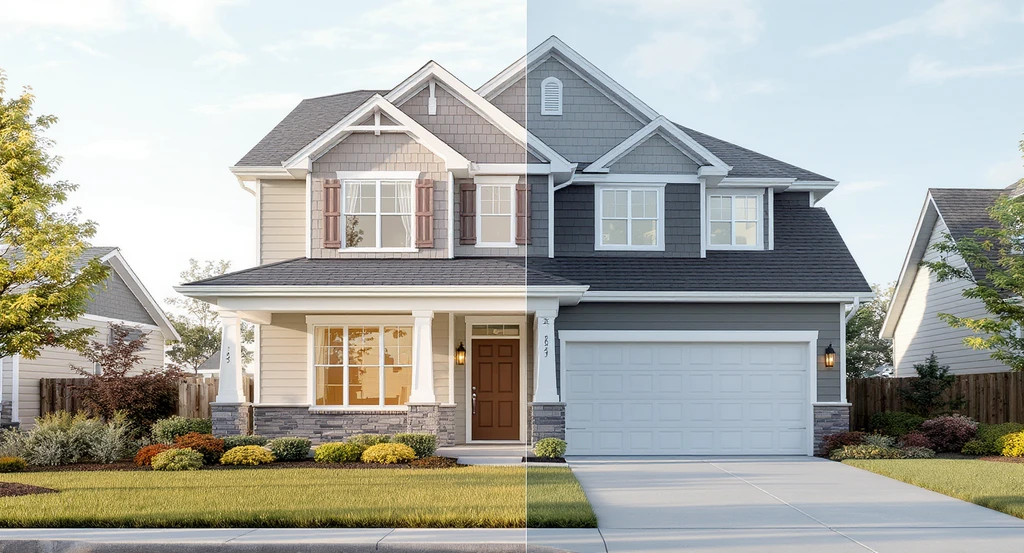
- Preview With Digital Tools: Use a digital preview tool, like REimagineHome AI, to see your exact house or room palette, including light, angles, and material transitions.
-
What Goes Wrong If You Skip These Steps
What Goes Wrong If You Skip These Steps Image
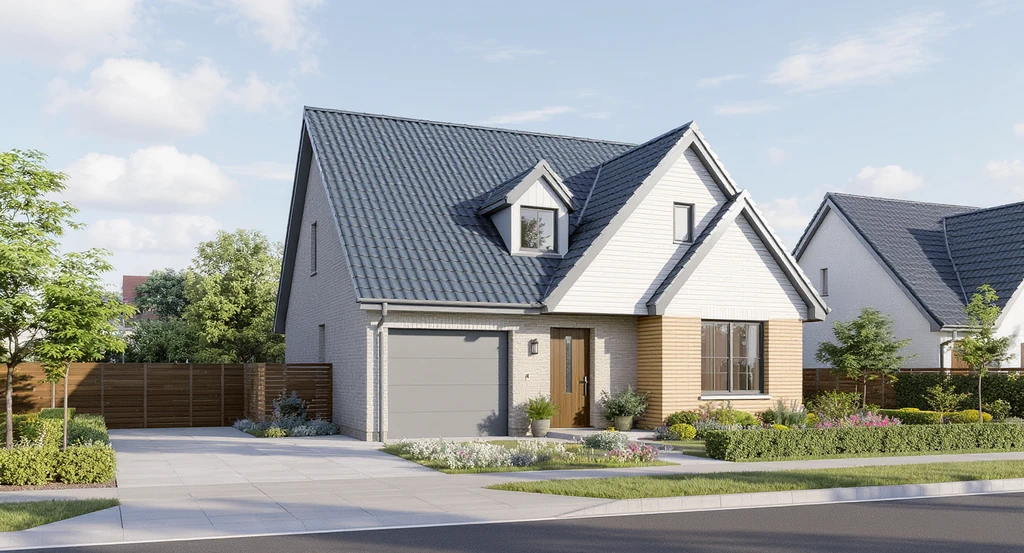
- Visual Imbalance: The roof overpowers the facade or makes the house appear stumpy or top-heavy.
- Clashing Undertones: Creates a jarring or "muddy" appearance that’s costly to remedy.
- Lighting Surprises: High-glare walls or unexpectedly dark spaces due to poor LRV planning.
- Costly Rework: Repainting, hiring contractors, or material waste—more expensive than visualizing in advance.
- Poor Resale: Out-of-context colors can date a home or turn off buyers, as explored in our curb appeal color guide.
-
The Decision Checklist: Wall & Roof Color
The Decision Checklist: Wall & Roof Color Image
- Is roof color fixed, or do you have flexibility?
- Are your home's main sightlines mapped—outside and inside?
- Have you tested wall colors on site, in both sunlight and shade?
- Have you considered how trim and accents will unify the palette?
- Have you previewed the combination using digital or AI visualization?
-
Visual Reasoning: Why Scale, Light, and Proportion Matter
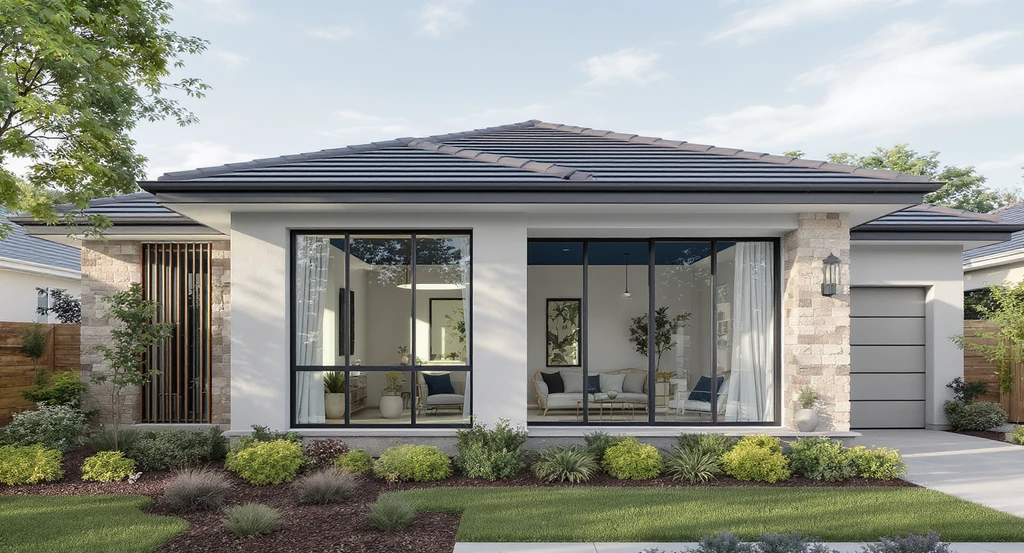
See how scale, light, and proportion interact: use the best AI tools for exterior paint selection and interior color visualization to balance dark roofs, high-LRV wall colors, and bold ceiling shades.
Roofs form the largest visual surface on many homes and, by proportion, create the dominant impression. Dark roofs shorten and "lower" the home visually, while lighter ones lift and brighten. High-LRV walls reflect more daylight, making entrances feel inviting. Interior ceilings in bold color can cozy up large spaces but shrink smaller rooms. Texture also plays a key role; matte paint softens, glossy highlights, and metal amplifies both light and color. Always consider how these elements interact before finalizing a scheme.
-
How Visualization and Digital Preview Prevent Regrets
How Visualization and Digital Preview Prevent Regrets Image
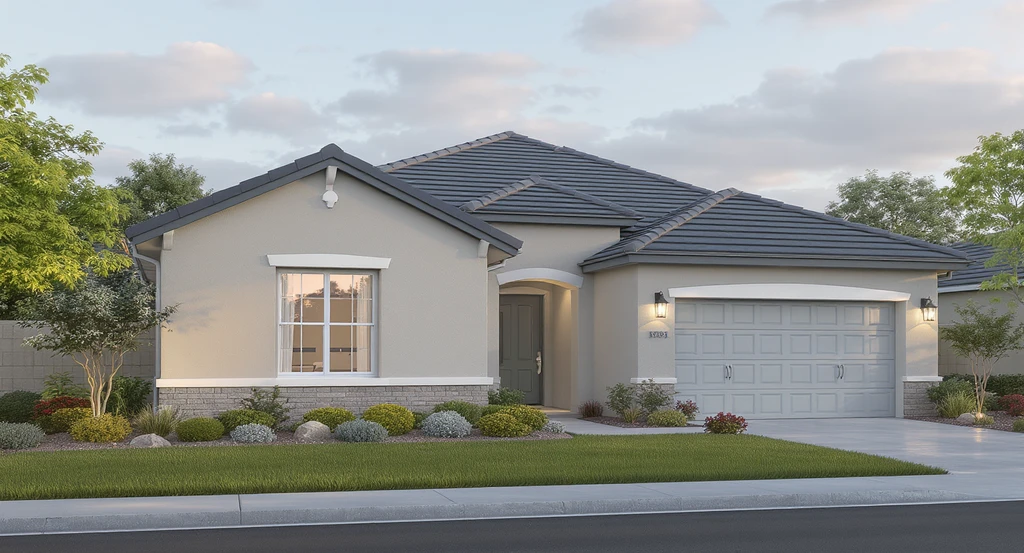
Decisions made from samples or standard mockups often disappoint because they don’t match the real home’s proportions, materials, and lighting conditions. Visualization software lets you trial combinations on your actual house, showing true roof and wall relationships in various seasons and times of day, and letting you compare options side-by-side. As we've explored in our 2025 exterior trends guide, visual testing upfront catches nearly all scale, lighting, and undertone mismatches before they become expensive to fix.
-
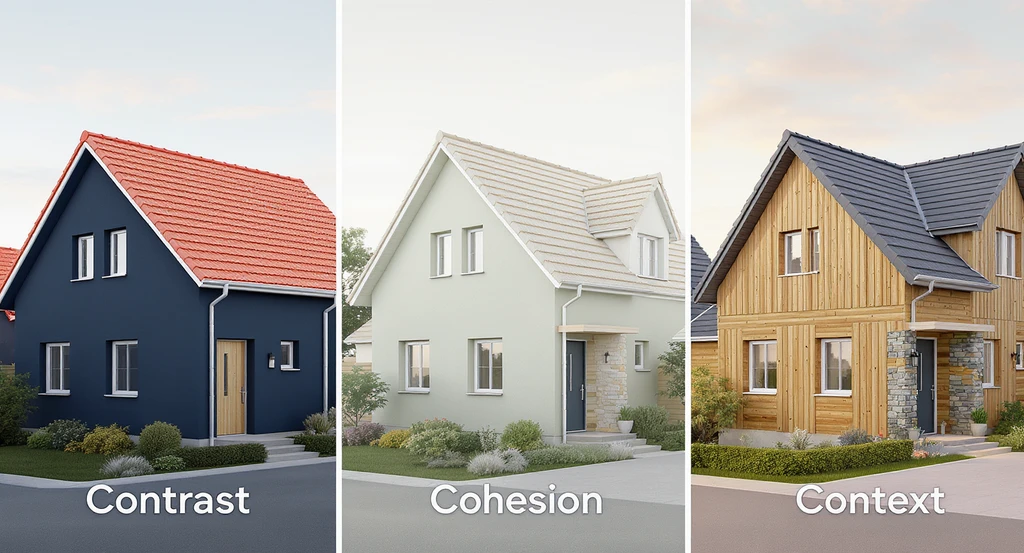
The 3C Rule: Contrast, Cohesion, Context
The 3C Rule: Contrast, Cohesion, Context Image
- Contrast: Enough difference to define massing and frames, avoid weak or overblown contrast.
- Cohesion: Related undertones and materials, not just matching color numbers, unified by trim and accent placement.
- Context: All choices must consider surrounding landscape, visible features, and climate.
Visualization Scenario
Picture stepping outside at dusk, debating between classic taupe and trending olive for your walls. Instead of guessing, you upload a photo to REimagineHome AI and instantly see how each option interacts with your gray roof at different light levels, letting you choose with total clarity.
Frequently Asked Questions About Wall and Roof Color Pairing
- Can I digitally preview both exterior and interior ceiling color changes?
Yes, modern visualization tools let you test both exterior wall/roof and interior ceiling-wall changes, especially useful for open-plan kitchens or living rooms. - How accurate are color samples compared to the final result?
Always test large swatches in place, under various lighting. As seen in our color guides, context and scale shift how a color truly appears once applied. - Should the roof and trim always match?
No, but they should have similar undertones or be linked by accent color. Cohesive palettes are unified by undertone rather than identical shades. - What’s the main mistake with bold color combinations?
Overlooking scale or sun exposure. High-contrast looks impressive in photos, but can produce strong glare or unintended “flatness” in real settings—always simulate before deciding.
Takeaways: Thoughtful Pairing Eliminates 90% of Regret
If you plan wall and roof colors together, test them in real context, and preview before painting, you eliminate 90% of color regret. For more color ideas and expert breakdowns, see our 2026 Color of the Year guide and 2025–2026 trend forecast.