How to Visualize Millennial Interior Design: The 2025 Shift from “Sad Beige” to Warm, Lived-In Comfort
TL;DR
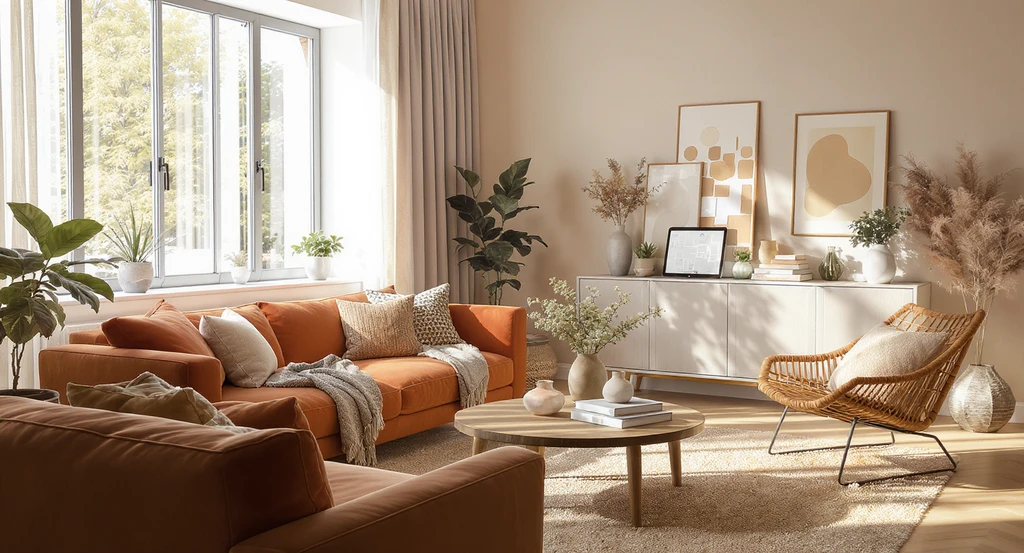
Millennial interiors are evolving from all-gray minimalism to warm minimalism and curated comfort. Colors are richer, materials more natural, and décor is deeply personal, without sacrificing function or adaptability. Learning how to visualize these changes can help you avoid costly mistakes and build a home that feels genuinely lived-in and yours.
Why Millennial Interiors Are Changing, And Why Visualization Matters
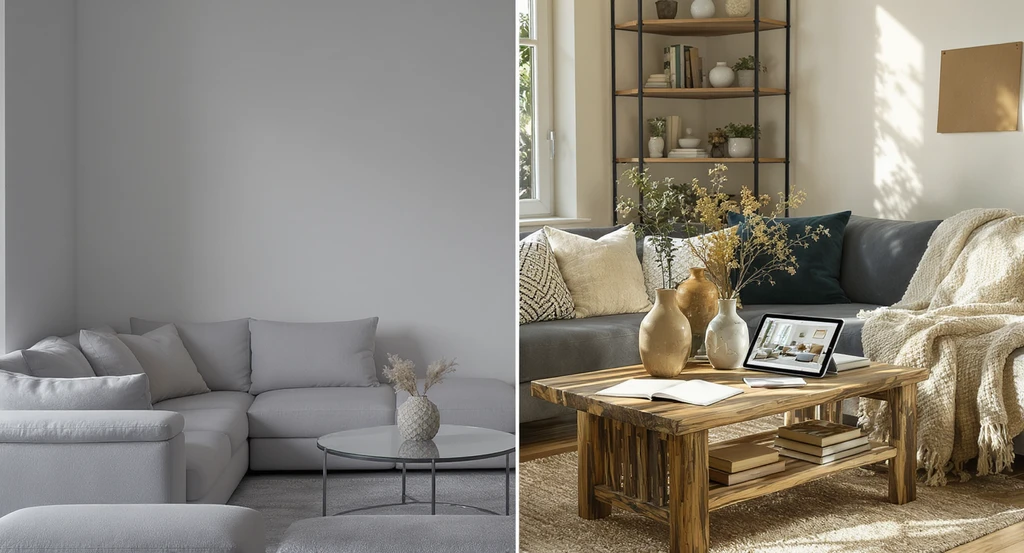
See how to visualize millennial interior design and avoid the visualization gap as homes shift from cool minimalism to warm, lived-in comfort.
For years, so-called “millennial gray” and showroom-perfect minimalism were dominant. Today, real millennial homes are warming up: think layered neutrals, meaningful collections, upcycled finds, and spaces that blend comfort with adaptability. This shift isn’t just about following trends; it’s about rooms that feel lived-in, personal, and sustainable.
But visualizing a space before you commit, especially when mixing textures, vintage, and color is tricky. Common mistakes include over-reliance on catalogs, misunderstanding scale, or choosing trends you’ll regret. This guide gives you the step-by-step tools and visual logic needed to get it right, moving from confusion to clarity, before you spend or renovate.
-
The Core Issue: Why “Millennial Gray” Fell Out of Favor
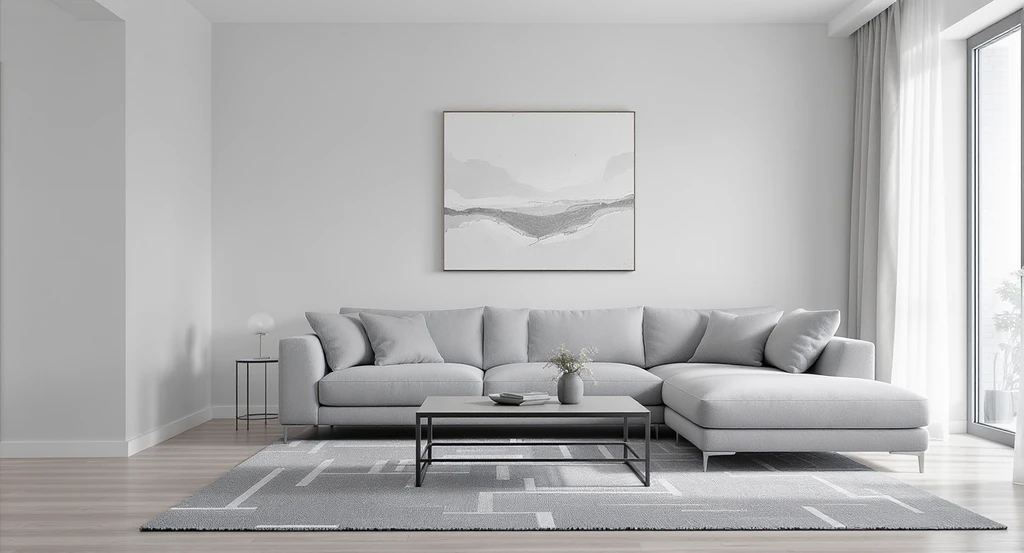
A millennial gray living room exemplifies the challenge in how to visualize millennial interior design and highlights the need for tools for visualizing warm minimalism style for more inviting spaces.
Many millennial homes defaulted to cold grays and bare minimalism out of necessity, think apartment rentals, quick flips, and mass-marketed trends. This resulted in spaces that felt impersonal, overly sterile, or copied from a catalog. The design intent was clarity and neutrality, but often led to uninspiring rooms that were tough to personalize. According to our guide on 2025 interior design trends, layering in warmth and character is now essential.
Expert Insight
A client once hesitated to add ‘gentle clutter’ to their living room, fearing mess. Using a visualization tool, they saw their pottery and books on virtual shelves, neatly arranged, not overwhelming. The room felt warmer and more personal, and they avoided overdecorating simply by seeing it first.
-
Design Principle: Warm Minimalism and Gentle Clutter
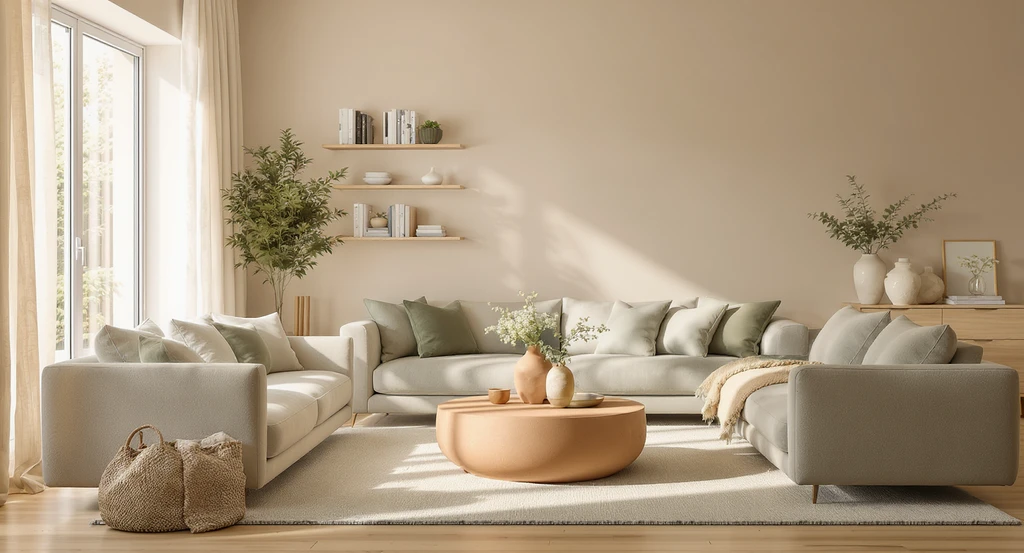
How to visualize millennial interior design: Use real-world tools for visualizing warm minimalism style with layered, curated objects—overcoming the visualization gap in home decor by showcasing lived-in comfort and gentle clutter.
2025–26 interiors are about simplicity, but with richer character. Warm neutral palettes (sages, taupes, terracotta), soft-edged furniture, and personalized displays replace the strict, colorless minimalism of the past. Key principle: ‘Collected, not cluttered.’ Instead of hiding everything, display a few well-chosen books, ceramics, art, or souvenirs.
This shift towards warm minimalism, sometimes called “maximalist-lite”, embraces a ‘lived-in’ look without descending into chaos or dust-collecting clutter. This matches what many millennials report online: real homes with layered objects, not magazine-perfect emptiness. -
Why Cold Minimalism Causes Layout Frustration

Why Cold Minimalism Causes Layout Frustration Image
The problem with past minimalism wasn’t just color, t was spatial logic. All-gray rooms with hard lines and sparse furniture made rooms echo, looked cold under natural light, and emphasized every small mess.
Relying on just gray or white also highlights scale mistakes: sofas and rugs often feel either too big and dominant or too lost in the room. Without texture, any imperfection stands out. Warm minimalism, adding woods, textured textiles, and color, reduces harsh contrasts and lets spaces feel welcoming, not empty. The difference is tangible, especially in small city homes. -
Step-by-Step Correction: How to Transition from Gray to Lived-In Millennial
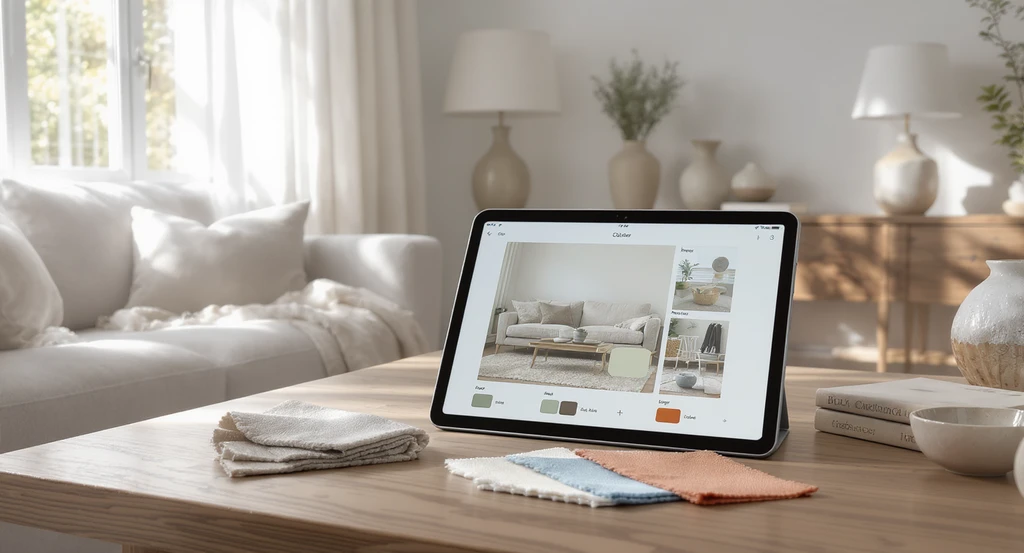
Using digital color audits and in-room fabric swatches, this scene demonstrates how to visualize millennial interior design with tools for visualizing warm minimalism style—bridging the visualization gap in home decor through real-space edits and textural updates.
To visualize your own transition, follow this system:
- Color Audit: Photograph your current main room in daylight. Mark all surfaces on the image: walls, floor, big furniture. Notice if more than 70% is gray or white. If yes, pick one area (e.g., wall or rug) to warm up, consider greige, sage, or terracotta.
- Texture Introduction: Introduce one natural texture (bouclé, raw linen, timber). Images make it easy to preview new tones in existing light conditions.
- Feature Focal Point: Replace a generic light fixture with a sculptural pendant, or a simple mirror with an arched frame.
- Gentle Display: Curate a surface for display: 3–5 personal objects (book, plant, travel memento, handmade pottery). Visually balance by arranging tallest items towards the back or side.
- Take a Visualization Snapshot: Use a digital tool or REimagineHome AI to overlay new color and object options over your room photo. See how changes interact with your space’s light, scale, and flow.
-
Visual Reasoning: Scale, Material, and Lighting Correction
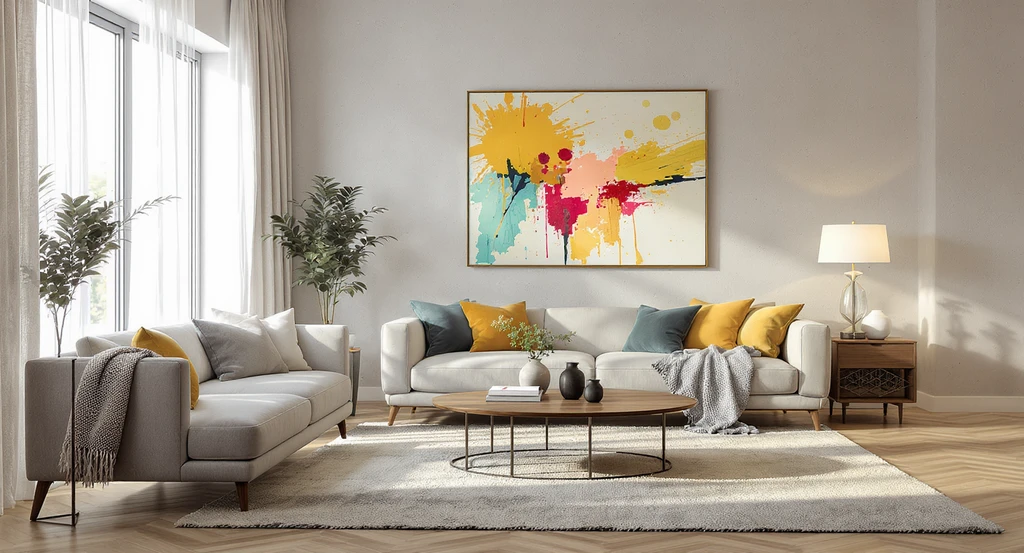
Visual Reasoning: Scale, Material, and Lighting Correction Image
Millennial warm minimalism prioritizes spatial harmony. Consider these visual checks:
- Scale: Sofas can be curvier and chunkier, but must allow at least 32–36" of clearance for walkways. Avoid overstuffing small spaces.
- Material: Pair at least two contrasting textures - e.g., rattan next to leather, wool against metal, for visual depth without crowding.
- Lighting: Incorporate table and floor lamps with warm bulbs (2700–3000K). These soften color and create cozy shadows, counteracting the harsh look of single overhead fixtures. Statement lighting acts as both function and art, learn more about this in our article on material drenching and quiet luxury.
-
Small Spaces, Big Personality: Adaptability and Storage
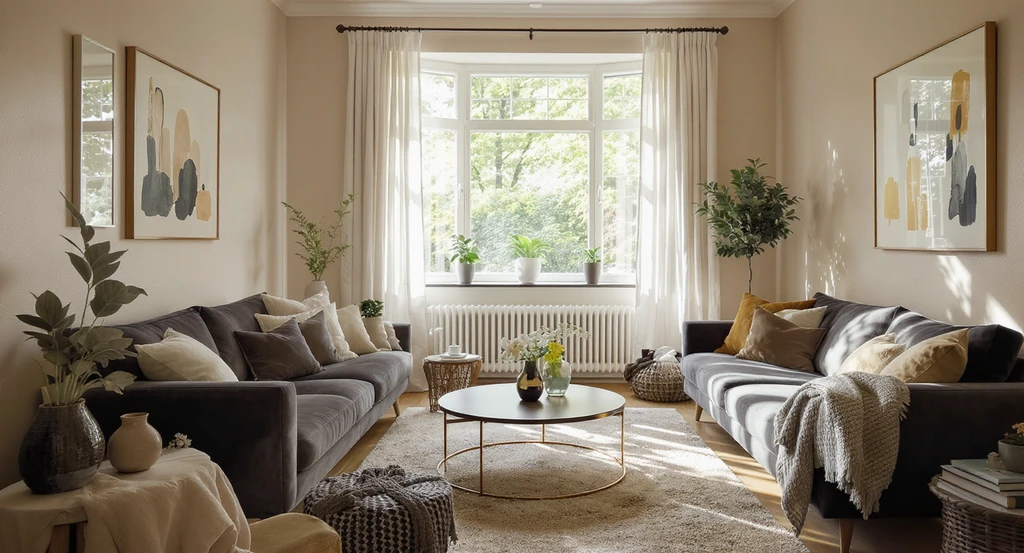
Visualizing millennial interior design in small spaces with adaptable storage—see how tools for visualizing warm minimalism style help overcome the home decor visualization gap.
Real millennial homes are often modest in footprint but rich in personality and function. Key layout logic:
- Multi-function Furniture: Opt for sofas with hidden storage, pop-up tables, or fold-away desks. These pieces keep clutter ‘gentle’, visible but controlled.
- Vertical Storage: Use wall-mounted shelves above eye level to keep surfaces tidy and make rooms feel taller. Avoid overloading shelves; leave 25–30% open for visual breathing room.
- Personal Quirk Quotient: Integrate one or two ‘signature’ elements, vintage art, a favorite tapestry, a bold chair.
-
Personalized Color and Dopamine Decor, Without Chaos
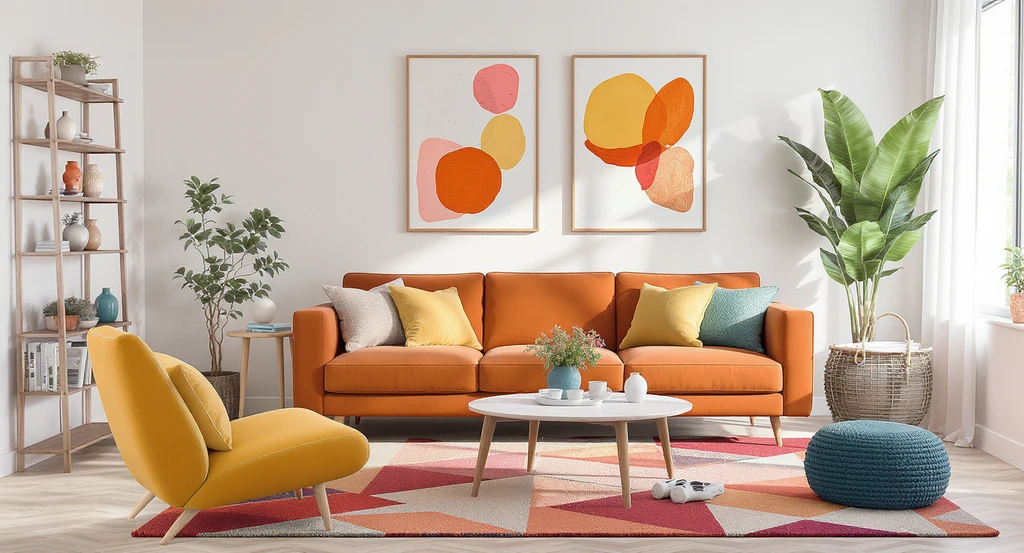
Personalized Color and Dopamine Decor, Without Chaos Image
After establishing a warm neutral base, introduce color pops for energy: deep blue cushions, a mustard throw, or a gallery wall of framed art. Color should never overwhelm base tones, but accentuate them. This is part of the ‘dopamine décor’ movement, where joy and comfort are prioritized, as detailed in our article on dopamine decor and cozy color psychology.
For texture, explore wallpapered ceilings, boucle cushions, or tactile ceramics. Layering plant life in corners or on shelves is another way to visualize and balance the space, keeping it from drifting into clutter core. -
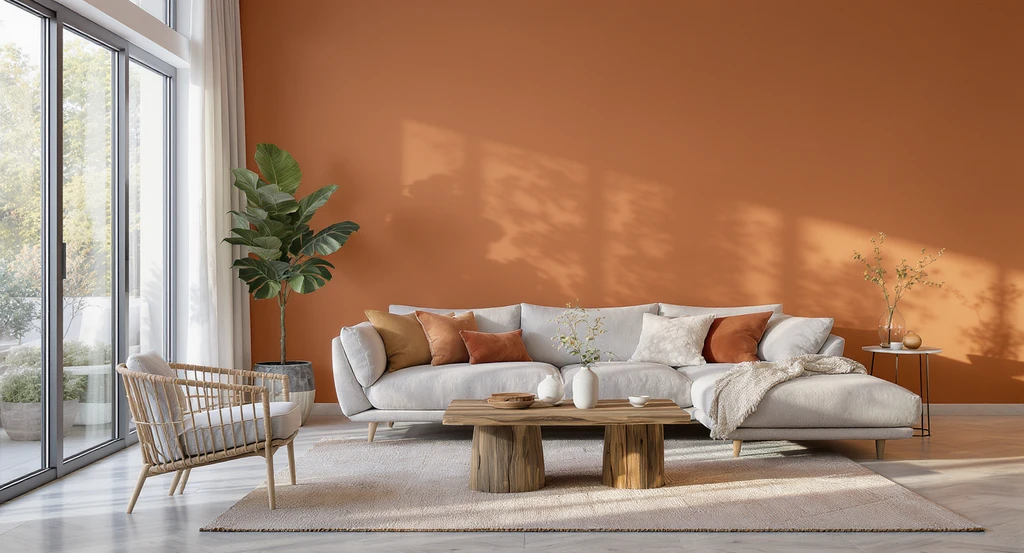
Sustainability as the New Default: Buying Slow and Smart
Sustainability as the New Default: Buying Slow and Smart Image
Millennial homes are less about instant makeovers and more about ‘slow decorating’: sourcing second-hand, restoring vintage, and mixing old with new. Key logic:
- Prioritize quality over matching, mix antique woods with new linen covers, cane with steel.
- Choose eco-friendly paints and low-VOC materials for walls and finishes.
- Embrace imperfections, scuffs, patina, and varied finishes tell your space’s story.
-
Visualization Tools: Avoiding the “Gap” Before Re-Design

Visualization Tools: Avoiding the “Gap” Before Re-Design Image
The biggest pitfall is buying before previewing. Use a home visualization app or platform, such as REimagineHome AI—to upload photos, swap color palettes, test lighting changes, and add layered décor digitally.
This avoids scale errors (too big sofas in tiny rooms), color mismatches (a rug that glows purple at night), or accidental style collisions. The ability to see material combinations, placement, and traffic flow before committing can save time, money, and disappointment. Even a quick mockup can clarify how ‘gentle clutter’ versus blank minimalism will look in your own unique context. -
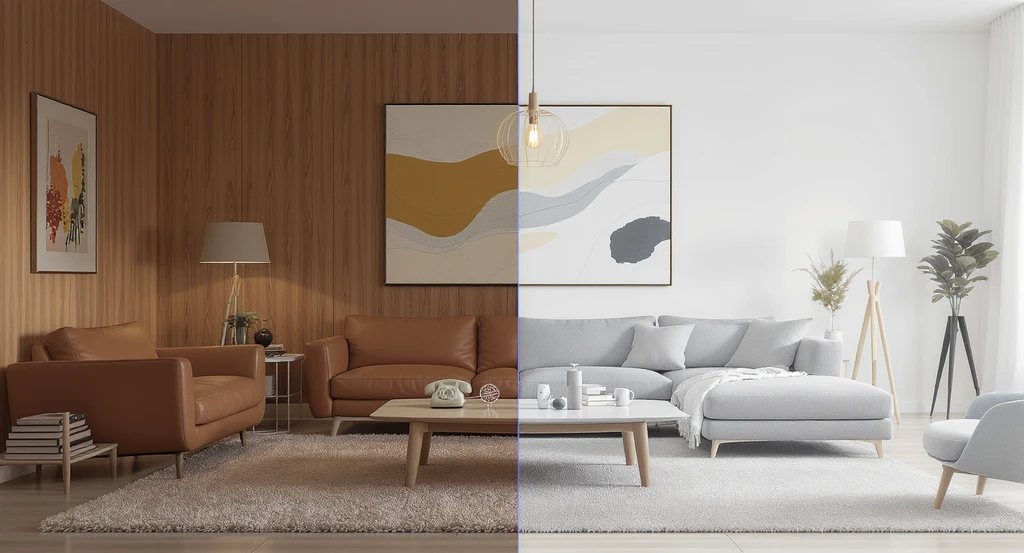
Then vs. Now: A Quick Comparison Table
Then vs. Now: A Quick Comparison Table Image
Feature 2010s–Early 2020s 2025–2026 (Actual Millennial) Color Palette "Millennial Gray", White, Beige Greige, Sage, Terracotta, Chocolate Brown Furniture Sleek, Minimalist, Low-profile Curved, Sculptural, Comfortable Atmosphere Showroom Perfect Lived-in & Cozy Decor Clutter-free Gentle Clutter (Curated) Materials Engineered, Synthetic Raw Wood, Stone, Linen
Visualization Scenario
Imagine photographing your living room on your phone, uploading it to REimagineHome AI, and dropping in a new sage-green wall, curved sofa, thrifted coffee table, and a tapestry. You swap a cold gray for cream. Immediately, you see the space brighten, the sofa match the scale, and personal objects balance, before moving a single piece or making a purchase.
Millennial Interior Design Visualization: FAQ
Keep to a display rule of 3–5 objects per surface, and use closed storage for items you don’t want to show. Leave about one-third of surfaces clear for balance.
What’s the easiest way to preview new paint colors before committing?
Take a daylight photo and use a visualization app to overlay swatches. Check colors at different times of day, as sunlight changes warm hues significantly.
Can I blend vintage and modern without things feeling mismatched?
Yes—anchor the room with one main neutral palette and repeat one texture in more than one spot (e.g., wood legs on chairs and a lamp base). Preview layouts digitally for extra confidence.
What’s the best layout principle for small spaces?
Allow for clear walkways (32–36"), cluster furniture for conversation, and use vertical storage. Visualize furniture arrangement before you buy, focusing on clearance.
How can REimagineHome AI specifically help?
REimagineHome AI lets you overlay furniture, paint, and décor, check lighting impacts, and fine-tune layouts—all on your own room’s image. This avoids expensive trial and error by giving a clear preview first.
Key Takeaways: Visualizing the New Millennial Home, Before You Change
Millennial interiors have moved beyond cold minimalism. Today, a balanced, curated approach, warm minimalism with layers of personal history across objects, colors, and textures, defines the real 2025 home. The most common layout mistakes involve ignoring scale, relying on catalog images alone, or waiting until too late to visualize changes. Use practical tools, from quick color audits to AI-powered room mockups, to preview (and tweak) your next phase. The difference is clarity, comfort, and a space that actually reflects you.