How to Choose Safe, Comfortable Interim Housing After a Fire: Practical Steps and Common Mistakes to Avoid
TL;DR
This guide isn’t about decorating a temporary apartment, it’s about avoiding new risks, costs, and regret while you wait to go home. Prioritize air quality, insurance logic, and functional layout before you focus on appearance. With simple checks and smart planning, you can make even an interim rental feel safe and livable, not stressful or temporary.
Why Safety and Practical Comfort Matter Most
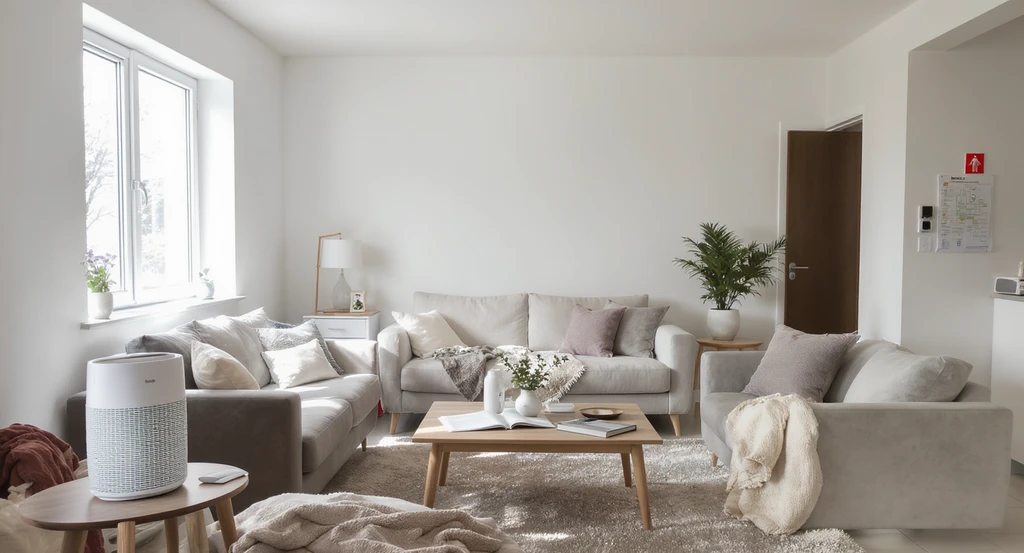
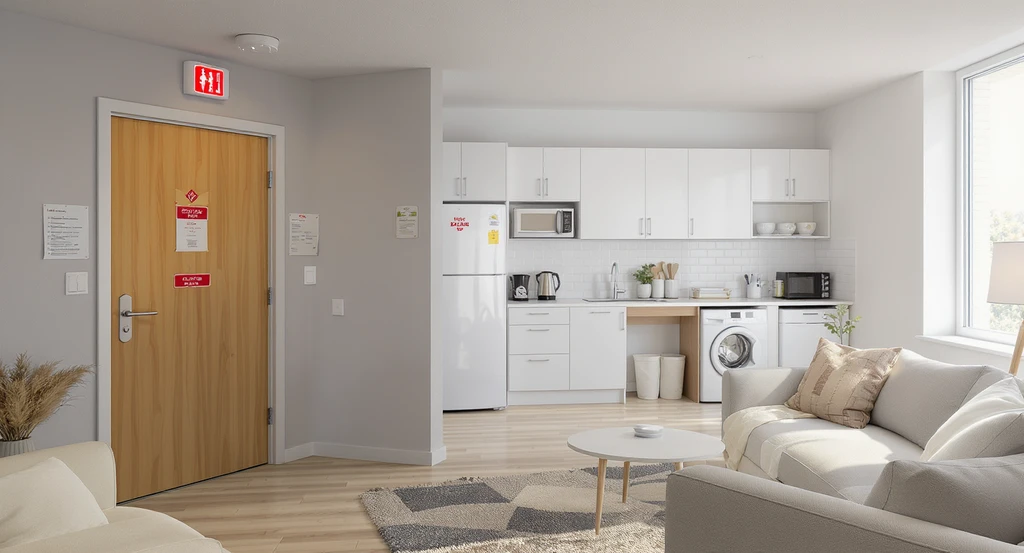
A realistic, decision-focused interim apartment setup highlights how to choose safe temporary housing after fire—showcasing practical checklist steps, visible safety devices, and ways to avoid common mistakes when evaluating emergency rentals and post-fire relocation options.
After a fire, finding a place to live fast is stressful. But settling into safe, comfortable interim housing is about much more than looks. This guide isn’t about decorating a temporary apartment, it’s about avoiding new risks, costs, and regret while you wait to go home.
Air quality, structural safety, insurance protection, and how you set up the space all directly affect your daily well-being and long-term recovery. Overlooking these factors can add avoidable stress, physically, financially, and mentally. This article explains step-by-step what to check, what to avoid, and how to create a rental or temporary unit that actually meets your needs, not just your timeline.
-
Assess Safety First: Don't Rush the Lease
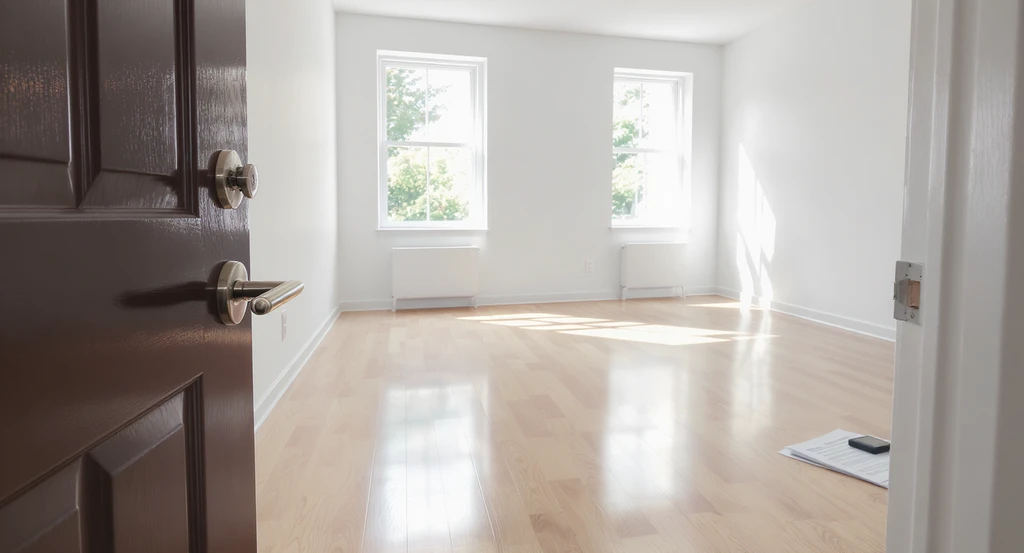
When choosing safe temporary housing after a fire, always inspect for clean air, strong locks, and clear documentation—essential steps in the practical checklist for evaluating emergency apartments and avoiding common mistakes in interim rentals.
The Core Issue: In the rush to settle quickly after a fire, many people choose interim housing or a short-term rental without checking for air quality, security, or basic repairs. It's common to move in only to realize there’s lingering dust, inadequate locks, or even temporary construction hazards.
Why It Happens: Stress, urgency, and visual comfort can distract from safety logic. But issues like poor air quality and weak door locks turn small problems into long-term risks.
Practical Correction: Before signing, inspect for:- Clean, dust-free air (smell, ventilation, absence of visible debris)
- Working window and door locks (test each—don’t assume)
- Repaired structural areas, especially if near construction zones
If within an active repair site, confirm cleaning protocols and ask property management for a recent inspection report. Remember, insurers may require photos or documentation of unit condition at move-in, provide clear, dated images to your provider as a best practice.
Why this matters is simple: ongoing noise, dust, or structural issues become daily stressors. A short lease doesn't justify cutting corners on your health and safety.
Expert Insight
When a client had to relocate on short notice after a fire, she measured her furniture and planned layouts digitally before moving. This approach let her avoid both blocked walkways and the urge for wasteful purchases, a calm, logic-driven move proved far less stressful than last-minute improvisation.
-
Insurance Workflow: Avoid Costly Documentation Gaps
Insurance Workflow: Avoid Costly Documentation Gaps Image
Common Mistake: Many people wrongly assume that insurance will automatically cover all temporary lodging or replacement costs. But gaps in documentation or late notifications often lead to denied claims and major out-of-pocket expenses.
Action Steps:- Contact your insurer before signing any lease.
- Get all covered expenses (move, rent, cleaning, storage) confirmed in writing.
- Take full photos of the apartment before move-in; date each image for your records.
- Save every receipt, document, and email in a dedicated digital folder or app.
Why It Matters: Most insurers require this logic as a practical standard, not just a formality. These steps not only protect your finances, they also speed up reimbursement and reduce stress during already difficult transitions.
For more, see our breakdown on renter insurance logic and spending priorities in this guide to furnishing rentals. -
Evaluate Layout, Circulation, and Scale Before You Move
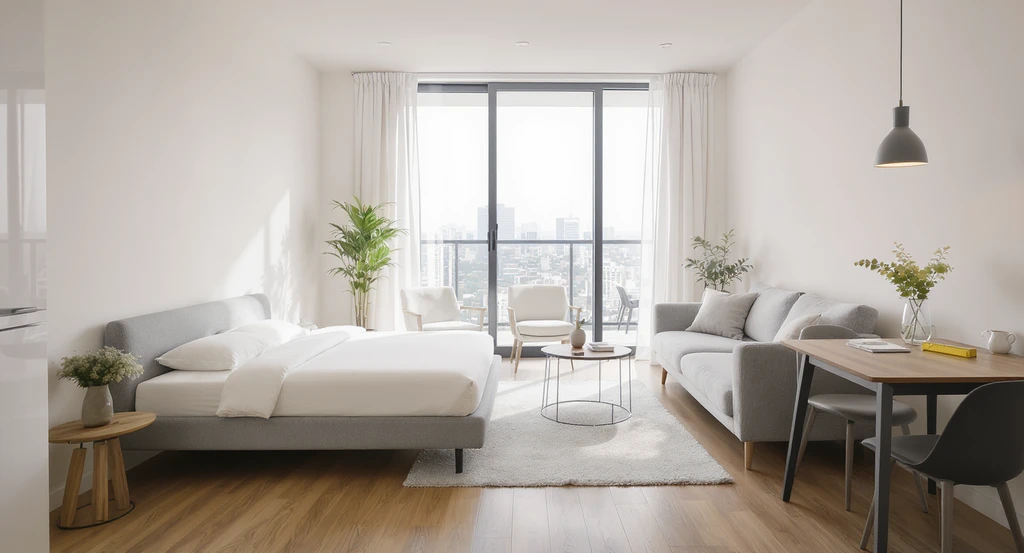
See exactly how to choose safe temporary housing after fire—avoid common mistakes in interim rentals by prioritizing layout, circulation, and scale. A practical checklist for evaluating emergency apartments: measure spaces, prioritize essentials, and ensure open, accessible walkways for safety and comfort.
The Core Issue: Moving from a larger home into interim housing often creates crowding and awkward layout issues. Oversized furniture or poor placement can block natural light, walking paths, or even exits, reducing both comfort and safety.
Why It Happens: It's an understandable mistake: you bring what you own, and fit as much as possible. But this often leads to poor flow, dangerous blockages, and rooms that feel even smaller than they really are.
Practical Correction:- Measure both new unit dimensions and your existing furniture before move-in
- Prioritize beds, key seating, tables, and essential lighting
- Store, lend, or temporarily part with non-essential or overlarge pieces
- Maintain 28–32 inches of clear walkway between major items (minimum egress clearance is a safety best-practice in rental standards)
Visual Reasoning: Look for unblocked window access and natural sightlines. Modular, open-base furniture optimizes a sense of space. According to our in-depth layout room-by-room guide, these principles improve both comfort and movement, even in the smallest rentals.
Visualization tools can help you test different furniture settings before the labor of moving or buying. For more principles, see our article on layout and sofa scale. -
Air Quality, Lighting, and Noise Control: Safeguard Your Wellbeing
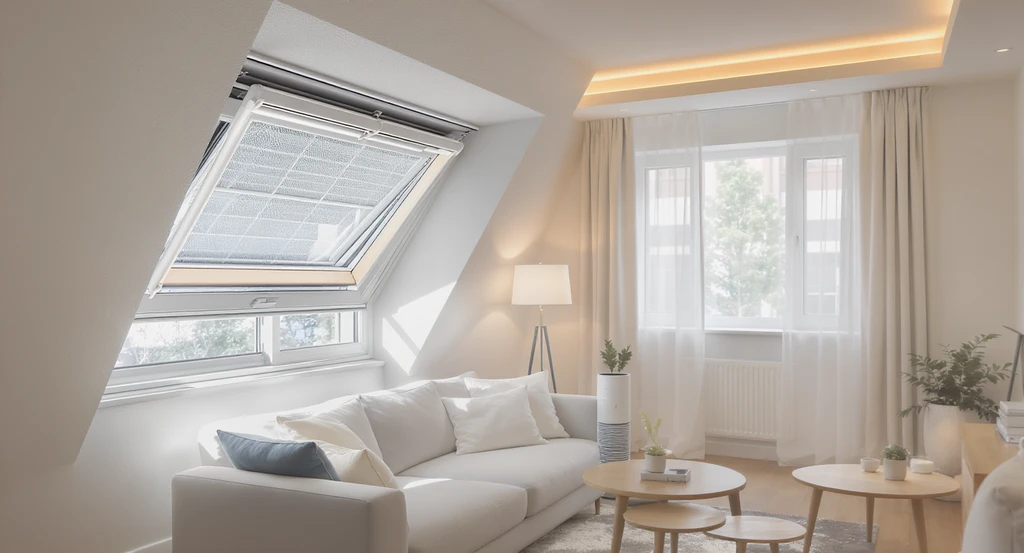
Practical checklist for evaluating emergency apartments: clean HVAC filters, fresh window tracks, open windows, layered lighting, and noise control—essential for how to choose safe temporary housing after fire and avoid common mistakes in interim rentals.
Problem: Interim apartments, especially near renovations or fire restoration, carry hidden risks: airborne particles, lingering odors, and construction noise all impact daily comfort and health.
Checklist for Move-In Readiness:- Request fresh HVAC filter installation before key handover
- Visually inspect and clean vent registers and window tracks
- Open windows for initial airing out, unless advised against due to environmental risk
- Layer lighting: combine ceiling fixtures, portable lamps, and curtains for flexible use
- Test for persistent construction or traffic noise at different times of day
- Identify sources of potential allergens or irritants
Even small apartment upgrades make a big difference. For practical, non-permanent light and air improvements, visit our tips in this small-apartment guide.
-
Documentation and Insurance: Simple Recordkeeping Pays Off
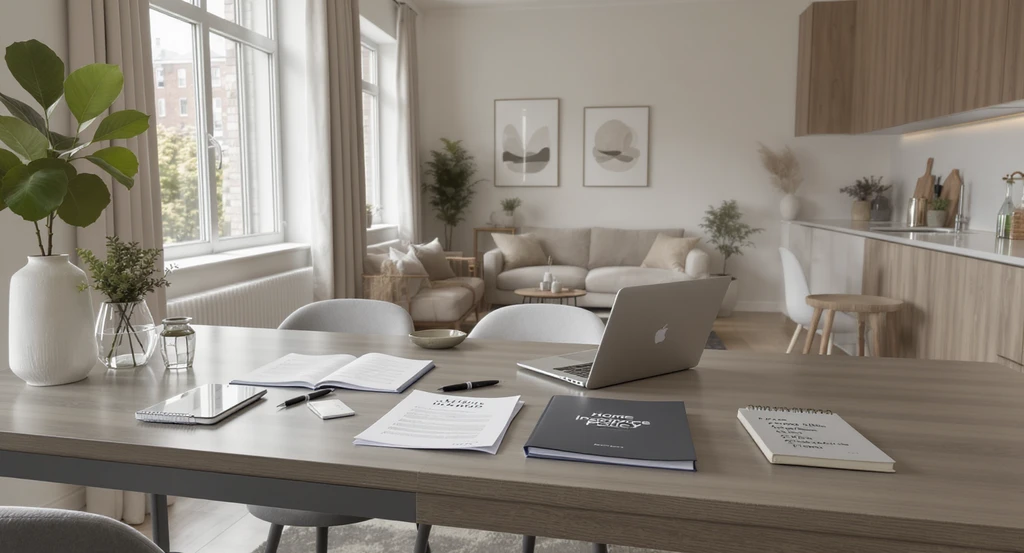
Documentation and Insurance: Simple Recordkeeping Pays Off Image
Key Rule: For every moving, storage, or rental expense, document it. Photograph the space at move-in, note any pre-existing issues, and store all images and receipts in a single digital folder (cloud or app recommended for backup).
Why It Matters: Insurers and some landlords will ask for clear, dated proof if there are future disputes or claims. The extra time spent organizing means faster reimbursement and less frustration. For more organizational strategies, check our resource on budget-friendly design and planning. -
What Most People Regret: Learn From Frequent Mistakes
What Most People Regret: Learn From Frequent Mistakes Image
- Buying oversized or permanent furniture for a short stay
- Failing to check air quality or vent cleanliness
- Not keeping receipts or dated photos for claims
- Making permanent modifications and risking security deposit
Reference these regrets before committing to anything not essential, portable, or resellable.
-
Flexible Comfort: The 18-Month Rule & Renter-Friendly Upgrades
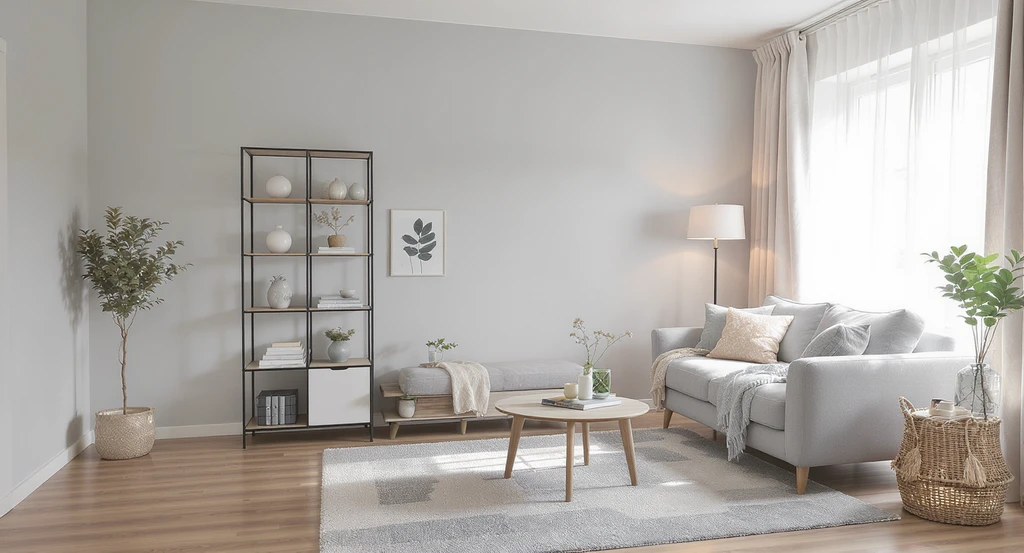
Smart, renter-friendly upgrades like peel-and-stick wallpaper and portable lamps minimize risk and maximize comfort in interim rentals—crucial tips for how to choose safe temporary housing after fire and avoid costly, common mistakes.
The Core Issue: It’s tempting to over-buy furnishings for a temporary unit, hoping to ‘fix’ its feel. But overinvestment and permanent changes can cost both money and mobility.
The 18-Month Rule: Only buy furniture or décor if you’ll use it for at least a year, or if it’s modular, portable, or simple to resell.
Example: If you’re buying a sofa for a 4-month stay and can’t easily resell it, skip it. But if you invest in a good floor lamp you’ll use again elsewhere, it passes the test.
Renter-friendly upgrades, like peel-and-stick wallpaper, mobile shelving, layered textiles, or freestanding lamps, provide comfort and control with zero risk to your deposit. For workflow details, see our full rental buying guide and the actionable approach to DIY in our small-apartment resource. -
Visualization Tools: See It Before You Decide
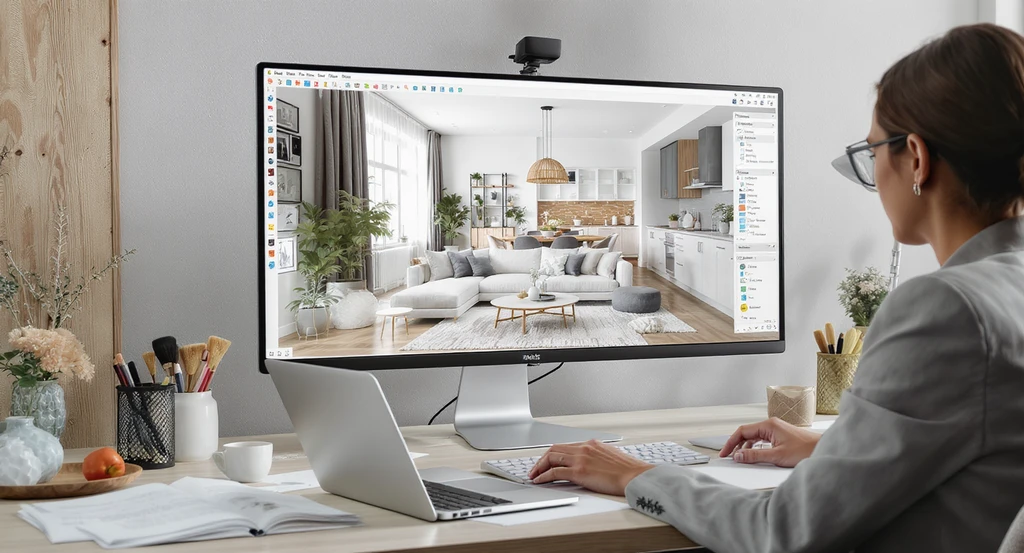
Visualization Tools: See It Before You Decide Image
To prevent costly layout and furniture scale errors, use visualization tools before confirming your move-in plan. Upload room measurements and furniture dimensions to preview how key items (sofa, bed, table) fit and flow.
Seeing a digital layout means you won’t accidentally block exit routes, cover windows, or overfill your space. These insights help you avoid both functional and aesthetic mistakes.
Optional brands like REimagineHome AI empower you to make these changes virtually, so your post-crisis move is logical and regret-free.
Visualization Scenario
Imagine uploading the new apartment dimensions and your essential furniture into a visual planning app. Within minutes, you see the best configuration, ensuring walkways stay open, windows remain accessible, and nothing feels crowded. This foresight means fewer headaches and a much faster sense of homecoming.
Common Questions About Safer Temporary Housing After a Fire
- How do I quickly make an interim apartment feel livable?
- Start with portable décor, familiar textiles, and proper furniture placement. Focus first on core comfort—bed, lighting, warmth—and layer in renter-friendly personal touches. See our furnishing advice for renters for practical tips.
- What are must-check safety issues in a temporary unit after fire damage?
- Verify air quality (smells, HVAC, vent dust), working locks and windows, and clear escape routes. Ask for inspection records if in a building with recent repairs or ongoing construction.
- Should I buy or rent furniture for a short stay?
- Only purchase what is modular, resellable, or useful long-term (ideally 12–18 months+). For shorter stays, rent or borrow to avoid waste. See our in-depth guidance in the smart furniture buying guide.
- What documentation helps with insurance claims?
- Keep clear, dated photos of move-in and move-out conditions; organize all receipts (physical or digital) for expenses. A dedicated cloud folder or email label speeds up claims and keeps records at hand.
Clarity and Comfort: The Logic of a Good Interim Home
Every decision in post-fire relocation should support both your safety and your sense of stability. Prioritize air quality, functional layout, complete insurance documentation, and budget-friendly renter upgrades before you move or buy anything. Remember, visualization and planning reduce risk and cost.
A temporary home doesn’t have to feel temporary in your body, only on paper. With the right checks and adjustment, your short-term rental can genuinely meet your needs as you rebuild and recover.