What Is My Interior Design Style Called? A Practical Guide and How AI Can Help You Identify It
TL;DR
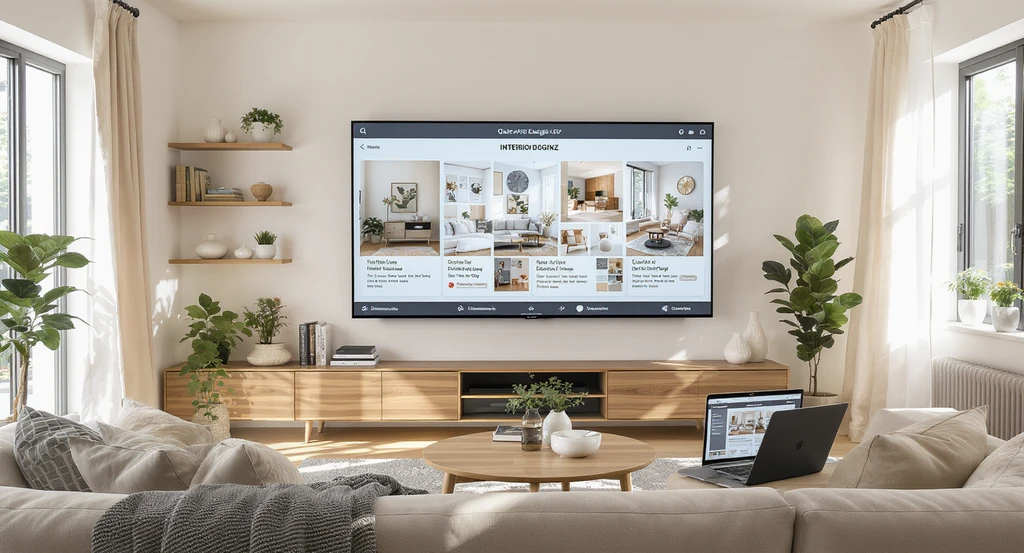
Most homes blend more than one interior design style, and that’s perfectly normal. To confidently identify your own, look at your colors, shapes, and materials, and use frameworks like the 70/30 Rule to build a personalized mix. AI-driven visual tools such as REimagineHome AI let you test style directions before making changes, reducing regret and costly re-dos.
Why Style Labels Matter, And Why They Sometimes Don’t
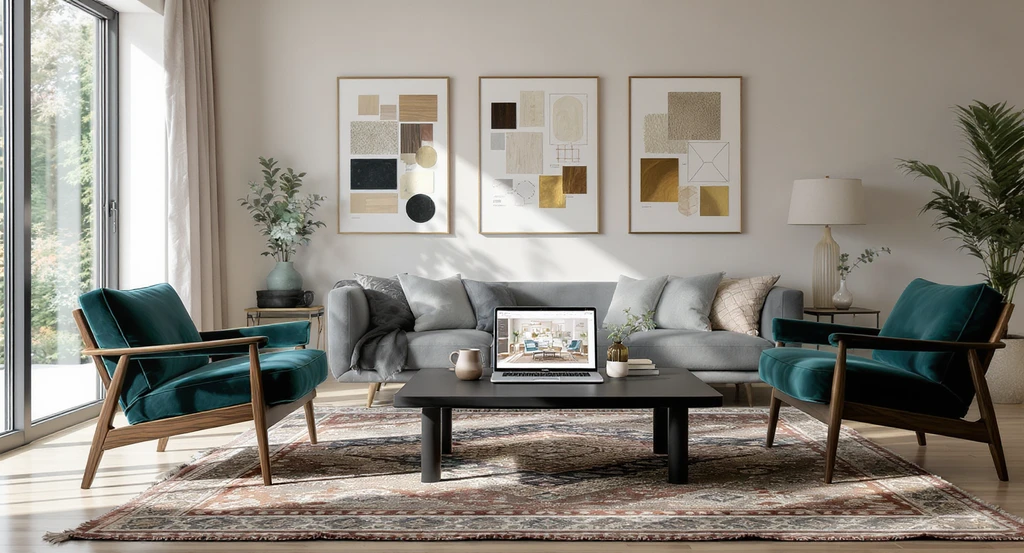
See how a real living space combines interior design styles using ai—mood boards and a virtual ai home design visualization tool help answer 'what is my interior design style called' with personalized insights.
When you search “What is my interior design style called?” you’re not alone. Many homeowners and renters find themselves drawn to certain colors, materials, or layouts, but struggle to name their exact decor style. The reality is, interior design styles exist on a spectrum. Most spaces combine influences, think mid-century furniture with a bohemian rug, or modern lighting with traditional touches. Labeling your style can help you communicate with designers, shop wisely, and avoid costly mismatches. But obsessing over a precise name is less important than understanding the elements you love, why they work together, and how to apply them with intention. This guide breaks down core style categories, shows you how to analyze your space, and explains how tools like AI-powered visualizers make this process clearer and less stressful.
-
The Core Issue: Why Is It So Hard to Name My Decor Style?
The Core Issue: Why Is It So Hard to Name My Decor Style? Image
Most people collect furniture and decor over time, resulting in a space that feels layered or sometimes mismatched. Unlike fashion trends with clear cycles, design is more gradual, and you may like aspects of several styles. The confusion comes from not recognizing the dominant themes and struggling to see a clear pattern in your choices. Many also worry about mixing styles incorrectly or picking features that date quickly. According to our guide on micro-trends, chasing trends without understanding your own core style can make a home feel temporary or disconnected.
Expert Insight
One client believed her home was “maximalist” because she loved decor, but it actually leaned toward whimsical boho with mid-century moments. By grouping her collectibles, paring down clashing colors, and visualizing options in an AI tool, her space lost its clutter and gained a clear, joyful identity, without sacrificing her personality.
-
Why This Happens: The Overlap of Styles and the Personal Mix
Why This Happens: The Overlap of Styles and the Personal Mix Image
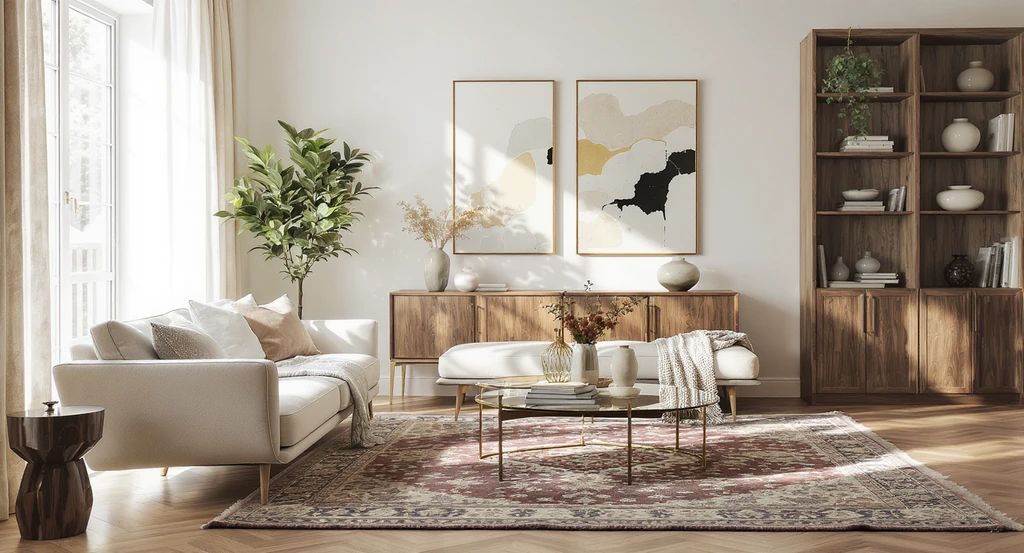
Most interior design falls into broad categories, modern, traditional, bohemian, industrial, minimal, Japandi, and so on. But real homes rarely fit into one box. Maybe you have a farmhouse table, mid-century armchair, industrial lamp, and a boho throw all in the same room. This reflects your personality, but without a framework, it can feel random. Online forums and quizzes often simplify or invent new style names - like 'fairycore', 'whimsical maximalism', or 'cottagecore', and while fun, these aren’t always useful for making design decisions. The real challenge is learning how to name and balance your main influences.
-
A Simple System: The 70/30 Rule for Hybrid Styles
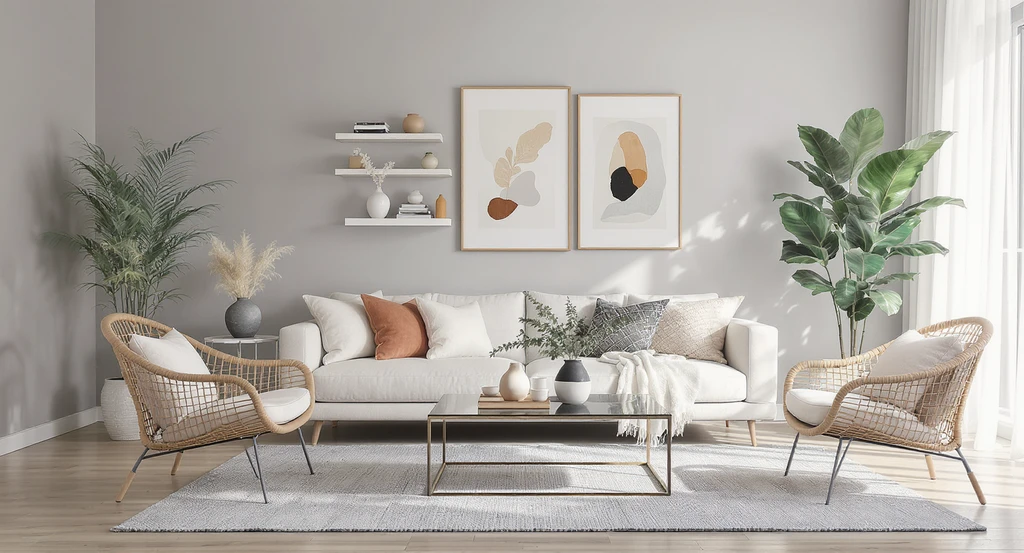
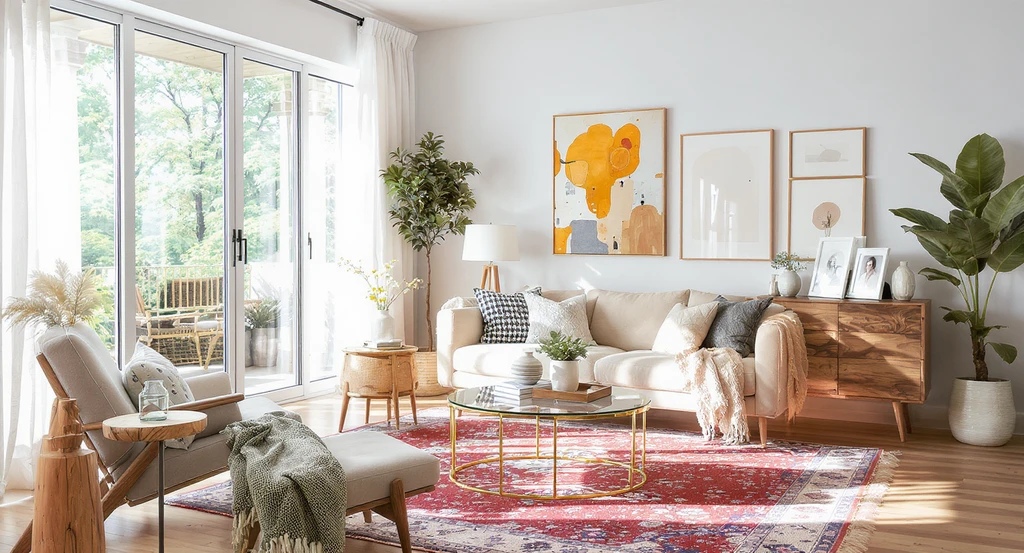
A photorealistic living room illustrates the 70/30 rule for combining interior design styles, balancing modern and boho elements. Explore this blend using an ai interior design style quiz, how to identify my decor style with ai, and virtual ai home design visualization tools.
To bring clarity, use the 70/30 Rule: make 70% of your space reflect one primary design style, and use 30% for accent or secondary styles. For example, if most of your room has clean lines and neutral colors (modern), but you add rattan chairs and layered textiles (boho), your look becomes a modern-boho hybrid. The 70/30 mix provides balance and prevents clashing or visual chaos. Start by identifying: which pieces dominate the space in color, scale, and material? Which elements add contrast or personality? This method helps keep the design intentional, even if eclectic.
-
Identifying Your Style: A Step-By-Step Evaluation
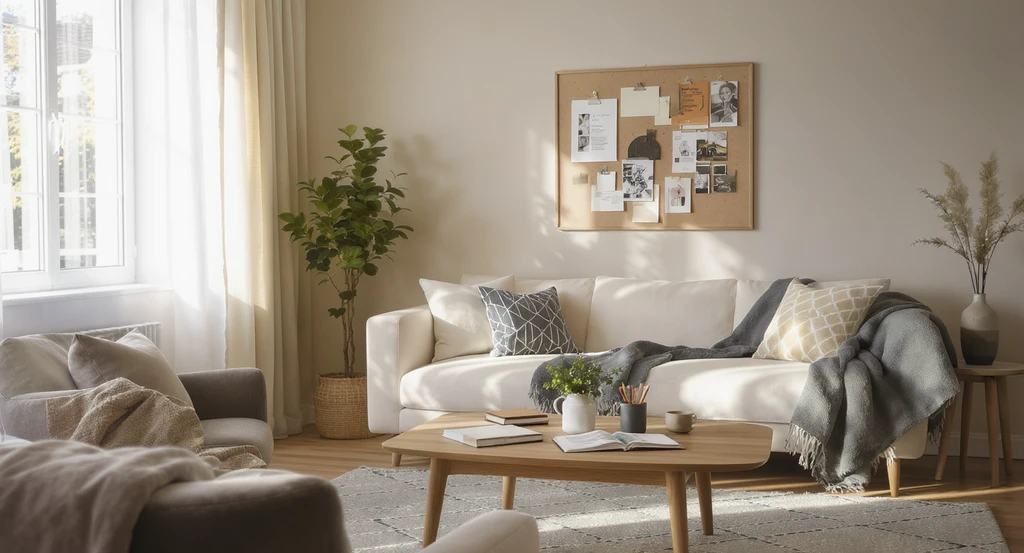
Identifying Your Style: A Step-By-Step Evaluation Image
- Inventory your space: List the dominant colors, main furniture shapes, and most-used materials (e.g., velvet, wood, metal, rattan).
- Spot your patterns: Are there repeated visual motifs—geometric shapes, florals, exposed brick, ornate trims?
- Compare to style characteristics: See which core categories these elements align with (see below for a breakdown).
- Notice the "outliers": What doesn’t fit? Are these items focal points, or do they disrupt the room?
-
Overview: The Most Common Interior Design Styles (and Real-World Hybrids)
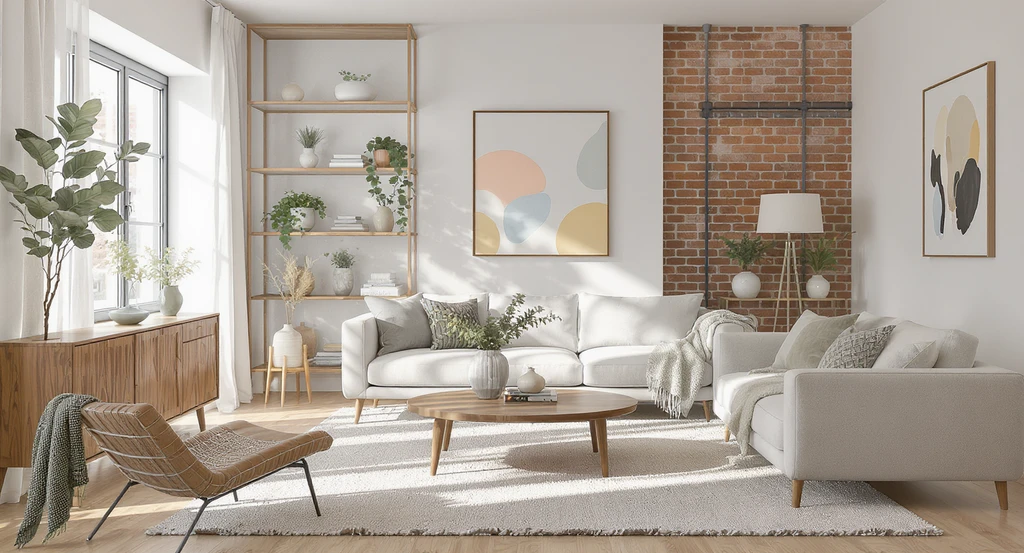
Editorial image of a living room divided into sections that visually combine modern, bohemian, industrial, japandi, and traditional styles—demonstrating how a virtual ai home design visualization tool helps identify and blend styles using an ai interior design style quiz.
- Modern & Minimalist: Clean lines, uncluttered layouts, neutral and monochrome palettes, focus on purpose.
- Mid-Century Modern: Curved shapes, natural (wood/metal) and man-made materials, low furniture, retro colors.
- Bohemian: Mixed textiles, vibrant or earthy colors, global patterns, plants, layered and cozy.
- Industrial: Exposed brick, pipes, raw wood, metal, loft vibes, practical layouts.
- Traditional: Symmetry, ornate details, rich textiles (velvet, silk), antique or reproduction pieces.
- Japandi/Scandinavian: Minimal but warm, natural materials, calming palettes, emphasis on light and negative space.
-
Common Mistakes: Inconsistent Mixes and Losing Visual Balance
Common Mistakes: Inconsistent Mixes and Losing Visual Balance Image
- Mixing too many statements: Maximalism doesn’t mean everything has to be a focal point. Too many strong colors and patterns can overwhelm a space.
- Ignoring scale: Oversized sofas in a small room, or tiny accents on large walls, disrupt balance. Always check the size relationship of major pieces.
- Neglecting function: It’s easy to prioritize style over usability. Uncomfortable chairs, impractical rug sizes, or poor lighting can ruin a beautiful idea.
- Following fleeting micro-trends: Decorating with the latest online trends without considering longevity or integration into your main style. Learn more about avoiding microtrend mistakes.
-
Practical Correction: Realigning Your Style for Clarity
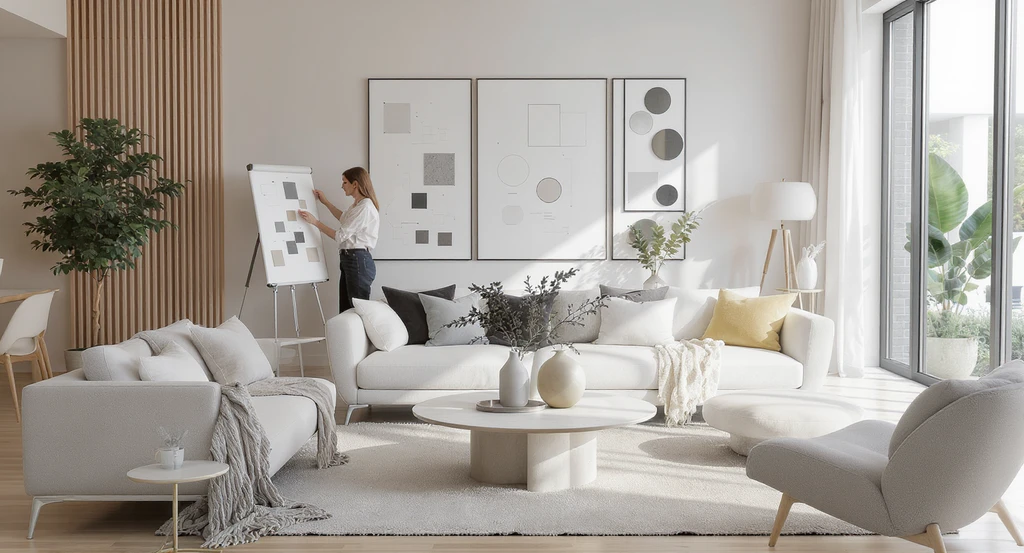
Practical Correction: Realigning Your Style for Clarity Image
- Edit down: Remove decor or furniture that clashes with your primary style.
- Group visually similar items: Cluster accents that align with your secondary style, rather than scattering them.
- Adjust scale for balance: For small rooms, limit oversized pieces to one or two. For larger spaces, anchor with bigger furniture to avoid a scattered look.
- Test virtually: Use a virtual design tool to preview blends before investing.
-
Visual Reasoning: How Proportion, Light, and Placement Define Your Look
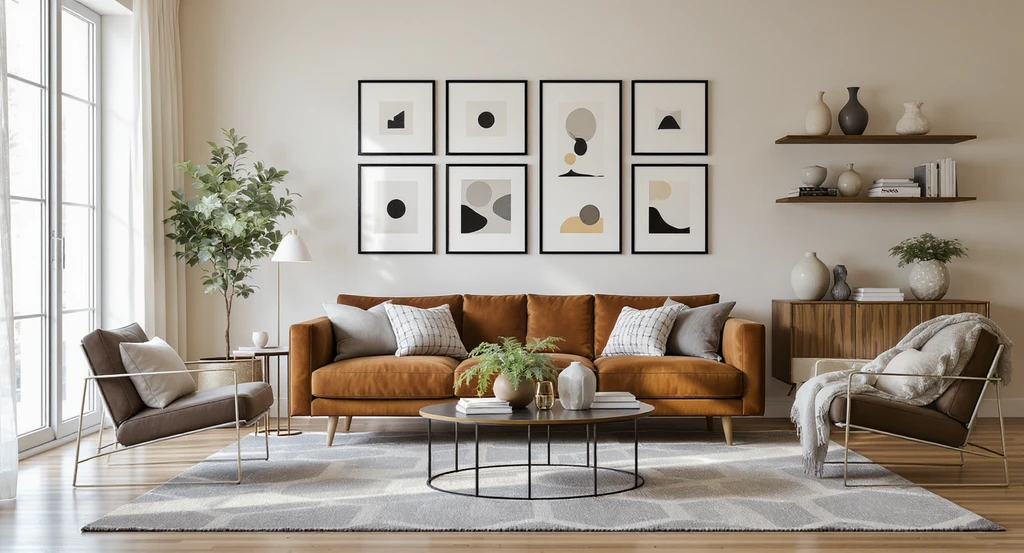
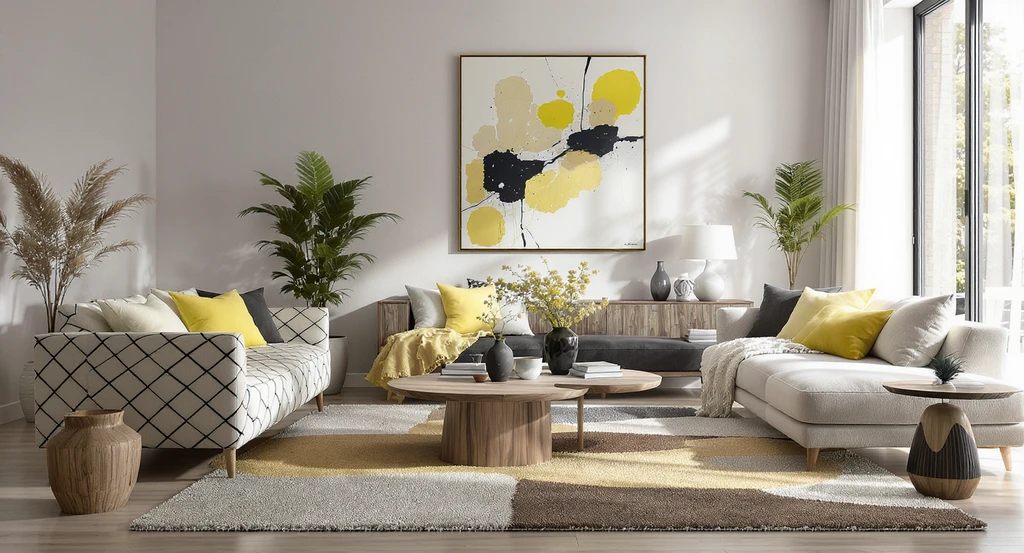
A bright, proportional living room demonstrates how ai interior design style quiz and virtual ai home design visualization tools help combine interior design styles using ai. Careful lighting, placement, and balance reveal how to identify my decor style with ai for cohesive, personalized spaces.
Any successful style blend relies on spatial harmony:
- Proportion: Match the scale of furniture to the room size. Too-small art on a large wall or huge sofas in tight quarters will always look off.
- Lighting: Natural light brings out the warmth of natural materials and clarifies color contrasts. Dark rooms benefit from lighter walls and reflective surfaces to avoid a gloomy feel.
- Placement: Visually "anchor" your largest pieces and use groupings of objects for rhythm and intentional clutter, rather than scatter.
-
REimagineHome AI: Visualize and Refine Before You Decide
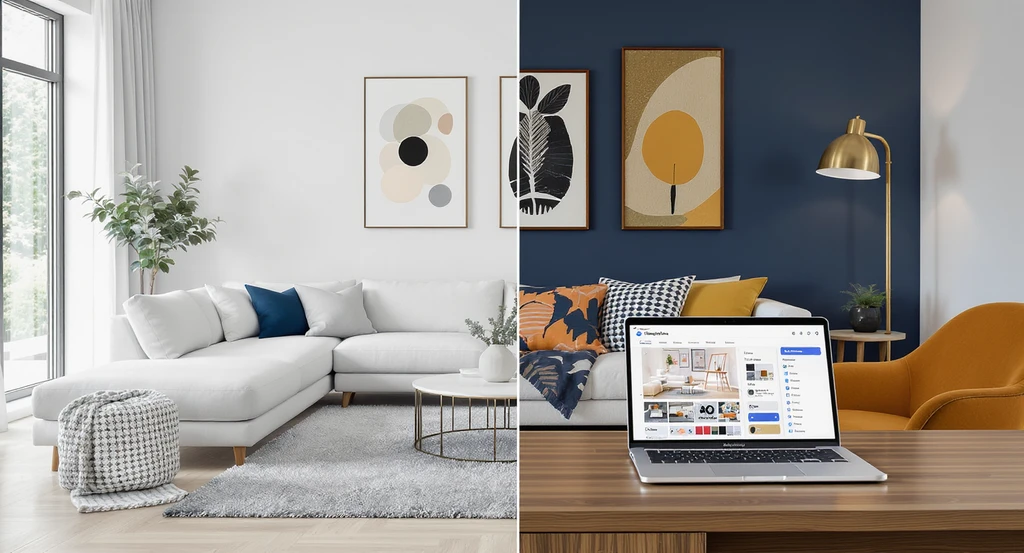
Virtual ai home design visualization tools like REimagineHome AI help you identify and combine interior design styles, previewing your decor style preferences with an ai interior design style quiz before making changes.
If you’re struggling to see how your preferred style blend comes together—especially when you want to avoid costly mistakes or trend regrets—AI-powered visualization tools are invaluable. REimagineHome AI lets you upload a photo of your space and preview it in different styles or hybrid combinations instantly. This supports better decisions by showing scaling, lighting, and material changes before purchase. It also gives you confidence in layering trends, as detailed in our 2025 trends breakdown.
Visualization Scenario
Imagine uploading a photo of your living room to REimagineHome AI and instantly previewing it as a modern-japandi blend, then swapping in boho touches. You notice how the textures play off each other and which colors overpower the rest, well before you buy a single pillow or paint a wall. This clarity makes experimenting low-risk and fun.
Frequently Asked Questions
- How do I start identifying my style if my room feels random?
- Begin by listing your dominant colors, textures, and finishes. Match these with a core style group, then use the 70/30 Rule to balance accent items. Removing or grouping decor by similarity often reveals a clearer style direction.
- Can I blend more than two styles in one room?
- You can, but stick to one main style as 70% of your design and allow one or two accent influences. More than this can break visual cohesion, especially in smaller spaces. Always check the proportional weight of statements versus neutrals.
- What if my favorite style isn’t “in” right now?
- Trends change fast, but your taste is personal. Anchor your big pieces in core styles you love and use trend colors or textiles as accents. For more on navigating trends, see our guide to 2025 interior design trends.
- How does an AI style quiz compare to working with a designer?
- AI quizzes and visualization tools offer quick, low-cost insights and let you preview styles virtually. A designer provides tailored spatial solutions, but AI tools like REimagineHome AI are excellent for testing and naming your core look before consulting a professional.
Key Takeaways
Your interior design style is unique to you, often a hybrid shaped by what you own, use, and enjoy. Instead of chasing a perfect label, use the 70/30 Rule and focus on visual balance, proportion, and material repetition. Leverage AI visualization to resolve design doubts and avoid regrets. For more guidance on creating spaces with lasting appeal, visit our recommended style guides.