The Essential First-To-Do List for New Homeowners (And Common Mistakes to Avoid)
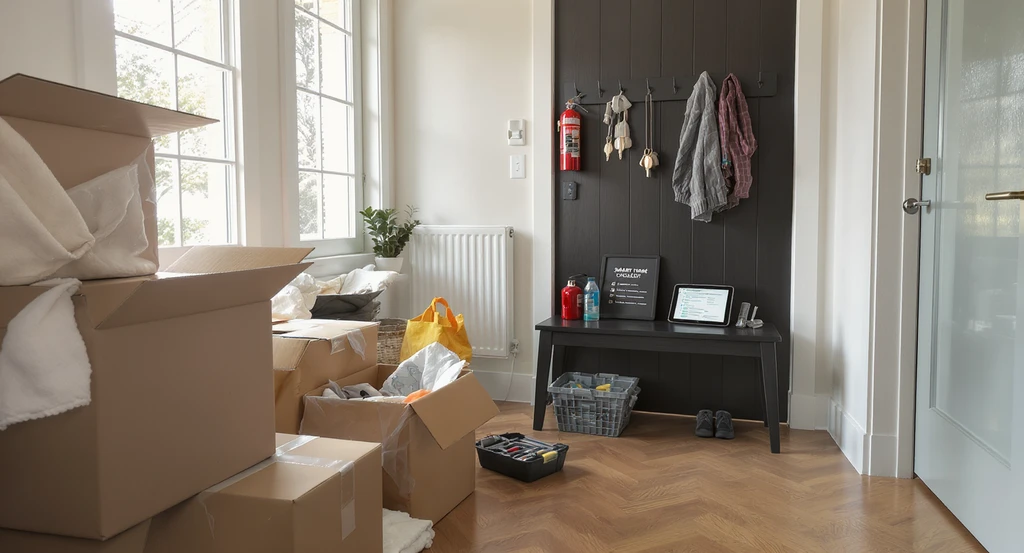
TL;DR
- Change all locks, find emergency shut-offs, and confirm safety devices on day one.
- Centralize documents, create a maintenance fund, and review your inspection report in week one.
- Use AI visualization to preview layout, color, and furniture decisions before buying or redesigning.
Your First Night, And First Steps as a Homeowner
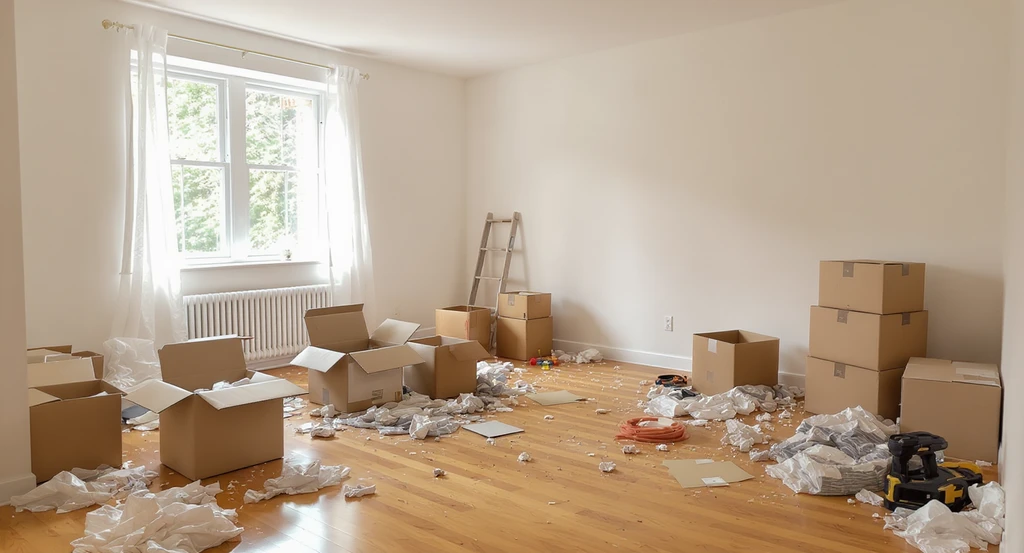
Start your homeownership journey right: use an AI-powered home design checklist, smart security tools, and virtual staging AI to plan, set up, and avoid costly mistakes as a new homeowner.
It’s your first night in the new house, boxes everywhere, exhaustion in every muscle, and a wave of excitement mixed with anxiety. Pause for a moment. Before you dive into decorating or furniture shopping, there’s a smarter path: start with the essentials that will keep you safe, organized, and ready for any surprise.
Setting up your home isn’t just about style; it’s about building a solid foundation. Most home inspectors recommend a clear, step-by-step approach: address security, safety, and basic maintenance before you even think about paint colors or a new sofa. This checklist will guide you through what matters most, when to do it, and how tools like AI visualization and practical systems can help you avoid the most common (and costly) missteps.
-
Time-Based Essential Checklist: Your First 30 Days
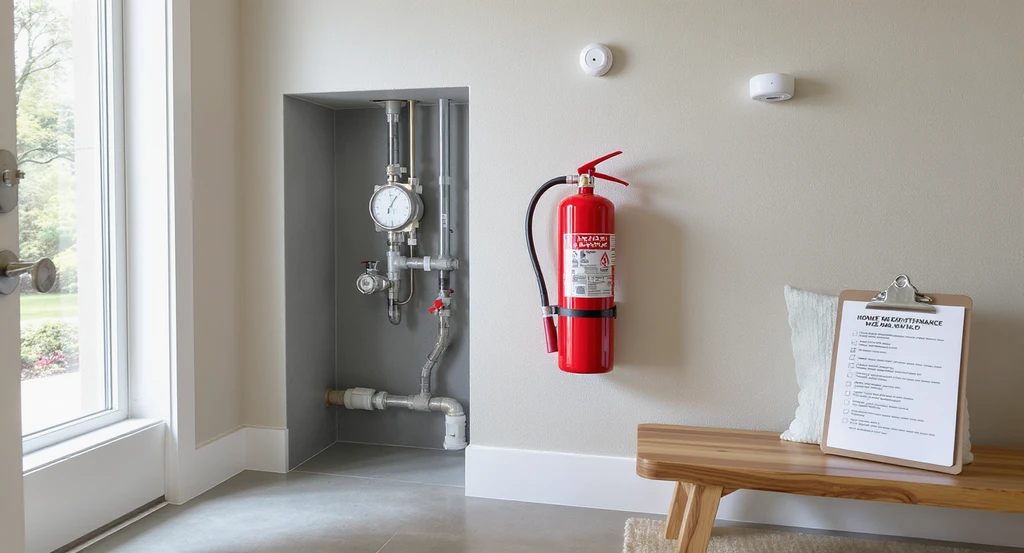
A realistic ai-powered home design checklist for new homeowners: labeled shut-off valves, tested smoke detectors, replaced filters, and organized documents show how to use ai for home makeover planning and prevent costly mistakes before move-in.
- Day 1:
- Change every exterior lock (including resetting smart locks).
- Locate and label all emergency shut-offs: main water valve, gas, breaker box.
- Test all smoke and carbon monoxide detectors; replace if older than 10 years.
- Transfer all utilities to your name, don’t risk interruption.
- Week 1:
- Review your inspection report, flag any urgent repairs, safety items, or warranty deadlines. Our guide to critical first-time homeowner oversights covers this in detail.
- Replace all HVAC filters for improved air and system health—studies show filters clogged during moves can reduce airflow by up to 30%.
- Start a house binder (digital or paper) for manuals, receipts, warranties, and documents.
- Apply for homestead exemption if available in your area, many insurance providers require documented ownership and address accuracy.
- First 30 Days:
- Set up a maintenance fund: real estate professionals often advise saving 1–3% of your home’s value yearly for repairs (see common budget oversights here).
- Plan basic furniture layout and main storage solutions before shopping; preview options with REimagineHome AI before making major purchases.
- Centralize utility and insurance paperwork, contractor contacts, and tax forms in your binder.
- Day 1:
Expert Insight
A recent homeowner shared that labeling the breaker box and organizing a binder of warranties saved hours when a minor leak struck. Having everything ready meant a quick, calm repair, instead of a frantic search.
-
Why Getting the Basics Right Matters After Move-In
Prioritize essentials with an ai-powered home design checklist for new homeowners—this setup helps prevent costly mistakes and ensures vital safety and maintenance steps are not overlooked.
It’s tempting to focus on style upgrades right away, but skipping practical setup leaves you exposed. Most insurance providers and home inspectors stress that missing an emergency shut-off, delaying alarm replacements, or neglecting your maintenance can create expensive or risky situations. According to the budgeting and closing cost breakdown for first-time buyers, neglected safety steps create far greater costs than any cosmetic upgrade.
-
The Core Issue: Prioritizing Looks Over Function

The Core Issue: Prioritizing Looks Over Function Image
Many new homeowners personalize décor right away, delaying urgent steps like security or documenting appliance warranties. This can mean missing early warning signs (such as minor leaks) and invalidating insurance claims. Deferring filter changes, for example, can cut HVAC system lifespan by years, costing thousands down the line. Overlooking these critical but unexciting moves is a commonly delayed task, not just a mistake.
-
Why It Happens: The Excitement Trap

Why It Happens: The Excitement Trap Image
The emotion and pressure of a move, plus advice from social media, leads to rushing into decorating while ignoring practical needs. Creating a time-based plan gives clarity, turning a chaotic move-in into an orderly, step-by-step process. As seen in our first-time homeowner living room layout mistakes guide, working through a checklist ensures you address what matters most.
-
Practical Correction: Step-by-Step Homeowner Framework
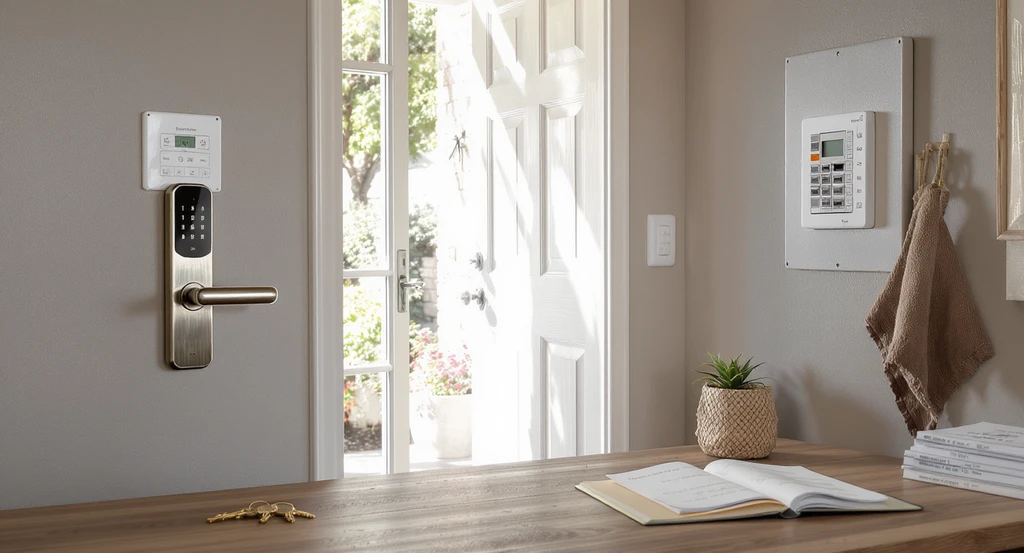
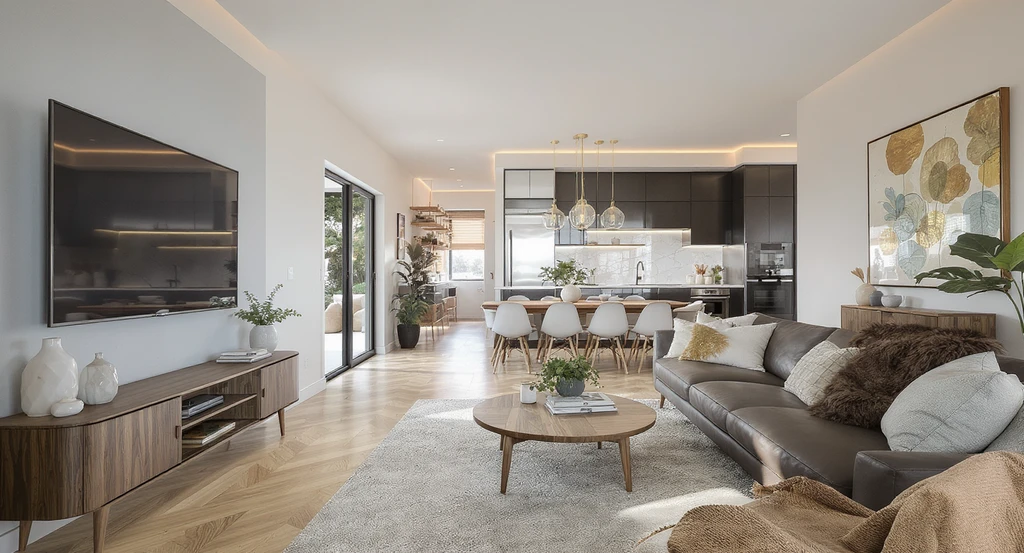
Editorial-quality depiction of an ai-powered home design checklist for new homeowners, highlighting how to use ai for home makeover planning and virtual staging tools. This scene demonstrates preventing costly mistakes with ai visualization and practical organization.
- Secure Your Entry: Install new locks or reset smart codes before spending the night. Change garage and side door locks as well, not just the front door.
- Map Critical Utilities: Clearly label circuit breakers and shut-offs for water/gas. Map which switches control which rooms (a frequently missed detail that can slow emergency response).
- Test/Replace Alarms: Replace devices older than 10 years, inspections often flag outdated detectors as a fire risk.
- Control Documentation: Collect receipts, warranties, manuals, and important contacts in a single, access-ready location. The House Binder Method is a best practice used by real estate professionals, especially helpful for warranty claims or listing prep.
- Set a Maintenance Fund: Aim for savings of 1–3% of your home’s value annually for repairs—data shows over 60% of homeowners face unexpected repairs within their first year.
- Visualize Before You Redecorate: Before purchasing furniture or choosing colors, upload your room photos to REimagineHome AI to preview layouts, color palettes, and lighting. This prevents wasted money on mis-scaled items or poorly planned rooms (see practical benefits in our guide to preventing renovation errors).
-
Visual Reasoning: Spot Critical Zones and Flow Issues
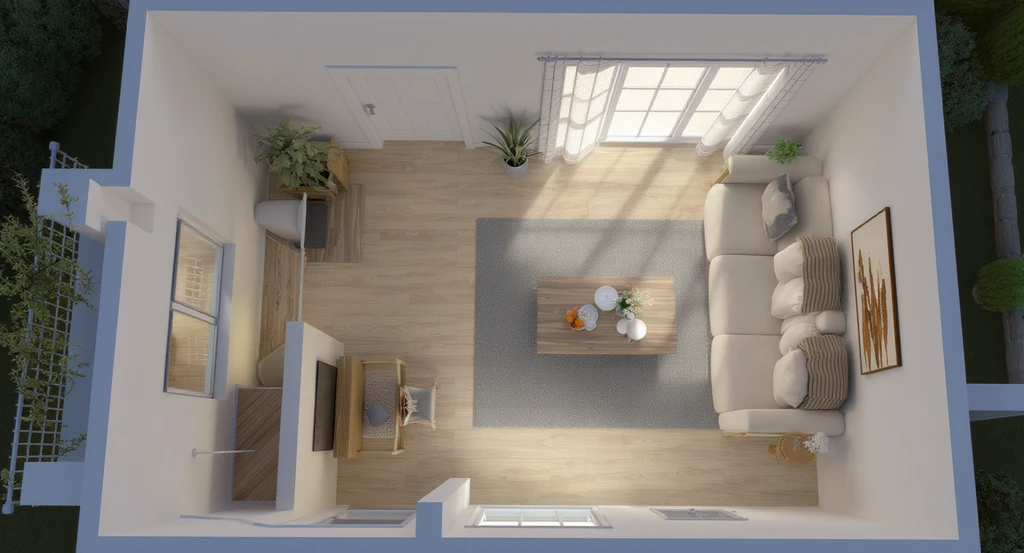
AI-powered home design checklist for new homeowners: Use virtual staging AI tools for first time buyers to visualize key shut-offs, clear walkways, and furniture fit, preventing costly mistakes and ensuring safe, efficient home layout planning.
Spatial reasoning boosts safety and convenience. Identify all shut-offs and breaker panels as soon as you move in, knowing these locations saves time in emergencies. Walk every room to spot blocked exits or tight walkways, and use AI visualization to check furniture fit and traffic flow before buying. Frequent layout issues, like crammed entryways or oversized sofas, are immediately apparent when you preview options virtually (see rental-friendly furniture planning mistakes many new owners make).
-
Bring Order to Chaos: The House Binder System
Bring Order to Chaos: The House Binder System Image
A dedicated binder (physical or digital) consolidates all your property’s records, appliance manuals, repair receipts, insurance documents, and warranties. This system reduces stress during repairs, upgrades, or emergencies and is highly recommended by both inspectors and real estate agents. When it’s time for renovations or resale, quick access to these details is invaluable, as explained in our breakdown of avoidable first-year homeowner errors.
-
Financial & Maintenance Steps You Can’t Overlook

Financial & Maintenance Steps You Can’t Overlook Image
After the immediate move-in expenses, create a separate emergency fund for the house. Budget for yearly costs (1–3% of home value) and automate monthly contributions. According to our expert breakdown on home budgeting, little steps early, like an extra $50–$100/month, can prevent stress when repairs are needed. Review your inspection report for upcoming repairs and schedule preventive maintenance (replace filters, check gutters, service HVAC) to avoid bigger expenses.
-
How AI Visualization Prevents Costly Mistakes
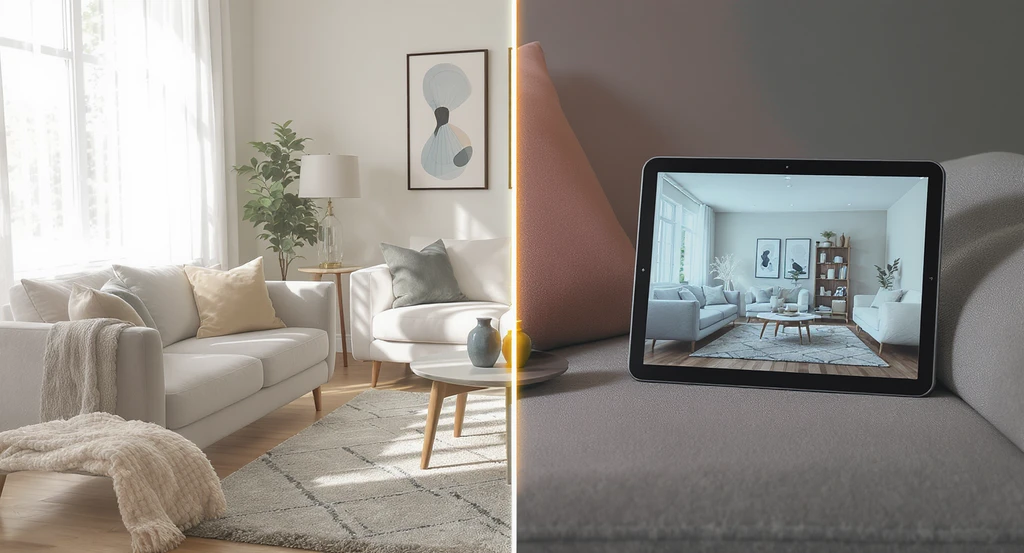
AI-powered home design checklists and virtual staging AI tools let new homeowners preview furniture, layouts, and color schemes in their actual rooms. Prevent costly mistakes using AI visualization before purchasing or renovating.
Before buying furniture or painting, use REimagineHome AI to preview layouts, color schemes, and decor virtually in your actual rooms. This allows you to accurately check scale, placement, and natural lighting, avoiding awkward proportions or wasted purchases. For a walkthrough of the process and benefits, read our insights on how AI visualization refines home planning.
Visualization Scenario
Picture uploading your new living room photo into REimagineHome AI, instantly previewing three furniture layouts, each with correct proportions and realistic lighting. You spot tight walkways and awkward corners, so you confidently choose the layout that feels right before spending a dime.
First-Time Homeowner FAQ
- How soon should I change locks after moving in?
- Change all exterior locks immediately—ideally on moving day. This includes resetting smart locks and garage access. You cannot know who has old keys, so this is essential for safety.
- Where should I look for emergency shut-off valves?
- Main water shut-off valves are usually in the basement or near the street. Breaker panels are often in the garage, basement, or utility room. Always label each circuit for clarity.
- Should I fix small cosmetic issues first?
- No—address all structure and safety items in your inspection report first. Cosmetic upgrades and furniture can wait until you’re settled and secure in your new home.
- What maintenance task is often overlooked?
- Replacing HVAC filters every three months is frequently forgotten, especially after moving in. This simple step preserves your system and air quality.
Systems, Not Just Style: The Takeaway for New Homeowners
A well-run home starts with systems, not just style. Prioritizing safety, function, and organized documentation sets a stable foundation, letting you personalize, renovate, and enjoy your space with far fewer regrets or surprises. Smart use of checklists and AI room visualization allows you to plan confidently and avoid common headaches. For design ideas after you’ve handled the essentials, see our living room decorating guide for new homeowners.