9 Hard Truths About Real Estate Photo Editing and Virtual Staging Today
TL;DR
Real estate listing visuals rely on authenticity and clarity. While virtual staging AI and image enhancement tools can help vacant properties stand out, excessive or misleading editing risks damaging trust and even violating regulations. Understanding where and how to use these services can make or break a listing’s success.
Why Photo Editing and Virtual Staging Spark Debate in Real Estate
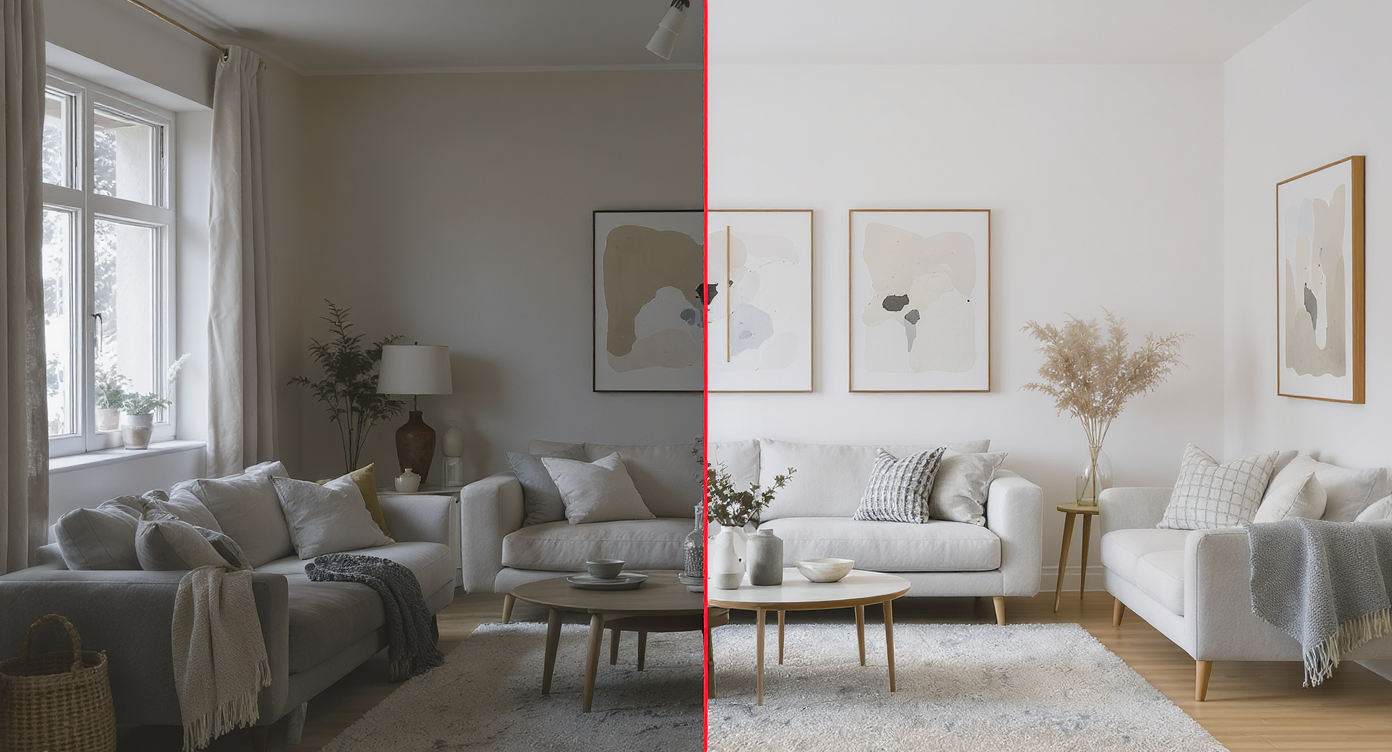
Compare a vacant living room with a virtually staged version—showing how modern photo editing transforms real estate spaces.
The editing of real estate photos has evolved from basic touch-ups to complex transformations using virtual staging AI. This evolution sparks debate among agents, sellers, and buyers: Where is the line between useful enhancement and misleading visuals? For vacant properties especially, tools like virtual staging AI promise quick visual upgrades. Yet professionals and industry organizations consistently emphasize the importance of honesty and buyer trust above all else. This list explores the trade-offs, risks, and real advantages of post-processing real estate images—especially through the lens of vacant properties, photo enhancement, and virtual staging AI. Real-world feedback from across the industry shows there’s no one-size-fits-all answer. Instead, the impact of these services often depends on market context, expectations, and execution.
-
1. Professional Photos Still Set Expectations
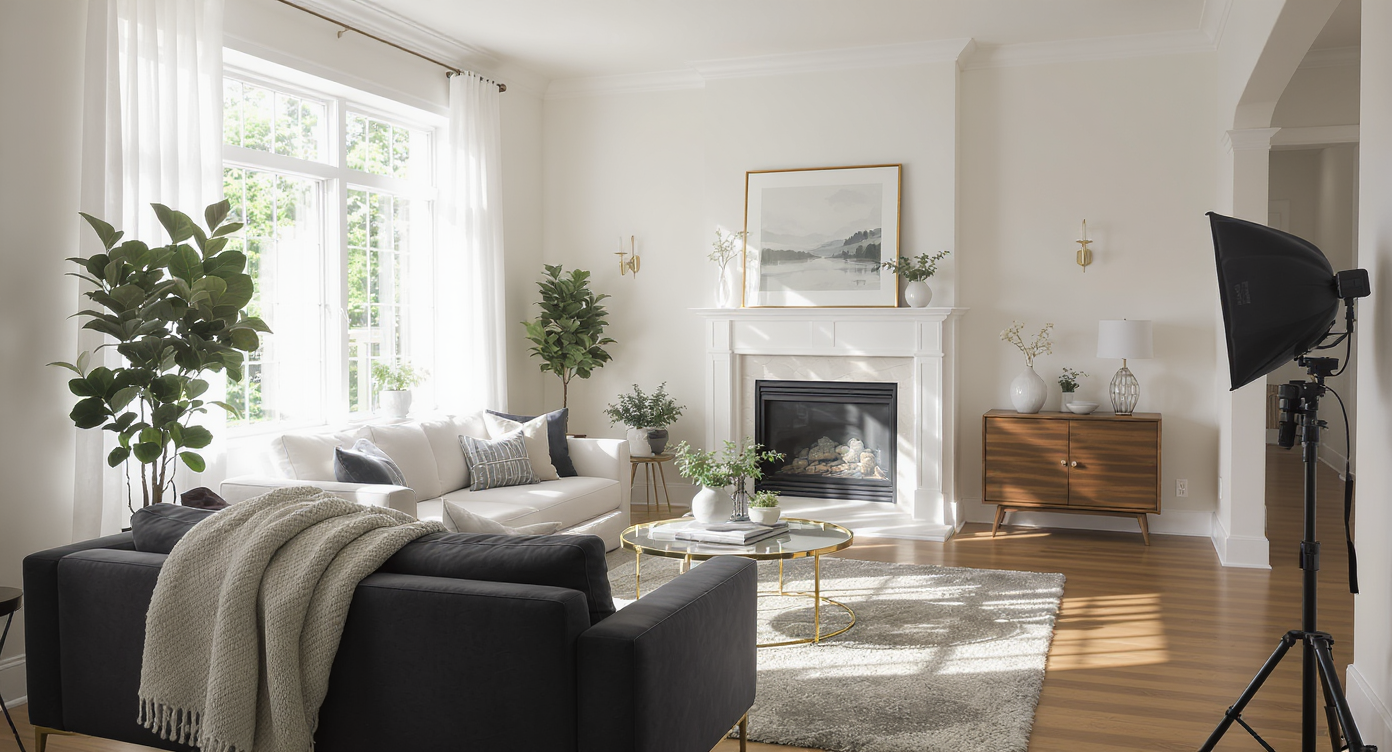
A well-staged, naturally lit living room ready for a professional real estate photo shoot, emphasizing quality before editing.
Despite the influx of photo editing apps and budget-friendly editing services, professionals consistently value skilled photographers for high-quality listing visuals. Well-composed, well-lit photography does the most heavy lifting before any editing takes place. For many agents, a trusted photographer who delivers in-focus, thoughtfully composed images is irreplaceable. According to seasoned practitioners, these images require only subtle post-processing for optimal results, reinforcing the notion that good photos start at the moment of capture, not in digital editing. For listings in competitive markets, this focus on professional standards immediately positions a property above do-it-yourself alternatives.
-
2. Excessive Editing Risks Buyer Distrust
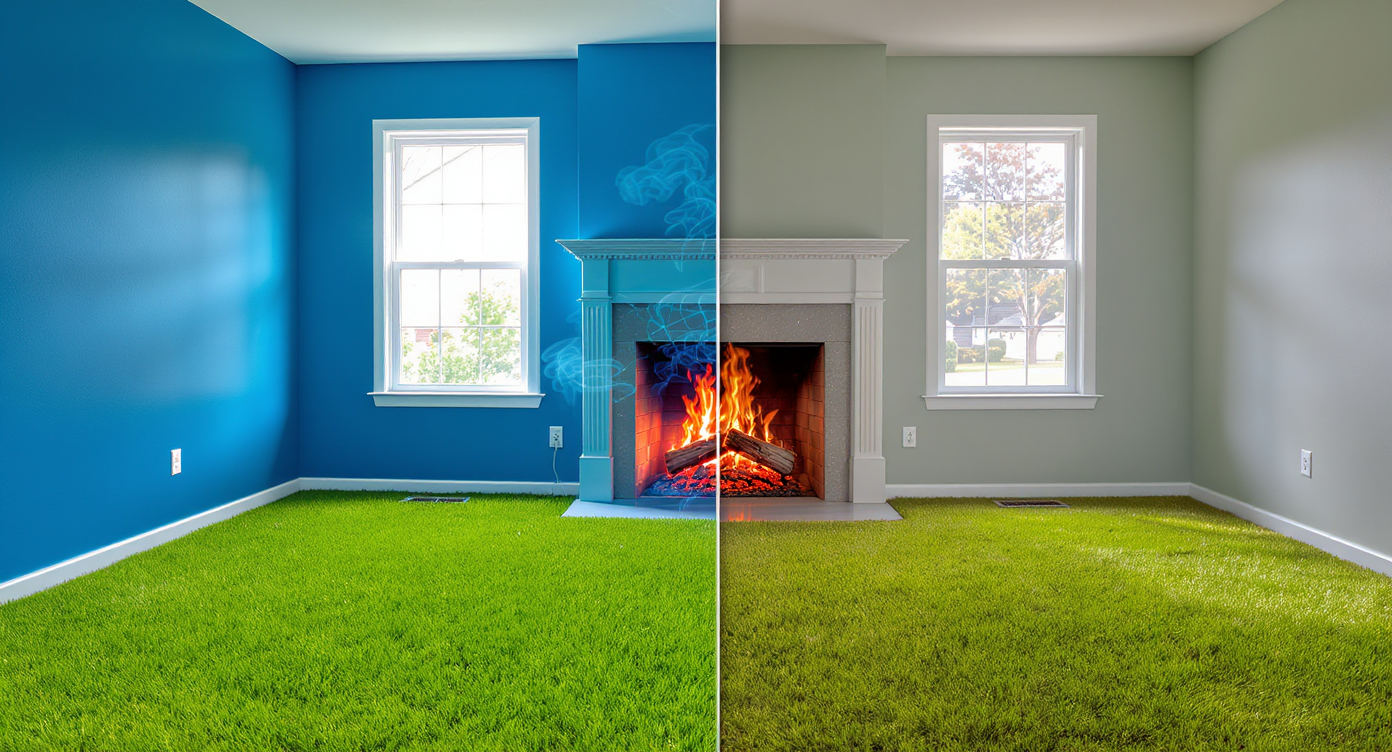
A living room, shown side-by-side: one half excessively edited with bright colors and unrealistic features, the other half faithful to reality.
Artificial enhancements can cross the line from helpful to misleading quickly, especially when they alter a property’s permanent features or dimensions. According to our guide on AI-edited listing photos vs. virtual staging, buyers today shop at scroll speed and grow wary when visuals seem unrealistic. Over-saturated colors, digitally inserted fires, and implausibly pristine lawns are common complaints. Transparency and restraint are key; reputable agents avoid image edits that set up buyer disappointment at showings. As practices and real estate regulations catch up to evolving technology, honesty remains non-negotiable.
-
3. Virtual Staging AI Works Best for Vacant Properties
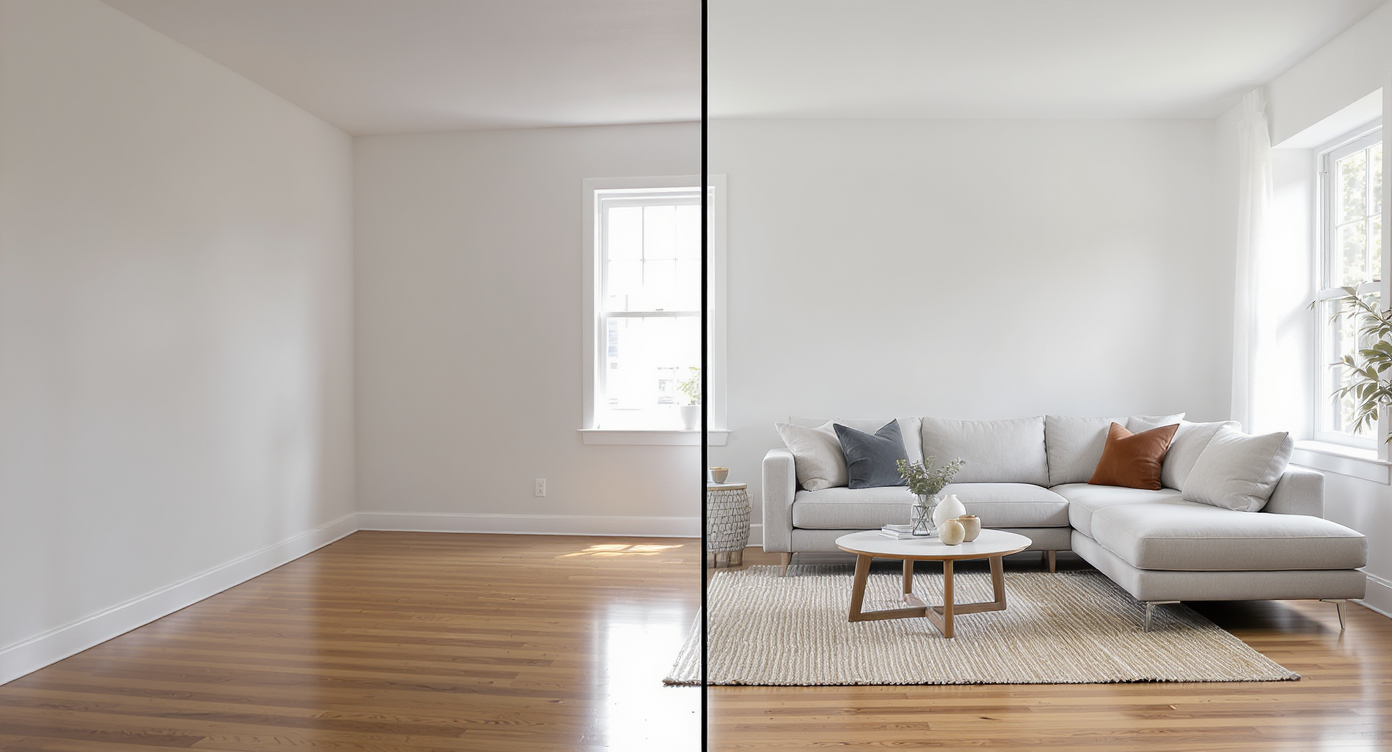
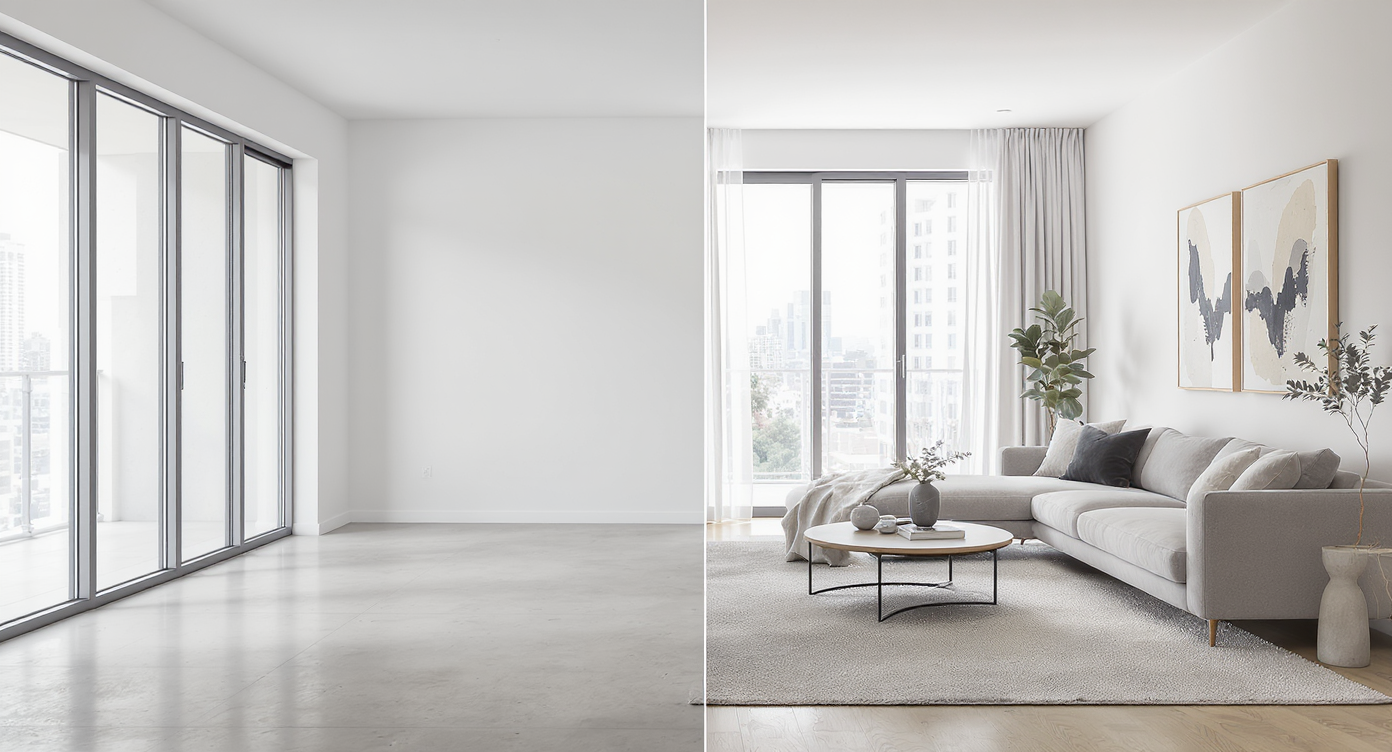
A vacant living room shown both empty and digitally staged, highlighting how AI virtual staging adds scale-accurate furnishings for real estate.
Vacant homes routinely pose marketing challenges because empty rooms can seem stark and smaller than they are. Virtual staging AI is highly effective here, offering a way to add scale-accurate furnishings that clarify space without the expense and logistics of in-person staging. As explored in our analysis of virtual staging's pros and cons, the key is clarity: use digital decor to help buyers visualize, not to mislead. Most industry professionals agree virtual staging AI, when disclosed and labeled clearly, can add value and attract serious attention for vacant properties.
-
4. Editing Permanent Features Can Lead to Legal Risks
Photo editing that alters the property’s permanent features, such as removing power lines or patching structural flaws, can cross ethical and legal boundaries. Real estate regulations in many regions specifically prohibit misrepresenting a home’s true condition in marketing materials. Lawsuits have emerged from instances where buyers felt deceived by manipulated photos. To avoid liability, industry best practice is to limit edits to temporary or cosmetic elements and always disclose any visual modifications, especially for virtual staging. Proper use of image enhancement and editing protects client interests while upholding professional standards, as outlined in our guide to legal and ethical listing photos.
-
5. Buyers Expect Honest, Down-to-Earth Photos
Many renters and buyers prefer straightforward listing visuals, especially in lower-end or rental markets. For these audiences, simple smartphone images that honestly capture room size and condition often feel more trustworthy than heavily manipulated photos. Even as virtual staging AI matures, there remains a strong market segment that prizes authenticity over perfection. A clean, well-lit, minimally edited photo of a vacant property can sometimes outperform a visually spectacular but unrelatable image. This trend underscores that digital sophistication does not always translate into higher trust or more offers.
-
6. Virtual Staging AI Needs Clear Labeling and Disclosure
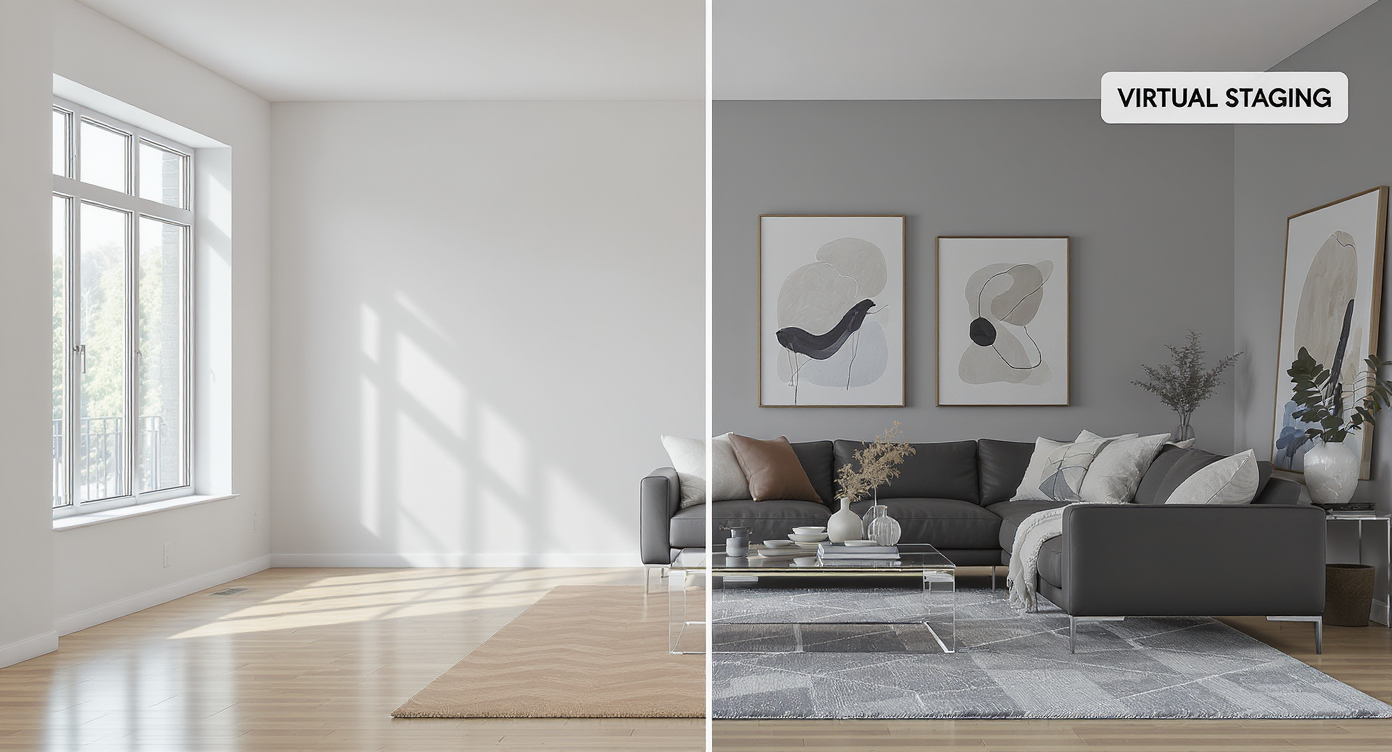
A vacant living room displayed alongside its virtually staged counterpart, with explicit on-image labeling to ensure clarity and buyer trust.
Explicit labeling is essential any time digital furniture, decor, or enhancements appear in a listing. Best practices call for on-image labels or side-by-side comparisons between original and staged versions, especially for vacant properties. According to guidance from our analysis of virtual staging's boundaries, this transparency maintains buyer trust and reduces reliance on fine print. Additionally, platforms such as REimagineHome.ai can be used to plan and test staging ideas before finalizing images for listing, reducing the risk of misrepresentation and increasing buyer confidence.
-
7. Poor Editing Can Undermine the Listing’s Impact
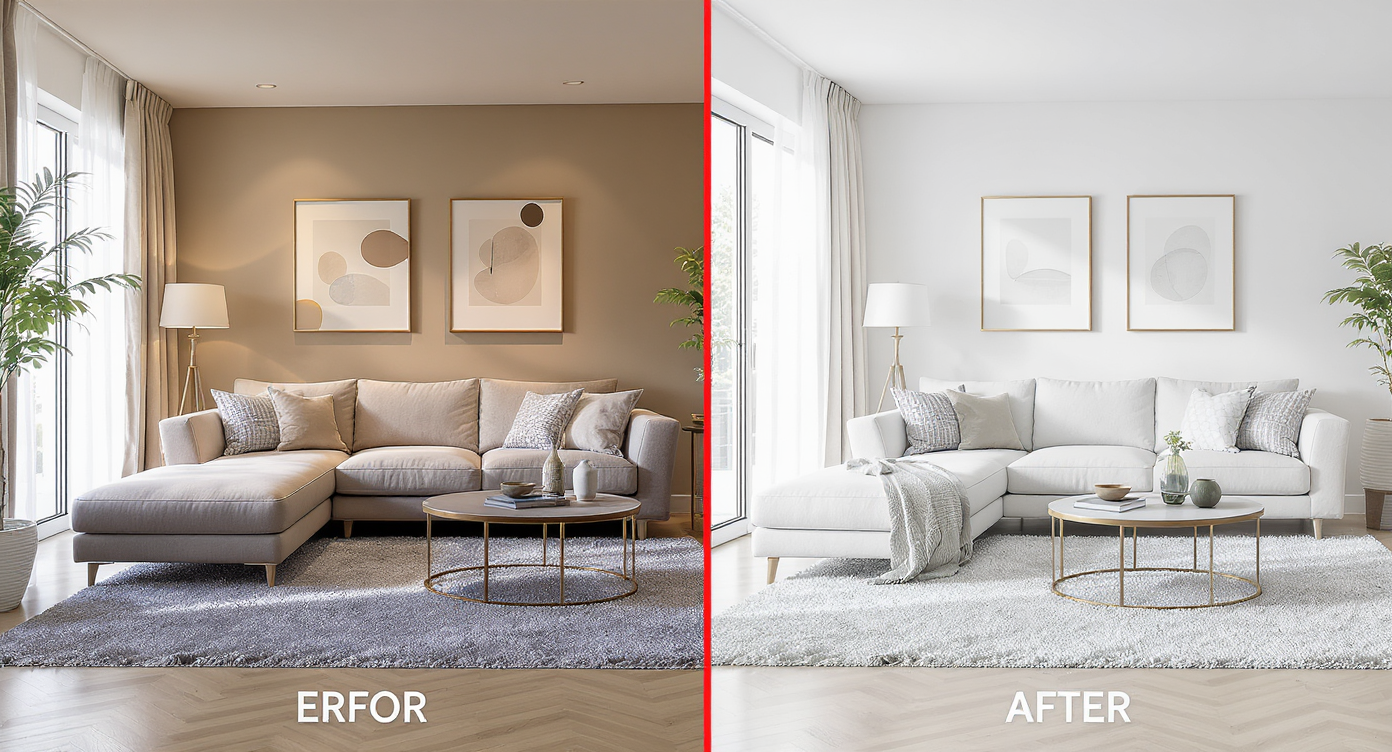
A direct comparison of a living room with amateur versus professional photo editing highlights the importance of realistic and skillful enhancements.
Low-cost editing services and do-it-yourself apps often lead to inconsistencies, such as awkward shadows, mismatched color temperatures, and furniture that lacks appropriate scale or perspective. These issues are not just aesthetic—they make buyers question the authenticity of the home’s presentation. To stand out in a crowded marketplace, listing visuals must be polished but realistic. Thoughtful, skillful image enhancement, focused on cleaning up clutter, adjusting brightness, and correcting composition, helps listing images attract the right attention. For more on optimizing photo quality while preserving trust, consult our guide on real estate image enhancement.
-
8. Niche Services Appeal Most to DIY or Budget-Conscious Sellers
For agents and sellers who manage their own photography—often due to cost or volume constraints—third-party editing and basic virtual staging can offer value. Affordable services for light touch-ups, logo tweaks, or virtual staging AI attract this segment. However, as industry commentary often points out, those willing to pay for the best results overwhelmingly hire full-service photographers, making the DIY editing market a narrow but persistent niche. Customizable and a la carte editing may appeal most strongly to those not engaging professional photography.
-
9. Honest Enhancement Wins Over Both Buyers and Algorithms
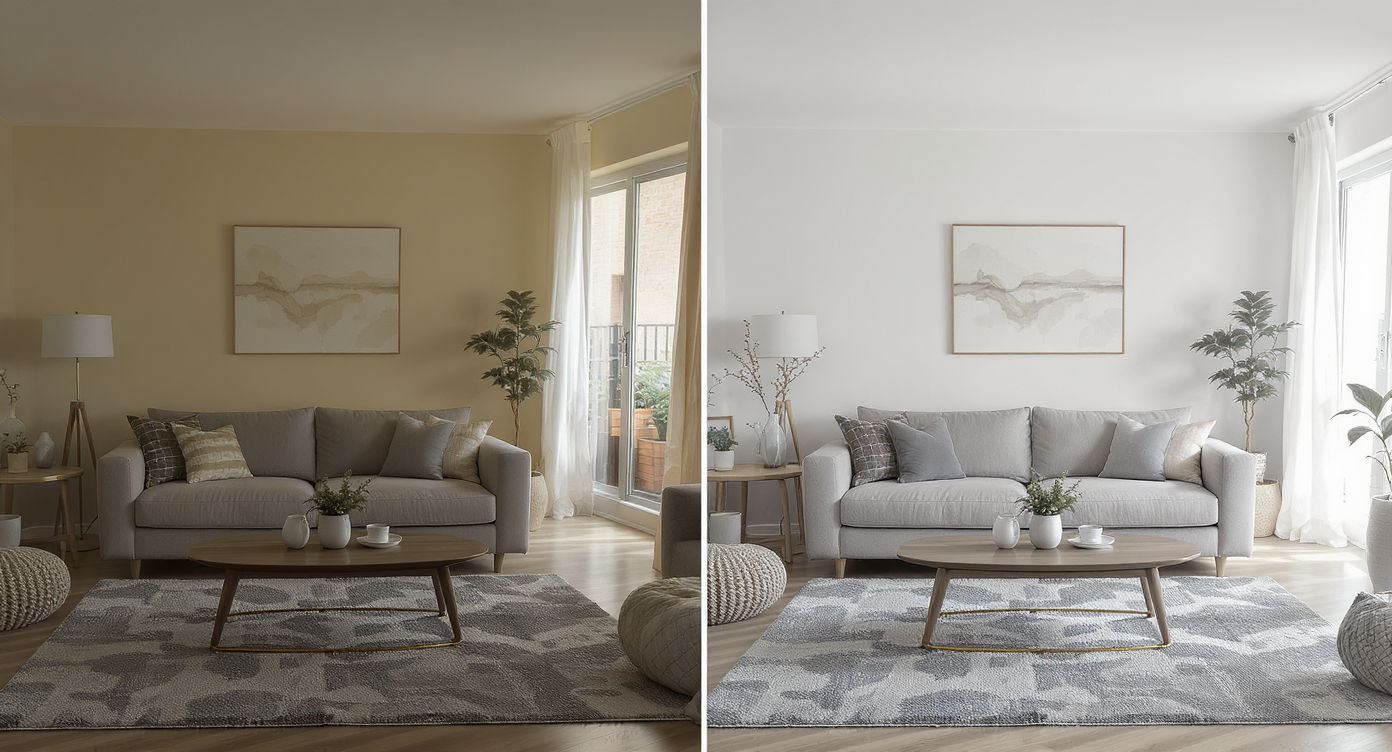
A modern living room shown before and after honest photo enhancements: improved exposure, color, and minor edits while staying true to the real space.
Smart editing focuses on improvements that reflect the property’s best qualities without straying into fabrication. Adjusting exposure, correcting color balance, and removing minor distractions align with what modern buyers expect, and also help listing platforms promote properties with higher visual appeal. As explained in our advice on earning buyer trust with virtual staging, ethical enhancement delivers higher click-through rates, more engaged buyers, and fewer wasted showings. Leveraging platforms like REimagineHome.ai for layout, decor, or finish planning can help test ideas safely before public release, further supporting transparent marketing.
Frequently Asked Questions About Real Estate Photo Editing and Virtual Staging
Photo enhancement refers to adjusting brightness, contrast, and clarity without changing what is actually in the room. Virtual staging AI digitally adds furniture and decor, especially useful for presenting vacant properties.
Are there legal restrictions on real estate image editing?
Yes. Editing that misrepresents a property’s permanent features or condition can violate real estate advertising standards in many areas. Learn more by reviewing our legal and ethical photo editing guide.
How do I disclose virtual staging in my listing visuals?
Best practice calls for visible labeling on every virtually staged image and pairing it with an original, vacant version. Consult the latest guidance on proper virtual staging disclosure.
Does virtual staging AI improve listing performance?
When transparent and used appropriately, virtual staging for vacant properties can increase buyer engagement and reduce unnecessary showings. See our analysis on building trust with virtual staging.
Can platforms like REimagineHome.ai help me experiment safely?
Yes. Tools like REimagineHome.ai are valuable for experimenting with layout, colors, and furniture options without risking misleading public listing photos.
Key Takeaways for Editing Real Estate Listing Visuals
Quality, transparency, and restraint define the winning formula for real estate photo editing and virtual staging AI. Instead of pushing boundaries, successful agents and sellers focus on honest enhancements, clear labeling, and informed choices for vacant properties. Thoughtful use of platforms like REimagineHome.ai enables safer experimentation, ensuring that the final images foster buyer confidence without crossing ethical or legal lines.