What Home Buyers Notice First: 10 Easy Fixes That Matter
TL;DR
The first impression of your home is shaped by small, practical details: smell, cleanliness, lighting, layout, and visible maintenance. Focusing on these, rather than major renovations, has the biggest impact on buyers’ emotional response, both online and in person. Address these issues with clear, step-by-step corrections to increase buyer trust and interest.
Why Your Home's First Impression Matters to Buyers
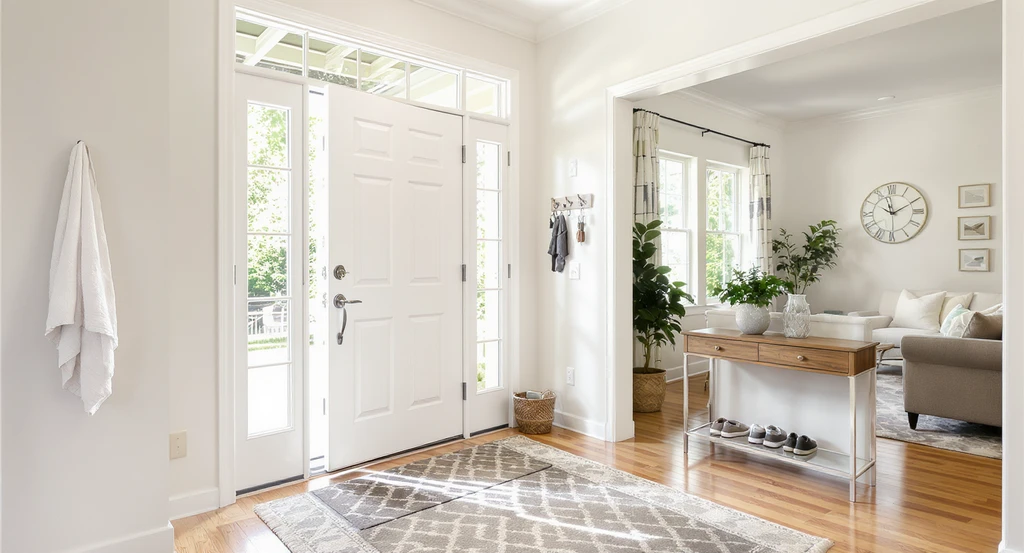
Modern entryway staged using the best AI virtual staging tools for sellers to improve first impressions by highlighting cleanliness, layout, and flow. AI-powered solutions help identify buyer priorities and enhance home staging impressions.
If you’re feeling unsure about what buyers actually notice when first viewing your home, the straightforward answer is this: Buyers often form an emotional opinion about a home within seconds. Before they evaluate square footage or finishes, they subconsciously judge whether the home feels clean, cared for, and easy to imagine living in. Cleanliness, natural light, layout, and small signs of care or neglect impact their judgment before they ever notice high-end finishes.
If you want to understand where to focus your energy before listing, reviewing the details below will help you correct the most common, and most overlooked, mistakes.
-
01. Ignoring Lingering Odors, The Fastest Deal-Breaker
The number one red flag buyers react to within seconds is any unpleasant or strong smells, pet odors, smoke, mildew, or heavy spices. Homeowners are often nose-blind to these, but buyers instantly associate lingering scents with poor maintenance or hidden issues.
Correction logic: Ventilate your home before viewings. Replace HVAC filters, professionally clean carpets and upholstery, and focus on hard-to-wash fabrics. Avoid masking smells with heavy air fresheners, neutral is best. Focus on airflow and the source, not just surface cleaning. This simple change improves buyer confidence from the first step inside.
-
02. Neglected Curb Appeal and Entryway Details
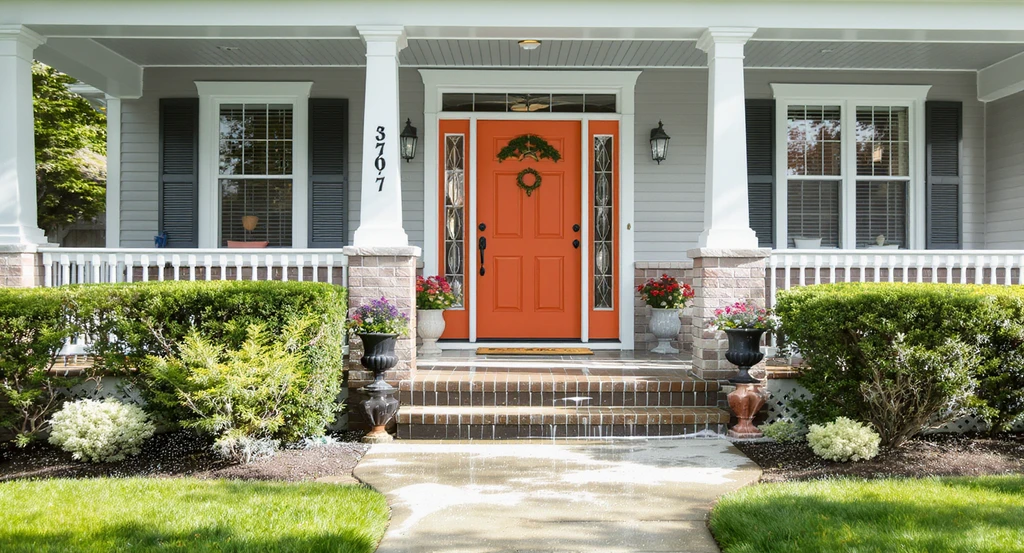
Power-washed walkways, fresh paint, and tidy landscaping shown at the entryway highlight how the best AI virtual staging tools for sellers can reveal instant curb appeal improvements buyers prioritize.
Buyers form opinions before walking inside. The outside acts as a preview for the entire home. Broken hardware, dirty walkways, peeling paint, and untrimmed plants signal deferred maintenance. According to our guide on creative front porch improvements, small updates like power-washing the porch or painting the door deliver high visual impact without high cost.
Correction logic: Walk outside and approach your entry as a buyer would. Power-wash walkways, trim hedges, freshen paint, and check that all exterior lights and doorbells work. Update house numbers or hardware if damaged. Use a step-by-step curb appeal checklist to avoid missing easy flaws. Even minor enhancements boost the "cared for" feeling instantly.
-
03. Outdated or Inconsistent Listing Photos
Listing photos are the real first showing for most buyers. Dim rooms, clutter, awkward angles, or missing key rooms cause buyers to skip your property online. Bright, clear, and honestly staged photos help buyers imagine themselves in the space. As explored in our article about modern exterior design ideas, curb appeal and visual clarity are just as critical in photos as they are in person.
-
04. Poor Lighting and Unbalanced Brightness
Dim rooms, inconsistent color temperature, and blocked natural light immediately make a home feel smaller and less inviting. Heavy window treatments, burnt-out bulbs, or dark corners create a feeling of neglect. Buyers prefer spaces that feel bright and open, regardless of the season.
Correction logic: Open all blinds, clean windows, and use warm-toned LED bulbs throughout for consistent, inviting light. Remove objects blocking sunlight. Pay attention to lighting layout, group fixtures for balanced coverage in large rooms and avoid harsh spotlights. For photography, capture rooms at times of day when natural light is at its best.
-
05. Cluttered Layout and Blocked Pathways
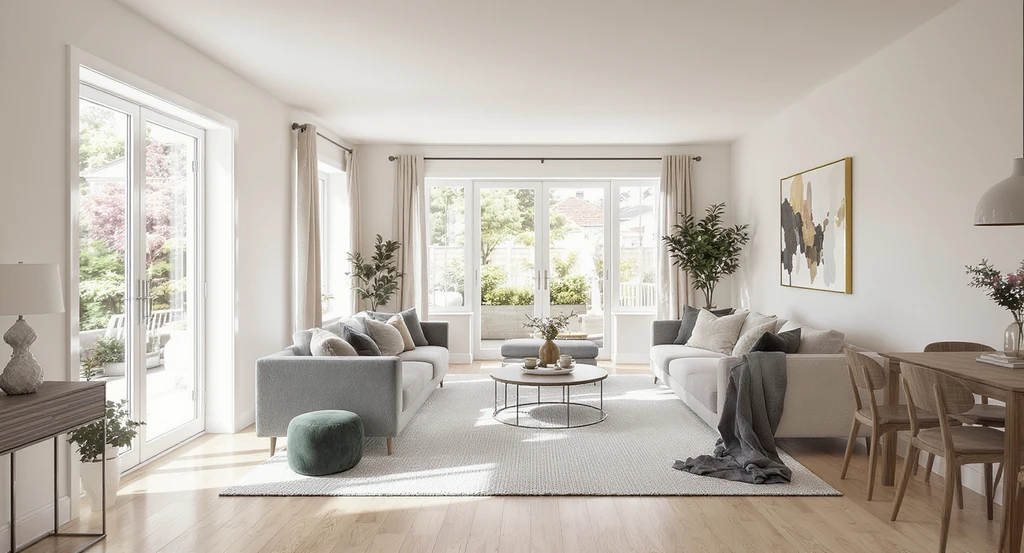
AI virtual staging tools clarify home cleanliness and flow by arranging furnishings to reveal clear walkways and defined room functions, improving first impressions.
Buyers mentally map out how they’ll move through your home as soon as they step inside. Oversized furniture, crowded hallways, or unclear room functions make spaces feel cramped, even with ample square footage. This often happens because sellers try to showcase furniture instead of space.
Layout correction: Remove non-essential pieces. Arrange furniture to define clear walkways (ideally at least 36 inches wide). Make sure doors and windows can open fully. In open-plan areas, use furniture grouping to clarify each zone. Preview your layout or staging virtually to ensure flow, which is especially helpful for awkward or vacant spaces.
-
06. Unclean or Worn Surfaces
Scuffed baseboards, dirty vents, stained carpets, or sticky doors are subtle issues that buyers notice more than new appliances. They hint at larger maintenance problems and undermine a sense of care. According to our coverage on transforming overlooked homes, refreshing these areas can have outsized impact.
Correction logic: Do a surface sweep, wipe down all trim, vents, door handles, light switches, and touch up paint where needed. Use a cleanliness checklist as a final walk-through before photography or showings. Prioritize visible high-traffic surfaces.
-
07. Missing or Overlooked Maintenance Tasks
Small repairs like leaky faucets, loose handles, chipped tiles, or sticky drawers act as warning signs about potential major issues and future costs. Buyers subconsciously scan for these as clues about overall upkeep.
Correction logic: Create a “honey-do” list using the most visible maintenance points. Address these before listing, tighten hardware, patch holes, and repair anything broken. Use a room-by-room check to avoid missing easy fixes. Systems (HVAC, plumbing) should be serviced with records available if requested.
-
08. Cluttered or Insufficient Storage
Overflowing closets, jammed cabinets, and messy pantries signal a lack of adequate storage. Buyers will open cabinets and closets, even during quick viewings, so visible clutter can create concern the home doesn’t really "fit."
Correction logic: Remove seasonal and non-essential items, and keep shelves only half full. Use organizers or bins to make storage look intentional rather than overloaded. If possible, clear the floor of all storage areas so buyers view available space, not the owner’s overflow.
-
09. Entryway and Kitchen Cleanliness
The entryway and kitchen are two of the most-scrutinized areas. Dirty doorways, sticky countertops, and full sinks deter buyers more than outdated cabinets. Entry zones set the cleanliness expectation for the whole house.
Correction logic: Sweep and mop the entry just before each showing. In the kitchen, clear all surfaces, empty garbage, and run the dishwasher. Keep towels and mats fresh. Remove refrigerator magnets, pet bowls, or countertop appliances if possible for maximum visible space. Addressing these areas takes minutes but creates lasting trust.
-
10. Unbalanced or Overdone Staging
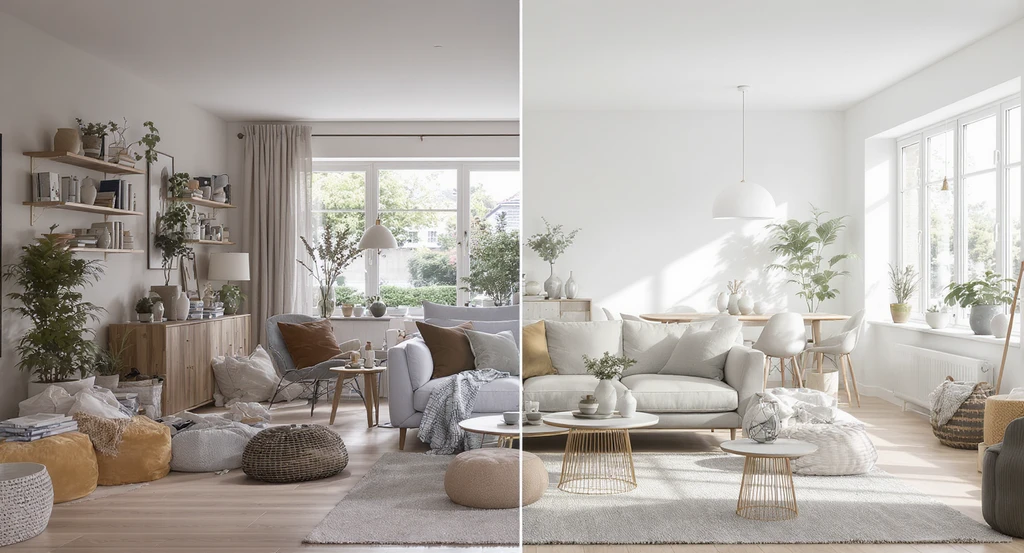
AI-powered virtual staging tools help sellers define room function and enhance home staging impressions with realistic, balanced furniture layouts.
Too much personal decor, empty rooms lacking purpose, or artificial virtual staging can confuse buyers about a home's size or function. Effective staging helps clarify room placement, especially in open plans or awkwardly shaped areas. As discussed in our breakdown of front yard landscaping for curb appeal, balance and honest presentation matter more than perfection.
Correction logic: If virtually staging or refreshing rooms with digital tools, use realistic, proportionate furniture and avoid over-editing. Staging should define the function of each room and show logical traffic patterns. In-person staging should avoid crowding, keep the number of objects and furnishings minimal and in alignment with everyday living. Preview your setup and remove anything that doesn’t clarify the use or layout.
FAQ: First Impressions and Home Selling
What is the most important thing buyers notice first?
Cleanliness, natural light, and a fresh scent shape the initial emotional response more than expensive finishes or upgrades.
Do photos or in-person showings matter more?
Both are essential. Photos draw buyers in, but the showing confirms if the home delivers on its promise.
Should sellers focus on big renovations?
No. Addressing cleanliness, clutter, lighting, and maintenance has more impact than cosmetic upgrades for most buyers.
Does staging actually help?
Yes, especially when used to clarify layout and proportion. Honest, understated staging is more effective than empty or overly decorated rooms.
What about virtual staging or AI-powered tools?
These can help preview layout, lighting, and furnishing fixes as long as they're realistic and not misleading. Use REimagineHome AI to safely visualize adjustments before committing to costly physical changes.
Final Checklist – How To Audit Your Home Like a Buyer
To improve first impressions, use a structured approach:
- Check curb appeal and entry hardware for damage or grime
- Air out the home and clean for a neutral scent
- Prioritize lighting, clean every window and use uniform bulbs
- Declutter walkways, surfaces, and storage areas
- Fix minor repairs and maintenance issues room by room
- Stage rooms with clear, honest purpose
- Review photos for clarity and brightness before listing live
By focusing on these practical details, you’ll create the kind of environment buyers trust, helping your home stand out both online and in person. Remember, the best first impression is clean, bright, functional, and simple to imagine living in.