Can You Truly Transform an Overlooked Home into a Charming One? Understanding Curb Appeal-Even When It Seems Impossible
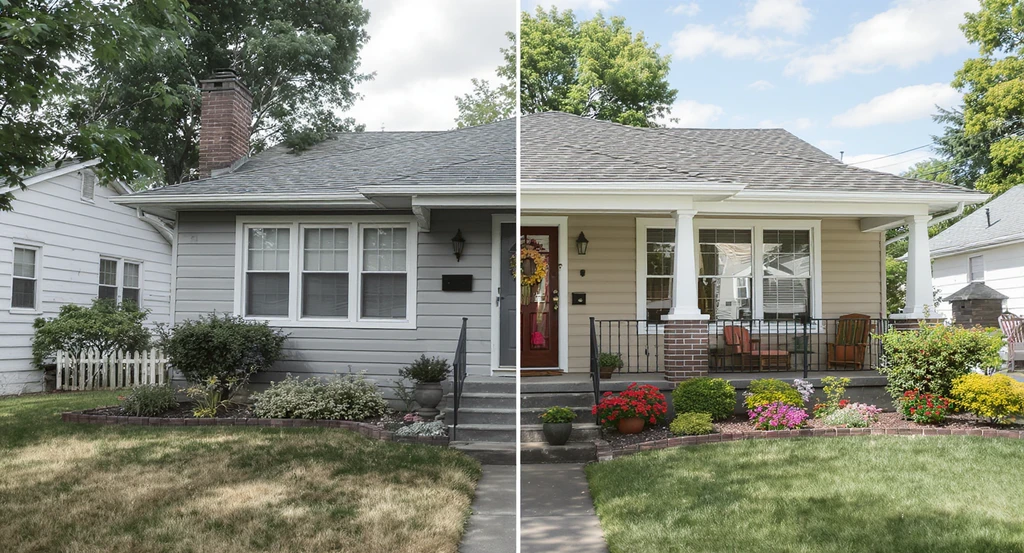
When a Home Feels Hard to Elevate: Why Some Properties Struggle with Curb Appeal
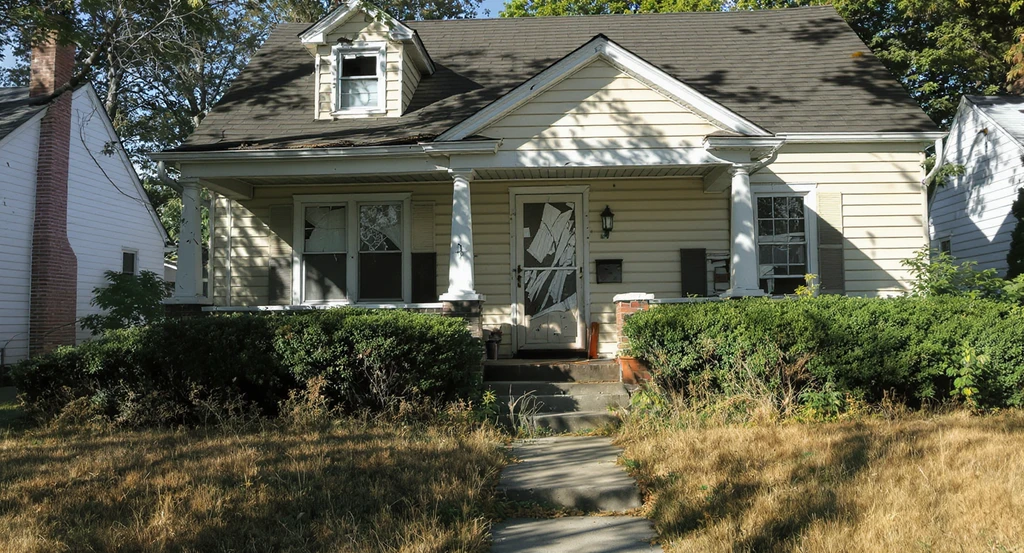
A dated, plain house exterior with tired paint and cluttered landscaping demonstrates where to start transforming a plain facade with landscaping and the best exterior color combinations for resale. Learn how to make an ugly house exterior cute with affordable curb appeal makeover ideas and discover if adding a front porch can increase home value.
You pull up to a house for a showing maybe your future home and your first reaction lands somewhere near despair. The exterior feels awkward, outdated, or just plain unattractive. The architecture doesn’t sing, the paint looks tired, and the landscaping is more clutter than comfort. Maybe, like so many, you wonder aloud: Is it even possible to make this house cute? Or is this the rare case where no amount of curb appeal magic will help? If you’ve found yourself stuck on a home’s exterior, you’re hardly alone. A scroll through any home design forum will show you just how common these doubts are. But before you walk away in defeat, it’s worth pausing to understand what’s really making a home feel “off” and how much of that can truly change. Sometimes a house needs a total reinvention. But just as often, the right tweaks unlock far more potential than first impressions suggest.
-
Unrefined or Simply Unfinished? What’s Really Happening with That Façade
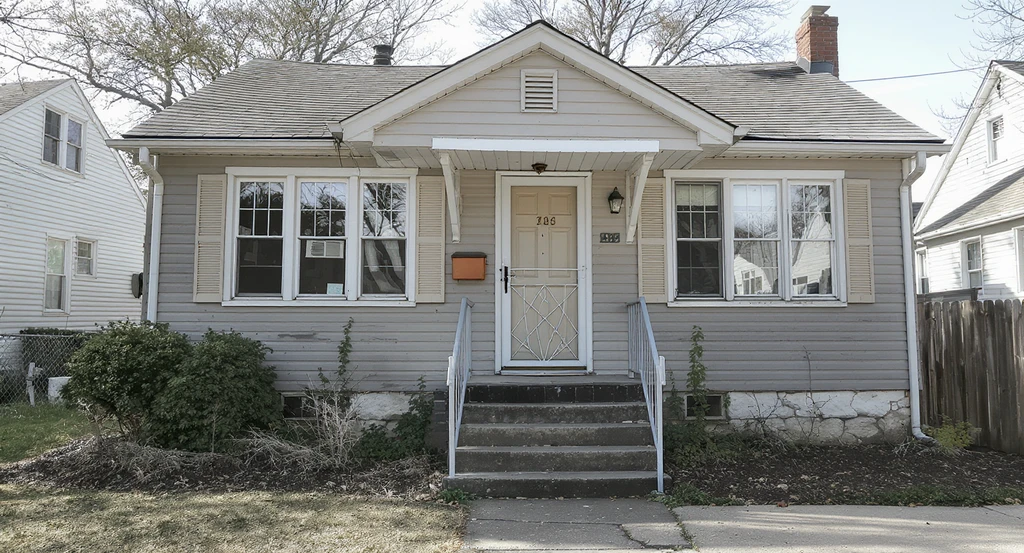
Ugly house exteriors often show mismatched windows, missing shutters, and barren landscaping. Transforming a plain facade with landscaping or considering a new front porch are affordable curb appeal makeover ideas that help make an ugly house cute and boost home value.
When a house feels unappealing, it’s rarely just one thing. Usually, it’s a handful of visual signals that don’t quite add up: mismatched windows, missing shutters, railings that seem temporary, or landscaping that looks forgotten. These little misalignments build a sense of chaos or neglect and our eyes zero in on them instinctively. One common culprit is the lack of “grounding” that is, foundation plantings or visual anchors at the base of the house. Without them, even a sturdy home can seem to float on its lot, intensifying the sense of disconnect. Awkward staircases, absent or patchy walkways, and cluttered or barren beds compete for attention. In some cases, updates over time (like a garage converted to a door, or windows replaced without rhyme or reason) further jumble the exterior’s visual logic.
-
Why Does It Feel So Wrong? Hidden Design Frictions Explained
Our brains crave order, rhythm, and clear focal points especially on a home's exterior. Mismatched or misaligned windows, gaps between the upper and lower stories, missing details (like a lone shutter or a crooked porch step), all add visual noise that our subconscious reads as 'wrong.' That’s why a house can look better immediately with tweaks as simple as replacing missing shutters, power washing the siding, and simplifying the clutter around the entry. Often, the problem isn’t the style itself but a lack of consistent design language. For example, adding a portico or porch can anchor the entry, but if the scale is off or the rest of the facade stays neglected, the result can still feel unresolved. As explored in our guide to front elevation mistakes, aligning architectural details and committing to a single style even in small ways brings immediate relief.
-
What Most People Overlook: The Smallest Adjustments, The Biggest Impact

See how to make an ugly house exterior cute with affordable curb appeal makeover ideas. Small changes—like painting shutters, updating railings, and refreshing landscaping—can rival bigger upgrades and boost resale with the best exterior color combinations.
Scrolling design forums and comment threads reveals a consistent truth: While big-ticket changes (like rebuilding windows or adding a porch) can transform a home, the fastest payoffs usually come from smaller, layered tweaks. Replacing or repainting shutters, updating railings, and painting the front door a distinct, friendly color create a clear focal point for the entry. Even cleaning up the landscape, removing clutter, and edging beds can dramatically soften a boxy and stubborn facade. As many homeowners discover after an exterior update, the difference between 'ugly' and 'inviting' is often as simple as addressing deferred maintenance and giving every detail a sense of purpose. Even a modest budget can yield dramatic results learn more about how foundational fixes pave the way for greater curb appeal in our curb appeal quick fix guide.
-
What Changes When You See Your Home Clearly (Before Spending a Dollar)
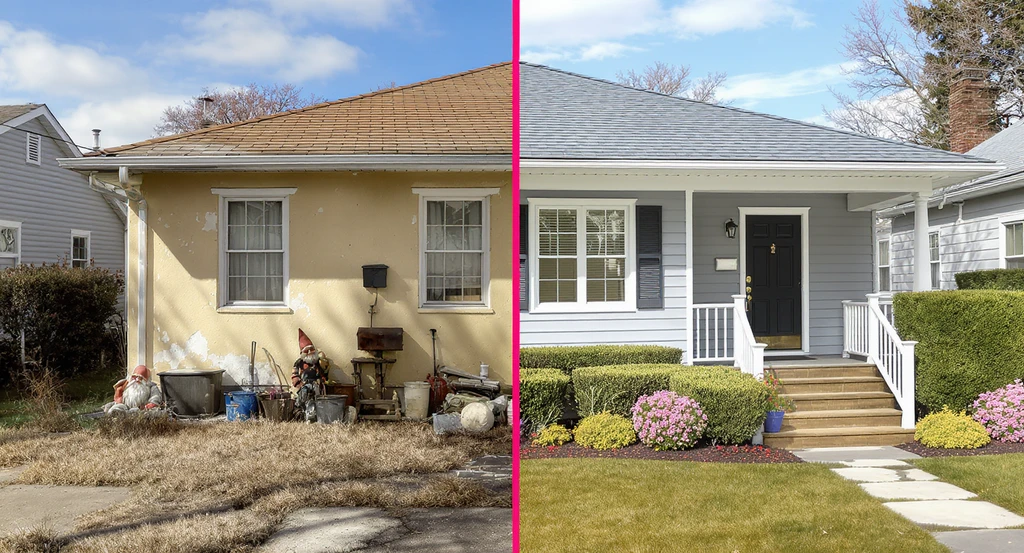
See how to make an ugly house exterior cute with affordable curb appeal makeover ideas, smart landscaping, the best exterior color combinations for resale, and whether adding a front porch could elevate home value before spending a dollar.
One common thread in DIY advice and professional consultations: what you see is often warped by lived-in clutter, bad weather, or one regrettable paint choice. For many, previewing changes like adjusting cladding, testing new color combinations, or layering in landscaping instantly shifts what feels possible. You don’t have to wait until the job is done (or the bills roll in) to realize what works and what doesn’t. Visualization tools like REimagineHome AI now allow you to try different exteriors on your own photo, reducing regret and giving decisions real traction. This side-by-side previewing also spotlights potential trade-offs: Will a porch add shade but cost you precious indoor light? Does that darker siding anchor the house or make it feel heavy and boxy? These are the nuanced questions worth answering early.
-
Underlying Mechanisms: Why the Eye Notices (and Fixes) Instantly Change the Story
At its core, curb appeal is about proportion, alignment, and cohesion. Our brains pick up on symmetry and flow elements that signal 'welcome' (or its absence) before we’ve even processed them. Visual transitions like a distinct base vs. upper story, or a deliberate frame around a door all help create a sense of balance. When missing, homes feel visually top-heavy, unanchored, or incomplete. Light and material choices intensify these effects: Bright, crisp paint highlights details, while contrasting trim and well-placed railings sharpen the outline of a house. If you’re overwhelmed deciding between small upgrades and major renovations, remember much of what makes a home ‘cute’ in photos (or in real life) lives in how details work together at first glance. Experimenting before you commit, according to our 2025 exterior trends guide, is now both practical and affordable.
-
Practical Adjustments: Guidelines Without Gimmicks
If you’re wrestling with a stubborn exterior, here are a few reliable steps to make meaningful change:
- Clean and declutter: Remove old pots, faded decor, and anything that feels out of place. This creates a clear baseline.
- Fix the basics: Address missing shutters, patch railings, and repaint doors and trim. These are high-impact, low-cost changes.
- Anchor the house: Foundation plantings—medium-height shrubs or dense perennials—ground the facade and soften hard edges.
- Add or adjust entry features: A portico, new steps, or a small porch (scaled to the house) brings focus and shelter to the entry, if the layout allows.
- Color with purpose: Tie window trim, shutters, and doors into a cohesive palette that balances with the roof and surrounding neighborhood. As highlighted in our breakdown of best exterior house color combinations for resale, smart color choices go much farther than trends alone.
-
Where Trade-Offs Emerge: Budget, Structure, and the Real Limits of 'Cuteness'
Some features just can’t be changed without major investment: odd window placements, low ceilings, or structural asymmetry might not be practical to fix. Enlarging windows, moving doors, or building a new porch can dramatically improve looks but costs can quickly spiral. Know what you realistically can fix, and weigh the return both emotionally and financially. Deciding what you can and should tackle means understanding your own priorities. Sometimes, hiding an awkward window with a vine, or leaning into asymmetry with bold paint or landscaping, creates more personality than a blank-slate approach. As you weigh options, previewing these changes visually helps you make these trade-offs upfront rather than living with regret.
Frequently Asked Questions
- Can landscaping alone make an ugly house cute?
- Landscaping can work wonders by grounding the house and drawing attention away from awkward features. Strategic plantings, fresh mulch, and neat edging are highly effective first steps—often changing the home’s feel before any paint or construction is done.
- Is it worth investing in new windows or new porch if the house feels really bad?
- Major upgrades like new windows or a porch can be transformative but cost significantly more. Sometimes, smaller improvements (like window boxes, paint, or new railings) deliver a large visual upgrade without the hefty price tag.
- What's the first thing to fix for curb appeal on a tight budget?
- Start by decluttering, power washing, and repairing missing or broken items—like shutters and railings. Then refresh the paint on doors and trim. These basics deliver the most obvious improvement for the lowest investment.
- Should I use trendy colors or stick with classic palettes for resale?
- Classic palettes tied to roof and landscape are safest for resale. Still, adding personality with a colorful door or carefully chosen accent can add character without undermining long-term value. Learn how to create balanced palettes in our color guide for resale.
- How can I see if my exterior changes will actually look good?
- Visualization tools like REimagineHome AI let you preview real-life changes—new paint, landscaping, porch additions, and more—on a photo of your home. This helps reduce guesswork and regret before investing time and money.