9 Front Yard Curb Appeal Landscaping Ideas Backed by Smart Design
TL;DR
A well-designed front yard establishes your home's first impression. Learn how to blend plants, layout, hardscape, and low maintenance solutions into a curb appeal landscape grounded in modern design logic and practical outcomes.
Front Yard Landscaping: Function, Scale, and Visual Appeal
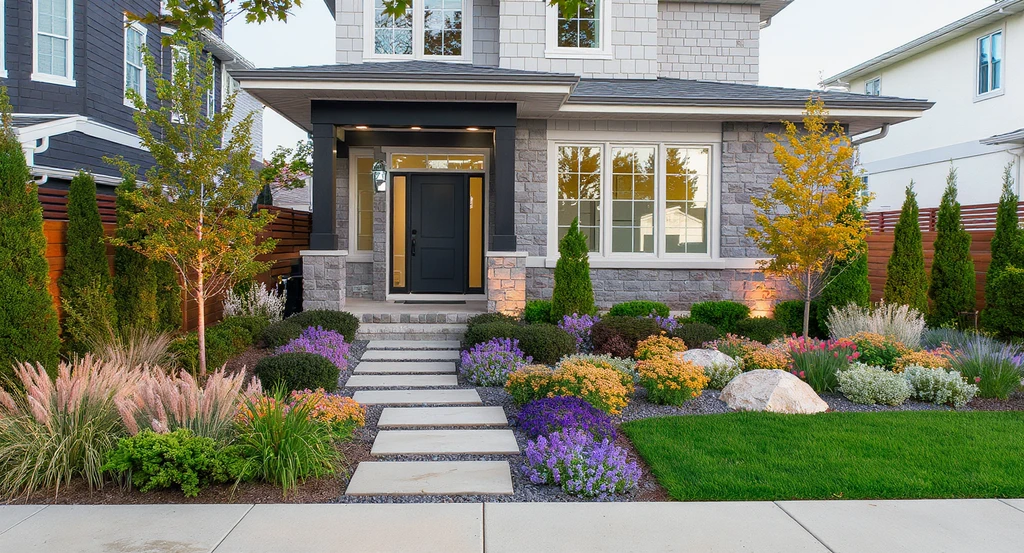
This editorial image highlights front yard curb appeal landscaping ideas, using how to choose front yard plants, a modern walkway design for front yards, and privacy barriers for front landscape—showcasing low maintenance front yard garden solutions.
Front yard landscaping is the process of transforming the visible, accessible part of your property into a visually engaging and practical space. The goal is to achieve curb appeal that welcomes guests, boosts property value, and supports how you want to use your yard. Contemporary design strategies focus on matching plant scale to space, integrating privacy barriers smartly, and balancing hardscape with planting for long-term impact. This article presents nine actionable front yard curb appeal landscaping ideas—each rooted in spatial reasoning, visual alignment, and real-world maintenance outcomes. Where cited, additional strategies from our in-depth guides on modern, drought-tolerant, and low-maintenance yard design are linked for further inspiration.
-
01. Match Plant Size to Available Space
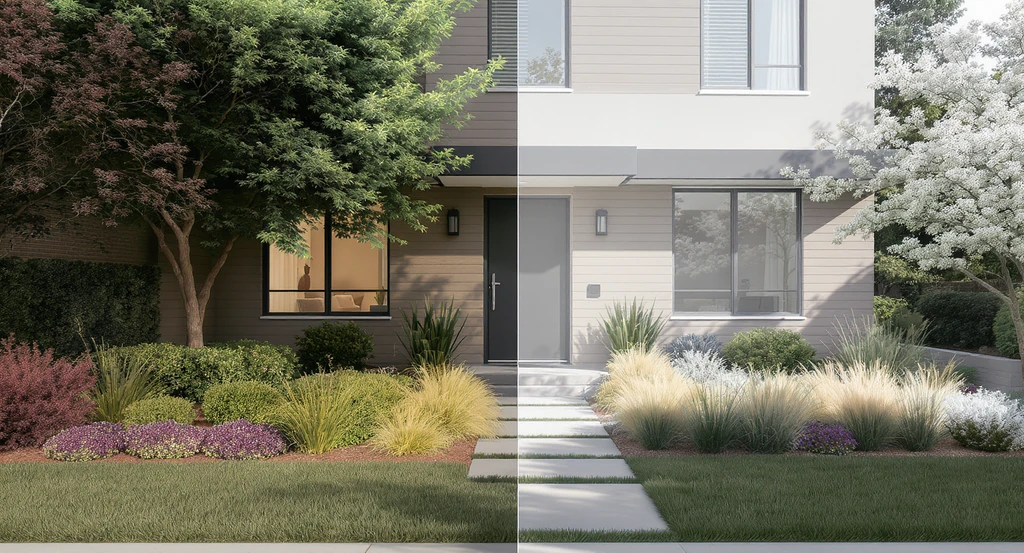
Front yard curb appeal landscaping ideas highlight how to choose front yard plants by matching mature plant size to available space for balanced, low-maintenance garden solutions.
Mismatched plant scale undermines curb appeal and reduces layout consistency. Plant scale is the proportional relationship between the mature size of a tree, shrub, or perennial and the open space available around it. Oversized plants can crowd entryways and block architectural details, while tiny plantings get lost in open yards. The right match preserves balance, frames pathways, and anchors the home visually. Correction: Before planting, check mature dimensions and space plants accordingly to prevent overcrowding or gaps. Consult our guide on smart plant choices for low-maintenance landscaping.
Expert Insight
A sloped front yard once dominated by patchy grass and an aging timber wall was transformed by installing a curved stone retaining wall, river rock beds, and drought-tolerant plants—reducing weekly chores and earning compliments from neighbors.
-
02. Establish Clear Walkway Geometry
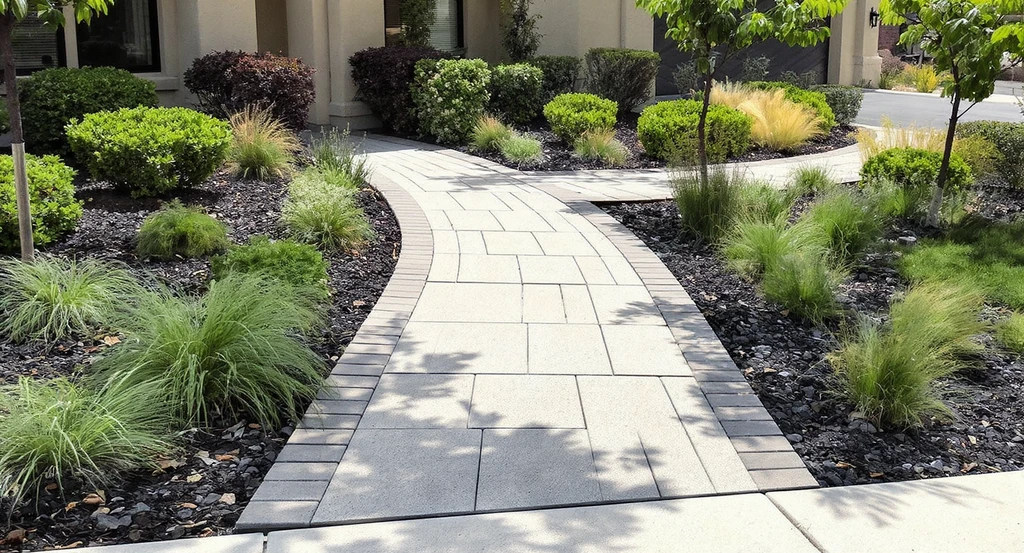
Modern walkway design for front yards uses clear path geometry with permeable pavers, distinct edging, and low maintenance front yard garden solutions for impressive curb appeal.
Poorly defined or narrow walkways interrupt traffic flow and compromise landscape safety. Primary walkway design dictates how people approach your home's entrance. Modern walkway design for front yards involves minimum 36–48 inch wide paths with a gentle curve or direct line to the door for visual guidance. Consistency between walk, driveway, and street connections supports accessibility. Correction: Use permeable pavers or gravel to define walkways and consider edging for lasting structure. As discussed in our resource on modern hardscaping and path geometry, layout clarity boosts usability and curb appeal.
-
03. Prioritize Drought-Tolerant and Low-Maintenance Plants
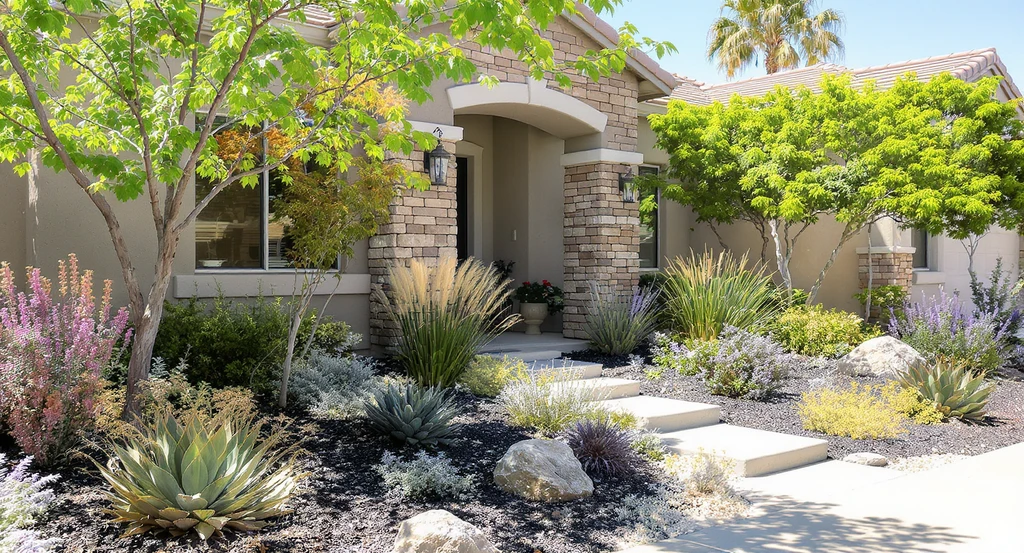
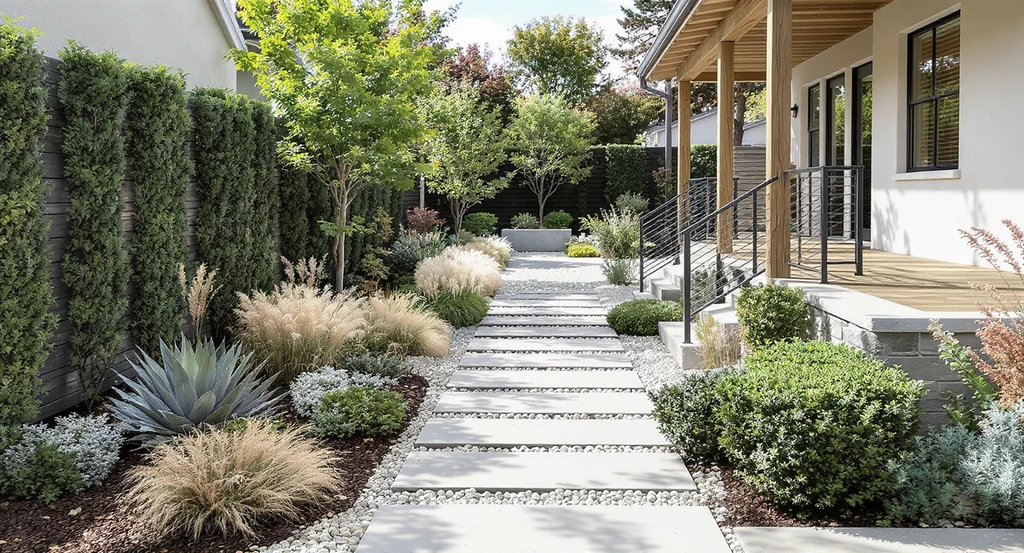
Incorporate drought-tolerant native plants and modern walkway design for front yard curb appeal. See how to choose front yard plants and create low maintenance front yard garden solutions for a vibrant, sustainable landscape.
High-maintenance or water-thirsty plant choices increase upkeep and risk visual decline during stress. Selecting drought-tolerant and regionally appropriate plants ensures the landscape remains healthy and appealing with less water, labor, or intervention. This system supports biodiversity while preventing patchy growth and dead spots. Correction: Choose native species and climate-adapted varieties as foundation plants. Review the benefits in our article on low-maintenance plant palettes.
-
04. Install Privacy Barriers with Purposeful Scale
Arbitrarily sized fences or hedges disrupt sightlines and reduce perceived yard openness. Privacy barriers for front landscapes function best when their height, placement, and material align with the visibility, noise, and security needs of the site. Waist-high living or hardscape barriers prevent intrusions without feeling unwelcoming, while taller solutions on busy roads offer seclusion and noise attenuation. Correction: Select barrier types and heights tailored to street proximity and neighbor visibility, ensuring views and light are not excessively blocked. Learn about balancing privacy and openness in our hardscaping and privacy strategies guide.
-
05. Transition from Lawn to Layered Planting or Meadow
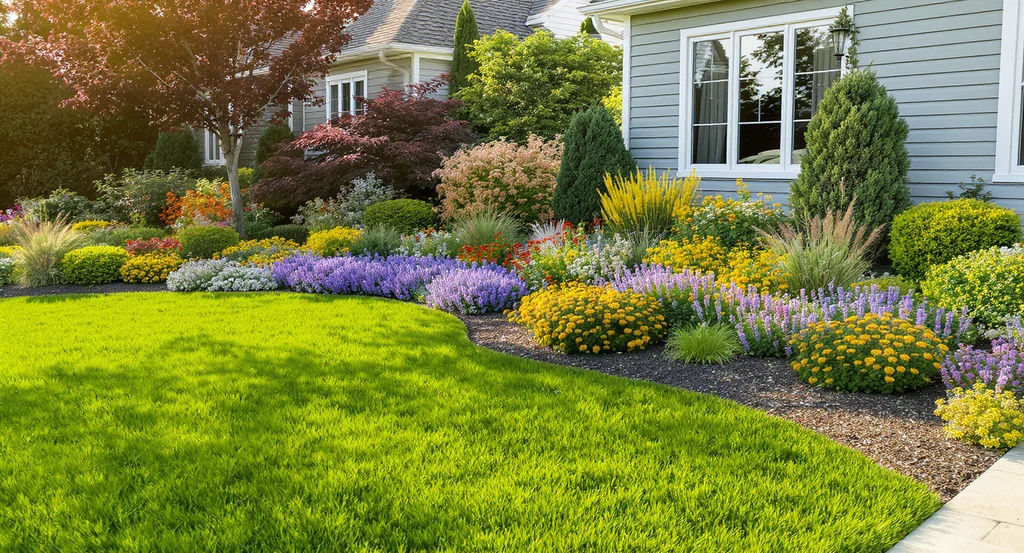
Transitioning from turf to layered planting beds and a native meadow garden enhances front yard curb appeal, sustainability, and plant variety while providing modern, low maintenance landscaping solutions.
Excess turf increases water consumption and reduces visual and ecological variety. Switching from large lawns to layered perennial beds, mixed borders, or native meadow gardens enhances curb appeal, biodiversity, and sustainability. These strategies provide changing interest through seasons while reducing mowing and irrigation requirements. Correction: Replace part of the lawn with deep planting beds or pollinator-supporting meadows for dynamic, low-maintenance landscapes. For more practical alternatives, examine the options in our guide to drought-tolerant front yard landscaping.
-
06. Integrate Retaining Walls for Structure and Drainage
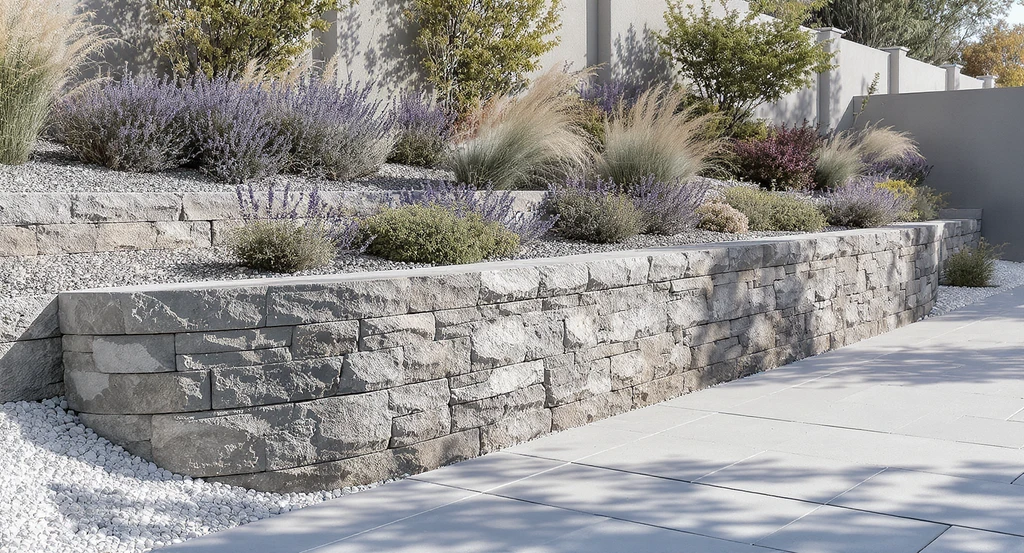
This front yard curb appeal landscaping idea highlights a stone retaining wall with integrated drainage for structure, erosion control, and low maintenance garden solutions.
Improperly built or omitted retaining walls lead to soil movement, poor drainage, and unsafe slopes. A retaining wall is a structural and aesthetic asset—providing elevation management, protecting against erosion, and formally defining planting tiers. When installed with proper drainage behind, it prevents water buildup and maintains slope stability. Correction: Replace aging walls with durable materials and integrated drainage. For guidance on budget options and practical installation, review our retaining wall solutions guide.
-
07. Use River Rock or Gravel Beds for Maintenance Reduction
Mulch washout and organic debris buildup require repeated upkeep and detract from crisp lines. River rock and gravel are inorganic groundcovers that maintain a fresh appearance, resist erosion, and suppress weeds with minimal attention. They also visually connect hardscape features and plant groupings. Correction: Select a consistent rock size and color to harmonize beds, and install weed barrier underneath. This method is detailed in our strategies for low-maintenance landscape transitions.
-
08. Accent the Entry with Welcoming Features
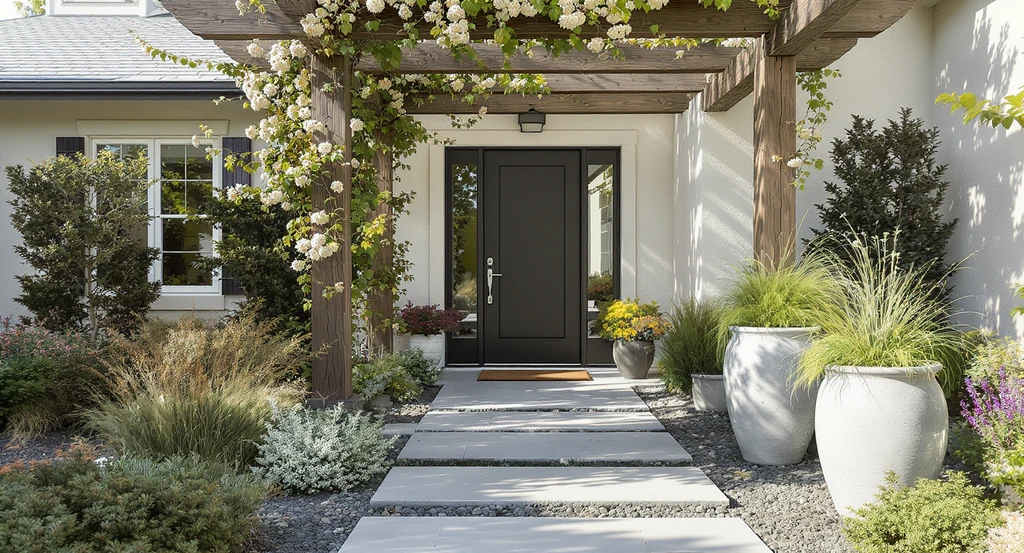
Accent your entry with front yard curb appeal landscaping ideas, such as a vine-draped arbor and bold container plants, for a welcoming transition.
Unadorned or cluttered entryways make entrances feel abrupt or uninviting. Strategically placed focal points—such as a vine-draped arbor, colorful seating, or bold containers—create a clear transition from street to door. These welcoming elements draw the eye and mark the experience of arrival. Correction: Introduce one to two features sized to the entry's proportions and coordinate with your home's style. For further inspiration, browse our examples of front yard curb appeal upgrades.
-
09. Coordinate Planting, Hardscape, and Lighting for Visual Alignment
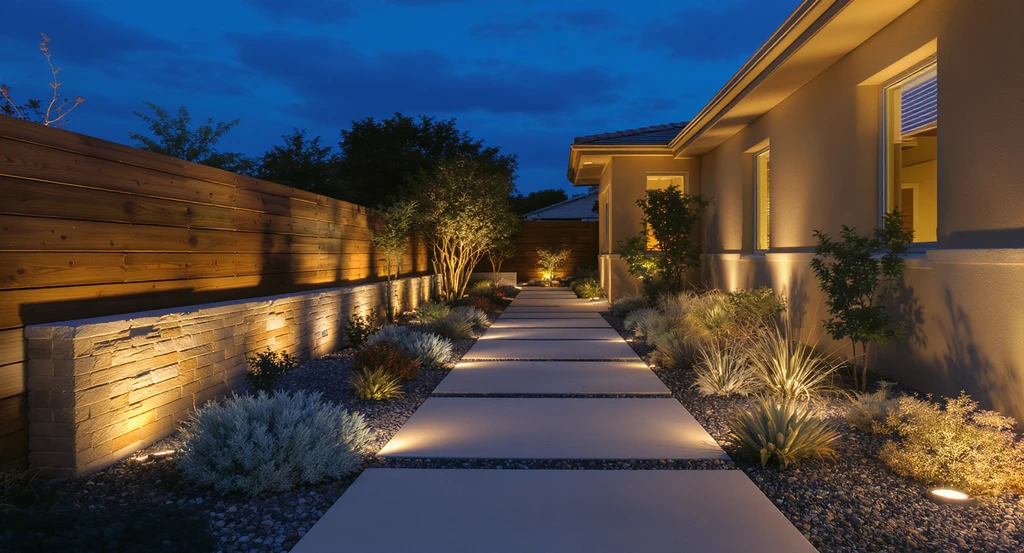
Unified planting, modern walkway design, and coordinated lighting offer low maintenance front yard garden solutions and enhanced curb appeal landscaping ideas.
Disparate or uncoordinated yard elements reduce overall harmony and buyer confidence. Visual alignment is the consistency between all landscape components—plants, pathways, walls, and lights—so that the space reads as intentional and inviting. Using plant colors and hardscape materials that echo home architectural features stabilizes the scene. Correction: Audit material and color choices across elements for unity. Effective lighting extends curb appeal into the evening, as outlined in our landscape lighting tips.
Front Yard Curb Appeal FAQ
- How do I choose the best plants for my front yard?
- Match plant size, sun requirements, and water needs to your yard's unique conditions and climate, as outlined in our low-maintenance landscaping guides.
- What are current trends in front yard hardscape?
- Modern designs favor permeable pavers, defined walkway geometry, and mixed materials that complement house style, as seen in our modern curb appeal resources.
- How can I add privacy without making my yard feel closed off?
- Use waist-high hedges or open fences for semi-privacy, balancing street exposure and openness as described in our privacy landscaping strategies.
- How do I make my entry more inviting?
- Accent your entry with an arbor, containers, or coordinated seating that enhances your home’s facade and signals a welcoming transition.
- Are retaining walls worth the investment?
- Yes, properly installed retaining walls manage slopes, protect landscapes, and boost curb appeal. Review our budget retaining wall guide for solutions.
Key Takeaways for Lasting Front Yard Curb Appeal
Curb appeal is shaped by the interaction of plant choice, layout, functional hardscape, and precise scale. Effective front yard design reduces maintenance, clarifies entry and use, and creates a visual language visitors and buyers instinctively trust. For more landscape planning logic and contemporary solutions, review our collection of curb appeal guides and resources.