Evaluating the Tradeoffs of Adjustable-Height Desks in Living Spaces
TL;DR
An adjustable-height desk with wheels can adapt your living space for different uses, but balancing stability, adjustability, and aesthetics is key. Smart design choices and material considerations can help avoid common missteps while allowing flexible function in compact or multipurpose rooms.
The Flexible Desk: Rethinking Home Workspaces

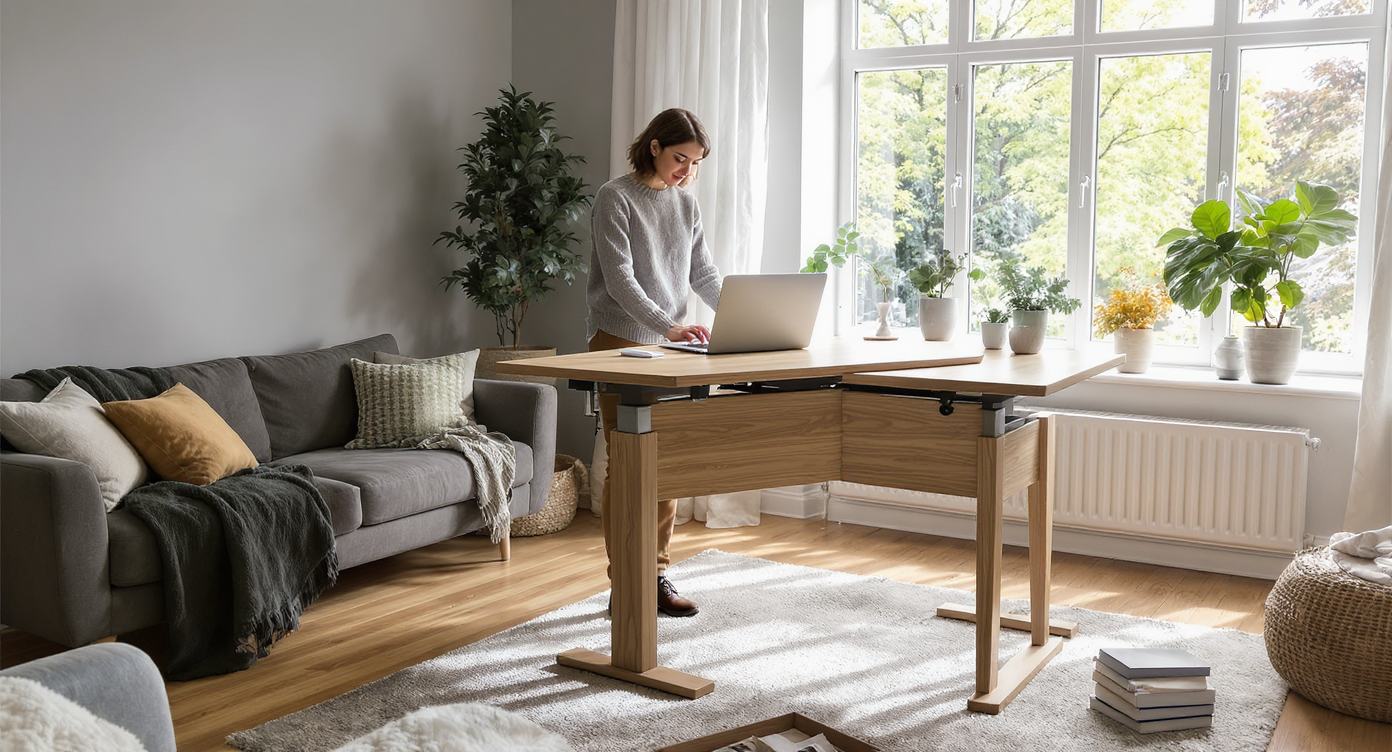
A stylish living space showcases an adjustable-height desk in action, blending workspace and leisure with modern, flexible design.
As homes increasingly serve multiple purposes, from remote workspaces to entertainment centers, demand for adaptive furniture has soared. The classic desk is no longer reserved for solitary study or a tucked-away office. Instead, its role is evolving to meet the fluid needs of modern living—sometimes acting as a workstation, other times doubling as a casual table for food, hobbies, or collaborative meetings. Desks that can change height or position are particularly tempting; picture a living room where your workspace slides seamlessly into place when you need it, then tucks away to transform into an entertainment hub. But creating a desk that is truly adjustable and mobile invites subtle engineering and style questions. If you’re thinking through the feasibility of such a project, it helps to understand not just how these pieces might function, but what challenges and advantages come built in.
-
The Allure and Complexity of Adjustable Furniture
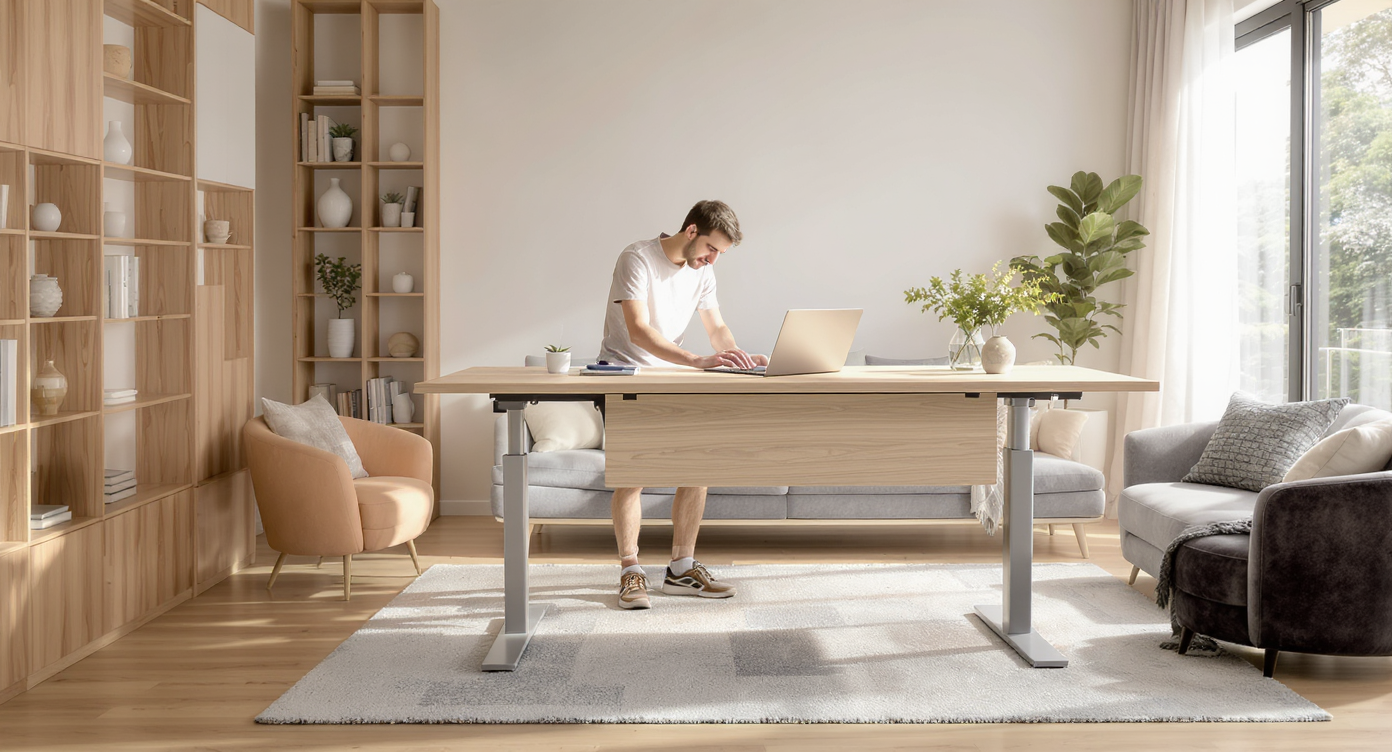
Adjustable-height desks offer flexible utility but require balanced engineering—modern designs blend function, style, and living space harmony.
Flexible furniture sits at the heart of modern small space design. Designers often turn to height-adjustable tables, convertible sofas, or rolling workstations to unlock extra utility without cluttering a room. The benefits seem endless: one piece can shift between work, dining, or leisure, matching users' changing routines. This adaptability is especially helpful in open-plan studios, family rooms where kids and adults share space, or in apartments that rarely see a dedicated office. However, this flexibility complicates the underlying engineering. Unlike static furniture, movable or height-changing desks must balance stability with ease of adjustment. The legs, support joints, and locking mechanisms need to hold steady whether the desk is high or low, stationary or on wheels. Often, the tradeoff comes in the form of added weight, more visible hardware, or limits on how low or high a piece can practically adjust. Frequent use can mean wear on moving parts as well. That said, thoughtful design and a willingness to innovate have led to significant progress in this space, yielding options that are both stylish and sturdy.
Expert Insight
On a recent visit to a city apartment, I noticed a compact rolling desk tucked neatly beside a sunny armchair. Its owner, an avid crafter and part-time remote worker, praised how she could instantly pull the desk over for projects, then drop it down to coffee table height for movie nights. She admitted the original version had stability issues, but a simple triangular brace and locking casters turned it into the most indispensable item in her living room.
-
Engineering for Versatility: Materials and Mechanisms
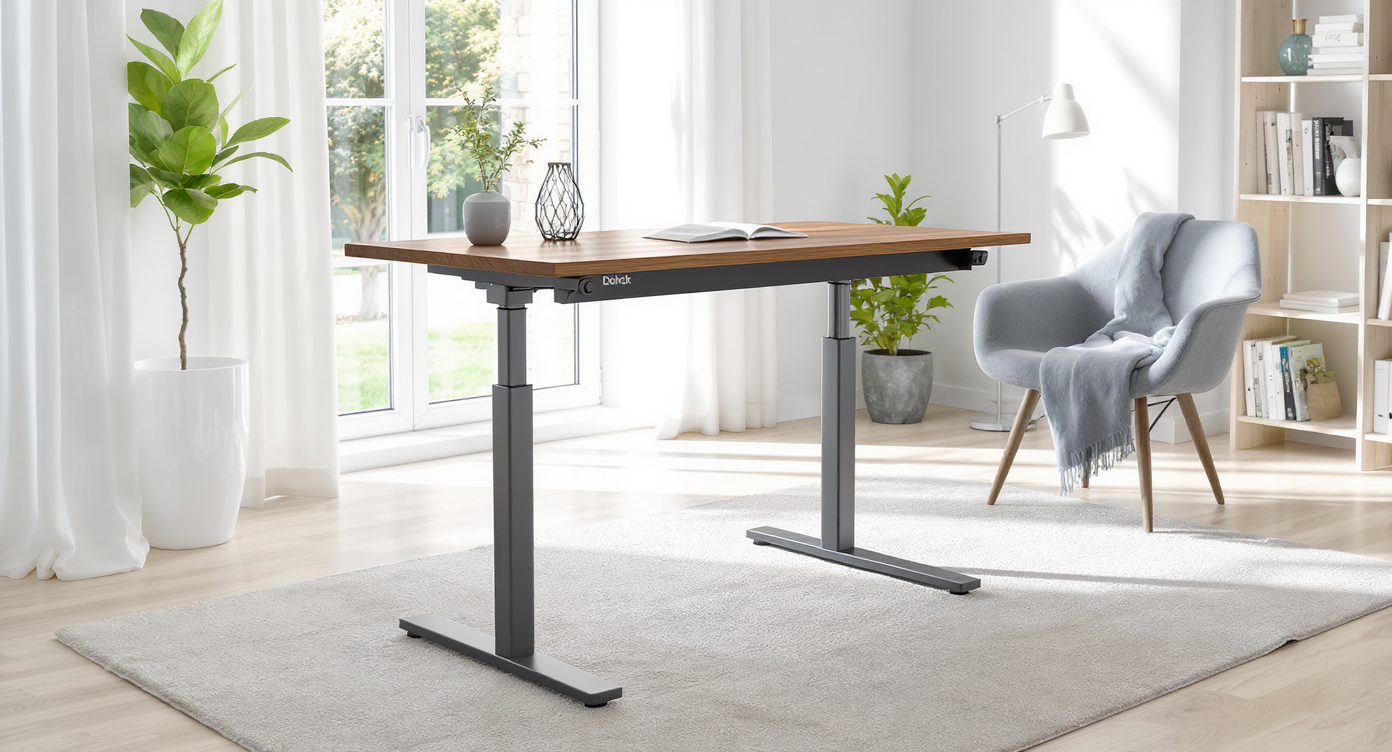
An adjustable-height desk combines steel and wood, showcasing telescoping legs and scissor-lift supports for both style and versatility.
To create a desk with adjustable height, designers experiment with telescoping tubes, pinned joints, crank systems, or pneumatic actuators. Telescoping mechanisms, like those found on camera tripods or portable canopies, often use spring-loaded plungers or push-button pins to secure a leg at set intervals. These systems are reliable but can be awkward to operate on larger, furniture-scale pieces unless engineered carefully. Alternative options include scissor-lift mechanisms that create variable height by expanding and contracting in a controlled triangle or X formation. Piano and keyboard stands exemplify this approach—they offer several preset positions, and their geometry helps maintain balance, especially when weight shifts. To integrate wheels, casters with locking mechanisms are typically a must. They allow the unit to roll smoothly but can hold it in place firmly once you arrive at the desired spot. Material choice is crucial. Steel offers strength and a refined look but can add heaviness. Wood brings warmth and hominess, but the joints require reinforcement to prevent wobble or deterioration. Sometimes a hybrid using metal for structural elements and wood for visual appeal works best. No matter the approach, good designs maintain the desk's center of gravity low and wide enough to minimize tipping, particularly when moving or adjusting to a higher position.
-
Practical Considerations: Stability, Safety, and Everyday Use
Every feature added to enhance adjustability must also guard against instability. Mobile desks, especially those with wheels, can be prone to tipping if their base is too narrow or if the weight is not distributed evenly. Adjustable desks often solve this by using a triangular frame or cross-bracing underneath—the triangle remains the most inherently stable geometric form in furniture engineering. Security in adjustment is another concern. The best designs let you change height using clear, tactile levers or pins that audibly click into place. This reassures users the setting is locked. Many commercial height-adjustable desks now incorporate pneumatic or motorized supports for ease of movement, but for do-it-yourself and artisanal solutions, simple mechanical stops or notched brackets deliver consistency. Daily living offers practical tests. Imagine transitioning from work to relaxation: rolling your desk from the window to your sofa, pivoting the height for casual snacking, or sliding it beneath built-in shelving for efficient storage. Each mode of use challenges both the locking integrity and the looks of the table, especially in open-concept rooms where every item is on display. Repeatedly having to clear a desk to adjust its height quickly becomes frustrating, so the process should be as seamless as possible.
Visualization Scenario
Picture an open-plan living space where a low, wide desk slides easily on wheels between sectional seating and a window nook. By day, it rises to become a home office hub with space for monitors, notebooks, and a cup of coffee. As evening falls, it drops to coffee-table height, supporting a pizza box and board games, then tucks out of sight beneath a shelving unit, leaving the floor open for yoga or impromptu gatherings.
FAQ: Adjustable-Height Desks and Flexible Living
Ensuring stability at all heights is central. A wider base, reliable locking points, and careful material selection all help provide safety and usability.
Are wheels a good idea for living room desks?
Wheels add mobility but can introduce tipping hazards, especially on plush rugs or with narrow bases. Lockable casters and a careful distribution of weight can help maintain security.
Will I be able to adjust the desk without emptying it?
Some designs require lifting or shifting the desk’s contents before adjustment, while higher-end mechanisms allow smooth transitions with minimal disruption.
How can I integrate an adjustable desk into a coordinated space?
Modular finishes and thoughtful lines ensure these desks fit with existing décor, whether styled minimal, industrial, or traditional.
Can I visualize my living room with an adjustable desk before buying or building?
Yes, platforms such as ReimagineHome.ai can generate room mockups for exploring layouts and furniture options.
Designing for Real Life: The Right Balance
A versatile, adjustable-height desk with wheels can be a powerful asset in flexible living environments. But achieving the perfect blend of usability, safety, and style takes more than a clever concept. Careful attention to stability, an understanding of mechanical constraints, and respect for how the desk looks when idle all shape the final experience. As multifunctional living becomes the norm, furniture designers and DIY enthusiasts alike will keep refining how these pieces support everyday routines. By staying mindful of practical realities and drawing from tried-and-true mechanisms, you can confidently introduce transformative pieces into your space—without giving up comfort or peace of mind. For those seeking inspiration or tailored design solutions, ReimagineHome.ai offers visualizations and fresh concepts for contemporary living.