7 Structured Steps for a Backyard Makeover with Native Plants and a Pool
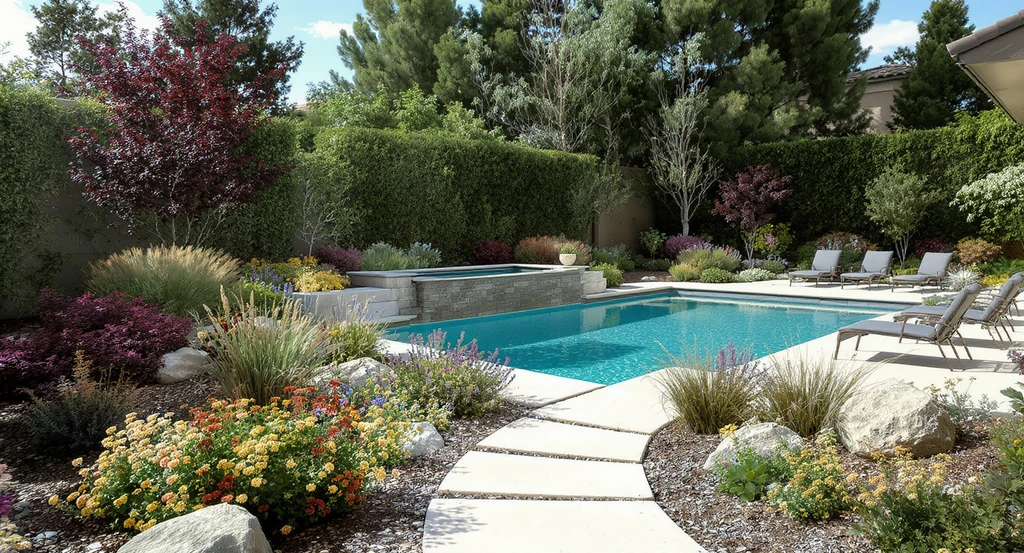
Feeling Stuck with Your Backyard? Start Here.
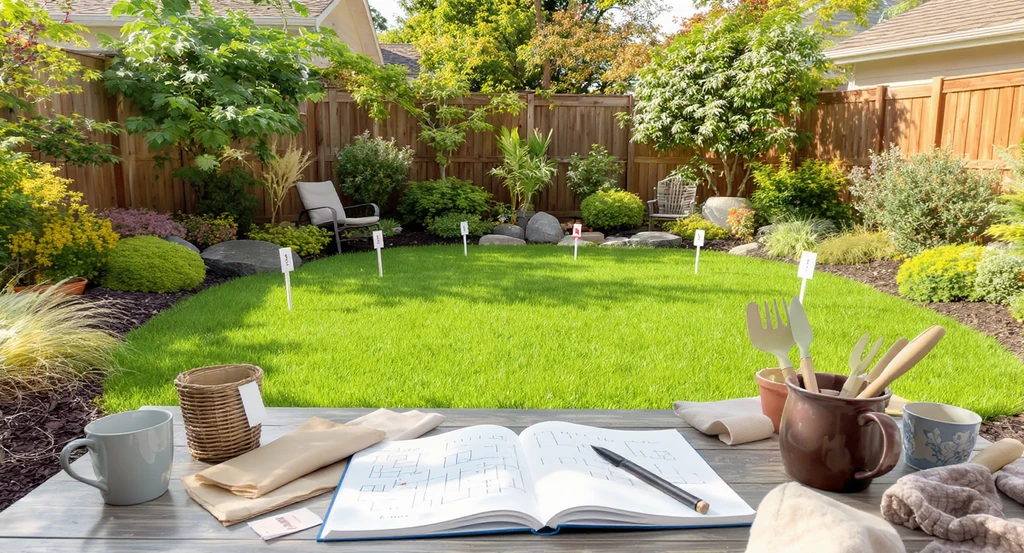
A bare backyard shows early planning for a makeover with native plants and a pool, featuring walkway sketches and low maintenance landscaping ideas.
A boring or bare backyard often signals the need for more than just plants or patio furniture-it requires clear spatial reasoning and decision clarity. Before adding features like walkways, pools, or new plantings, it’s essential to evaluate how you’ll use the space, the maintenance effort you want to invest, and the visual relationships between features. This guide breaks down the path from uncertainty to a transformed, inviting landscape using a practical, structured decision method.
-
01. Map Major Activity Zones Before Choosing Plants or Paths
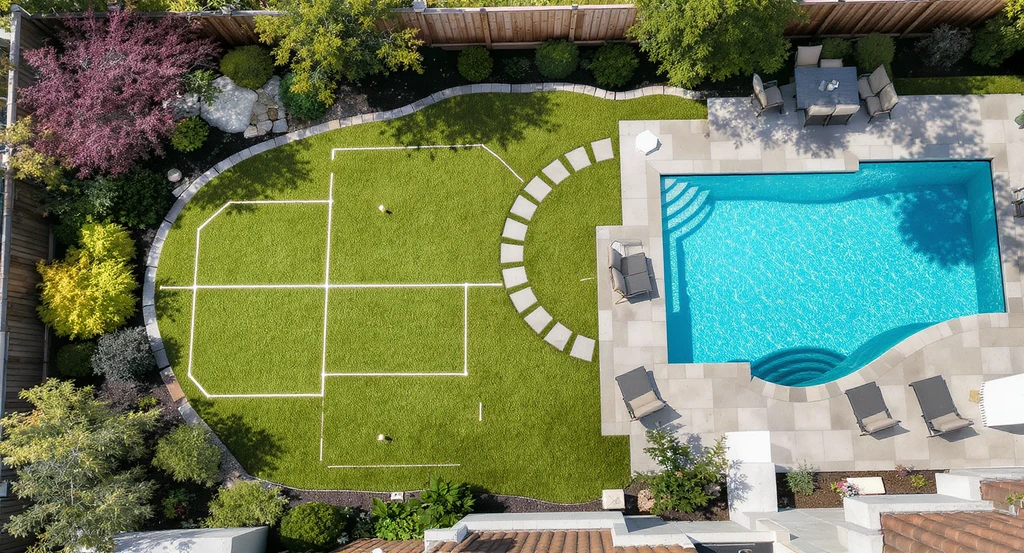
This backyard makeover with native plants and pool reveals sketched activity zones, walkway design, and native privacy beds—key steps for planning the best low maintenance landscaping and functional backyard privacy ideas.
Begin by imprinting the *Activity Zone Assessment* framework over your backyard: identify and sketch separate areas for lounging, dining, play, circulation, and privacy. This rule ensures every feature walkway, pool, native beds fits how you actually live. Zoning first improves long-term comfort, prevents cramming, and helps you see where connected paths (such as a walkway around a pool) should naturally flow. Spatially, zone mapping prevents dead zones or awkward bottlenecks. Psychologically, it keeps you from making regretful impulse decisions or committing to features that don’t enhance daily use.
-
02. Select the Pool Walkway Layout Using the ‘Flow Function’ Principle
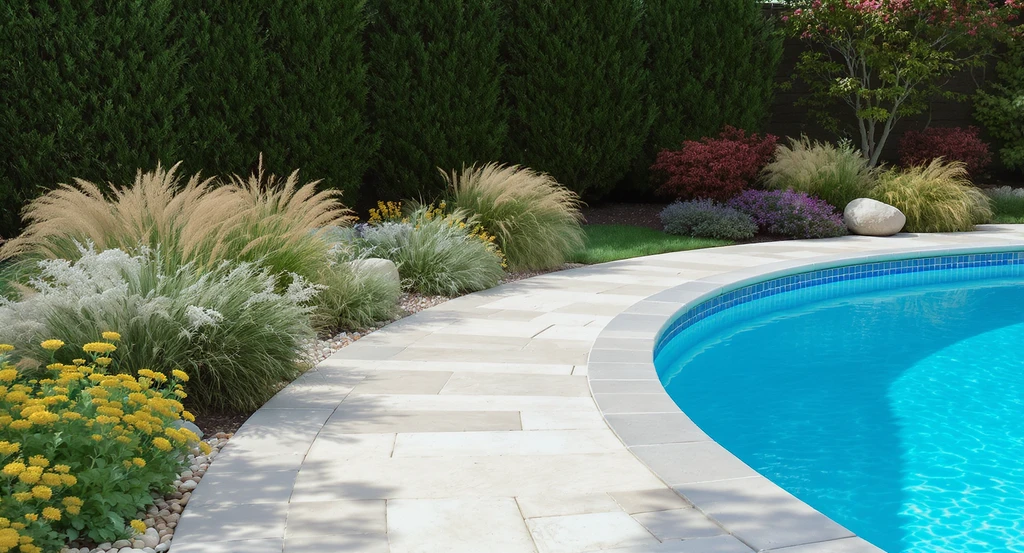
Designing a walkway around a pool using the 'Flow Function' principle creates a seamless backyard makeover with native plants and pool. Wide curved paths provide safe movement, showcase best native plants for backyard landscaping, and offer smart privacy ideas.
Designing a walkway around a pool works best when following the *Flow Function* principle: ensure all primary routes are 36–48 inches wide for easy passing and curved gently around the pool’s contours. Avoid tight corners or pinch points near water’s edge. Material choice natural stone, decomposed granite, or pavers should complement both pool coping and adjacent landscaping. Purposeful walkway width and placement minimize tripping hazards, control splash runoff, and define zones of movement versus relaxation. Visually, a looping path encourages exploration and allows native planting beds to soften hard lines, as emphasized in our analysis of what makes a successful backyard layout.
-
03. Choose Native Plants by the ‘Lasting Layer’ Method
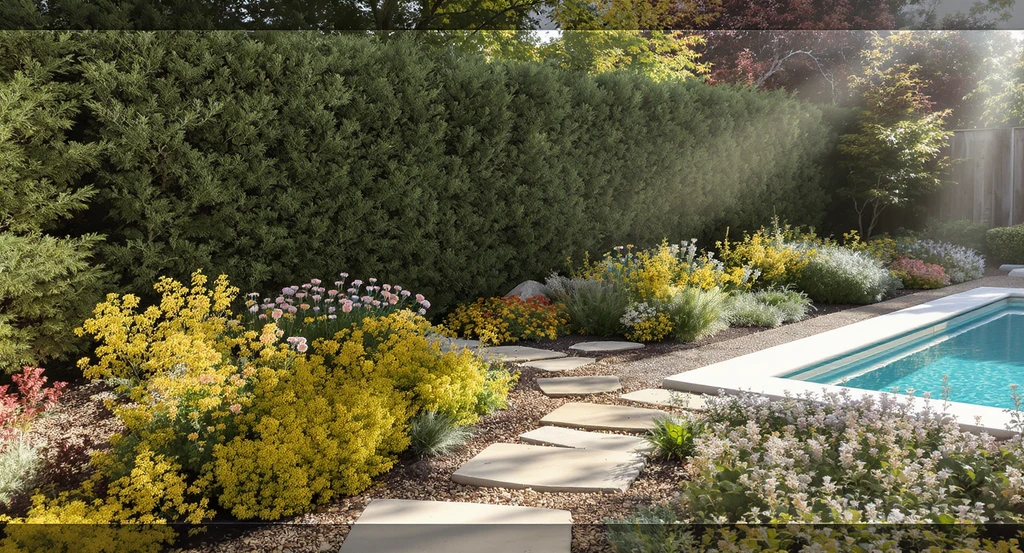
The Lasting Layer method groups native shrubs, perennials, and groundcovers for a low maintenance backyard makeover with native plants and pool. This sustainable approach enhances privacy, supports wildlife, and is ideal for designing a walkway around a pool with the best native plants for backyard landscaping.
Maximize visual interest and ecological benefit by applying the *Lasting Layer* method group native foundation shrubs, medium-height perennials, and low groundcovers in massed drifts. Select species adapted to your region for reduced water, fertilizer, and pruning needs. Consult regional plant lists and test combinations in photo visualizations before purchasing. Layering natives in this way provides continuous color, shelter, and seasonal variation for wildlife. This approach supports biodiversity, enhances privacy, and—according to our guide on wildlife-friendly landscaping—lets you participate compassionately in the local ecosystem.
-
04. Integrate Privacy with Multi-Purpose Plantings
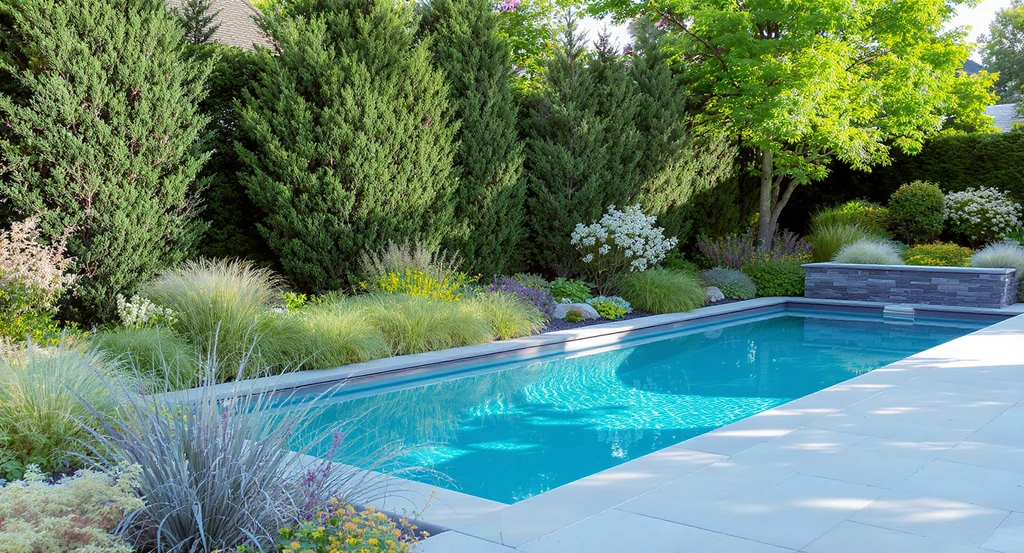
Layered plantings of native evergreens and tall grasses along the fence showcase a backyard makeover with native plants and pool, offering the best backyard privacy ideas with landscaping and maintaining clear views of the pool while reducing exposure and maintenance.
Address privacy and enclosure using a *Dual-Duty Buffer* strategy: plant evergreens, dense shrubs, or tall native grasses along fence lines or between zones. These not only screen views but also reduce wind, buffer pool noise, and provide backbone structure during winter months. The spatial advantage is clear sightlines toward focal points (like the pool) and concealed edges where you want retreat. Psychologically, layered privacy plantings reduce exposure and add a sense of sanctuary often missed in open, under-landscaped yards. As we explored in how to plan a landscape with lasting value, these choices elevate both comfort and curb appeal.
-
05. Plan Hardscaping First, Then Layer in Planting
Sequence layout steps using the *Foundation-Then-Flourish* model: install structural elements (walkways, patios, pool surround, drainage solutions) before introducing soil, mulch, or plants. This avoids trampling, compaction, and plant losses from construction activity. Spatial order improves drainage, allows for precise edge definition, and creates clear separations between living zones. This method also aligns with the advice given in our landscape design basics—showing that hardscape first, then plants, delivers tidier installation and reduced maintenance.
-
06. Use Photo Visualization to Test Layouts Before Committing
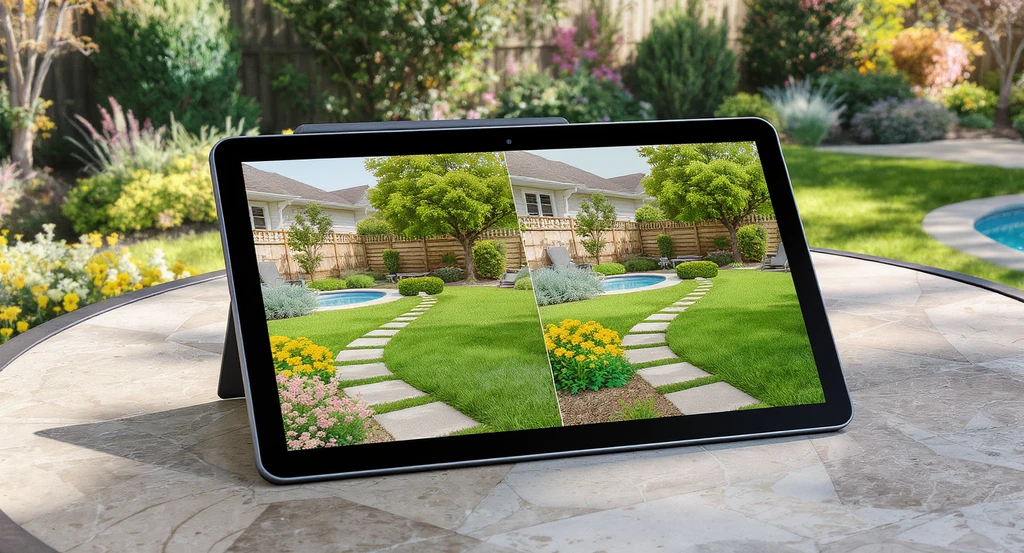
Photo visualization tools let you test backyard makeover ideas, like designing a walkway around a pool and selecting the best native plants for landscaping, helping to preview privacy options and low maintenance layouts before committing.
Mitigate regret and test out alternatives visually before breaking ground. Upload a photo of your yard to ReimagineHome and simulate different walkway curves, plant mixes, and privacy screens. This process allows immediate feedback does a certain arrangement block a key sightline, clutter the pool zone, or solve your boring view? Seeing the proposed changes helps align decisions with your actual taste and maintenance willingness. It’s especially valuable when collaborating with partners or professionals, cutting down miscommunication and surprise costs.
-
07. Phase Improvements Based on ‘Effort-Value’ Prioritization
Apply the *Effort-Value Prioritization* rule: Start with the minimum intervention that yields maximum day-to-day benefit. This often means lawn improvement, a primary walkway, or establishing the largest, lowest-maintenance native beds. Gradually phase in additional features only as your commitment and confidence grow. Spatially, early wins boost the yard’s usability. Psychologically, this method prevents burnout and reduces the risk of abandoning a half-finished project. According to guidance in our backyard makeover overview, pacing yourself can produce more lasting satisfaction than tackling everything at once.
Frequently Asked Questions
- What is the best way to start redesigning a boring backyard?
Begin by mapping activity zones to clarify how you want to use the space before choosing plants or paths. This structured approach avoids wasted effort and mismatched features. - Which native plants are best for privacy around a pool?
Choose regionally adapted evergreens, tall native grasses, and multi-stem shrubs. These provide year-round screening, reduce noise, and support local wildlife. Grouping native species improves effectiveness and ease of care. - How do I avoid creating a high-maintenance landscape?
Plan for low-maintenance landscaping by prioritizing native plant groupings, minimizing lawn area, installing clear walkways, and sequencing hardscaping first. Visualize layout changes before planting to test maintenance needs. - How wide should I make a pool walkway?
Design main walkways around pools to be 36–48 inches wide for comfortable passage and safety. Gentle curves and material continuity with the pool create better function and a seamless look.
Decision-Making, Not Decoration, Transforms Boring Backyards
From mapping zones to visualizing layouts and phasing improvements, a successful backyard makeover with native plants and a pool is the result of sequenced, structured choices. Use frameworks like Activity Zone Assessment and Foundation-Then-Flourish to avoid common mistakes and create a personal space that’s both inviting and manageable. Thoughtful design prevents regret and allows your backyard to evolve with your needs.